Halibut Fishing Techniques for the Washington Coast
Few fishing experiences are as exhilarating, or as frustrating, as chasing Pacific halibut off the Washington coast. You spend months anticipating the short season, pouring over tide charts, and prepping your gear, only to often face fickle weather, deep dark waters, and a fish that can feel like a concrete slab on the end of your line. It's not for the faint of heart or the unprepared, but the reward of a barn-door halibut on the deck makes every effort worthwhile. This guide is here to demystify the process, walking you through the essential techniques, gear, and strategies to increase your odds of success in Washington's challenging but incredibly rewarding halibut fishery.
Understanding Washington's Halibut Fishery: More Than Just a Season
Halibut fishing in Washington isn't just another day on the water; it's a dedicated pursuit, largely because of how meticulously managed and fleeting the season truly is. It's a dance between angler ambition and conservation efforts, making every legal halibut brought to the boat a hard-earned trophy. Before you even think about dropping a line, understanding the unique context of this fishery is paramount.
The Elusive Nature of Halibut on the Coast
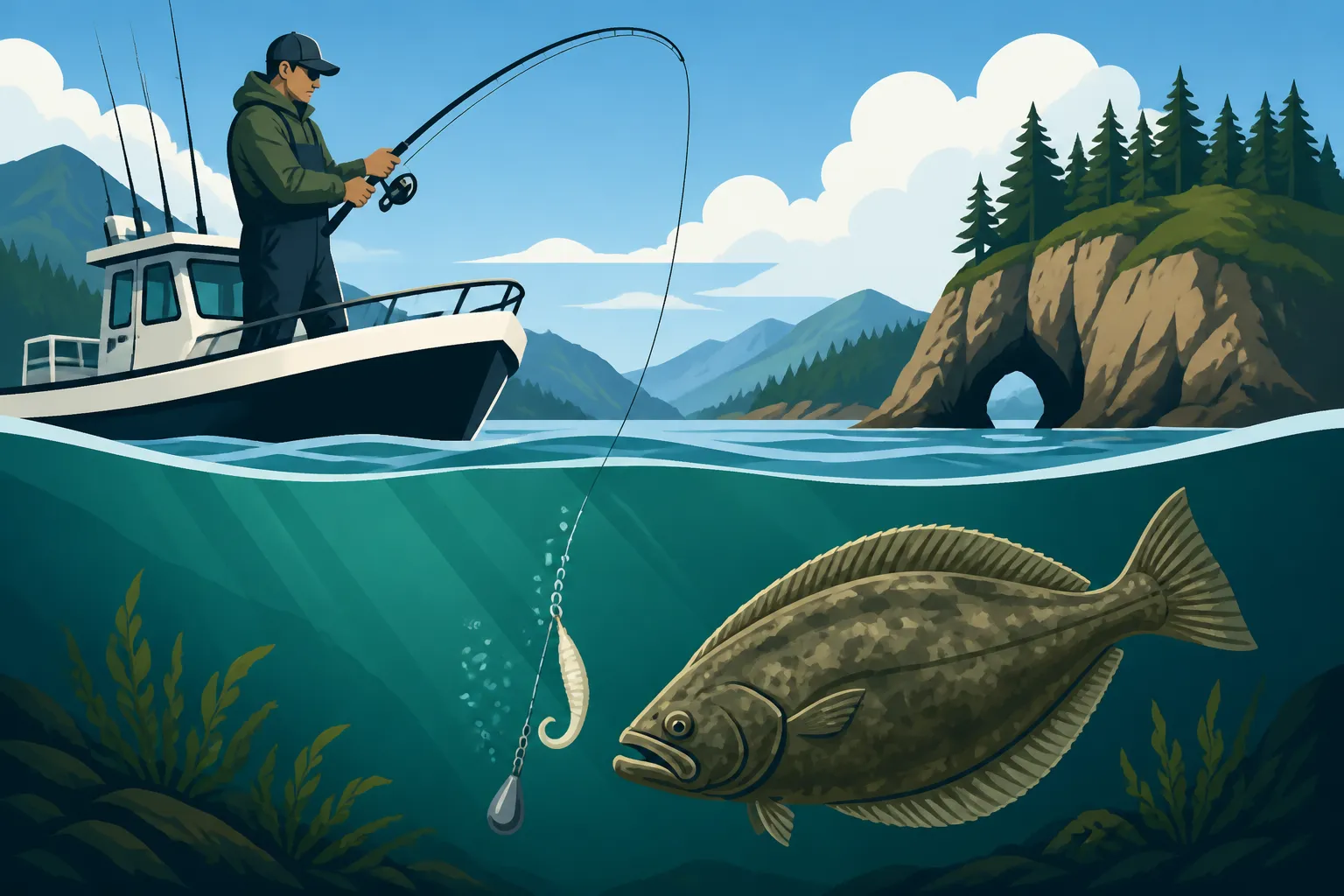
Pacific halibut are, without a doubt, one of the most sought-after bottom fish in Washington waters, and for good reason. These flatfish are renowned for their massive size, incredible fighting power, and delectable white meat. They're often called "barn doors" for their wide, flat bodies that can grow to impressive dimensions, with some individuals weighing hundreds of pounds. Unlike many other species, halibut prefer the deep, cold waters of the continental shelf and slopes, typically residing at depths ranging from 200 to 800 feet or even deeper. This deep-water habitat immediately presents challenges, from managing heavy gear to battling powerful currents and ensuring accurate bait presentation far below the surface.
Their feeding behavior further adds to their elusive charm. Halibut are opportunistic predators, often lying camouflaged on the seafloor, ambushing unsuspecting prey like cod, octopus, and crab. This ambush strategy means they're not always actively cruising for food, requiring anglers to present baits directly in their strike zone and often relying on strong scents and visual attractants to draw them in. The sheer power they possess once hooked is legendary; even smaller halibut can put up a significant struggle, while a true giant can test an angler's endurance and equipment to its absolute limits, often requiring a concerted effort from everyone on board to bring it safely to the surface and into the boat.
Key Halibut Fishing Seasons and Regulations
One of the biggest frustrations, and perhaps the most important aspect of Washington halibut fishing, is the heavily regulated and often incredibly short season. Unlike many other fisheries that run for months, halibut seasons are typically measured in days, sometimes just a handful, and often only on specific days of the week. This is because the fishery is managed by a quota system, meaning a set amount of halibut can be harvested each year to ensure sustainability. Once that quota is met, the season closes, often with very little notice. This creates a high-stakes, "don't miss your chance" atmosphere that can be both thrilling and anxiety-inducing for dedicated anglers.
To avoid disappointment and potential legal trouble, it is absolutely critical to stay on top of the current regulations. The Washington Department of Fish and Wildlife (WDFW) is the authority, and their website is the best source for up-to-the-minute information. You'll need to know precisely When Washington's Halibut Season Opens and specifically How Many Halibut Fishing Days Washington Gets in 2026 for your intended marine area. These dates and rules can change rapidly, sometimes even mid-season due to emergency closures or quota adjustments. Always double-check before heading out, as showing up on a closed day or fishing in a restricted area can lead to hefty fines and forfeiture of your gear.
Beyond just the season dates, you need to be intimately familiar with bag and possession limits. For halibut, these are typically very conservative, often allowing only one fish per angler per day, and sometimes a very limited annual limit. There might also be size restrictions, such as minimum or maximum length, designed to protect juvenile fish or breeding adults. Understanding these nuances is key to a successful and legal trip. For a deeper dive into these specifics, it's worth reviewing how Halibut Possession Limit in Washington works, as well as checking general rules laid out in Washington Fishing Regulations Every Angler Should Know. These regulations are designed to protect this incredible resource, ensuring future generations can also experience the thrill of halibut fishing.
Essential Gear for Washington Halibut Domination
You wouldn't bring a butter knife to a sword fight, and you certainly shouldn't bring light tackle to a halibut fight in the deep waters off Washington. Halibut fishing demands specialized, heavy-duty gear that can withstand immense pressure, deep-water deployments, and the powerful runs of a true monster fish. Skimping on tackle here is a recipe for broken hearts and lost fish.
Rods, Reels, and Line: Building Your Halibut Arsenal
When it comes to rods for halibut, think heavy. We're talking about stout, conventional boat rods designed for bottom fishing in deep water. Look for rods rated for 50-80 lb or even 80-130 lb line, with a fast action tip to detect subtle bites, but a powerful, parabolic backbone to horse up heavy weights and big fish from hundreds of feet down. Fiberglass rods or composite blanks are often preferred for their durability and forgiveness under extreme loads. Brands like Penn, Shimano, and Ugly Stik offer popular choices that stand up to the challenge. Length isn't as critical as power, but something in the 5'6" to 7' range is typically comfortable for battling fish from a boat.
Matching that rod with the right reel is equally crucial. You'll need a conventional star-drag or lever-drag reel with a massive line capacity. Think reels that can hold at least 400-600 yards of heavy braided line, sometimes more. This isn't just for the length of your drop, but for the unforgiving strength of a halibut's initial dives. Examples include the Penn International, Shimano TLD or Tyrnos series, or Daiwa Saltiga. These reels are built with robust gears, strong drags, and solid frames to endure the immense strain of deep-water cranking and fighting a powerful fish. Don't even consider using a spinning reel; they simply aren't designed for this kind of heavy lifting.
For your main line, braided line is the undisputed champion for halibut. Its incredibly thin diameter for its breaking strength, minimal stretch, and superior sensitivity make it ideal for detecting bites in deep water and fighting heavy fish without the springiness of monofilament. You'll want to spool up with 65 lb to 100 lb test braid. The lack of stretch means you'll feel every bump and nibble, and you'll have more direct control over the fish. While braided line itself is strong, you'll want to tie on a top shot or leader of heavy monofilament or fluorocarbon (80-150 lb test) for abrasion resistance near the bottom and for handling the fish at the boat. You can find excellent quality braided line and robust reels easily on platforms like Amazon, which often have competitive pricing and a wide selection to get your halibut gear dialed in.
The Critical Role of Weights and Rigs
The sheer depth of halibut habitat means you're going to need serious weight to get your bait down and keep it there, especially in areas with strong currents. It's not uncommon to use 1 to 5 pounds of lead, and in particularly strong tides or deep holes, some anglers might even go heavier. Cannonball sinkers are popular for their compact shape and ability to get down fast, while pyramid or sash weights are also commonly used. Having a variety of weights on hand is essential, as conditions can change quickly, and you'll want to adjust to maintain proper bottom contact. It's frustrating to watch your line sweep away with the current when you know the fish are below, so having enough weight is non-negotiable.
Once you have your weight, the next step is rigging your bait effectively. There are a few popular halibut rigs, each with its own advantages. Spreader bars are a favorite, allowing you to present your bait away from your main line and weight, reducing tangles and giving the bait a more natural presentation. A classic setup involves a three-way swivel, with one leg to the main line, one to a short leader for your weight, and one to a longer leader for your bait. Another common method is a slider rig, where your weight slides freely on the main line above a swivel that connects to your leader and hook. This allows the fish to pick up the bait without immediately feeling the resistance of the heavy weight.
Regardless of the rig, using strong, sharp hooks is paramount. Circle hooks are highly recommended, often in sizes ranging from 14/0 to 20/0, as they are very effective at hooking fish in the corner of the mouth, reducing gut-hooking and making for easier release if needed. Always check the regulations, as some areas may require specific hook types like non-offset circle hooks. Remember to check your knots regularly, especially with the heavy strains involved in halibut fishing. Investing in a good selection of terminal tackle, including heavy-duty swivels, crimps, and leaders, will save you a lot of headaches. Many anglers even pre-tie several rigs at home to save time on the water, and you can often find pre-made, heavy-duty halibut rigs and a variety of weights on Amazon to stock up before your trip.
Bait and Scent: What Halibut Really Want
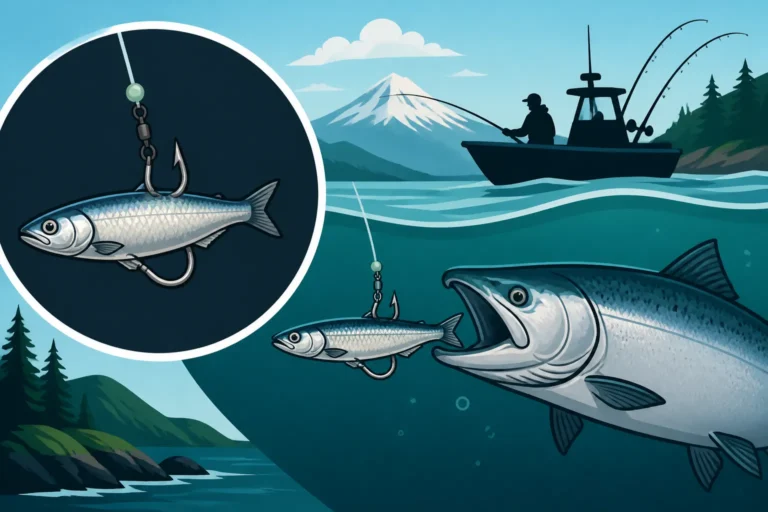
Halibut are primarily scent-driven predators, especially in the dark depths where light penetration is minimal. Therefore, presenting fresh, oily, and pungent bait is absolutely critical. The undisputed king of halibut baits along the Washington coast is fresh herring, often in larger sizes. Chinook salmon heads or bellies are also incredibly effective, thanks to their rich oils and strong scent trail. Other popular choices include octopus, squid, large sardines, or even mackerel. The key is to use bait that is fresh, thawed properly if frozen, and securely attached to your hook. You want it to stay on through the long drop and withstand the tugs of inquisitive bottom dwellers.
The presentation of your bait can make a huge difference. Many anglers "butterfly" their herring or salmon pieces, cutting them in a way that allows them to flap and move enticingly in the current, creating maximum scent dispersion and visual appeal. Tying your bait on with elastic thread or copper wire ensures it stays on the hook through the descent and any initial bumps from fish. Remember, halibut are scavengers as well as predators, so a strong scent plume drifting through the water column can draw them in from a considerable distance.
Beyond natural baits, many anglers incorporate artificial attractants and scent enhancers. Glow-in-the-dark skirts, octopus Hoochie skirts, or large grub tails can be added to your rig, especially in low-light conditions at depth. These provide visual stimulation that can pique a halibut's interest. Doping your bait with commercial scent sprays or gels that mimic fish oils or krill can further amplify its appeal, creating an even more irresistible offering. These are often applied generously to the bait just before deployment. Every little advantage helps when you're trying to entice a bite from such a formidable and elusive adversary in the vastness of the deep ocean.
Tried-and-True Halibut Fishing Techniques
Once you've got your robust gear assembled, it's time to talk about how you actually get that bait in front of a halibut. The deep, dynamic environment of the Pacific Ocean off Washington's coast means a few core techniques have emerged as most effective, each suited to different conditions and angler preferences. Mastering these will significantly boost your chances of success.
Drifting for Halibut: Covering Ground
Drifting is perhaps the most common and often most effective technique for halibut fishing on the Washington coast, especially when exploring new grounds or when fish are spread out. The basic idea is to let the natural currents and wind move your boat, allowing your bait to cover a wide swath of the seafloor. This maximizes your chances of encountering a feeding halibut that might be lying in wait. However, successful drifting isn't just about letting out line and hoping for the best; it's a calculated strategy requiring constant attention to boat speed, current, and bottom contour.
To execute a good drift, you'll need to use your boat's electronics extensively. Your fish finder and GPS are your best friends here. Look for promising structure on the sonar—ledges, humps, rocky bottoms, or even bait balls—and try to position your boat to drift over these features. Keep a close eye on your drift speed; if you're moving too fast, your bait might not be spending enough time in the strike zone, and if you're too slow, you might not be covering enough ground. You might need to use a sea anchor or drift sock to slow your boat down in windy conditions or strong currents, allowing your bait to stay closer to the bottom without having to use excessive weight.
Maintaining proper bottom contact is absolutely crucial while drifting. You want your weight to occasionally tap the seafloor, kicking up a puff of sand and signaling to any nearby halibut that a meal might be present. This means constantly letting out or retrieving a little line to compensate for changes in depth or boat speed. It’s a rhythmic process, and you’ll develop a feel for it. If your line is constantly pulling away from the boat at a steep angle, you need more weight. If it’s hanging straight down and you’re not touching bottom, you need to let out more line. When a halibut bites while drifting, it often feels like a solid, heavy pull or a sudden increase in resistance, almost like getting snagged on the bottom, but the "snag" starts to move.
Anchoring for Halibut: The Patient Hunter
While drifting allows you to cover territory, sometimes the halibut are concentrated in a specific, known honey hole, or the current is too strong for an effective drift. In these scenarios, anchoring becomes the technique of choice. The strategy here is to set up directly over a productive piece of structure—perhaps a prominent hump, a deep-water ledge, or an area that consistently holds bait—and fish it thoroughly. This method requires a bit more patience, as you're waiting for the fish to come to you, but it can be incredibly effective when you've pinpointed a hotspot.
Anchoring in deep water for halibut requires a robust anchoring system. You'll need a heavy anchor (e.g., a Bruce or Claw anchor) with plenty of chain and scope (the ratio of anchor line to depth). Deploying and retrieving this much anchor line and chain can be a significant undertaking, so an electric anchor winch is often considered an essential piece of equipment for halibut boats. Position your boat carefully, considering the current and wind, so that once your anchor sets, your boat settles over the desired fishing spot. If you misjudge, you might end up off the mark and have to pull the anchor and try again, which can be exhausting work in deep water.
Once anchored, you can fish multiple lines, often with different baits or rig configurations, to see what the halibut are responding to. Some anglers prefer to set one rod in a rod holder with a steady bait presentation, while actively jigging another. The key is to keep your bait on or very near the bottom. Bites while anchored can vary; sometimes it's a slow, deliberate tug, while other times it's an aggressive slam. Many anglers find the bite often picks up during the slack tide periods when the current is at its weakest, making it easier for halibut to move and forage. If you're looking for more insight into when and how to choose this method, our guide on Anchoring and Drifting for Halibut offers further details on optimizing your approach.
Jigging for Halibut: Active Engagement
Jigging for halibut is a more active and engaging technique, and while it might not always be the primary method, it can be incredibly productive, especially when fish are aggressive or when you're targeting specific structures. This technique involves using large, heavy metal jigs or weighted soft plastics that mimic baitfish, actively working them up and down in the water column to attract attention and trigger strikes. It's often most effective in areas with less current, allowing the jig to drop straight down and be worked effectively.
The types of jigs used for halibut are typically substantial. Think large lead-head jigs dressed with plastic swimbaits, heavy diamond jigs, or specialized flutter jigs, often weighing 8 to 24 ounces or even more. Many of these jigs come in vibrant colors, often with glow-in-the-dark features to maximize visibility in the deep, dark water. The action you impart on the jig is crucial. A common technique involves a series of strong lifts, pulling the jig several feet off the bottom, followed by a controlled drop back down. The idea is to make the jig appear like an injured baitfish struggling near the seafloor, a tempting target for a predatory halibut.
Vary your retrieve and jigging cadence until you find what the fish prefer. Sometimes a slow, methodical lift and drop is best, while other times a more aggressive, erratic action will trigger a bite. Pay close attention to your line on the drop; often, a halibut will strike as the jig falls, and you might only detect it as a momentary slackening or a subtle tick before you begin your next lift. Jigging requires a bit more physical effort than simply soaking bait, but the immediate feedback and the thrill of feeling a halibut strike a jig directly can be incredibly rewarding. You can find a vast selection of these heavy-duty jigs, often with glow features, suitable for Washington's deep waters on Amazon, ensuring you have plenty of options to experiment with on your next trip.
Locating Halibut on the Washington Coast: Beyond Just "Deep Water"
Knowing where to find halibut is perhaps the most critical component of a successful trip. It's not enough to simply drive offshore and drop a line in deep water; halibut have specific preferences for habitat and structure. Understanding these nuances, combined with effective use of modern electronics, will dramatically narrow your search and put you in the strike zone.
Prime Washington Halibut Grounds
The Washington coast boasts several well-known marine areas that are historically productive for halibut. Each offers its unique challenges and opportunities, but they all share the common trait of being offshore, in deep, cold water environments.
Westport is arguably the most popular halibut destination, offering access to wide expanses of continental shelf and numerous known halibut grounds. Anglers launching from Westport often target areas like the 50-Fathom Curve, or various "halibut holes" and ledges that are known to congregate fish. The sheer amount of available fishing grounds here makes it a prime choice, though it can also get crowded during the short season.
Further south, Ilwaco at the mouth of the Columbia River also provides excellent access to offshore halibut fishing, sharing many of the same general areas as Westport, but with its own unique local hotspots. This area is particularly famous during the Buoy 10 salmon fishery, but its offshore potential for halibut is equally significant.
To the north, on the Olympic Peninsula, Neah Bay and La Push are renowned for their rugged beauty and proximity to deep-water canyons and banks that hold halibut. Neah Bay, being the northwesternmost point of the contiguous United States, offers access to very deep, pristine waters and structure, making it a favorite for many serious halibut anglers. La Push also taps into these rich grounds, often focusing on areas just offshore from the Quillayute River mouth. If you're looking at specific charters or how to fish these areas, our guide on Westport, Washington Halibut and Tuna Charters can provide more localized insights.
Regardless of the specific port, halibut typically prefer depths between 200 and 800 feet, but they can be found shallower or deeper depending on bait availability and ocean conditions. The key is to look for underwater features that break up the flat bottom: ledges, drop-offs, humps, pinnacles, and the edges of submarine canyons. These features create current breaks and ambush points where halibut can lie in wait for prey. They also attract baitfish, which in turn attract the halibut. A contour map of the seafloor will be invaluable for identifying these potential hotspots before you even leave the dock.
Utilizing Sonar and GPS for Success
In the deep, vast expanse of the ocean, trying to find halibut without modern electronics is like trying to find a needle in a haystack blindfolded. Your fish finder (sonar) and GPS are not just helpful tools; they are absolutely essential for consistently locating and staying on halibut. Investing in a quality unit with a powerful transducer capable of accurately reading deep water is a game-changer.
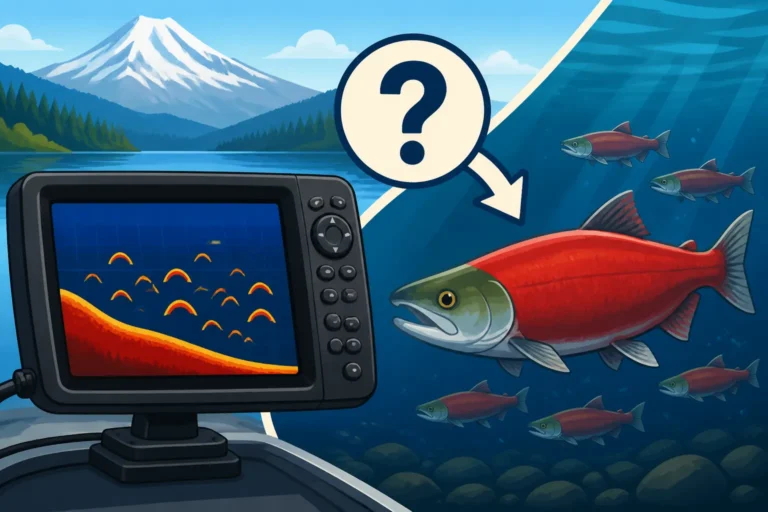
Your sonar will allow you to see the bottom contour, identify sudden depth changes, and locate specific structures like rock piles or ledges. More advanced units with CHIRP technology provide incredibly detailed images, allowing you to distinguish between different types of bottom and even mark individual fish or schools of bait. Learning to interpret these readings is a skill that develops over time, but generally, you'll be looking for "hard" returns (indicating rocky bottom) or any marks that suggest large fish lurking near the bottom.
The GPS on your plotter will allow you to mark waypoints for successful drifts or anchoring spots. When you get a bite or catch a fish, immediately mark your current location. If you're drifting, mark the beginning and end of a productive drift. Over time, you'll build up a personal library of successful waypoints, allowing you to return to productive areas with precision. You can also use your GPS to follow specific depth contours, which is a common strategy for halibut fishing. While not specific to halibut, understanding how to use your sonar effectively, as detailed in our article Can a Fish Finder Help You Locate Kokanee?, will give you a fundamental advantage. Always remember to cross-reference your electronic data with physical landmarks if possible, though far offshore, it's mostly about trusting your instruments.
Tidal Influences and Current Considerations
Tides and currents play an enormous role in halibut fishing success, influencing both fish behavior and your ability to effectively present bait. Unlike shallower inshore fisheries where tides dictate water depth and movement, offshore, it's more about the strength and direction of the current on the bottom. Halibut are powerful swimmers, but they generally prefer to hold in areas where they can ambush prey without fighting excessive current.
Many experienced halibut anglers prefer to fish around the slack tide periods. This is when the current is at its weakest (the transition between an incoming and outgoing tide, or vice versa), making it easier for your heavy weights to reach and hold the bottom. Less current also means less line scope, a more vertical line presentation, and better bite detection. During strong currents, your line will bow significantly, making it harder to maintain bottom contact, requiring much heavier weights, and making it challenging to feel subtle bites. The trade-off is that less current can sometimes mean less active feeding, as the baitfish aren't being swept past the halibut as readily.
However, some anglers find success during moving tides, especially the early stages of an incoming or outgoing tide, as the current can concentrate baitfish and activate halibut into feeding. The key is to understand how the current affects your drift and how to adjust your weight and technique accordingly. If the current is ripping, increasing your weight or switching to an anchoring strategy might be necessary. Conversely, if there's very little current, you might need to actively jig your bait more often to impart movement and attract attention. Always check the local tide and current charts for your specific fishing area before heading out; marine forecasts often include current predictions, which are invaluable for planning your halibut attack.
Handling and Caring for Your Halibut Catch
The moment of truth arrives when a massive halibut is hooked, and the battle begins. While the fight itself is thrilling, what happens once the fish is near the boat is just as important, both for safety and for preserving the quality of your hard-earned catch. Handling a large halibut incorrectly can lead to injury, loss of the fish, or compromise its delicious meat.
The Fight and Bringing a Halibut Aboard
Hooking into a halibut, especially a large one, is an experience you won't soon forget. Their initial runs are powerful, deep, and often feel like you've hooked a bulldozer. You need to be ready for this, with your drag set appropriately and your stance firm. Don't try to horse a big halibut in too quickly; let the rod and reel do the work, and be patient. Pumping and reeling, using the boat's movement to your advantage, is the standard technique. The fight can be long and physically demanding, so be prepared to rotate anglers if you're fishing with a crew.
As the halibut nears the surface, it's crucial to exercise extreme caution. Even a "smaller" halibut can create chaos on deck. Larger halibut, often called "barn doors," can be incredibly dangerous when they hit the surface. They have tremendous power, a surprisingly strong tail whip, and a nasty set of jaws that can do serious damage. Never try to lift a large halibut over the gunwale by the leader alone; the line will almost certainly snap, and you'll lose your fish.
For bringing halibut aboard, there are a few common methods. A stout gaff is often used, aiming for the head or gill plate area to secure the fish. For really large fish, some anglers prefer a harpoon, which provides a more secure attachment point and allows you to "rope" the fish before attempting to bring it into the boat. A very large, heavy-duty landing net can sometimes work for smaller halibut, but for anything over 40-50 pounds, a gaff or harpoon is generally safer and more effective. Always have at least two people ready for the landing process: one to gaff or harpoon, and one to control the leader and keep the boat in position. Safety for everyone on board is the absolute priority during this critical stage.
Dispatching and Preserving Your Catch
Once the halibut is safely in the boat, the immediate priority is humane dispatch and proper preservation. A large, thrashing halibut on deck is a safety hazard, and a quickly dispatched fish suffers less stress, which translates to better meat quality. The most common method for dispatching a halibut is often a brain spike, using a specialized tool or a sharp, heavy knife to sever the brain immediately after it's brought aboard. This kills the fish quickly and minimizes suffering. Some anglers also use a club or "priest" to subdue the fish with a sharp blow to the head.
After dispatching, the next crucial step is bleeding the fish. This is perhaps the most important factor in ensuring premium meat quality. Halibut have a lot of blood, and if not bled quickly, it can spoil the meat, giving it an off-flavor and reducing its shelf life. To bleed a halibut, you typically cut the main artery behind the gills or sever the tail. Allow the fish to bleed out thoroughly, ideally by hanging it over the side of the boat or laying it in a fish box with drain plugs removed, letting the blood flow out into the ocean. This process usually takes several minutes.
Once bled, the halibut should be immediately placed on ice. The goal is to chill the fish down as quickly as possible to stop bacterial growth and maintain the quality of the flesh. A large, well-insulated cooler filled with plenty of ice is indispensable for halibut fishing. Lay the fish flat on ice, ensuring ice surrounds it from all sides. If you have a very large fish that won't fit whole, you might need to fillet it at sea (check regulations first, as some areas require fish to be landed whole or with specific parts intact for identification). Many anglers choose to have their fish professionally processed and vacuum-sealed once back at the dock, particularly for large catches. If you're planning on transporting your prized catch any distance, it's worth reviewing How to Ship Fish Home From Washington to ensure your fillets arrive in top condition.
Safety First: Preparing for Offshore Halibut Adventures
Halibut fishing off the Washington coast takes you miles offshore into potentially unforgiving conditions. Unlike fishing in a calm lake or a protected bay, the open Pacific Ocean demands respect and thorough preparation. Safety should always be your number one concern, trumping even the desire to catch fish. Overconfidence or inadequate preparation can turn a thrilling adventure into a perilous ordeal very quickly.
Essential Safety Gear for Offshore Trips
Before you even think about leaving the dock for a halibut trip, you need to ensure your boat is properly equipped with all the necessary safety gear, and that everyone on board knows where it is and how to use it. This isn't just about compliance with U.S. Coast Guard regulations; it's about common sense and self-preservation.
Every person on board must have an easily accessible, properly fitting U.S. Coast Guard-approved life jacket or personal flotation device (PFD). Beyond that, you should have additional safety equipment that includes:
- Marine Radio (VHF): Essential for communicating with other vessels and, more importantly, with the Coast Guard in an emergency. A fixed-mount unit with a good antenna is preferable to a handheld for offshore use.
- GPS and Chartplotter: Not just for finding fish, but for navigation, knowing your exact location, and marking emergency positions.
- Flares or Other Visual Distress Signals: Required by law and critical for signaling for help in an emergency, especially after dark.
- Sound Producing Device: A horn or whistle to signal in fog or to other vessels.
- Fire Extinguishers: Properly charged and accessible.
- First-Aid Kit: Comprehensive enough to handle common fishing injuries, seasickness, and more serious emergencies. Consider adding items like motion sickness medication, waterproof bandages, and pain relievers. You can find excellent, well-stocked marine first aid kits on Amazon.
- Emergency Position Indicating Radio Beacon (EPIRB) or Personal Locator Beacon (PLB): These devices transmit your exact location to rescue authorities via satellite in an emergency, even when out of cell range. A PLB for each person is an excellent investment for personal safety.
- Survival Suit or Immersion Suit: While a significant investment, these are invaluable in cold offshore waters, dramatically increasing survival time if you end up in the water.
- Spare Fuel and Engine Parts: For multi-engine boats, ensure one engine can get you home. For single-engine boats, consider a small kicker motor as an emergency backup.
Beyond the gear, always check the marine weather forecast religiously before and during your trip. Ocean conditions can change rapidly and dramatically. What starts as a calm morning can quickly turn into rough seas and dangerous winds. If the forecast looks marginal, it's always better to err on the side of caution and postpone your trip. No fish is worth risking your life or the lives of your crew.
Seasickness Prevention and Management
Seasickness, or motion sickness, is a common affliction that can quickly ruin an offshore fishing trip for even the most seasoned angler. The constant pitching, rolling, and yawing of a boat in ocean swells can trigger a miserable combination of nausea, dizziness, and vomiting. Preventing it is far easier than trying to cure it once it sets in.
One of the most popular and effective preventative measures is medication. Over-the-counter options like Dramamine, Bonine, or Meclizine are widely available. It's crucial to take these medications before you feel sick, usually an hour or two before heading out. Once the symptoms start, these medications are far less effective. Prescription patches (Scopolamine) are also an option for those who suffer severely, but they require a doctor's visit.
Beyond medication, there are several non-pharmacological strategies that can help. Eating a light, non-greasy meal before your trip and avoiding alcohol or excessive caffeine can make a difference. Staying hydrated with water or clear beverages is also important. On the boat, try to stay on deck in the fresh air and focus on the horizon; this helps your brain reconcile the visual input with your body's sense of motion. Avoid reading or looking down for extended periods. Acupressure wristbands, which apply pressure to a specific point on the wrist, also work for some people. If you start to feel nauseous, try eating something bland like crackers, ginger snaps, or sipping ginger ale. Unfortunately, sometimes, no matter what you do, seasickness can strike. If you're concerned about this, our article on Is Seasickness Common on Washington Ocean Charters? delves deeper into prevention and what to expect on offshore trips. Always remember to prioritize your comfort and safety, and if you're feeling truly miserable, it's okay to call it a day.
Maximizing Your Halibut Experience on the Washington Coast
Halibut fishing is more than just catching fish; it's an entire experience. From the meticulous planning to the camaraderie on the boat and the enjoyment of your catch, there are many ways to enhance your adventure on the Washington coast.
The Role of a Professional Halibut Charter
For many anglers, especially those without a large, offshore-capable boat or limited experience in deep-water fishing, booking a professional halibut charter is the best way to experience this incredible fishery. Charters provide all the necessary, often expensive, specialized gear, as well as the expertise of a seasoned captain who knows the local grounds, current regulations, and effective techniques. This significantly reduces the learning curve and greatly increases your chances of success.
When you book a charter, you're essentially buying into the captain's knowledge, experience, and commitment to finding fish. They monitor conditions, track quota closures, and know where to go to maximize your limited fishing time during the short season. Charters are also equipped with top-tier electronics, heavy-duty tackle, and all the safety equipment required for offshore adventures. You simply show up, often with just your fishing license, food, and appropriate clothing, and the crew handles the rest, including baiting hooks, gaffing fish, and even cleaning your catch back at the dock.
While a charter might seem like a significant investment, when you factor in the cost of a suitable boat, specialized gear, fuel, and the time it takes to learn the fishery, it often becomes a very cost-effective way to get on the fish. It's also a fantastic way for beginners to learn the ropes from experienced pros without the pressure of being the captain. Our comprehensive guide on How to Book a Fishing Charter in Washington offers general advice, but for specific halibut experiences, check out what to expect from Westport, Washington Halibut and Tuna Charters. Whether it's a private trip with friends or a shared trip on a larger vessel, a good charter can turn a challenging fishery into a memorable and rewarding day on the water.
Planning Your Trip: Beyond Just the Fishing
A successful halibut trip extends far beyond the time you spend on the water. Thoughtful planning can make your entire experience smoother, more enjoyable, and ultimately more productive. This includes considerations for accommodation, local services, and making the most of your time in Washington's beautiful coastal towns.
If you're traveling from out of the area, consider booking accommodations well in advance, especially during the limited halibut season when popular coastal towns like Westport, Ilwaco, and Neah Bay can fill up quickly. Look for lodging that caters to anglers, with amenities like freezers for your catch or easy access to marinas. These towns are typically small but charming, offering a relaxed coastal vibe. Take some time to explore the local shops, restaurants, and other attractions.
Think about what you'll do with your catch. If you land a large halibut, you'll have a lot of meat. Many marinas and coastal towns have professional fish processors who can fillet, vacuum-seal, and even flash-freeze your fish for a fee. This is often well worth it for preserving the quality and convenience. If you plan to process it yourself, ensure you have adequate cooler space and ice, and potentially a portable filleting station. Consider what you need to bring for an extended stay, not just for the boat ride. Our guide on What to Pack for a Washington Fishing Road Trip might offer some useful general tips, even if you're not specifically on a road trip.
Finally, don't forget the administrative essentials. Make sure your Washington fishing license is current and includes any necessary endorsements for marine areas. If you're only visiting for a short time, you might consider a Best Washington License for a Weekend Trip, which offers convenience for short stays. Double-check all WDFW regulations for the specific marine area you'll be fishing, including any harvest reporting requirements. The more you plan ahead, the less stress you'll have on the day of your trip, allowing you to fully immerse yourself in the thrill of halibut fishing on the Washington coast.
Halibut Fishing Gear Checklist
| Item | Description | Quantity (Per Angler) | Notes |
|---|---|---|---|
| Rod | Heavy-duty conventional boat rod (50-80 lb class) | 1 | With a strong backbone and sensitive tip |
| Reel | Conventional star/lever drag reel (400-600 yds of 65-100 lb braid capacity) | 1 | Durable gears, strong drag |
| Main Line | Braided line (65-100 lb test) | 1 spool | Minimal stretch, high sensitivity |
| Leader Material | Monofilament or fluorocarbon (80-150 lb test) | 1 spool | For abrasion resistance near bottom |
| Hooks | Large circle hooks (14/0 – 20/0) | 10-20 | Check regulations for non-offset requirements |
| Weights | Cannonball, pyramid, sash weights (1-5+ lbs) | 5-10 | Assorted sizes for varying current/depth |
| Rigs/Terminal Tackle | Spreader bars, three-way swivels, slider rigs, heavy-duty swivels, crimps | Assorted | Pre-tied rigs save time |
| Bait | Fresh herring, salmon heads/bellies, octopus, squid, mackerel | Ample | Freshness is key; consider bait scent |
| Artificial Attractants | Glow skirts, Hoochies, grub tails | Assorted | For visual appeal in deep water |
| Bait Thread/Wire | Elastic thread or copper wire | 1 | To secure bait to hooks |
| Knife | Sharp filleting knife, rigging knife | 2 | For bait prep and fish processing |
| Gaff/Harpoon | Heavy-duty gaff or harpoon with rope | 1-2 (for boat) | Essential for landing large halibut |
| Measuring Device | Tape measure or fish ruler | 1 | For checking legal size limits |
| Coolers/Ice | Large, insulated coolers, plenty of ice | As needed | For immediate chilling and transport of catch |
| First-Aid Kit | Comprehensive marine first-aid kit | 1 (for boat) | Including motion sickness remedies |
| PFDs (Life Jackets) | USCG-approved for everyone on board | 1 per person | Properly fitting, easily accessible |
| Marine Radio (VHF) | Fixed or handheld | 1 (for boat) | Essential for communication and emergencies |
| GPS/Chartplotter | With up-to-date charts | 1 (for boat) | For navigation and marking fishing spots |
| Foul Weather Gear | Waterproof jacket, pants, boots | 1 set per person | Ocean spray and unpredictable weather are common |
| Sun Protection | Hat, sunglasses, sunscreen | 1 per person | Even on cloudy days, UV exposure is high |
| Camera | Waterproof, for capturing those memorable catches | 1 | Don't forget to charge it! |
Disclaimer
The information provided in this guide is for general informational purposes only. Fishing regulations, seasons, and catch limits are subject to change by the Washington Department of Fish and Wildlife (WDFW) at any time, often with little notice. It is the angler's sole responsibility to check and adhere to all current regulations before heading out on the water. Always prioritize safety and ensure your vessel and crew are properly equipped for offshore conditions.