Fly Fishing Washington’s Rivers and Lakes
The sheer variety of Washington's waters can feel utterly overwhelming for anyone looking to get into fly fishing. One day you're delicate nymphing for trout on a crystal-clear mountain stream, and the next you're trying to sling heavy intruders for steelhead on a swollen, rain-fed river. It's a beautiful challenge, but it often leaves new anglers, and even some seasoned ones, wondering where to even begin. This guide is here to untangle that complexity, giving you a clear roadmap to successfully fly fish Washington's incredible rivers and lakes.
Understanding Washington's Diverse Fly Fishing Landscape
Washington State truly is a fly angler's paradise, but what makes it so special (and sometimes, a bit confusing) is its incredible topographical and climatic diversity. You can literally drive a couple of hours and go from fishing a lush, temperate rainforest river to casting on an arid, high-desert lake. This means your approach, gear, and fly selection will vary wildly depending on whether you're on the western or eastern side of the Cascades, or exploring the rugged Olympic Peninsula.
Western Washington: Rain-Fed Rivers and Puget Sound Tributaries
When most people think of Washington fishing, they often picture the wet, green landscape west of the Cascade Mountains. This region is defined by its abundant rainfall, which fuels countless rivers and streams that eventually drain into Puget Sound or the Pacific Ocean. These waters are typically more turbid, especially during and after rain events, and are often characterized by gravel bottoms, deep pools, and snags – perfect habitat for anadromous fish.
Rivers like the Skykomish, Snoqualmie, Green, and Skagit are prime examples. They see strong runs of salmon and steelhead, offering exciting opportunities for anglers willing to brave the weather. However, the conditions can change rapidly. What was a perfect green-water steelhead flow one day can turn into a chocolate milk flood after a heavy downpour, making sight fishing nearly impossible and requiring heavier gear and different techniques. These rivers often have strict regulations regarding gear, such as Barbless Hook Requirements on Washington Rivers, which are crucial to follow to protect fragile fish populations. You'll often find anglers here swinging flies for steelhead or stripping large streamers for aggressive salmon, especially during their fall and winter runs.
Eastern Washington: Arid Lakes and Freestone Streams
Crossing over the Cascades, you enter a completely different world. Eastern Washington is significantly drier, with vast landscapes of sagebrush, rolling hills, and a network of spring-fed lakes and freestone rivers. The fishing here often centers around robust populations of trout, including rainbow, cutthroat, and even some large brown trout.
Lakes like Lake Chelan, Lake Roosevelt, and numerous smaller pothole lakes in the Columbia Basin offer fantastic stillwater fly fishing. In these lakes, you'll often be targeting trout that feed on chironomids, leeches, scuds, and damselflies, requiring different strategies than river fishing. Think floating lines with long leaders, indicator nymphing, or stripping buggers and leeches from a float tube or boat. Rivers like the Yakima River, on the other hand, are renowned for their wild trout populations, offering some of the best dry fly fishing in the state, especially during summer hatches. The clear, freestone nature of these rivers demands stealth, precise casts, and accurate fly patterns, often in smaller sizes. The weather here is also more consistent, with hot, dry summers and cold, snowy winters, which dictates the fishing seasons and target species.
Coastal and Olympic Peninsula Rivers: Steelhead Sanctuaries
The rugged Olympic Peninsula and the southwestern coast of Washington are iconic destinations for the most dedicated fly anglers, particularly those seeking the elusive steelhead. This region is a true temperate rainforest, receiving immense amounts of precipitation that feed legendary rivers like the Hoh, Sol Duc, Bogachiel, and Queets. These are often vast, powerful rivers, characterized by their wild beauty, challenging conditions, and strong runs of both winter and summer steelhead.
Fly fishing these rivers is a unique experience. You'll contend with dense forests, potential for swift, cold water, and often remote access. The focus here is overwhelmingly on migratory fish, with specific seasons and regulations often in place to protect these precious resources. For example, understanding Wild Steelhead Release Rules on Washington's Olympic Peninsula Rivers is paramount. Anglers here often employ larger fly rods, heavy sinking lines, and substantial flies, using techniques like Spey casting to cover vast amounts of water. The sheer power and beauty of these rivers, combined with the challenge of hooking a wild steelhead, make them a bucket-list destination for many fly fishers. You'll find fewer trout-focused opportunities compared to Eastern Washington, as the anadromous runs dominate the fishery, creating a distinct and specialized fly fishing culture.
Essential Gear for Washington Fly Fishing
Getting equipped for fly fishing in Washington means being prepared for a multitude of conditions and various species. From delicate dry fly presentations on the Yakima to swinging heavy flies for Olympic Peninsula steelhead, your gear selection will be crucial for success and comfort. It's not about having the most expensive stuff, but rather the right tools for the job.
Rods, Reels, and Lines: Matching the Hatch and the Water
The diverse waters of Washington necessitate a versatile rod and reel quiver. For smaller streams and lake trout in Eastern Washington, a 4- or 5-weight rod, 8.5 to 9 feet long, is a fantastic all-around choice. This setup allows for delicate presentations of dry flies and nymphs, perfect for targeting rainbow and cutthroat trout. Think about a medium-fast action rod that offers a good balance of finesse and backbone. A reliable click-and-pawl or small disc drag reel will suffice, loaded with a weight-forward floating line.
When you start moving to larger rivers, targeting bigger trout, or casting larger streamers, stepping up to a 6- or 7-weight rod becomes necessary. This gives you the power to cast bigger flies, fight stronger currents, and subdue larger fish more efficiently. For anadromous species like salmon and steelhead, you'll need even more horsepower. A 7- to 9-weight single-hand rod is often used for coho and smaller Chinook, especially when stripping streamers in Puget Sound tributaries. For the truly big game—winter steelhead and powerful Chinook—many anglers opt for two-hand rods (Spey or Switch rods) ranging from 7- to 9-weight and 11 to 14 feet long. These rods allow for effortless casting of heavy sinking lines and large flies, covering vast stretches of river without constant back-casting, which is a lifesaver on big, brushy rivers. Pairing these with appropriate large arbor reels with robust, smooth disc drags is essential, as these fish will test your gear to its limits. Your line selection will also vary from floating lines for dry flies, to sink-tip lines for streamers, to full sinking lines or Skagit/Scandi systems for Spey casting. You can find excellent options for all these setups on platforms like Amazon, offering a wide range of price points and brands.
Waders, Boots, and Layering: Staying Comfortable in Any Weather
Comfort on the water, especially in Washington's often wet and chilly climate, is non-negotiable. High-quality breathable waders are paramount. While chest waders are generally preferred for river fishing, hip waders might suffice for smaller streams or bank fishing on lakes. Look for durable, puncture-resistant materials and well-sealed seams. Paired with your waders, a good pair of wading boots with felt or rubber soles (often studded for extra grip) will keep you upright on slippery riverbeds. Consider the environment: felt soles offer superior grip on slick rocks but are prohibited in some areas due to invasive species concerns. Rubber soles with studs are a great all-around choice.
Layering is the key to staying warm and dry. Start with moisture-wicking base layers, add insulating mid-layers (fleece or down are great), and top it off with a waterproof and breathable wading jacket. Even on sunny days, Washington weather can turn quickly, so having a reliable jacket readily available in your pack is always a good idea. Don't forget a warm hat and fingerless gloves, especially for early morning or late-season trips. A good quality waterproof backpack or sling pack, also readily available from retailers like Amazon, will keep your extra layers, lunch, and essentials dry.
Fly Selection for Key Washington Species
Your fly box will be a treasure trove tailored to the specific species and conditions you're pursuing.
For Trout in Eastern Washington's rivers like the Yakima, a diverse array of dry flies, nymphs, and small streamers is essential. Think Caddis, Mayflies (Blue-Winged Olives, Pale Morning Duns), Stoneflies (Skwala, Golden Stone), and Terrestrials (hoppers, ants, beetles) for your dry fly game. For nymphs, patterns like Pheasant Tails, Hare's Ears, Princes, and Copper Johns in sizes 12-18 are staples. Small Woolly Buggers or sculpin patterns work well as streamers. On stillwaters, chironomids, leeches, scuds, and damselfly nymphs will fill your box.
For Steelhead, particularly winter runs on Western Washington rivers, your flies will be larger and often weighted. Intruders, tube flies, spey flies, and various leeches in black, blue, purple, chartreuse, and fuchsia are popular choices. Sizes typically range from 2 to 2/0. For summer steelhead, smaller patterns like Green Butted Skunks, Caddis, or small muddler minnows can be effective, especially during low water.
For Salmon, especially coho and Chinook, streamers are often the name of the game. Clouser Minnows, larger Woolly Buggers, Deceivers, and various baitfish imitations in chartreuse, blue, green, and pink are effective. Sometimes, bright pink or chartreuse egg-sucking leeches can also be deadly. Size 1/0 to 3/0 is common, tied on stout hooks to handle powerful fish. Remember that Washington Bait Bans and When They Apply in certain areas, so relying on flies is crucial.
Key Washington Species for the Fly Angler
Washington State offers an incredible diversity of fish species for the dedicated fly angler. From resident trout that rise to delicate dry flies to powerful ocean-run salmon and steelhead that test your gear and resolve, there’s always something new to pursue. Understanding the habits and preferred habitats of these different fish is key to successful fly fishing.
Trout: Rainbows, Cutthroats, and More in Rivers and Lakes
Trout are the bread and butter for many fly anglers in Washington, offering year-round opportunities across a vast array of waters. The most common species you’ll encounter are rainbow trout, cutthroat trout, and occasionally brown trout or brook trout.
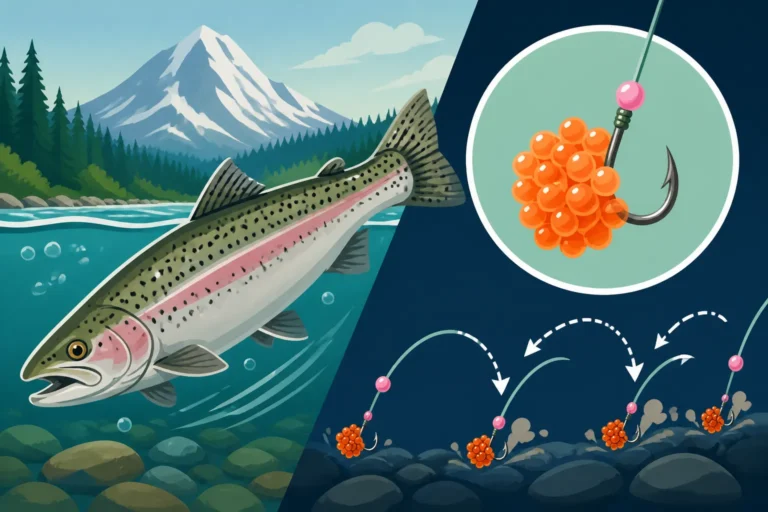
Rainbow trout are widely distributed, found in both rivers and lakes throughout the state. In Eastern Washington, rivers like the Yakima are famous for their wild rainbow populations, which readily take dry flies during prolific hatches, as detailed in articles like Nymphing for Trout on Washington's Yakima River and Dry Fly Fishing Washington's Rivers. In lakes, rainbows can grow quite large, responding to everything from chironomids and leeches fished under an indicator to trolled streamers. They are aggressive eaters and excellent fighters, making them a consistent target.
Cutthroat trout are another beloved native species, particularly the sea-run cutthroat found in Puget Sound tributaries and coastal rivers. These fish migrate between freshwater and saltwater, growing larger and more powerful than their resident counterparts. They often hug the banks, ambushing baitfish and insects, and can be caught on small streamers, nymphs, and sometimes even dry flies when they are actively feeding. Resident cutthroat are also found in many mountain lakes and streams, typically smaller but eager to take a well-presented fly. Their distinctive red or orange slash marks beneath their jaw make them easy to identify.
Brown trout are less common but can be found in some select rivers and lakes, particularly in Eastern Washington. Known for their elusive nature and predatory habits, brown trout can grow to impressive sizes, often preferring larger streamers and baitfish imitations. They are a challenge but incredibly rewarding to catch on the fly. Lastly, brook trout are usually found in high-elevation mountain lakes and streams, often stocked, and are known for their beautiful coloration and willingness to bite, making them a fun target for wilderness hikers.
Steelhead: The Ultimate Challenge in Washington's Iconic Rivers
Steelhead, the anadromous form of rainbow trout, are arguably the most revered and challenging fly fishing target in Washington. These powerful ocean-run fish return to their natal rivers to spawn, offering a truly wild and unforgettable angling experience. Washington hosts both winter and summer steelhead runs, each with its own characteristics and preferred techniques.
Winter steelhead are typically larger, darker, and enter the rivers from late fall through spring, often when rivers are high and cold. They are found in many Western Washington rivers, including the Skykomish, Skagit, and rivers of the Olympic Peninsula like the Hoh and Sol Duc. Targeting these fish requires patience, persistence, and often heavy sinking lines and large, colorful flies swung through deep pools and runs. This is where techniques like Spey casting really shine, allowing anglers to cover vast amounts of water efficiently, as explored in Fly Fishing Techniques for Winter Steelhead in Washington. The pursuit of winter steelhead is a test of endurance against the elements, but the reward of hooking into one of these chrome-bright, powerful fish is unparalleled.
Summer steelhead are generally smaller, chrome-bright, and enter rivers from late spring through early fall. They often hold in faster, well-oxygenated water, and can be more aggressive, sometimes even rising to dry flies during specific hatches, although nymphing and small streamers are more common. Rivers like the Klickitat, Olympic Peninsula rivers, and some Columbia River tributaries offer excellent summer steelhead opportunities. Both wild and hatchery steelhead exist, and understanding the regulations, including how to identify them by their clipped adipose fin and what to do if you catch a wild one, is critical. Protecting these incredible fish is a top priority for Washington anglers.
Anadromous Salmon: Targeting Kings, Coho, and Pinks on the Fly
While steelhead get a lot of fly fishing attention, Washington's five species of Pacific salmon also offer incredible opportunities for the fly angler, particularly coho (silver) and Chinook (king) salmon, and pink (humpy) salmon in their biennial return years.
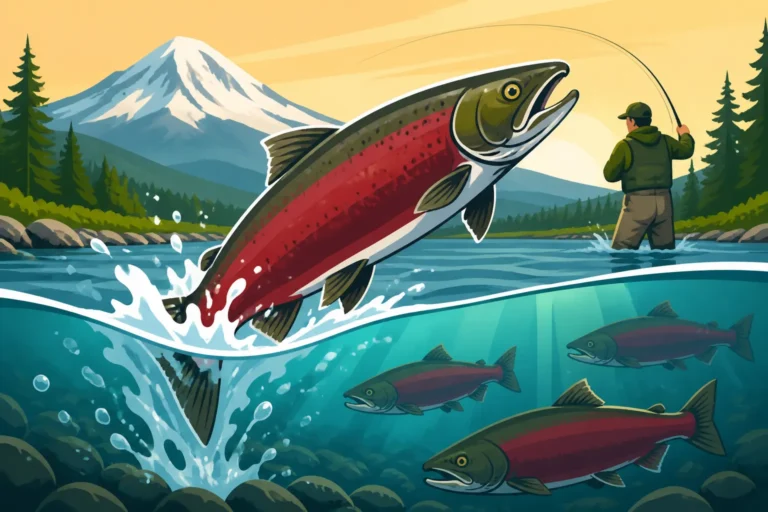
Coho salmon are perhaps the most popular salmon for fly anglers due to their aggressive nature and willingness to chase and strike flies. They return to Puget Sound tributaries and coastal rivers in late summer and fall, often holding in accessible runs and pools. Stripping medium-sized streamers in chartreuse, pink, and blue is highly effective. They are known for their acrobatic fights, often leaping clear of the water, providing thrilling action.
Chinook salmon, the largest and most powerful of the Pacific salmon, are a formidable fly fishing challenge. While often more difficult to entice on a fly once they've entered freshwater, aggressive "kings" can be caught, especially in the lower reaches of rivers or in marine areas. Larger, heavier streamers in chartreuse, green, and blue, stripped with conviction, are your best bet. A strong rod, reel, and heavy leader are essential for these powerful fish.
Pink salmon, or "humpies," return to Washington rivers every odd-numbered year in massive numbers (e.g., 2025, 2027). They are smaller than Chinook or coho but are incredibly numerous and aggressive, making them a fantastic target for beginners or those looking for constant action. Bright pink or chartreuse flies, often smaller streamers or even pink Woolly Buggers, are highly effective. Their sheer abundance provides a unique opportunity to hone your salmon fly fishing skills. Always be aware of current regulations and daily limits, as these can vary by river and species.
Mastering Techniques for Washington's Waters
Becoming a proficient fly angler in Washington means having a diverse toolkit of techniques. The varied water types and species demand adaptability, so mastering a few core methods will greatly expand your success and enjoyment on the water.
Nymphing: Drifting Flies for Subsurface Success
Nymphing is arguably the most consistently effective fly fishing technique in Washington, especially for trout and even some steelhead, because fish feed on subsurface insects and eggs the vast majority of the time. This method involves drifting weighted flies (nymphs) along the bottom of a river or lake, mimicking aquatic insect larvae and pupae.
There are several variations of nymphing, each suited to different conditions. Indicator nymphing is perhaps the most common, where one or more nymphs are suspended under a strike indicator (a fancy bobber) that signals takes. This is incredibly effective on rivers like the Yakima, as highlighted in Nymphing for Trout on Washington's Yakima River, where you can fish multiple flies at different depths. For deeper, faster water, you might use heavier split shot or tungsten-beaded flies. Euro nymphing (or tightline nymphing) has gained popularity for its sensitivity and direct contact with the flies. This technique uses a specialized leader and longer rods to detect subtle takes without an indicator, allowing for incredibly precise drifts and immediate hook sets. It's particularly effective in complex currents and for spooky fish. Finally, suspension nymphing involves using a floating line and leader, with a series of unweighted or lightly weighted nymphs, allowing them to drift naturally just under the surface or at mid-depth. The key to all nymphing techniques is achieving a natural, drag-free drift that presents the fly as if it were a real insect dislodged from the bottom, making it an irresistible meal for opportunistic fish.
Dry Fly Fishing: Matching Hatches and Presentation
There's nothing quite like the thrill of seeing a fish rise to a perfectly presented dry fly. While less consistently productive than nymphing in many Washington waters, dry fly fishing comes alive during specific insect hatches, particularly on the state's famous trout rivers and some stillwaters.
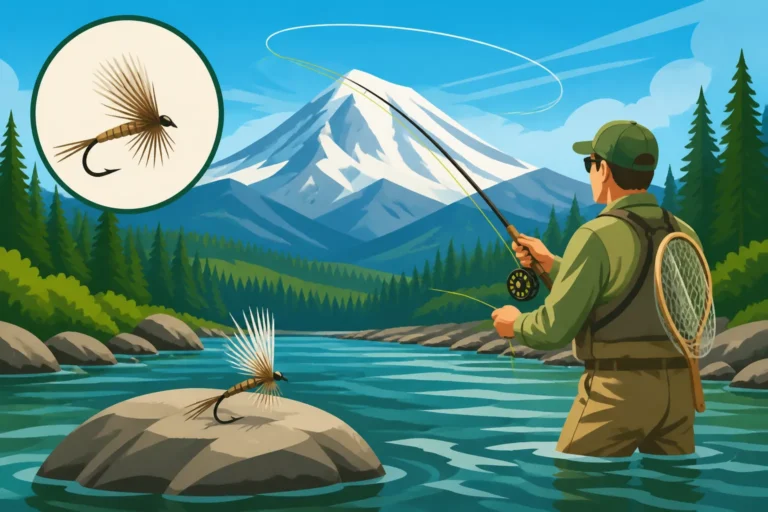
Successful dry fly fishing hinges on two primary factors: matching the hatch and presentation. Matching the hatch means identifying the natural insects that are emerging or falling on the water (mayflies, caddisflies, stoneflies, midges, or terrestrials like hoppers and ants) and selecting an artificial fly that closely imitates their size, shape, and color. This often requires carrying a diverse selection of patterns. Rivers like the Yakima are a prime example where significant hatches can bring trout to the surface, making it an ideal location for this technique. The nuances of identifying and imitating these insects are crucial, as discussed in Dry Fly Fishing Washington's Rivers.
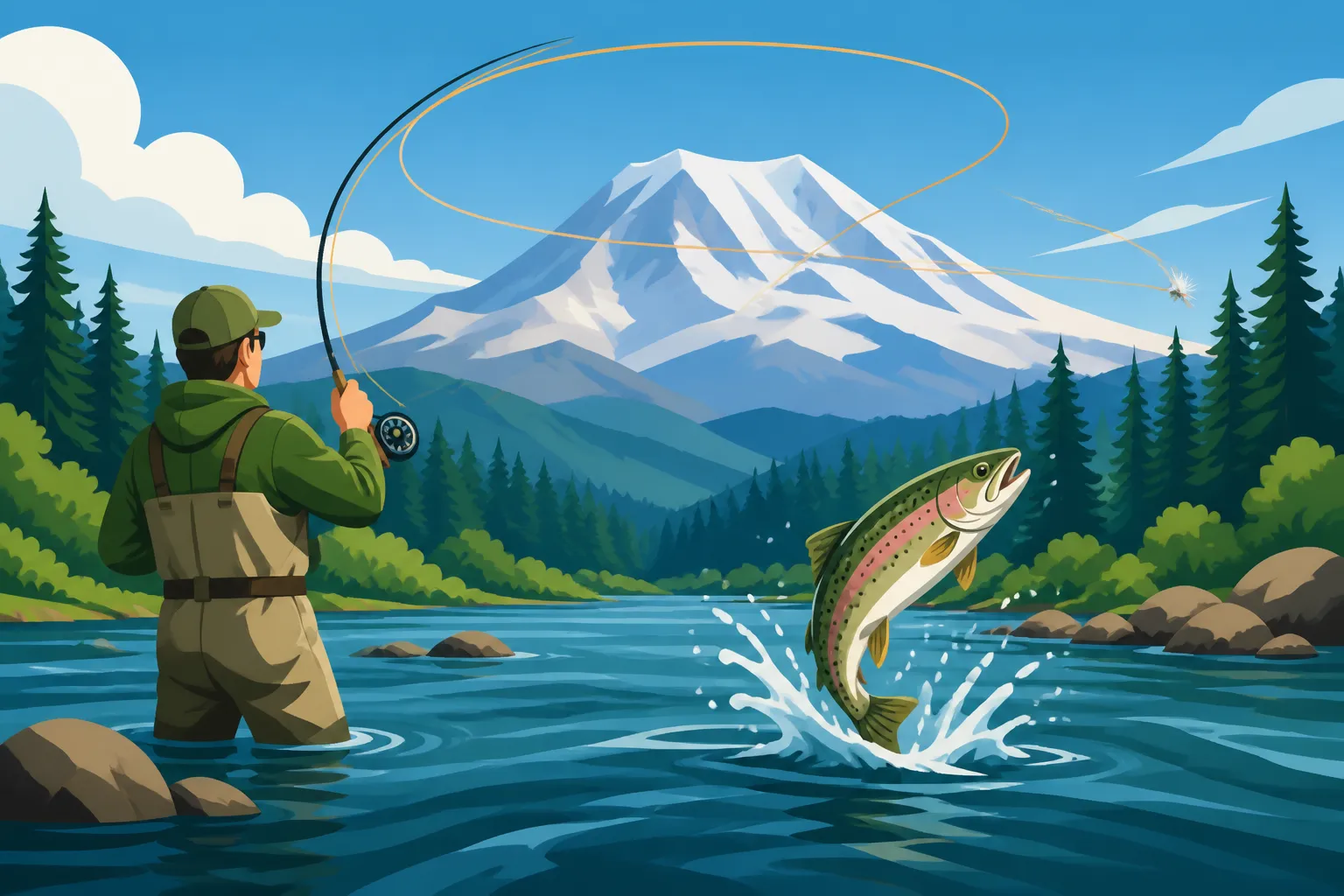
Presentation refers to how your fly lands and drifts on the water. A "drag-free drift" is the holy grail – allowing your fly to float naturally with the current, without any drag from your line pulling it unnaturally. This often involves careful casting, mending your line upstream, and anticipating currents. Stealth is also important; approaching feeding fish quietly and making accurate casts without spooking them is essential. While dry fly fishing can be challenging, particularly in Washington's often windy conditions, the visual aspect and the explosive strikes make it an incredibly rewarding method when the conditions are right.
Streamer Fishing: Aggressive Tactics for Aggressive Fish
When fish are aggressive, predatory, or simply not looking up for dry flies or down for nymphs, streamer fishing can be incredibly effective. This technique uses flies designed to imitate baitfish, leeches, or other larger prey items, which are then stripped, swung, or jigged through the water to trigger an aggressive strike.
Streamer fishing is highly versatile in Washington. It's a go-to method for targeting larger trout, particularly brown trout in lakes or rivers, and can be incredibly effective for sea-run cutthroat, salmon (especially coho and Chinook), and even aggressive steelhead. For example, when targeting coho in Puget Sound tributaries, stripping a brightly colored Clouser Minnow or Woolly Bugger can provoke powerful strikes. The key is movement: you're actively imparting action to the fly, making it dart, swim, or dive, mimicking a fleeing or injured baitfish.
Gear for streamer fishing often includes heavier rods (6-9 weight), aggressive weight-forward floating lines, or sink-tip lines to get flies down to the desired depth. Leaders are typically shorter and stronger than those used for dry fly or nymph fishing. Varying your retrieve speed, adding pauses, and twitching the rod tip can all elicit strikes. Streamer fishing can be a very active and exciting way to fish, often connecting you with the largest and most aggressive fish in the system.
Spey Casting: Long Rods for Big Rivers and Steelhead
For anglers looking to master the art of fly fishing on Washington's largest rivers, especially when targeting steelhead and salmon, Spey casting offers a distinct advantage. This technique utilizes two-hand rods (Spey or Switch rods) and specialized line systems to cast long distances with minimal back-casting, making it ideal for covering vast stretches of water on wide, brush-lined rivers.
Spey casting involves a series of water-borne anchor casts that leverage the water's surface tension to load the rod, propelling the line forward in elegant loops. This reduces fatigue and allows anglers to fish effectively in situations where traditional overhead casting would be impossible due to obstructions on the bank. It's particularly prevalent on iconic steelhead rivers like the Hoh, Skagit, and Cowlitz, where anglers often swing large intruder or traditional spey flies through prime holding water.
Learning Spey casting requires dedication and practice, but the payoff is immense. It allows you to effectively present heavy sink-tips and large flies in strong currents, a necessity for targeting deep-holding steelhead. The rhythmic, graceful motion of a well-executed Spey cast is a thing of beauty in itself, and it connects you deeply with the tradition and history of salmon and steelhead fishing. Whether you opt for a traditional long Spey rod or a more versatile Switch rod, this technique is a powerful tool for exploring Washington's majestic anadromous fisheries.
Navigating Washington's Fly Fishing Seasons
Washington's distinct seasons profoundly influence where, when, and how you'll fly fish. Each time of year presents unique opportunities and challenges, making local knowledge and adaptability essential for success. Being aware of the seasonal shifts in fish behavior and insect activity will put you in the best position to enjoy the state's diverse fisheries.
Spring: Runoff, Hatches, and Early Season Opportunities
Spring in Washington is a season of transition, marked by increasing daylight, warming temperatures, and the inevitable snowmelt, which leads to spring runoff. This can be a double-edged sword for fly anglers. High, cold, and often turbid water from melting snow can make river fishing challenging in many areas, particularly for trout. However, it also brings a surge of nutrients and heralds the arrival of significant insect hatches.
On many Eastern Washington rivers like the Yakima, as water levels stabilize and clear, you'll start to see significant stonefly hatches (like Skwalas), followed by caddis and early mayflies. This can provide some of the first consistent dry fly action of the year, offering fantastic trout fishing. Lakes, too, begin to warm, and trout become more active, feeding on emerging chironomids and callibaetis nymphs. This is also a crucial time for steelhead spawners to be returning to rivers, though specific regulations often mean catch-and-release only, or closures, to protect these vital fish. For coastal rivers, late winter steelhead runs can extend into early spring, offering some last chances at these powerful fish before seasonal closures take effect. It's a time to pay close attention to river flows and water clarity, often checking online resources for current conditions before heading out.
Summer: Low Water, Dry Flies, and Mountain Lake Escapes
Summer is prime time for many fly anglers in Washington, characterized by warmer, often lower, and clearer water conditions. This is the peak season for dry fly fishing on many trout rivers, with prolific hatches of caddis, mayflies, and terrestrials like hoppers and ants bringing fish to the surface. Rivers like the Yakima shine during these months, offering incredible action for wild rainbow and cutthroat trout.
However, low water can also mean challenging conditions, as fish become spookier and require more delicate presentations and longer leaders. It's also important to be mindful of water temperatures, as excessively warm water can stress trout; in some areas, "hoot owl" regulations may be enacted, restricting fishing to cooler morning hours. As such, many anglers turn to high-elevation mountain lakes during the summer. These pristine, cold-water environments offer exceptional fishing for eager trout (rainbows, cutthroats, brookies) that rarely see angling pressure. Packing a lightweight pack rod and some terrestrial patterns for a hike into the wilderness can provide an unforgettable experience. This season also marks the start of some summer steelhead runs on specific rivers, offering a different kind of challenge in warmer, lower flows.
Fall: Salmon and Steelhead Runs, Last Chances for Trout
Fall is arguably one of the most exciting and diverse seasons for fly fishing in Washington, bringing a beautiful blend of changing foliage, cooler temperatures, and the highly anticipated return of anadromous fish. This is the season when many of the state's iconic salmon runs peak, including coho, Chinook, and chum.
Coho salmon, in particular, provide incredible fly fishing opportunities in rivers throughout Western Washington, including Puget Sound tributaries. Their aggressive nature makes them a thrilling target on streamers, as they flood into the rivers to spawn. Chinook, while more challenging on the fly in freshwater, can also be targeted, especially in the lower river sections. This is also a critical time for fall steelhead runs on some rivers and the beginning of the highly anticipated winter steelhead season on others. Anglers will shift from lighter trout setups to heavier rods, sinking lines, and larger flies to pursue these powerful migratory fish. For trout, while major hatches may dwindle, a "last hurrah" can occur on many rivers and lakes, with trout bulking up before winter. Streamer fishing for large trout can be particularly effective in the cooler fall water, as they become more predatory. Remember that a Catch Record Card Is Required in Washington for salmon and steelhead, so make sure yours is filled out correctly.
Winter: Steelhead, Stillwater Trout, and Solitude
Winter fly fishing in Washington is primarily synonymous with winter steelhead. This is the season of dedication, where anglers brave cold, wet conditions in pursuit of these powerful, ocean-fresh fish. Rivers across Western Washington, from the Olympic Peninsula to the Puget Sound drainages, see strong runs of winter steelhead from December through April.
Successful winter steelhead fishing often involves larger two-hand rods, heavy sinking lines (Skagit or Spey systems), and substantial flies swung through deep, cold pools and runs. Persistence is key, as conditions can be challenging with high, turbid water, cold temperatures, and limited daylight. However, the reward of hooking a chrome-bright winter steelhead is considered one of the pinnacles of fly fishing. Beyond steelhead, some stillwater lakes remain open and can offer good fishing for trout, particularly on milder days or if ice fishing isn't an option. This is a time for solitude on the water, with fewer anglers and a stark, beautiful landscape. Proper layering and warm gear, including a good wading jacket and insulated gloves, are essential for comfort and safety during these colder months. Always check emergency rule changes and river conditions before venturing out, as winter flows can be unpredictable.
Conservation, Ethics, and Regulations
Fly fishing in Washington isn't just about catching fish; it's about connecting with nature, respecting the resource, and ensuring that these opportunities exist for generations to come. This means understanding and adhering to conservation principles, practicing ethical angling, and, crucially, knowing the specific regulations set forth by the Washington Department of Fish and Wildlife (WDFW).
Catch and Release Practices and Barbless Hooks
For many of Washington's most prized fisheries, particularly wild steelhead and native trout, catch and release is not just a suggestion – it's often a legal requirement or a deeply ingrained ethic. Practicing proper catch and release techniques is vital to minimize harm to the fish and ensure their survival.
This involves several key steps:
- Minimize Fight Time: Use appropriate tackle that can subdue the fish quickly without exhausting it.
- Keep the Fish in the Water: Avoid removing fish from the water for photos, especially in cold water. Water supports their body and gills, providing oxygen. If you must take a photo, do it quickly with the fish mostly submerged.
- Wet Hands: Always wet your hands before handling a fish. Dry hands can remove the protective slime coat, leaving the fish vulnerable to disease.
- Gentle Handling: Support the fish horizontally, avoiding squeezing or grabbing it by the jaw or gills.
- Remove the Hook Quickly: Use forceps or pliers to remove the hook cleanly. If a fish is deeply hooked, consider cutting the leader as attempting to remove it may cause more damage.
- Revive the Fish: Hold the fish gently in a current, facing upstream, until it can swim away on its own power. Don't pump it back and forth; this can actually harm its gills.
Another critical component of ethical angling in Washington is the use of barbless hooks. In many of the state's most sensitive fisheries, especially those for wild salmon and steelhead, barbless hooks are legally mandated. Even where not required, many conservation-minded anglers choose to use them anyway. Barbless hooks greatly reduce the stress and damage to a fish, making hook removal easier and quicker, and significantly increasing the chances of survival for released fish. The WDFW outlines these requirements clearly, and understanding Barbless Hook Requirements on Washington Rivers is a must for any responsible angler.
Understanding Washington Fishing Regulations Every Angler Should Know
Washington's fishing regulations can be complex and change frequently, but it is every angler's responsibility to understand and follow them. These rules are in place to manage fish populations, ensure sustainable fishing, and protect vulnerable species. Ignorance of the law is never an excuse.
Key regulatory aspects to always be aware of include:
- Fishing Licenses: You absolutely need a valid Washington fishing license, and often specific endorsements (like the Columbia River Salmon and Steelhead Endorsement), before you even cast a line. For non-residents, there are specific license options and costs, as detailed in the Washington Fishing License Guide for Nonresidents.
- Season Dates and Times: When a specific river or lake is open, and for what species, can vary widely by month, week, or even day.
- Bag and Possession Limits: How many fish of a certain species you can keep per day, and how many you can have in your possession, are strictly enforced.
- Gear Restrictions: This includes everything from barbless hook requirements to bait bans, lead weight restrictions, and limits on the number of rods you can use. Washington Bait Bans and When They Apply is a prime example of a common restriction.
- Species-Specific Rules: Certain species, particularly wild steelhead and bull trout, have very specific handling and release requirements.
- Emergency Rule Changes: The WDFW frequently issues in-season emergency rule changes, often due to fluctuating run sizes or environmental conditions. Always check the WDFW website or hotline before each trip. An excellent resource for navigating these rules is Washington Fishing Regulations Every Angler Should Know.
Always carry a copy of the current Sport Fishing Rules pamphlet (or have the MyWDFW app on your phone), and refer to it often. A minor violation, even accidental, can result in significant fines and penalties.
Protecting Washington's Wild Fisheries: Respecting the Resource
Beyond specific regulations, respecting the resource and adopting a conservation mindset is paramount for fly anglers in Washington. Many of the state's most iconic fisheries rely on fragile wild populations that need our protection.
This means:
- Avoiding Spawning Fish: Never intentionally target fish that are actively spawning on redds (nests). These fish are focused on reproduction and are easily stressed, and disturbing them can severely impact future generations.
- Reducing Your Footprint: Practice Leave No Trace principles. Pack out all trash, including discarded fishing line and broken leaders. Be mindful of stream banks and vegetation.
- Reporting Violations: If you witness poaching or egregious violations, report them to the WDFW enforcement hotline. Protecting the resource is a collective effort.
- Supporting Conservation: Consider joining or supporting organizations dedicated to habitat restoration, fish advocacy, and ethical angling practices in Washington. Groups like Trout Unlimited or regional conservation organizations do vital work that directly benefits our fisheries.
- Understanding Hatchery vs. Wild Fish: Be able to differentiate between hatchery-produced fish (often identified by a clipped adipose fin) and wild fish. Regulations are often more restrictive for wild fish to ensure their long-term survival and genetic integrity. This understanding is key to adhering to specific rules, for instance, for steelhead.
By embracing these principles, fly anglers become stewards of Washington's incredible natural resources, helping to preserve the pristine rivers and thriving fish populations that draw us to the water in the first place.
Top Fly Fishing Destinations in Washington
Washington State is a treasure trove of fly fishing destinations, each offering a unique experience for anglers. From world-renowned trout rivers to legendary steelhead streams, there’s a place for every skill level and preference. Knowing where to go and what to expect can make all the difference in planning your next adventure.
Yakima River Fly Fishing for Wild Trout in Washington
The Yakima River is undeniably Washington's most celebrated fly fishing destination for wild trout. Located in Eastern Washington, it’s a blue-ribbon trout stream, designated as a Catch-and-Release, Fly-Fishing-Only area for much of its upper stretch. This river is a true freestone system, meaning its flow and temperature are largely dependent on snowmelt and rainfall, providing diverse conditions throughout the year.
What makes the Yakima so special is its healthy population of wild rainbow and cutthroat trout, which thrive on prolific insect hatches. From early spring stonefly and caddis hatches to summer mayfly and terrestrial action, the river offers consistent dry fly opportunities. Nymphing is also incredibly productive, especially during colder months or when fish aren't rising. The river's varying character, from swift riffles and deep runs to slow, meandering pools, provides diverse habitat and challenges for anglers. Access is plentiful, with numerous public access points and boat launches. While it can get busy, especially on weekends, the sheer size and productivity of the Yakima mean there's always water to explore. You can find detailed information on tactics and specific spots in guides like Yakima River Fly Fishing for Wild Trout in Washington.
Washington's Skagit River and Its Winter Steelhead Run
The Skagit River is one of the most iconic and historically significant rivers in Washington, particularly renowned for its winter steelhead run. Flowing through the Western Cascades and emptying into Puget Sound, the Skagit is a large, powerful system that attracts dedicated steelhead anglers from around the world.
Fly fishing the Skagit for winter steelhead is a challenging but incredibly rewarding experience. These powerful, chrome-bright fish return to the river from late fall through spring, often in high, cold, and off-color water. Anglers typically employ two-hand (Spey or Switch) rods, heavy sink-tip lines, and large intruder or traditional steelhead patterns, swinging them through the river's numerous deep runs and pools. While the Skagit's steelhead fishing can be subject to restrictive regulations, it remains a bucket-list destination for many. Beyond steelhead, the Skagit also sees runs of all five Pacific salmon species, with opportunities for fly anglers, especially for coho and pinks in their respective seasons. For those interested in the nuances of fishing this legendary river, Washington's Skagit River and Its Winter Steelhead Run offers a deeper dive into its seasonal offerings and challenges.
The Hoh River's Winter Steelhead Season
Deep within the Olympic National Park, the Hoh River is a jewel of the Olympic Peninsula, famous for its wild and pristine winter steelhead season. This river flows through a temperate rainforest, characterized by massive old-growth trees, lush vegetation, and often high, swift flows fed by glacial melt and heavy rainfall.
Fly fishing the Hoh is an immersive wilderness experience. It's a river where wild steelhead are the primary focus, and conservation is paramount. Anglers here often use Spey rods to swing large flies through the Hoh's vast, dynamic runs and deep canyons. The fish are known for their incredible strength and beauty, reflecting the untouched nature of their home water. Access can be more challenging and often involves drift boats, but there are also walk-in opportunities. Due to its wild nature, fishing pressure can be intense during peak season, and regulations are often strict to protect the wild steelhead populations, including mandatory catch-and-release for wild fish. You can learn more about this incredible fishery and its unique demands in the article The Hoh River's Winter Steelhead Season.
Lake Chelan and Other Eastern Washington Gems
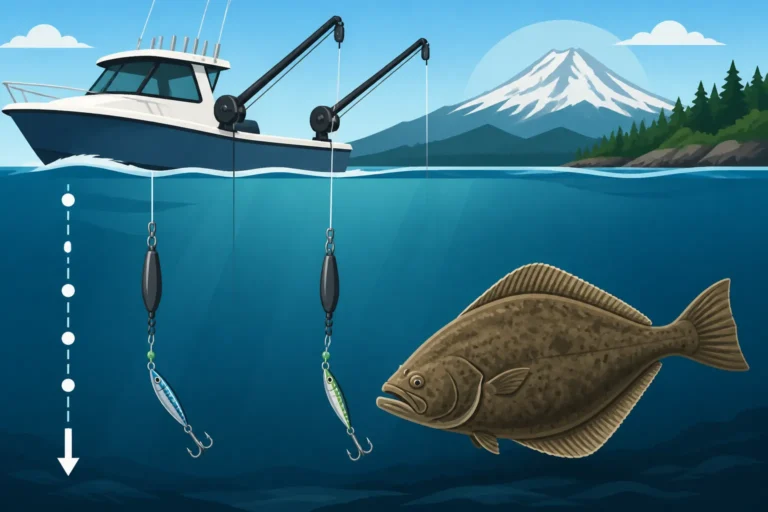
While rivers often steal the spotlight, Eastern Washington's lakes offer incredible, often overlooked, fly fishing opportunities. Lake Chelan, a massive, deep glacial lake, is perhaps the most famous. While known for its Mackinaw (lake trout), fly anglers can find fantastic fishing for kokanee (landlocked sockeye salmon) and rainbow trout. Kokanee often respond well to small trolling flies or jigging flies, while rainbows can be targeted near shore or where rivers enter the lake.
Beyond Chelan, countless other lakes dot the Eastern Washington landscape. The Columbia Basin alone is home to numerous pothole lakes and reservoirs that are heavily stocked with rainbow trout, and often hold populations of bass and even walleye. These lakes can be fished effectively from shore, float tubes, or small boats. Techniques often involve indicator nymphing with chironomids and callibaetis, stripping leeches and scuds, or casting small streamers. Lake Roosevelt, the reservoir behind Grand Coulee Dam, is another massive body of water offering great kokanee and rainbow trout fishing, alongside walleye and smallmouth bass, though targeting these on the fly requires different techniques. These diverse stillwater environments provide a wonderful contrast to river fishing and can be incredibly productive, especially during spring and fall.
Planning Your Washington Fly Fishing Adventure
Embarking on a fly fishing trip in Washington requires more than just knowing where the fish are; it involves careful planning, understanding local resources, and making informed decisions to ensure a safe, enjoyable, and successful experience. From deciding whether to hire a guide to knowing what flies to pack, every detail counts.
Hiring a Guide: When and Why it Makes Sense
For many fly anglers, especially those new to Washington's complex waters or those seeking a specific trophy fish, hiring a professional guide can be an invaluable investment. A good guide offers much more than just a boat ride; they provide expertise, safety, and an accelerated learning curve.
When to consider a guide:
- New to the Area: Washington's rivers and lakes can be intimidating. A guide knows the local access points, river dynamics, and fish holding lies.
- Targeting Specific Species: If you're chasing an elusive wild steelhead or a trophy brown trout, a guide's specialized knowledge drastically increases your chances of success. They know the seasonal patterns, preferred water types, and the most effective flies for that particular species.
- Learning New Techniques: Want to learn Spey casting for steelhead, or master the nuances of Euro nymphing on a challenging river? A guide can provide hands-on instruction and immediate feedback.
- Maximizing Time: If you have limited time, a guide ensures you're on the best water at the best time, rather than spending hours scouting or making mistakes.
- Safety and Gear: Guides typically provide all necessary gear (rods, reels, flies) and often have safety equipment like rafts or drift boats, making your trip safer and more comfortable. For example, on a swift river like the Hoh, a drift boat guided trip is often the safest and most effective way to cover water.
While guides come with a cost, the knowledge gained and the increased success rates often make it well worth the expense. Do your research, read reviews, and communicate your goals clearly when booking.
Resources for Current Conditions and Forecasts
Washington's weather and river conditions can change rapidly, particularly on the western side of the Cascades. Staying informed is crucial for safety and success. Relying on reliable, up-to-date resources is a must for planning any fly fishing trip.
Key resources include:
- WDFW Website: The Washington Department of Fish and Wildlife website is your primary source for current fishing regulations, emergency rule changes, and often provides real-time updates on seasons and closures. Always check this before heading out.
- River Flow Data: Websites like the USGS Water Data portal provide real-time river flow, height, and temperature data for many major rivers. Understanding these metrics is critical; a sudden spike in flow can mean unfishable conditions, while dropping and clearing water can signal prime opportunities.
- Weather Forecasts: Detailed local weather forecasts are essential for planning your layers and ensuring safe conditions. Pay attention to precipitation amounts, wind speeds, and temperature fluctuations.
- Local Fly Shops: These are invaluable resources. Shop staff are often on the water daily and have the most up-to-date information on conditions, hatches, and effective flies. They can also provide gear and fly recommendations (many of which you can also find competitive pricing for on Amazon later).
- Online Forums and Social Media Groups: Many regional fly fishing groups and forums share real-time reports and insights, though always verify information with official sources.
By integrating these resources into your planning routine, you can make informed decisions, avoid unproductive trips, and significantly enhance your chances of finding fish in Washington's dynamic environment.
Packing a Comprehensive Fly Box
A well-stocked fly box is an angler's secret weapon, especially in Washington where conditions and target species can vary widely. While you don't need every fly ever invented, having a thoughtful selection for different scenarios is crucial.
Here's a breakdown of what to consider:
- Trout Flies: For Eastern Washington rivers and lakes, include a good selection of:
- Dry Flies: Caddis (Elk Hair, X-Caddis), Mayflies (Adams, Blue-Winged Olive, Pale Morning Dun), Stoneflies (Skwala, Golden Stone, Chubby Chernobyl), and Terrestrials (Hoppers, Ants, Beetles) in various sizes (10-18).
- Nymphs: Pheasant Tail, Hare's Ear, Prince, Copper John, Squirmy Worm, Perdigon, in sizes 12-20, with and without beads. Also, chironomids and scuds for stillwaters.
- Streamers: Woolly Buggers (black, olive, brown), Sculpzillas, or other baitfish imitations in sizes 6-10.
- Steelhead Flies: For Western Washington rivers, a dedicated steelhead box should have:
- Intruders & Tube Flies: In various colors (black/blue, pink, chartreuse, purple) and sizes (2-2/0), for winter steelhead.
- Traditional Spey Flies: Green Butt Skunk, Purple Peril, for swinging.
- Leeches & Egg Patterns: Especially for fresher fish or during spawning season (check regulations carefully for egg patterns).
- Salmon Flies: For coho, Chinook, and pink salmon:
- Streamers: Clouser Minnows, Deceivers, large Woolly Buggers, or other baitfish patterns in chartreuse, pink, blue, and green, sizes 1/0-3/0.
- Egg-Sucking Leeches: In pink or chartreuse.
- General Purpose: Don't forget some essential "attractor" patterns like various colors of Squirmy Worms, Glo Bugs, or larger attractor dry flies like Stimulators, which can often tempt opportunistic fish.
Organize your fly box by type or size, ensuring you have multiple copies of your go-to patterns. Over time, you'll refine your selection based on your favorite waters and target species, but starting with a comprehensive array will prepare you for whatever Washington throws your way.
Disclaimer
The information provided in this guide is for general informational purposes only and is not intended to be a substitute for current official regulations. Fishing regulations in Washington State are complex, subject to frequent change, and vary by location, species, and season. It is the sole responsibility of every angler to consult the latest Washington Department of Fish and Wildlife (WDFW) Sport Fishing Rules pamphlet and check for emergency rule changes before engaging in any fishing activity. Failure to do so may result in fines or penalties. Always prioritize safety and ethical angling practices.