When Chum Salmon Run in Washington Rivers
There's nothing quite as frustrating as planning a fishing trip, getting all your gear ready, only to arrive at the river and find the run you were hoping for hasn't started yet, or worse, is already over. When it comes to chasing the powerful Chum salmon in Washington's diverse waterways, timing really is everything. This comprehensive guide will meticulously break down when and where to find these magnificent fish, helping you align your angling adventures with the peak of their migration.
Understanding Washington's Chum Salmon Runs
Chum salmon, often affectionately (or sometimes not-so-affectionately) called "dog salmon," are a unique and often underappreciated species in Washington's salmon lineup. While they might not get the same glamour as Chinook or the aerial acrobatics of Coho, they offer an incredible fishing experience, especially when you hit their run just right. Their return to freshwater rivers and streams across the state is a distinct seasonal event, marked by sheer numbers and a fighting spirit that will test any angler.
The "Dog Salmon" Nickname: What's in a Name?
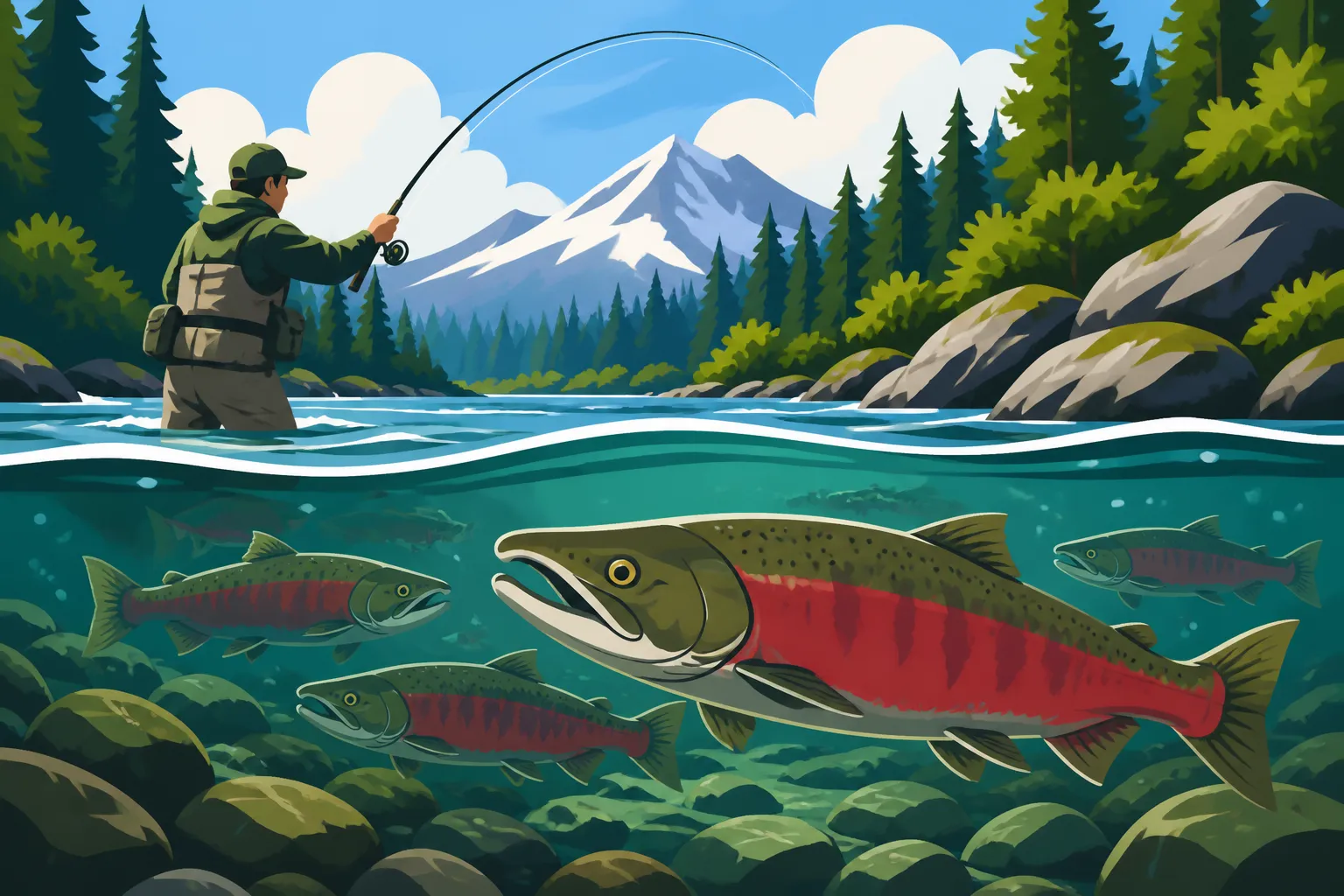
Let's address the elephant in the room: the "dog salmon" moniker. For years, this name, often associated with their somewhat intimidating appearance in spawning colors—hooked jaws (kypes) for males, striped flanks, and a generally less "silver" look than their ocean-bright counterparts—has unfairly given Chum a bad rap for table fare. Many anglers, accustomed to the rich, fatty flesh of a fresh Chinook, would dismiss Chum as not worth the effort. This is a real shame because, when caught fresh from the saltwater or lower river sections, a bright Chum salmon offers delicious, firm, and flavorful meat that's excellent smoked, canned, or even grilled. The "dog" name is more about their powerful jaws during spawning than their edibility. Savvy anglers know that getting a fresh, chrome-bright Chum can be a culinary treat, and their sheer abundance often makes them a more accessible target for many, especially during certain times of the year when other salmon might be scarce or heavily regulated.
Chum Salmon Life Cycle and Migration Triggers
Chum salmon typically spend 3-5 years in the ocean before making their final journey back to their natal streams to spawn. Their life cycle is relatively straightforward, but the timing of their return is a complex dance influenced by a variety of environmental cues. As they mature in the saltwater, they begin to stage near river mouths, waiting for the right conditions to push upstream. The primary triggers for their freshwater migration are often a combination of dropping water temperatures, increased freshwater flows from seasonal rains, and the availability of suitable tides in tidal estuaries. Unlike some salmon that can linger in the ocean or river mouths for extended periods, once Chum decide to commit to their spawning run, they tend to move with a purpose, often in large, dense schools, which is fantastic news for anglers who time it right. Understanding these triggers is key to intercepting them before they undergo significant spawning changes, which can impact both their fight and their flesh quality.
Prime Timing for Chum Salmon in Washington
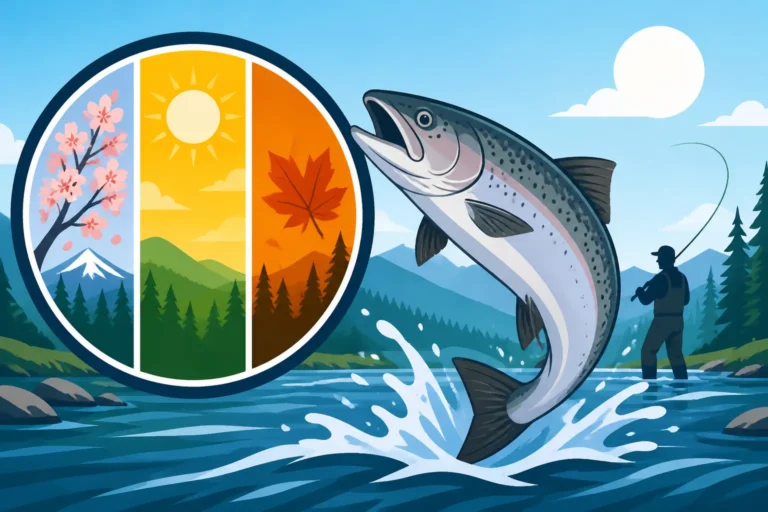
One of the most appealing aspects of Chum salmon fishing in Washington is that their runs generally occur in the late fall, extending into early winter. This makes them a fantastic target when other salmon species are either dwindling or their seasons are closing, essentially prolonging the salmon fishing opportunities for eager anglers. While the precise timing can vary year to year based on environmental factors, there's a reliable window you can count on.
Peak Season for Chum in Puget Sound
In the Puget Sound region, you can generally expect the Chum salmon runs to kick off in earnest around late October. The peak of their migration typically falls throughout November, often extending well into early December in many river systems. For instance, the Hood Canal tributaries, like the Skokomish River, see some of the earliest and strongest pushes of Chum, with many fish entering the system by late October. Other Puget Sound rivers, such as the Skagit, Stillaguamish, and Snohomish systems, will also see significant numbers during this November peak. These later runs mean you'll often be fishing in cooler, wetter weather, so layering up with good rain gear and waterproof boots is essential. You'll find that many of the most popular rivers, such as those flowing into south Puget Sound, will be swarming with these powerful fish, creating fantastic opportunities for both bank anglers and those in boats.
Coastal Rivers and Grays Harbor Chum Runs
The timing for Washington's coastal rivers and those flowing into Grays Harbor can be a bit different, often coinciding with or slightly overlapping the Puget Sound runs. Rivers like the Humptulips and Chehalis often see their Chum returns beginning in late October, with strong numbers continuing through November. These systems benefit from direct ocean access, and their runs are heavily influenced by the seasonal rains that swell the rivers and draw the salmon in. The Chehalis River system, being one of the largest in western Washington, can have an incredibly robust Chum run that provides weeks of fantastic action. When fishing these rivers, you'll want to pay close attention to the tidal charts, especially in the lower reaches and estuaries, as strong incoming tides can push large schools of fish upstream. Being ready for these pushes is critical; a sudden influx of fish can turn a slow morning into an unforgettable day.
Columbia River Tributaries and Chum
While not as renowned for their massive Chum runs as Puget Sound or the coastal rivers, some tributaries of the lower Columbia River also host returning Chum salmon. These runs are generally smaller and less widespread but can still offer unique opportunities for anglers in those specific areas. Rivers such as the Cowlitz and the Lewis River might see some Chum moving through, typically in November and sometimes into early December. These runs are often secondary to the more dominant Chinook and Coho returns in these larger river systems. Anglers targeting these tributaries should always double-check the specific regulations for those sections of the Columbia River system, as rules can vary greatly. While you might not find the sheer numbers seen elsewhere, catching a pristine Columbia River system Chum can still be a rewarding experience, often requiring a bit more local knowledge and perseverance to find the smaller pockets of fish.
Key Washington Rivers for Targeting Chum Salmon
Washington state offers an incredible diversity of fishing opportunities, and its rivers truly shine when the Chum salmon begin their annual pilgrimage upstream. Knowing which rivers to focus on can drastically improve your chances of success, as some systems are simply more productive for Chum than others. Each river offers a slightly different fishing experience, from wide-open estuaries to intimate forested stretches.
Puget Sound Tributaries: Deshutes, Hood Canal, Skagit
The Puget Sound region is arguably the epicenter for Washington's Chum salmon fishing, boasting several rivers that see truly epic returns. The Skokomish River, particularly the portion flowing out of Hood Canal, is often considered a Chum salmon powerhouse. Its runs start early and often involve massive schools of fish, making it a prime destination from late October through November. Anglers here often employ a variety of techniques, from drifting jigs under floats to casting large spoons. Further south, the Deschutes River in Olympia, known for its iconic annual fall salmon run that attracts thousands of spectators to Tumwater Falls, also sees a healthy return of Chum. While much of this system is closed to fishing, the lower tidal areas can provide opportunities, especially for bank anglers near Budd Inlet.
Moving north, the vast Skagit River system is another prime location, though its Chum run often takes a backseat to its more famous Chinook and Steelhead runs. However, during the peak of the Chum season, specific sections of the Skagit and its tributaries, like the Sauk River, can offer excellent fishing. You might find yourself fishing alongside anglers targeting winter steelhead, giving you a chance to catch both. For anglers interested in the Skagit's broader fishing opportunities, our guide on Fishing the Skagit River and Its Winter Steelhead Run offers deeper insights into this magnificent river system. Remember, strong runs of Chum also provide critical food sources for other species, creating a vibrant ecosystem.
Olympic Peninsula Rivers: Humptulips, Chehalis, Quillayute
Venturing to the Olympic Peninsula offers a different flavor of Chum fishing, with robust runs in the rivers draining into the Pacific Ocean and Grays Harbor. The Humptulips River is a fantastic choice, known for its consistent and strong returns of Chum. This river is a favorite for drift boat anglers but also offers good bank access in many areas. The fish here are often very aggressive, hitting a wide range of offerings. The season here generally runs parallel to the Puget Sound, from late October through November. The nearby Chehalis River, Washington's second-longest river system, receives an enormous return of Chum, making it a stellar destination. Our specific guide on Fishing the Chehalis River in Washington for Fall Salmon can give you even more detailed information for planning your trip here. The sheer volume of water and diverse habitat means fish are often spread out, but once you locate a school, the action can be non-stop.
Further out on the Olympic Peninsula, systems like the Quillayute River and its tributaries (Sol Duc, Calawah, Bogachiel) also see Chum returns. While these rivers are most famous for their incredible steelhead runs, Chum will also enter these systems, offering a bonus catch for anglers. The wild and scenic nature of these rivers makes for an unforgettable fishing experience, even if the Chum numbers aren't as dense as in the Hood Canal. For those willing to explore, these western Olympic Peninsula rivers provide a stunning backdrop for your fall fishing adventures. Just be sure to check the specific regulations for each tributary, as rules can vary greatly and change quickly.
Lesser-Known Chum Hotspots
Beyond the marquee rivers, Washington is dotted with numerous smaller streams and creeks that receive surprisingly strong Chum returns. These can be incredible places to explore if you're looking to escape the crowds often found on the more popular rivers. For example, smaller streams flowing into Puget Sound like the Kennedy Creek (though often closed to fishing for conservation reasons, it's a sight to behold during the run) or even urban rivers like portions of the Green River near Auburn can see Chum.
These lesser-known spots often require a bit more legwork and local knowledge. Sometimes, they're smaller systems where fish push through quickly on high tides and fresh rainfall. Your best bet for finding these hidden gems is to study topographical maps, look for streams emptying into saltwater, and, most importantly, talk to local tackle shops or fellow anglers. You might also find them by looking up WDFW stocking and return data, which can sometimes hint at strong runs in unexpected places. The reward for this exploration is often a quieter, more intimate fishing experience and the satisfaction of discovering your own secret spot for these powerful "dog salmon." Always remember to respect private property and check regulations before venturing into new territory.
Factors Influencing Chum Run Timing and Success
While knowing the general calendar window for Chum salmon is a great start, successful anglers understand that mother nature doesn't always stick to a strict schedule. Several environmental factors can significantly influence when Chum decide to make their push upstream and how actively they bite. Paying attention to these elements will allow you to fine-tune your fishing plans and increase your chances of being there when the bite is on.
Water Levels and Rainfall
One of the most critical factors for triggering a strong Chum salmon run is adequate rainfall and subsequent rising river levels. Chum, like many salmon, rely on increased flows to help them navigate upstream, clear obstacles, and dilute saltwater conditions in estuaries. If you're experiencing a dry fall, the fish might stage in saltwater estuaries for longer, waiting for that first significant rain event. Conversely, a heavy rain can bring a torrent of fish into the river virtually overnight. This is where keeping an eye on weather forecasts and river gauges becomes your secret weapon.
Imagine you're planning a trip to the Humptulips River. If it's been bone dry for a week, you might find the lower river holding fish, but they're hesitant to push upstream. A forecast showing several inches of rain could signal the start of an epic run. The influx of fresh, cooler water acts like a green light for thousands of salmon. However, too much rain can also blow out a river, making it muddy and unfishable for a day or two. The sweet spot is usually after the initial surge, as the river begins to drop and clear slightly, but still retains good flow. This is a common frustration for many anglers: balancing the need for rain to bring fish in against the river becoming too high or dirty to fish effectively.
Water Temperature
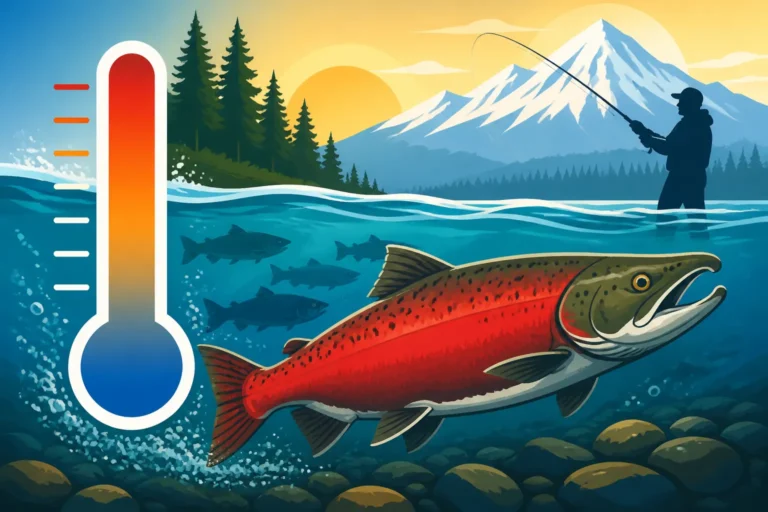
Water temperature plays a surprisingly significant role in salmon migration and activity levels. As fall progresses, ambient air and water temperatures naturally drop. Chum salmon prefer cooler water temperatures for their spawning migration, typically in the range of 40-55°F (4-13°C). Extremely warm water temperatures can delay their entry into rivers or make them sluggish and less willing to bite. Conversely, water that's too cold, especially early in the season, can also slow things down.
Monitoring water temperature, often available through local fishing reports or river gauges, can give you another piece of the puzzle. If you see temperatures hovering in the ideal range, combined with good flows, you're likely to encounter active fish. These fish, being more comfortable, will be more aggressive towards your offerings. For instance, fishing the lower Skokomish on a crisp November morning when the water temperature is ideal can be incredibly productive, with fish aggressively chasing jigs or flies. If temperatures are unusually high for the season, the fish might still be in the sound, waiting for a cold snap to push them into the rivers.
Tidal Influence in Estuaries
For rivers that empty directly into Puget Sound or the Pacific Ocean, tidal influence is absolutely paramount, especially in the lower river sections and estuaries. Chum salmon often hold in these brackish waters, waiting for a strong incoming tide to "surf" them further upstream. A big incoming tide, especially during a new or full moon phase, can literally push thousands of fish into a river mouth over a few hours.
Think about fishing the mouth of the Chehalis River or a tidally influenced section of the Hood Canal. During an outgoing tide, the fishing might be slow, as fish move back to deeper holes or out into the sound. But as the tide starts to push in, you'll often see schools of Chum moving purposefully upstream, sometimes right past your feet or boat. This is the prime time to be casting, as these fish are actively migrating and often more willing to strike. Understanding and utilizing tidal charts is a critical skill for any angler targeting anadromous fish in Washington's estuaries. It helps you pinpoint the best windows of opportunity throughout the day and ensures you're casting when the fish are most likely to be moving.
| River System / Region | Typical Peak Month | Primary Factors Influencing Run | Key Characteristics |
|---|---|---|---|
| Hood Canal Rivers | November | Rain, Tidal pushes | Early, often very large runs; popular with drift boaters and bank anglers. |
| Other Puget Sound Rivers (Skagit, Snohomish, Stillaguamish) | November – Early December | Rain, Cooler Temps | Strong runs, can extend later; often coincides with other salmon/steelhead. |
| Grays Harbor Rivers (Humptulips, Chehalis) | November | Rain, Direct Ocean Access | Robust runs, good for bank & boat; strong tidal influence in lower river. |
| Olympic Peninsula Rivers (Quillayute system) | November – Early December | Rain, Cooler Temps | Smaller but consistent runs; wild, scenic fishing; overlaps with steelhead. |
| Lower Columbia Tributaries (Cowlitz, Lewis) | November – Early December | Rain, Columbia River Flows | Generally smaller, localized runs; specific regulations apply. |
Gearing Up and Techniques for Chum Salmon
Chum salmon are powerful, determined fighters, and they demand tackle that can stand up to their bulldogging runs. They aren't usually known for acrobatic leaps like Coho, but they will pull hard, dig deep, and test your knots and drag settings. Getting your gear dialed in and employing the right techniques are crucial for success when targeting these impressive fish.
Best Lures and Baits for Chum
When it comes to enticing Chum salmon, vibrant colors and specific presentations tend to rule the day. Chum are often very responsive to chartreuse, pink, and orange. These bright hues seem to trigger an aggressive, territorial, or curiosity strike from these powerful fish.
One of the most popular and effective presentations for Chum is a jig under a float. A 1/2 oz to 1 oz marabou or rubber worm jig, in those bright colors, fished 2-6 feet under a float, is incredibly deadly. You can find a fantastic selection of these jigs, including popular brands like P-Line and Beau Mac, on Amazon. The key is to get the jig drifting naturally in the current, just above the salmon. As the jig swings through the water, the pulsating marabou or wiggling worm often proves irresistible. Another highly effective lure, especially in deeper holes or slower water, is a spinner or spoon. Large (1/2 oz to 1 oz) brightly colored spinners like a Blue Fox Vibrax or robust spoons in pink or chartreuse can provoke powerful strikes. Many anglers also find success with plugs in similar vibrant colors, especially when back-trolling from a boat or bank-plunking in specific areas.
While many anglers use artificials, natural baits can also be effective. A juicy roe cluster, cured and presented under a float or drifted on its own, can be a potent attractant, especially if the fish are slightly less aggressive. Remember to check local regulations carefully for any bait restrictions or barbless hook requirements, as these are common on Washington rivers.
Effective Fishing Techniques for Chum
Once you have your lures and baits ready, applying the right technique will make all the difference. Chum salmon tend to hold in specific types of water, often in slower, deeper pools, current seams, or just behind natural structure where they can conserve energy before pushing further upstream. They aren't usually found in the fastest riffles, preferring more moderate flows.
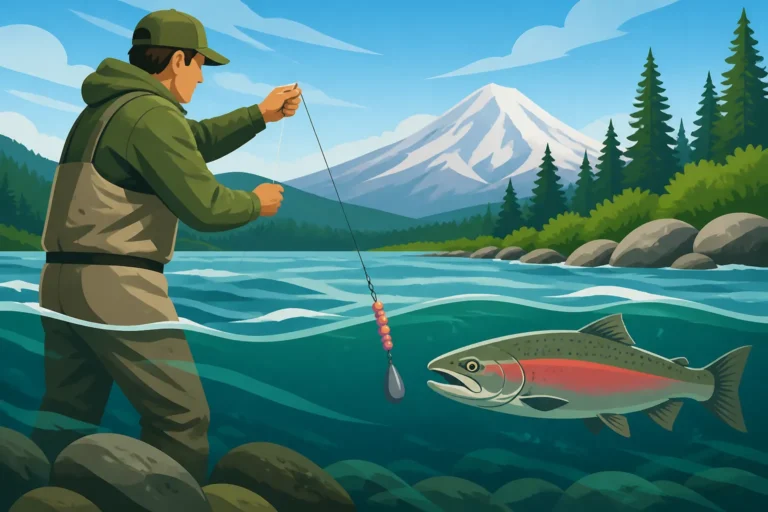
Drift fishing is a cornerstone technique for Chum, especially in rivers. This involves using just enough weight to bounce your presentation along the bottom, slightly slower than the current. You can drift jigs, roe, or even artificial eggs. This technique is similar to what many anglers use for steelhead, and our article on Drift Fishing for Steelhead in Washington Rivers provides a great foundation that can be adapted for Chum. For drift fishing, a medium-heavy spinning or casting rod, 8'6" to 10'6" in length, spooled with 15-20 lb monofilament or braid with a fluorocarbon leader, is ideal.
For anglers using floats, bobber-dogging or simply float fishing a jig or bait through a promising run or hole is incredibly effective. The float suspends your offering at a precise depth, allowing for a natural, enticing presentation. This is especially good for bank anglers who want to cover water without getting snagged on the bottom. When fishing from a boat, back-trolling plugs or boondogging (a controlled drift where the boat and presentation move downstream at the same speed) can be very productive in covering long stretches of river where fish are holding.
Always remember to keep your gear in good working order. A strong fighting fish like a Chum will quickly expose any weak links in your line, knots, or drag system. Having extra leaders, weights, and a good selection of jigs and lures on hand, easily purchased from an online retailer like Amazon, can save your trip from early frustration.
Navigating Regulations for Chum Salmon Fishing
Fishing for Chum salmon in Washington, like all anadromous species, comes with a set of rules and regulations designed to manage fish populations sustainably. It's not just about knowing when and where the fish are; it's also about knowing how and what you can legally keep. Ignoring these rules can lead to stiff penalties and could impact future fishing opportunities.
Daily Limits and Possession Rules
Understanding the difference between daily limits and possession limits is paramount for any Washington angler, especially when targeting salmon. The daily limit dictates how many fish of a certain species you can keep in a single calendar day. For Chum salmon in Washington, this can vary significantly by marine area or specific river system. Typically, you might see daily limits of 1-2 salmon, with Chum often falling into this general salmon bag limit category, but sometimes having specific exceptions. It's crucial to consult the current Washington Sport Fishing Regulations pamphlet for the precise regulations for your chosen fishing location before you even leave home. This pamphlet, often available online and at tackle shops, is your best friend.
The possession limit refers to the maximum number of fish you can have in your possession, either in the field, in your cooler, or at home. This limit is often two times the daily limit, but again, this can vary. So, if the daily limit for Chum is 2, your possession limit might be 4. This means you can't go out for two days and catch 2 fish each day, then have 4 fish at home and decide to go out and catch another 2. You would need to consume or process some of your catch to reduce your possession before fishing again. Our comprehensive guide on Understanding Washington's Daily Bag Limits by Species delves deeper into these critical regulations, offering scenarios and clarifications to help you stay compliant. Always remember, ignorance of the law is not an excuse.
Specific River Restrictions
Beyond general daily and possession limits, many Washington rivers, especially those with sensitive wild salmon and steelhead populations, have specific restrictions that can apply to Chum salmon fishing. These can include:
- Bait Bans: Some rivers or sections of rivers are "fly fishing only" or "artificial lures only," prohibiting the use of bait. This is often implemented to reduce incidental mortality of non-target species or wild fish.
- Barbless Hook Requirements: Barbless hooks are frequently mandated, particularly in catch-and-release fisheries or on rivers with wild populations, to minimize injury to fish that are released. Our article on Washington Bait Bans and When They Apply provides important details on these restrictions.
- Gear Restrictions: Certain gear types, such as snagging or specific types of treble hooks, are universally illegal or heavily restricted. Always ensure your terminal tackle complies with the specific river rules.
- Selective Fisheries: In some areas, fishing might be open only for hatchery-marked (adipose fin-clipped) salmon, requiring the release of all wild (unclipped) fish. While less common for Chum, it's a possibility you need to be aware of.
These rules can change rapidly, often mid-season, due to emergency closures or conservation concerns. It's imperative to check the Washington Department of Fish and Wildlife (WDFW) emergency rule changes webpage or use the Fish Washington app before every fishing trip. A quick check can prevent a costly fine or, more importantly, contribute to the conservation efforts that keep these incredible fisheries viable for future generations. Don't be that angler who ruins it for everyone else; take the time to know the rules.
Disclaimer
Fishing regulations and seasons in Washington State are subject to change by the Washington Department of Fish and Wildlife (WDFW). While every effort has been made to provide accurate and up-to-date information in this guide, it is the sole responsibility of the angler to consult the most current WDFW regulations pamphlet and emergency rule changes before engaging in any fishing activity. This content is for informational purposes only and does not constitute legal advice.