Water Temperature That Triggers a Washington Salmon Run
There's nothing quite like the anticipation of a salmon run, is there? You spend weeks, maybe even months, watching the calendars, checking the tides, and eagerly waiting for that perfect window when the salmon are finally pouring into Washington's rivers and Puget Sound. But often, despite all your planning, it feels like the fish have read a different memo. One of the biggest, yet often overlooked, factors that dictates when these magnificent fish make their move is water temperature, and understanding it can seriously up your game. This guide will dive deep into how water temperature acts as the ultimate trigger for Washington's salmon runs, helping you understand the "why" behind their movements.
The Critical Role of Water Temperature in Salmon Migration
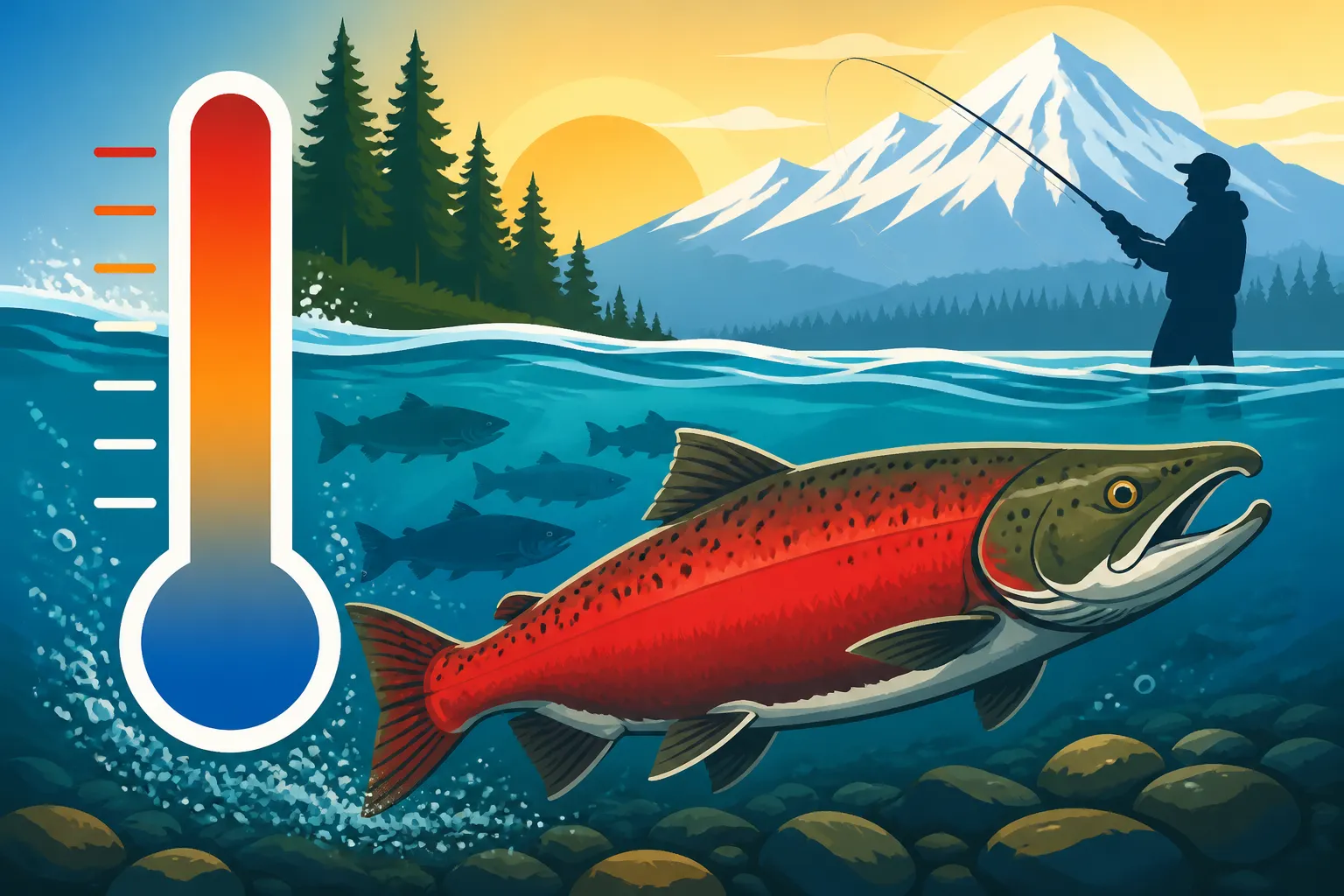
Salmon are incredibly sensitive creatures, and their entire life cycle, from spawning to migration, is heavily influenced by the conditions of the water around them. When it comes to their final journey from the ocean back to their natal rivers to spawn, water temperature isn't just a preference; it's a non-negotiable requirement. Think of it as their internal alarm clock, telling them when it's safe, viable, and energetically optimal to begin their arduous upstream migration. If the water is too warm, or too cold, it can delay or even completely halt a run, leaving frustrated anglers scratching their heads.
These fish have evolved over millennia to thrive within specific temperature windows. Deviations from these ideal ranges can impact their metabolic rate, their oxygen absorption, their susceptibility to disease, and ultimately, their chances of successful reproduction. For fish that have spent years in the vast, relatively stable temperatures of the open ocean, the fluctuating temperatures of estuaries and rivers can be a shock. They need that "just right" Goldilocks zone to ensure their bodies are ready for the immense physical challenge ahead. You might think, "Well, they just go when it's time, right?" But it's far more nuanced than that. A sudden cold snap or an unseasonably warm spell can throw everything off, leading to unexpected closures or poor fishing days. Understanding these temperature thresholds is key to figuring out Washington Fishing Seasons: A Month-by-Month Guide and planning your trips.
Species-Specific Temperature Thresholds for Salmon Runs
It’s not a one-size-fits-all situation when it comes to salmon and water temperature. Different species have different tolerances and preferred ranges, which makes sense given their varying run timings throughout the year. What might be perfect for a fall Chinook might be entirely too warm for a summer Coho. Knowing these distinctions can help you target the right species at the right time.
Chinook Salmon: The Kings of Cooler Waters
Chinook salmon, often called King salmon, are known for their impressive size and powerful fights. These fish generally prefer cooler water temperatures than some of their salmonid cousins. While they spend much of their lives in the ocean, when they enter freshwater systems for their spawning migration, they're looking for specific conditions. Typically, Chinook will start to move into river systems when temperatures are in the mid-50s Fahrenheit (around 12-14°C). If river temperatures spike above 65°F (18°C) for extended periods, it can cause significant stress, disease, and even mortality for these fish.
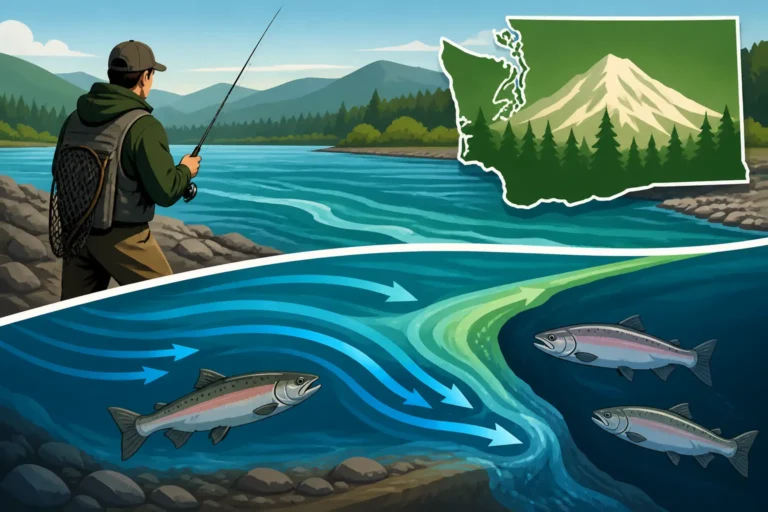
This is why you'll often hear about "thermal refuges" on larger rivers like the Columbia. When the main stem gets too warm, Chinook will hold in the cooler water plumes of tributary rivers or springs until temperatures drop. This behavior highlights just how critical that comfortable temperature range is for them. If you're targeting Chinook Salmon: Washington's King of Fish, paying close attention to river temperature reports is just as important as knowing the tide charts or current regulations from the Washington Sport Fishing Regulations Pamphlet. Anglers often use portable thermometers, easily found on Amazon, to check the water where they’re fishing, especially in the shallower sections of a river.
Coho Salmon: More Tolerant, But Still Temperature-Dependent
Coho salmon, also known as silver salmon, tend to run a bit later in the year than many Chinook, often entering rivers in late summer and early fall. Their preferred temperature range for migration is slightly broader, generally moving actively when water temperatures are between 50-60°F (10-15.5°C). However, just like Chinook, prolonged exposure to temperatures above 65°F can be detrimental.
You might notice that Coho can sometimes tolerate slightly warmer conditions in the initial stages of their run, particularly in Puget Sound, before they head into the freshwater. This is because estuaries and lower river sections might be warmer, but as they push upstream, they'll seek out those ideal cooler conditions. This tolerance allows for a fantastic Coho Salmon Fishing in Washington season that often extends into the shoulder months, when Chinook runs might be winding down. If you're river fishing, a reliable waterproof thermometer is a wise investment, available from retailers like Amazon, to get an accurate reading right where you are.
Chum Salmon: The Late-Season Cool Water Specialists
Chum salmon are often the last of the salmon species to make their grand entrance into Washington's rivers, typically from late fall into early winter. True cool-water specialists, they prefer water temperatures in the 40-55°F (4.5-12.5°C) range for their spawning migration. Their later timing often coincides with cooler ambient temperatures and increased rainfall, which helps drop river temperatures to their preferred levels.
When you're chasing When Chum Salmon Run in Washington Rivers, you're often dealing with chillier air and water, making appropriate gear even more crucial. These fish really don't like warm water, and an unseasonably warm autumn can seriously delay their entry into rivers, concentrating them in estuaries where they might be difficult to target.
Pink Salmon: The Odd-Year Guests and Their Temperature Needs
Pink salmon, or "humpies," are unique in that they primarily run in Washington on odd-numbered years. Their runs typically occur in late summer, peaking in August and September. They also prefer cooler water for migration, with ideal temperatures falling in the 50-60°F (10-15.5°C) range.
While their runs are incredibly prolific when they happen, they too can be influenced by water temperatures. A hot, dry summer with low, warm rivers can cause delays, similar to Coho and Chinook. They often wait in marine areas and estuaries until a significant rain event brings in a flush of cooler, fresher water, signaling the "all clear" for them to push upstream. Understanding these environmental cues is part of Reading Water for Bank-Fishing Salmon effectively.
Here’s a quick overview of generalized preferred migration temperatures for Washington's common salmon species:
| Salmon Species | Preferred Migration Temperature Range (Fahrenheit) | Preferred Migration Temperature Range (Celsius) | Typical Run Timing |
|---|---|---|---|
| Chinook Salmon | 50-60°F | 10-15.5°C | Summer/Early Fall |
| Coho Salmon | 50-60°F | 10-15.5°C | Late Summer/Fall |
| Chum Salmon | 40-55°F | 4.5-12.5°C | Late Fall/Early Winter |
| Pink Salmon | 50-60°F | 10-15.5°C | Late Summer (Odd Years) |
| Sockeye Salmon | 45-58°F | 7-14.5°C | Summer (e.g., Baker Lake) |
Note: These are general guidelines, and specific river conditions and individual fish behavior can vary. Always check local WDFW regulations for specific run timing and openings, as well as current water conditions.
Environmental Factors Influencing River Temperatures
It's not just the air temperature that dictates how warm a river or marine area will be. A myriad of environmental factors constantly interacts, creating the dynamic conditions that salmon react to. For us anglers, understanding these influences can help us predict how and when water temperatures might shift, and subsequently, how the fish might behave.
Rainfall and River Flow
This is perhaps one of the most significant environmental factors. Heavy, sustained rainfall can drastically impact river temperatures in a few ways. Firstly, the rain itself, particularly if it's coming down during cooler weather, will be colder than the river water, especially if the river has been sitting warm. Secondly, increased rainfall leads to higher river flows, which can scour out warmer stagnant pockets and introduce a greater volume of cooler water from higher elevations.
When a river is running low and slow during a dry spell, the water warms up much more quickly under direct sunlight. Conversely, when the river is "blown out" from a significant rain event, it often drops in temperature, sometimes even too much for comfort, before settling back into an ideal range. This is why you often hear of salmon "waiting" at river mouths or in estuaries until a good rain raises the river level and drops the temperature – it's their cue to move. This phenomenon is particularly noticeable for When Chinook Salmon Run in Washington's Puget Sound and other river-bound species.
Air Temperature and Sunlight Exposure
While river water isn't as reactive to air temperature as, say, a puddle, prolonged periods of hot, sunny weather will undeniably warm up rivers. Shallow rivers, especially those with wide, exposed sections, are particularly susceptible. The longer the sun beats down and the higher the air temperatures climb, the more heat the water absorbs. This can be especially problematic during late summer when certain salmon runs are just beginning to stage, and a heatwave can put everything on hold.
Conversely, a sustained period of cool, overcast weather will allow rivers to cool down, bringing them back into the prime temperature zones for salmon migration. This is one of the reasons why early mornings and late evenings can be more productive during warm spells – the water has had a chance to cool slightly overnight, or the direct sun isn't heating it as intensely.
Snowpack and Glacier Melt
In rivers fed by mountain snowpack or glaciers, the timing and extent of meltwater can have a profound impact on water temperatures. Early in the season, heavy meltwater can keep rivers colder than optimal for early-returning salmon. However, as the summer progresses and the snowpack dwindles, the lack of cold meltwater can contribute to rivers warming up significantly.
The Columbia River, for example, receives a lot of its flow from vast snowfields and glaciers in its upper reaches. The management of dams along the Columbia also plays a role in water temperature, with releases from cooler reservoirs impacting downstream conditions. This is a complex dance that can affect the run timing of species like Sockeye Salmon at Washington's Baker Lake and Beyond, which rely on cold, oxygenated water.
Tides and Salinity in Estuaries
For salmon staging in estuaries or near river mouths, tidal flows and salinity also play a role, albeit indirectly, in temperature. Incoming tides bring in cooler, denser ocean water, which can help cool the lower reaches of a river or estuary. Outgoing tides, especially on a sunny day, can expose warmer shallow flats.
Salmon holding in these transitional zones will often move with the tides, sometimes riding the cooler incoming tide further upstream, or retreating to deeper, cooler channels on the outgoing. This is why paying attention to Best Tides for Puget Sound Salmon Fishing in Washington can be crucial, as the movement of water can indicate where salmon are likely to be concentrating as they wait for ideal river conditions.
Monitoring Water Temperature for Better Fishing
Knowing that water temperature is such a critical trigger is one thing; actually using that information to improve your fishing is another. Fortunately, with modern technology and a bit of local knowledge, you can stay ahead of the curve.
Utilizing Online Resources and Local Reports
The Washington Department of Fish and Wildlife (WDFW) is an invaluable resource. While they might not always provide exact water temperatures, their fishing reports and regulation updates often allude to conditions that impact temperature, such as "low and warm" or "high and cold." Websites like the USGS National Water Information System often provide real-time streamflow and temperature data for many major rivers in Washington. A quick search can often provide current conditions for rivers like the Cowlitz, Columbia, or Skagit.
For marine areas, buoy data from organizations like NOAA can provide sea surface temperatures, which can influence how and when salmon gather at river mouths. Local tackle shops and charter operators are also goldmines of information. They're on the water constantly and often have firsthand knowledge of current temperatures and how the fish are reacting. Don't be shy; a friendly chat can reveal crucial insights that aren't available online. Regularly checking What to Check Before Every Washington Fishing Trip should include a review of water conditions.
Carrying Your Own Thermometer
While online reports are great for general trends, nothing beats an on-the-spot reading. A simple, reliable water thermometer is an indispensable tool for any serious salmon angler. There are many affordable and accurate options available on Amazon or at your local sporting goods store. You can get a basic bulb thermometer, a digital handheld unit, or even a sophisticated unit that attaches to your boat's transducer to give real-time readings.
When you're out on the water, take a few readings at different depths and locations, especially if you're exploring new water or if conditions have changed significantly since your last trip. If you're bank fishing, get a reading in the main current, and also in any slack water or deeper pools where fish might hold. If you're on a boat, check surface temps and then deeper zones where your gear is running. You'll start to notice patterns quickly: "Ah, the river cooled to 54°F, no wonder the Chinook started biting!" or "It's still 68°F, these Coho are probably stacked up at the mouth."
Adapting Your Approach Based on Temperature
Once you know the temperature, you can adjust your fishing tactics.
- Too Warm: If the water is warmer than ideal for your target species, consider fishing earlier in the morning or later in the evening when temperatures are usually at their lowest. Target deeper holes, shaded areas, or areas near cold-water tributaries where salmon might be seeking refuge. Fish might be lethargic, so slowing down your presentation, using natural baits like cured eggs, or subtle lures can be more effective.
- Too Cold: If the water is on the colder end of the spectrum, especially for species like Chinook, fish might also be less active. In these situations, slower presentations, larger profiles, and even scent can be beneficial. Some anglers find that fish will hold in slightly warmer, slower-moving water, or near thermal breaks.
- Just Right: When the temperature hits that "sweet spot" for your target species, fish are typically more active and aggressive. This is when you can expect more consistent bites and when many conventional methods shine. You might be able to vary your presentations, try different lures, and expect fish to be more willing to chase.
By actively monitoring and reacting to water temperature, you're not just hoping for a salmon run; you're actively seeking out the conditions that trigger it, giving you a distinct advantage on the water.
Disclaimer
Fishing regulations and conditions in Washington State can change frequently, often with little notice due to emergency rule changes. Always consult the latest Washington Department of Fish and Wildlife (WDFW) regulations before heading out. This guide provides general information and should not be considered a substitute for official WDFW publications.