Best Time of Day to Fish for Salmon in Washington
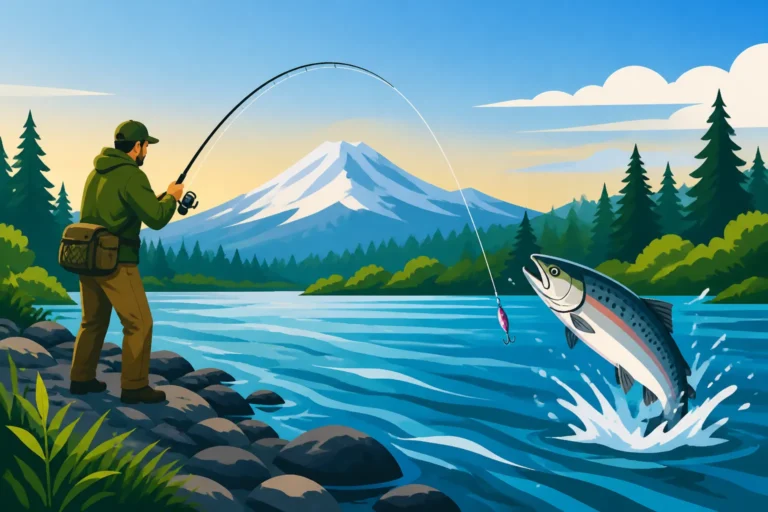
One of the most common questions I hear from fellow anglers, whether they're seasoned veterans or just starting out, is "When's the best time to hit the water for salmon?" It’s a completely fair question because dedicating hours to the pursuit of these magnificent fish only to come up empty can be incredibly frustrating. This guide is all about demystifying the optimal times of day to chase salmon in Washington's diverse waters, helping you maximize your chances of a successful and rewarding experience.
The Crucial Influence of Tides and Light on Salmon Activity
If you've spent any time fishing for salmon in saltwater or tidal rivers here in Washington, you've probably heard the old adage, "No tide, no fish." While not strictly true in every single scenario, it highlights a fundamental truth: salmon behavior, especially in Puget Sound and other marine areas, is heavily influenced by tidal movement. But it's not just the tides; the amount of available light also plays a huge role in how and when these fish feed. Ignoring these factors is like trying to guess lottery numbers – you might get lucky, but you're probably just wasting your time.
Understanding the Rhythm of the Tides
Tidal currents act like a conveyor belt for baitfish and other forage, stirring up the water and making food more accessible for hungry salmon. As the water moves, it creates current lines and upwellings that concentrate bait, making prime ambush points for salmon. A strong tide, whether incoming or outgoing, generally means more active feeding. A slack tide, when the water movement slows or stops before reversing direction, often sees a significant lull in salmon activity.
Imagine fishing in areas like Deception Pass or through the San Juan Islands. The current can be absolutely roaring, pushing schools of herring and candlefish through choke points where salmon lie in wait. Knowing when these strong current windows occur, or conversely, when the water goes completely dead, is paramount. You can find detailed tide charts for specific locations, and learning to interpret them is one of the most valuable skills you can develop as a salmon angler in Washington. For specific areas, understanding the "Best Tides for Puget Sound Salmon Fishing in Washington" can make all the difference.
The Role of Light Conditions
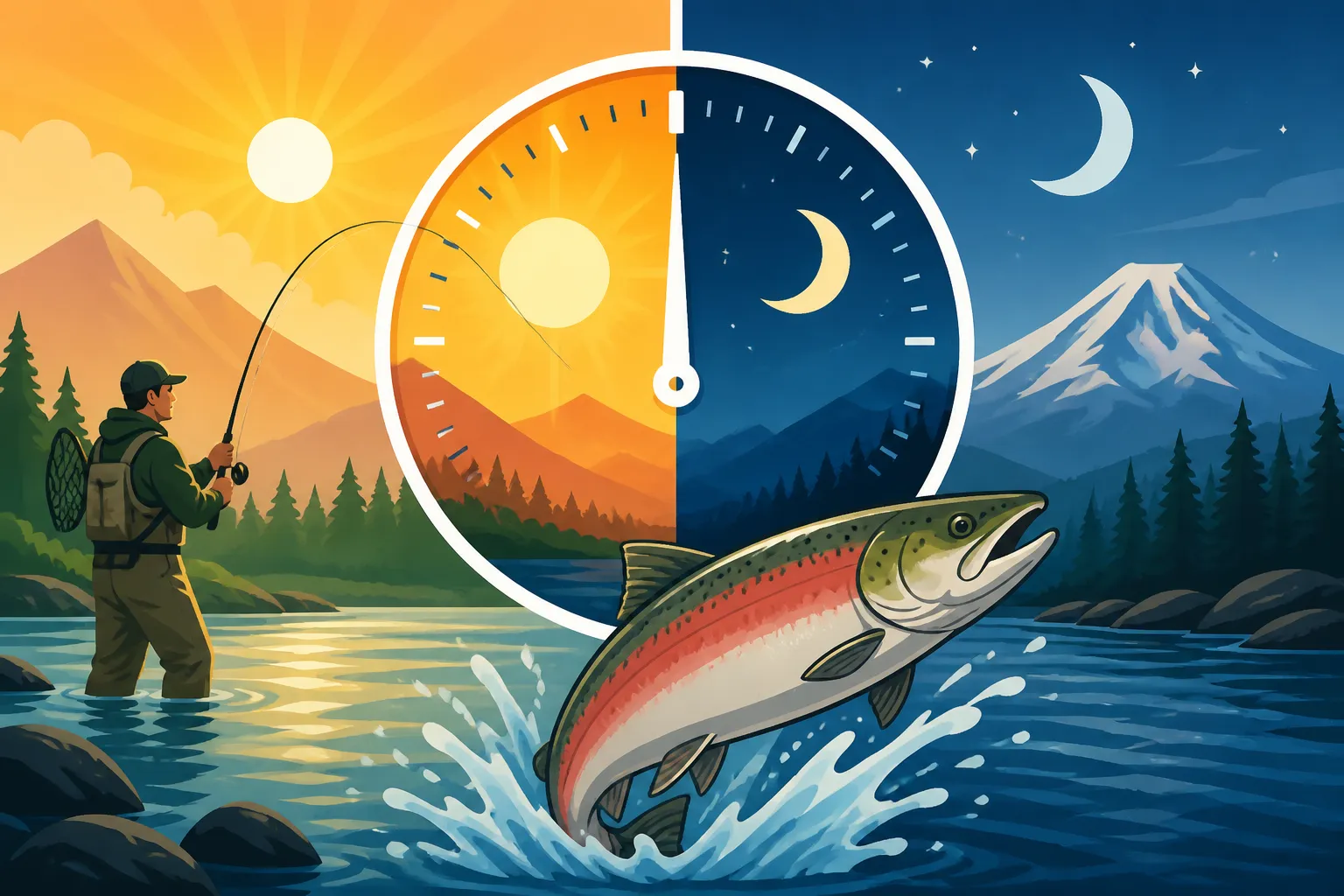
Salmon, like many predators, often use low light conditions to their advantage. Dim light provides cover, making it harder for their prey to spot them and making them less visible to potential predators themselves. This is why dawn and dusk are often touted as prime fishing times. The transition from dark to light, and light to dark, seems to flip a switch in many salmon.
On bright, sunny days, salmon in shallower water might move to deeper, darker water or seek refuge in the shade of structures or kelp beds. When the sun is high and bright, you might need to adjust your approach, fishing deeper or using lures with more flash to grab their attention. On overcast days, however, the low light conditions can extend the "prime time" throughout much of the day, offering excellent opportunities even in the middle of what would otherwise be a slow period. This makes choosing the right bait or lure, as well as the right depth, critical for success regardless of the light.
Early Bird or Night Owl? Morning vs. Evening Salmon Fishing
The debate between morning and evening fishing is as old as fishing itself, and for salmon in Washington, both have their merits. What often dictates which is "better" can come down to the specific species you're targeting, the time of year, and the location. It's not always a clear-cut answer, which is why flexibility and paying attention to the details are your best friends.
The Undeniable Advantages of Early Morning
For many Washington salmon anglers, the pre-dawn bite is almost legendary. Launching your boat in the dark, watching the first hints of color paint the eastern sky, and feeling that rod buckle as the sun crests the horizon – there's nothing quite like it.
- Low Light Perfection: As mentioned, salmon often feed aggressively during the transition from dark to light. The first few hours of daylight are often when they're most active, cruising for an easy meal before the sun gets high. This is particularly true for Chinook, often referred to as "kings," especially in areas like Puget Sound. When "Chinook Salmon Run in Washington's Puget Sound", targeting them at dawn can yield fantastic results.
- Less Pressure: You'll generally find fewer boats on the water right at legal fishing time. This means less competition for prime fishing spots and a calmer environment, which can often translate to less spooked fish.
- Cooler Temperatures: Especially in the warmer months, early mornings offer cooler air and water temperatures, which can keep salmon more comfortable and active near the surface or in shallower holding areas.
- Stronger Tides: Often, the morning tide cycle will align perfectly with the sunrise, giving you that double whammy of low light and strong current. Checking your tide tables is crucial to confirm this alignment.
However, getting up before the chickens can be a real challenge, especially on a workday. But for that magical window, many anglers swear by the alarm clock. Make sure you have good lighting on your boat or reliable headlamps, perhaps some from Amazon, for rigging up in the dark.
The Allure of the Evening Bite
While the morning gets a lot of glory, the evening bite, particularly around dusk, can be equally productive and often more relaxing.
- Another Low Light Window: Just as salmon become active at dawn, they often ramp up their feeding activity again as the day fades into twilight. The descending sun provides that same crucial low-light cover, encouraging salmon to move into shallower feeding grounds. For "Coho Salmon Fishing in Washington," the evening bite can be particularly strong as these acrobatic fish often feed higher in the water column.
- Less Extreme Conditions: The air might still be warm, but the intense midday sun has waned, making for a more comfortable experience. Plus, you might already be out on the water, having enjoyed a full day, and now you're just waiting for the final push.
- Post-Work Opportunity: For those who can't swing a pre-dawn start, an evening trip is a perfect way to get out on the water after work, especially during the long summer days. You might even catch a stunning sunset as a bonus!
- Congregating Fish: As the day progresses, salmon might congregate in certain areas, becoming more predictable as they stage for their nighttime resting periods or prepare for a push into freshwater systems.
The downside to evening fishing can be increased boat traffic from others also taking advantage of the twilight hours, and navigating back to the ramp in the dark requires extra caution and good navigational lights.
Midday Lulls and Slack Tide Strategies
It’s easy to get discouraged when the prime morning bite fades and the sun climbs high in the sky. Many anglers pack it in during the middle of the day, assuming the fish have gone dormant. But sometimes, understanding why fish are less active at midday can help you devise a strategy to still find success, or at least pass the time until the evening bite kicks in.
The Midday Slowdown: Why It Happens
During the brightest part of the day, especially on clear, sunny days, several factors contribute to a general slowdown in salmon activity:
- Increased Light Penetration: The bright sun can make salmon more wary, driving them deeper or into shaded areas. They feel more exposed to predators, including eagles and seals, and might simply become less aggressive feeders.
- Higher Water Temperatures: In shallower areas or during heatwaves, midday water temperatures can rise, making salmon less comfortable and less inclined to expend energy on chasing prey.
- Decreased Bait Activity: Baitfish often disperse or move deeper during the brightest part of the day, reducing the availability of easy meals for salmon.
- Slack Tide: If midday coincides with a slack tide, the lack of current compounds the issues, creating a truly challenging fishing scenario.
Strategies for Breaking the Midday Lull
Don't despair if your fishing window lands squarely in the middle of the day! There are still ways to entice a bite:
- Go Deeper: When the sun is high, salmon often retreat to deeper, cooler, and darker water. If you're "Trolling for Salmon in Washington's Puget Sound," this means deploying downriggers and getting your gear down to where the fish are holding. Consider running your gear 80-150 feet deep, or even more, depending on the area.
- Target Different Structure: Look for areas with deeper ledges, drop-offs, or underwater canyons that offer refuge from the sun. Fish might be congregating in these areas, waiting for more favorable light conditions.
- Change Lures/Colors: Sometimes a change is all it takes. Brighter, more reflective lures might catch attention in deeper water, or perhaps a natural bait presentation might be more appealing to less aggressive fish.
- Focus on Tides (Even During Midday): If a strong tide swing does happen to occur during the middle of the day, don't dismiss it! Even if the sun is high, a good current pushing bait can still trigger a bite, especially if you're fishing deeper. Pay close attention to "Washington Fishing Seasons: A Month-by-Month Guide" to see how specific runs might behave during different times of the day, and cross-reference with tide charts.
- Take a Break: Honestly, sometimes the best strategy is to take a break. Recharge your batteries, grab some lunch, and wait for the evening bite to start. There's no shame in acknowledging a tough bite and conserving energy for when the odds are more in your favor.
Species-Specific Timing and Seasonal Considerations
While general rules apply, Washington is home to several species of salmon, each with slightly different behaviors. What works for a Chinook might not be ideal for a Coho, and vice-versa. Understanding these nuances can significantly improve your success.
Chinook Salmon: Kings of the Low Light
Often considered the prize catch, Chinook salmon (also known as King salmon or Blackmouth when immature and resident in Puget Sound) are notorious for being early morning and late evening feeders. Their large size and powerful runs make them a favorite target, and most experienced anglers targeting Chinook will tell you that the bite dies significantly once the sun gets high.
- Dawn Patrol: The hour surrounding sunrise is prime time for Chinook. Whether you're trolling with bait like herring or artificial lures, getting your gear in the water before first light gives you the best chance.
- Evening Ambush: As the light fades, especially in areas with good current, Chinook will often move to ambush positions, taking advantage of the diminishing light.
- Overcast Days: Don't overlook heavily overcast or rainy days. These conditions can extend the productive low-light fishing hours for Chinook throughout much of the day.
When learning "How to Identify a Washington Chinook Salmon," remember their robust build and typically darker mouth interior. Their power demands strong gear, which you can often find a good selection of on Amazon.
Coho Salmon: Active Acrobats
Coho salmon, known for their incredible aerial displays once hooked, can be a bit more forgiving with timing than Chinook. While they also appreciate low light, they often remain active through more of the day, especially if there's good current and bait around.
- Consistent Activity: Coho can be active throughout the morning and into the early afternoon, especially on overcast days or in areas with consistent bait schools. They often feed higher in the water column than Chinook.
- Late Afternoon Surge: Many anglers find a strong Coho bite in the late afternoon and early evening, coinciding with the cooling air and fading light.
- Tidal Influence: For Coho, a strong tide is often more critical than intense low light. If there's good current pushing bait, they'll be actively feeding. Learning "When Coho Salmon Run in Washington" will also inform your daily timing.
When targeting Coho, especially "Coho Salmon Fishing in Washington", smaller, brighter lures like spoons or hoochies often work well, as do cut plugs or whole herring.
Pink and Chum Salmon: Tide-Driven Action
Pink salmon (humpies) and Chum salmon (dog salmon) are highly tide-dependent. While they'll certainly bite in low light, their sheer numbers and aggressive nature mean they are often caught throughout the day, as long as there's good tidal movement.
- Tidal Swings: For Pinks and Chum, focus heavily on the peak of the tidal swings – both incoming and outgoing. These fish are often found stacked in current lines, waiting for bait to be delivered.
- Anytime During a Run: During a strong run, especially in rivers or marine areas with heavy concentrations of these fish, they can be caught almost anytime the tide is moving. If you're in the right place, like during a big "Pink Salmon: Washington's Odd-Year Run" event, they'll bite throughout the day.
- Visual Sightings: Sometimes, simply seeing jumpers or fish rolling on the surface is your best indicator that they're active, regardless of the time of day.
These species are often less finicky, making them great targets for beginner anglers. A simple spinner or spoon cast from the bank can often be very effective.
Here's a quick comparison of general salmon behavior throughout the day:
| Time of Day | Chinook Salmon | Coho Salmon | Pink/Chum Salmon | Key Factors |
|---|---|---|---|---|
| Pre-Dawn/Dawn | Excellent. Very active. | Very Good. Strong early bite. | Good. Active with good tide. | Low light, often strong currents. |
| Early Morning | Excellent to Good. Strong bite often continues. | Excellent to Very Good. Active and aggressive. | Very Good. Current-dependent. | Increasing light, strong currents, bait activity. |
| Mid-Morning | Good. Tapers off as sun rises. | Good. Can remain active, especially on cloudy days. | Good. Still current-dependent. | Sun getting higher, currents potentially slowing. |
| Midday | Slow. Often move deeper or into shade. | Moderate. Deeper water or shaded areas. | Moderate. Strong tide can still trigger bites. | Bright sun, warm water, slack tides. |
| Early Afternoon | Slow. Best to target deeper. | Moderate to Good. Improving as light softens. | Moderate to Good. Tide-dependent. | Sun starting to drop, potential for increasing current. |
| Late Afternoon | Good. Activity picks up as light fades. | Very Good. Often a strong surge. | Good. Current-dependent, good for staging fish. | Decreasing light, cooling water, building current. |
| Dusk/Twilight | Excellent. Final strong feeding push. | Excellent. Very strong bite. | Good. Active right before dark. | Low light, strong currents, last chance for a meal. |
Remember, this table provides general guidelines. Local conditions, specific regulations (like "Puget Sound Salmon Closures: What Washington Anglers Need to Know"), and the presence of bait can always alter the bite.
Other Factors Influencing Daily Salmon Bites
Beyond just the clock and the tides, there are several other elements that can significantly impact when salmon are willing to bite during the day. Ignoring these would be a disservice to your angling efforts.
Weather Conditions and Their Impact
Mother Nature plays a huge role in salmon fishing. A bluebird, calm day might sound lovely for humans, but it can sometimes mean tougher fishing.
- Overcast or Rainy Days: These are often a salmon angler's best friend. The consistent low light conditions effectively extend the prime "dawn and dusk" bite throughout the day. Rain can also help camouflage your boat and gear, making fish less spooky. Just make sure you have appropriate "Rain Gear You Need for Winter Steelheading", even for summer salmon.
- Wind and Chop: A light chop on the water can actually improve fishing. It breaks up the surface, making it harder for salmon to see boats and making your lures appear more natural. However, too much wind can make boat control and fishing difficult, and safety should always come first.
- Barometric Pressure: While harder to track in real-time without specialized equipment, significant drops in barometric pressure (often associated with approaching storms) can sometimes trigger a feeding frenzy, while stable or rising pressure can lead to slower fishing.
Keep an eye on the forecast, not just for your comfort, but for how it might influence the fish's behavior. A little drizzle might just be the ticket!
Bait Presence and Availability
Salmon are opportunistic feeders, and their activity is intrinsically linked to the presence of their food source. If there's no bait around, they're not going to stick around to feed.
- Bait Balls: Seeing birds diving, seals working, or bait showing on your fish finder are huge indicators. If you find a ball of baitfish (like herring or anchovies), there are almost certainly salmon nearby, and they'll be actively feeding, regardless of the time of day. This is especially true for Coho.
- Tidal Delivery: As mentioned, tides deliver bait. River mouths, current seams, and eddy lines are all places where bait gets concentrated, and salmon will stack up there, ready to pounce.
- Hatchery Releases: Sometimes, a local hatchery release of juvenile salmon or trout can temporarily concentrate predatory fish, including salmon. Keep an eye on WDFW announcements for these events.
Always be looking for signs of bait. A good fish finder can be an invaluable tool for locating bait schools, and thus, locating salmon.
Water Clarity and Temperature
These two factors, often overlooked by beginners, significantly influence when and how salmon feed.
- Water Clarity: Clear water often means fish are more wary, and the low light periods become even more critical. In murky water (think after a heavy rain in a river or a strong tide churn in Puget Sound), salmon might be less selective, but they might also struggle to find your lure. In clearer waters, consider longer leaders and less intrusive presentations. For "Reading Water for Bank-Fishing Salmon", understanding clarity is paramount.
- Water Temperature: Salmon prefer certain temperature ranges. If the water is too warm, they become lethargic and seek deeper, cooler refuge. If it's too cold, they might also be less active. Knowing the ideal "Water Temperature That Triggers a Washington Salmon Run" for your target species can help you predict when they'll be most active. Generally, a stable water temperature within their comfort zone leads to more consistent feeding.
Remember to consider these subtle environmental cues when planning your trip. They often provide just as much, if not more, insight than simply looking at the clock. Before you head out, make sure to do your "What to Check Before Every Washington Fishing Trip" checklist, which should include weather and tide reports.
Practical Tips for Timing Your Salmon Fishing Trips
Knowing the theoretical "best times" is one thing, but putting it into practice means adapting to real-world constraints and making smart choices. Here are some actionable tips to help you time your salmon fishing adventures in Washington.
Consult Tide Charts and Solunar Tables
This is non-negotiable for saltwater and tidal river fishing. Websites and apps provide accurate tide predictions for specific locations. Look for periods of strong tidal exchange (either incoming or outgoing) that coincide with low light. These are your absolute best windows.
Solunar tables, which predict periods of increased fish activity based on the moon and sun's positions, can be a useful secondary reference. While not as universally reliable as tide charts, they can sometimes highlight subtle periods of increased activity that you might otherwise miss. Many fishing apps integrate these features, making them readily accessible.
Be Flexible and Adaptable
Fishing isn't always about sticking to a rigid schedule. Conditions change, and so should your approach.
- Watch the Forecast: If a morning is forecast to be bright and sunny, but the afternoon is predicted to be overcast with a good tide, consider shifting your focus to the later part of the day.
- Observe Your Surroundings: Look for signs of life on the water – jumping fish, diving birds, working seals. If you see activity, regardless of the clock, that's often your best indicator to fish hard.
- Talk to Local Anglers: Local knowledge is gold. Bait shops, marinas, and online fishing forums are great places to get current reports on what's biting and when. Anglers fishing on the "Columbia River Guided Salmon and Steelhead Trips in Washington" often share invaluable insights into daily patterns.
Don't Discount "Off-Peak" Times Entirely
While prime windows exist, sometimes the "worst" times can surprise you.
- Midday Tides: If a strong tide swing occurs at midday, especially on an overcast day, don't write it off. Deeper water or specific ambush points can still be very productive.
- The "Unexpected" Bite: Fish don't read the rulebook. Sometimes, a rogue salmon will hit your line when you least expect it, proving that persistence can pay off. Especially when you're focused on "How to Fill Out a Washington Catch Record Card," any catch is a good catch!
- Less Crowds: Fishing during less popular times can sometimes mean you have entire stretches of water to yourself, which is a reward in itself.
Ultimately, the best time to fish is whenever you can get out on the water. But by understanding the factors that influence salmon behavior, you can make informed decisions that significantly increase your odds of success. Happy fishing!
Disclaimer
Fishing regulations can change frequently and without much notice, especially in Washington State. It is crucial to always consult the most current Washington Department of Fish and Wildlife (WDFW) regulations pamphlet or their official website before heading out on any fishing trip. This guide is for informational purposes only and does not supersede official WDFW regulations.