How to Fish a Lake After Ice-Out
There’s nothing quite like the anticipation of spring after a long winter, especially for us anglers in Washington who are just itching to get back out on our favorite lakes. But let's be real, fishing a lake right after the ice has melted can be a puzzle. The water's still biting cold, fish behavior is a mystery, and it feels like the tactics that worked last summer are suddenly useless. This guide is all about demystifying that crucial "ice-out" period, helping you understand how fish react and what strategies will give you the best chance of success on Washington's lakes as the ice recedes.
Understanding the Ice-Out Transition
That magical moment when the last sheet of ice gives way to open water isn't just a visual change; it triggers a cascade of biological and physical shifts in the lake that dramatically impact fishing. The transition from a frozen solid surface to liquid water is a critical period that sets the stage for the rest of the fishing season. It's a time of awakening, both for the lake itself and for the fish that call it home.
Water Temperature Dynamics After Ice Melt
One of the biggest factors influencing fish behavior after ice-out is water temperature, specifically how it changes and stratifies. During winter, many lakes develop what's called inverse stratification, where the coldest water (around 32°F or 0°C) is just under the ice, and slightly warmer, denser water (around 39°F or 4°C) sinks to the bottom. Once the ice melts, the surface water is exposed to warming air and sunlight. This causes the surface layer to heat up and mix with the deeper water during what’s known as "spring turnover."
As the surface warms, it becomes denser and sinks, leading to a mixing of the entire water column. This process distributes oxygen and nutrients throughout the lake. Fish, which have been relatively lethargic in the deeper, stable winter waters, start to sense these changes. They're looking for that sweet spot where the water is just warm enough to kickstart their metabolism but not so warm that it makes them uncomfortable or exposes them to too much light. Understanding this subtle dance of temperatures is key to predicting where they might be.
Fish Behavior and Feeding Patterns
Fish, much like us, are creatures of comfort, and after months of huddling in stable, deep water under the ice, they're ready for a change. As the lake begins to warm, even by just a few degrees, it signals a time to move and feed. Their metabolism, which slowed significantly in the cold, begins to pick up, meaning they need to eat more frequently. This post-ice-out period is often characterized by fish moving from their deep winter haunts into shallower areas that warm up faster.
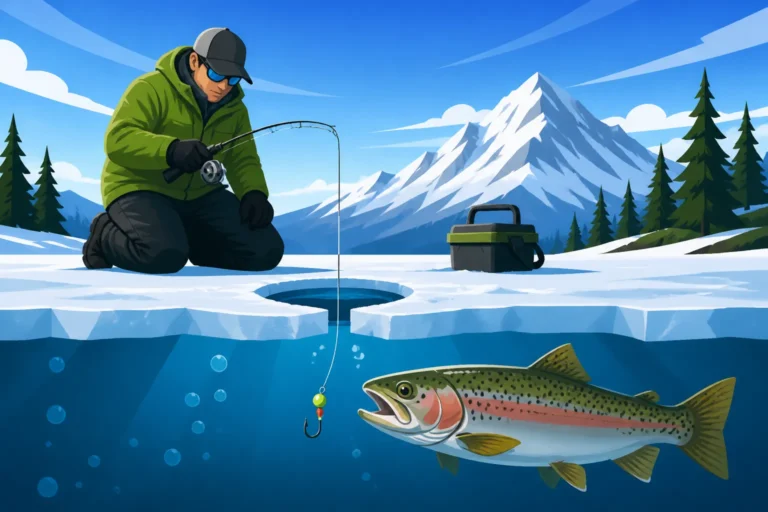
They're not just moving to warmer water; they're following the food. In spring, aquatic insects start to become active, small baitfish become more mobile, and even terrestrial insects can find their way into the water. For species like rainbow trout, which are commonly stocked in Washington lakes, this often means cruising shorelines and points where food is likely to be concentrated. For bass, it might mean staging near submerged cover as they prepare for spawning. Whatever the species, their focus shifts from survival to foraging, but don't expect them to be hyper-active; they're still shaking off winter's chill.
Essential Gear and Tactics for Early Season Success
Success right after ice-out often comes down to two things: a precise approach with your gear and knowing which tactics will tempt those still-sluggish fish. It's not the time for fast retrieves or aggressive presentations; patience and subtlety are your best friends. Think slow, methodical, and appealing.
Lure and Bait Selection
When the water is still cold, fish aren't usually chasing down fast-moving prey. They're looking for an easy meal, something that doesn't require a lot of energy to catch. This means smaller lures and natural baits are often more effective. For trout and kokanee, tiny spoons or spinners in silver, gold, or even a subtle frog pattern can work wonders. Think 1/16th to 1/8th ounce sizes. Brands like Kastmaster or Dick Nite are classic choices. You can find a fantastic selection of these smaller lures on Amazon to stock your tackle box for cheap before your trip.
Natural baits are almost always a safe bet for trout in cold water. PowerBait, especially in bright colors like chartreuse, rainbow, or even a basic white, can be deadly when fished off the bottom with a small marshmallow or floating power egg to suspend it. Worms, grubs, or even maggots under a bobber can also be incredibly effective, especially if you're fishing near an inlet where invertebrates might be washing in. Remember, the presentation needs to be slow and enticing, mimicking a dying or easy-to-catch food source.
Slow and Steady Presentation Techniques
Forget the fast-twitch retrieve you might use in summer. After ice-out, slow and steady wins the race. For lures, a slow, continuous retrieve with occasional pauses or twitches can be irresistible. You want the lure to flutter and flash, giving the fish plenty of time to see it and decide to strike. When jigging, short, subtle lifts and long pauses are key. Let the jig fall naturally, then give it a tiny bump or two before letting it rest again.
If you're using bait, consider still-fishing with a bobber or a bottom rig. For bobber fishing, set your depth so the bait is suspended just above any submerged vegetation or cover, or just a few feet off the bottom. If you're using a bottom rig, ensure your leader is long enough (18-36 inches) to allow your bait to float enticingly above the sinker. The goal is to keep the bait in the strike zone for as long as possible, presenting it as an easy target. Don't be afraid to leave your rod in a holder for several minutes if you're bank fishing; patience truly pays off when the water is cold.
Where to Focus Your Efforts on the Lake
Knowing how to fish is only half the battle; knowing where to fish is arguably even more important during the ice-out period. Fish are congregating in specific areas, and if you're not in those spots, you're missing out. It's about finding those warm pockets and newly available food sources.
Shallow Bays and Northern Shores
During ice-out, the shallower bays and the northern shores of a lake are often the first places to warm up. Northern shores, because they face south, receive more direct sunlight throughout the day, which helps melt ice faster and raise water temperatures a few degrees higher than other areas. These few degrees can make all the difference to a cold-blooded fish.
Fish will often move into these shallower bays and sun-drenched northern shorelines to take advantage of the slightly warmer water. These areas also tend to have more submerged vegetation, which can provide cover and attract early season insect activity. If you're targeting trout, cruising the edges of these bays, especially near any submerged structure or weed beds, can be highly productive. For other species like bass or panfish, these areas can be great for locating them as they shake off the winter doldrums and become more active. Look for rocky outcrops or even old docks that absorb heat.
Inlets, Outlets, and Drop-Offs
Areas where water flows into or out of the lake (inlets and outlets) are also prime locations after ice-out. Inlets, particularly those fed by smaller creeks or streams, often bring slightly warmer water, fresh oxygen, and a continuous supply of nutrients and small food items into the lake. This fresh inflow can be a magnet for hungry fish. These spots are fantastic for drift fishing for steelhead in Washington rivers, and the same principle often applies to lake inlets.
Drop-offs, especially those near these shallow warming areas, are another excellent target. Fish can hold in the slightly deeper, stable water of the drop-off and quickly move into the shallower, warmer feeding zones when they're ready to eat. They offer a safe haven just a stone's throw from the buffet. Think of a point that extends out into the lake, creating a distinct change in depth. Casting parallel to these drop-offs or positioning your boat to fish along them can yield great results. You're effectively covering both the staging and feeding areas simultaneously.
Safety and Practical Considerations
Fishing after ice-out, while exciting, comes with its own set of challenges and safety concerns. The thrill of being back on the water should always be balanced with a healthy respect for the still-cold environment.
Cold Water Safety and Layering
This might seem obvious, but it bears repeating: the water is dangerously cold after ice-out, even if the air feels mild. Hypothermia is a serious risk if you were to fall in. Always wear a U.S. Coast Guard-approved personal flotation device (PFD), even if you're a strong swimmer. It's not just about staying afloat; it's about buying precious time for rescue if you do go overboard. Consider investing in a "cold water" PFD or an inflatable model that won't hinder your casting.
Layering your clothing is crucial. Start with a moisture-wicking base layer, add insulating layers like fleece or wool, and top it off with a waterproof and windproof outer shell. Bring extra layers in a dry bag, even if the forecast looks good. Your body will thank you for that extra warmth, especially if a sudden squall rolls through. You can find excellent base layers and waterproof jackets on Amazon designed for outdoor enthusiasts, making it easy to gear up properly.
Checking Regulations and Weather
Even though the ice is out, it doesn't mean all lakes are open or that all regulations are uniform. Always, always check the latest Washington fishing regulations pamphlet or the Washington Department of Fish and Wildlife (WDFW) website before heading out. Some lakes might have specific opening dates for trout or other species, or special rules regarding gear or catch limits. You can learn more about this by reading our guide on Washington Sport Fishing Seasons and Emergency Closures. Ignorance of the rules is no excuse, and wardens are out there.
Weather can be notoriously unpredictable in Washington during early spring. A sunny, calm morning can quickly turn into a windy, rainy, or even snowy afternoon. Keep a close eye on the forecast and be prepared for sudden changes. High winds can make boating hazardous on larger lakes, and cold rain can quickly chill you to the bone. If you're fishing from a boat, let someone know your float plan, including where you're going and when you expect to return. Being safe means being prepared for anything Mother Nature decides to throw your way.
Table: Common Ice-Out Lures & Baits for Washington Lakes
| Lure/Bait Type | Ideal Target Species | Key Characteristics | Presentation Tips | Where to Find |
|---|---|---|---|---|
| Small Spinners | Trout, Kokanee | Flashy blade, small profile | Slow, steady retrieve; occasional pauses | Sporting goods stores, Amazon |
| Small Spoons | Trout, Kokanee, Bass | Wobbling action, reflective | Slow retrieve with jigging action; vertical jigging | Local tackle shops, Amazon |
| PowerBait | Trout | Scented, buoyant | Float off bottom with small sinker; bobber fishing | Any fishing tackle retailer, online |
| Worms/Grubs | Trout, Panfish, Bass | Natural scent, subtle move | Under a bobber; light split-shot on bottom | Bait shops, garden stores |
| Small Jigs | Trout, Panfish, Bass | Soft plastic, marabou | Slow lift-and-drop; suspend under a bobber | Tackle sections, online retailers |
| Small Stickbaits | Bass, Trout | Subtle wobble, minnow-like | Long pauses, twitch-and-pause retrieve | Specialized bass shops, Amazon |
Embrace the Exploration
Fishing a lake after ice-out isn't just about catching fish; it's about rediscovering the water, observing the subtle signs of spring, and enjoying the renewed energy of the outdoors. The fish might not be as aggressive as they are in summer, but that just makes the reward of a successful catch even sweeter. Take the time to explore different areas, experiment with various techniques, and pay close attention to what the fish are telling you.
Even if the bite is slow, simply being out there, breathing the fresh air, and seeing the lake come back to life is a reward in itself. Washington's waters offer incredible opportunities, and this early spring period is a unique time to experience them. Be safe, be patient, and enjoy the adventure.
Disclaimer
This article is for general informational purposes only and does not constitute professional advice. Laws, prices and regulations vary by location and change over time. Consult a qualified professional for guidance on your specific situation.