Bank Fishing Techniques for Washington Salmon
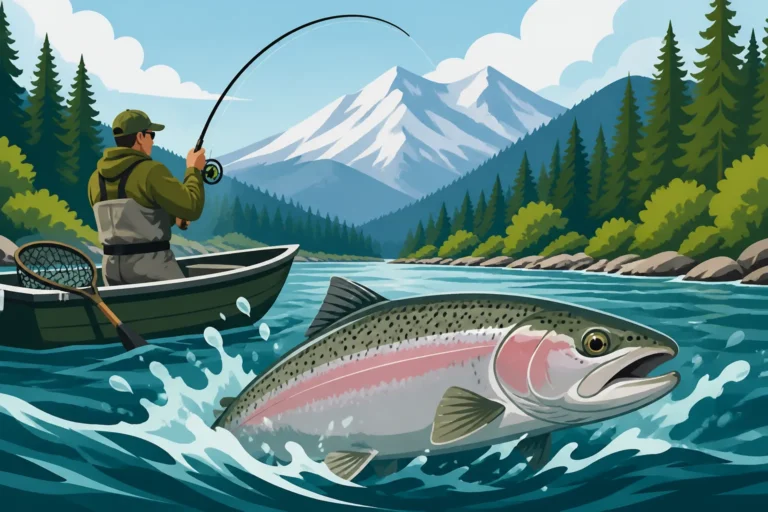
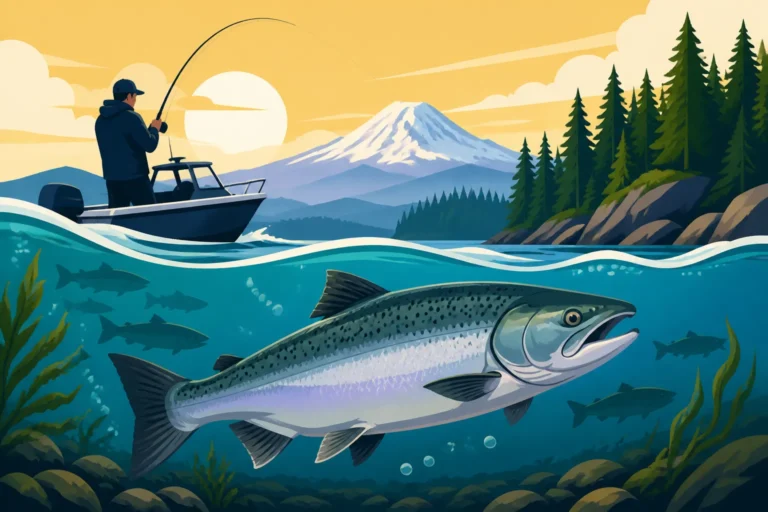
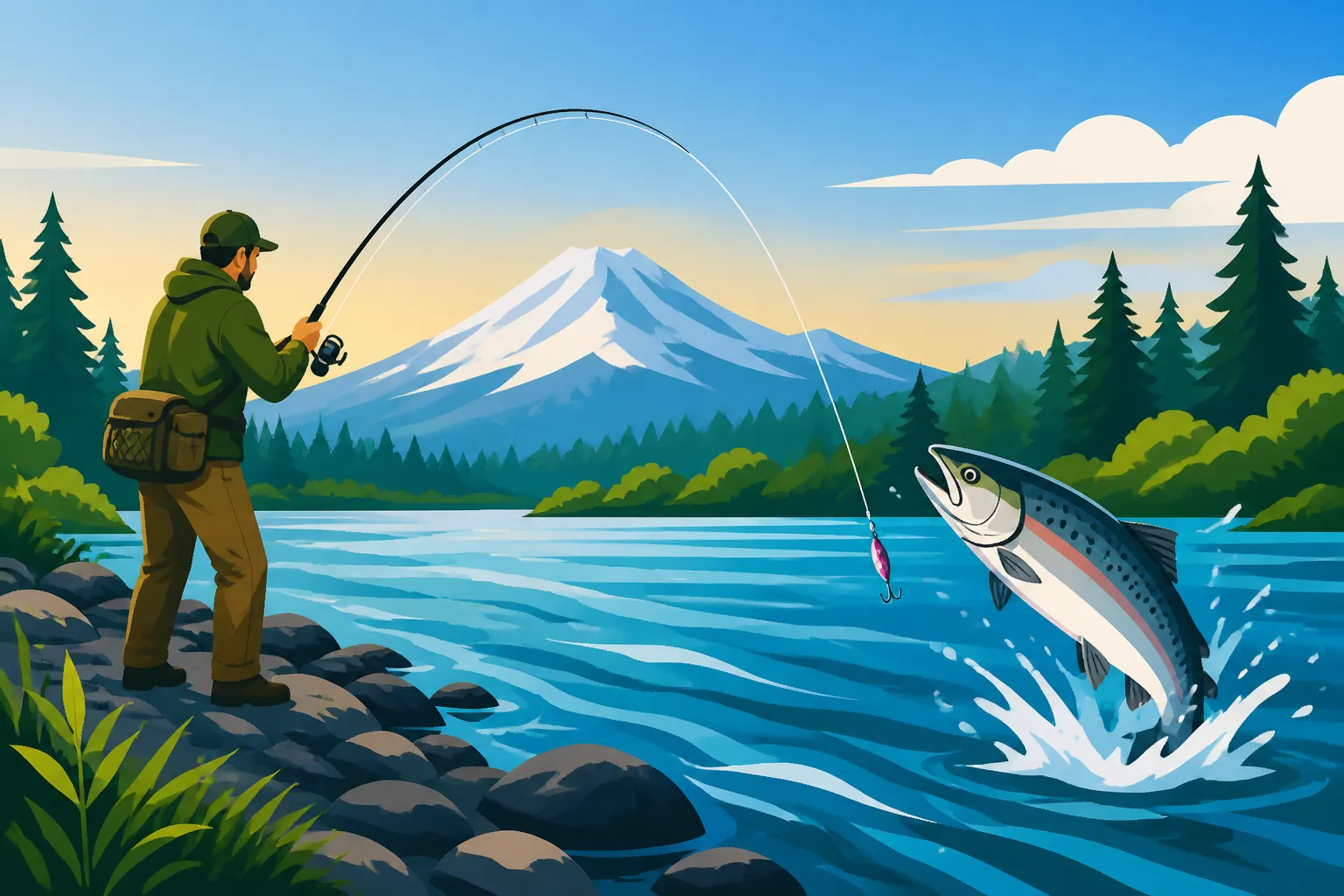
There's a special kind of frustration that comes with standing on the riverbank, casting your heart out, watching boats drift by with bent rods, and wondering why your lure isn't getting any love. Bank fishing for salmon in Washington can feel like a riddle wrapped in an enigma, especially with our diverse waterways and constantly shifting regulations. This comprehensive guide is here to untangle that mystery, giving you the insights, techniques, and confidence to hook into some incredible Washington salmon right from shore.
The Unique Challenge of Bank Fishing for Salmon in Washington
Fishing for salmon from the bank in Washington isn't just about casting and hoping; it’s a nuanced dance with nature that presents distinct challenges compared to fishing from a boat. Many anglers get disheartened because they perceive bank access as second-class, but with the right approach, it can be incredibly rewarding. You're often dealing with limited casting angles, swift currents, and the need to truly understand the subtle cues of the river or tidal waters from a fixed position.
Limited Access and Casting Distance
One of the most immediate hurdles for any bank angler is the sheer limitation of where you can actually cast a line. Unlike a boat that can navigate to prime holding water or follow a run, you're tethered to the shoreline. This means you need to be exceptionally strategic about your location. Public access points can get crowded, especially during peak salmon runs, turning a peaceful outing into a competitive sport. Private property lines, steep banks, dense vegetation, and unforgiving riprap can all restrict your movement and your ability to reach those deeper channels or calmer seams where salmon often hold. You might find yourself on a popular river like the Cowlitz or Kalama, surrounded by other anglers, all vying for that perfect casting lane.
Furthermore, casting distance becomes a critical factor. Many of the prime travel lanes or holding areas for salmon in larger rivers, like the main stem of the Columbia River, are simply out of reach for a standard cast from shore. This isn't just about how far you can throw; it's about effectively presenting your bait or lure in the strike zone for long enough. Without the ability to motor upriver and drift down, or position precisely over a drop-off, bank anglers have to rely on current, gravity, and ingenious rigging to get their offerings where they need to be. This challenge often forces a more specialized approach, favoring techniques that allow your gear to work the water for you, rather than solely relying on a long, accurate cast.
Understanding River Dynamics from Shore
Rivers and tidal waters are constantly in flux, and understanding these dynamics is paramount for the bank angler. From shore, you don't have the luxury of a fish finder or the ability to motor around and explore different depths and structures. Instead, you need to become a keen observer of the water itself. Water levels can change dramatically with rainfall or dam releases, altering current speeds, depths, and even the location of prime holding lies. A spot that was fantastic last week might be completely unproductive today due to higher flows or a drop in the river.
Current is your friend and your foe. Too fast, and your gear gets swept away too quickly, making it hard for a salmon to react. Too slow, and your presentation might lack the natural movement that triggers a bite. Learning to identify seams where fast water meets slow, eddys behind submerged structure, or subtle depth changes near the bank is critical. Salmon, especially those fresh from the ocean, are incredibly powerful swimmers but they are also energy conservers. They will often choose paths of least resistance, holding in areas where they can rest out of the main current flow while still having access to their migratory path. From the bank, you must anticipate these travel lanes and resting spots, often by observing surface turbulence, water color changes, or debris lines, and then adjust your tactics to effectively fish those zones. This requires patience, keen observation, and often, a lot of trial and error to truly get a feel for a particular stretch of water.
Essential Gear for Washington Bank Anglers
When you're committed to bank fishing for Washington salmon, having the right gear isn't just a luxury; it's a necessity. Unlike boat fishing where you might have multiple setups for different scenarios, bank fishing often requires versatile rods and reliable terminal tackle that can handle the unexpected. You're typically carrying everything on your back or in a small pack, so every piece of equipment needs to earn its place.
Rods, Reels, and Line Choices
Choosing the right rod and reel combination is perhaps the most critical decision for a bank angler. You need gear that offers a good balance of casting distance, power to fight strong salmon, and sensitivity to detect subtle bites. For most Washington salmon rivers, a rod in the 9 to 11-foot range with a medium-heavy to heavy action is ideal. This length allows for longer casts, helps keep your line above shoreline obstructions like brush or small rocks, and provides excellent leverage when fighting a powerful Chinook or Coho. Popular choices include specialized "drift" or "float" rods, but a good quality salmon/steelhead spinning or casting rod will serve you well. Look for brands like Lamiglas, G. Loomis, or even more affordable options available on Amazon that offer decent sensitivity and backbone.
Pair your rod with a robust reel. For spinning setups, a 4000 to 5000 series reel is typically sufficient, offering good line capacity and a smooth drag system. If you prefer baitcasting, a low-profile reel with a strong drag and good cranking power is essential. When it comes to line, braided line is a game-changer for bank fishing. Its thin diameter, incredible strength, and zero stretch provide maximum casting distance and unparalleled sensitivity, allowing you to feel even the lightest taps on your bait, especially when you're casting across strong currents. Use 30-50 pound test braid as your main line, which gives you plenty of stopping power. You'll then tie a fluorocarbon or monofilament leader of 15-30 pound test, depending on water clarity and target species, to your main line. The low visibility of fluorocarbon is often preferred in clearer waters, giving you a stealthy presentation.
Terminal Tackle and Baits for Bank Success
Once you have your rod, reel, and line sorted, it's time to consider the business end of your setup. Your terminal tackle — the hooks, weights, swivels, and beads — are what actually present your bait or lure to the salmon. A well-stocked tackle box for bank fishing should include an assortment of lead weights, ranging from 1/2 ounce up to 3 ounces or more, to counteract varying current speeds. Slinky weights or cannonball sinkers are popular choices for drift fishing and plunking because they tend to snag less on rocky bottoms. Quality barrel swivels are crucial to prevent line twist, especially when using spinning lures or during heavy current situations.
For baits, cured salmon roe (often in mesh bags), sand shrimp, and prawns are perennial favorites for their scent and natural appeal. These are particularly effective for Chinook and Coho. Artificial options like scent-infused soft plastic worms (e.g., Berkley Gulp! products), small twitching jigs, and even scent bombs can also be very productive. For lures, spoons (like a Kitimat, Little Cleo, or Aero Spoon), spinners (such as a Blue Fox Vibrax or Mepps Aglia), and diving plugs (like a Kwikfish or Wiggle Wart) are all excellent choices. Varying sizes and colors, especially bright colors like chartreuse, pink, and orange in turbid water, or more natural tones in clear water, can make a huge difference. Don't forget an assortment of sharp, strong hooks in sizes 1/0 to 5/0, depending on your bait and target species. Many Washington rivers, particularly for steelhead and sometimes salmon, have specific Barbless Hook Requirements on Washington Rivers , so always check the current WDFW regulations.
Waders, Footwear, and Safety Gear
Your personal comfort and safety are just as important as your fishing gear, especially when spending hours on potentially slippery and uneven riverbanks. A good pair of breathable chest waders is practically indispensable for bank fishing in Washington. They allow you to wade out a few feet into the water, providing crucial extra casting distance and the ability to retrieve snags that would otherwise be lost. Neoprene waders are warmer for colder months, while breathable nylon or Gore-Tex waders are more comfortable for warmer weather or active wading.
Underneath your waders, sturdy wading boots with felt or studded soles are critical for traction on slick rocks and muddy banks. Nothing ruins a fishing trip faster than a slip and fall into frigid water. Many experienced anglers also wear wading belts for added safety, as they can help prevent water from filling your waders if you do take an unexpected plunge. Beyond waders and boots, always carry a small first-aid kit, a sharp fishing knife, a pair of pliers for hook removal, and a reliable headlamp or flashlight if there's any chance you'll be fishing at dawn or dusk. A good landing net with a long handle is also a must-have for safely bringing in larger salmon, especially when you're alone on the bank. Don't forget your The Washington Catch Record Card and What It Requires and your valid Washington fishing license!
Mastering Different Bank Fishing Techniques for Salmon
Bank fishing for salmon isn't a one-size-fits-all endeavor. The effectiveness of a technique hinges on the specific water conditions, current speed, river depth, and the behavior of the salmon you're targeting. Having a repertoire of methods in your arsenal will significantly increase your chances of success.
Plunking for Stationary Success
Plunking is arguably one of the most popular and effective bank fishing methods for salmon, particularly in larger rivers like the Columbia or its tributaries. It's a relatively stationary technique where you cast out a heavy weight with your bait or lure and let the current do the work. The basic idea is to position your offering in a known salmon travel lane and let it sit there, waiting for an unsuspecting fish to swim by and grab it. The weight, often a pyramid or flat-bottomed sinker in the 3-6 ounce range, holds your gear in place against the strong current. Above the weight, you’ll have a spreader bar or a three-way swivel with a leader extending out to your lure or bait.
The beauty of plunking lies in its simplicity and ability to cover a specific "lane" consistently. You can use various attractants, from Spin-N-Glos and large Corkies to diving plugs like a Kwikfish or FlatFish, sometimes tipped with a small piece of bait like an anchovy or sardine. The current makes the attractant wobble and dive, mimicking wounded baitfish or enticing scents. This technique is particularly deadly during high flows or in turbid water when salmon hug the bottom to conserve energy and are less likely to chase a fast-moving lure. You can often run multiple rods (if you have the appropriate Washington's Two-Pole Endorsement and Who Needs One and space allows), effectively covering more water. Understanding How to Plunk for Salmon on a Washington River involves identifying seams where salmon funnel through, often near current breaks, and patiently waiting for the bite. It’s a technique that truly tests your patience but can be incredibly rewarding, especially when a big fall Chinook decides to smash your offering.
Drift Fishing for Active Salmon
Drift fishing is a more active and engaging technique, requiring a nuanced feel for the river bottom and an understanding of how fish react to a free-flowing presentation. Instead of anchoring your gear, you use just enough weight (often slinky weights, pencil lead, or small cannonball sinkers) to tick or "drift" along the bottom at the same speed as the current. The goal is to present a natural-looking bait or lure, such as a cured roe bag, a yarnie, a cheater, or a small Spin-N-Glo, directly into the face of a salmon holding in a seam or behind structure. As your gear drifts, it covers a significant amount of water, allowing you to prospect various holding lies.
This method requires constant attention to your line and the feel of the bottom. You’ll learn to distinguish between a gentle tap from a rock, a subtle snag on a submerged branch, and the distinctive "thump" or pull of a salmon taking your bait. Many anglers prefer a longer, more sensitive rod for drift fishing to better detect these subtle bites. Drift Fishing for Steelhead in Washington Rivers often employs this technique, and the principles translate perfectly to salmon. Common setups involve a main line tied to a small three-way swivel, with a dropper line (lighter test, designed to break away) to your weight, and a leader to your hook and bait. The length of your leader and dropper can be adjusted based on water depth and current speed to ensure your bait is drifting just above the riverbed where salmon are often found.
Casting and Retrieving Lures from Shore
Sometimes, salmon are aggressive and willing to chase a moving target, especially when they are fresh from the ocean and actively migrating. This is when casting and retrieving lures from shore can be incredibly effective. This technique involves throwing spoons, spinners, or twitching jigs across current seams, into pools, or along drop-offs, and then working them back with a varying retrieve to imitate baitfish or provoke a reaction strike. The key here is experimentation: vary your retrieve speed, add pauses or jerks, and try different lure colors and sizes until you find what the salmon are responding to on that particular day.
Spoons like the "Pixie" or "Kastmaster" are excellent for their flash and flutter, mimicking a wounded baitfish. Spinners, such as the Blue Fox Vibrax, create a vibration that salmon can detect even in murky water. Twitching jigs, especially popular for Coho and often productive for Chinook, are cast out and then retrieved with a series of short, sharp rod twitches, making the jig dart and dance erratically. This method works well in rivers with moderate current or in tidal estuaries where salmon are actively moving or staging. It's a very engaging form of fishing that allows you to cover a lot of water quickly and directly interact with your lure's presentation. When targeting Coho in the Puget Sound river mouths, for example, casting a 1/2 to 3/4 ounce Buzz Bomb or Rotator and retrieving it in a jigging motion can be incredibly productive, often resulting in exhilarating strikes.
Reading the Water: Where Salmon Hold from Shore
One of the most valuable skills a bank angler can develop is the ability to "read the water." Since you can't motor around and explore, understanding where salmon are likely to hold or travel from your fixed position is paramount. It’s about more than just looking at the surface; it's about interpreting the subtle clues the river gives you about what’s happening beneath.
Identifying Prime Lies and Current Seams
Salmon, being powerful but also energy-efficient, will always seek out "prime lies" – areas where they can rest, hide, or navigate with minimal effort while still being in a position to move upstream. From the bank, these often appear as current seams where faster water meets slower water. These seams create a natural highway for salmon and also concentrate any drifting food. Look for subtle changes in the water's surface: a line of bubbles, a distinct color change, or a visible ripple pattern can indicate a seam. Often, salmon will hold just on the edge of the faster current, facing upstream, ready to dart into the main flow when they choose.
Other prime lies include deeper pools or depressions just downstream of rapids or riffles, where salmon can rest after expending energy. Any large submerged structure, like boulders, fallen trees (snags), or even bridge pilings, will create a current break, forming an eddy or calmer water on the downstream side where salmon might hold. Additionally, confluences of smaller tributaries with a main river are excellent spots, as they can provide a fresh influx of water, cooler temperatures, or simply a navigational landmark for migrating fish. Don't overlook the "tail-outs" of pools – the shallower, faster water at the downstream end where a pool transitions into a riffle. Salmon often stage here before moving into the next deeper section upstream. For more detailed insights, checking out articles like Reading Water for Bank-Fishing Salmon can provide invaluable visual cues and explanations.
Understanding Depth and Structure
While you might not have a fish finder, you can infer a lot about depth and structure from the bank. Deeper water generally appears darker and smoother, while shallower areas might show more ripple or disturbances from the bottom. Look for areas where the bank drops off steeply; these often indicate a deeper channel close to shore, making them accessible to bank anglers. In contrast, long, gently sloping gravel bars usually mean shallower water that salmon might only cross quickly.
Submerged structure is a magnet for salmon. It provides cover from predators, a break from the current, and often concentrates baitfish. While you can't see it directly, you can often deduce its presence. A sudden calm spot in a fast current, an eddy that forms consistently, or an area where snags always seem to happen (be careful!) can all indicate a large rock, log, or other obstruction below. Fishing just upstream, downstream, or to the side of these inferred structures is often highly productive. For example, on the lower Columbia River, identifying where deeper channels run close to shore, often marked by commercial navigation buoys or changes in bank topography, can pinpoint excellent plunking spots for fall Chinook. Remember that these structures can also change over time, especially after heavy floods, so continuous observation and adaptation are key.
Navigating Tides and Estuaries
Bank fishing in tidal rivers and estuaries, common in many Puget Sound rivers and coastal systems, adds another layer of complexity – the tides. Unlike purely freshwater rivers, these areas are influenced by the ebb and flow of the ocean, which can dramatically alter water levels, current direction, and salmon behavior. Understanding the tide charts for your specific location is absolutely essential. Salmon often prefer to move into rivers on an incoming or flood tide, as it helps them conserve energy while migrating upstream. Similarly, an outgoing or ebb tide can concentrate fish in deeper channels or sloughs as water levels drop.
When fishing an estuary or tidal river mouth, look for areas where the current creates natural funnels or pinch points. These can be particularly productive on a moving tide. Incoming tides can bring in fresh schools of salmon, making the bite more active. For species like Coho salmon, the tide can dictate not just their movement but also their willingness to bite. Early morning incoming tides are often prime for casting lures for Coho in places like the Snohomish River mouth or other Puget Sound tributaries. Pay attention to slack tide as well; while often slow, the brief period of calm water can sometimes trigger a bite from fish that were previously fighting the current. Always consult local tide tables in conjunction with your fishing regulations, as specific Washington Fishing Regulations Every Angler Should Know can change drastically in tidal zones.
Timing Your Bank Fishing Trip for Success
Catching salmon from the bank often comes down to being in the right place at the right time. Unlike other forms of fishing where you might be able to find resident fish throughout the year, salmon are migratory, and their presence in the rivers is often fleeting and highly dependent on seasonal runs and environmental factors.
Best Seasons and River Conditions
The "best" season for bank fishing for salmon in Washington largely depends on the specific species you're targeting. For example, When Chinook Salmon Run in Washington's Puget Sound can be as early as May for some "blackmouth" (resident Chinook) fisheries, with major fall runs in August and September in many rivers. Coho salmon, on the other hand, typically make their grand entrance a bit later, with peak runs often from September into November in rivers like the Green, Nisqually, and Cowlitz. Chum and Pink salmon runs are often even more condensed, with Pinks only appearing on odd-numbered years in specific rivers, usually peaking in August.
Beyond the general season, river conditions play an enormous role. Water temperature, clarity, and flow rate are critical. Salmon are less likely to bite in extremely warm water (which can also be stressful for released fish), or in rivers that are "blown out" and muddy from heavy rain. Ideal conditions often involve slightly elevated but clearing water after a rain event, with temperatures in the 45-55°F range. A river that has been stable for a few days after a rise will often have fish moving through confidently. Conversely, a river that is dropping rapidly after a flood can be tough, as salmon might be holding in different areas. Always check river gauges and forecasts before heading out.
Optimal Times of Day and Tidal Influences
Just as important as the season is the time of day. Salmon, particularly in rivers, often have periods of increased activity. Dawn and dusk are universally recognized as prime fishing times. During these low-light conditions, salmon tend to be more aggressive and less wary, feeling safer to move through shallower sections or to feed. An early morning start, often before the sun hits the water, can make all the difference, especially when other anglers haven't yet arrived or the river isn't spooked by heavy traffic.
If you're fishing a tidal river or estuary, the tides dictate activity even more so than time of day. As discussed, salmon often push into rivers on the incoming tide. This means you might want to plan your trip to coincide with the last few hours of the incoming tide and the first hour or two of the outgoing tide. This moving water brings new fish into your area and can trigger a feeding response or migratory push. However, always remember that Washington's fishing regulations can be complex, especially with different bag limits for various species. Make sure you understand Understanding Washington's Daily Bag Limits by Species for your target fish and area, as these can influence how long you can legally fish once you start catching.
Checking Regulations and Emergency Closures
This cannot be stressed enough: always check the latest regulations before you go. Washington's salmon fisheries are highly managed and subject to frequent changes, often due to fluctuating run sizes, conservation concerns, or agreements with tribal nations. A river that was open last week might be closed today, or have different gear restrictions. Ignoring regulations can lead to hefty fines and loss of fishing privileges.
The Washington Department of Fish and Wildlife (WDFW) website is your best friend. They publish "Emergency Rules" that can change seasons, bag limits, and gear requirements mid-season. Understanding Emergency Rule Changes: Why Washington's Rules Shift Mid-Season is critical. Familiarize yourself with their website or the "Fish Washington" mobile app, which provides real-time updates. Check the specific regulations for the river or marine area you plan to fish. For instance, some rivers might have a What a Bait Ban Actually Restricts in Washington in place during certain times to protect wild steelhead or non-target salmon species, which would significantly alter your terminal tackle choices. Staying informed ensures you're fishing legally and responsibly, protecting the resource for future generations.
Safety and Etiquette for Shore-Based Salmon Fishing
Bank fishing in Washington is a fantastic way to enjoy the outdoors and connect with nature, but it also comes with responsibilities. Prioritizing safety and practicing good etiquette are crucial for a positive experience for everyone on the water.
Navigating Public Access and Private Property
Washington offers a wealth of public fishing access points, from state parks and WDFW access sites to local county parks. However, many productive stretches of river flow through private land. It's absolutely essential to know where you are and to respect property boundaries. Trespassing is not only illegal but can also lead to the closure of access points that were once available to the public. Always look for signage indicating public access or private land. If there's any doubt, err on the side of caution and find another spot. Using online mapping tools like Google Maps or OnX Hunt (which shows property lines) can be invaluable for identifying public access points before you even leave home.
When you do find public access, remember that these areas can sometimes be congested, especially during peak salmon runs on popular rivers like the Cowlitz, Puyallup, or Skagit. Be mindful of parking regulations, avoid blocking driveways or gates, and pack out everything you pack in. Leaving trash or discarded fishing line not only spoils the natural beauty but can also lead to further restrictions on public access. Treat every access point as if it were your own backyard, and strive to leave it better than you found it.
Sharing the Bank: Spacing and Courtesy
One of the unique aspects of bank fishing, particularly during a hot bite, is the proximity to other anglers. Good bank fishing etiquette is about showing respect and ensuring everyone has a fair chance to fish without interference. The cardinal rule is to maintain adequate spacing. A good guideline is to give other anglers at least 30-50 feet of space, or more if possible, depending on the river's width and the casting methods being used. This prevents tangled lines, reduces the risk of spooking fish, and allows everyone sufficient room to cast and fight a fish.
If you arrive at a spot that's already occupied, don't just muscle in. Politely ask where you can set up, or simply find another open spot. If you need to walk past another angler, walk well behind them, or ask if you can pass in front, and never cast over their lines. When someone hooks a fish, be courteous: reel in your line if it might interfere, offer assistance if needed (like netting the fish), and clear the way. Good camaraderie on the river makes for a much more enjoyable experience for everyone involved. Sharing information, like what's biting or what depth the fish are at, is also a great way to foster a friendly atmosphere.
Handling Fish Safely and Legally
Once you've successfully hooked a salmon from the bank, the job isn't over. Proper fish handling is critical for both the survival of released fish and the quality of your kept catch. If you plan to release a fish, minimize its time out of the water. Use a net to secure it quickly, and if possible, remove the hook while the fish is still in the water. Wet your hands before touching the fish to protect its delicate slime coat. If you must take a photo, do so quickly and support the fish horizontally, avoiding squeezing its internal organs.
For fish you intend to keep, dispatch them quickly and humanely. A swift blow to the head or severing the gills are common methods. Bleeding your salmon immediately by cutting the gills will significantly improve the meat quality and flavor. Then, get your catch on ice as soon as possible, especially on warmer days. This is where a good cooler, even a small one you can carry to the bank, becomes essential. Remember that many salmon fisheries have specific rules about minimum size, legal retention, and fin clipping (hatchery vs. wild fish). Always double-check these regulations, and if you accidentally catch a wild fish in a hatchery-only fishery, release it carefully and quickly. For those wondering about the best gear to ensure a good fight without compromising the fish, consider a Rod and Reel You Need for Washington Puget Sound Salmon for balanced performance.
Common Mistakes and How to Avoid Them
Even seasoned anglers can fall into common traps, and for bank fishing salmon, these mistakes can significantly diminish your chances of success. Learning to recognize and rectify these pitfalls will make you a more effective and enjoyable angler.
Using the Wrong Gear or Technique
One of the most frequent errors among bank anglers is simply using a gear setup or technique ill-suited for the specific conditions or target species. Showing up with a lightweight trout rod when you're trying to plunk for big Chinook in a strong Columbia River current is a recipe for frustration and lost fish. Similarly, trying to aggressively cast and retrieve a spinner in a slow, deep pool where salmon are holding defensively might not yield results when a subtle drift or stationary bait would be more effective.
How to avoid it: Before you even leave home, research the river or location you plan to fish. What species are present? What are the typical water conditions (current speed, depth, clarity)? What are the dominant and most effective techniques for that specific spot and season? Many local tackle shops, and online resources like this blog, offer excellent insights. For example, if you're targeting fall Chinook on the lower Cowlitz River, you'd likely want a longer, powerful rod for drift fishing heavy weights and baits. If you're chasing Coho at a Puget Sound river mouth, a medium-heavy spinning rod with a fast action for casting spoons or jigs would be more appropriate. Invest in versatile gear or have a few different setups if you plan to fish a variety of locations and conditions.
Ignoring Water Conditions and Regulations
Another major oversight is failing to adapt to the ever-changing water conditions or, worse, neglecting to check current regulations. A river that was perfect last week could be a raging torrent or a trickling stream today. Fishing a muddy, high-water river with tiny, natural-colored baits might be futile when a large, brightly colored lure or scent-laden roe bag would be more visible and appealing. Conversely, in low, clear water, heavy weights and flashy lures might spook fish, making a light leader and subtle presentation far more effective.
How to avoid it: Become a student of the river. Check river gauges online (like USGS streamflow data or WDFW reports) before you go. Look at weather forecasts for recent rainfall. When you arrive at the bank, take a few minutes to observe the water. What's the clarity like? How fast is the current moving? Are there any visible signs of fish activity? Then, adjust your lure color, weight, leader length, and even your technique accordingly. And, as reiterated throughout this guide, always, always check the WDFW Emergency Rules and current fishing pamphlet. Regulations change frequently, and being caught unaware can ruin your day and lighten your wallet.
Lack of Patience and Persistence
Salmon fishing, especially from the bank, is often a game of patience and persistence. It's easy to get discouraged after an hour or two without a bite, leading to frequent changes in location, lure, or technique without truly giving any one approach a fair chance. This "grass is always greener" mentality can prevent you from dialing in on what works. Salmon can move in waves, or they might hold in a spot for a long time before deciding to bite.
How to avoid it: Develop a patient mindset. If you've done your research, chosen a good spot based on water conditions, and are using a proven technique, give it time. Work through a system: try a certain lure for 30 minutes, then switch colors, then switch to a different lure type, then consider changing techniques. Don't be afraid to stick with a productive spot even if it's been quiet for a while; those fish you're waiting for might just be around the bend. Persistence also means learning from every trip, successful or not. Did you see other anglers catching fish? What were they using? What section of the river were they in? Document your trips in a small journal – what worked, what didn't, river conditions, time of day. Over time, these observations will build your confidence and help you make more informed decisions, turning frustration into fulfillment. Consider bringing a comfortable chair and a good book to help pass the time when the bite is slow; sometimes, just enjoying the peace of the river is part of the reward.
Disclaimer
Please note: Fishing regulations in Washington State are subject to frequent change. Always consult the latest Washington Department of Fish and Wildlife (WDFW) regulations pamphlet or their official website/app before heading out to fish. This article is for informational purposes only and does not constitute legal fishing advice.