Dungeness Crab and Washington Shellfish
Oh, the crisp salty air, the anticipation of a full pot, and the sheer delight of a freshly steamed Dungeness crab! There's something truly magical about harvesting your own seafood in Washington State, but let's be real: it can also feel like navigating a complex maze of rules, seasons, and gear choices. Many folks get overwhelmed before they even drop a pot or dig a clam, worried about doing something wrong or simply not knowing where to start. This comprehensive guide is here to untangle all those complexities, walking you through everything you need to know to successfully and responsibly enjoy Dungeness crab and other incredible shellfish opportunities Washington has to offer.
The Allure of Dungeness Crab in Washington Waters
There's a reason why Dungeness crab holds such a special place in the hearts (and stomachs!) of Washingtonians and visitors alike. These magnificent crustaceans are not just plentiful in our cold, nutrient-rich waters; they're also incredibly delicious, with sweet, tender meat that makes any seafood feast unforgettable. Catching your own Dungeness isn't just about the meal; it's an experience, a connection to the bounty of the Pacific Northwest that many find deeply rewarding.
Identifying the Delicious Dungeness
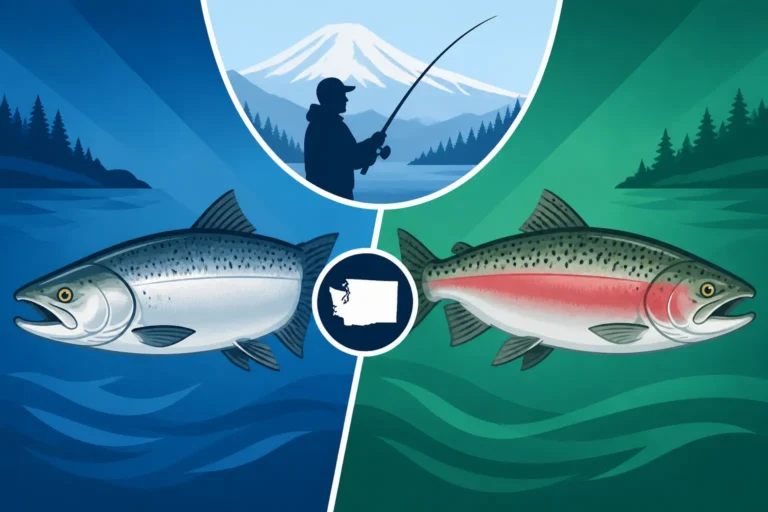
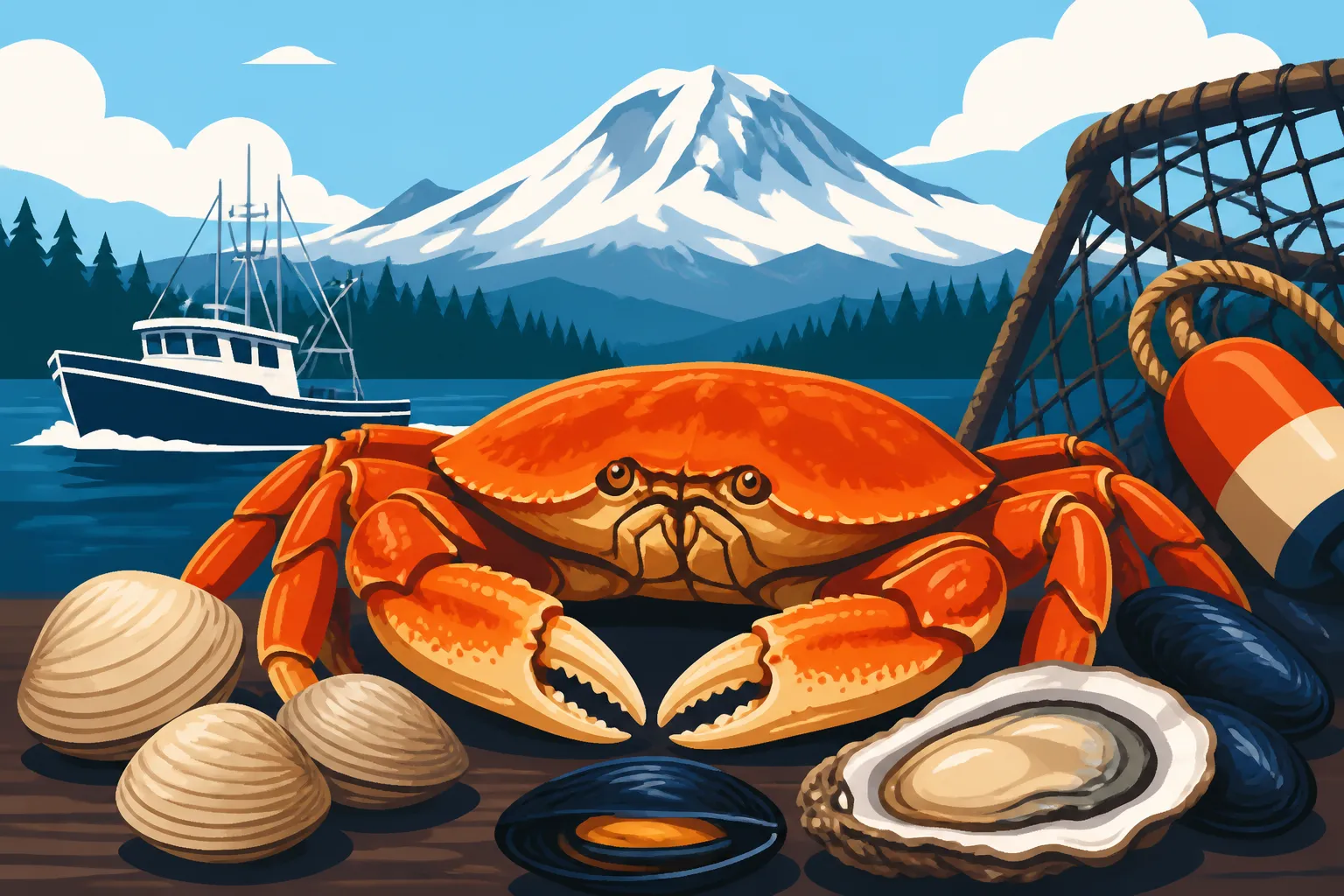
Before you can enjoy them on your plate, you need to know what you're looking for! Dungeness crab, Metacarcinus magister, are easily recognizable. They boast a broad, oval-shaped carapace (shell) that can range in color from a purplish-brown to a sandy grey, often with distinctive white tips on their claws. Unlike some other crab species, their claws are relatively short and stout, not overly elongated. An adult Dungeness can grow quite large, with carapaces sometimes exceeding nine inches wide, though the legal-to-keep size is typically much smaller. Knowing How to Tell a Chinook From a Coho is one thing, but differentiating crab species is equally important to ensure you're harvesting legally and responsibly.
One of the most crucial identification points, especially for new crabbers, is distinguishing between males and females. Washington regulations are very clear: you can only keep male Dungeness crabs. The easiest way to tell is by looking at the underside of the crab, specifically the abdominal flap, often called the "apron." On a male crab, this flap is narrow and triangular, often described as an "Eiffel Tower" shape. Female crabs have a much broader, rounded, or U-shaped apron, which is designed to hold their eggs. Getting this identification correct is non-negotiable for legal crabbing.
Dungeness Crab Lifecycle and Habitat
Dungeness crab have a fascinating life cycle that contributes to their abundance in Washington. They typically spawn in late winter or early spring, with females carrying thousands, sometimes millions, of eggs under their apron for several months. Once hatched, the tiny larvae drift in the ocean currents for a prolonged period, undergoing several molts before settling on the seabed as miniature crabs. They grow by molting their hard shell, a vulnerable time when they hide to avoid predators. This growth process continues for several years until they reach maturity and, hopefully for us, legal harvest size.
These crabs thrive in the sandy or muddy bottoms of estuaries, bays, and the nearshore ocean, typically in depths ranging from a few feet to over 100 feet. You'll find them in abundance throughout Puget Sound, the Strait of Juan de Fuca, Grays Harbor, and Willapa Bay, as well as along the open coast. Their preferred habitat, often mixed with eelgrass beds or broken shell, provides both food and shelter, making these areas prime spots for deploying your crab pots. Understanding their preferred environment will help you choose the best locations for setting your gear, whether you're fishing from a boat or trying to catch them from a public pier.
Why Washington is a Crabbing Hotspot
Washington State is renowned for its Dungeness crab fishery, both commercial and recreational, for several excellent reasons. Our unique geography, with the expansive Puget Sound, numerous bays, and a productive coastline, provides an ideal network of habitats. The cold, oxygen-rich waters and abundant food sources—such as small invertebrates and detritus—allow Dungeness crabs to grow large and establish healthy populations.
Furthermore, the Washington Department of Fish and Wildlife (WDFW) manages the fishery with sustainability in mind. Strict regulations regarding seasons, areas, size limits, and the male-only harvest rule help ensure that crab populations remain robust year after year. This careful management, combined with natural productivity, makes Washington one of the premier destinations for Dungeness crabbing. The excitement around events like opening day in Puget Sound is palpable, drawing thousands of eager crabbers to the water, all hoping to bring home a delicious feast.
Essential Gear for Your Washington Crabbing Adventure
Getting ready for a crabbing trip can be almost as much fun as the crabbing itself, but having the right gear is absolutely essential for success and safety. It's not just about tossing a pot in the water; it's about making sure your gear is legal, effective, and won't get lost. Think of it like assembling the right tackle for salmon—you wouldn't just grab any old setup, right? The same goes for crabs.
Crab Pots vs. Crab Rings
When it comes to the primary capture device, you generally have two main choices: crab pots or crab rings. Each has its pros and cons, and your choice might depend on your fishing style, location, and the regulations in your specific area. Understanding Crab Pots vs Rings in Washington's Puget Sound is key before you invest in gear.
Crab Pots: These are typically rigid, cage-like structures designed to trap crabs inside. They usually have one or more funnel-shaped entrances that allow crabs to crawl in but make it difficult for them to escape. Pots are excellent for leaving submerged for longer periods, often several hours or even overnight, allowing them to soak and attract more crabs. They're generally more effective at retaining crabs, especially if you're targeting a large catch. However, they can be bulkier, heavier, and more expensive than rings. You'll often find them constructed from wire mesh or durable plastic, built to withstand currents and multiple seasons of use. Just remember, these can get snagged, so choose your drop zones carefully.
Crab Rings: Also known as crab snares or hoop nets, rings are generally simpler devices. They consist of a bottom ring, a top ring, and netting between them, designed to lie flat on the bottom. When you retrieve the line, the top ring lifts, collapsing the netting and "snaring" any crabs that were feeding over the bait in the center. Rings require more active participation, as they need to be checked more frequently (often every 15-30 minutes) to prevent crabs from crawling out before retrieval. They are lighter, more portable, and often more affordable. They are particularly popular for crabbing from docks, piers, or kayaks where space and ease of deployment are factors. While less efficient for long soaks, they can be very productive with frequent checks. You can find both pots and rings readily available online on platforms like Amazon, making it easy to compare options and read reviews from other crabbers.
Lines, Buoys, and Bait for Success
Regardless of whether you choose a pot or a ring, you'll need the right accessories to deploy and retrieve it, and, crucially, to attract the crabs!
Lines: You'll need durable, sinking line to connect your crab device to your buoy. The length of the line is critical—it must be long enough to reach the bottom and still have enough slack to account for tidal changes, but not so long that it creates excessive slack that could tangle with boat propellers. Aim for at least one-third to one-half more line than the maximum depth you'll be crabbing in. For instance, if you're crabbing in 60 feet of water, a 90-foot line might be a good starting point. Many experienced crabbers prefer leaded sinking line to minimize the risk of entanglements.
Buoys: Every crab pot or ring must have a surface buoy clearly marked with your WDFW customer identification number (CID). This number helps enforcement officers identify your gear and ensures it can be returned if it goes astray. Buoys need to be brightly colored and large enough to be easily seen by other boaters and to keep your line taut. In many areas, specific buoy colors are regulated, so always check the current WDFW regulations pamphlet. These bright markers are critical not just for you to find your gear, but also for others to avoid it, preventing potential hazards.
Bait: This is the secret sauce to attracting those tasty crustaceans! Dungeness crabs are scavengers, and they love strong-smelling, oily baits. Popular choices include fish carcasses (like salmon or tuna frames), chicken, turkey, or other meat scraps. Many crabbers swear by using bait containers or bags within their pots to keep the bait contained and slowly release its scent, preventing crabs from simply tearing it apart and leaving nothing to entice others. Some folks even use commercially available crab bait, which often consists of concentrated fish oils and attractants. A good rule of thumb is to use fresh, oily bait for the best results, as the scent trail is what truly draws the crabs in.
Must-Have Accessories for the Crabbing Enthusiast
Beyond the core gear, a few other items will make your crabbing trip much smoother and more enjoyable.
Crab Gauge: This is non-negotiable. A legal crab gauge is a simple, indispensable tool used to accurately measure the carapace width of your Dungeness crab. The minimum legal size is very specific, and there's absolutely no wiggle room. You can often find these gauges made from plastic or metal, and they usually float, which is a nice bonus if you drop one overboard. Always carry one and use it on every crab you catch before deciding to keep it. This small tool is your first line of defense against potential violations.
Gloves: Crabs have powerful claws, and even though Dungeness are less aggressive than some other species, a pinch can still ruin your day. Heavy-duty gloves (like rubberized fishing gloves) will protect your hands when handling crabs, bait, and lines. They also offer a better grip, which is particularly helpful on wet docks or boat decks.
Cooler with Ice: Once you've caught your crabs, you need to keep them alive and cool until you can cook them. A large cooler filled with ice is perfect for this. Never store live crabs in fresh water, as it will kill them quickly. A damp burlap sack over ice in the cooler will keep them happy and fresh.
Sunscreen and Hat: While you might be focused on the water, don't forget about sun protection. Many crabbing trips involve spending hours outdoors, whether on a boat or a sunny dock.
Knife or Shears: Useful for cutting bait or tangled lines. Safety first! A good, sharp knife is always a valuable tool on any fishing or crabbing excursion. Many crabbers use heavy-duty shears to cut bait fish into manageable pieces.
Having all these items ready before you head out ensures you're prepared for a productive, safe, and legal crabbing experience. Don't skimp on the details; a little preparation goes a long way.
Understanding Washington's Crabbing Regulations
Navigating the rules for crabbing in Washington can feel a bit like wading through thick kelp, but it's absolutely crucial for responsible harvesting and avoiding fines. The Washington Department of Fish and Wildlife (WDFW) has a comprehensive set of regulations designed to protect crab populations and ensure sustainable fisheries for everyone. Ignoring these rules isn't just irresponsible; it can lead to hefty penalties, so take the time to understand them before you even think about dropping a pot.
Licenses and Endorsements: What You Need to Know
Just like with fishing, you can't just go out and catch crabs without the proper paperwork. The first step for any aspiring crabber is to acquire a valid Washington fishing license.
- Catch Record Card: If you are crabbing in Puget Sound, you will need a Puget Sound Dungeness Crab Catch Record Card, even if you are just releasing your catch. This is a separate card from the one required for salmon and steelhead, and it's free with any valid fishing license. It's essential for WDFW to monitor harvest levels. Make sure you understand When a Catch Record Card Is Required in Washington for different species.
- Columbia River Salmon and Steelhead Endorsement: This is generally not required for crabbing specifically, but if you're also planning to fish for salmon or steelhead in the Columbia River system, you'll need this separate endorsement. It's always a good idea to clarify all your planned activities to ensure you have the correct licenses for everything.
- Resident vs. Nonresident: The cost and duration of your license will vary depending on whether you qualify as a Washington resident. Nonresidents typically pay more for annual licenses, but there are short-term options available. You can learn more about the specifics of How Nonresident Rules Differ From Resident Rules if you're visiting from out of state.
- Where to Buy: You can purchase your license and catch card online through the WDFW website, at authorized license dealers (like sporting goods stores or bait shops), or sometimes even at convenience stores. It's usually a quick and easy process, and you can even show your license on your phone with the MyWDFW app. For detailed information, consult the guide on Where and How to Buy a Washington Fishing License.
Remember, having your license and catch card in your possession while crabbing is mandatory. Enforcement officers will ask to see them, so don't leave home without them!
Seasons, Areas, and Depth Restrictions
Crabbing isn't a year-round free-for-all; specific seasons and areas are set to ensure sustainable harvest. These can vary significantly depending on whether you're crabbing in Puget Sound, the Washington Coast, or the Columbia River.
- Puget Sound: This is often the most popular area for recreational crabbing, with distinct seasons for different marine areas. These seasons are typically announced by WDFW well in advance and are often divided into summer and winter opportunities. For example, Marine Area 6 (Eastern Strait of Juan de Fuca) might have different opening and closing dates than Marine Area 7 (San Juan Islands) or Marine Area 9 (Admiralty Inlet). You need to check the specific marine area you intend to crab in. These seasonal closures protect molting crabs and ensure spawning populations are not overharvested.
- Coastal Areas (Grays Harbor, Willapa Bay, Pacific Ocean): These areas often have different rules and seasons than Puget Sound, frequently aligning with commercial seasons. Recreational opportunities here can be excellent but often depend on quotas and stock assessments.
- Depth Restrictions: In some areas, particularly in parts of Puget Sound, there might be depth restrictions on where you can drop your crab pots. These restrictions are often in place to protect sensitive habitats or to prevent interactions with other fisheries. Always consult the most current WDFW Fishing Regulations Pamphlet or the emergency rules website before heading out.
Important Note on Emergency Rules: Just like with salmon and steelhead fishing, crabbing regulations can change mid-season due to emergency rule changes. These changes are often based on real-time data, like catch rates or crab health. It is your responsibility to check for these updates frequently. The WDFW website is the best source for the most current information. Ignoring an emergency closure could lead to a citation, even if you didn't know about it. This is similar to how Emergency Rule Changes: Why Washington's Rules Shift Mid-Season can affect salmon fishing.
Measuring, Sexing, and Keeping Legal Crab
This is where many beginners can make mistakes, and it's arguably the most critical part of legal crabbing.
- Male-Only Harvest: In Washington, you are only allowed to keep male Dungeness crabs. As discussed earlier, distinguish males from females by checking the abdominal flap on the underside. The male's apron is narrow and pointed (like an Eiffel Tower), while the female's is wide and rounded (like a U-shape). Females carrying eggs (berried females) are also strictly protected.
- Minimum Size Limit: Dungeness crabs have a strict minimum carapace width limit, measured across the widest part of the back, excluding the points. This measurement is crucial. You must use a legal crab gauge and measure every crab immediately. If a crab is undersized, or if it's a female, it must be immediately returned to the water unharmed.
- Daily Bag Limit: There's a limit to how many legal Dungeness crabs you can keep per person per day. This limit is usually fairly generous, but it's important to know the current number and not exceed it.
- Possession Limit: The possession limit refers to the total number of legal crabs you can have in your possession, whether on your boat, in your vehicle, or at home. This is often the same as the daily bag limit or a multiple thereof.
- Catch Record Card Requirements: Any time you keep a Dungeness crab from Puget Sound, you must immediately record it on your Puget Sound Dungeness Crab Catch Record Card. This means writing down the date, marine area, and number of crabs kept before you put your line back in the water or move to another crabbing spot. Failure to record your catch promptly is a violation.
Here’s a simplified table comparing key Dungeness crab regulations in Washington:
| Regulation Aspect | Details | Why it matters |
|---|---|---|
| Legal Sex | Male only (narrow, pointed apron) | Protects breeding females to ensure future populations. |
| Minimum Size | Specific carapace width (check current WDFW regs; typically 6.25 inches) | Allows crabs to mature and reproduce before harvest. |
| Daily Bag Limit | Varies by marine area and season (check current WDFW regs; often 5-6 crabs) | Prevents overharvesting and distributes catch among more anglers. |
| Possession Limit | Total legal crabs allowed in possession (often same as daily bag or double if multi-day trip is allowed) | Controls the total take and prevents commercial-scale recreational harvest. |
| Catch Record Card | Required for Puget Sound Dungeness; record immediately upon keeping. | Provides WDFW with crucial data for managing crab populations and setting future seasons. |
| Gear Marking | Buoys must be marked with WDFW Customer ID (CID). | Identifies ownership, allows enforcement, and helps return lost gear. |
| Soak Times | Max time gear can be left unattended (check specific area rules). | Prevents "ghost fishing" from lost gear and reduces competition for prime spots. |
Always, always consult the most recent WDFW Sport Fishing Regulations pamphlet, available online or at license dealers, before your trip. Regulations can and do change, and being informed is your best defense against unintended violations.
Beyond Dungeness: Exploring Other Washington Shellfish
While Dungeness crab often steals the spotlight, Washington State is a true shellfish paradise, offering a diverse array of other delectable options for the adventurous forager. From digging for elusive clams on the coast to dropping pots for spot shrimp in the deep, there’s a whole world of culinary treasures waiting to be discovered. Each species comes with its own unique harvesting methods and regulations, adding to the rich tapestry of Washington's shellfish scene.
Razor Clams: Digging for Ocean Treasures
Oh, the thrill of a razor clam dig! There's nothing quite like it. Washington's ocean beaches, particularly along the Pacific Coast from Long Beach up to Kalaloch, are world-famous for their abundance of Pacific razor clams (Siliqua patula). These elongated, fast-digging bivalves are highly prized for their tender meat and sweet flavor, making them a popular target for recreational harvesters.
Where and When to Dig: Razor clam digs are typically announced by WDFW just a few weeks in advance, based on marine toxin testing and conservation needs. Digs usually occur during low tide series, often in the evening when the tides are lowest. Popular beaches include Long Beach, Twin Harbors, Copalis, Mocrocks, and Kalaloch. The seasons are highly variable, so checking the WDFW website for specific dates and times for Razor Clam Digging Season on the Washington Coast is absolutely essential.
How to Dig: Razor clams are surprisingly quick, which is part of the challenge and the fun. When a wave recedes, you look for a "dimple" or a "show" on the sand, indicating a clam just below the surface.
- Spotting the Clam: Look for the characteristic dimple or "show" left by a clam withdrawing its neck. Sometimes, you'll see a tiny squirt of water.
- The Technique: The most common tools are a clam gun (a cylindrical tube you push into the sand around the clam, then pull up to create a vacuum) or a long-handled clam shovel, often with a narrow, pointed blade.
- Digging Fast: Once you've spotted your clam, you need to dig quickly, often going straight down a foot or two, to get ahead of the clam as it burrows deeper. Many people describe it as a frantic but exhilarating dance with the sand.
- Limits and Rules: There's a strict daily bag limit, usually 15 clams per person, and you must keep the first 15 clams you dig, regardless of size or condition. This rule is in place to prevent high-grading and unnecessary mortality. You also need a valid fishing license.
Digging razor clams is a fantastic family activity, creating lasting memories. Just be prepared to get sandy, and always respect the posted regulations.
Spot Shrimp: A Deepwater Delicacy
If Dungeness crab is the king, then spot shrimp (Pandalus platyceros) are definitely the jewels of Washington's shellfish. These large, succulent shrimp are arguably the finest eating crustaceans caught in our waters, known for their sweet flavor and firm texture. Harvesting them is a specialized pursuit, requiring specific gear and an understanding of deepwater environments.
Where and When to Shrimp: Spot shrimp are typically found in deeper, rocky habitats throughout Puget Sound and the Strait of Juan de Fuca. Popular areas include Hood Canal, Marine Area 9 (Admiralty Inlet), and areas around the San Juan Islands. The recreational season is usually very short, often only a few days or even just a few hours on specific dates, typically in May or June. These short seasons are carefully managed to ensure sustainability. Information on Shrimping Season in Hood Canal is highly anticipated by dedicated shrimpers each year.
How to Catch Them: Spot shrimp are caught using weighted shrimp pots, similar in design to crab pots but with smaller mesh and entrance holes. These pots are typically baited with commercially prepared shrimp bait pellets, fish carcasses, or even cat food (dry, not wet!).
- Deployment: Shrimp pots are dropped into depths often ranging from 100 to 300 feet, sometimes even deeper. This requires substantial line and weight.
- Soak Time: Unlike crab rings, shrimp pots require a soak time, often 1-4 hours, depending on current and shrimp activity.
- Retrieval: Pulling up pots from such depths can be hard work, often done with electric pot pullers on larger boats.
- Limits and Rules: There's a specific daily count limit for spot shrimp, usually measured by the number of shrimp, not by weight. Each shrimper must have their own pot, and gear marking (buoys with CID) is mandatory. Also, check for "downrigger restrictions" in some areas, which prevent the use of certain gear to avoid conflict with other fisheries.
The effort involved in shrimping makes the reward of a fresh plate of spot shrimp even sweeter. It's a highly sought-after experience for many Washington anglers.
Oysters, Clams, and Mussels: Foraging Puget Sound Beaches
For those who enjoy a more direct, hands-on approach to shellfish foraging, Washington's tideflats offer incredible opportunities for harvesting a variety of clams, oysters, and mussels. This is often an accessible way to experience the bounty of Puget Sound, especially for families.
Where to Forage:
- Public Beaches: WDFW manages several public beaches where clam and oyster harvesting is allowed. These are often rotated to prevent overharvesting.
- Tidelands: Many private tidelands are also leased for commercial aquaculture, but some private tidelands might allow access with permission from the owner. Always respect private property.
- Shellfish Safety: Before heading out, always check the WDFW Shellfish Safety Map for current health closures due to marine biotoxins (like Paralytic Shellfish Poisoning, or PSP) or pollution. Eating contaminated shellfish can be extremely dangerous.
Common Species and How to Harvest:
- Manila Clams: These small, firm clams are often found in gravelly, sandy beaches. They're great for steaming or in pasta dishes. You typically dig for them with a small hand rake or shovel.
- Native Littleneck Clams: Similar to Manilas but often found in slightly softer bottoms.
- Butter Clams: Larger, often found deeper, with a coarser texture. Great for chowder.
- Geoducks: Washington's largest and most iconic clam, but harvesting these requires specialized permits and techniques due to their depth. Recreational opportunities are very limited.
- Pacific Oysters: Often found attached to rocks or other shells in the intertidal zone. You can pry them off with a sturdy oyster knife or screwdriver.
- Mussels: Commonly found in clusters on rocks and pilings. Simply pluck them off.
Rules for Foraging:
- License: A valid fishing license is required for all shellfish harvesting.
- Limits: Daily bag limits vary by species and area. Always check the current regulations.
- Tools: Hand tools only, typically a rake, shovel, or oyster knife.
- Size Restrictions: Some species may have minimum size limits.
- Health Closures: Reiterate: ALWAYS CHECK FOR HEALTH CLOSURES before harvesting any bivalve shellfish. This cannot be stressed enough.
Shellfish foraging offers a unique way to connect with the natural environment and gather ingredients for a truly fresh meal. It's a rewarding experience that embodies the self-sufficiency many find so appealing in Washington's outdoors.
Responsible Shellfishing Practices: Protecting Our Resources
The incredible bounty of Washington's shellfish is not infinite. It's a precious resource that requires careful stewardship from every single person who drops a pot, digs a clam, or plucks an oyster. Responsible shellfishing isn't just about following the rules to avoid a fine; it's about understanding why those rules exist and adopting practices that ensure healthy populations for future generations to enjoy. We are all guardians of this amazing ecosystem.
Avoiding Overharvesting and Illegal Practices
The most direct way to impact shellfish populations negatively is through overharvesting or by breaking the rules designed to prevent it. Recreational shellfishing contributes to the overall harvest, and adhering to limits is paramount.
- Respecting Bag and Possession Limits: These limits are scientifically determined to ensure that enough crabs, clams, or shrimp remain to reproduce and replenish the stocks. Taking more than your legal limit, whether intentionally or through carelessness, directly undermines conservation efforts. It's not just "one more crab"; if everyone takes "one more," the cumulative effect can be devastating. Understand How Bag and Possession Limits Work in Washington for all species you target.
- Adhering to Size and Sex Restrictions: The male-only and minimum size rules for Dungeness crab are specifically designed to protect females and juvenile crabs, allowing them to grow and reproduce before they are harvested. Keeping an undersized crab or a female not only reduces the reproductive potential of the population but also teaches bad habits that can spread.
- Accurate Recording on Catch Cards: For Puget Sound Dungeness crab, accurately and immediately recording your catch on your catch record card is a legal requirement and a vital part of data collection for WDFW. This data helps biologists assess stock health and make informed management decisions about future seasons. Falsifying or failing to complete your catch card is a serious violation.
- Legal Gear and Methods: Using illegal gear, such as unpermitted nets or undersized mesh on pots, can lead to the indiscriminate capture of undersized or non-target species, resulting in unnecessary waste. Always ensure your gear complies with all WDFW specifications. The same goes for methods; for example, using a power dredge for clams where only hand tools are permitted is illegal and highly destructive.
Remember, every legal crab kept, every clam dug, is part of a managed resource. Our collective adherence to the rules is what keeps these fisheries thriving.
Minimizing Impact and Habitat Preservation
Beyond simply not taking too much, responsible shellfishing also means minimizing your environmental footprint while on the water or beach.
- Proper Gear Deployment and Retrieval:
- Crab/Shrimp Pots: Always use adequate line length to prevent your buoys from sinking during high tide, which can lead to lost gear. Conversely, don't use excessively long lines that create a hazard for boat propellers. Use heavy, sinking line to minimize entanglement risks. Avoid setting pots in heavy boat traffic lanes where they are more likely to be hit or tangled. When retrieving, do so slowly and carefully to avoid damaging the seabed or disturbing other marine life. Ensure your buoys are clearly marked with your CID to allow for identification and potential recovery if gear is lost.
- Clam Digging: When digging for clams, try to minimize the disturbance to the surrounding area. Refill your holes immediately and thoroughly to protect other buried clams and the integrity of the beach. Avoid excessive trampling of eelgrass beds, which are vital habitats for many marine species, including juvenile crabs and fish.
- Handling Unwanted Catch: When you catch undersized crabs, females, or non-target species, handle them gently and return them to the water as quickly and carefully as possible. Minimize their time out of the water, especially on hot or cold days. Avoid dropping them from a height; gently place them back into the water. Every little bit helps improve their chances of survival.
- Waste Management: Take out everything you bring in. This includes bait containers, discarded line, food wrappers, and any other trash. Marine debris, especially plastics and derelict fishing gear ("ghost fishing" gear), can cause immense harm to marine life and habitats. Be an advocate for clean waters by leaving no trace.
Our shared responsibility is to leave the environment in as good, if not better, condition than we found it, ensuring the longevity of these precious resources.
Understanding Red Tide and Paralytic Shellfish Poisoning (PSP)
This is a critical safety consideration for anyone harvesting bivalve shellfish (clams, oysters, mussels, scallops) in Washington. Red Tide, or harmful algal blooms (HABs), can produce toxins that accumulate in shellfish, making them dangerous or even deadly to consume. Paralytic Shellfish Poisoning (PSP) is one of the most serious and well-known of these toxins.
- What is PSP?: PSP is caused by certain microscopic algae (dinoflagellates) that, when consumed by shellfish, render the shellfish toxic to humans. These toxins do not harm the shellfish themselves, and the shellfish do not look, smell, or taste different. Cooking does not destroy the toxins.
- Symptoms of PSP: Symptoms can appear within minutes to hours after eating contaminated shellfish and can include tingling of the lips and tongue, numbness, difficulty breathing, and muscle paralysis. In severe cases, it can lead to respiratory arrest and death.
- Monitoring and Closures: WDFW, in collaboration with the Washington State Department of Health (DOH), rigorously monitors marine waters for biotoxins. When toxin levels exceed safe limits, specific areas are closed to shellfish harvesting. These closures are clearly communicated through press releases, signs at public beaches, and, most importantly, on the WDFW Shellfish Safety Map.
- Your Responsibility: It is 100% your responsibility to check the current shellfish safety conditions for your specific harvesting area before every trip. Never, ever harvest bivalve shellfish from an area that is closed due to biotoxins. Trusting local rumors or past experience is not enough; conditions can change rapidly. This is a matter of life and death, not just a regulation.
- Crab and Shrimp Safety: Dungeness crabs and spot shrimp generally do not accumulate biotoxins in their meat to dangerous levels, as they are not filter feeders like bivalves. However, the viscera (guts) of crabs can sometimes accumulate toxins, so it's always wise to thoroughly clean crabs and remove the guts before cooking, especially if harvesting during a time of widespread biotoxin alerts.
By understanding and adhering to these responsible practices and safety guidelines, we can all contribute to a vibrant and sustainable shellfish fishery in Washington for years to come, ensuring both personal safety and ecological health.
Preparing and Enjoying Your Washington Shellfish Bounty
After all the planning, the crabbing, the measuring, and the careful adherence to regulations, the moment arrives: it's time to enjoy the fruits of your labor! There's something uniquely satisfying about preparing and eating seafood that you've harvested yourself. Whether it's the sweet meat of a Dungeness crab, the tender texture of a razor clam, or the rich flavor of a spot shrimp, knowing how to properly clean, cook, and store your catch ensures you get the absolute best from your efforts.
Cleaning and Cooking Your Dungeness Crab
The Dungeness crab is often the centerpiece of any Washington shellfish feast, and preparing it properly is key to unlocking its delicious potential. While some people boil crabs whole, cleaning them before cooking can lead to a cleaner, sweeter-tasting product.
- Cleaning (the "Table Method"):
- The Big Chill: Before cleaning, placing your live crabs in a cooler of ice water for 15-30 minutes will humanely stun them, making them much easier to handle.
- Remove the Carapace: Hold the crab firmly with one hand (wearing gloves, of course!). With your other hand, lift the triangular abdominal flap (apron) on the underside. Peel it back, then insert your thumb or a sturdy knife beneath the carapace from the back, near the apron. Pry upwards firmly until the top shell (carapace) separates from the body. It takes a bit of force!
- Clean the Body: Once the carapace is off, you'll see the feathery gills (known as "dead man's fingers") on either side of the body. These are not edible, so scrape them off. Also, scoop out the greenish-yellow digestive contents (tomalley) and any other gooey bits from the central cavity. Some people enjoy a small amount of the tomalley, but generally, for health and flavor, it's best to remove most of it.
- Halve the Body: Rinse the body thoroughly under cold running water. You can then break the body in half down the middle, separating the legs and claws.
- Cooking Methods:
- Boiling: This is the most common method. Bring a large pot of heavily salted water (like seawater) to a rolling boil. Add your cleaned crab sections or whole stunned crabs. For cleaned sections, boil for 5-7 minutes. For whole crabs, boil for 10-15 minutes, depending on size. The crab shell will turn a vibrant orange-red when cooked.
- Steaming: Steaming is often preferred for a more tender, less water-logged meat. Place your cleaned crab sections in a steamer basket over a few inches of boiling water. Cover tightly and steam for 8-10 minutes for sections, or 15-20 minutes for whole crabs.
- Grilling: For an extra layer of flavor, try grilling cleaned, halved crab sections. Brush with butter, garlic, and herbs, and grill shell-side down for a few minutes, then flip to warm through.
Serve immediately with melted butter, lemon wedges, and plenty of napkins!
Simple Recipes for Razor Clams and Spot Shrimp
Don't let the unique species intimidate you; razor clams and spot shrimp are incredibly versatile and delicious, often best prepared simply to let their natural flavors shine.
Razor Clams:
- Frying: This is a classic. Cleaned razor clam necks and bodies are often pounded thin, dipped in egg wash, then dredged in seasoned flour or breadcrumbs and pan-fried quickly until golden brown. They cook very fast, so don't overcook them, or they'll become tough. Serve with tartar sauce and a squeeze of lemon.
- Chowder: Razor clams make an incredible chowder. Sauté diced bacon or salt pork, then add onions, celery, and potatoes. Deglaze with clam juice or white wine, then add your chopped clams, milk or cream, and simmer until potatoes are tender. Season with salt, pepper, and a touch of thyme.
- Sautéed: For a super simple approach, thinly slice the clam meat and quickly sauté it in butter with garlic, parsley, and a splash of white wine. Serve over pasta or with crusty bread.
Spot Shrimp:
- Boiled/Steamed (Peel-and-Eat): The simplest and often best way. Bring salted water to a boil or set up a steamer. Cook the shrimp for just 2-3 minutes until they turn opaque pink. Immediately plunge them into an ice bath to stop the cooking. Peel and eat them chilled or warm with cocktail sauce or garlic butter.
- Garlic Butter Sauté: Shell the shrimp, then quickly sauté them in a pan with butter, plenty of minced garlic, and a sprinkle of red pepper flakes until just cooked through. Finish with fresh parsley. This is fantastic over rice or pasta.
- Grilled Skewers: Marinate shelled shrimp in olive oil, lemon juice, garlic, and herbs, then thread onto skewers and grill quickly until opaque.
The key with both razor clams and spot shrimp is not to overcook them; their delicate texture and flavor can be easily lost.
Freezing and Storing Your Catch for Later
Sometimes, you're blessed with a bountiful harvest, and you want to enjoy it long after your trip. Proper freezing and storage are essential to maintain quality.
- Dungeness Crab:
- Cooked Only: It's best to cook Dungeness crab before freezing. After cooking and cooling, clean the crab as described above, breaking it into sections.
- Vacuum Sealing: The best method for freezing crab meat is to remove the meat from the shells and vacuum seal it in portions. This minimizes freezer burn.
- Freezing in Shell: If freezing in the shell, place cleaned, cooked sections into freezer bags, removing as much air as possible, or submerge them in water in a freezer container to create an ice block, which helps prevent freezer burn.
- Shelf Life: Cooked, properly frozen crab can last 6-12 months, though quality is best within 3-6 months.
- Razor Clams:
- Cleaned and Prepped: Razor clams should be cleaned and processed (necks split, bodies opened) before freezing. Many people chop them up for chowder or grind them for fritters before freezing.
- Vacuum Sealing or Water Pack: For whole pieces, vacuum sealing works well. For chopped clam meat, mix it with a little clam juice or water and freeze in freezer-safe containers or bags, leaving headspace for expansion.
- Shelf Life: Frozen razor clams are best used within 6-9 months.
- Spot Shrimp:
- Raw or Cooked: Spot shrimp can be frozen raw or cooked. If freezing raw, it's best to freeze them with their heads on, as this helps protect the meat.
- Glazing: Many shrimpers "glaze" raw shrimp by dipping them in cold water, letting a thin layer of ice form, and then repeating before bagging. This ice layer acts as a protective barrier against freezer burn.
- Vacuum Sealing: For shelled, cooked shrimp, vacuum sealing is the ideal method.
- Shelf Life: Properly frozen spot shrimp are best used within 6-12 months.
Always label your frozen packages with the date to keep track of freshness. With these tips, your Washington shellfish bounty can provide delicious meals for months to come, a true testament to the richness of our local waters and your successful efforts!
Disclaimer
This article is for general informational purposes only and does not constitute professional advice. Laws, prices and regulations vary by location and change over time. Consult a qualified professional for guidance on your specific situation.