What Eastern Brook Trout Are Often Confused With
Eastern brook trout identification helps Washington anglers distinguish introduced fish from native look-alikes and avoid regulation violations.
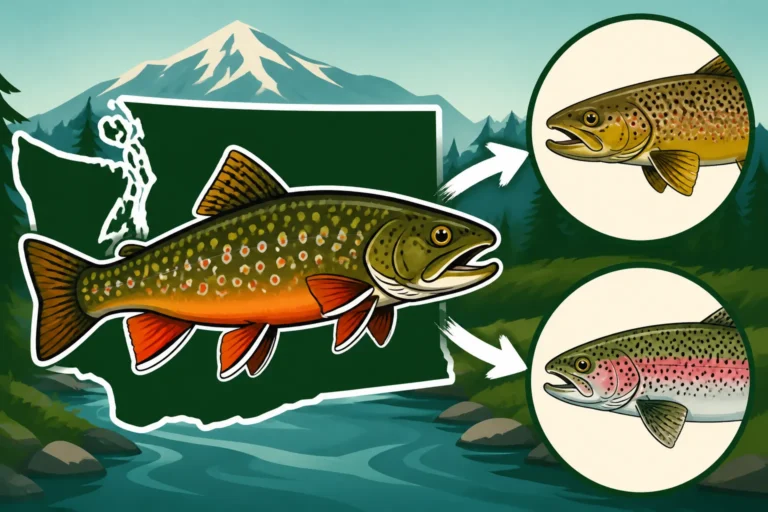
Eastern brook trout identification helps Washington anglers distinguish introduced fish from native look-alikes and avoid regulation violations.
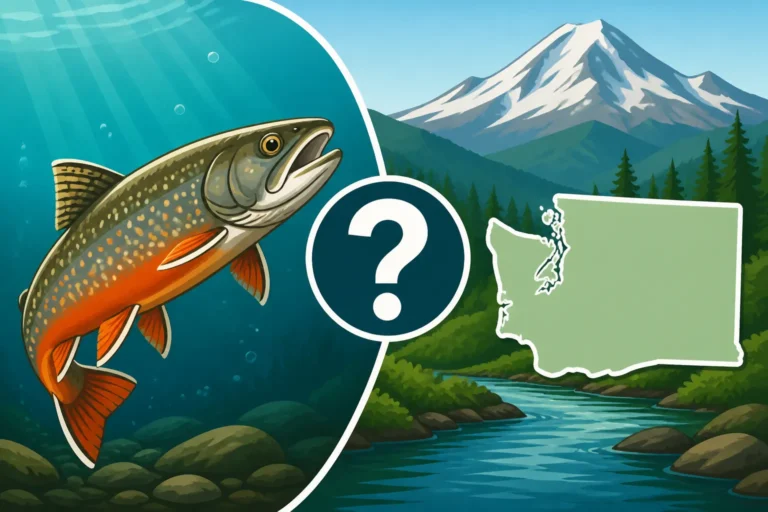
Washington anglers learn why spotted char in state waters are actually federally protected Bull Trout instead of Dolly Varden.
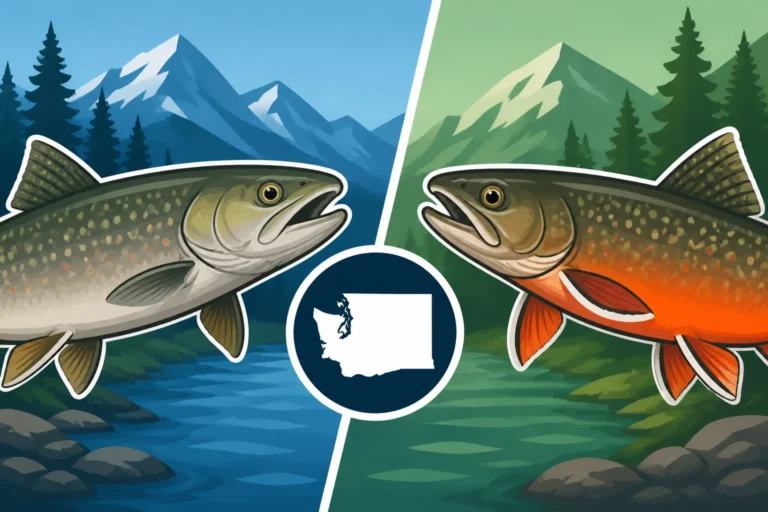
Bull Trout and Dolly Varden identification tips help Washington anglers distinguish these char species and follow conservation rules.

Washington fishing rules prohibit keeping bull trout, requiring immediate release of this federally threatened native char species.
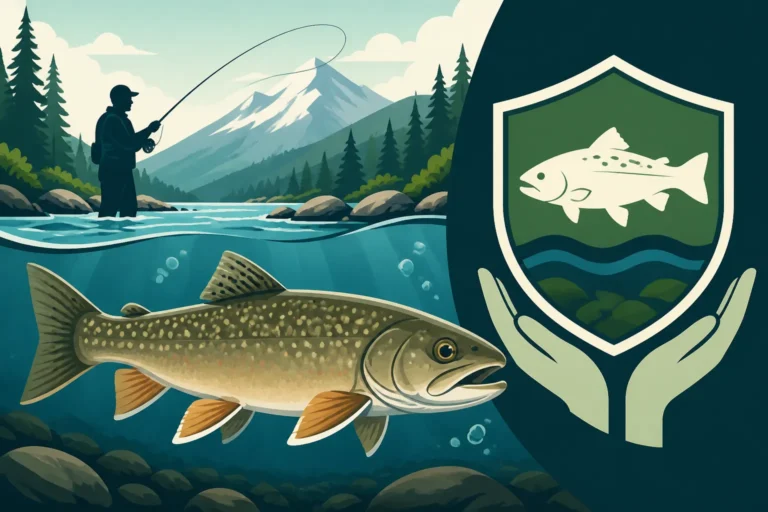
Bull trout biology, distinct physical characteristics, and Washington habitat requirements explain strict legal protections for this native fish.

Mountain whitefish in Washington rivers provide anglers with mild, sweet flavor, firm white flesh, and clean meals when prepared correctly.
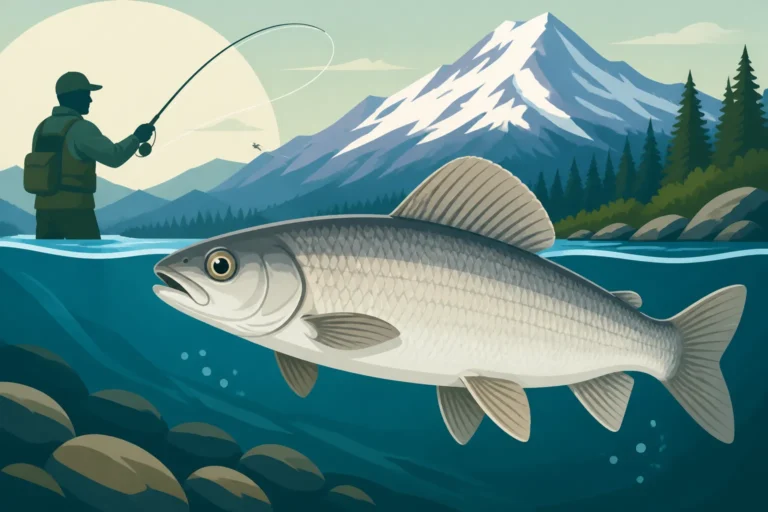
Slender, silvery Prosopium williamsoni lacks trout spotting and has a small underslung mouth for eating insects; anglers often mistake it for chubs or suckers.
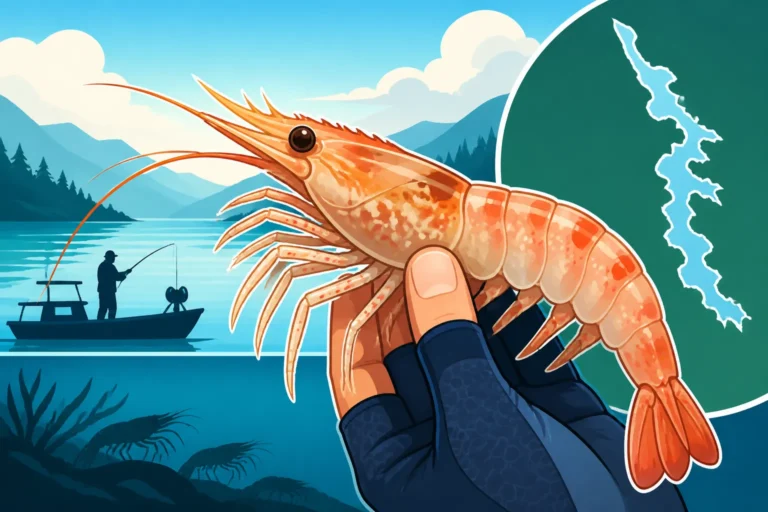
Hood Canal spot shrimp typically measure six to nine inches long and weigh up to two ounces each, with older females reaching largest sizes.
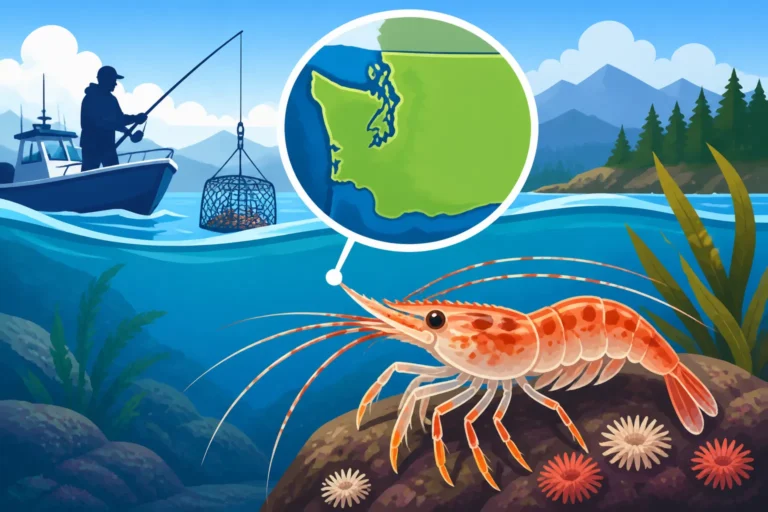
Washington spot shrimp habitats, behaviors, and physical identification help anglers locate these large, sweet shellfish during short seasons.

Razor clams inhabit fine sand within the lower intertidal zones of expansive, wave-exposed Washington beaches from Long Beach northward.