Are Mountain Whitefish Good to Eat?
For many anglers casting lines in Washington's beautiful rivers and streams, catching a mountain whitefish can sometimes feel like a bit of a consolation prize. You might be out targeting a prized steelhead or a feisty trout, and then, thwack, you pull in a whitefish. The immediate question for many is often, "Okay, but what do I do with this?" This guide is here to tackle that very question head-on, exploring the culinary merits of mountain whitefish and showing you exactly how they can transform from an incidental catch into a delicious meal.
Understanding the Mountain Whitefish in Washington
Before we dive into the cooking, let's get to know the mountain whitefish a little better. These often-misunderstood fish are native to the cold, clear rivers and lakes throughout the western United States, including a good portion of Washington State. They belong to the salmon family (Salmonidae), just like trout and salmon, which might surprise some folks who’ve never considered them in the same league.
You'll typically find them in the same waters as trout and juvenile salmon, favoring cool, well-oxygenated currents. Rivers like the Yakima, Methow, and Spokane are prime whitefish territory. They're often caught on small nymphs, worms, or even tiny spinners, especially when How to Nymph for Trout on the Yakima is a common strategy, as their feeding habits can be quite similar to trout.
Why Whitefish Are Often Overlooked
It's a shame, really, how often mountain whitefish get a bad rap or are simply dismissed. Part of the problem might be their appearance – they're not as brightly colored or as streamlined as a rainbow trout, nor do they possess the iconic "fight" of a salmon. Some anglers even mistake them for bottom-feeders or "trash fish," which couldn't be further from the truth. They're clean, opportunistic feeders, primarily munching on aquatic insects, small crustaceans, and even tiny fish.
Another reason for their culinary obscurity is simply tradition. When people think of eating freshwater fish in Washington, their minds usually jump straight to salmon, steelhead, or rainbow trout. Whitefish just haven't entered the mainstream culinary conversation in the same way, leading to a lot of untapped potential. Don't let these misconceptions fool you; these fish are a hidden gem, especially if handled correctly.
Their Role in the Ecosystem
Mountain whitefish play a crucial role in Washington's aquatic ecosystems. They are a significant food source for larger predatory fish, birds, and even mammals. Their presence is often a sign of a healthy, clean river system. While some populations can be quite abundant, it's always important to be mindful of local regulations and How Bag and Possession Limits Work in Washington before deciding to keep any fish. Always check the current rules, which can be found in the Washington Fishing Regulations Every Angler Should Know pamphlet or online.
The Culinary Case for Mountain Whitefish
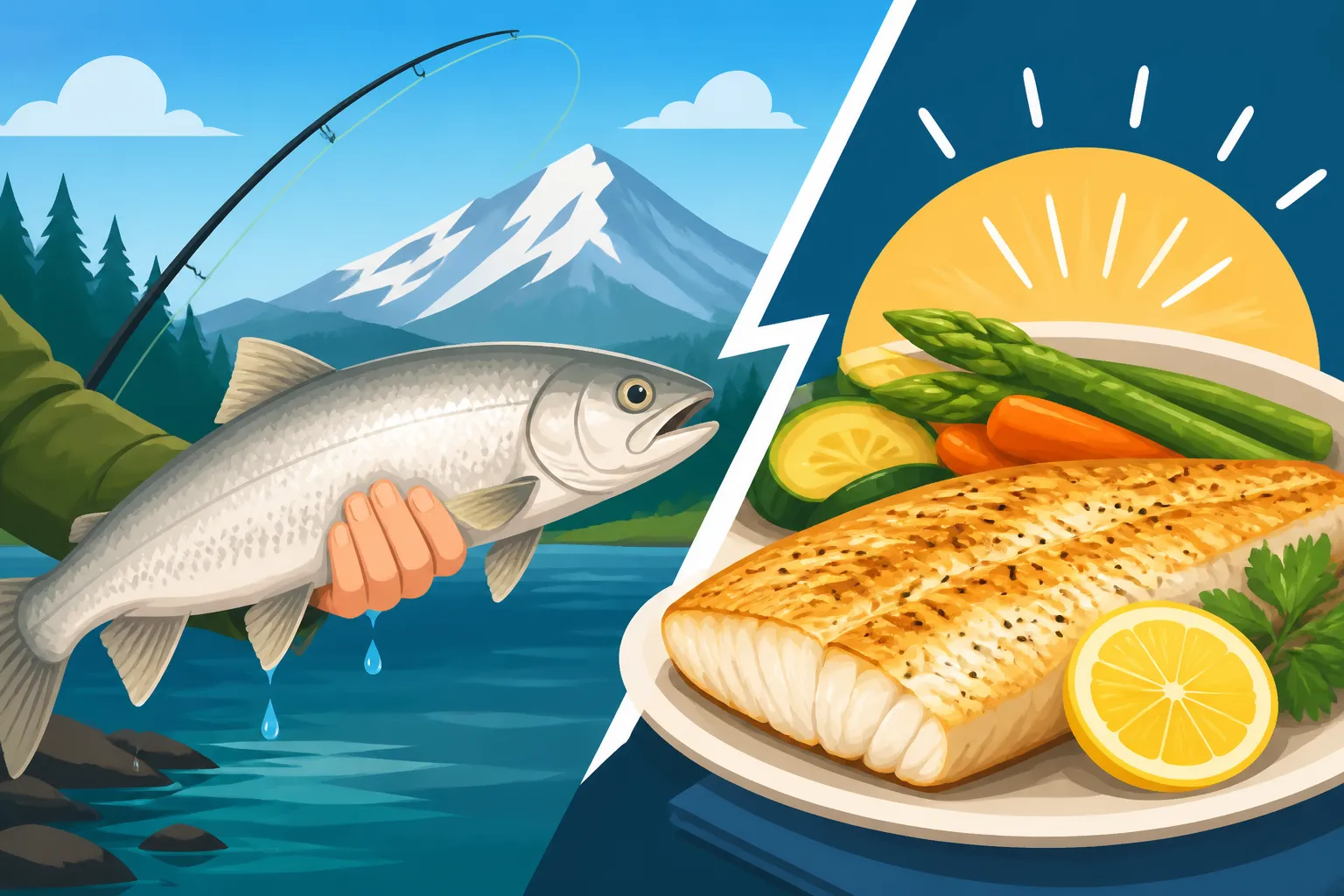
So, the big question: are mountain whitefish good to eat? The resounding answer, when prepared correctly, is a definite yes! They won't win any beauty contests, but where it counts – on the plate – they can truly shine. Their flavor is mild, delicate, and often described as subtly sweet, without the strong, oily taste that some salmon or even larger trout can have.
Think of them as a blank canvas, ready to absorb and complement the flavors of your chosen seasonings and cooking methods. Their flesh is white, flaky, and firm, holding up well to various cooking techniques without falling apart. They are lean, making them a healthy option for any meal. In fact, many people who are usually turned off by "fishy" fish find mountain whitefish quite agreeable.
Flavor Profile and Texture
The flavor of mountain whitefish is incredibly clean. It's not muddy or strong, which is a common complaint about some freshwater species. This cleanliness of flavor is largely due to their diet of aquatic insects and their cold, clear water habitat. The texture is firm yet tender, flaking beautifully when cooked. It’s similar to a delicate walleye or a lighter-fleshed trout, perhaps a Rainbow Trout Fishing in Washington from a clear alpine lake.
This mildness means they are quite versatile. You can go simple with just salt, pepper, and a squeeze of lemon, or you can get creative with herbs, spices, and sauces. They won't overpower your palate, making them an excellent choice even for those who are typically picky about seafood. In a blind taste test, many would be surprised to learn they were eating a "whitefish." They truly deserve a spot on the list of Best-Eating Fish in Washington Waters.
Factors Affecting Taste
While mountain whitefish are generally good eating, a few factors can influence their flavor:
- Water Quality: Fish caught from pristine, cold, clear rivers will almost always taste better than those from warmer, murkier, or slower-moving waters. Just like any fish, their environment impacts their taste.
- Time of Year: Some anglers swear by whitefish caught in colder months, particularly during late fall and winter, when the water is crisp and the fish are firm. This is often when you'll find them active enough for things like Gear You Need for Ice Fishing in Washington.
- Immediate Care: This is arguably the most crucial factor. Like trout and salmon, whitefish benefit immensely from proper handling immediately after being caught. Bleeding the fish and putting it on ice as quickly as possible is paramount to preserving its delicate flavor and firm texture. If you let them sit in a warm creel or on the bank, they'll quickly degrade, and you'll end up with a softer, less palatable fillet.
Preparing and Cooking Mountain Whitefish
Now for the fun part: turning that overlooked catch into a delicious dish! The key to unlocking the full potential of mountain whitefish lies in simple, fresh preparations that highlight their natural, mild flavor.
Cleaning and Filleting
First things first: get your fish clean. Bleeding them immediately after the catch is highly recommended. A quick slit under the gills and into a bucket of water or directly onto ice will do the trick. This removes blood, which can impart a "gamey" flavor.
When you're ready to clean them, the process is straightforward. Scale them thoroughly, then gut them. You can cook them whole, especially smaller ones, but filleting is often preferred for a boneless eating experience. Mountain whitefish have a fine bone structure, so a sharp, flexible filleting knife is your best friend. Start behind the gill plate, run your knife along the backbone, and then off the ribs. You can then skin the fillets by laying them skin-side down and carefully sliding your knife between the skin and the flesh.
Simple Cooking Methods
Their firm, flaky flesh makes mountain whitefish suitable for a variety of quick cooking methods. Here are a few favorites that bring out their best:
- Pan-Frying/Sautéing: This is a classic for a reason. Pat the fillets dry, season with salt, black pepper, and perhaps a little garlic powder or paprika. Dredge lightly in flour or a cornmeal mixture for a crispy crust. Heat olive oil or butter in a skillet over medium-high heat. Cook for 2-4 minutes per side, depending on thickness, until golden brown and flaky. Serve with a squeeze of lemon. You can find excellent non-stick pans and spatulas on Amazon to make this a breeze.
- Baking/Roasting: Perfect for a hands-off approach. Preheat your oven to 400°F (200°C). Place fillets on a lightly oiled baking sheet. Drizzle with olive oil, sprinkle with your favorite herbs (dill, parsley, thyme are great), and season with salt and pepper. You can add a few lemon slices on top. Bake for 10-15 minutes, or until the fish flakes easily with a fork.
- Grilling: For a smoky flavor, grilling is fantastic. Use a grill basket or foil packets to prevent sticking and breaking. Brush fillets with olive oil, season, and grill over medium heat for 3-5 minutes per side.
- Poaching: If you want the absolute most delicate flavor, poaching is the way to go. Gently simmer the fillets in seasoned water, fish broth, or even white wine until cooked through. This method keeps the fish incredibly moist and tender.
Enhancing the Flavor
Because whitefish has a mild flavor, it's a fantastic vehicle for other ingredients. Here are some ideas:
- Herbs and Citrus: Fresh dill, parsley, chives, lemon, and lime are all natural partners.
- Butters and Oils: Compound butters (garlic-herb butter, lemon-caper butter) or flavored olive oils can elevate the dish significantly.
- Light Sauces: A simple beurre blanc, a light white wine sauce, or even a fresh salsa (pico de gallo or a fruit salsa) can add a burst of flavor without overwhelming the fish.
- Spices: Experiment with mild spices like smoked paprika, white pepper, or a pinch of cayenne for a subtle kick.
A good basic approach is often the best. Think about how you'd prepare a delicate flounder or cod. That same gentle hand will serve you well with mountain whitefish. If you're looking to stock up on new spices or kitchen gadgets, Amazon offers a vast selection to inspire your culinary creations.
Tips for Catching the Best-Tasting Whitefish
It's not just about how you cook them; it's also about how you catch and care for them before they even hit your cooler. Anglers who consistently bring home delicious whitefish know that preparation starts on the riverbank.
Ideal Conditions for Whitefish
Just like trout, whitefish are at their prime when caught from cold, clean, flowing water. Look for rivers and streams with good current and clear visibility. Often, these are the same spots where you might be Fishing the Yakima River for Wild Trout in Washington. The colder the water, generally the firmer and cleaner tasting the fish. Avoid stagnant or overly warm sections if possible. Whitefish caught from these less-than-ideal environments might have a softer texture or a slightly less appealing flavor.
Proper Handling on the River
This cannot be stressed enough: careful handling is critical.
- Bleed Immediately: As soon as you catch a whitefish you intend to keep, cut its throat or gills with a sharp knife and let it bleed out. This removes blood from the flesh, which is key to a clean flavor.
- Get on Ice: Once bled, get the fish onto ice as quickly as possible. A cooler filled with ice is your best friend. This rapid cooling stops bacterial growth and preserves the texture and flavor. Don't just throw them in a basket or on the bank to warm up. Even a high-quality soft-sided cooler, readily available on Amazon, can make a huge difference here.
- Keep Them Clean: Try to keep them separate from dirt and debris. A clean, fresh fish is a happy fish (and a happy angler who gets to eat it!).
| Aspect | Importance for Taste |
|---|---|
| Habitat | Cold, clear, flowing water |
| Season | Colder months often yield firmer fish |
| Bleeding | Crucial for removing "gamey" flavors; do it quickly |
| Icing | Stops spoilage, maintains firm texture |
| Cooking Method | Simple preparations highlight mild flavor |
Gear and Techniques
You don't need specialized gear to catch whitefish. Often, the same light tackle you'd use for trout will work perfectly. Small hooks (size 10-14), light line (2-6 lb test), and baits like mealworms, maggots, or even a piece of corn are effective. Fly anglers can target them with small nymph patterns, especially when engaging in techniques like How to Nymph for Trout on the Yakima.
Remember, while the regulations for whitefish are generally more liberal than for protected species like wild steelhead, always be aware of the specific rules for the body of water you're fishing. Mountain Whitefish, Explained can give you more specific details on the species itself and its biology, which can help you understand its habits and where to find them. Knowing the specific rules for things like What a Bait Ban Actually Restricts in Washington is also good practice, as these can affect how you target various species, including whitefish.
So, the next time you hook into a mountain whitefish on a Washington river, don't just scoff or automatically release it. Give it a shot on the dinner table. With proper care and simple cooking, you might just discover a new favorite, underrated delicacy.
Disclaimer
This article is for general informational purposes only and does not constitute professional advice. Laws, prices and regulations vary by location and change over time. Consult a qualified professional for guidance on your specific situation.