Can You Keep a Bull Trout in Washington?
Navigating Washington's diverse fishing regulations can feel like trying to solve a cryptic puzzle, especially when it comes to identifying and handling protected species. Many anglers, even seasoned ones, often find themselves scratching their heads when they encounter a fish that looks like a trout but carries a special, protected status, leading to a lot of anxiety about doing the right thing. This comprehensive guide will clear up the confusion surrounding bull trout in Washington, explaining why they are so vital, what the rules are for encountering them, and how you can be a responsible steward of these magnificent native fish.
The Strict Regulations on Bull Trout in Washington
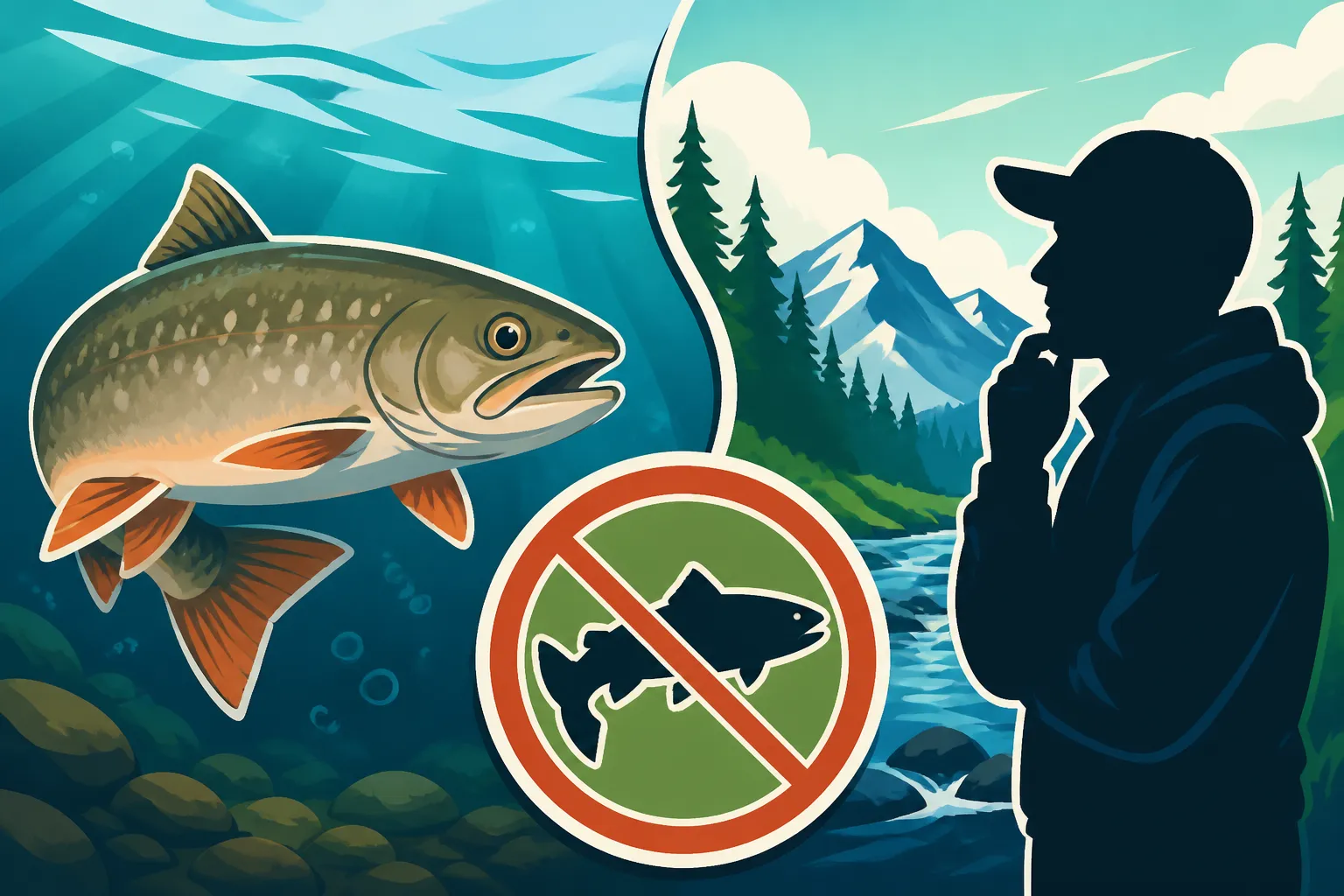
Let's cut right to the chase: in almost all waters throughout Washington State, it is illegal to intentionally fish for or retain bull trout. These fish are a protected species, and their conservation is a top priority for wildlife agencies. This isn't just a suggestion; it's a hard and fast rule with significant implications if violated. For many anglers, this might seem counterintuitive when they see other trout species readily available for harvest, but the reasons behind this strict protection are deeply rooted in the ecological history and current struggles of bull trout populations. Understanding these regulations is the first step toward responsible angling in Washington.
Why Bull Trout Are Protected: Conservation Status
Bull trout (Salvelinus confluentus) are a native char species, distinct from true trout, and they've called the cold, clear waters of the Pacific Northwest home for millennia. Unfortunately, their populations have faced significant declines over the past century, largely due to habitat loss, fragmentation, and competition with non-native species. These factors led to their listing as "threatened" under the federal Endangered Species Act, which is the primary driver behind the strict protection measures in Washington. Their survival is crucial not just for their own species, but also for the health of the entire aquatic ecosystems they inhabit, as they are a key indicator of pristine water quality.
Part of the confusion surrounding bull trout stems from their close resemblance to Dolly Varden, another char species. Historically, and even in some areas today, these two were often grouped together or even misidentified. While Dolly Varden also deserve our respect and careful handling, bull trout carry a higher level of protection due to their more precarious conservation status across their range. Anglers often struggle with telling them apart in the field, which is why agencies err on the side of caution with strict catch-and-release rules for any char resembling a bull trout.
The decline of bull trout populations serves as a stark reminder of the impacts human activities can have on fragile ecosystems. Their preference for very cold, unpolluted water makes them particularly vulnerable to changes in temperature, sedimentation, and habitat alteration. When a species like the bull trout struggles, it often signals broader environmental issues that could affect other fish and wildlife, and even human communities that rely on clean water resources. Therefore, protecting bull trout isn't just about saving one species; it's about preserving the ecological integrity of Washington's precious rivers and lakes.
"Catch-and-Release Only" Explained
When a species is designated "catch-and-release only," it means exactly that: if you hook one, you must release it immediately and unharmed. For bull trout, this isn't just a guideline; it's a legal requirement designed to give every individual fish the best chance of survival after being caught. This practice minimizes stress and injury to the fish, allowing it to return to its natural activities like feeding and spawning. It means no putting them on a stringer for a photo op, no bringing them ashore to admire, and certainly no keeping them for dinner.
The implications of not adhering to "catch-and-release only" for bull trout can be severe. Fishing without a license or exceeding bag limits are common violations, but keeping a protected species like a bull trout can lead to much harsher penalties. Anglers found in possession of a bull trout, or even seen mishandling one, could face substantial fines, forfeiture of their fishing gear, and even the suspension of their fishing privileges. It's not a risk worth taking, and it certainly doesn't align with the principles of ethical angling. Fines and Penalties for Common Fishing Violations offers more insight into the repercussions of such actions.
This regulation demands a higher level of awareness and skill from anglers. It's not enough to simply release the fish; you must do so in a way that maximizes its chances of survival. This includes using appropriate gear, handling the fish minimally with wet hands, and ensuring it recovers before swimming away. Understanding and practicing proper catch-and-release techniques is fundamental when fishing in bull trout habitat, and it speaks volumes about an angler's commitment to conservation. It's a testament to the belief that the experience of connecting with these wild fish is far more valuable than any desire to possess them.
Identifying a Bull Trout vs. a Dolly Varden
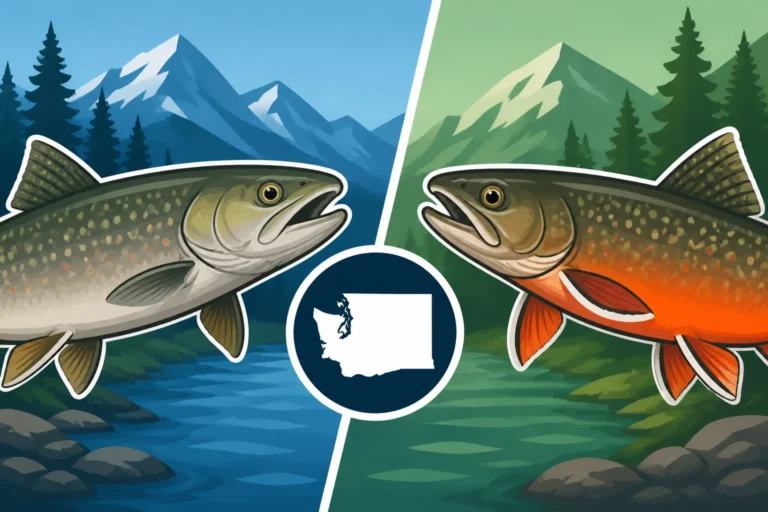
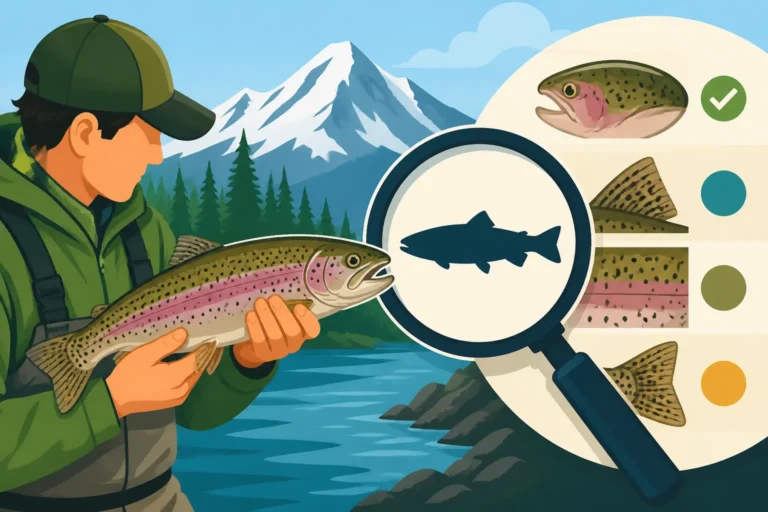
One of the biggest hurdles for anglers is correctly identifying a bull trout, especially since they are often confused with Dolly Varden. While both are members of the char family and share some physical characteristics, there are key differences that, once you know them, can help you tell them apart in the field. Making this distinction is critical, as misidentification could lead to inadvertently violating regulations. The more confident you are in your identification skills, the better prepared you'll be to fish responsibly. For a deeper dive, you might find How to Tell a Bull Trout From a Dolly Varden helpful.
Here's a breakdown of common features to look for:
| Feature | Bull Trout | Dolly Varden |
|---|---|---|
| Spots | Small, pale yellow, orange, or reddish spots on a darker body. No red on the lower fins. | Small, pale yellow, orange, or reddish spots on a darker body. Often has red or orange spots on the lower fins. |
| Body Shape | More elongated and streamlined. | Generally a bit chunkier, especially when mature. |
| Head | Large, broad, and flattened head, often described as "bull-like." | Head is typically smaller and less pronounced. |
| Mouth | Large mouth extending well past the eye. | Mouth usually extends just to or slightly past the eye. |
| Tail Fin | Slightly forked. | Slightly forked to nearly square. |
| Pectoral Fin | Often has a distinct white leading edge. | White leading edge less prominent or absent. |
Beyond physical appearance, habitat can offer clues. While their ranges overlap, bull trout generally prefer colder, more pristine wilderness streams and lakes, often at higher elevations. They are highly migratory, often moving between spawning grounds in small streams and rearing habitats in larger rivers or lakes. Dolly Varden can be found in a broader range of habitats, including some coastal areas and larger rivers that might not be as cold or pristine as prime bull trout waters. However, it's always best to assume a fish is a bull trout if there's any doubt, given their protected status.
Ultimately, the best approach when fishing in areas known to harbor bull trout or Dolly Varden is to exercise caution. If you catch a char and are uncertain of its identity, treat it as a bull trout and release it immediately with the utmost care. This "when in doubt, let it out" philosophy is the safest and most conservation-minded practice. Learning these identification markers, perhaps by carrying a laminated field guide or referencing a reliable app on your phone (you can find excellent guides on Amazon), can significantly increase your confidence and ensure you're always adhering to the rules.
What to Do If You Accidentally Catch a Bull Trout
Despite your best efforts to target other species, there's always a chance you might accidentally hook a bull trout, especially in waters where their habitat overlaps with other fish. This isn't necessarily a cause for panic, but it is a moment that demands immediate and responsible action. Your quick thinking and proper technique can make all the difference in that fish's survival. Remember, the goal is to get the fish back into the water with as little harm and stress as possible. It's a critical skill for any angler committed to conservation.
Proper Handling for Release
When you realize you've hooked a bull trout, the first step is to bring it in as quickly as possible without "playing" it to exhaustion. Prolonged fights increase lactic acid buildup in the fish's muscles, which can be fatal even if it swims away. Once alongside your boat or at the bank, avoid lifting the fish out of the water if you can. If you absolutely must handle it, wet your hands thoroughly beforehand. Dry hands can remove the fish's protective slime coat, making it vulnerable to disease.
Use a pair of long-nosed pliers or forceps (which you can easily find on Amazon for a reasonable price) to gently remove the hook. If the hook is deeply embedded and cannot be removed without causing significant tissue damage, it's often best to simply cut the line as close to the hook as possible. Hooks made of non-stainless steel will eventually rust out, giving the fish a better chance than tearing its vital organs. A rubberized landing net is also an invaluable tool, as it cradles the fish gently and prevents damage to fins and slime, unlike traditional knotted nets.
Once the hook is out or the line is cut, cradle the fish gently in the water, facing upstream into the current. Allow it to recuperate, supporting its body until it regains its strength and can swim away on its own. You'll feel it start to kick and try to swim out of your hands. Don't simply toss it back; ensure it's strong enough to orient itself and swim off actively. This might take a few seconds or a minute, depending on the length of the fight and water temperature. Patience here is key to a successful release.
The Importance of Quick Release
Every second a bull trout is out of the water or subjected to improper handling increases its stress levels and decreases its chances of survival. Fish breathe through their gills, extracting oxygen from the water. Being exposed to air is akin to holding your breath, and prolonged air exposure causes severe oxygen deprivation. This is why minimizing its time out of the water is paramount. Think of it this way: the fish is fighting for its life not just on your line, but also for its breath once it's near you.
Beyond air exposure, temperature shock can also be a factor, especially on hot days. Holding a cold-water species like a bull trout in warm air can cause significant thermal stress. Keeping your hands wet helps, but keeping the fish fully submerged as much as possible is always the best practice. The aim is to make the entire encounter as brief and non-invasive as possible, allowing the fish to return to its natural environment with minimal physiological impact. This is not about getting a trophy photo; it's about giving life.
By practicing quick and careful release, you're not just complying with regulations; you're actively contributing to the conservation of a threatened species. It reinforces the idea that anglers can be powerful advocates for fish populations. Every successful, healthy release of a bull trout is a small victory for conservation, contributing to the broader goal of helping these incredible native fish rebound. Your actions in those critical moments directly influence the future of bull trout in Washington.
Reporting Your Catch (If Required or Recommended)
Generally, there is no blanket requirement to report an accidental catch and immediate release of a bull trout to the Washington Department of Fish and Wildlife (WDFW). However, there are specific circumstances where reporting might be either mandatory or highly recommended, especially in certain research areas or during specific survey periods. Always consult the most current Washington Sport Fishing Regulations pamphlet for any area-specific rules or special reporting requirements for protected species. Ignorance of the rules is never a valid defense. You can find out more about understanding these complex regulations by Reading the Washington Sport Fishing Regulations Pamphlet.
Sometimes, biologists are conducting studies in particular rivers or lakes, and they might ask anglers to report any encounters with bull trout, even if released. This data helps them monitor populations, track movements, and assess habitat health. These requests are usually publicized through WDFW channels or signage at boat launches and access points within those specific research areas. If you encounter such a request, it's a great opportunity to contribute valuable citizen science data without any penalty, provided you followed proper release protocols.
If you happen to catch a bull trout that is visibly tagged or marked, reporting that information to WDFW is almost always beneficial. These tags often provide critical data for researchers tracking fish movements, growth rates, and survival. Detailed information about the tag number, date, location of catch, and the fish's condition upon release can be incredibly helpful. You might also find information on how to report tagged fish directly in the regulation pamphlet or on the WDFW website. Contributing this data makes you an active participant in the state's conservation efforts, helping to inform future management decisions, similar to How Washington's WDFW Sets In-Season Emergency Rules are often based on data collection.
Where Bull Trout Live in Washington and Their Habitat Needs
Bull trout are incredibly particular about their environment, acting as a true indicator species for ecosystem health. Their presence often signals a healthy, intact watershed with cold, clean water—qualities that are increasingly scarce in our modern landscape. Understanding where these fish thrive helps anglers identify potential bull trout habitat and exercise extra caution, reinforcing the importance of protective measures.
Key Bull Trout Habitats: Rivers and Lakes
In Washington, bull trout are primarily found in river systems that flow into Puget Sound, the Olympic Peninsula, and the Columbia River basin. They are known to inhabit major river drainages such as the Skagit, Stillaguamish, Snohomish, Green, and Puyallup rivers in Western Washington, often migrating from larger rivers into smaller, colder tributaries to spawn. On the Olympic Peninsula, systems like the Elwha, Dosewallips, and Hoh rivers provide critical habitat. In the Columbia Basin, they can be found in systems like the Yakima and Wenatchee rivers, as well as several lakes like Lake Chelan and Lake Cushman.
These locations share common characteristics: very cold water, clean gravels for spawning, complex instream habitat with large woody debris, and intact riparian zones that provide shade and bank stability. Bull trout are particularly sensitive to water temperature, preferring sustained temperatures below 59°F (15°C) and requiring even colder water for spawning. This is why you'll often find them in glacial-fed rivers or deep, cold lakes. The presence of these fish is a strong indicator of high-quality aquatic habitat.
While some populations are purely stream-resident, many bull trout are migratory, moving between large lakes or rivers and smaller, colder streams. This migration can cover significant distances, linking different parts of a watershed. For example, bull trout in Lake Chelan might spawn far up its tributary rivers. This migratory behavior makes them particularly vulnerable to habitat fragmentation from dams or culverts that block their passage, cutting off access to essential spawning or rearing grounds. Knowing these critical areas helps anglers understand the environmental sensitivity of their fishing grounds.
Threats to Bull Trout Populations
Bull trout face a gauntlet of threats that have severely impacted their populations across their historical range. Habitat loss and degradation are arguably the most significant, stemming from a variety of human activities. Logging, road construction, agricultural runoff, and urban development can lead to increased sedimentation in streams, which smothers the gravel beds bull trout need to spawn successfully. These activities also remove riparian vegetation, leading to warmer water temperatures which are lethal to bull trout eggs and juveniles.
Another major threat is the presence of dams and other artificial barriers. These structures can fragment bull trout habitat, preventing them from accessing critical spawning and rearing streams or disrupting their migratory corridors between freshwater and saltwater environments (though sea-run bull trout are less common than other anadromous species like salmon). Impassable culverts under roads can have similar effects, turning a continuous stream into a series of isolated, unsustainable pockets of habitat. This isolation often leads to reduced genetic diversity and increased vulnerability to local extinctions.
Competition and predation from non-native species, particularly brook trout, also pose a substantial challenge. Brook trout, introduced for sport fishing, often outcompete bull trout for food and habitat. Even more problematic is the potential for hybridization between bull trout and brook trout, which can dilute the genetic integrity of native bull trout populations. Warming water temperatures due to climate change compound all these issues, pushing bull trout into increasingly smaller and more isolated cold-water refuges, making their long-term survival an uphill battle.
Conservation Efforts in Washington
Recognizing the dire situation of bull trout, numerous conservation efforts are underway in Washington to protect and restore these vital fish. The Washington Department of Fish and Wildlife (WDFW), alongside federal agencies like the U.S. Fish and Wildlife Service, tribal nations, and various non-profit organizations, are working collaboratively. A primary focus is habitat restoration, which includes projects like removing fish passage barriers (e.g., old culverts), planting riparian vegetation to cool streams, and restoring complex instream habitat. These efforts aim to reconnect fragmented habitats and improve water quality.
Another critical component of conservation involves managing fishing regulations to minimize human impact. The statewide catch-and-release rule is the most visible example, but specific regulations might also include gear restrictions or seasonal closures in sensitive bull trout habitats. These measures are dynamic, changing as new data emerges or as environmental conditions shift, underscoring the importance of checking current regulations regularly. Programs for monitoring bull trout populations through tagging and surveys also provide essential data to guide these management decisions.
Public education and engagement also play a significant role. Anglers, landowners, and the general public are encouraged to learn about bull trout, their ecological importance, and how their actions can impact these fish. Supporting local conservation groups, participating in volunteer habitat restoration projects, and advocating for responsible land and water management are all ways individuals can contribute to the recovery of bull trout. Similar efforts are made for other sensitive species; for example, understanding Wild Steelhead Gene Bank Rivers, Explained highlights other areas where unique genetics are carefully protected.
The Broader Context: Why Strict Rules Exist for Certain Species
When anglers encounter strict regulations for species like bull trout, it's easy to feel frustrated or confused. After all, the joy of fishing often includes the prospect of a successful harvest. However, these rules aren't arbitrary; they are the result of extensive scientific study, ecological understanding, and a deep commitment to preserving Washington's natural heritage. Understanding the "why" behind these regulations can transform perceived restrictions into shared responsibilities, making every angler a partner in conservation.
The Role of Conservation in Washington Fishing
Conservation isn't just an abstract concept; it's the very foundation upon which sustainable fishing in Washington is built. For species like bull trout, whose populations are fragile, conservation means prioritizing their survival above all else. This approach ensures that future generations will also have the opportunity to encounter these magnificent fish in their natural habitats. Washington's diverse aquatic ecosystems, from the mighty Columbia River to the smallest mountain streams, support an incredible array of fish, and each plays a unique role. When one species is at risk, the entire web of life can be affected.
The goal of modern fisheries management is to balance recreational opportunities with ecological responsibility. This means making tough decisions about what can be harvested, when, and where. It's a complex task, influenced by factors like population estimates, spawning success, habitat conditions, and the impacts of climate change. Rules like "catch-and-release only" for bull trout, or specific slot limits for other species, are tools designed to achieve this balance. They reflect a proactive approach to prevent further declines and, ideally, to foster recovery. You can find many of these rules detailed in Washington Fishing Regulations Every Angler Should Know.
For anglers, embracing conservation means more than just following the letter of the law. It means developing an ethical mindset that respects the fish, their habitat, and the long-term health of the fishery. It's about understanding that every fish you release, especially a sensitive one, contributes to the overall resilience of the population. This perspective enhances the fishing experience itself, knowing that you're not just taking from nature, but actively participating in its preservation.
How Anglers Can Help Protect Bull Trout
Beyond simply adhering to the catch-and-release mandate for bull trout, there are many ways anglers can actively contribute to their protection and recovery. One of the most important is to stay informed. Regularly checking the WDFW website for emergency rule changes and consulting the current regulation pamphlet before every trip is crucial. Situations can change quickly, as demonstrated by topics like Washington Sport Fishing Seasons and Emergency Closures, and knowing the latest rules prevents unintentional violations.
Another impactful action is to practice impeccable stream and bank etiquette. This means packing out all trash, avoiding disturbing sensitive streambed gravels (especially during spawning seasons), and refraining from wading directly through known spawning areas. Simple acts like cleaning your boots and gear between different watersheds can also prevent the spread of invasive species or diseases that could harm native fish populations. You can find specialized gear cleaners on Amazon designed to help with this important step.
Finally, consider becoming an advocate for cold, clean water and healthy habitats. Support organizations working on habitat restoration projects, contact your elected officials about environmental issues, or even volunteer for local conservation initiatives. The collective voice and actions of the angling community can make a significant difference in protecting not just bull trout, but all of Washington's precious aquatic resources. Every responsible angler is a guardian of our waterways, ensuring these incredible fish continue to thrive for generations to come. Even understanding basic concepts like Do You Need a License for Catch-and-Release Only? contributes to a deeper appreciation of the regulatory framework designed to protect these fish.
Disclaimer
This article is for general informational purposes only and does not constitute professional advice. Laws, prices and regulations vary by location and change over time. Consult a qualified professional for guidance on your specific situation.