Are Dolly Varden Found in Washington?
It's a common question that pops up in conversations among Washington anglers, especially when someone mentions catching a "Dolly" in one of our beautiful rivers or lakes. There's a persistent belief, passed down through generations of fishing stories, that Dolly Varden inhabit the cold, clear waters of our state. However, the truth is a little more nuanced, and understanding it is crucial for every angler, not just for scientific accuracy, but for responsible stewardship of our native fish populations. This guide will clear up the long-standing confusion and introduce you to the magnificent char species that truly calls Washington home.
The Truth About Dolly Varden in Washington: It's Bull Trout!
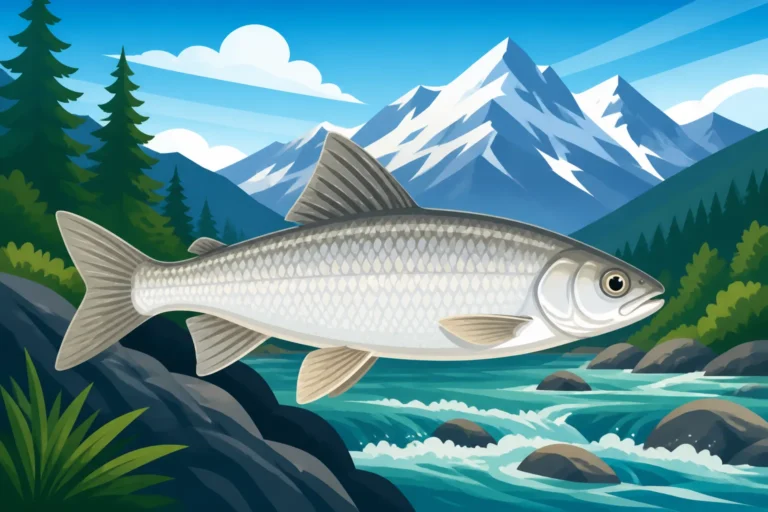
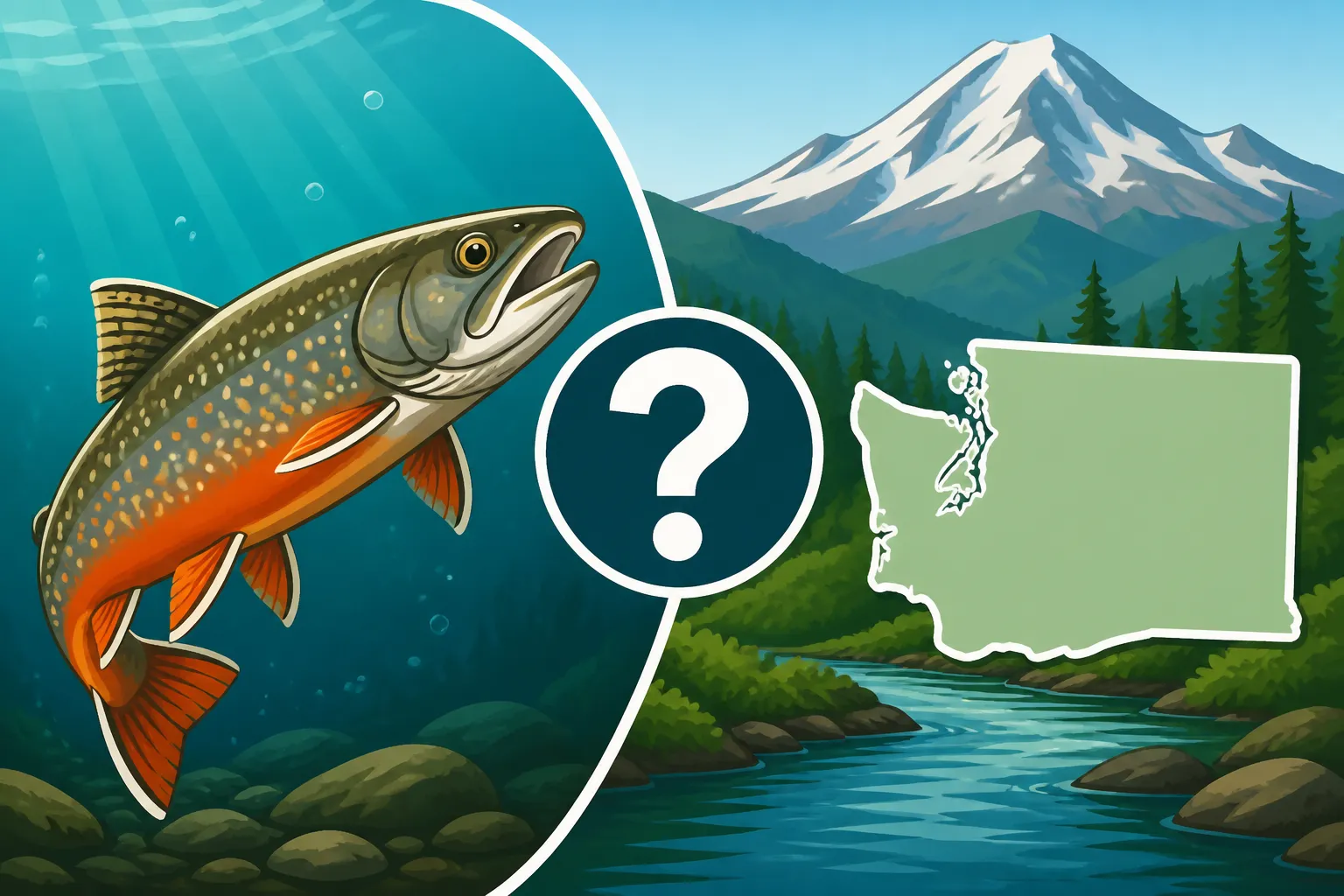
Let's cut right to the chase: while the name "Dolly Varden" is deeply embedded in the fishing vernacular across the Pacific Northwest, the actual Dolly Varden char (Salvelinus malma) is not found in Washington State. I know, it might feel like I'm bursting a bubble, especially if you've heard tales or even personally used the term to describe a fish you've caught. But the fish you (or someone you know) likely encountered, a beautiful, spotted char often found in pristine, cold waters, is actually a Bull Trout (Salvelinus confluentus).
This isn't just a semantic difference; it's a critical distinction rooted in scientific classification and, more importantly, conservation. Bull Trout are a native char species in Washington, and they are federally protected, meaning they are listed under the Endangered Species Act in many parts of their range, including much of Washington. Understanding that you're dealing with a Bull Trout, rather than a Dolly Varden, immediately informs you of the stringent regulations surrounding their handling and release.
The Scientific Clarification: What Happened to Dolly Varden in Washington?
For many years, starting way back in the late 19th and early 20th centuries, scientists and anglers alike lumped what we now know as Bull Trout and Dolly Varden together under the single species name Salvelinus confluentus, often referring to them collectively as Dolly Varden. The original description of Dolly Varden was made in 1876, and for decades, almost all char with red or yellow spots found in the Pacific Northwest and inland west were simply called Dolly Varden.
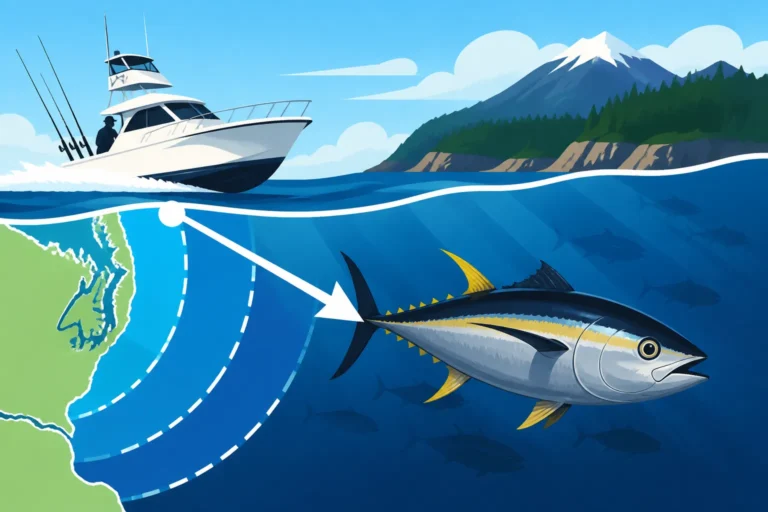
It wasn't until the 1980s and 1990s that extensive genetic and morphological studies truly separated the two. Researchers discovered that there were distinct populations. True Dolly Varden (Salvelinus malma) are primarily found in coastal drainages north of the Puget Sound, extending up through British Columbia, Alaska, and into Asia. South of this line, including all of Washington, Oregon, Idaho, and parts of Montana, the char species with those distinctive spots are, unequivocally, Bull Trout (Salvelinus confluentus). So, it wasn't that Dolly Varden "left" Washington; it's that the fish we thought were Dolly Varden were actually Bull Trout all along, just under a mistaken identity. It's a classic case of scientific evolution refining our understanding of the natural world.
Understanding the Misconception: A Historical Perspective
The confusion isn't some angler's mistake; it's deeply rooted in the history of fisheries science and common usage. When early settlers and anglers moved into the Pacific Northwest, they encountered these char and, lacking the genetic tools of today, naturally applied the name already in use for similar-looking fish found further north. The name "Dolly Varden" itself is said to come from a character in Charles Dickens' 1841 novel, Barnaby Rudge, known for her colorful dress – a fitting comparison to the vibrant spots on these fish.
This common name stuck for generations, making its way into fishing guides, local lore, and even early scientific literature. Imagine trying to change a widely accepted name for a fish after nearly a century of common use! It’s a bit like trying to stop people from calling a certain soda "Coke" even if it's actually a "Pepsi" in some regions. The old habits die hard, but for the sake of conservation and accurate knowledge, it's important to make that shift. Even today, you might hear a seasoned angler refer to a Bull Trout as a "Dolly" out of habit, but they are often aware of the distinction when pressed. This historical overlap is why even finding resources can be tricky; you might search for "Dolly Varden fishing Washington" and get results about Bull Trout, further blurring the lines. Finding a good field guide, perhaps one you can order from Amazon, can be a huge help in learning these distinctions.
Identifying Washington's Native Bull Trout
Since the fish you're thinking of as a Dolly Varden is actually a Bull Trout, let's focus on how to properly identify this incredible native species. Correct identification is vital, not just for bragging rights, but because Bull Trout are a protected species. Knowing what you've caught means you can treat it with the care it deserves and adhere to all legal requirements for its release.
Key Physical Characteristics to Look For
Bull Trout have several distinctive features that set them apart from other trout and salmon species in Washington. While they are indeed char, like Brook Trout, they have a unique look:
- Coloration: Bull Trout typically have an olive-green to bluish-grey body color on their back, fading to white or cream on their belly. What truly stands out are their distinctive pale, yellowish, or reddish-orange spots scattered across their back and sides. These spots are not dark-bordered like those on a Rainbow Trout.
- No Black in the Mouth: This is a crucial identifier! If you gently lift the gill plate and look inside the mouth, a Bull Trout will have a predominantly white or very light-colored mouth lining. In contrast, many salmon and some trout (like Chinook Salmon, which can have spots) will have black pigmentation inside their mouth.
- Head Shape: They possess a large, broad, and somewhat flattened head, giving them a slightly "bulldog" appearance, which is where their common name originates. Their mouth is also quite large, extending well past the eye.
- Caudal Fin (Tail): The tail fin is usually square or only very slightly forked.
- White Leading Edges: Look for white or cream-colored leading edges on their pectoral, pelvic, and anal fins. This is a common char characteristic, shared with Brook Trout, but distinct from most other trout in Washington.
Imagine you're fishing a cold mountain stream, and you hook into a vibrant fish. As you bring it closer, you notice those striking pale spots and that distinctively large head. Gently, you check inside its mouth – no black! This immediate check tells you you've likely found a Bull Trout. This species can range in size from small stream dwellers, only a few inches long, to large migratory fish over 20 pounds, particularly in places like Lake Chelan or the Columbia River system.
Distinguishing Bull Trout from Other Salmonids
It's easy to confuse Bull Trout with other fish, especially in a quick glance or low light. Here’s a comparison to help you differentiate:
| Feature | Bull Trout (Salvelinus confluentus) | Rainbow Trout (Oncorhynchus mykiss) | Cutthroat Trout (Oncorhynchus clarkii) | Brook Trout (Salvelinus fontinalis) |
|---|---|---|---|---|
| Spots | Pale, yellowish, or reddish-orange; no dark halos | Numerous small, dark spots; often on fins | Dark spots, especially towards tail; distinct red/orange slash under jaw | Pale, worm-like (vermiculation) markings on back; red/blue halos on side spots |
| Mouth Color | No black pigmentation in mouth | Generally light, but can have some dark pigment | Generally light, but can have some dark pigment | Generally light |
| Head Shape | Large, broad, flattened head | More pointed, aerodynamic head | Pointed head; often larger eye | Smaller head; larger eyes |
| Caudal Fin | Square to slightly forked | Moderately forked | Moderately forked | Square or slightly forked |
| Leading Fin Edges | White on pectoral, pelvic, anal fins | None or indistinct | None or indistinct | White on pectoral, pelvic, anal fins; often black stripe next to white |
| Native Status | Native to Washington | Native, but widely stocked in Washington | Native to Washington | Non-native, introduced in Washington |
The "no black in the mouth" rule is often the most reliable field identifier when you're unsure. While you might see dark spots on a Rainbow Trout, they typically have a silvery body and a more pointed snout. Cutthroat Trout, another native species, will always have that tell-tale red or orange "slash" mark under their jaw and usually smaller, more numerous dark spots, especially towards their tail. And while we do have Brook Trout in Washington's Mountain Lakes, which are also char and have white leading fin edges, they are an introduced species, have a different body shape, and exhibit distinctive worm-like (vermiculated) patterns on their back and dorsal fin.
Learning these distinctions is part of the fun and responsibility of fishing in Washington. It ensures you can confidently release a protected Bull Trout and continue targeting other species within legal limits. For deeper understanding, consider picking up a regional fish identification guide. You can often find excellent options on Amazon, which can be invaluable for trips to new areas.
Where to Find and How to Fish for Bull Trout in Washington
Bull Trout are a fascinating and challenging species to target, largely because of their specific habitat requirements and protected status. Understanding where they live and how to approach them responsibly is key to a successful, ethical fishing experience in Washington.
Prime Habitats and River Systems
Bull Trout are a true indicator species for healthy, cold, clean water. They thrive in pristine river systems and deep, cold lakes that support robust populations of their primary prey: smaller fish, especially sculpins and kokanee. Their life history can vary significantly, from purely stream-resident populations that spend their entire lives in smaller creeks to large migratory fish that move between lakes and rivers or even into larger river systems like the Columbia.
In Washington, you'll find Bull Trout in many of the state's most iconic and wild watersheds. On the west side of the Cascades, important populations are found in rivers flowing into Puget Sound and the Pacific Ocean. Think of rivers like the Skagit, Stillaguamish, Elwha, and parts of the Olympic Peninsula rivers such as the Hoh and Queets. The upper reaches and cold tributaries are particularly vital for their spawning and rearing. You might also encounter them in the mainstems of these rivers during their migratory phases, especially if they are moving to or from lakes.
Moving eastward, the Columbia River system is home to significant Bull Trout populations. Major tributaries like the Wenatchee, Methow, and Spokane Rivers, and their headwater streams, are crucial habitat. Large, deep, cold lakes connected to these river systems, such as Lake Chelan and Lake Roosevelt, also support impressive lake-dwelling Bull Trout that can grow to substantial sizes, preying on kokanee salmon.
When considering where to fish for them, always prioritize areas known for their cold water. These fish simply cannot tolerate warm temperatures for long, which is why climate change is such a significant threat to their populations. Look for deep pools, undercut banks, woody debris, and tributary junctions – places where they can find cover, ambush prey, and escape warmer mainstem flows.
Regulations and Conservation: Why Protection is Key
This is perhaps the most critical section for any angler interested in Bull Trout. Due to significant historical declines from habitat loss, dams, and overfishing, Bull Trout are listed as a threatened species under the Endangered Species Act in the contiguous United States. This means they are afforded specific protections by law, and regulations surrounding their harvest are extremely strict.
In Washington State, Bull Trout fishing is almost universally catch-and-release only, with very few, highly specific exceptions (if any) that are usually tied to specific management plans or aboriginal rights, and these are rare and clearly defined in the regulations pamphlet. For the vast majority of recreational anglers, the rule is simple: if you catch a Bull Trout, you must release it immediately and unharmed.
Here's what that means for you:
- Handle with Care: Minimize handling time. Keep the fish in the water as much as possible. If you must lift it for a photo, do so quickly, supporting its body horizontally. Wet your hands before touching the fish to protect its slime coat.
- Barbless Hooks are Essential: In most, if not all, waters where Bull Trout might be encountered, barbless hooks are required to facilitate easy and safe release. This is a non-negotiable rule that protects these sensitive fish. Barbless Hook Requirements on Washington Rivers are something you should always check before heading out.
- Appropriate Tackle: Use tackle that is heavy enough to land the fish quickly, reducing stress. Long fights, especially in warmer water, can be fatal.
- Know Your Regulations: Before every trip, consult the current Washington Sport Fishing Regulations Pamphlet or the WDFW website. Regulations for specific rivers or lakes can change, sometimes mid-season through emergency rule changes. What might be allowed one day could be closed the next. Understanding Washington Fishing Regulations Every Angler Should Know is your responsibility.
- No Retention, No Exceptions (for most): Do not keep any Bull Trout. Do not "accidentally" kill one. These fish are too precious. Penalties for violating Bull Trout regulations can be severe, including substantial fines and potential loss of fishing privileges. Remember, the goal is to enjoy the encounter and ensure these fish continue to thrive. This focus on conservation directly relates to why it's so important to accurately identify them and understand that Can You Keep a Bull Trout in Washington? has a clear answer: almost always no.
The efforts to protect Bull Trout are about preserving a vital part of Washington's natural heritage and maintaining the health of our aquatic ecosystems. Being a responsible angler means being part of that solution.
Essential Gear for Targeting Washington's Bull Trout (and Avoiding Misidentification)
Approaching Bull Trout fishing in Washington requires a mindful, specialized approach, largely due to their protected status and their preference for specific habitats. While the thrill of the catch is always there, the primary goal shifts to successful, stress-free catch-and-release.
Tackle for Catch-and-Release Success
When you're out there, hoping to encounter one of these magnificent char, your gear choices are important for both effectiveness and ethical treatment of the fish.
- Rods and Reels: A medium-light to medium-heavy spinning or casting rod, typically 7-9 feet in length, is a good all-around choice for river or stream fishing. For larger lake-dwelling Bull Trout, especially if you're trolling or casting bigger swimbaits, you might want to step up to a medium-heavy rod. Pair it with a reel spooled with 8-15 lb test monofilament or fluorocarbon, or 15-30 lb braided line with a fluorocarbon leader. A good quality, durable reel is a worthwhile investment, and you can find many excellent options on Amazon.
- Line and Leader: Using a strong main line coupled with a sensitive fluorocarbon leader is ideal. Fluorocarbon is nearly invisible underwater, which can be critical for these often-wary fish in clear water, and its abrasion resistance is a plus when fishing around structure.
- Hooks: As mentioned, barbless hooks are non-negotiable. If your lure comes with barbed hooks, crimp them down with pliers. You can also find a wide selection of replacement barbless hooks and pliers on Amazon. The goal is to minimize damage and allow for quick, easy release.
- Lures: Bull Trout are predatory, so lures that mimic baitfish are highly effective.
- Spoons: Classic metal spoons, often in silver, gold, or brass, are excellent for casting in rivers or trolling in lakes.
- Spinners: In-line spinners with a single barbless hook are another productive option for stream and river fishing.
- Plugs/Stickbaits: Larger plugs or stickbaits are great for big lake Bull Trout, especially when trolled.
- Soft Plastics/Swim Baits: Rigged on jig heads, these can be very effective, particularly in lake environments or slower river sections. Look for natural baitfish colors.
- Flies: Fly anglers can have great success with streamers that imitate sculpins, leeches, or baitfish. Large, dark patterns are often the ticket, fished on a sinking line or with weight.
- Landing Net: A rubber-mesh landing net is a critical tool. It's much gentler on a fish's slime coat and fins than knotted nylon nets, which can strip scales and cause damage. A good quality rubber net is a wise investment for any catch-and-release fishing.
- Forceps or Pliers: Have a good pair of long-nosed pliers or fishing forceps handy for quick hook removal. This minimizes handling time and keeps your fingers safe.
Remember, the goal isn't just to catch them, but to respect them. Fishing with the right gear ensures you give these federally protected fish the best chance of survival after release. This careful approach is part of the larger conservation effort for species like Bull Trout, which are often grouped with Fish Species That Must Be Released in Washington.
Resources for Learning More About Bull Trout
The world of Bull Trout is rich with fascinating biology and conservation efforts. To deepen your understanding and enhance your angling adventures, there are several great resources available:
- Washington Department of Fish and Wildlife (WDFW): Their website is an invaluable source for current regulations, species information, and conservation updates. They have detailed sections on Bull Trout distribution and management.
- Field Guides: Investing in a good regional fish identification guide will help you confirm species identification on the water. Look for guides specific to the Pacific Northwest or Washington State. Many comprehensive guides are available for purchase on Amazon, offering detailed illustrations and descriptions.
- Online Forums and Groups: Connecting with local angling communities online can provide real-time information, local tips, and insights into specific river conditions. Many experienced anglers are happy to share their knowledge, especially when it comes to conservation.
- Conservation Organizations: Groups dedicated to cold-water fish conservation often have excellent educational materials about Bull Trout, their habitat needs, and how anglers can contribute to their protection. These resources emphasize the importance of understanding the difference between How to Tell a Bull Trout From a Dolly Varden and why the distinction matters for species like Bull Trout and Why You Can't Keep Them.
By arming yourself with knowledge and appropriate gear, you're not just preparing for a fishing trip; you're becoming a more informed and responsible ambassador for Washington's incredible aquatic resources. So, next time someone asks, "Are Dolly Varden found in Washington?", you'll know the fascinating story behind the Bull Trout and its critical role in our state's wild places.
Disclaimer
This article is for general informational purposes only and does not constitute professional advice. Laws, prices and regulations vary by location and change over time. Consult a qualified professional for guidance on your specific situation.