Booking a Guide for Lake Roosevelt, Washington
Trying to navigate the immense waters of Lake Roosevelt and figure out the best way to catch its renowned kokanee, walleye, or even trophy trout can feel like an overwhelming task, especially if you're not familiar with its vast stretches. This guide is designed to walk you through everything you need to know about booking a skilled fishing guide for an unforgettable experience on Lake Roosevelt, ensuring you make the most of your time on this magnificent body of water.
Why Hire a Guide for Lake Roosevelt?
Lake Roosevelt is a behemoth, stretching over 150 miles behind the Grand Coulee Dam, offering a diverse fishery that can be incredibly rewarding but also deeply intimidating for the uninitiated. It's not just a big lake; it’s a sprawling reservoir with ever-changing conditions, vast depths, and a multitude of species, each with its own preferences. For many anglers, whether they're seasoned veterans from other regions or local weekend warriors looking to expand their horizons, hiring a professional guide is the key to unlocking its secrets. It’s an investment in knowledge, efficiency, and a truly memorable day.
Navigating the Vastness and Specifics of Lake Roosevelt
Imagine looking out over miles and miles of water, dotted with islands, coves, and submerged structures. Where do you even begin? This is the reality of Lake Roosevelt. It’s simply too big to learn effectively in a short amount of time, and the fish can be spread out or concentrated in very specific, often subtle, areas. Without local knowledge, you could spend days fruitlessly searching for fish rather than actually catching them.
A Lake Roosevelt guide brings years of experience navigating these waters. They understand the patterns of the lake, how factors like water temperature, weather, and seasonal migrations affect fish behavior. They know the depths where kokanee school in summer, the rocky points where walleye ambush prey, and the thermoclines where trout suspend. This isn't just about finding fish; it's about understanding the entire ecosystem and being able to put you on fish consistently, saving you countless hours of trial and error.
Targeting Specific Species: Kokanee, Walleye, and More
Lake Roosevelt is famous for a few key species, primarily its robust populations of kokanee and walleye, but it also offers excellent rainbow trout fishing and even some respectable smallmouth bass opportunities. Each of these species requires specific techniques, baits, and tackle. You wouldn’t use a heavy jig for kokanee, nor would you troll a wedding ring for a trophy walleye. The gear alone can be a significant investment, not to mention the learning curve involved in mastering different fishing methods.
A good guide specializes in the species you want to target. If you're dreaming of a cooler full of delicious Kokanee: Washington's Landlocked Sockeye, they'll have the downriggers, dodgers, and specialized kokanee gear dialed in, knowing exactly what depths to run and what colors are currently hot. If Walleye Fishing on Washington's Columbia River (of which Lake Roosevelt is a part) is your goal, they'll have live bait rigs, jigging spoons, or trolling setups ready to go, often utilizing advanced electronics to pinpoint schools of fish. They eliminate the guesswork, providing not only the right equipment but also the expertise to use it effectively, increasing your chances of success dramatically.
Accessing Local Knowledge and Specialized Gear
Beyond just finding fish, guides offer invaluable insights into the nuances of Lake Roosevelt fishing. They know about the latest emergency rule changes that might affect your trip, where the best launch ramps are, and even local spots for a great meal after a long day on the water. This local expertise goes far beyond what you can glean from online forums or basic maps.
Furthermore, equipping yourself for all the different fishing opportunities on Lake Roosevelt can be incredibly expensive. Trolling gear, specialized rods for jigging, powerful electronics, and a boat capable of handling the lake's conditions are significant investments. When you book a guide, all of this is provided. You simply show up with your Washington Fishing License Guide for Nonresidents (if applicable) and whatever personal items you need, and the guide takes care of the rest. This makes a guided trip an excellent way to experience high-level fishing without the high cost of ownership or the steep learning curve of acquiring all the necessary specialized equipment.
What to Consider When Choosing Your Lake Roosevelt Guide
Once you've decided a guide is the way to go, the next step is finding the right guide. This isn't a one-size-fits-all situation; different guides excel in different areas, and what might be perfect for one group of anglers might not suit another. It’s important to do your homework and consider what truly matters to you for your trip.
Experience and Specialization with Lake Roosevelt Species
The first thing to look at is a guide's experience, particularly their specific expertise on Lake Roosevelt. Many guides operate on multiple bodies of water, but someone who primarily fishes Lake Roosevelt will have a much deeper understanding of its unique challenges and opportunities. Are they known for consistently putting clients on kokanee, or are their walleye trips legendary? Match the guide's specialization with your fishing goals.
For instance, if you're determined to catch your limit of kokanee, look for guides who prominently feature kokanee trips in their offerings and show success with that species. A guide who primarily focuses on bass on a different lake might not be the best choice for a dedicated kokanee pursuit on Roosevelt. Pay attention to how long they’ve been guiding on Lake Roosevelt specifically. A guide with a decade or more of experience on those waters has seen it all and can adapt to changing conditions far better than someone who is newer to the area. Always ask about their specific success rates with the target species you're interested in.
Guide Certifications, Licensing, and Safety
Safety should always be a top priority. A reputable guide will hold all necessary certifications and licenses. This includes Coast Guard licensure for operating a passenger vessel, proper insurance, and a valid Washington guide license. These aren't just bureaucratic hurdles; they ensure the guide has met certain standards for safe boat operation, first aid, and professional conduct. Never hesitate to ask about these credentials.
Beyond the paperwork, observe their commitment to safety on the water. Do they provide life vests for all passengers? Is their boat well-maintained and equipped with essential safety gear like a first-aid kit, communication devices, and fire extinguishers? A guide who takes safety seriously will communicate this clearly and instill confidence. You want to feel secure and comfortable on the water, especially on a large body of water like Lake Roosevelt where weather can change rapidly. This also extends to how they handle fish and tackle; a professional will ensure hooks are covered and slippery fish are handled carefully to prevent accidents.
Understanding Trip Inclusions and Expectations
It’s crucial to know exactly what’s included in the cost of your trip and what you’re expected to bring. Does the guide provide all fishing tackle, bait, and lures? Are snacks and drinks part of the package? What about fish cleaning and packaging at the end of the day? These details can significantly impact your overall experience and budget.
| Service/Item | Typically Included | Often Extra / Bring Your Own |
|---|---|---|
| Boat & Fuel | Yes | |
| Guide Expertise | Yes | |
| Fishing Rods/Reels | Yes | |
| Tackle & Lures | Yes | |
| Bait | Yes | |
| Life Vests | Yes | |
| Fish Cleaning | Often | Sometimes small fee |
| Fish Packaging | Sometimes | Often bring own cooler |
| Food & Drinks | Sometimes light snacks | Usually bring your own |
| Fishing License | No | Always bring your own |
| Weather-Appropriate Clothing | No | Always bring your own |
| Sun Protection | No | Always bring your own |
| Cooler for Catch | No | Often recommended |
Clarity on these points prevents awkward surprises later. For example, some guides include a light lunch, while others expect you to pack your own. Some will clean and bag your catch immediately, while others might direct you to a local processor or expect you to do it yourself. Don't be shy about asking for a detailed breakdown of what's covered. Also, discuss what happens in case of bad weather; reputable guides will have clear cancellation policies or rescheduling options. What Happens If Weather Cancels a Washington Charter is a great resource to understand these scenarios.
The Booking Process: From Research to Confirmation
Booking a guide isn't always as simple as a quick phone call. It involves research, clear communication, and understanding the terms. Taking a methodical approach will ensure you secure the right guide for your Lake Roosevelt adventure and avoid any misunderstandings.
Researching Guides and Reading Reviews
Start your search by looking for guides specifically advertising for Lake Roosevelt. Local tackle shops, fishing clubs, and online search engines are good starting points. Websites like FishingBooker can be incredibly useful platforms for this initial research, as they aggregate listings from many guides and often feature customer reviews, helping you compare options in one place. You can see their specializations, their typical trip types, and get a sense of their personality through testimonials.
Once you have a few potential guides in mind, dive deeper into their online presence. Do they have a professional website? Are there recent photos of successful trips? Most importantly, read client reviews carefully. Look for consistent themes: Is the guide patient? Knowledgeable? Good with kids? Do they handle fish ethically? A few negative reviews might not be a dealbreaker, but a pattern of complaints, especially about safety or professionalism, is a major red flag. Don't just look at the star rating; read the actual comments to get a true feel for the guide's operation.
Key Questions to Ask Before Booking
Before you commit, pick up the phone and talk to potential guides. This is your chance to clarify details and get a feel for their personality. Here are some essential questions to ask:
- "What species are you primarily targeting right now, and what are the current conditions like?" This ensures their focus aligns with yours and gives you insight into their current success.
- "What specific gear do you provide, and what should I bring?" Reiterate this to confirm details discussed online.
- "What is your cancellation policy, especially regarding weather?" Get this in writing if possible.
- "How many people can you comfortably take on your boat?" Ensure it fits your group size.
- "Do you provide a cooler for the day, and do you clean and bag fish?" Important for planning your post-trip logistics.
- "What kind of Washington Fishing License Guide for Nonresidents (or resident license) and endorsements will I need?" They can confirm you have the right one. They can also clarify if you need a Washington's Columbia River Salmon and Steelhead Endorsement, Explained if you happen to target those species on the Columbia system.
- "What is the total cost, and what are the payment terms (deposit, final payment)?" Be absolutely clear on the financial commitment.
This conversation also allows you to gauge their communication style and if they seem like someone you'd enjoy spending a full day on the water with. After all, a good guide isn't just a fish-finder; they're a host and an educator.
Understanding Deposit, Payment, and Cancellation Policies
Nearly all guides will require a deposit to secure your booking, especially for popular dates during peak seasons. This is standard practice to protect their time and commitment. Make sure you understand how much the deposit is, whether it's refundable under any circumstances (and what those circumstances are), and when the final payment is due.
Many guides will have a cancellation policy that states the deposit is non-refundable within a certain timeframe (e.g., 30 days) unless the guide cancels due to unsafe weather. Always ask for these policies in writing or confirm them via email after your conversation. Don't rely solely on verbal agreements. Reputable services like FishingBooker often have their own standardized cancellation policies, which can add a layer of transparency and protection for both parties. Understanding these policies upfront prevents any hard feelings or financial surprises down the line. It's also worth considering trip insurance for larger, more expensive trips, especially if traveling from out of state, to protect your investment from unforeseen personal emergencies.
Preparing for Your Guided Lake Roosevelt Adventure
Once your trip is booked, it’s time to prepare! A little planning ahead can make a huge difference in your comfort and enjoyment on the water. This involves gathering your personal items, securing the right permits, and understanding the financial aspects beyond the trip fee.
Essential Gear and Clothing to Bring
Even though the guide provides most of the fishing equipment, you'll still need to bring personal items to ensure a comfortable day. Think layers, sunscreen, and protection from the elements. Lake Roosevelt is vast, and weather conditions can change quickly from sunny to windy and even rainy, regardless of the season.
- Clothing: Dress in layers! Even on a warm day, mornings can be chilly on the water. A waterproof jacket is a must, even if rain isn't in the forecast, as it provides excellent wind protection. Non-slip, comfortable shoes are also essential.
- Sun Protection: Sunscreen (SPF 30+), a wide-brimmed hat, and polarized sunglasses are non-negotiable. The sun's reflection off the water can be intense.
- Food and Drink: While some guides provide light snacks or water, it's always best to bring your own water bottle, snacks, and any specific beverages you prefer. A small cooler with ice can keep your items fresh throughout the day.
- Personal Items: Any medications you need, a small camera (or your phone for photos), and a dry bag to protect electronics are good additions.
- Cooler for Your Catch: If you plan on keeping fish, bring a large cooler to transport your fillets home. Leave it in your vehicle until the end of the trip.
For a comprehensive checklist, check out our article What to Bring on a Washington Fishing Charter. Remember, it’s always better to over-prepare with clothing layers than to be cold and uncomfortable.
Washington Fishing Licenses and Endorsements
This is perhaps the most critical item you must bring. Your guide cannot provide your fishing license. You are legally responsible for having a valid Washington State fishing license and any necessary endorsements for the waters and species you plan to fish. For Lake Roosevelt, this will typically be a freshwater license. If you are targeting salmon or steelhead in sections of the Columbia River system that flows into Lake Roosevelt, you might also need a Washington's Columbia River Salmon and Steelhead Endorsement, Explained.
You can purchase your license online through the WDFW website, at authorized license dealers like sporting goods stores, or even at some grocery stores. It's often best to buy it a few days in advance to avoid any last-minute stress. Be sure to check what type of license is best for your trip duration – Washington's Annual, Short-Term and Combination License Options can help you decide if a one-day, three-day, or annual license is most suitable. Can You Buy a Washington Fishing License Online? is a helpful resource for this. Always carry your physical license or have it easily accessible on your phone via the MyWDFW app. Game wardens regularly patrol Lake Roosevelt, and fishing without a valid license will result in a significant fine.
Tipping Etiquette and Post-Trip Follow-up
Tipping your fishing guide is customary, much like tipping in other service industries. A good rule of thumb is 15-20% of the trip's total cost, assuming you received excellent service and had a good experience. Your tip acknowledges their hard work, expertise, and effort in making your day enjoyable and successful, regardless of whether the fish were biting like crazy.
Even on tough days, a guide works tirelessly to put you on fish, provides safety, and offers valuable instruction. The tip reflects their service, not just the number of fish caught. If you felt they went above and beyond, a larger tip is always appreciated. You can hand the tip directly to the guide at the end of the trip. Our guide on Tipping Etiquette for Washington Fishing Guides offers more detailed insights into this practice. After your trip, consider leaving a review for your guide, especially on platforms like FishingBooker. This helps other anglers find a great guide and provides valuable feedback for the guide themselves. Sharing your positive experience helps their business thrive.
What to Expect on Your Guided Trip
Stepping onto the guide's boat for the first time on Lake Roosevelt is an exciting moment. Knowing what a typical day might entail can help you relax and fully immerse yourself in the experience. While every guide has their unique style, there are some common elements you can generally anticipate.
A Typical Day on the Water with a Guide
Your day will usually start early, often before sunrise, to take advantage of prime fishing times. You’ll meet your guide at a pre-arranged boat launch on Lake Roosevelt. After a brief safety talk and confirming everyone has their licenses, you’ll head out onto the lake. The guide will typically have a plan based on recent fishing reports and current conditions, but they’ll also be flexible.
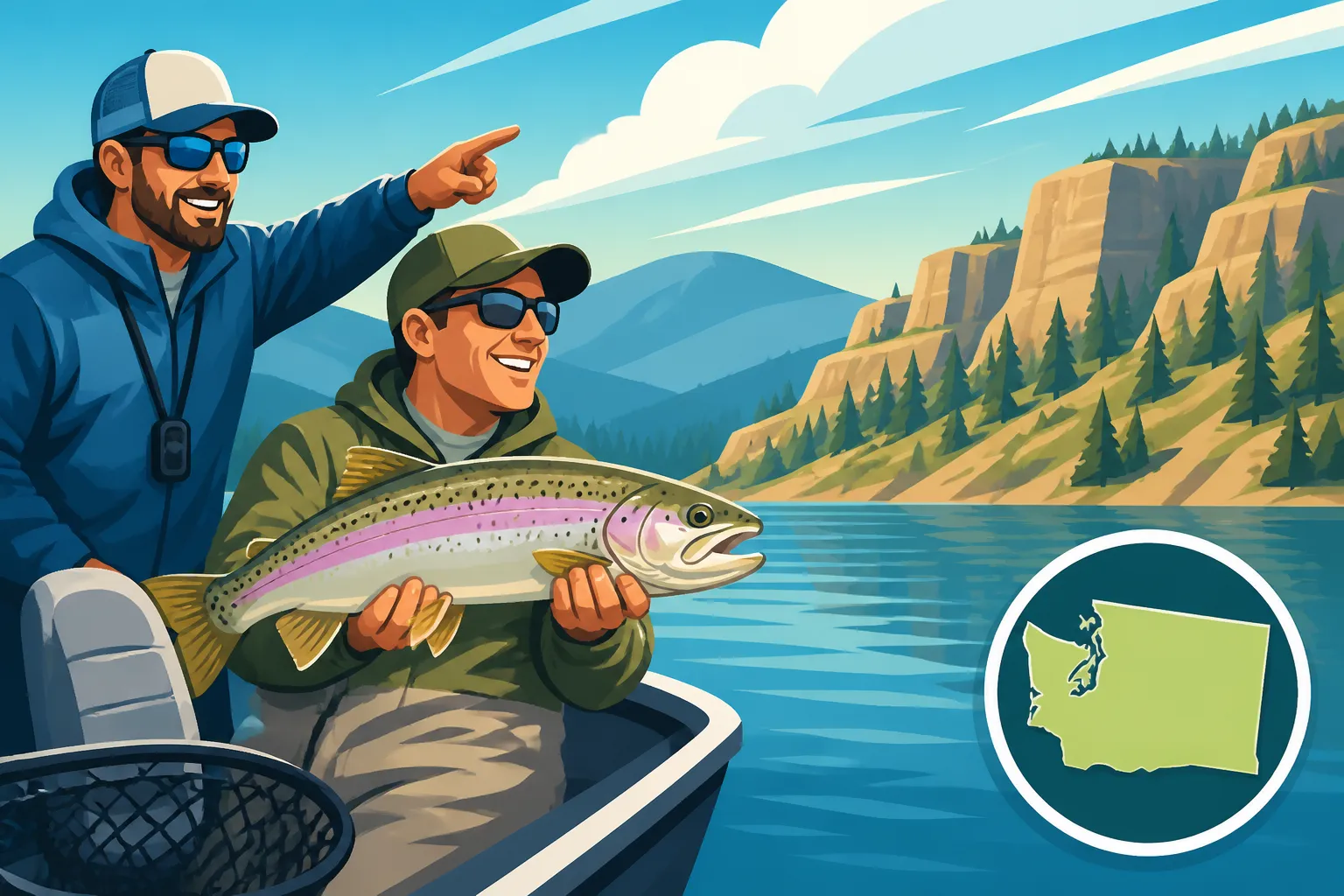
They’ll have all the rods rigged and ready. For kokanee or walleye, this might involve setting up downriggers for trolling specific depths, or for walleye, perhaps drifting with bait. Your guide will explain the techniques, show you how to use the gear, and provide constant instruction and assistance. They'll adjust lures, change depths, and move spots as needed, using their advanced fish finders and lake knowledge to stay on the fish. You'll likely spend the day moving between various fishing grounds, enjoying the stunning scenery of Lake Roosevelt, and, hopefully, reeling in some great catches. The guide will take care of baiting hooks, netting fish, and re-rigging lines, allowing you to focus purely on the fishing.
Catching and Keeping Your Fish
When you hook into a fish, your guide will coach you through the fight, helping you land it safely. Once the fish is in the net, they'll quickly identify it and determine if it's a legal keeper based on Washington's complex fishing regulations (size limits, bag limits, etc.). If it's a keeper, they'll often dispatch it quickly and humanely, placing it into a live well or cooler to preserve its freshness. If it's a "short" (under legal size) or a protected species, they'll carefully release it back into the water, often instructing you on proper catch-and-release techniques to maximize its survival.
At the end of the trip, most guides will offer to clean and fillet your catch. This is a huge convenience, saving you time and mess at home. They’ll usually bag the fillets for you, and you’ll transfer them to your personal cooler to take home. This ensures your fish are properly cared for from the moment they’re caught until they’re ready for your dinner table. Remember to clarify this service beforehand, as some guides might charge a small fee or have you take the fish to a local processor if their schedule is tight.
Troubleshooting and Making the Most of Your Trip
Even with the best guide, fishing can have its slow moments. Don't get discouraged if the bite isn't red-hot right away. A good guide will work tirelessly to adapt, change tactics, and find active fish. Trust their expertise; they are just as invested in your success as you are.
If you have any questions or concerns during the trip, don't hesitate to communicate with your guide. Are you feeling seasick? Do you need a break? Are you not understanding a technique? Speak up! They are there to ensure you have a positive experience. The best trips are often those where there's open communication and a shared enjoyment of the day. A guided trip on Lake Roosevelt is more than just catching fish; it's an opportunity to learn, enjoy the natural beauty of eastern Washington, and create lasting memories with friends or family.
Disclaimer
This article is for general informational purposes only and does not constitute professional advice. Laws, prices and regulations vary by location and change over time. Consult a qualified professional for guidance on your specific situation.