Finding a Spey Casting Guide for Steelhead
Learning to Spey cast for steelhead in Washington can feel like trying to solve a complex puzzle in a rushing river – incredibly rewarding once you get it, but utterly baffling at first. Many anglers, myself included, have spent countless hours flailing on the water, convinced they'll never master the graceful, efficient casts needed for these elusive fish. This guide is here to help you cut through that frustration by showing you exactly how to find a qualified Spey casting guide in Washington, someone who can demystify the technique and put you on the path to becoming a more effective steelhead angler.
Why Spey Casting is a Game Changer for Washington Steelhead
If you're already familiar with single-hand casting, the idea of picking up a much longer, two-handed rod can feel intimidating. But when it comes to chasing steelhead in Washington's often challenging rivers, Spey casting isn't just a fancy trick; it's often the most practical and productive way to fish. The sheer power and control these rods offer, combined with their ability to manage line in tricky currents, makes them indispensable for dedicated steelhead anglers.
The Unique Challenges of Washington Steelhead Rivers
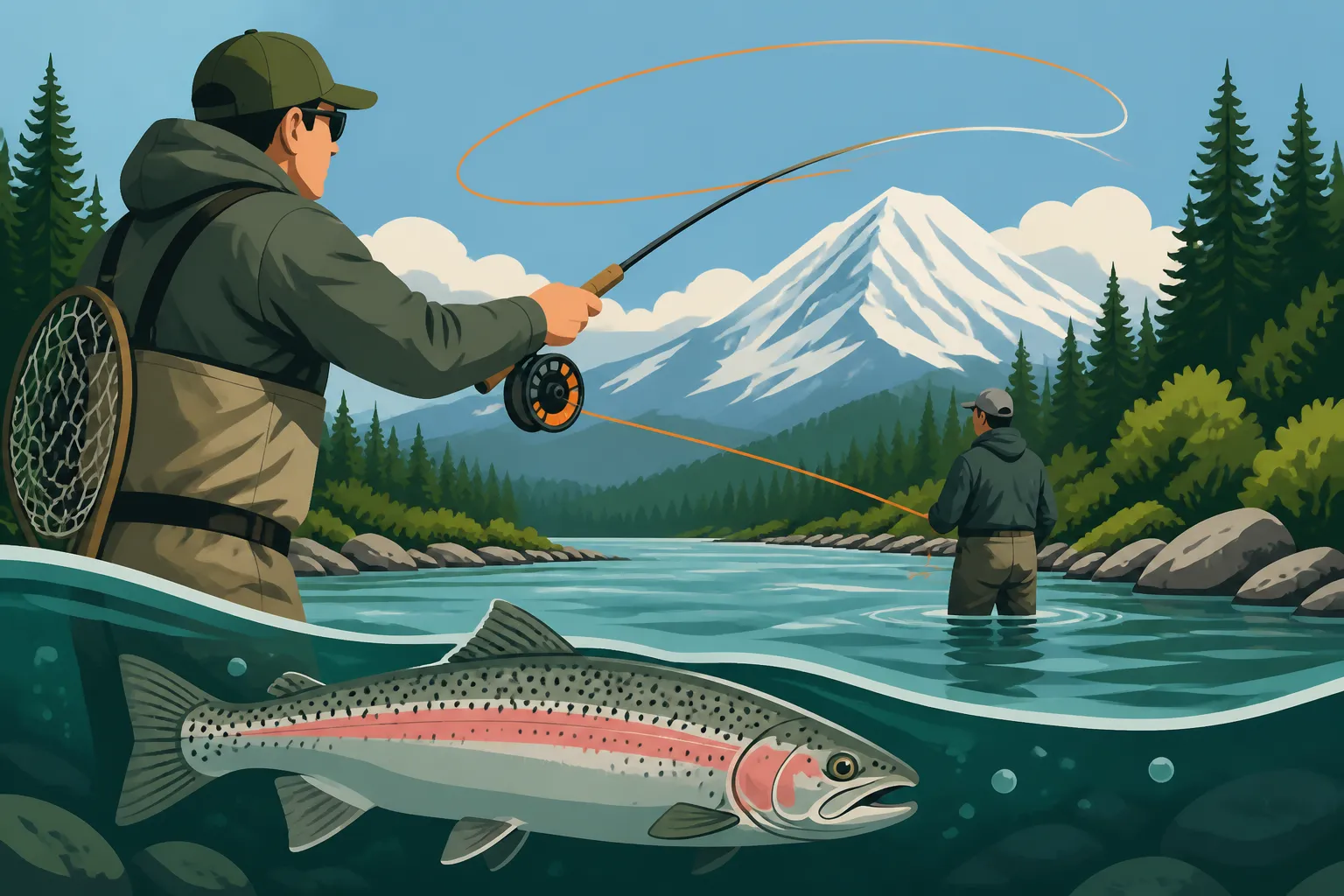
Washington's steelhead rivers are a diverse bunch, from the wide, sweeping currents of the Skagit to the tighter, more intimate flows of Olympic Peninsula streams like the Sol Duc. Each river presents its own set of challenges, often requiring specialized casting techniques to effectively cover the water. You might be faced with high banks, dense brush behind you, deep wading conditions, or swift currents that make mending a single-hand line a constant battle. These are the scenarios where Spey casting truly shines.
Traditional overhead casting with a single-hand rod often requires a lot of back casting room, which is a luxury rarely afforded by our Pacific Northwest rivers. Picture yourself on the banks of the Cowlitz or the Olympic Peninsula, surrounded by towering evergreens or steep cut banks. Trying to get a long cast out with limited space behind you is a recipe for frustration, tangled lines, and potentially losing flies in the trees. Spey casting, with its water-anchored casts like the roll cast, switch cast, and various Scandinavian and Skagit-style casts, allows you to propel your line across the river with minimal back cast, keeping your fly in the water and out of the vegetation. This efficiency means more fishing time and less frustration, which is crucial when targeting migratory fish that can be few and far between.
How Spey Casting Enhances Your Steelhead Success
Beyond simply getting your fly out there, Spey casting offers incredible advantages for presenting your fly naturally to steelhead. These techniques are designed to manage line in complex currents, allowing you to achieve the perfect "swing" – where your fly drifts downstream and across the current, mimicking natural prey. A well-executed Spey cast coupled with proper line management ensures your fly stays in the prime strike zone for longer, rather than dragging unnaturally or being swept away too quickly.
Think about fishing a deep, churning run on the Skykomish. With a single-hand rod, you might cast upstream, mend, and then struggle to keep your fly drifting at the correct depth and speed as it swings across the current. With a Spey rod, you can execute a cast that sets up your swing perfectly from the start, controlling the speed and depth with subtle rod movements. This controlled presentation is often the key to enticing a wary steelhead to strike. Moreover, Spey rods handle heavy sinking tips and large, weighted flies with ease, allowing you to get down to the fish in deep slots and swift runs, something that can be cumbersome with lighter single-hand setups. Learning The Right Way to Cast a Spey Rod for Steelhead is about more than just distance; it's about precision and presentation in demanding conditions.
What Makes a Great Washington Spey Casting Guide
Finding the right guide isn't just about finding someone who can cast a Spey rod. It's about finding a teacher, a mentor, and a local expert who understands the nuances of Washington's steelhead fisheries. A great guide will not only show you the mechanics but also teach you the "why" behind each technique, helping you read the water and adapt your approach to different conditions.
Deep Understanding of Spey Mechanics and Teaching Skills
The best Spey casting guides are not just skilled casters; they are exceptional teachers. They can break down complex movements into digestible steps, diagnose your casting flaws, and offer constructive, patient feedback. Learning to Spey cast involves a lot of muscle memory, and a good guide understands how to help you build that through repetition and targeted drills, rather than just barking instructions.
Look for a guide who emphasizes the fundamentals, like proper grip, stance, and the timing of your anchor placement and forward stroke. They should be able to explain the different types of Spey casts – Skagit, Scandi, double Spey, single Spey, snake roll – and when to use each based on wind, river current, and bankside obstructions. A truly great guide will have a structured approach to teaching, often starting with basic roll casts and progressing to more advanced techniques as your confidence grows. They won't just tell you what to do; they'll explain why it works and how to feel the rod load, transforming a mechanical motion into an intuitive art.
Local Expertise and River Knowledge
Washington's steelhead rivers are temperamental, influenced by weather, dam operations, and ever-changing regulations. A top-tier guide will have an intimate, almost instinctual, knowledge of the local waterways, understanding current conditions, fish behavior, and specific access points. This isn't just about where to find fish; it's about knowing where to position you for the best learning experience, considering factors like wind direction, water depth, and potential hazards.
For example, a guide on the Washington's Skagit River and Its Winter Steelhead Run will know that certain sections fish better on an incoming tide, while others require a specific type of Spey cast due to bank structure. They'll know when a particular run is likely to hold Wild Steelhead vs Hatchery Steelhead in Washington and how to adjust your presentation accordingly. This deep local knowledge allows them to pick the perfect stretch of river for your lesson, maximizing your chances of both learning effectively and potentially hooking a fish. They'll also be up-to-date on emergency rule changes and Washington Sport Fishing Seasons and Emergency Closures, ensuring your trip is compliant and productive.
Patience and Adaptability
Learning a new casting style, especially one as nuanced as Spey, can be frustrating. You'll make bad casts, get tangled, and probably feel clumsy. A great guide possesses immense patience and an uncanny ability to adapt their teaching style to individual learners. What works for one person might not click for another, and a skilled guide can quickly pivot their approach to find what resonates with you.
They won't get frustrated when you struggle; instead, they'll offer encouragement and break down the problem from a different angle. Perhaps you're rushing your stroke, or your anchor isn't setting correctly. A patient guide will identify the specific issue and offer a drill or a visual cue that finally makes it "click." They understand that everyone learns at their own pace, and their goal is to foster a positive, supportive environment where you feel comfortable making mistakes and growing as an angler. This adaptability extends beyond teaching, too – they'll adjust their fishing locations based on conditions, ensuring the best possible experience regardless of what the weather or river throws your way.
Finding Guides: Where to Start Your Search
So, you're convinced a Spey casting guide is the way to go. But where do you even begin to look for these highly specialized teachers in Washington? It can feel like searching for a needle in a haystack, especially if you're targeting specific techniques and species. Thankfully, there are several reliable avenues to explore.
Online Directories and Booking Platforms
In this digital age, one of the most efficient ways to start your search is through online platforms and specialized booking sites. These resources often compile lists of guides, complete with profiles, reviews, and sometimes even availability calendars.
Sites like FishingBooker are excellent for this. They allow you to filter by location (e.g., specific Washington rivers), species (steelhead), and even by the type of fishing, where you can often specify fly fishing or Spey casting. You can read reviews from previous clients, which is invaluable for understanding a guide's teaching style, patience, and overall effectiveness. These platforms can connect you with guides operating on various rivers, from the well-known Columbia River tributaries to the more remote coastal streams. While you won't find specific pricing or dates, you'll get a sense of who is operating in the area and their general approach. This is often the first stop for many anglers looking for a guide, as it provides a broad overview of options and helps narrow down choices before making direct contact.
Local Fly Shops and Fishing Clubs
Never underestimate the power of local knowledge! Your neighborhood fly shop, especially those specializing in two-handed rods and steelhead, is a treasure trove of information. The staff often knows the local guides personally, having fished with them or at least heard extensive feedback from clients. They can provide recommendations based on your experience level, budget, and even your personality.
Walk into a reputable fly shop in areas like Seattle, Everett, or even smaller towns near prominent steelhead rivers, and strike up a conversation. Tell them you're looking for a Spey casting guide for steelhead, explain your current skill level, and what you hope to achieve. They might suggest a guide known for teaching beginners, or one who specializes in certain rivers or Fly Fishing Techniques for Winter Steelhead in Washington. Similarly, local fly fishing clubs are fantastic resources. Members are often passionate, experienced anglers who are more than happy to share their knowledge and recommend guides they've had positive experiences with. These clubs sometimes host casting clinics themselves or have members who guide on the side. These personal connections can lead you to highly skilled guides who might not have a massive online presence.
Word of Mouth and Referrals
Sometimes the old-fashioned way is still the best. Talk to other anglers you know who Spey cast for steelhead. They'll have firsthand experience with guides and can offer candid insights into who to book and who to perhaps avoid. Attend local fishing expos, conservation events, or even just strike up a conversation with someone you see Spey casting on the river. Most anglers are happy to share their experiences, especially when it comes to finding a good teacher.
A personal referral carries a lot of weight because it comes from someone who has experienced the guide's services directly. They can tell you about the guide's demeanor, their ability to explain complex concepts, and whether they put you on fish. When you hear multiple positive reviews about a particular guide from various sources, it's a strong indicator that they are indeed a great choice. Don't be shy about asking around; the Washington steelhead community is often a friendly and helpful bunch.
Preparing for Your Guided Spey Trip
You've found your guide, booked your trip, and now the excitement (and maybe a little nervousness) is building. Proper preparation isn't just about packing your gear; it's about setting yourself up for success, both in learning and in enjoyment. A little foresight goes a long way in making your guided Spey casting trip a truly valuable experience.
Key Questions to Ask Your Guide
Before your trip, a quick conversation with your guide can iron out any uncertainties and ensure you're both on the same page. This isn't just about logistics; it's about tailoring the experience to your needs.
Here are some essential questions to ask:
| Category | Questions to Ask Your Spey Guide |
|---|---|
| Logistics | What time and where should we meet? |
| What are the expected end times each day? | |
| Will lunch/snacks/drinks be provided, or should I bring my own? | |
| What is the plan if the weather turns bad? | |
| What is your cancellation policy? | |
| Gear | Will you provide the Spey rod, reel, and lines? |
| What specific line setup will we be using (Skagit, Scandi)? | |
| What flies should I bring, if any? | |
| Do I need waders and wading boots, or will we be fishing from the bank/boat? | |
| Learning Focus | What specific Spey casts will we be focusing on? |
| How much casting instruction vs. actual fishing time can I expect? | |
| What's your typical teaching approach for beginners/intermediates? | |
| Is there anything I can practice beforehand to get a head start? | |
| River Conditions | What are the expected river conditions (water clarity, flow)? |
| What fish species will we be targeting? | |
| Are there any specific regulations I should be aware of? |
Asking these questions helps you understand the flow of the day, ensures you have the right gear, and clearly communicates your learning objectives. For example, if your primary goal is to learn a specific cast, communicate that clearly so the guide can prioritize it. If your guide typically provides all gear, that saves you the hassle of transporting your own or worrying about having the "right" setup. However, it's always good to confirm what's provided versus what you need to bring yourself.
What to Pack for a Washington Steelhead Trip
Washington weather is famously unpredictable, especially during steelhead season. Dressing in layers is always a good idea. Even on a seemingly mild day, a sudden rain shower or a cold front can make you miserable if you're not prepared.
Essential items include:
- Rain Gear: A good quality waterproof and breathable jacket and pants are non-negotiable. There's nothing worse than being soaked and cold on the river. Check out Rain Gear You Need for Winter Steelheading for specific recommendations.
- Waders and Wading Boots: If you're going to be wading, ensure your waders are leak-free and your boots provide good ankle support and traction. Felt soles are often preferred for slippery river rocks, but rubber soles are gaining popularity.
- Warm Layers: Fleece, wool, or synthetic layers that wick moisture away from your body are crucial. Avoid cotton.
- Gloves and Hat: Even on mild days, hands and head can get cold quickly.
- Polarized Sunglasses: Essential for eye protection from errant hooks and for spotting fish or reading water.
- Sunscreen and Lip Balm: Even on cloudy days, UV rays can be strong, especially on the water.
- Water Bottle/Hydration: Staying hydrated is important, even in cold weather.
- Snacks: Energy bars, fruit, or sandwiches are good options.
- Washington Fishing License and Catch Record Card: Absolutely required. Make sure it's valid for the waters you'll be fishing. You'll definitely need to know The Washington Catch Record Card and What It Requires and have it with you.
- Small Backpack or Sling Pack: To carry your personal items, snacks, and extra layers.
- Camera: To capture those memorable moments (just be mindful of the guide's pace and safety).
Your guide will likely have some of these items on hand in a pinch, but it's always best to come prepared with your own.
Costs and Value of a Spey Casting Guide
Investing in a guided Spey casting trip is more than just paying for a day on the river; it's an investment in your skills, your knowledge, and ultimately, your future enjoyment of the sport. While the cost might seem significant upfront, the value you gain often far outweighs it.
Understanding Guide Fees and Inclusions
Guide fees for a Spey casting trip in Washington can vary widely based on the guide's experience, reputation, duration of the trip (full-day vs. half-day), and what's included. You might find a single angler rate, or a slightly higher rate for two anglers.
Typically, a full-day guided trip will include:
- Instruction: Focused Spey casting lessons tailored to your skill level.
- Equipment: The guide will usually provide high-quality Spey rods, reels, lines (Skagit, Scandi, various sink tips), and flies specific to the river and conditions. This is a huge benefit, as Spey gear can be a significant investment.
- Transportation: Many guides provide transport from a designated meeting point to the river and back, often in a comfortable drift boat or raft.
- Lunch/Beverages: Most full-day trips include a packed lunch and drinks.
- Expertise: Beyond casting, you're paying for the guide's deep knowledge of the river, fish behavior, and current regulations. They'll also provide insights into reading water and presentation.
Some guides might also offer multi-day packages, which can be a great way to immerse yourself in the learning process and explore different sections of a river or even different rivers. Always clarify exactly what is included in the quoted price to avoid any surprises. Remember that prices are subject to change, so always check with the individual guide or booking service for current figures.
The Long-Term Value of Professional Instruction
While a guided trip might seem like a luxury, consider it an expedited learning curve. Instead of spending countless hours flailing on your own, guessing at techniques, and developing bad habits, a good guide can correct your form in real-time, explain the subtle nuances, and fast-track your progress. This isn't just about catching fish; it's about truly understanding the mechanics and the "feel" of Spey casting.
Think of it this way: how much is your time worth? A few days with a professional instructor can provide a foundation that would take months, if not years, to build through trial and error. You'll gain confidence, learn to troubleshoot your own casting, and acquire a deeper appreciation for the art of Spey fishing. The techniques you learn will transfer to other rivers and other species, making you a more versatile and capable angler in the long run. Plus, the knowledge you gain about reading water, fish behavior, and equipment choices will be invaluable, saving you money on incorrect gear purchases and wasted trips in the future. It’s an investment that pays dividends in enjoyment and success for years to come. This kind of specialized instruction can really help you understand the nuances of Spey Casting in Washington and Who Should Try It.
Beyond the Cast: What Else a Guide Teaches
A Spey casting guide offers much more than just perfecting your double Spey. They provide a holistic learning experience, integrating crucial elements of river etiquette, conservation, and strategic fishing that are vital for any serious steelhead angler in Washington.
River Etiquette and Conservation Principles
Washington's steelhead rivers are precious resources, and a good guide instills a strong sense of responsibility and respect for these environments. They'll teach you proper river etiquette, which is essential when sharing limited public access with other anglers. This includes knowing how to "read the run" and understanding the appropriate distance to maintain from other anglers, how to move through a run without disturbing fish, and when it's appropriate to "walk through" if a spot isn't producing.
Beyond etiquette, guides are often passionate advocates for conservation. They'll explain the importance of catch-and-release practices for Wild Steelhead vs Hatchery Steelhead in Washington, how to properly handle fish to minimize stress, and the critical role healthy riparian habitats play in sustaining fish populations. They might talk about the challenges facing Washington's Steelhead: Washington's Ocean-Run Rainbow Trout and the efforts being made to protect them. This aspect of the trip elevates it beyond just fishing; it's about becoming a responsible steward of the resource, which is a core value for many veteran anglers. They can also explain why Catch-and-Release Rules During Wild Steelhead Closures are so important.
Reading Water and Strategic Presentation
One of the most valuable lessons a guide provides is how to effectively "read the water" – identifying likely holding lies for steelhead, understanding current breaks, and knowing how to present your fly in the most enticing way. Spey casting is only half the battle; knowing where and how to cast is equally, if not more, important.
A guide will point out subtle seams, riffles, and deeper pockets where steelhead might be resting or traveling. They'll explain how different water speeds and depths require different sink tips and fly patterns, and how to adjust your cast to achieve the perfect swing. For instance, they might demonstrate how to make a slightly upstream cast and a quick mend to allow your fly to sink into a deep slot before beginning its swing, or how to use the current to subtly animate your fly. This strategic knowledge is often hard-won through years of experience, and a guide can impart those insights in a single day, dramatically improving your ability to approach a new river or run with confidence. This insight extends to understanding what flies work best, and guides can offer advice on Best Fly Patterns for Winter Steelhead based on local conditions.
Gear Selection and Maintenance Tips
The world of Spey gear can be overwhelming, with countless rod weights, lengths, line systems (Skagit, Scandi, shooting heads, integrated lines), and fly choices. A good guide can demystify this for you. They'll explain why a particular rod action is suited for certain casting styles or river conditions, and which line systems are best for different types of flies or depths.
They'll also offer practical tips on gear maintenance, like how to properly clean and store your lines, care for your waders, and perform basic rod repairs. This knowledge empowers you to make informed decisions when purchasing your own equipment, ensuring you invest in gear that truly suits your needs and the specific fisheries you plan to target. They can help you understand the importance of matching your rod to your line, and how different Leader Length for Clear Water Steelhead in Washington can impact your presentation, equipping you with the confidence to build your own effective Spey setup over time.
Disclaimer
This article is for general informational purposes only and does not constitute professional advice. Laws, prices and regulations vary by location and change over time. Consult a qualified professional for guidance on your specific situation.