How to Book a Guide for Neah Bay
Neah Bay, nestled at the very tip of Washington's Olympic Peninsula, is a truly iconic fishing destination, but its remote location and unique local regulations can feel a little overwhelming for even seasoned anglers. If you've been dreaming of landing a trophy salmon or a barn-door halibut in these productive waters but aren't sure where to start, this guide is designed to help you confidently navigate the process of booking a trusted fishing guide for an unforgettable Neah Bay adventure.
Why Neah Bay is a Premier Fishing Destination
There's something truly special about Neah Bay that draws anglers from all over the world. It’s not just the promise of incredible fishing, but the entire experience of being at the edge of the continent, where the vast Pacific Ocean meets the Strait of Juan de Fuca. However, with that allure comes a unique set of circumstances that make a local expert incredibly valuable.
A Remote, Rich Fishery
Neah Bay sits right at the entrance to the Strait of Juan de Fuca, offering anglers unparalleled access to some of Washington's most vibrant marine ecosystems. This strategic location means that both Puget Sound-bound salmon and ocean-migrating salmon often pass directly through or congregate in the waters just offshore. We're talking about robust runs of Chinook (King) and Coho (Silver) salmon, especially during their peak seasons. Beyond salmon, the deep, nutrient-rich waters also hold impressive populations of Pacific halibut, robust lingcod, and various rockfish species, making it a true multispecies angler's paradise. The remoteness, while adding to its mystique, also means fewer crowds compared to some of the more accessible ports, allowing for a more serene and focused fishing experience.
However, getting to Neah Bay is part of the adventure itself. It's a drive, often a long one, winding through the pristine Olympic National Park and onto the Makah Indian Reservation. This journey sets the stage for a truly wild experience, but it also means that spontaneous trips can be challenging without proper planning, especially when considering boat launches, fuel, and supplies.
Navigating the Challenges of Neah Bay
While the fishing is phenomenal, Neah Bay isn't your average fishing hole, and that's precisely why a guide becomes indispensable. The weather here can be notoriously fickle, shifting from glassy calm to rough seas in a matter of hours. Understanding the marine forecast, local wind patterns, and the significant tidal currents of the Strait is crucial for both safety and fishing success. A skilled guide will know how to read the water, identify safe fishing windows, and navigate the sometimes-treacherous bar crossings safely.
Then there are the regulations. Fishing in Neah Bay involves a complex interplay of state and tribal rules. Not only do you need a valid Washington fishing license, but you also need a separate Makah Recreation Pass to access tribal lands and launch your boat. Bag limits, size restrictions, and specific open areas can change frequently, sometimes on short notice, based on test fisheries and stock assessments. Keeping up with these nuances can be a full-time job, and making a mistake can lead to fines or even the loss of your catch. A local guide lives and breathes these regulations, ensuring your trip stays compliant and ethical. They’re constantly checking emergency closures and rule changes, so you don’t have to worry about accidentally violating a new rule that popped up last night. For more on the specifics, check out Washington Fishing Regulations Every Angler Should Know.
Species You'll Target in Neah Bay
The beauty of Neah Bay fishing is the diversity of prime species available. Your target will heavily influence the best time to visit and the type of gear your guide will use.
- Chinook (King) Salmon: These powerful fish are often the main draw. Neah Bay sees strong runs of Chinook, particularly during the summer months. Anglers often target these giants by trolling with downriggers, using herring or spoons, or mooching. The thrill of hooking into a hard-fighting King in these deep waters is something every angler should experience. For more on these magnificent fish, see Chinook Salmon: Washington's King of Fish.
- Coho (Silver) Salmon: Coho typically follow the Chinook run, providing fast-paced action later in the summer and into the fall. They are known for their acrobatic fights and can be targeted with similar methods to Chinook, often closer to the surface.
- Pacific Halibut: Neah Bay is one of the premier halibut destinations in Washington, known for producing massive "barn doors." The halibut season is typically short and specific, often just a few days or weekends in the spring and early summer. Your guide will likely use heavy gear, baiting large jigs or spreader bars with octopus, salmon heads, or other natural baits, fishing deep on the ocean floor. If you're hoping for halibut, you'll need to plan your trip around these highly anticipated opening dates. We have a great piece on Pacific Halibut Fishing on the Washington Coast that delves deeper.
- Lingcod and Rockfish: These bottom-dwelling predators offer consistent action, often year-round, outside of specific seasonal closures. Lingcod are prized for their aggressive strikes and delicious white meat, while various rockfish species (like black rockfish, copper rockfish, and vermilion rockfish) add color and excitement to the cooler. Guides typically target these fish with jigs, bait, or a combination of both, fishing over rocky structures and reefs.
Your guide will be an invaluable resource in understanding which species are biting best at any given time and tailoring your trip to your preferences, ensuring you're fishing for what you want, when it's most productive.
Finding the Right Guide for Your Neah Bay Adventure
Choosing a fishing guide is a crucial step to ensure a safe, productive, and enjoyable trip. In a place like Neah Bay, where conditions can be challenging and regulations complex, having the right person at the helm makes all the difference.
What to Look For in a Neah Bay Guide
When you're entrusting your precious fishing time (and safety!) to someone, you want to make sure they're the real deal. Here’s what sets a top-tier Neah Bay guide apart:
- Extensive Local Knowledge: This is paramount. A great Neah Bay guide doesn't just know where to fish; they know when and how. They understand the subtle currents, the specific structure where fish hold, and how varying weather patterns affect fish behavior in particular areas. They've spent countless hours on these exact waters and can adapt on the fly. This includes intimate knowledge of the Strait of Juan de Fuca, the open Pacific, and the Makah Bay area, knowing precisely when and where different species are likely to be found.
- Safety First Mentality: The ocean around Neah Bay can be unforgiving. A professional guide prioritizes safety above all else. This means having a well-maintained, coast guard-approved vessel, all necessary safety equipment (life vests, flares, communication devices), and the judgment to know when conditions are too rough to fish or when it's time to head back to port. Don't be shy about asking about their safety protocols and vessel maintenance.
- Appropriate Gear and Equipment: A good guide provides high-quality, well-maintained rods, reels, and tackle suited to the species you're targeting and the conditions of Neah Bay. You shouldn't have to worry about a reel seizing up or a rod snapping. They should also have specialized gear for different techniques, whether it's heavy-duty halibut setups, downriggers for salmon trolling, or light tackle for rockfish. This ensures you have the best chance of success and enjoy the fight.
- Excellent Communication and Professionalism: From the initial booking conversations to the end of your trip, a great guide communicates clearly. They’ll manage your expectations regarding weather, fishing conditions, and potential catches. On the boat, they should be patient, helpful, and willing to teach. You want someone who makes you feel comfortable, even if you’re a novice angler. This also extends to post-trip services, like fish cleaning and packaging.
Where to Search for Reputable Guides
Once you know what you're looking for, it's time to start your search. Neah Bay guides are often owner-operators, meaning they have a deep personal investment in their business and reputation.
- Online Booking Platforms: Websites like FishingBooker are excellent resources. They aggregate listings from many guides, often including detailed profiles, customer reviews, available dates, and pricing information. This allows you to easily compare options, see photos of their boats, and read testimonials from other anglers who have fished with them. Many guides use these platforms to manage their bookings, making it a convenient one-stop shop for finding a Neah Bay specialist.
- Local Marinas and Tackle Shops: If you're already in the area, or even planning a scouting trip, stop by the marinas or local tackle shops in Neah Bay or nearby towns like Sekiu or Forks. These local businesses often have bulletin boards with guide business cards, or the staff can provide recommendations based on current fishing conditions or their personal experiences. They're a wealth of real-time, on-the-ground information.
- Word-of-Mouth and Fishing Forums: Talk to other anglers! If you know anyone who's fished Neah Bay, ask them for recommendations. Online fishing forums dedicated to Washington State fishing are also great places to ask for guide suggestions and read unbiased reviews. Experienced anglers often share their preferred guides and experiences, which can be invaluable.
- Direct Websites and Social Media: Many established Neah Bay guides have their own websites and active social media pages (Facebook, Instagram). These platforms often showcase recent catches, provide updates on fishing conditions, and give you a sense of the guide's personality and style. It's a great way to "meet" them before you even pick up the phone.
Questions to Ask Before Booking Your Trip
Before you commit, arm yourself with a list of questions. A good guide will appreciate your thoroughness and be happy to provide clear answers.
- "What's included in the price?" This is critical. Does it cover bait, tackle, fuel, and fish cleaning? Some guides might charge extra for certain things, or expect you to bring your own lunch and drinks. Clarify everything upfront to avoid surprises. For a general overview of what to expect, check out What's Included in a Washington Puget Sound Salmon Charter.
- "What kind of boat do you run, and how many anglers can you accommodate comfortably?" This helps set expectations for your group size and comfort level, especially on a longer ocean trip.
- "What's your cancellation policy, especially for weather?" Weather in Neah Bay can be unpredictable. Understand what happens if conditions are unsafe. Will you get a refund, a credit for a future trip, or a reschedule?
- "Do I need to bring my own fishing license and Makah tribal permit?" Absolutely yes, you will, but it's good to confirm. Ask where you can obtain these permits. Typically, guides require you to have your license and tribal permit sorted before the trip. We have a detailed guide on Washington Fishing License Guide for Nonresidents if you're coming from out of state.
- "What species will we be targeting, and what's the typical success rate for those fish during my booking period?" This helps manage expectations. A good guide will be realistic about fishing success, which can vary day-to-day.
- "Do you clean and bag the fish, and what's the protocol for that?" Most guides offer this as part of their service, but it's good to confirm the specifics, like whether they fillet, ice, and bag your catch.
By asking these questions, you’ll not only get the information you need but also gauge the guide's professionalism and communication style, helping you make a confident decision.
Preparing for Your Guided Trip to Neah Bay
A guided trip should be a relaxing experience, but a little preparation on your part can make it even smoother and more enjoyable. Knowing what to bring and what to expect regarding local requirements will save you any last-minute stress.
Essential Gear and Clothing
Even though your guide will provide the specialized fishing gear, there are personal items you absolutely need to bring for a comfortable day on the water, especially in the often-chilly and damp Pacific Northwest.
- Layered Clothing: This cannot be emphasized enough. Neah Bay weather can change drastically. Start with a moisture-wicking base layer, add a warm fleece or wool mid-layer, and finish with a waterproof and windproof outer shell. Even on sunny days, the ocean breeze can be surprisingly cold.
- Waterproof Boots: Your feet will thank you. Deck boots or tall rubber boots are ideal for keeping your feet dry from boat spray, fish slime, and general wetness on deck.
- Hat and Sunglasses: A hat (preferably one that won't blow off easily) provides sun protection and warmth. Polarized sunglasses are essential for reducing glare off the water, helping you see better and protecting your eyes.
- Gloves: Neoprene or waterproof fishing gloves can be a lifesaver for keeping your hands warm and dry, especially when handling fish or cold gear.
- Food and Drink: Most guides don't provide meals, so pack a lunch, snacks, and plenty of water or other beverages. A small cooler with ice for your personal items is usually a good idea.
- Seasickness Medication: If you're prone to seasickness, take preventive medication well before boarding. The waters outside Neah Bay can get choppy, and you don't want your trip ruined by nausea.
- Camera: You'll want to capture those trophy shots! Make sure it's waterproof or in a waterproof bag.
Remember, dressing for success means you can focus on the fishing, not on being cold, wet, or uncomfortable.
Understanding Licenses and Endorsements
This is a critical area where many first-timers to Neah Bay can get confused. You must have two separate documents to legally fish and access the area.
- Washington State Fishing License: Everyone aged 15 and older needs a valid Washington State fishing license. For most saltwater fishing in Neah Bay, an Annual Combination Fishing License (covering both freshwater and saltwater) is the most common choice, but short-term options (like a one-day or three-day license) are also available. Make sure it's valid for the dates of your trip. You can purchase these online, at authorized license dealers throughout the state, or via the MyWDFW app. We detail this process in Where and How to Buy a Washington Fishing License.
- Makah Recreation Pass: Because Neah Bay is located on the Makah Indian Reservation, you need to purchase a Makah Recreation Pass to access the lands and facilities, including boat launches and certain fishing areas. This pass is separate from your state fishing license and helps support tribal infrastructure and resource management. These passes can typically be purchased at various businesses within Neah Bay itself, such as the Makah Tribal Center or local stores. Make sure to buy one before you head out, as enforcement is strict.
It's your responsibility to ensure you have both of these documents in hand before your trip begins. Your guide will likely ask to see them, and tribal police or WDFW enforcement officers routinely check for compliance.
Logistics: Travel, Lodging, and Tribal Access
Neah Bay is truly off the beaten path, which adds to its charm but also requires careful planning for travel and accommodation.
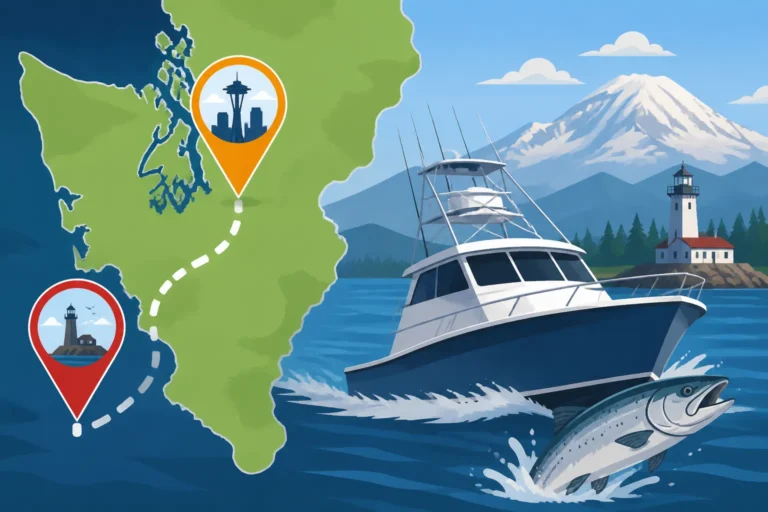
- Travel: Neah Bay is approximately a 4-hour drive from Seattle and about 2.5 hours from Port Angeles. The drive is scenic but involves winding roads, so allow ample time. Pay attention to gas tank levels; services become sparse as you get closer.
- Lodging: Accommodation options in Neah Bay itself are limited. There are a few small motels, rental cabins, and RV parks. During peak fishing seasons, these fill up very quickly, sometimes months in advance. Many anglers choose to stay in nearby towns like Sekiu, which has more options, or even Forks, though that adds to your daily commute. Booking well in advance is absolutely essential. Don't assume you can just show up and find a place, especially if you're targeting specific halibut dates or prime salmon weekends.
- Makah Reservation Access: When driving onto the Makah Reservation, you are entering tribal lands. Respect for the Makah Tribe, their customs, and their land is paramount. Follow all posted signs, stay on designated roads, and always have your Makah Recreation Pass visible. Understand that tribal regulations apply in addition to state laws, particularly concerning fishing, shellfish gathering, and camping. Your guide will be well-versed in these nuances, but it’s important for you as an angler to be aware and respectful.
Maximizing Your Guided Neah Bay Fishing Experience
You’ve done the research, booked the guide, and prepared your gear. Now it’s time to hit the water and make the most of your Neah Bay fishing adventure. A guided trip is a partnership, and a little forethought on your part can greatly enhance the overall experience for everyone.
On the Water Etiquette and Expectations
Being on a fishing boat, especially an ocean-going one, requires a certain level of awareness and cooperation. Your guide is the captain and the expert, and following their lead is crucial for both safety and success.
- Listen to Your Guide: Your guide is constantly assessing conditions, watching the fish finder, and making tactical decisions. When they give instructions, whether it's "reel up," "drop your line," or "watch that rod," respond quickly and follow directions precisely. This isn't just about catching fish; it's often about boat safety and avoiding tangles.
- Be Patient: Fishing is fishing, not catching. There will be lulls, and fish can be finicky. Trust your guide's expertise and enjoy the scenery. Don't get discouraged if the bite isn't immediate. Your guide is working hard to put you on fish.
- Communicate Any Issues: If you're feeling unwell, have a question, or need assistance with your gear, speak up. Don't suffer in silence or try to fix a problem yourself if you're unsure. The guide is there to help.
- Respect the Boat and Fellow Anglers: Keep your gear tidy, don't hog prime fishing spots if it's a shared charter, and be mindful of your casting and movements. A respectful and positive atmosphere contributes to everyone's enjoyment. On a full charter, you might have How Many People Fit on a Shared Washington Charter, so personal space will be limited.
Handling Your Catch
The moment of truth! Once you've landed your fish, the process isn't quite over. How your catch is handled is important for quality and legality.
- Fish Cleaning and Filleting: Most Neah Bay guides will clean and fillet your catch at the end of the day, often included in the charter price. Confirm this when booking. They typically have a designated cleaning station at the marina. Be prepared for this process to take a little time, especially if multiple boats are coming in simultaneously.
- Packaging for Transport: Your guide will usually bag your fillets. It's wise to bring your own cooler filled with ice (or purchase ice at the local store) to keep your fish fresh for the drive home. Rapid chilling is key to preserving the quality of your catch. If you’re traveling a long distance, consider bringing large Ziploc bags to double-bag your fillets and prevent ice melt from contaminating them. For tips on transporting your catch, you might find How to Ship Fish Home From Washington helpful, even if you’re just driving.
- Catch Record Cards: For certain species like salmon and steelhead, you are legally required to immediately record your catch on a Washington Catch Record Card. Your guide will instruct you on how and when to do this, but the responsibility ultimately rests with you, the angler. Always have your card ready and a pen accessible. More information can be found in When You Must Record a Salmon You Keep.
Tipping Your Guide
Tipping is a common practice in the guided fishing industry and is a way to show appreciation for your guide's hard work, knowledge, and effort.
- General Guideline: A standard tip for a fishing guide is typically 15-20% of the total charter cost. If your guide went above and beyond—worked tirelessly to find fish in tough conditions, provided exceptional service, or shared invaluable insights—you might consider tipping more generously.
- When to Tip: Tips are generally given at the end of the trip, after the fish have been cleaned and you're preparing to depart.
- Why It Matters: Guides rely on tips as a significant part of their income. It acknowledges the long hours, physical labor, expertise, and often considerable expenses (fuel, bait, gear maintenance) that go into running a successful charter business. Even on days when the fish aren't biting, a good guide is still putting in maximum effort, and a tip reflects your appreciation for that effort, not just the number of fish caught. For more detailed advice, read Tipping Etiquette for Washington Fishing Guides.
Booking a guide for Neah Bay is more than just securing a boat; it's about tapping into local expertise and ensuring a safe and productive journey to one of Washington's most incredible fishing grounds. With careful planning and the right guide, you’ll be well on your way to an unforgettable experience.
Guide Booking Comparison
| Feature | Online Booking Platforms (e.g., FishingBooker) | Direct with Guide / Website | Local Marina / Tackle Shop Recommendations | Word-of-Mouth / Forums |
|---|---|---|---|---|
| Convenience | High (compare many options quickly) | Medium (research each guide individually) | Medium (requires in-person visit/call) | Low (requires active networking) |
| Guide Selection | Wide (many guides listed) | Targeted (specific guide's info) | Limited (based on local knowledge) | Variable (depends on network) |
| Review Accessibility | High (integrated reviews) | Variable (often on site, sometimes external) | Low (verbal recommendations) | High (personal experiences shared) |
| Real-time Availability | High (often integrated calendars) | High (contact directly) | Low (may require direct contact) | Low (requires direct contact) |
| Pricing Transparency | High (usually clearly listed) | High (usually clearly listed) | Variable (may require direct inquiry) | Variable (may require direct inquiry) |
| Personal Connection | Moderate (initial contact through platform) | High (direct communication) | Moderate (can build rapport with staff) | High (trusted source) |
| Payment Security | High (secure payment processing) | Variable (depends on guide's system) | Variable (depends on guide's system) | Variable (depends on guide's system) |
Disclaimer
This article is for general informational purposes only and does not constitute professional advice. Laws, prices and regulations vary by location and change over time. Consult a qualified professional for guidance on your specific situation.