When Chinook Salmon Run in Washington’s Puget Sound
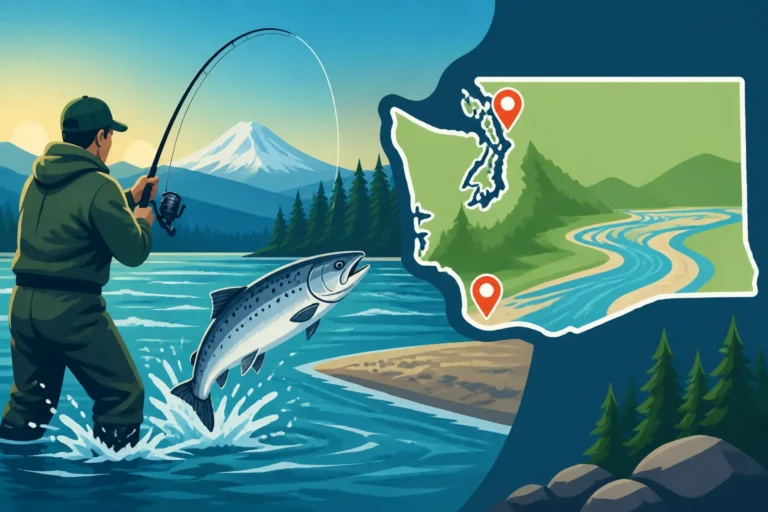
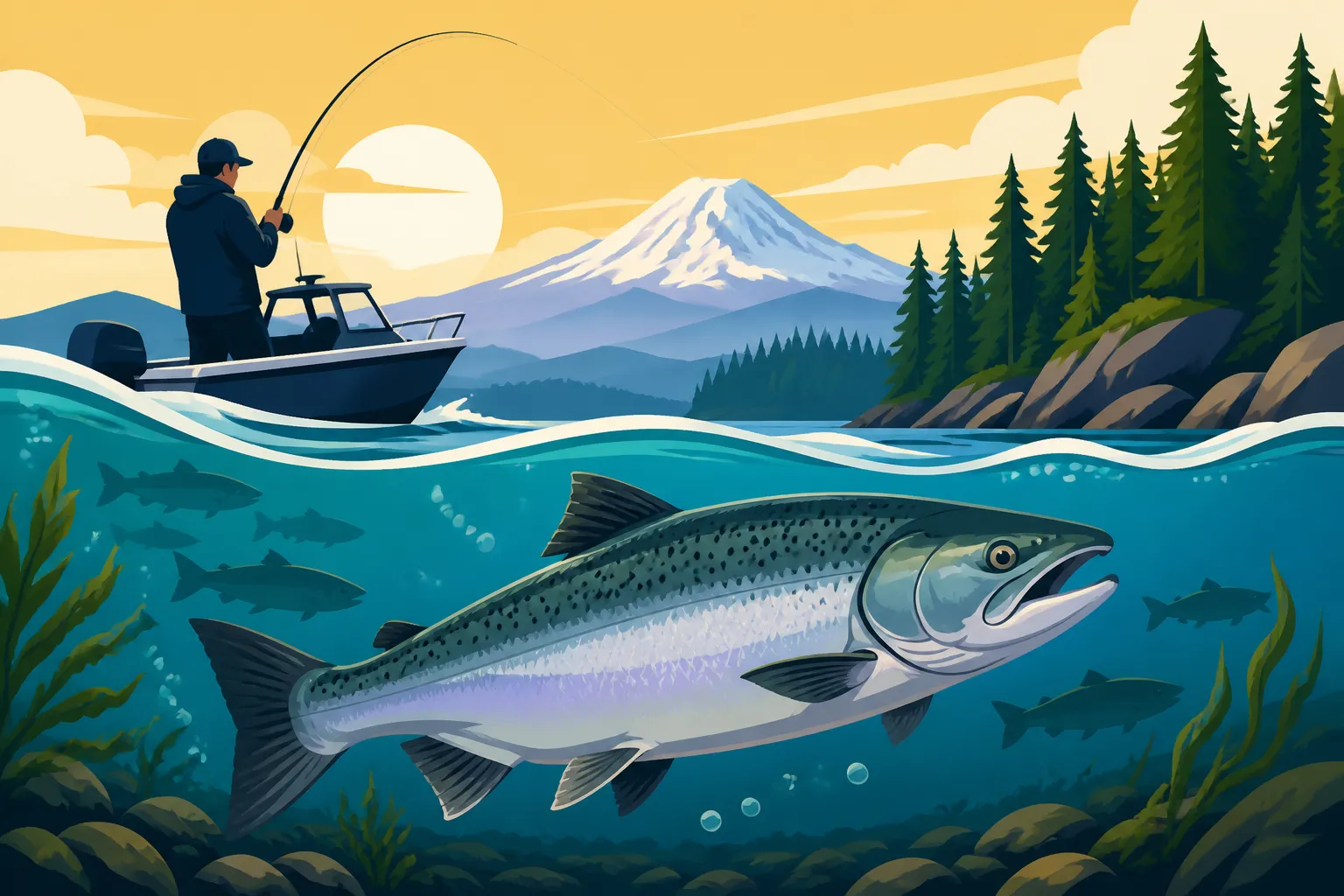
Few things are as exhilarating, or as frustrating, as chasing Chinook salmon in Washington's Puget Sound. These powerful "Kings" of the salmon world demand respect, patience, and a deep understanding of their intricate movements. Many anglers grapple with the ever-changing tides, elusive fish, and confusing regulations, often feeling like they're trying to hit a moving target. This comprehensive guide will untangle the complexities of when Chinook salmon typically run through Puget Sound, helping you predict their presence and increase your chances of hooking into one of these magnificent fish.
Understanding the Puget Sound Chinook Experience
Catching a Chinook salmon in Puget Sound is a bucket-list achievement for many anglers, but it's a pursuit that often tests your resolve. These fish, known for their immense power and stubborn fights, don't just jump into the boat. The challenge lies in their migratory patterns, their sensitivity to environmental changes, and the sheer vastness of the Sound. It's easy to feel overwhelmed, spending hours on the water without a bite, only to hear stories of friends who landed a hog just miles away. This ebb and flow of success and struggle is part of what makes Chinook fishing so captivating; when you finally hear that reel scream and battle a Puget Sound King to the net, every moment of effort feels completely validated.
Resident vs. Migratory: A Tale of Two Chinooks
When we talk about Chinook salmon in Puget Sound, it's really important to distinguish between two main types that anglers target: the "blackmouth" and the migratory ocean-run fish. The "blackmouth" are essentially juvenile Chinook that have decided to take up residency within the protected waters of Puget Sound, feeding and growing without venturing out into the Pacific Ocean. They're typically smaller than their ocean-going cousins but offer consistent fishing opportunities during the colder months. Think of them as the local diners, always around, just maybe not serving the largest portions.
On the other hand, the migratory Chinook are the big showstoppers. These are the fish that spent years foraging in the vastness of the Pacific, growing to impressive sizes, and are now returning to their natal rivers to spawn. They enter Puget Sound from the ocean, making their way through the Strait of Juan de Fuca and into the main basin, often following specific routes and feeding lanes. Their presence is highly seasonal, driven by the urge to reproduce, and they represent the peak of the Chinook fishing calendar. Understanding this fundamental difference is crucial, as their timing, behavior, and the areas you’ll find them vary dramatically.
Identifying Your Catch: Key Characteristics of Puget Sound Chinook
Before you even think about keeping a fish, you absolutely need to know what you've caught, especially given the strict regulations in Washington. Telling a Chinook from other salmon species, particularly Coho, is critical. Chinook salmon, often called "Kings" or "Blackmouth" (when they're residents), typically have a tell-tale black mouth lining and black gums, a key feature that helps distinguish them. Their tails are usually broad and somewhat squared off, with spots covering both lobes. You might find some useful guides or even laminated identification charts on Amazon that you can keep in your tackle box for quick reference.
Their overall body shape is generally more robust and thicker than a Coho, and their scales feel quite large. Coho, by contrast, usually have white gums, a smaller caudal peduncle (where the tail meets the body), and spots primarily on the upper lobe of their tail, not both. It's not just about identification for bragging rights; it's about adherence to the rules. Different species have different size and bag limits, and mistakenly keeping the wrong fish can lead to significant penalties. Take a moment to learn How to Identify a Washington Chinook Salmon before you hit the water.
The Winter "Blackmouth" Fishery: Patience Rewarded
When the leaves fall and the air gets crisp, many fair-weather anglers pack up their gear. But for a dedicated few, winter in Puget Sound signals the start of the "blackmouth" fishery, a highly anticipated time for resident Chinook. This isn't about massive numbers, but rather the quiet satisfaction of outsmarting a strong, healthy fish in conditions that demand a certain kind of fortitude. It's often a solitary pursuit, with fewer boats on the water, making the reward of a hard-earned Chinook feel even more special. The low sun, the mist rising off the water, and the sudden, violent strike of a blackmouth can make for some truly memorable days.
When the Cold Brings Kings: Peak Blackmouth Season
The prime time for targeting these resident Chinook, affectionately known as "blackmouth," typically stretches from late fall through early spring, generally from November to April. During these colder months, baitfish like herring and candlefish are abundant in certain areas of Puget Sound, attracting these hungry, growing Chinook. You'll find that success often hinges on finding these bait balls, as the blackmouth are almost always nearby, actively feeding.
Water temperature also plays a significant role. As the water cools down, these resident Chinook tend to become more concentrated in specific feeding grounds, often in deeper water or near structures where bait gathers. The fishing can be tough, requiring patience and persistence through shorter daylight hours and often chilly, damp weather. However, the reward of a chrome-bright, firm-fleshed blackmouth is often considered worth the effort by those who brave the elements. These fish are in peak condition, growing strong for their eventual migration or continued residency.
Hotspots and Hideaways: Top Puget Sound Areas for Winter Fishing
Puget Sound is a vast body of water, but during the winter, blackmouth tend to concentrate in predictable areas where food is plentiful and conditions are stable. Popular hotspots include the shipping lanes and ledges in Marine Area 9 (Admiralty Inlet), Marine Area 10 (Seattle/Bremerton), and areas around the San Juan Islands (Marine Area 7) and the Strait of Juan de Fuca (Marine Area 6). These locations often have deeper water access, strong currents that bring in bait, and significant underwater structure where fish can hold.
For example, areas like Possession Bar near Everett, Point No Point, and Midchannel Bank are legendary for their winter blackmouth fishing. These spots typically feature deep contours, humps, and current breaks that create ideal ambush points for feeding Chinook. It's not uncommon for anglers to spend entire days meticulously working these areas, sometimes finding the fish tightly grouped in a small section of a vast bank. Keeping an eye on local fishing reports and charts can reveal where the bait is holding and, consequently, where the blackmouth are likely to be.
Gear and Tactics for Elusive Winter Chinook
Winter blackmouth fishing demands specific gear and tactics to be successful. Slow trolling is the most common and effective method, often employing downriggers to get your gear down to the precise depth where fish are feeding. Depths can vary widely, from 80 feet to over 200 feet, so having a good fish finder is invaluable for locating bait and fish arches. Anglers typically troll with smaller spoons, artificial squid, or baitfish imitations like herring, often behind a flasher or dodger to attract attention.
Light to medium-heavy rods with good backbone are preferred, paired with level-wind reels spooled with braided line and a fluorocarbon leader. When selecting tackle, you'll find a wide array of options on Amazon, from specialized downrigger clips to UV-enhanced lures that perform well in deeper, darker winter waters. Another popular tactic is mooching, especially when fish are concentrated. This involves drifting with cut-plug herring or anchovies, allowing the bait to flutter enticingly through the water column. Always be prepared for the cold; layers and waterproof gear are essential for comfort and focus during these chilly excursions.
Summer Chinook: The Grand Migration and Main Event
Ah, summer in Puget Sound! The longer days, warmer weather, and the anticipation of big, ocean-fresh Chinook making their way back to their home rivers. This is truly the main event for salmon anglers in Washington, drawing boats from all corners of the Sound. The migratory Chinook returning from their years in the Pacific are at their prime: powerful, fat, and full of fight. Unlike the more subtle winter blackmouth fishery, summer Chinook runs can be explosive, with multiple hookups and thrilling battles that push tackle and anglers to their limits. It’s a time of shared excitement at the boat launch, buzzing chatter on the VHF radio, and the unforgettable sight of a massive chrome king breaching the surface.
The Warm Season Rush: Major Runs and Their Timing
The major runs of migratory Chinook salmon typically surge into Puget Sound from late June through September, with specific peaks depending on the individual run and the river system they are destined for. July and August are often considered prime months for many areas, as huge schools of fish move through the Strait of Juan de Fuca and into the main Sound. These fish are driven by an instinctual clock, heading towards rivers like the Skagit, Puyallup, Green, and Nisqually, as well as numerous smaller tributaries.
The timing can vary slightly year to year based on ocean conditions and water temperatures, but the general pattern remains. Anglers eagerly await WDFW forecasts and test fishery updates, which can provide crucial insights into the strength and timing of these runs. This period represents the pinnacle of salmon fishing in Puget Sound, offering the best chance at landing a truly trophy-sized Chinook. Keep an eye on reports for When Chinook Salmon Run in Washington's Puget Sound to hit the water at the optimal time.
Pathway to the Rivers: Key Marine Areas and Transit Routes
As migratory Chinook enter Puget Sound, they often follow established routes and congregate in specific marine areas before making their final push into freshwater. Marine Area 5 (Sekiu/Pillar Point) and Marine Area 6 (Eastern Strait of Juan de Fuca) are often the first points of contact for these ocean-run fish, offering early-season opportunities. From there, they move into Marine Area 9 (Admiralty Inlet) and Marine Area 7 (San Juan Islands), which act as crucial transit zones and feeding grounds.
These areas are essentially salmon highways, where fish stage and feed heavily before continuing their journey. Understanding these routes and choke points is vital for success. Anglers often focus on the rips, current lines, and bait-holding structures within these marine areas. Later in the summer, fish will start to filter into areas closer to their natal rivers, such as Marine Area 10 (central Sound) and Marine Area 11 (south Sound). To truly maximize your chances, familiarize yourself with Washington's Puget Sound Fishing Spots for Salmon and Bottomfish to pinpoint these crucial transit areas.
Productive Summer Strategies: Trolling, Mooching, and More
Summer Chinook fishing in Puget Sound is dominated by trolling, often with downriggers to precisely present baits and lures at the desired depth. Cut-plug herring and anchovies are absolute staples, fished behind various flashers and dodgers. The size and color of your flasher and bait can make a huge difference, so it’s wise to have a variety on hand. You'll find many anglers discussing the merits of different colors and flash patterns at tackle shops, and you can easily stock up on a good selection of quality herring or anchovy rigs via Amazon.
Another highly effective technique, especially when fish are concentrated on bait balls, is mooching. This involves drifting with a weighted cut-plug herring, allowing it to sink and then reeling up a few turns, creating an erratic, dying baitfish action. This can be incredibly effective when fish are actively feeding. Lastly, jigging with heavy metal jigs can also produce strikes, particularly when salmon are suspended in deeper water or near structure. Understanding the Best Tide for Puget Sound Salmon Fishing in Washington can also greatly influence the success of these techniques, as tidal flows often dictate where bait and salmon will congregate.
Fall Chinook: River Mouths and Last Chances
As summer fades and autumn arrives, the Chinook salmon story in Puget Sound takes on a new chapter. Many of the earlier migratory fish have already moved into their rivers, but a final, powerful push of Chinook, often heading for later-spawning systems, can still offer incredible fishing. This fall fishery shifts focus from the open waters to the river mouths and nearshore areas, where Chinook gather before their final freshwater journey. It's a different game now, often shallower, sometimes closer to shore, and with a keen eye on the changing regulations for specific rivers. While the urgency to fill the freezer might be less, the desire for one last Chinook of the season remains strong.
Autumn's Bounty: Later Season Opportunities and River-Bound Fish
While July and August are often seen as the peak, the fall months, particularly September and early October, can still provide fantastic Chinook opportunities in Puget Sound. These later runs consist of migratory fish destined for river systems with later spawning cycles, or they are the last stragglers from earlier runs. The key difference now is that these fish are much closer to their spawning grounds, so their focus is shifting from aggressive feeding to preparing for reproduction.
You might find these fish showing more vibrant spawning colors, a sign of their nearing freshwater transition. Fishing these late-season runs requires a slightly different approach, as the fish can be less interested in hot pursuit of a trolled bait and more susceptible to presentations that mimic injured prey or those simply placed in their direct path. It’s a rewarding time for those who enjoy the crisp fall air and the challenge of intercepting these powerful, homeward-bound kings.
The Transition Zones: Where Salt Meets Fresh
The fall Chinook fishery largely concentrates on the "transition zones" – the areas where saltwater meets the influence of freshwater, typically around the mouths of major rivers. Think of places like the estuaries of the Nisqually, Puyallup, Snohomish, and Duwamish rivers. These areas become crucial staging grounds where Chinook will hold, adjust to the change in water salinity, and await optimal conditions to enter their natal streams.
Fishing in these areas means paying close attention to river flows, recent rainfall, and localized regulations. Anglers often focus on current breaks, tidal rips, and drop-offs just outside the river mouth. Bank fishing opportunities can also open up in these areas, offering access to anglers without boats. The fish here can be very aggressive, but also finicky, making it a chess match between angler and fish. Always remember that specific regulations, including potential closures, can apply to these unique transition zones, so checking Washington Sport Fishing Seasons and Emergency Closures is paramount.
Respecting the Spawners: Ethical Fishing in the Fall
As Chinook enter these river mouth areas in the fall, they are moving closer to their spawning phase. This means that while they might still bite, they are transitioning from ocean-bright feeders to fish with a singular biological purpose. It’s absolutely critical to practice ethical angling during this time. Understanding Washington Fishing Regulations Every Angler Should Know becomes even more important, as certain areas might have specific rules for retention, or even be designated for catch-and-release only.
Catch-and-release techniques should prioritize the fish's survival, using barbless hooks and minimizing handling time. If you do keep a fish, ensure it's within legal limits and that you adhere to bag and size restrictions. The salmon runs are a precious resource, and responsible fishing ensures their continued health for future generations. Avoiding snagging or foul-hooking, which can be more prevalent with tightly schooled, river-bound fish, is also a key part of ethical angling.
What Drives the Runs: Factors Beyond the Calendar
While knowing the general calendar for Chinook runs is incredibly helpful, it's only one piece of the puzzle. Salmon, being creatures of instinct and environment, are heavily influenced by a myriad of factors that can either enhance or hinder their movements and willingness to bite. Anglers who consistently find success understand that the calendar is just a guideline, and real-time conditions often dictate the best approach. It's the constant adaptation to these changing variables that truly separates a good day from a great one, and often leads to much frustration when conditions don't align.
Nature's Influence: Tides, Weather, and Water Conditions
Chinook salmon don't just swim randomly; their movements are heavily influenced by natural forces. Tides, in particular, play a massive role in Puget Sound salmon fishing. Strong tidal exchanges create current rips and upwellings that concentrate baitfish, which in turn attracts salmon. Knowing the Best Tide for Puget Sound Salmon Fishing in Washington can often be the difference between a slow day and a hot bite. Incoming tides often bring fresh fish into an area, while outgoing tides can flush bait and fish out of estuaries.
Weather also impacts fishing significantly. Overcast days can sometimes make salmon more aggressive, while bright sunshine can drive them deeper. Heavy rain can swell rivers, pulling fish into freshwater faster, but also muddying the water, which can affect visibility and bite. Water temperature is another critical factor; rapid changes can send fish deeper or temporarily shut down their bite. Keeping an eye on marine forecasts and understanding how these conditions affect salmon behavior is vital for planning a successful trip.
The Baitfish Connection: Finding the Forage
The old adage "find the bait, find the fish" is especially true for Chinook salmon in Puget Sound. These powerful predators are constantly on the hunt for food, and their presence in an area is almost always directly linked to the availability of baitfish like herring, anchovies, and candlefish. If there's a thriving school of bait, you can bet there are Chinook somewhere nearby.
Modern fish finders are incredibly helpful tools for locating these bait balls, often appearing as dense clouds or arcs on your screen. Anglers will often spend time scouting an area, looking for signs of bait on the sonar before even deploying their lines. Surface activity, like birds diving or baitfish rippling the water, can also be a dead giveaway. Without bait, even during a peak run, the salmon might simply swim through an area without stopping to feed, making them much harder to entice.
WDFW's Role: Forecasts, Management, and Emergency Changes
The Washington Department of Fish and Wildlife (WDFW) plays a crucial role in managing the salmon fisheries in Puget Sound. They conduct extensive studies, forecast run sizes, and set the seasons and limits to ensure the sustainability of the resource. These forecasts are based on a variety of data, including ocean conditions, prior year spawners, and test fisheries. While not always perfect, they provide the best available science for understanding potential returns.
However, unexpected events can occur, leading to in-season adjustments. Emergency Rule Changes: Why Washington's Rules Shift Mid-Season are not uncommon, often put in place to protect weaker runs or capitalize on stronger-than-expected returns. This means that anglers must stay informed, checking the WDFW website or official WDFW app regularly before each trip. Being unaware of a closure or a change in bag limits is not an excuse for a violation. Staying on top of Puget Sound Salmon Closures: What Washington Anglers Need to Know is just as important as knowing when the fish are running.
Preparing for Your Puget Sound Chinook Adventure
Embarking on a Puget Sound Chinook adventure is more than just grabbing a rod and heading out. The dynamic nature of the fishery, the often challenging weather, and the constantly evolving regulations demand thorough preparation. It’s about being ready for anything, from a sudden change in bite to an unexpected weather front. Taking the time to properly prepare your gear and educate yourself on the rules will not only increase your chances of success but also ensure a safer, more enjoyable, and compliant fishing experience. Don't let a lack of preparation turn an exciting day into a frustrating ordeal.
Essential Gear and Tackle for Success
To effectively target Chinook salmon in Puget Sound, you'll need robust gear capable of handling these powerful fish and the specific techniques required. A medium-heavy to heavy action salmon rod, typically 9 to 10.5 feet long, paired with a high-quality level-wind reel spooled with 30-60 lb braided line is standard. Downriggers are almost a necessity for controlled depth trolling, especially for summer Chinook, and having a reliable fish finder with GPS is critical for locating fish and bait.
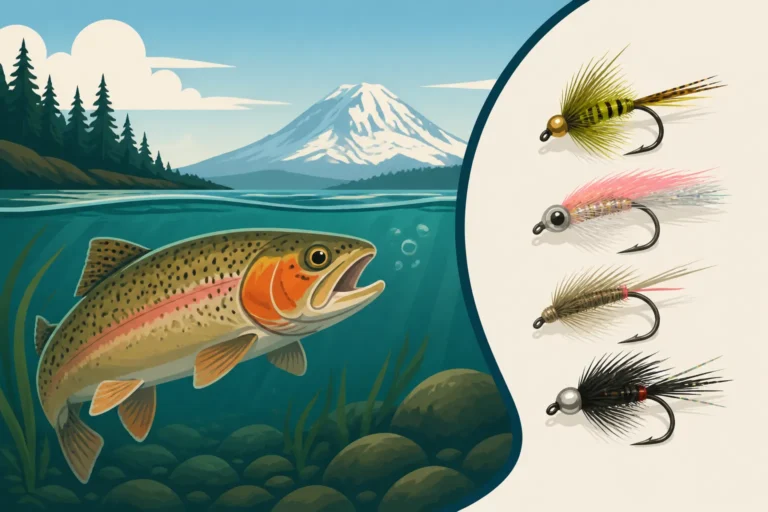
Terminal tackle includes a variety of flashers, dodgers, leaders (often 25-50 lb fluorocarbon), and an assortment of hooks for rigging bait. Lures like spoons (e.g., Silver Horde Coho Killers, Coyote Spoons) and artificial squid are also popular. Don't forget a large, sturdy landing net, a quality pair of pliers for hook removal, and a sturdy cooler for your catch. Many of these items, from fishing line to specific lures, can be conveniently purchased from Amazon, often with a wider selection than local shops.
Staying Legal: Navigating Washington's Regulations
This can't be stressed enough: know the rules before you go. Washington's fishing regulations are complex and change frequently, especially for salmon. You need a current Washington fishing license for the appropriate type of water (saltwater, or a combination license). Additionally, a The Washington Catch Record Card and What It Requires is mandatory for recording salmon, steelhead, and halibut. Failure to properly fill out and return your catch card can result in fines and affect future fishing opportunities.
Regulations for Chinook often include specific size limits (minimum and sometimes maximum), daily bag limits, and often selective fisheries that only allow the retention of hatchery-marked (adipose fin-clipped) fish. Different marine areas might have different rules on the same day. It's easy to get confused, but ignorance is no defense. Always carry a copy of the current Reading the Washington Sport Fishing Regulations Pamphlet and check for emergency rule changes immediately before each trip.
Information is Power: Staying Up-to-Date
In the fast-paced world of Puget Sound salmon fishing, information is truly your best friend. Relying solely on last year's knowledge or outdated online forums can lead to missed opportunities or, worse, unintended violations. The WDFW website is the official source for all regulations, emergency rule changes, and harvest reports. They also have the Fish Washington app, which is an invaluable tool for on-the-go access to current rules.
Beyond official sources, local tackle shops like Outdoor Emporium or Swede's in Everett are goldmines of real-time information. The staff often have direct knowledge of what's biting, where, and what gear is working. Online fishing forums and local social media groups can also offer insights, but always cross-reference anything you hear with official WDFW rules. Make it a habit to check What to Check Before Every Washington Fishing Trip before you even leave the house. Being proactive in your information gathering will significantly improve your success and ensure you're fishing legally.
Disclaimer
Please note: Fishing regulations in Washington State are subject to frequent changes, including emergency closures and modifications to bag limits, seasons, and legal gear. The information provided in this guide is for general informational purposes only and may not reflect the most current regulations. Always consult the official Washington Department of Fish and Wildlife (WDFW) website or the current WDFW Sport Fishing Regulations pamphlet before heading out to fish. Failure to do so could result in fines or penalties.