Best Way to Jig Herring for Lingcod
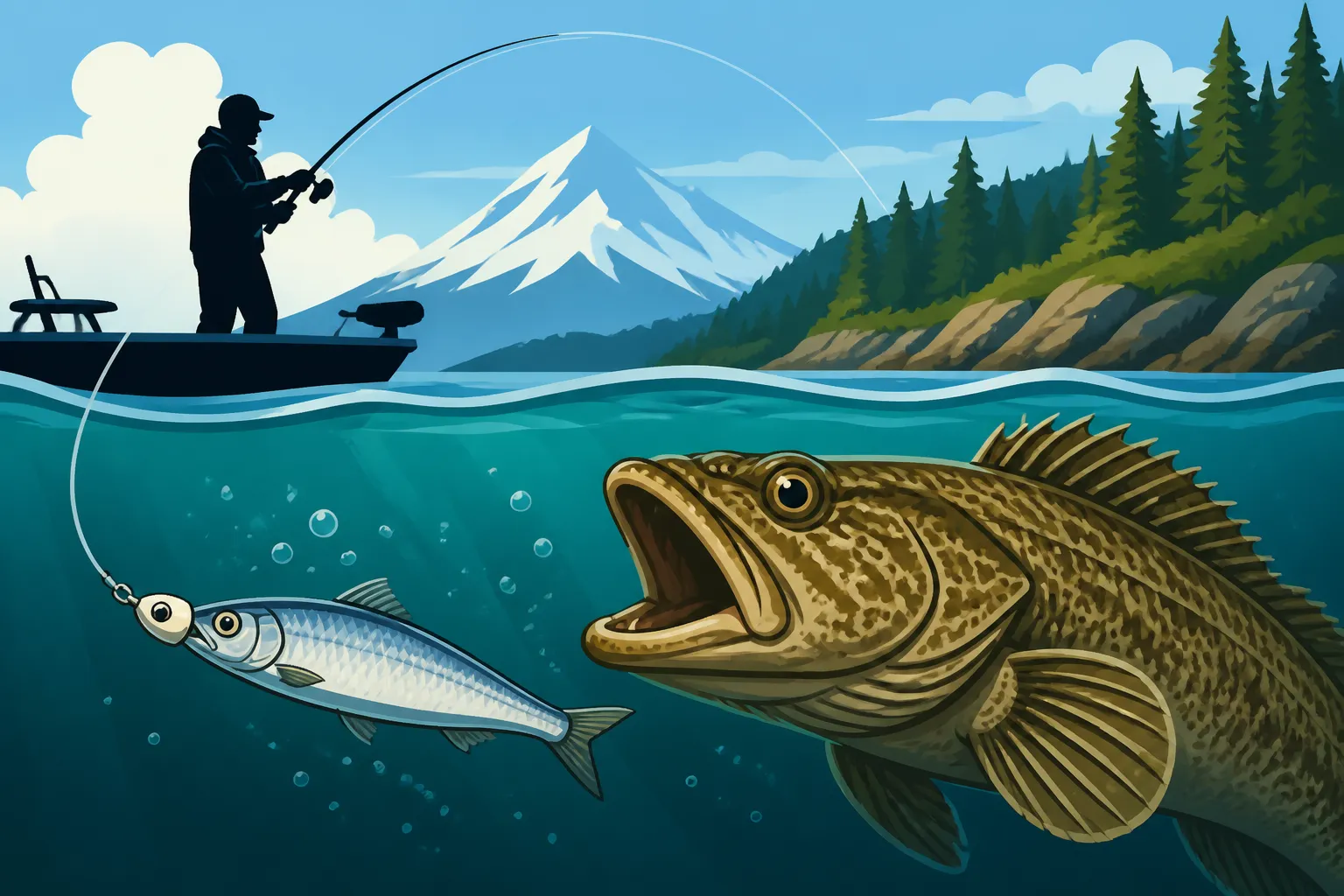
If you've ever spent a frustrating day on the water, watching your fish finder light up with promising marks but feeling no bites, you know the struggle of targeting elusive bottom-dwellers like lingcod. These toothy predators are a blast to catch, but coaxing them out of their rocky lairs requires the right approach. This guide is all about one of the most effective and exhilarating methods: jigging with herring, designed to help you turn those mysterious marks into memorable catches in Washington's abundant waters.
Understanding Lingcod Behavior and Habitat
Lingcod are fantastic game fish, known for their aggressive strikes and delicious white meat. But they're not just swimming around waiting to be caught; they're ambush predators with specific preferences for where they live and how they hunt. Knowing these preferences is half the battle won, giving you a significant edge before you even drop a line.
Preferred Lingcod Structure and Depth
Lingcod are the ultimate structure junkies. You'll almost always find them hunkered down on or near rocky reefs, ledges, submerged rock piles, kelp beds, and even artificial reefs like old tires or sunken boats. They love anything that offers them cover from currents and a perfect ambush point to dart out and grab unsuspecting prey. Think of them as the bouncers of the underwater world, holding tight to their prime spots.
In Washington, these prime spots can range from the jagged underwater topography of Puget Sound to the rugged offshore reefs along the coast near Westport or Sekiu. Typically, they prefer depths ranging from 30 to over 300 feet, depending on the time of year, available food, and specific location. During the spring spawning season, you might find them shallower, guarding their egg masses. As summer progresses, many move to deeper, cooler waters. Understanding Lingcod Identification and Where They Hide is critical for pinpointing these fish. They're not going to be out in the sandy flats unless there's a specific anomaly or a food source drawing them there. Your fish finder will be your best friend here, showing you the contours, humps, and bumps that scream "lingcod territory." Look for sharp drops, pinnacles, and areas where hard bottom meets soft.
Seasonal and Tidal Influences on Lingcod Activity
Just like any other fish, lingcod behavior is heavily influenced by the seasons and the tides. In Washington, spring (typically March through June) is often considered prime time, especially for shallower-water lingcod, as they are actively spawning or recuperating. This is when you might find some of the biggest fish moving into more accessible depths, particularly around areas like the San Juan Islands. However, good fishing can extend well into the summer and fall, moving to deeper water as conditions change. You can learn more about Washington Fishing Seasons: A Month-by-Month Guide to help plan your trips.
Tides play an enormous role when you're jigging for lingcod, particularly in areas with strong currents like Puget Sound passages or around exposed coastal structure. While a strong current can be challenging to fish, it's also what brings food to the lingcod, making them more active. The period around a tide change—slack tide—can be particularly productive. This brief window, usually an hour or so before and after the peak of high or low tide, often sees currents lessen, allowing for better jig control and making it easier for lingcod to move and hunt. However, lingcod are also opportunistic, and you might find them biting even in moderate currents if your presentation is right. Pay attention to local currents; fishing the lee side of a structure can offer a calmer presentation zone where lingcod are still actively feeding without fighting a heavy current.
Assembling Your Lingcod Jigging Arsenal
You wouldn't bring a butter knife to a sword fight, and you shouldn't bring ultralight tackle when you're targeting lingcod. These fish are powerful, often dwelling in snag-filled environments, and they have mouths full of sharp teeth. Having the right gear isn't just about catching them; it's about doing it efficiently and minimizing lost tackle and frustration.
Choosing the Right Rod, Reel, and Line Setup
When it comes to lingcod, think heavy-duty. You need a rod with a stout backbone to muscle these fish away from structure and enough sensitivity in the tip to detect subtle bites, which can sometimes be surprisingly light for such aggressive predators. A fast-action rod, typically 6'6" to 7'6" in length, rated for 40-80 lb line and capable of handling lure weights up to 10-16 ounces (or even more for deeper, faster currents), is ideal. Graphite composite rods offer a good balance of power and sensitivity. For reels, a high-quality conventional baitcasting reel or a robust spinning reel in the 6000-8000 size range, with a strong drag system and high line capacity, is essential. Brands like Penn, Shimano, or Daiwa offer excellent options that can stand up to the abuse.
For your main line, braided line is almost universally preferred for jigging lingcod. Its no-stretch property provides superior sensitivity, allowing you to feel every bump, rock, and most importantly, every bite, even in deep water. It also delivers incredibly powerful hooksets. Spool up with 50-80 lb braided line, depending on the size of fish you expect and the depth/current you'll be fishing. A heavier braid also helps prevent cut-offs on sharp rocks, though it's not foolproof. At the business end, you'll want to tie a fluorocarbon leader. Fluorocarbon is highly abrasion-resistant—a must-have when fishing around jagged rocks and those toothy lingcod mouths—and nearly invisible underwater. A 40-80 lb fluorocarbon leader, typically 3-6 feet long, connected to your braid with a strong knot like an FG or Alberto knot, is a reliable setup. Remember to check your leader often for nicks and abrasions; it's the weakest link in the chain if damaged.
Effective Jigs and Terminal Tackle for Lingcod
The jig is the heart of your presentation when targeting lingcod with herring. While the herring provides natural scent and appeal, the jig itself adds flash, vibration, and weight to get your bait down to the strike zone. Heavy metal jigs are very popular, often shaped like baitfish, and come in various weights (from 6 to 16 ounces or more) to match depth and current. Brands like P-Line, Gibbs, and Ahi USA make excellent jigs. You can find a wide selection of these on Amazon, ensuring you have different weights and colors for varying conditions. Soft plastic swimbaits, often rigged on heavy jig heads (e.g., lead heads from 4-12 oz with large, strong hooks), are also incredibly effective. These imitate common baitfish and offer a more natural profile and swimming action. Grubs, paddle tails, and curly tails ranging from 6 to 12 inches are common choices.
Beyond the main jig, your terminal tackle needs to be top-notch. Use heavy-duty snap swivels (rated for 100+ lbs) to connect your leader to your main line or to quickly change jigs. Some anglers prefer to tie their leader directly to a heavy-duty jig or to a three-way swivel if they're running a separate dropper leader for their herring. You'll also need strong, sharp hooks for your herring rig. Treble hooks are often used on the herring itself, or a combination of a large single hook through the nose and a stinger treble hook near the tail. Consider using octopus-style hooks for their wide gap and sharpness. Always make sure your hooks are corrosion-resistant and incredibly sharp, capable of penetrating a lingcod's tough mouth.
| Jig Type | Description | Pros | Cons |
|---|---|---|---|
| Metal Jigs | Heavy, slender jigs designed to sink fast and mimic fleeing baitfish. | Excellent for deep water, fast currents, good flash. | Can be less natural-looking, prone to snags on hard bottom. |
| Soft Plastics | Large swimbaits or grubs rigged on heavy jig heads. | Highly realistic action, good vibration, natural presentation. | Slower sink rate, plastics can be torn easily, less durable. |
| Marabou Jigs | Lead head jig with a feathered marabou skirt. | Very lifelike movement in water, great for subtle presentations. | Lighter, not ideal for very deep water or strong currents, less durable. |
Preparing and Rigging Herring as Bait
Fresh herring is king, but high-quality frozen herring can be a very close second, especially if you handle it right. When buying frozen herring, look for bait that's vacuum-sealed and has minimal freezer burn. Once thawed (slowly, in a cooler with salt water, is best), it should still be firm. If it's mushy, it won't stay on the hook or present well. When fresh, herring should be bright and firm with clear eyes. To toughen up your bait, some anglers brine their herring in a saltwater solution with a little borax or rock salt. This helps it resist tearing off the hook, especially during aggressive jigging or when pecked by smaller fish.
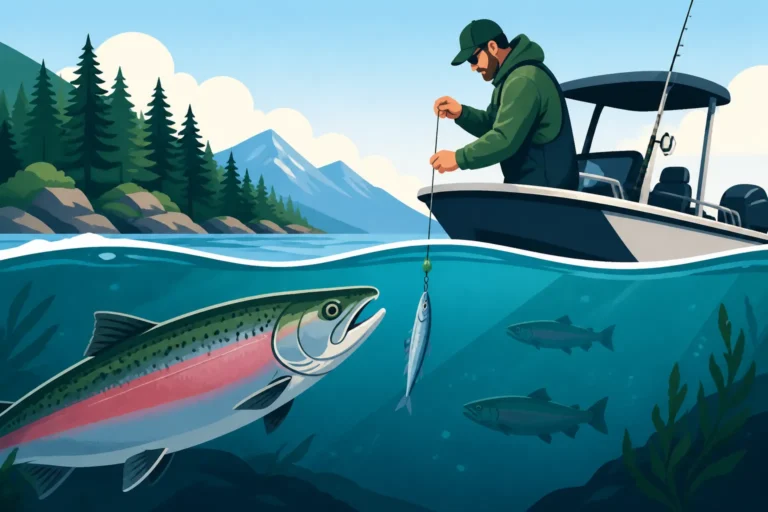
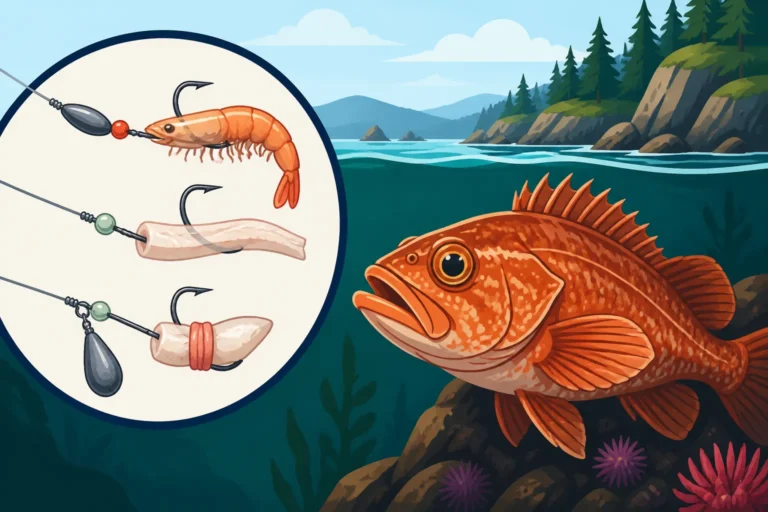
Rigging your herring properly is crucial for a natural presentation and solid hooksets. One common method is to use a "herring harness" or a simple leader with a large single hook through the nose or upper jaw, and then a stinger treble hook (or another single hook) further down the body near the tail. The goal is to ensure the herring hangs straight and has a natural swimming or fluttering action as you jig it. You want the hooks positioned where a lingcod is most likely to strike—often head or mid-body. Another popular method is to attach your herring directly to a heavy-duty jig, essentially tipping the jig. This works well with larger metal jigs or heavy lead heads. You can thread the hook of the jig through the herring's head or secure it with a couple of wraps of bait elastic. This adds scent and profile to your jig, making it irresistible. Remember, a lively, well-presented bait is often the difference between a bite and a blank.
Mastering the Art of Jigging Herring
Now that you've got your gear dialed in, it's time to put theory into practice. Jigging for lingcod with herring isn't just about dropping a line; it's a dynamic, interactive technique that requires constant attention to detail and feel.
Locating Prime Lingcod Holds with Electronics
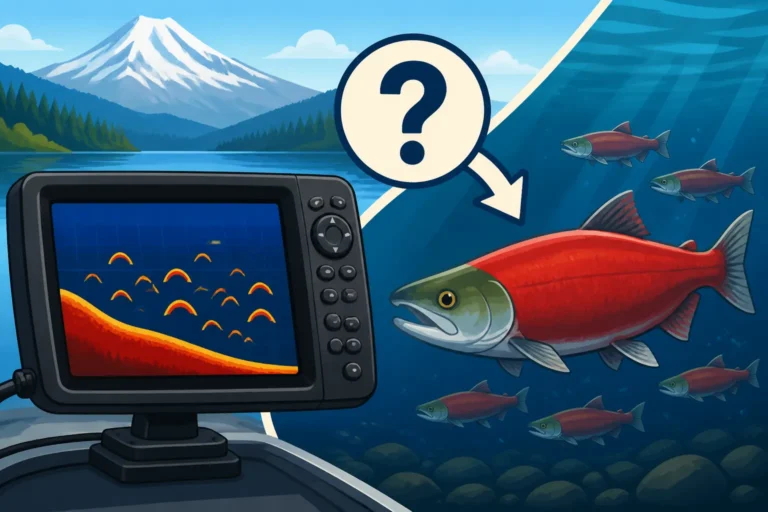
Your boat's electronics, specifically your fish finder and GPS, are indispensable tools for finding lingcod. Before you even deploy your herring, you should be actively searching for promising structure. Look for sharp ledges, pinnacles, rock piles, or even wrecks that show up as distinct formations on your sonar screen. Lingcod often appear as dense, elongated marks close to the bottom or tucked right into the structure itself. Don't just motor over a spot once; make several passes from different directions to get a complete picture of the underwater terrain.
Once you identify a promising area, mark it on your GPS. This allows you to drift over the same productive zone repeatedly or to return to it if you need to reposition. Pay attention to how the current is moving your boat, and plan your drifts accordingly to cover the most ground over the best structure. Some anglers even use side-scan sonar to locate structure and fish off to the sides of their boat, giving them a broader view of the hunting grounds. Remember, lingcod are ambush predators, so they won't be chasing your bait across open water. Your job is to bring the herring jig right to their doorstep. Check out Washington's Puget Sound Fishing Spots for Salmon and Bottomfish or Fishing the Columbia River in Washington: A Complete Overview for general areas known to hold bottomfish.
Executing the Drop, Drift, and Jigging Motion
Once you've located a promising spot and positioned your boat for a good drift, it's time to get your herring jig into the strike zone. The key is to drop your jig quickly and directly to the bottom. Free-spool your reel, keeping a thumb on the spool to prevent overruns, until you feel the jig hit the bottom. This immediate descent is crucial because lingcod are often very close to the structure, and you want to be in their face right away.
After hitting bottom, reel up a few feet, typically 2-10 feet, depending on how high off the structure you see fish or how tall the structure is. The general rule for lingcod is to stay close to the bottom, where they live. Now, the jigging motion begins. This isn't a one-size-fits-all technique; you'll need to experiment to see what the fish prefer on any given day. A common retrieve involves lifting the rod tip sharply (1-3 feet) and then letting the jig flutter back down on a semi-slack line. The fall is often when a lingcod will strike, as the herring appears injured or fleeing. Repeat this motion, occasionally letting the jig hit bottom again to ensure you're still in the strike zone as your boat drifts. Sometimes, a series of short, quick snaps is effective; other times, slow, deliberate lifts and longer pauses do the trick. The key is to impart action to the herring while keeping it in the fish's wheelhouse.
Identifying the Bite and Setting the Hook
Detecting a lingcod bite can range from a subtle tap, barely perceptible through the heavy tackle, to a rod-wrenching strike that nearly pulls the rod out of your hands. Often, it feels like a heavy weight or a snag as the fish inhales the bait and then holds onto it. With braided line, you'll feel more of these subtle indications. Pay close attention to any deviation from the normal feel of your jig. If your line goes slack suddenly, or you feel an unusual weight, that's often a bite.
When you feel a bite, don't hesitate. Lingcod have notoriously tough, bony mouths, so a powerful hookset is essential to drive the hook home. Reel down quickly to take up any slack, then give a strong, upward sweep of the rod. This isn't a gentle wrist flick; it's a full-body effort to ensure the hook penetrates. Once hooked, keep steady pressure on the fish. Lingcod will often try to dive back into the structure, so you need to keep them coming up and away from potential snags. Pump the rod and reel down, maintaining tension, until you bring the fish to the surface. It's exhilarating when you finally see that green, toothy head emerge from the depths!
Advanced Tips and Responsible Angling
Getting lingcod to bite your herring jig is a thrill, but there are always ways to refine your technique and, importantly, ensure you're fishing responsibly.
Enhancing Attractiveness and Avoiding Snags
To make your herring jig even more irresistible, consider scent. Adding a scent like Pro-Cure or Mike's Lard to your herring can significantly increase its appeal, especially in murky water or when fish are less aggressive. Many anglers apply scent directly to the herring, while others use scent-infused soft plastics as a trailer. The natural oil slick from the herring itself is a good start, but an extra boost can sometimes make the difference.
Snags are an inevitable part of lingcod fishing, given their preferred rocky habitat. However, there are strategies to minimize lost tackle. First, try to "read" the bottom using your fish finder. If you're drifting over an extremely jagged, high-relief area, you might lift your jig a bit higher off the bottom to avoid direct contact. Second, when you feel your jig touch bottom, immediately reel up a few feet. Don't drag your jig along the bottom. Third, when drifting, maintain a vertical presentation as much as possible. If your line is far behind the boat, you're more likely to snag. If the current is too strong to keep a vertical line, you might need to use heavier jigs or reposition. Sometimes, a simple trick is to try fishing with a "snag-resistant" jig, like a banana-style jig that's less likely to wedge into crevices. Having a good supply of jigs and leaders, perhaps purchased affordably from Amazon, is also just good practice.
Safe Handling and Conservation of Lingcod
Lingcod are fantastic eating fish, but they require careful handling due to their large, sharp teeth and powerful jaws. When you bring a lingcod to the boat, use a net or a large lip-gripping tool. Avoid grabbing them directly by the mouth unless you're wearing heavy-duty gloves and are very cautious. Their teeth can cause serious injury. If you plan to release the fish, handle it minimally and quickly. Gently remove the hook with pliers or a dehooking tool.
Conservation is paramount to ensure healthy lingcod populations for future generations. Be aware of Lingcod Limit in Washington and size restrictions in your specific fishing area. Lingcod are susceptible to barotrauma when brought up from deep water, especially 60 feet or more. This is when gases expand in their swim bladder, making it difficult for them to swim back down. If you're catching and releasing from deep water, consider using a descending device. These devices allow you to re-pressurize the fish by sending it back down to depth, increasing its chances of survival. Knowing Descending Devices for Rockfish and How to Use One can apply to lingcod too, as they are often caught in similar deep, rocky environments. Practicing responsible catch and release, especially for larger breeding females, helps maintain a robust fishery.
Disclaimer
Fishing regulations, seasons, and limits in Washington State can change frequently, sometimes on short notice due to emergency rule changes. While every effort has been made to provide accurate and up-to-date information, it is the angler's responsibility to consult the latest Washington Department of Fish and Wildlife (WDFW) regulations before heading out on the water. This guide is for informational purposes only and should not be considered a substitute for official WDFW publications.