Is It Illegal to Waste a Legally Caught Salmon?
There’s nothing quite like landing a beautiful salmon or a feisty steelhead on a Washington river or Puget Sound. That feeling of accomplishment, the promise of a delicious meal, it’s what draws many of us to the water. But what happens if something goes wrong, or if you simply can’t utilize every part of your catch? Many anglers worry about whether they’re breaking the law, or simply being unethical, if they can't make use of every last piece of a legally caught fish. This guide will walk you through Washington's regulations on wasting legally caught salmon and other game fish, explaining what "waste" truly means and how you can avoid any potential issues while enjoying your fishing adventures.
The Core Principle: Avoiding Waste in Washington Fishing
It’s an unspoken rule among many seasoned anglers, and in Washington State, it’s also a written one: you simply don’t waste your catch. This isn't just a friendly suggestion; it’s a deeply ingrained principle within the Washington Department of Fish and Wildlife (WDFW) regulations. The intention behind these rules is crystal clear: to promote conservation, ensure responsible use of our precious natural resources, and honor the life of the fish you've harvested. It’s about more than just keeping what you catch; it’s about making sure that what you do keep is utilized to its fullest potential, preventing unnecessary loss after the fish has been removed from the water.
What "Waste" Really Means According to WDFW
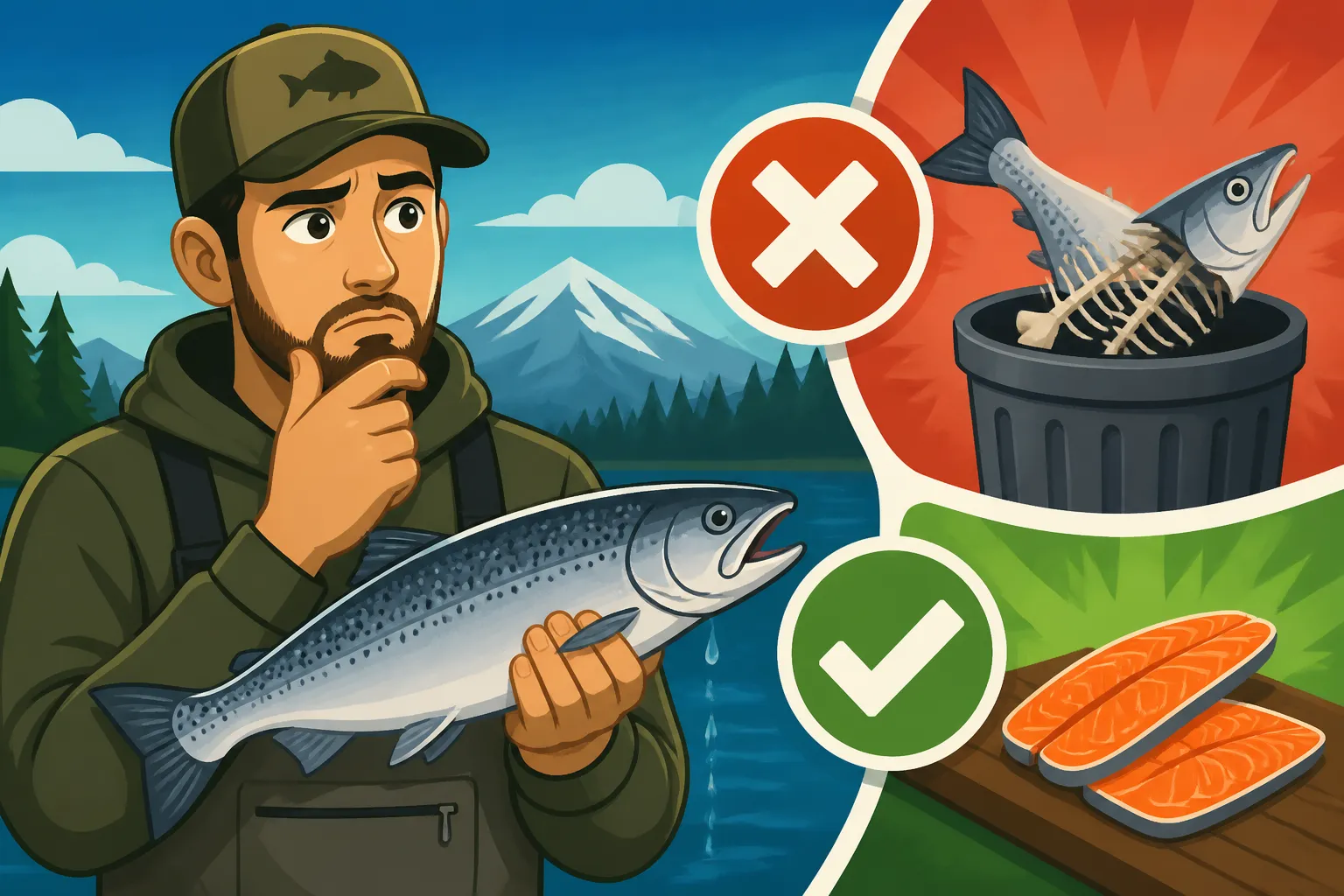
When WDFW talks about "waste," they're not just referring to throwing a whole fish back into the water after you've legally retained it. The legal definition of waste in Washington is surprisingly broad and encompasses any part of a food fish, shellfish, or game fish that is not used for human consumption or bait. This means that if you catch a salmon, for example, and only take the fillets, discarding the head, tail, and carcass when those parts could reasonably be used (even for crab bait or soup stock), you could be in violation. It’s about respecting the entire animal and ensuring that its life isn't taken in vain. The rule isn't meant to make you feel like you need to be a professional chef, but rather to encourage responsible stewardship.
Imagine you've landed a beautiful Chinook. You're thinking about the delicious fillets, but what about the rest? The bones can make incredible fish stock, the head can add flavor to a crab boil, and even some internal organs or trimmings can be used for bait. The spirit of the law is to make a reasonable effort to use all edible portions of the fish. This definition aims to prevent casual discarding of usable parts, ensuring that once an animal is harvested, its potential is maximized. Understanding this nuance is key to being a responsible angler in Washington.
Specific Edible Parts and Expectations
So, what exactly are these "edible portions" that the WDFW expects you to retain? Generally, this refers to the meat of the fish, but it can also extend to other parts depending on the species and reasonable usage. For salmon, this primarily means the fillets. However, savvy anglers often utilize the belly meat, collars, and even the roe (fish eggs) for consumption or bait. For other species like halibut or lingcod, it's again primarily the meat.
The expectation isn't that you must consume every single microscopic cell, but that you make a reasonable effort to process and retain the parts commonly considered edible. If you're filleting a salmon on the bank, for example, the WDFW expects you to take the fillets and not just discard the rest carelessly where it can attract scavengers or create an unsightly mess. Some anglers even keep the heads for smoking or making fish soup, and the frames (bones with some meat) are excellent for stock. The bottom line is to avoid discarding large, usable quantities of fish flesh or other valuable parts that could serve a purpose. This also ties into keeping proper records of your catch, which is vital for all retained species, as explained in articles like The Washington Catch Record Card and What It Requires.
The Ethical Angler's Perspective
Beyond the letter of the law, there's a strong ethical component to not wasting your catch. Many anglers feel a deep connection to the natural world and the fish they pursue. To waste a fish, in this context, is seen as disrespectful to the creature, to the resource, and to the angling tradition itself. It speaks to a broader philosophy of conservation and sustainability. When you harvest a fish, you're taking a life from the ecosystem, and with that comes a responsibility to honor that life by utilizing it fully.
Think about the effort these fish make, traveling sometimes hundreds or thousands of miles, just to reach their spawning grounds. To catch one and then treat it with anything less than full respect, including making sure every usable part contributes to sustenance or another purpose, goes against the grain for many of us. This ethical stance is what drives many anglers to learn proper cleaning techniques, invest in good coolers, and even experiment with recipes to make the most of less common cuts. It's a testament to the belief that every fish caught is a gift, and a gift should never be squandered. This mindset also makes it easier to understand regulations around Washington Fishing Regulations Every Angler Should Know which are designed to protect these precious resources.
Common Scenarios and Misunderstandings
Sometimes, despite our best intentions, situations arise that can make an angler wonder if they’re inadvertently "wasting" a fish. It's not always as straightforward as simply throwing a good fish in the trash. There are nuances, unforeseen events, and even intentional, but illegal, practices that can blur the lines. Understanding these scenarios can help you navigate the complexities and ensure you stay on the right side of the law and ethical angling practices.
Accidental Damage and Unforeseen Circumstances
Life on the water is unpredictable, and sometimes, a legally caught fish can get damaged or lost through no fault of your own. What if a seal snatches part of your fish right as you're netting it, or it slips overboard while you’re trying to bleed it? What if, in your excitement, you make a terrible cut while filleting and end up losing a lot of meat? WDFW officers typically understand that accidents happen. The key here is intent and reasonable effort.
If your fish is severely mangled by a marine mammal or bird immediately after you land it, and a significant portion is rendered inedible, you're generally not expected to keep the unusable parts. The same goes for a fish accidentally lost overboard due to a genuine mistake, not negligence or deliberate discarding. The law is looking for willful waste, not unavoidable misfortune. However, if you're consistently losing fish or damaging them severely due because you're unprepared or negligent, that could become an issue. It’s about demonstrating that you took every reasonable step to prevent waste and to utilize what was available. This also touches upon understanding How Bag and Possession Limits Work in Washington, as losing a fish might impact your legal limits for the day.
The Practice of High-Grading
One of the most clear-cut examples of illegal waste is "high-grading." This practice occurs when an angler catches a fish, legally retains it, but then later catches a larger or "better" fish of the same species and discards the first, smaller fish. The goal is to upgrade their catch to only keep the biggest or best specimens, even if the discarded fish was perfectly legal and edible. This is strictly prohibited by WDFW regulations and is considered a serious violation.
High-grading directly contradicts the principle of responsible harvest. Once a fish is legally retained and killed, it must be kept and counted towards your daily limit. You cannot just swap it out for a bigger one later. This is often an issue with salmon or halibut fishing where anglers are hoping for a "trophy" fish. To avoid any semblance of high-grading, once a fish is brought aboard and deemed legal for retention, it should be immediately dispatched and properly cared for. Trying to "improve" your catch by discarding a legal fish is a surefire way to run afoul of the law and face penalties, as detailed in Fines and Penalties for Common Fishing Violations.
Intent vs. Accident: Proving Waste
When a WDFW officer encounters a situation that might suggest waste, they typically look at the angler's intent. Was the waste accidental and unavoidable, or was it a result of negligence, carelessness, or a deliberate attempt to circumvent regulations? For instance, finding large quantities of fresh salmon fillets or whole fish carcasses discarded near a popular fishing spot without any reasonable explanation would raise a huge red flag.
However, if you can demonstrate that you made a good faith effort to utilize your catch – perhaps you attempted to fillet it but struggled, or the fish was genuinely damaged – an officer is usually more understanding. This is why being prepared with the right tools, like a sharp fillet knife and a good cooler, and understanding proper fish processing techniques, is so important. It shows respect for the resource and the law. Keep in mind that ignorance of the law is generally not an excuse, so educating yourself on topics like What to Do If You Catch More Than Your Limit by Accident is crucial for all anglers.
Practical Steps to Ensure You Don't Waste Your Catch
Becoming a responsible angler in Washington involves more than just knowing where and when to fish. It means adopting best practices for handling your catch from the moment it comes aboard until it’s on your plate. These practical steps not only help you comply with WDFW regulations but also ensure the best possible quality for your fish, enhancing your culinary experience and honoring the resource.
Proper Handling and Preservation Immediately After Catch
The moment a legally retained fish comes into your boat or onto the bank, its quality begins to degrade. To prevent waste and ensure the best flavor, immediate and proper handling is crucial. First, humanely dispatch the fish. A quick, firm blow to the head or a technique called "iki-jime" will minimize stress and improve meat quality. Next, bleed the fish immediately. This means cutting the gills or severing the main artery near the tail. Bleeding removes blood from the flesh, which significantly improves taste and extends shelf life.
After bleeding, gutting the fish quickly, especially in warmer weather, will prevent internal organs from spoiling the meat. Finally, get your fish on ice as soon as possible. A cooler filled with a good ice-to-water slurry (about 2 parts ice to 1 part water) will rapidly cool the fish down to a safe temperature. This process slows bacterial growth and keeps the flesh firm and fresh. Neglecting these steps can lead to spoiled fish, which then becomes "waste" because it's no longer fit for human consumption. Having a dedicated cooler just for your catch, perhaps a sturdy one you found on Amazon, is a non-negotiable part of responsible fishing.
Understanding Limits and Species Identification
One of the easiest ways to inadvertently "waste" a fish, or at least run into legal trouble, is by misidentifying a species or exceeding your bag limit. Washington's fishing regulations can be complex, with different limits and rules for various species, areas, and seasons. For example, knowing the Daily Limit for Chinook in Puget Sound or if Can You Keep a Wild Steelhead in Washington? is legal is paramount. If you catch a fish you cannot identify, or that you know is over your limit, it must be released immediately and carefully, unless it's a species like certain rockfish that don't survive release well and must be retained once caught, regardless of size or limit.
Keeping a fish you shouldn't have, and then having to discard it, can be seen as waste or an illegal act. Always carry a copy of the current WDFW Fishing Regulations pamphlet, either a physical copy or via the Fish Washington app, and review it before each trip. When in doubt about identification, it’s best to release the fish if the regulations permit. This proactive approach ensures you're only retaining legal fish and adhering to the guidelines, which also helps if you're transporting your catch, as covered in Transporting Your Catch Across State Lines Legally.
Gearing Up for Success: Tools and Techniques
Having the right tools at hand makes all the difference in preventing waste and ensuring your catch is properly handled. Beyond your rod and reel, consider these essentials:
- Reliable Cooler and Ice: As mentioned, a well-insulated cooler packed with ice is critical for preserving freshness. Don't skimp on ice; you'll need more than you think. You can find excellent options, from soft-sided models to rugged rotomolded coolers, on Amazon.
- Sharp Knife: A sharp fillet knife makes processing fish much easier and more efficient, reducing wasted meat from poor cuts. A good knife also promotes safer handling.
- Fish Bat or Priest: For quickly and humanely dispatching your catch.
- Gloves: Can help you handle slimy fish safely and maintain a good grip, preventing accidental drops.
- Measuring Device: Essential for ensuring your fish meets minimum or maximum size requirements.
- Vacuum Sealer: Once you get your fish home, a vacuum sealer (many great ones are available on Amazon) is invaluable for long-term preservation, extending the freezer life of your fillets by months and preventing freezer burn, thus preventing future waste. This is especially useful when considering How to Package Fish for the Flight Home or simply storing it at home with Records You Should Keep With Your Fish Fillets.
Mastering basic fish cleaning and filleting techniques also significantly reduces waste. There are countless videos and guides online demonstrating proper methods for various species. Taking the time to learn these skills will not only save you precious meat but also make the process more enjoyable and less daunting.
Preventing Waste: Legal Requirements vs. Best Practices
Here's a quick overview of what's legally required in Washington versus what's considered best practice to prevent waste and ensure a high-quality catch:
| Aspect | Legal Requirement (WDFW) | Best Practice (Ethical Angling) |
|---|---|---|
| Utilization | All edible portions of legally retained fish must be utilized. | Utilize as much of the fish as possible (meat, roe, frames, bait). |
| High-Grading | Strictly prohibited. Cannot discard a legal fish for a "better" one. | Keep first legal fish. Consider catch limits carefully. |
| Fish Identification | Accurately identify species to comply with specific rules. | Study identification guides; use apps to confirm species. |
| Bag Limits | Adhere strictly to daily and possession limits. | Plan your trip to avoid over-harvesting; know your limits. |
| Immediate Care | No explicit immediate care rules beyond utilization. | Humanely dispatch, bleed, gut, and ice fish immediately. |
| Transportation | Ensure fish can be identified by species/size if filleted. | Label fillets, keep records; see Records You Should Keep With Your Fish Fillets. |
| Gear | Adhere to gear rules (e.g., What a Bait Ban Actually Restricts in Washington). | Use appropriate gear to minimize injury to fish intended for release. |
| Storage | No specific storage method required, just non-wasteful use. | Vacuum seal and freeze for long-term freshness; consider portioning. |
The bottom line is that wasting a legally caught salmon or any other game fish is indeed illegal in Washington, and it goes against the core principles of responsible angling. By understanding what "waste" means, avoiding practices like high-grading, and implementing proper handling and preservation techniques, you can ensure that every fish you harvest is utilized respectfully and to its fullest potential. This not only keeps you in compliance with WDFW regulations but also upholds the integrity of our cherished fishing traditions in the beautiful Pacific Northwest.
Disclaimer
The information provided in this guide is for general informational purposes only and does not constitute legal advice. Fishing regulations in Washington State are subject to change. Always consult the most current Washington Department of Fish and Wildlife (WDFW) regulations pamphlet or their official website before engaging in any fishing activity.