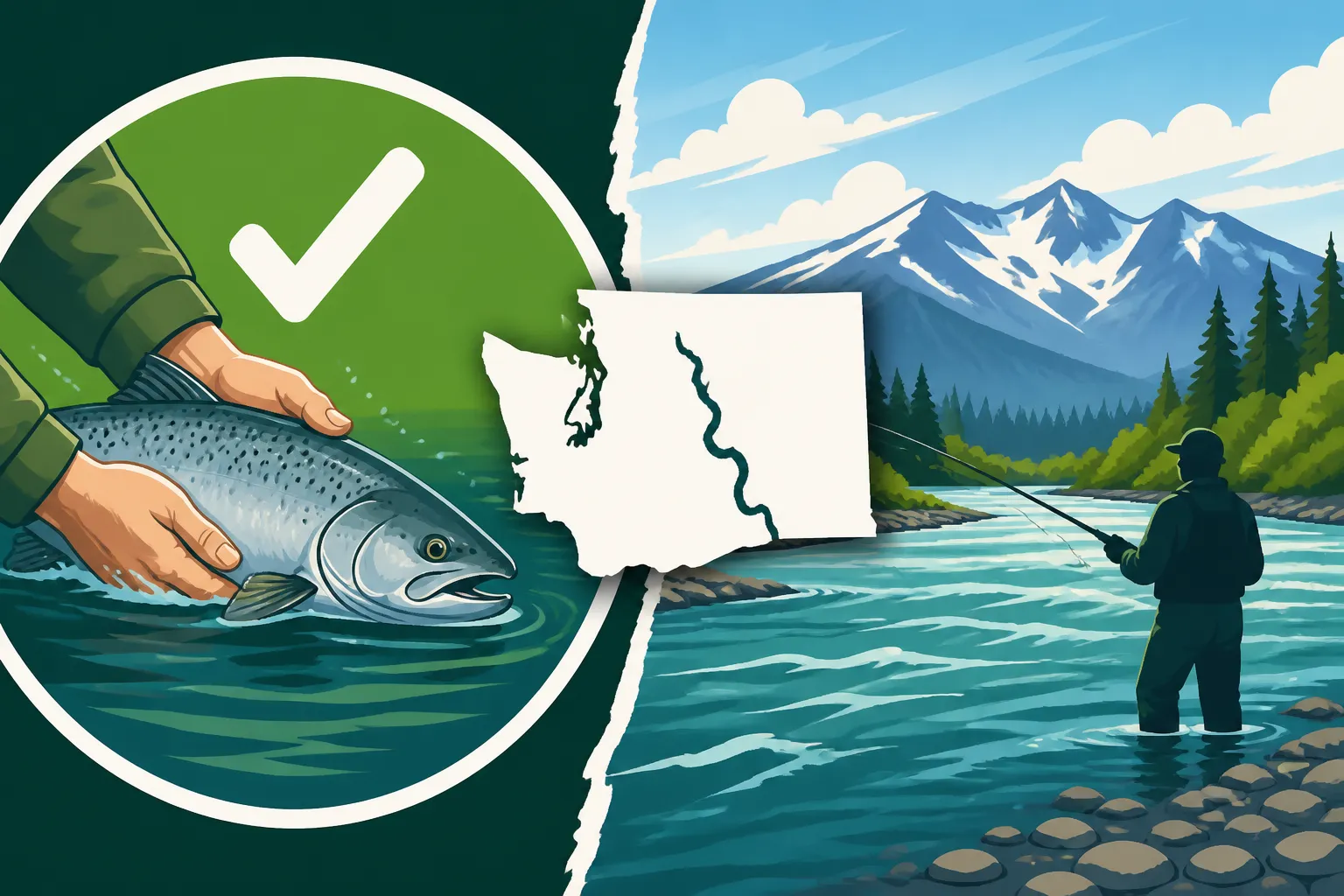
Is Catch-and-Release Only in Effect on the Skagit?
The ever-shifting landscape of Washington's fishing regulations can feel like trying to hit a moving target, especially when you're just trying to plan a relaxing day on the water. Many anglers find themselves constantly wondering about specific rivers like the Skagit, trying to nail down whether a prized catch can be kept or if it's strictly catch-and-release. This guide aims to clear up the confusion surrounding the Skagit River's regulations, particularly concerning catch-and-release rules, and equip you with the knowledge to fish responsibly and legally.
Decoding Current Skagit River Fishing Regulations
Navigating the Washington Department of Fish and Wildlife (WDFW) rules for a river like the Skagit can be a real headache. These regulations are far from static, changing frequently based on fish returns, conservation goals, and environmental factors. For the Skagit River, in particular, the focus is often on salmon and steelhead, and these species are frequently subject to closures or restrictive catch-and-release rules to protect wild populations.
The Dynamic Nature of Skagit Regulations
It's vital to understand that a blanket "catch-and-release only" status isn't always permanent. What might be true one season could be entirely different the next, or even mid-season due to emergency rule changes. Historically, the Skagit has seen periods of significant closures or catch-and-release mandates, especially for wild steelhead and certain salmon runs. The WDFW closely monitors these populations, and if returns are lower than expected, they'll implement measures to protect the fish, which often means prohibiting retention.
For instance, the Skagit River and its tributaries, including the Sauk and Suiattle, have often been designated as wild steelhead gene banks. This means they are managed specifically to protect and recover wild steelhead populations, leading to very stringent, often catch-and-release only, regulations for these iconic fish. Anglers often express frustration over these frequent changes, but they're put in place to ensure the long-term health of our fisheries.
To get the most up-to-date information, you must consult the official WDFW regulations. Don't rely on old pamphlets or hearsay from the bait shop. The official WDFW website or the MyWDFW App are your best friends for checking current conditions. You might be surprised at how quickly things can change, so making this check a routine part of your pre-fishing ritual is essential. For more detailed information on checking current rules, read our comprehensive guide on Where to Find Current Washington Fishing Rules.
Specific Species and Their Typical Status on the Skagit
While regulations fluctuate, some general patterns often apply to different species in the Skagit system:
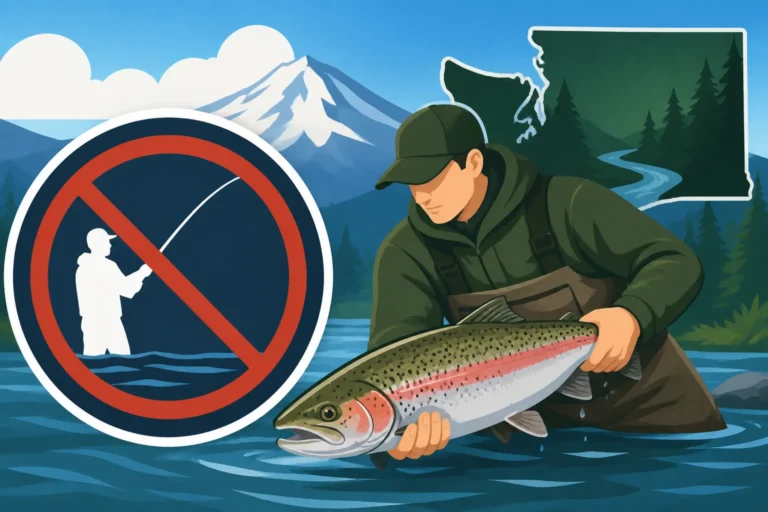
- Wild Steelhead: These are almost always, if not exclusively, catch-and-release on the Skagit. Due to significant conservation concerns and the river's status as a wild steelhead gene bank, keeping a wild steelhead is typically prohibited. If you accidentally hook one, careful handling and immediate release are paramount.
- Hatchery Steelhead: When hatchery steelhead are present and regulations allow for their retention, they will be clearly marked (usually with a clipped adipose fin). However, even for hatchery fish, seasons and retention limits can be highly restricted or closed altogether depending on the specific management objectives for that year.
- Salmon (Chinook, Coho, Pink, Chum): Salmon regulations on the Skagit can vary wildly. Some years might see limited retention opportunities for certain salmon species, while others are entirely catch-and-release or fully closed. Chinook (King) salmon, in particular, are often subject to strict management due to conservation concerns. Pink salmon, which run in odd years, sometimes have more liberal rules if returns are strong.
- Trout (Rainbow, Cutthroat): Resident trout in the Skagit system are generally managed with more stable regulations, but even these can have size restrictions or daily limits that vary. Always check the specific rules for the section of the river you intend to fish.
It's crucial to remember that these are typical patterns, not guarantees. The specific rules for Washington Sport Fishing Seasons and Emergency Closures will dictate what you can and cannot do on any given day.
Why Skagit River Regulations Change So Frequently
If you're an angler in Washington, you've likely experienced the frustration of checking regulations one week only to find them completely different the next. The Skagit River is no exception, and in fact, it's often at the forefront of these regulatory shifts due to its ecological importance and sensitive fish populations.
The Science Behind Conservation Decisions
The WDFW doesn't just change rules on a whim; there's a significant amount of science and data collection that goes into every decision. For the Skagit, this includes:
- Run Forecasts and Actual Returns: Before each season, WDFW biologists create forecasts for how many salmon and steelhead are expected to return to the river. Throughout the season, they monitor actual returns at fish counting facilities or through test fisheries. If actual returns fall short of the forecast, regulations may be tightened to ensure enough fish make it to the spawning grounds. This is a common reason for Emergency Rule Changes: Why Washington's Rules Shift Mid-Season.
- Wild vs. Hatchery Stock Health: The Skagit River is a critical habitat for wild fish, particularly wild steelhead. Protecting these genetically unique populations is a top priority. Regulations are often designed to minimize impacts on wild fish while sometimes allowing limited harvest of hatchery-produced fish.
- Environmental Factors: Water levels, temperature, and habitat conditions all play a role. Low water years can concentrate fish, making them more vulnerable, while high water can impact spawning success. Climate change also contributes to these complexities, further necessitating adaptive management.
- Treaty Rights: WDFW regulations must also account for tribal treaty fishing rights, which are often co-managed with various tribal nations. These rights are legally protected and play a significant role in determining available harvestable surpluses.
Understanding these factors can help demystify why a river like the Skagit might go from open to closed, or retention to catch-and-release, in what seems like the blink of an eye.
Impact of Habitat and Restoration Efforts
The Skagit River system, from its headwaters to Puget Sound, is a complex and dynamic ecosystem. Ongoing habitat restoration projects, dam removal efforts, and land-use practices all influence fish populations and, consequently, fishing regulations. For example, if a significant restoration project is underway to improve spawning habitat for a particular species, WDFW might implement more conservative fishing regulations to give those fish the best chance to benefit from the improved conditions.
Anglers on the Skagit are often passionate about the river's health, and these conservation efforts are a critical part of ensuring future generations can experience the thrill of fishing there. While it can be frustrating to see fishing opportunities curtailed, it's usually for the greater good of the resource. You can often find information about these ongoing efforts and their potential impact on future seasons in the WDFW's annual fishing prospects reports or during public meetings.
Best Practices for Catch-and-Release Fishing on the Skagit
Given the frequent catch-and-release mandates on the Skagit River, knowing how to properly release a fish is just as important as knowing how to catch one. Improper handling can cause significant stress or even death, undermining the conservation goals of catch-and-release regulations.
Essential Gear and Techniques for Responsible Release
To ensure the best survival rates for released fish, particularly sensitive species like wild steelhead and salmon, specific gear and techniques are highly recommended.
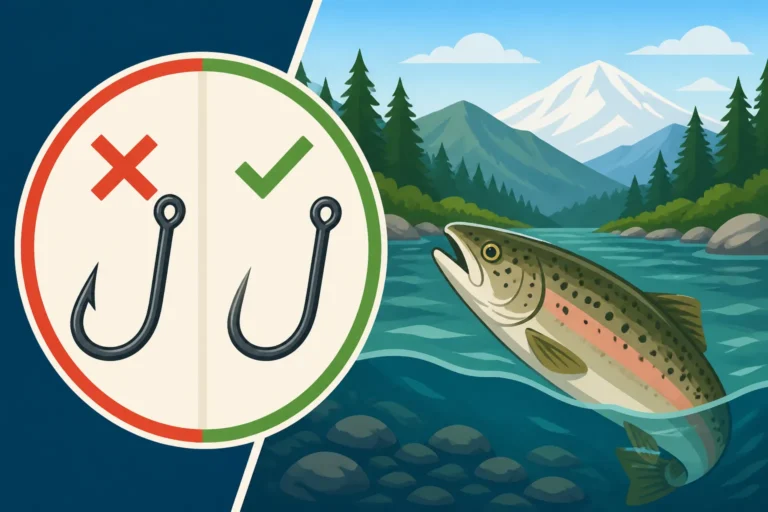
- Barbless Hooks: This is often a mandatory requirement on many Washington rivers, including sections of the Skagit, when fishing for certain species or during specific seasons. Even when not mandatory, using barbless hooks significantly reduces damage to the fish and makes unhooking much quicker and easier. You can buy hooks that are already barbless, or easily crimp down the barb on your existing hooks with a pair of pliers. Many anglers find specific barbless hooks for trout and salmon readily available through retailers like Amazon, ensuring you have the right gear for compliant and ethical fishing. Our guide on Barbless Hook Requirements on Washington Rivers offers more insights.
- Appropriate Rod and Line: Using tackle that is too light can prolong the fight, exhausting the fish to the point where it struggles to recover after release. While tempting to go ultralight, aim for a balanced setup that allows you to bring the fish in relatively quickly without overpowering it entirely.
- Landing Nets: A knotless, rubberized landing net is a game-changer. These nets protect the fish's slime coat (its first line of defense against disease) and fins much better than traditional knotted nylon nets. They also prevent hooks from getting tangled, making the unhooking process smoother.
- Hook Removal Tools: Forceps, needle-nose pliers, or specialized hook removers are essential. These tools allow you to quickly and safely remove hooks without excessive handling of the fish.
When you hook a fish, try to land it as quickly as possible to minimize stress. Keep the fish in the water as much as you can. If you need to bring it partially out for a quick photo, do so gently, supporting its body horizontally, and return it to the water immediately. Avoid dragging fish onto the bank or squeezing them, especially around the gills or belly.
The Art of a Successful Release
Releasing a fish isn't just about letting it go; it's about giving it the best chance to survive and thrive.
- Minimal Handling: The less you touch the fish, the better. Wet your hands before touching it if you must. The protective slime coat on a fish is vital for its health; dry hands or rough handling can strip it away, leaving the fish vulnerable to infection.
- Keep it in the Water: Whenever possible, unhook the fish while it's still in the water. This is especially important for larger or more sensitive species like steelhead. If the hook is deep or difficult to remove, it's often better to cut the line as close to the hook as possible rather than prolonging the struggle.
- Revive the Fish: After unhooking, hold the fish gently in the current, facing upstream, until it regains its strength and can swim away on its own. It might take a few minutes. Look for strong tail kicks and good equilibrium before letting go. If it's a cold day or the water is particularly warm, fish can take longer to recover.
- Know Your Limits: If you're consistently deep-hooking fish, consider adjusting your technique or bait choice. Sometimes, a quick set of the hook can prevent deep-hooking. If you notice a fish is severely injured and unlikely to survive, even after release, it’s a difficult situation. Always abide by the rules. Do not keep a fish that is legally catch-and-release, even if you believe it won't survive.
Practicing these responsible catch-and-release methods not only ensures you're compliant with regulations but also contributes directly to the health of the Skagit River's fisheries, allowing these incredible fish to continue their lifecycle.
Planning Your Skagit River Fishing Trip
A successful fishing trip on the Skagit, especially when dealing with dynamic regulations, requires careful planning and a commitment to staying informed. Don't let the complexity deter you; the rewards of fishing this beautiful river are well worth the effort.
Essential Resources for Anglers
Before you even pack your rod, make sure you're armed with the latest information.
- WDFW Regulation Pamphlet: While the online resources are most current, it's always a good idea to have a copy of the annual Reading the Washington Sport Fishing Regulations Pamphlet for general rules and maps.
- WDFW Emergency Rule Changes: Always check the WDFW's "Emergency Rules" page on their website right before you go. This is where you'll find the most immediate updates that supersede printed regulations. Many local tackle shops and guides also keep up-to-date and can offer advice, but always verify with official sources.
- Local Knowledge: Engaging with local fishing forums, guide services, or tackle shops in towns like Mount Vernon or Burlington can provide invaluable real-time insights into river conditions and fishing reports. Just remember to cross-reference their advice with official WDFW rules.
- Weather and River Conditions: Check stream gauges and weather forecasts. High, muddy water can make fishing impossible, while low, clear water might require different tactics. Websites like the USGS National Water Information System provide real-time river flow data.
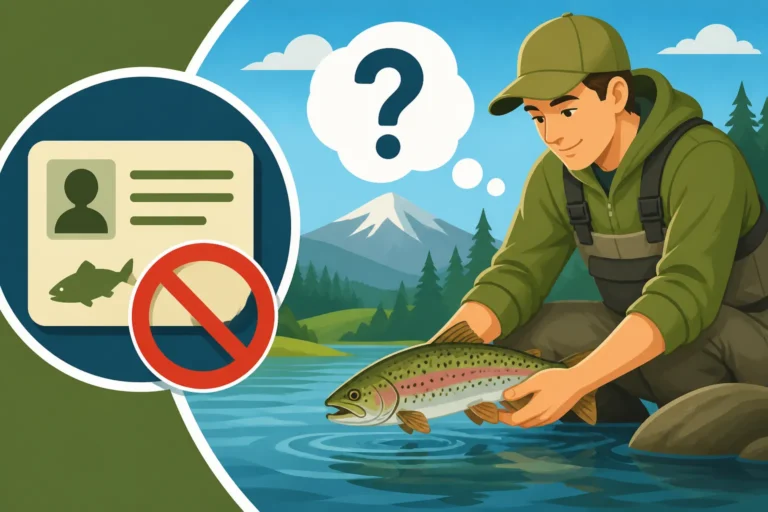
Being prepared with a Washington fishing license is also paramount. Our guide on Washington Fishing License Guide for Nonresidents has everything you need to know about securing your license.
Respecting the River and Its Rules
Fishing the Skagit River means being a steward of its resources. This means more than just following catch-and-release guidelines; it means understanding and respecting all aspects of Washington Fishing Regulations Every Angler Should Know.
- Know Your Area: Some sections of the Skagit might have different rules than others, or even specific closures. Always know the exact boundaries of where you're fishing.
- Pack It In, Pack It Out: Leave no trace. Take all your trash with you, and even pick up any litter you find.
- Respect Private Property: Much of the riverfront is private land. Know where public access points are and always respect "no trespassing" signs.
- Be Mindful of Others: The Skagit can be a popular river. Give other anglers space, especially if they are fishing a specific run or drift.
By staying informed and adhering to responsible fishing practices, you can enjoy the beauty and bounty of the Skagit River while contributing to its long-term health. It's a challenging but deeply rewarding fishery that deserves our utmost respect and care.
| Skagit River Catch-and-Release Best Practices | Why It Matters | Recommended Gear/Technique |
|---|---|---|
| Use Barbless Hooks | Minimizes tissue damage, speeds unhooking. | Crimped barbs, specialized C&R hooks (e.g., those found on Amazon) |
| Wet Hands Thoroughly | Protects fish's vital slime coat. | Carry a small towel to wet hands. |
| Keep Fish in Water | Reduces stress, aids gill function, prevents injury. | Knotless rubber net, long-nosed pliers/forceps. |
| Minimize Handling Time | Less time out of water increases survival. | Prepare hook removal tools beforehand. |
| Support Fish Horizontally | Protects internal organs and spine. | Cradle with wet hands, don't hold by jaw or tail only. |
| Revive Fish Gently | Ensures full recovery before release. | Hold in current, release when strong kicks occur. |
| Use Appropriate Tackle | Avoids excessively long fights. | Balanced rod and reel for target species. |
Disclaimer
Fishing regulations are subject to change without notice by the Washington Department of Fish and Wildlife (WDFW). This article provides general information and best practices based on common regulatory patterns and historical data. It is the sole responsibility of each angler to check and understand the most current and specific regulations for the body of water they intend to fish before heading out. Always refer to the official WDFW website or regulatory pamphlets for the latest information.