Where Fly Anglers Fish the Yakima River
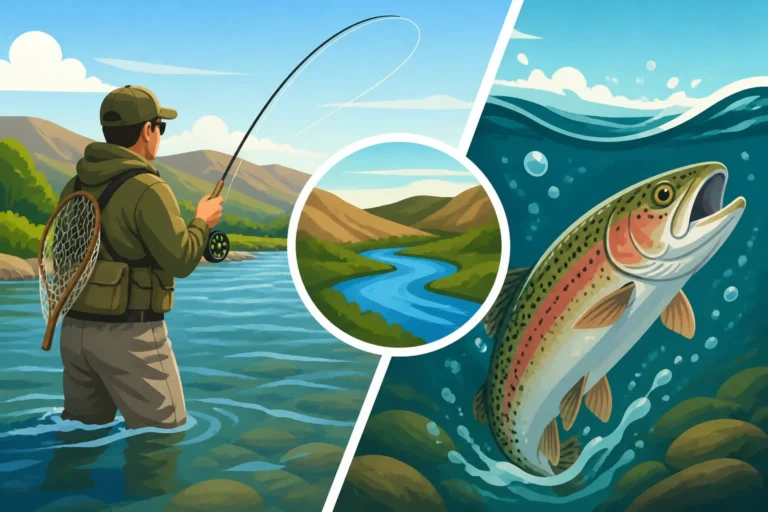
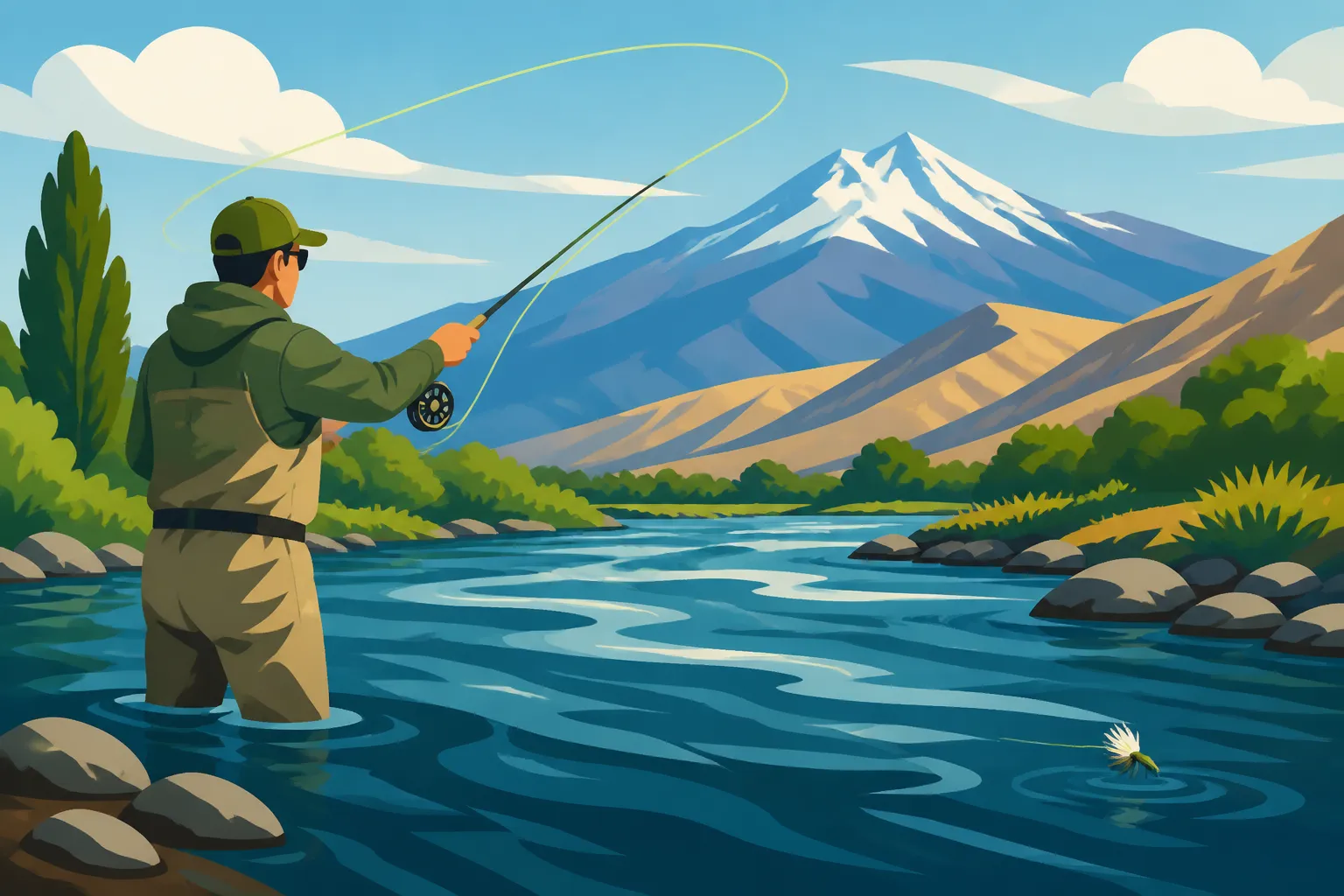
For fly anglers in Washington, figuring out exactly where to cast a line on the sprawling Yakima River can feel a bit overwhelming. This incredible river, known for its prolific wild trout fishery, offers so many different stretches and access points that it's easy to wonder which section is best suited for your fly fishing adventure. This comprehensive guide will walk you through the prime fly fishing zones of the Yakima River, detail access points, suggest effective techniques, and highlight crucial regulations, ensuring you're well-prepared for a successful day on the water.
Why the Yakima River is a Fly Angler's Paradise
The Yakima River stands out as Washington's only Blue Ribbon trout stream, a designation it truly earns. It's not just another river; it's a living classroom for fly anglers, offering diverse conditions and abundant wild fish that challenge and reward in equal measure. This river system, stretching from the Cascades all the way to the Columbia River, provides an unparalleled fly fishing experience.
The Wild Trout Fishery: A True Gem
What truly sets the Yakima apart is its thriving population of wild rainbow trout and Westslope cutthroat trout. Unlike many rivers that rely heavily on hatchery stocking, the Yakima sustains itself through natural reproduction, a testament to its healthy ecosystem. These wild fish are typically feistier, more colorful, and incredibly rewarding to catch. You'll find a mix of sizes, from eager youngsters to respectable, hard-fighting adults, making every hook-up an exciting unknown. The health of this wild fishery means responsible angling practices, like strict catch-and-release in many areas, are paramount to its continued success. For many, the chance to connect with genuinely wild trout in such a pristine environment is the ultimate draw.
Year-Round Opportunities for Every Season
One of the greatest gifts the Yakima River offers is its fishability throughout the year. While some rivers might shut down or become unfishable during certain seasons, the Yakima provides opportunities almost continuously, adapting to the changing weather and water conditions.
- Spring (March-May): As runoff subsides and flows stabilize, spring brings prolific hatches of caddis and March browns, leading to incredible dry fly action. This is often considered one of the prime times to be on the river, especially from late April through May.
- Summer (June-August): Warmer temperatures mean fish are active, and terrestrial insects like grasshoppers and ants become crucial. Mornings and evenings are typically best, and fishing deeper runs or faster water can be productive during the heat of the day. You'll often find excellent nymphing opportunities, and some dry fly action continues.
- Fall (September-November): Many consider fall to be the absolute peak for trophy trout. Fish are bulking up before winter, and large hatches of Blue-Winged Olives (BWO's) and mahogany duns can bring fish to the surface with abandon. The cooler air and water temperatures revitalize the fish, and the vibrant autumn foliage along the banks creates a stunning backdrop.
- Winter (December-February): Don't dismiss the Yakima in winter! While dry fly action slows, proficient nymphing with stoneflies, eggs, and attractor patterns can yield some of the biggest fish of the year. The river often runs clear and cold, making stealth and precise presentations key, but the reward of a powerful winter rainbow is well worth the effort. Always check current river conditions and specific regulations for winter fishing, as some areas may have closures or special rules.
Key Fly Fishing Zones on the Yakima River
The Yakima River is a long and varied system, and understanding its different sections is crucial for any fly angler. Each stretch presents unique characteristics, from the water's flow and depth to the available access and the primary holding lies for trout. Knowing these zones will help you pick the perfect spot for your skill level and desired experience.
Upper Yakima: Easton to Thorp
This upper stretch of the Yakima, starting below Lake Easton and extending down past Cle Elum and Ellensburg towards Thorp, offers a mix of conditions that can be incredibly rewarding. The river here is generally smaller and more intimate than its lower sections, characterized by a more classic freestone river feel with distinct riffles, runs, and pools.
Many anglers find this area to be excellent for wading, particularly during lower flows. The gradient is a bit steeper in places, creating faster water and textbook holding lies for trout. Access can be found along Highway 970 and other county roads, with various pull-offs and public lands available. Because it's a bit further upstream and generally colder, especially in winter, it can sometimes fish differently than the famous Canyon stretch. This area is a fantastic option for those looking for a quieter experience and willing to explore.
Middle Yakima: Thorp to Canyon
As the Yakima flows past Thorp and approaches the entrance to the famous Canyon, it begins to gain size and character. This stretch is a transition zone, where the river widens, the flows can become more significant, and the classic meandering bends start to define the landscape. You'll find a mix of braided sections, deeper runs, and prominent gravel bars that offer excellent wading opportunities during lower water periods.
This area is often accessed through agricultural lands or specific public access points that dot the river. It's a great spot for both wading and floating, with many anglers putting in drift boats or rafts for a longer day on the water. The middle section holds a healthy population of trout, and can sometimes offer less crowded conditions than the high-traffic Canyon stretch, making it a local favorite for those in the know.
Yakima River Canyon: The Most Famous Stretch
Ah, the Yakima River Canyon. This is arguably the most celebrated and iconic fly fishing destination on the entire river, drawing anglers from all over the Pacific Northwest and beyond. The Canyon is a truly stunning section, where the river carves its way through towering basalt cliffs and rolling sagebrush hills, largely undisturbed by development.
This 27-mile stretch, running from roughly Ellensburg to Union Gap, is managed under special regulations to protect its wild trout. It's a prime destination for drift boat fishing, offering long, continuous floats with excellent access points for launching and taking out. While wading can be challenging due to the depth and flow in many areas, there are specific spots, especially at lower flows, where you can safely get in the water. The Canyon is renowned for consistent hatches, particularly during spring and fall, and the trout here are legendary for their strength and willingness to rise to a well-presented dry fly. If you're looking for that quintessential Yakima fly fishing experience, the Canyon is where many anglers focus their attention.
Lower Yakima: Union Gap to Columbia
Below the famous Canyon, the Yakima River undergoes another significant transformation. As it flows from Union Gap through agricultural valleys and more developed areas, the river widens considerably, becomes slower, and picks up more sediment. While not as heavily targeted by traditional fly anglers seeking wild trout, this lower section still holds fish and offers different opportunities.
Here, you'll find warmwater species like smallmouth bass and carp intermingling with trout, especially closer to the Canyon outflow. The fishing can be more challenging for trout due to increased turbidity and warmer water temperatures in summer, but persistent anglers can still find success, particularly in the cooler months or early mornings. This section is often more accessible by bank fishing in certain public parks or bridge crossings, and it's less common for dedicated fly fishing floats.
Access Points and Strategies for Each Section
Navigating the Yakima River effectively requires understanding not just where the fish are, but how to get to them and what methods work best. The type of access you choose – wading or floating – will largely dictate your strategy and the gear you'll need.
Wading vs. Floating: When and Where
The choice between wading and floating heavily depends on the river section and current conditions.
- Wading: The Upper Yakima (Easton to Thorp) and parts of the Middle Yakima (Thorp to Canyon) are generally more wade-friendly, especially during lower to moderate flows. Look for wide gravel bars, shallower riffles, and slower pocket water along the banks. Always wear appropriate wading gear, including studded boots for grip on slippery rocks, and use a wading staff for stability, especially when flows are up. Wading allows for a more intimate experience, letting you meticulously work specific seams and pockets. However, it limits the amount of water you can cover. Be mindful of private property signs and respect landowners' rights.
- Floating: The Yakima River Canyon is undoubtedly the prime floating section. Drift boats, rafts, and even pontoon boats are ideal for covering significant stretches of water, allowing anglers to target fish holding in deeper runs, across wide riffles, and under the basalt cliffs that are inaccessible from shore. While floating, anglers can fish from the boat or anchor up in productive spots to wade certain areas. If you're new to floating, consider hiring a guide or going with experienced friends, as river navigation requires skill and knowledge of potential hazards. For a truly immersive experience, many choose a multi-day float, camping at designated sites. You can find excellent guides listed on platforms like FishingBooker, which can connect you with local experts who know the Yakima inside and out.
Public Access and Boat Launches: Getting There
The good news is that the Washington Department of Fish and Wildlife (WDFW) and other agencies maintain numerous public access points and boat launches along the Yakima. Knowing these spots is key to planning your trip.
- Upper Yakima: Access points are often found near towns like Cle Elum and Ellensburg. Look for WDFW access sites, state parks, and county parks. Some popular spots include Ringer Loop, Big Creek, and the areas around Nelson's Bridge. These usually provide good bank access for wading or smaller boat launches suitable for drift boats or pontoon boats.
- Middle Yakima: Continuing downstream, you'll find access points around Thorp and before the Canyon. Red Bridge is a common put-in or take-out, and numerous informal pull-offs allow for exploration. Always check signage carefully to ensure you're on public land.
- Yakima River Canyon: This is where organized boat launches become crucial. Popular access points include Easton, Rosa, Helen, Roza, and the various WDFW sites within the Canyon itself. You'll often find fee-based launches and campgrounds that cater specifically to anglers. Before heading out, consulting the WDFW access site map or a detailed river map is highly recommended. For those looking for more specific information on different regions, resources like "Washington's Columbia River Salmon and Steelhead Endorsement, Explained" or "The Best Places to Fish in Washington State" can provide broader context.
- Lower Yakima: Public access in the lower sections can be found in town parks or specific WDFW sites around Union Gap and Yakima. These are generally less geared towards dedicated fly fishing but can offer opportunities for bank anglers.
Essential Gear and Techniques: What to Bring
Successfully fly fishing the Yakima requires specific gear and techniques tailored to its wild trout and varied conditions.
- Rods and Reels: A 5-weight or 6-weight fly rod, typically 9 to 10 feet long, is the workhorse for the Yakima. This size offers enough backbone to handle larger trout and cast a variety of flies, from small nymphs to heavier streamers. Pair it with a reliable reel that has a smooth drag and enough backing.
- Fly Line: A weight-forward floating line is standard. Depending on conditions, a sink-tip line might be useful for getting streamers or heavy nymphs down quickly in deeper, faster water.
- Leaders and Tippet: Bring a variety! For dry flies, a 9-foot tapered leader ending in 4x or 5x tippet is common. For nymphing, a shorter, stronger leader (7.5 feet, 3x or 4x) with an indicator section and fluorocarbon tippet (3x-5x) is effective. If you're fishing streamers, a 0x-2x tippet is usually sufficient. Remember, presentations for wild trout need to be precise, as discussed in topics like "Leader Length for Clear Water Steelhead in Washington".
- Flies: This is where the fun begins! The Yakima is a bug factory.
- Dry Flies: Caddis patterns (Elk Hair Caddis, X-Caddis), Mayfly patterns (Parachute Adams, Blue-Winged Olive, Green Drake), Stonefly patterns (Pat's Stone, Stimulator), and Terrestrials (Grasshoppers, Ants, Beetles) are all crucial.
- Nymphs: Stonefly nymphs (Pat's Rubber Legs, Kaufmann's Stone), Mayfly nymphs (Pheasant Tail, Hare's Ear), Caddis larvae/pupae (LaFontaine's Sparkle Pupa, Prince Nymph), and attractor patterns (Squirmy Wormy, Perdigon) are highly effective. If you're looking for more advanced nymphing tactics, you might find "Nymphing for Trout on Washington's Yakima River" a useful resource.
- Streamers: Sculpins, Woolly Buggers (black, olive, brown), and other baitfish imitations can tempt larger trout, especially in off-peak hours or during high water.
- Indicators and Weights: Strike indicators (yarn, float, or even dry flies used as indicators) are essential for nymphing. A selection of split shot or tungsten putty will help you get your nymphs to the right depth.
- Wading Gear: Waders (chest waders are recommended), wading boots, and a wading staff are non-negotiable for safety and comfort.
- Other Essentials: Net, nippers, forceps, polarized sunglasses (critical for spotting fish and structure), hat, sunscreen, plenty of water, and snacks. Always carry a small first-aid kit.
Navigating Regulations and Seasons
Understanding and adhering to the specific fishing regulations for the Yakima River is not just about staying legal; it's about protecting this irreplaceable wild trout fishery for future generations. Washington's fishing rules, set by the WDFW, are designed to manage fish populations sustainably, and they can be quite detailed and change annually or even in-season.
Catch-and-Release Rules: Protecting the Wild Trout
The Yakima River, particularly the famous Canyon section and much of the upper and middle river, operates under special regulations primarily focused on catch-and-release for trout. This means that while you can enjoy the thrill of catching these magnificent wild fish, they must be released unharmed immediately.
- Barbless Hooks: In many trout-designated sections of the Yakima, barbless hooks are mandatory. The idea is simple: a barbless hook causes less damage to the fish's mouth, making for an easier and safer release. Even if not explicitly required, using barbless hooks is considered best practice for any catch-and-release fishery. Topics like "Barbless Hook Requirements on Washington Rivers" delve deeper into these crucial regulations.
- Handling Fish: When practicing catch-and-release, minimizing stress on the fish is paramount.
- Keep the fish in the water as much as possible.
- Handle fish with wet hands only, avoiding squeezing.
- Use a knotless, rubberized net to secure the fish briefly for unhooking and a quick photo if desired.
- Release the fish gently, allowing it to recover in the current before swimming away.
- Specifics to Check: Always consult the current Washington Sport Fishing Regulations pamphlet or the WDFW website before you go. Specific river sections might have different rules, including variations in allowed gear, bag limits for other species, or even temporary emergency closures, which can shift due to environmental conditions or fish counts.
Seasonal Considerations and Flows: The River's Mood Swings
The Yakima River is a dynamic system, and its flows can fluctuate significantly throughout the year, impacting both fish behavior and angler access. Understanding these seasonal changes is vital for a successful trip.
- Spring Runoff: Typically occurring in late spring (May-June), runoff from melting snow in the Cascades can swell the river, making it high, fast, and often turbid. During this period, fishing can be challenging but not impossible. Look for slower eddies, seams, and back channels where fish might hold out of the main current. Fishing larger, darker nymphs or streamers can be effective.
- Irrigation Season: The Yakima River is heavily managed for irrigation, particularly in summer. This can lead to significant flow manipulations. Sometimes flows are deliberately reduced for irrigation diversions, making the river lower and clearer, which can be excellent for wading but also makes fish warier. Other times, returns from irrigation can increase flows and turbidity in lower sections. It’s crucial to check real-time river flow data before your trip, often available from USGS gauges.
- Winter Conditions: In winter, flows are generally lower and clearer, and water temperatures are colder. While this means slower metabolism for trout, they still need to feed. This is an excellent time for nymphing deeper pools and runs with heavy patterns, and streamers can also be very effective. Ice can form along the banks in colder stretches, so exercise extreme caution.
- Emergency Rule Changes: It's not uncommon for the WDFW to implement emergency rule changes mid-season. These might occur due to critically low water levels, high water temperatures stressing fish, or unforeseen impacts on fish populations. Staying informed through the WDFW's website or signing up for their email alerts is the best way to avoid a wasted trip or an accidental violation. Understanding "Emergency Rule Changes: Why Washington's Rules Shift Mid-Season" can help you appreciate the reasons behind these vital adjustments.
The Yakima offers a rich and rewarding experience for fly anglers willing to learn its nuances. By understanding its sections, access points, techniques, and regulations, you're set for an unforgettable journey on Washington's premier fly fishing river.
Yakima River Fly Fishing Zones and Characteristics
| Zone | Primary Characteristics | Best Access Type | Key Fly Types (General) | Notes |
|---|---|---|---|---|
| Upper Yakima | Smaller, freestone feel, steeper gradient, clear water | Wading | Caddis, Stoneflies, Mayflies (Nymphs/Dries) | More intimate, can be less crowded, good exploring |
| Middle Yakima | Wider, varied runs/riffles, transition zone | Wading, Floating | Caddis, Mayflies, Terrestrials (Nymphs/Dries) | Mix of conditions, good for both approaches, often productive |
| Yakima River Canyon | Iconic basalt cliffs, deep runs, consistent hatches | Floating | All major hatches (Nymphs/Dries), Streamers | Blue Ribbon fishery, catch-and-release focus, very popular |
| Lower Yakima | Wide, slower, warmer, more turbid, agricultural | Bank (limited) | Warmwater patterns, larger nymphs (seasonal) | More smallmouth bass/carp, tougher trout fishing in summer |
Disclaimer
Please remember that fishing regulations and river conditions can change rapidly. Always consult the official Washington Department of Fish and Wildlife (WDFW) regulations pamphlet or their website before heading out on any fishing trip to ensure you have the most up-to-date information on seasons, limits, and specific rules for your chosen fishing area. Your safety and adherence to regulations are your responsibility.