Why Is Chum Salmon Called Dog Salmon?
It's funny how a fish can get a nickname that sounds a bit… less than flattering, isn't it? Many anglers, especially those new to our beautiful Washington waters, often hear "dog salmon" and immediately wonder if it's some kind of lesser fish, or what on earth it means. This guide is here to unravel the mystery behind why Chum Salmon are so often called Dog Salmon, shedding light on their unique characteristics, ecological importance, and how they actually stack up when it comes to fishing and even eating.
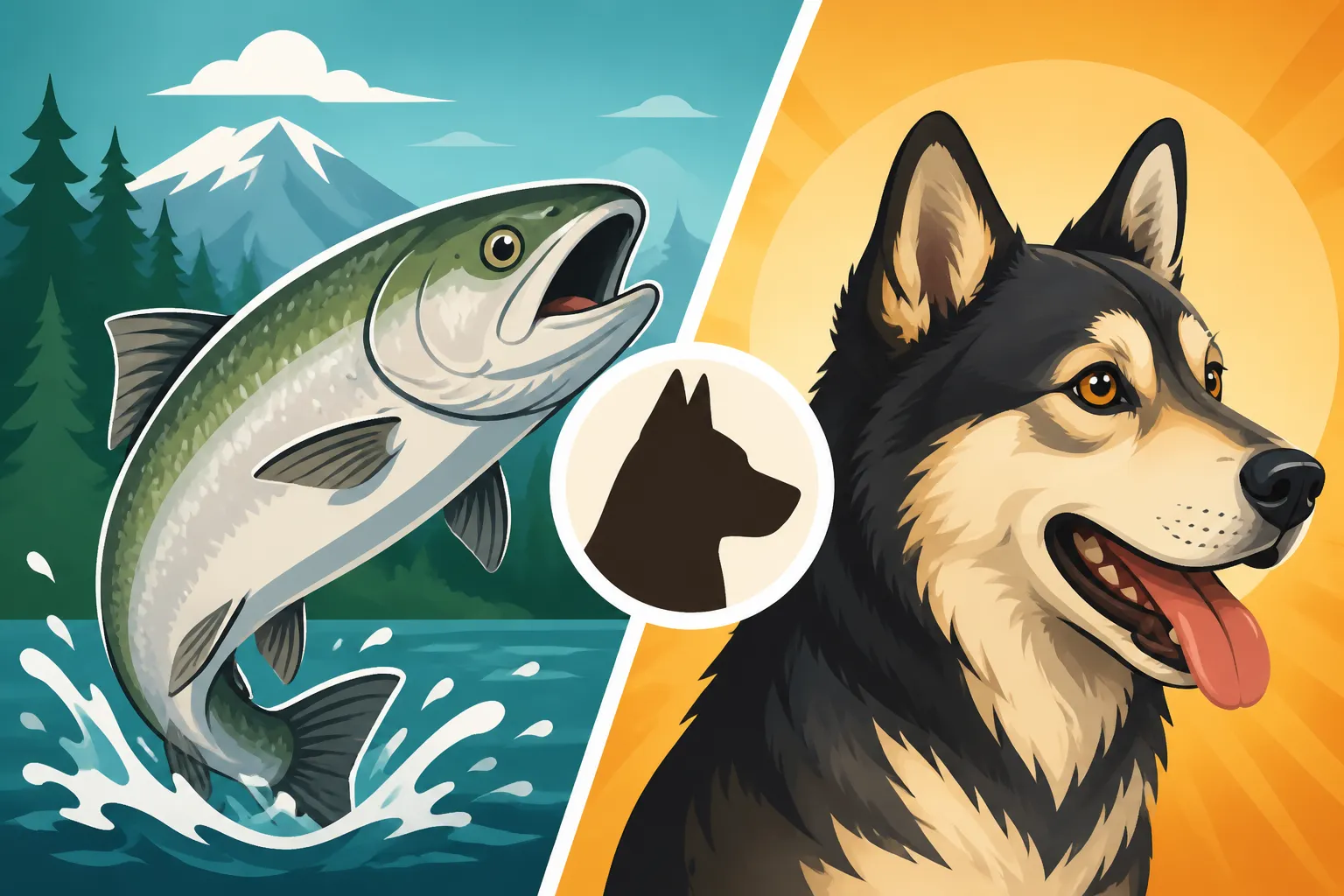
The Origins of the "Dog Salmon" Nickname
The moniker "Dog Salmon" for Chum Salmon is one of those old terms that has stuck around for generations, and for many, it carries a slightly negative connotation. But like most things in nature, there's a fascinating, if not a little rugged, reason behind it. It's not about them being 'bad' fish, but rather a reflection of their distinct physical changes as they prepare for the ultimate journey of their lives: spawning.
The Distinctive Appearance of Spawning Chums
If you've ever seen a fresh-from-the-ocean Chum Salmon, you know they are beautiful, silvery fish, much like their Chinook or Coho cousins. They're streamlined, powerful, and look every bit the prize catch. However, once these incredible fish enter freshwater and begin their upstream migration to spawn, they undergo a truly dramatic transformation. Their bodies change shape, their colors intensify, and their mouths take on a very particular appearance, which is largely where the "dog" part comes in.
Male Chum Salmon, in particular, develop an extremely pronounced kype – a hooked snout formed by the lengthening and curving of their jaws. This kype is filled with large, canine-like teeth, which become incredibly prominent and intimidating. Their bodies also deepen, becoming more compressed laterally, and they develop striking vertical bars of mottled green, purple, and red, earning them another nickname: "Calico Salmon" or "Tiger Salmon" in some areas. Their skin thickens and becomes leathery, often covered in mucous. This fierce appearance, especially the teeth, is what historically led people to call them "dog salmon," likening their jaws to those of a dog, particularly when they're snapping and fighting for dominance on the spawning grounds. It's truly a sight to behold, a testament to the raw power and instinct of nature, but it's certainly a far cry from their sleek ocean-going look.
Historical Use and Indigenous Influence
The term "dog salmon" also has roots in the historical uses of these fish, particularly among Indigenous communities in the Pacific Northwest. While all salmon species were vital, Chum Salmon were often caught in abundance for their roe (eggs) and were historically dried or smoked for sustenance throughout the winter. Because their flesh can soften quickly after entering freshwater, and due to their sheer numbers, they were sometimes considered a more utilitarian fish, used extensively for dog food in some remote areas, especially when other salmon runs were less plentiful.
This practice, while perhaps sounding harsh to modern ears, was a practical approach to survival and resource management. When every part of an animal was valued, and food storage was critical, abundant Chum Salmon provided essential protein for working dogs that were indispensable for transportation and hunting. This historical context further cemented the "dog" part of their name, not necessarily as an insult to the fish itself, but as a descriptor of one of its practical applications in a bygone era. It's a reminder of the deep, intricate relationship between humans, animals, and the environment in our region's history. Understanding these historical connections helps us appreciate the full story behind the name.
Other Possible Explanations
While the fierce canine-like teeth of spawning males and the historical use as dog food are the primary and most widely accepted origins of the "dog salmon" nickname, a few other theories have occasionally surfaced. One less common idea suggests the name might stem from their tendency to congregate in dense schools at river mouths before heading upstream, almost like a "pack of dogs" waiting to enter the river. However, this explanation doesn't seem to hold as much historical or observational weight as the others.
Another, even more speculative, theory posits that perhaps their aggressive behavior on the spawning grounds—chasing, biting, and snapping at other salmon or even intruders—contributed to the "dog-like" descriptor. While spawning salmon are indeed territorial and aggressive, this behavior isn't exclusive to chums and is common among many salmon species vying for prime spawning real estate. Ultimately, the visual transformation of the male's jaws and the practical applications of their abundant runs remain the most compelling and widely accepted reasons for the enduring "dog salmon" label. It’s important to sift through these various stories to understand the nuanced cultural and natural history embedded in such a unique name.
Understanding Chum Salmon in Washington Waters
Beyond the colorful nickname, Chum Salmon are fascinating creatures with a crucial role in Washington's intricate aquatic ecosystems. Often overlooked in favor of their more celebrated Chinook and Coho cousins, Chums are actually incredibly resilient and often the most numerous salmon returning to many of our local rivers. Getting to know their life cycle, preferred habitats, and even their surprising culinary potential can totally change how you view these "dog salmon."
Life Cycle and Spawning Habits
Chum Salmon have a life cycle that mirrors many other Pacific salmon, but with some notable distinctions. They typically spend 3-5 years in the ocean, growing rapidly on a diet of small fish and invertebrates, before returning to their natal streams to spawn. Unlike some salmon, Chums often spawn relatively close to the ocean, sometimes just a few miles upstream from saltwater influence. This means they don't always need to undertake the epic, hundreds-of-miles migrations that some Chinook and Sockeye do.
When they enter freshwater, their focus is entirely on reproduction. They cease feeding, relying solely on their stored energy reserves. The males battle for dominance and access to females, displaying their impressive kypes and teeth as warnings to rivals. Females, in turn, diligently construct redds (nests) by digging depressions in the gravel with their tails, where they deposit their eggs. Fertilization occurs, and both parents guard the redd for a short time before dying, their decaying bodies providing vital nutrients for the stream ecosystem. The fry emerge in the spring, often heading directly to the estuary or ocean shortly after hatching, a quicker transition than some other salmon species. This rapid exit from freshwater makes the health of our estuaries absolutely critical for their survival. You can learn more about their journey and appearance in Chum Salmon Identification and Where They Run in Washington.
Where and When to Find Chums in Washington
Chum Salmon runs are a significant part of Washington's fall and early winter fishing seasons, especially in Puget Sound and its tributary rivers. While they might not get the same fanfare as the prized Chinook (King salmon) or the acrobatic Coho (Silver salmon), Chums offer a fantastic opportunity for anglers, often providing consistent action when other salmon runs are dwindling.
You'll find strong Chum runs in many Puget Sound rivers like the Skagit, Snohomish, Hood Canal rivers, and even smaller systems feeding directly into the Sound. They are also present in some coastal rivers. Generally, the bulk of the Chum run occurs from late September through November, sometimes extending into December in certain systems. This makes them a prime target for late-season salmon fishing. Unlike some salmon that are highly sensitive to water levels and clarity, Chums can often be found in relatively shallow water, even in smaller creeks, as they push upstream. This accessibility makes them a great option for bank anglers, not just those with boats. Checking local regulations and fishing reports is always crucial, as specific river openings and closures can vary. For a deeper dive into when these runs occur, check out When Chum Salmon Run in Washington Rivers.
Fishing for Chum Salmon: Techniques and Considerations
Fishing for Chum Salmon can be an absolute blast, as they are strong, aggressive fighters, especially when fresh from the saltwater. Many anglers find them to be underrated sport fish, providing a powerful tug on the line. While they do get a reputation for being "not as good to eat" as other salmon (a myth we'll debunk shortly), the thrill of the catch is undeniable.
Common techniques for Chums in Washington rivers include drift fishing with cured salmon roe, pink or chartreuse yarnies, or small jigs. Many anglers also find success casting brightly colored spoons or spinners in pink, chartreuse, or even purple. Fly fishing with large, gaudy pink or chartreuse flies can also be very effective. Since Chums are notoriously aggressive on the spawning grounds, they will often strike out of territoriality rather than hunger. The key is to present your lure or bait near their holding lies in slower, deeper pools, or along seams where the current is just right. Remember to check local regulations for specific gear rules, as some rivers may have bait restrictions or barbless hook requirements. Always be mindful of ethical angling practices, especially when fishing for spawning salmon. If you're new to river fishing, learning How to Plunk for Salmon on a Washington River can be a great starting point for targeting chums.
| Chum Salmon Characteristics | Ocean Phase (Fresh Run) | Spawning Phase (Freshwater) |
|---|---|---|
| Appearance | Silvery, iridescent blue-green back, few spots | Darker, mottled green/purple/red bars, kype (males), large teeth, leathery skin |
| Flesh Quality | Firm, orange-pink, good for eating, smoking, canning | Softer, paler, best for smoking or processing soon after catch |
| Behavior | Strong swimmers, actively feeding | Aggressive, territorial, focused on reproduction, cease feeding |
| Run Timing (WA) | Late September – November | Late September – December |
| Location | Coastal waters, Puget Sound, lower rivers | Upper estuaries, lower to mid-reaches of natal rivers |
Debunking Myths and Appreciating Chum Salmon
It’s truly a shame that the "Dog Salmon" nickname has sometimes led to Chum Salmon being unfairly labeled as a "trash fish" or inferior to other salmon species. This couldn't be further from the truth! While their appearance changes dramatically during spawning, and their culinary reputation has been tarnished, Chums are incredibly valuable, both on the dinner plate and in the ecosystem. It's time to set the record straight and give these magnificent fish the respect they deserve.
The Culinary Qualities of Chum Salmon
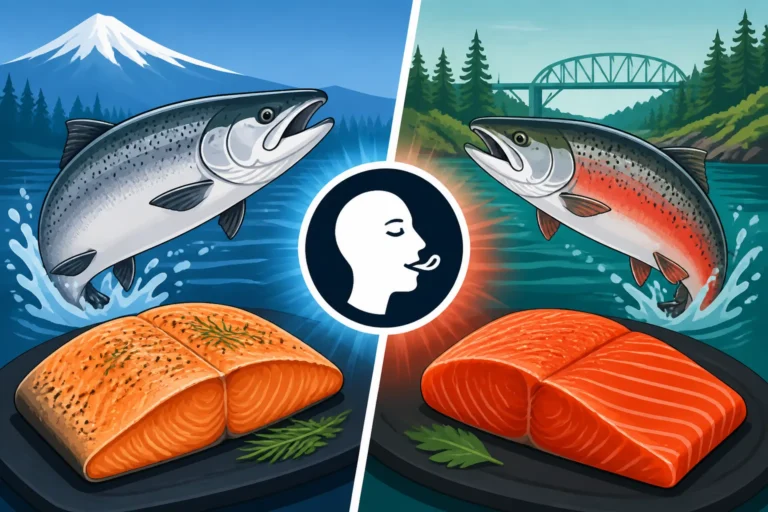
Let's tackle the biggest myth first: the idea that Chum Salmon aren't good to eat. This misconception largely comes from people judging them solely by their spawning-phase appearance and the softening of their flesh the longer they are in freshwater. The reality is that a fresh, ocean-caught Chum Salmon, often referred to as a "silverbright" or "green" chum, is absolutely delicious.
When caught in the saltwater or very low in the river system, before they've undergone significant spawning changes, their flesh is firm, has a beautiful orange-pink color, and a delicate flavor. It's leaner than Chinook but richer than some other white-fleshed fish, making it incredibly versatile. Fresh chums are fantastic grilled, baked, or pan-fried. They also have a lower fat content, which makes them excellent for smoking or canning – and historically, these were popular ways to preserve them. The roe of Chum Salmon is also highly prized globally, especially in Japanese cuisine, where it's known as ikura. So, if you're lucky enough to catch a bright, fresh Chum, don't let the nickname fool you. Treat it with the same care as any other salmon, and you'll be pleasantly surprised. You might even want to try some new recipes after checking out Is Chum Salmon Good to Eat?. You can even find specialized smoking spices and tools on Amazon to elevate your culinary experience.
Ecological Importance and Conservation Efforts
Beyond their table fare, Chum Salmon are ecological powerhouses. They play an indispensable role in the nutrient cycling of our river systems. Because they often spawn in large numbers and relatively low in the watershed, their decaying carcasses after spawning provide a massive influx of marine-derived nutrients to the freshwater ecosystem. This "salmon carcass subsidy" feeds everything from insects and aquatic invertebrates to bears, eagles, and even the young salmon themselves, which rely on these nutrients to grow strong before heading to the ocean. Without Chums, many river food webs would struggle.
Furthermore, Chum Salmon are often more resilient to certain environmental changes than other salmon species, due in part to their shorter freshwater residency as juveniles. This resilience makes them a vital component of salmon diversity and a buffer against wider ecosystem collapse. Their presence often indicates a healthy, functioning river system. Conservation efforts for Chums focus on protecting and restoring spawning habitat, ensuring clean water, and managing harvest sustainably. These efforts are crucial not just for Chum Salmon themselves, but for the entire web of life that depends on them. Knowing Washington Fishing Regulations Every Angler Should Know can help you fish responsibly and contribute to these conservation efforts.
Dispelling the "Trash Fish" Label
The "trash fish" label, often applied to Chums (and sadly, sometimes other species like Pikeminnow or Carp) by misinformed anglers, is not only inaccurate but also incredibly unfair. No native fish species is "trash." Every creature in an ecosystem has a role, and for Chum Salmon, that role is significant and multifaceted. This negative label often stems from a combination of their "dog salmon" appearance, the softening of their flesh in freshwater, and a general lack of understanding or appreciation compared to the more glamorous Chinook or Steelhead.
It's a shame because it can lead to disrespect for the resource, discouraging anglers from fishing for them or, worse, wasting fish that could be legally harvested and utilized. As we've discussed, fresh Chums are excellent table fare, and their ecological contribution is immense. By learning about their true value and fishing for them with respect, we can help change public perception. Let's embrace the unique qualities of Chum Salmon, celebrate their abundance, and appreciate them for the incredible creatures they are. If you're looking for gear to target these powerful fish, you'll find plenty of options on Amazon, from heavy-duty spinning rods to brightly colored jigs that Chums can't resist.
Disclaimer
This article is for general informational purposes only and does not constitute professional advice. Laws, prices and regulations vary by location and change over time. Consult a qualified professional for guidance on your specific situation.