Rainbow Trout Fishing in Washington
For so many anglers in Washington, the quest for rainbow trout is where it all begins, and for good reason! These beautiful, feisty fish are found in an incredible variety of waters across our state, offering something for every skill level and preference. But with so many lakes, rivers, and streams, and the ever-present question of what gear to use or what regulations apply, it can feel a bit overwhelming trying to figure out where to start. This comprehensive guide is here to demystify rainbow trout fishing in Washington, helping you gear up, find your spot, and enjoy the thrill of the catch.
Why Rainbow Trout Are So Popular in Washington
Rainbow trout hold a special place in the hearts of Washington anglers, and it’s not hard to see why. They're incredibly accessible, often stocked in community lakes, making them a fantastic target for beginners and families looking to introduce kids to the joys of fishing. Beyond their widespread availability, rainbow trout are just plain fun to catch. They put up a spirited fight, often leaping from the water, which adds an exciting dynamic to the experience.
The Appeal of Accessibility and Abundance
One of the biggest draws of rainbow trout fishing in Washington is its sheer accessibility. From serene high-mountain lakes requiring a hike to easily reachable urban ponds, there's almost always a rainbow trout fishery within a reasonable drive. The Washington Department of Fish and Wildlife (WDFW) does an amazing job stocking countless lakes and ponds throughout the year, especially in spring and fall, ensuring consistent opportunities. This means you don't always need a fancy boat or specialized gear to get started; often, a simple spinning rod, some bait, and a local park lake are all you need. This accessibility makes it a perfect entry point into the broader world of Washington Fishing License Guide for Nonresidents and understanding the diverse fish populations we have.
Think about those days when you just want to get out for a few hours without a major expedition. Rainbow trout lakes are perfect for that. You can often roll up to a local pond, find a spot on the bank, and be fishing within minutes. For families, this is a game-changer. It allows for spontaneous outings, shorter trips for shorter attention spans, and often leads to success, which is crucial for hooking young anglers on the sport.
The Thrill of the Fight
Despite their commonality, rainbow trout are far from boring. When hooked, they are known for their acrobatic displays and spirited runs. A healthy rainbow, even one of modest size, can peel line from a reel and put a satisfying bend in your rod. This fighting spirit makes them a blast to catch, whether you're using light spinning gear, fly-fishing tackle, or even a simple bobber and worm.
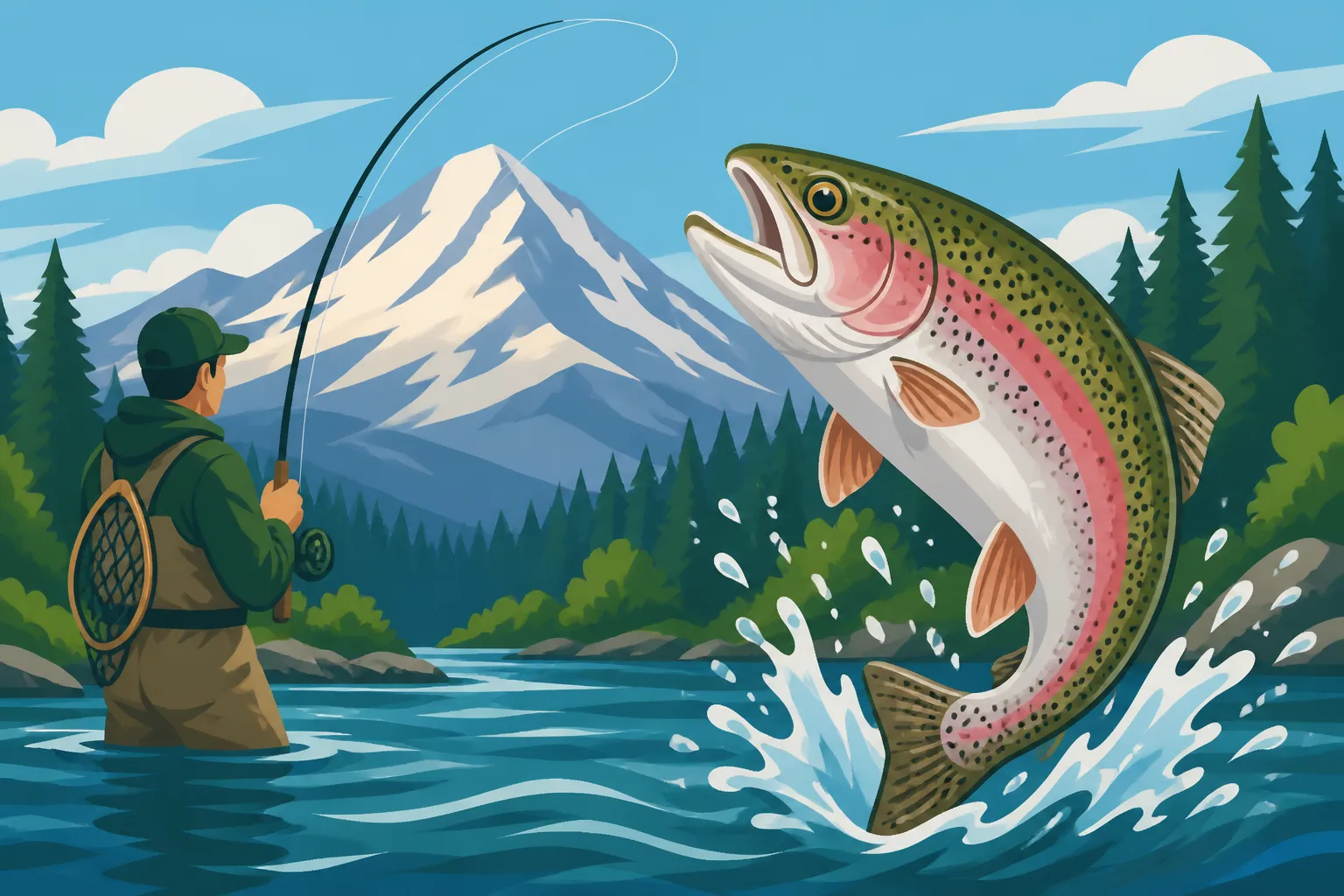
For many, the sight of a rainbow trout leaping out of the water after taking a fly or lure is one of the most exciting moments in fishing. It’s a rush that keeps people coming back, season after season. The resilience and beauty of these fish, with their iridescent stripes and speckled bodies, are truly captivating. Plus, they're often found in stunning natural settings, adding to the overall enjoyment of the experience.
Where to Find Rainbow Trout in Washington
Washington State is a paradise for rainbow trout anglers, offering an incredible diversity of habitats from bustling lowland lakes to remote alpine streams. Knowing where to look is half the battle, and each type of water presents its own unique challenges and rewards.
Lowland Lakes: The Stocked Hotbeds
Our lowland lakes are the bread and butter for many rainbow trout anglers, especially those looking for consistent action and easy access. The WDFW stocks these waters heavily throughout the year, turning them into prime destinations, particularly in spring for the popular "Opening Day" events and again in the fall. These lakes are typically well-maintained, often with public access points, boat launches, and even fishing docks.
You'll find these lakes scattered across both Western and Eastern Washington. Places like Lake Tapps, American Lake, and Spanaway Lake in Western Washington, or Newman Lake and Medical Lake in Eastern Washington, are just a few examples that receive regular plants of hatchery-reared rainbow trout. These fish are often eager to bite, making these spots ideal for beginners and families. Shore fishing is very productive in these areas, and small boats, kayaks, or float tubes can open up even more water. Understanding Washington's Annual, Short-Term and Combination License Options is key here, as you'll definitely want a freshwater endorsement.
High Mountain Lakes: Wilderness Gems
For the adventurous angler, Washington's high mountain lakes offer a completely different, and often more rewarding, rainbow trout experience. These lakes, nestled in the Cascades, Olympics, and other mountain ranges, are typically reached via hiking trails and often hold self-sustaining populations of wild rainbow trout, sometimes smaller but incredibly vibrant and hard-fighting. The fish here are often wilder, more wary, and demand a bit more skill to catch, but the pristine beauty of the surroundings makes every cast a joy.
While many of these lakes are remote, they are absolute gems. The trout in these waters have often adapted to sparser food sources, making them aggressive opportunists when a fly or lure presents itself. Backpacking in for a multi-day trip to fish several alpine lakes can be an unforgettable experience. Before heading out, always check the specific regulations for the area you plan to visit, as some wilderness lakes may have special rules regarding gear or catch limits. Fishing in these areas often requires understanding How Bag and Possession Limits Work in Washington.
Rivers and Streams: Wild and Wary
While stocked lakes get a lot of attention, many of Washington's rivers and streams also hold healthy populations of wild rainbow trout. These fish, often referred to as "redbands" in Eastern Washington, are true wild specimens, adapted to flowing water and exhibiting incredible strength and beauty. They typically feed on insects, small baitfish, and aquatic invertebrates, making them a favorite target for fly anglers.
Rivers like the Yakima, Spokane, and countless smaller tributaries in both eastern and western parts of the state offer fantastic opportunities for river trout fishing. These environments demand different techniques than lake fishing – often involving drift fishing with bait or nymphs, or casting spinners and small spoons. The fish can be incredibly wary, especially in clear, low-water conditions, so stealth and presentation are paramount. Always check the local regulations for specific river sections, as some might be fly-fishing-only, have specific catch-and-release rules, or seasonal closures to protect spawning fish.
Understanding Different Types of Rainbow Trout in Washington
It might surprise you to learn that not all rainbow trout are created equal, especially when you're fishing in a state as diverse as Washington. From the hatchery-raised "stockers" that populate our lowland lakes to the elusive wild specimens in remote rivers, understanding the different types can greatly inform your fishing approach.
Hatchery-Raised Trout: The Eager Biters
The vast majority of rainbow trout you'll encounter in Washington's lowland lakes are hatchery-raised. These fish are bred in facilities like the WDFW hatcheries across the state, specifically for stocking purposes. They are generally planted at a catchable size, often ranging from 8 to 14 inches, and sometimes larger "trophy" trout are included to add to the excitement.
These fish are characterized by their relatively uniform size, often a blunter snout, and sometimes show signs of fin wear from their time in crowded hatchery raceways. Their biggest trait for anglers? They are typically less wary and more aggressive feeders, having been conditioned to artificial feeds. This makes them excellent targets for bait anglers using powerbait, worms, or corn, and they readily strike spinners and spoons. The goal of stocking these fish is to provide abundant, accessible fishing opportunities, and they certainly deliver on that front. You can often tell a hatchery fish by its clipped adipose fin, a small fleshy fin on its back, though not all stocked fish are clipped. These are often the fish you'll find in lakes mentioned in articles like Best Washington Lakes for Trout Fishing.
Wild Rainbow Trout: The Wily Warriors
In contrast to their hatchery cousins, wild rainbow trout are natural-born survivors. These fish are found in rivers, streams, and many high-mountain lakes where they reproduce naturally. They tend to be leaner, more streamlined, and display vibrant, often deeper coloration, including the characteristic iridescent pink or red stripe that gives them their name. Their fins are usually perfect, without the wear seen on hatchery fish.
Wild trout are incredibly intelligent and instinctively cautious. They've learned to evade predators and are far more selective in what they eat. This means catching them often requires more refined techniques, lighter lines, and careful presentation. Fly fishing with nymphs, dry flies, or streamers is a popular and effective method for these fish in rivers like the Yakima, where they thrive. For anglers seeking a challenge and a true wilderness experience, targeting wild rainbow trout is incredibly rewarding. They are a testament to the health of our aquatic ecosystems.
Triploid Rainbow Trout: The Sterilized Super-Sized
Washington also stocks a unique type of rainbow trout called triploids. As discussed in Triploid Rainbow Trout, Explained, these fish are essentially rainbow trout that have been genetically altered to have three sets of chromosomes instead of the usual two, rendering them sterile. Because they don't expend energy on reproduction, triploids often grow much larger and faster than regular hatchery or wild trout. They are frequently stocked in specific lakes as "trophy" fisheries, giving anglers the chance to hook a truly massive rainbow.
Triploids can reach impressive sizes, often exceeding 20 inches, and are known for their incredible fighting power. They are typically stocked in lakes that can support their growth and where the WDFW wants to create a special big-fish opportunity without the risk of them interbreeding with wild populations. While they are still hatchery-raised, their size and strength offer a different kind of thrill. They respond well to larger lures, spoons, and flies, as their appetite is often insatiable.
| Trout Type | Characteristics | Typical Habitat | Angling Difficulty |
|---|---|---|---|
| Hatchery-Raised | Often fin-clipped, blunt snout, eager feeders, uniform size | Lowland lakes, urban ponds, community fisheries | Beginner-Friendly |
| Wild | Pristine fins, vibrant color, streamlined, wary, selective eaters | Rivers, streams, remote high mountain lakes | Challenging, rewarding |
| Triploid | Sterile, grow very large, strong fighters, hatchery-raised | Designated "trophy" lakes | Moderate to Challenging (due to size/strength) |
Essential Gear for Washington Rainbow Trout Fishing
Heading out for rainbow trout in Washington doesn't require an arsenal of expensive equipment, but having the right tools for the job can make a world of difference. Whether you're a seasoned angler or just starting, selecting appropriate rods, reels, lines, and terminal tackle is crucial for success.
Rods and Reels for Versatility
For most rainbow trout scenarios in Washington, a light to medium-light action spinning rod between 6 and 7 feet long is a fantastic all-around choice. This length provides good casting distance from shore or a small boat, while the light action ensures you can feel subtle bites and enjoy the fight of even smaller fish. Pair this with a small spinning reel (size 1000-2500) spooled with 4-6 pound test monofilament or fluorocarbon line. This setup is incredibly versatile for various techniques, from casting lures to still fishing with bait.
If you're leaning towards fly fishing, a 4-weight or 5-weight fly rod, 8.5 to 9 feet long, is ideal for most trout streams and lakes. This will handle everything from delicate dry fly presentations to casting streamers. A matching reel and a weight-forward floating line are standard. For those looking to get serious about specific methods, a dedicated ultra-light rod for jigging or a longer, more sensitive rod for drift fishing in rivers might be considered. You can find a great selection of these on Amazon, often with helpful reviews from other anglers.
Line, Leaders, and Terminal Tackle
The line on your reel is your direct connection to the fish, so choosing wisely is important. As mentioned, 4-6 pound test monofilament is a solid choice for its stretch and knot strength. Fluorocarbon offers lower visibility and less stretch, which can be advantageous in clear water or when fishing with lures, but it's typically more expensive.
Beyond your main line, leaders are often essential. For still fishing, a simple 18-36 inch leader of lighter line (2-4 pound test) tied to a swivel can help reduce line twist and make your bait presentation more natural. For fly fishing, a tapered leader is standard, helping your fly turn over correctly.
Terminal tackle includes hooks, weights, and swivels. A variety of small hooks (sizes 8-14) are good to have, with bait holder hooks for worms and single-egg hooks for roe. Split shot weights are indispensable for getting your bait or lure down to the desired depth. Swivels are key for preventing line twist, especially when using spinners. It's always a good idea to have an assortment of these in a small tackle box; if you're building your kit, checking out tackle sets on Amazon can be a good starting point.
Baits and Lures That Work
Rainbow trout aren't overly picky, but certain baits and lures consistently produce results.
- Baits:
- PowerBait: This scented, moldable bait is a staple for hatchery trout in lakes. It comes in various colors and floats, allowing you to present it just off the bottom using a sliding sinker rig.
- Worms: Red wigglers and nightcrawlers are universally effective. They're natural, readily available, and fish find them irresistible.
- Corn: Believe it or not, canned corn is a surprisingly effective bait for stocked trout, especially when fished in clusters on a small hook.
- Salmon Eggs/Roe: Real or artificial salmon eggs are fantastic, particularly for river trout.
- Lures:
- Spinners: Classic inline spinners like Mepps, Rooster Tail, and Panther Martin are deadly for both lake and river trout. Their flashing blades and vibrating action mimic small baitfish or insects.
- Spoons: Small casting spoons (e.g., Kastmasters, Little Cleos) are excellent for covering water in lakes and rivers, imitating wounded baitfish.
- Jigs: Small marabou jigs or trout jigs can be incredibly effective, especially when fished under a bobber or slowly retrieved.
- Flies (for Fly Fishing):
- Nymphs: Patterns like Prince Nymph, Hare's Ear, Pheasant Tail, and Copper John are essential for subsurface feeding trout.
- Dry Flies: Caddis, Mayfly, and Terrestrial patterns (like ants or grasshoppers) can be explosive during surface hatches.
- Streamers: Woolly Buggers in various colors are versatile for imitating baitfish or leeches.
Having a selection of these options will ensure you're ready for whatever the trout are biting on that day. For a deep dive into specific methods, you might explore resources on How to Nymph for Trout on the Yakima or How to Fish a Dropper Rig for Trout.
Top Techniques for Catching Rainbow Trout
Rainbow trout are obliging biters, but the most successful anglers understand that different environments and fish behaviors call for different techniques. From the relaxed pace of still fishing to the dynamic art of fly casting, there's a method for every preference and situation.
Still Fishing from Shore or Boat
Still fishing is arguably the most common and accessible method for targeting rainbow trout, especially in lakes. It's perfect for beginners and those who enjoy a more relaxed pace. The premise is simple: cast your bait out, let it sink to the desired depth, and wait for a bite.
From shore, you'll typically use a sliding sinker rig. This involves threading a sliding weight (like an egg sinker or slip sinker) onto your main line, then tying on a small swivel, and finally attaching a leader (18-36 inches) to a small hook. This allows the fish to take the bait without feeling the resistance of the sinker. PowerBait, worms, or corn are prime choices. This method works exceptionally well in stocked lakes, where trout cruise at various depths. From a boat, you can expand your reach, anchoring over promising structures or drop-offs. Always be mindful of local regulations and consider if you need The Two-Pole Endorsement in Washington, Explained if you plan to use multiple rods.
Trolling for Cruising Trout
Trolling is a highly effective technique, particularly in larger lakes, when trout are spread out or suspended in the water column. This involves moving slowly through the water, typically in a boat, with lures or baited rigs trailing behind. The movement of the boat imparts action to your presentation, covering a lot of water and enticing active fish.
You can troll with various setups:
- Flatlining: Just letting a small spinner or spoon out behind the boat.
- With a Dodger/Flasher: These attractors create vibration and flash, drawing trout to your trailing lure or bait (often a wedding ring or small spoon).
- Downriggers: For deeper water, downriggers allow you to present your lure at a precise depth where the fish are holding, which can be critical during warmer months.
Wedding rings, small Rapalas, and Needlefish lures are popular choices for trolling. Varying your speed, depth, and lure color can make a big difference.
Fly Fishing: The Art of Imitation
Fly fishing for rainbow trout is a rewarding pursuit that connects you deeply with the natural world. It's particularly effective in rivers and streams, but also highly productive on lakes, especially when trout are feeding on insects near the surface or just below. The core principle is to present artificial flies that imitate the natural food sources of trout – insects, small baitfish, or crustaceans – in a lifelike manner.
- Nymphing: This technique involves drifting subsurface fly patterns (nymphs) that imitate aquatic insect larvae or pupae. It's incredibly effective because trout do most of their feeding underwater.
- Dry Fly Fishing: When insects are hatching and trout are feeding on the surface, presenting a dry fly can lead to exhilarating strikes.
- Streamer Fishing: Larger flies that imitate baitfish or leeches are great for enticing bigger, more aggressive trout, especially in low light conditions.
Fly fishing demands skill in casting and reading the water, but the quiet rhythm of the cast and the delicate take of a trout on a tiny fly are incredibly satisfying. Many rivers, like the Yakima, are renowned for their fly fishing opportunities for wild rainbow trout.
Casting Lures and Jigs
Casting lures and jigs is an active and engaging way to fish for rainbow trout. It’s effective from shore, boats, or while wading in rivers. This method allows you to cover water quickly, searching for active fish.
- Spinners: Cast upstream or across current in a river and retrieve, letting the current work the blade. In lakes, fan-cast to cover different areas, varying your retrieve speed.
- Spoons: Similar to spinners, spoons can be cast and retrieved, wobbling enticingly. They are also excellent for jigging in deeper water, letting them flutter down and then twitching them upwards.
- Jigs: Small jigs (1/16 to 1/8 ounce) tipped with bait, a piece of PowerBait, or just fished plain, can be deadly. Cast them out, let them sink, and then work them back with a series of small hops and twitches. Jigging can also be very effective for Jigging for Kokanee in Washington Lakes, a close cousin to rainbow trout.
Experiment with different retrieve speeds, depths, and colors to find what the trout are responding to on any given day.
Seasonality and Best Times to Fish for Rainbow Trout in Washington
Fishing for rainbow trout in Washington is truly a year-round affair, but the best times to find success often align with specific seasons and even times of day. Understanding these patterns can significantly increase your chances of a rewarding outing.
Spring: The Stocking Bonanza
Spring is arguably the most popular time for rainbow trout fishing in Washington, and for good reason: it's stocking season! Starting in early spring, often around April, the WDFW begins its massive stocking efforts, planting millions of hatchery-raised rainbow trout into lowland lakes across the state. This period kicks off with the highly anticipated "Opening Day," traditionally the last Saturday in April, which sees thousands of anglers flocking to their favorite local waters.
During spring, the water temperatures are cool but rising, which makes the trout active and eager to feed after the colder winter months. They are often found closer to the surface and along the shoreline, making them accessible to bank anglers. PowerBait, worms, and small spinners are particularly effective. The weather can be a bit unpredictable, so always be prepared for rain and cooler temperatures. This is a prime time to check for Washington Sport Fishing Seasons and Emergency Closures to ensure you're compliant.
Summer: Early Mornings and High Mountain Retreats
As summer progresses and water temperatures rise, rainbow trout in lowland lakes often become a bit more sluggish during the heat of the day. The best fishing during summer generally occurs in the early mornings and late evenings when the water is cooler and the fish are more active. During these times, trout will often move into shallower areas to feed. Trolling deeper with downriggers or fishing with bait on the bottom can be productive during midday.
For those seeking cooler water and more active fish in summer, high mountain lakes and larger, deeper lakes become prime destinations. The cooler, oxygen-rich waters of these higher elevation fisheries keep the trout more energetic. Fly fishing can be excellent in mountain streams where insect hatches are common. Rivers with good spring flows, like the Yakima River, also offer great summer fishing, often with strong insect hatches providing consistent dry fly action.
Fall: Cooler Waters and Renewed Vigor
Fall is another fantastic season for rainbow trout fishing in Washington, especially as the scorching summer heat gives way to cooler temperatures. Just like in spring, the dropping water temperatures invigorate the trout, causing them to feed actively in preparation for winter. The WDFW often conducts additional fall stockings in many lowland lakes, refreshing the fishing opportunities.
During fall, trout are often found shallower again, similar to spring. Lures and baits remain highly effective. The vibrant autumn foliage also adds a beautiful backdrop to your fishing experience. This season also offers some of the last good opportunities for high mountain lake fishing before winter snows close access. For river anglers, fall can mean good nymphing opportunities as trout fatten up.
Winter: The Ice Fishing Frontier and Mild Weather Bites
Don't hang up your rods just because it's winter! While many waters slow down, winter still offers unique rainbow trout fishing opportunities in Washington. In Eastern Washington, where lakes freeze over, ice fishing becomes a popular pursuit. Jigging small lures or bait through the ice can be incredibly productive, and the solitude of a frozen lake can be a serene experience. Ice Fishing on Washington's Eastern Lakes is a great article to prepare for this.
In Western Washington, many lowland lakes remain open and can offer surprisingly good fishing on milder winter days. The trout may be less aggressive, but they are still catchable, often holding deeper or near structure. Fly fishing on certain rivers, like the lower portions of the Skykomish or Snoqualmie, can also yield winter rainbow trout, especially during warmer spells between cold fronts. You'll need to check Washington Sport Fishing Seasons and Emergency Closures for specific winter closures or restrictions.
Key Regulations for Washington Rainbow Trout Fishing
Navigating fishing regulations can sometimes feel like a puzzle, but when it comes to rainbow trout in Washington, understanding the basics is paramount. These rules are in place to protect our fish populations and ensure sustainable fishing for everyone. Always remember: the onus is on you, the angler, to know and follow the rules.
Licensing Requirements
The first and most crucial step before casting a line is to obtain a valid Washington fishing license. For most rainbow trout fishing in lakes and rivers, you'll need a freshwater fishing license.
- Who Needs One: Generally, anyone aged 15 and older needs a license. Even if you're only planning to do catch-and-release, a license is still required. It's a common misconception that if you're not keeping fish, you don't need a license, but that's incorrect. You can easily purchase your license online through the WDFW website, at a local tackle shop, or a sporting goods store. For more details, refer to Where and How to Buy a Washington Fishing License.
- Resident vs. Non-Resident: The cost of a fishing license varies depending on whether you are a Washington resident or a non-resident. Ensure you meet the residency requirements before purchasing a resident license. Find more information in Resident vs Nonresident Fishing Licenses in Washington.
- Duration: You can typically choose between annual licenses, or short-term options like a one-day or three-day license, perfect for a quick trip.
Bag and Possession Limits
Bag and possession limits are fundamental to conservation. They dictate how many fish you can keep and how many you can have in your possession.
- Daily Limit: This is the maximum number of fish you can retain in a single day. For rainbow trout, the statewide daily limit in many lakes is 5 fish, but this can vary significantly by specific water body. Always check the regulations pamphlet for the lake or river you intend to fish.
- Possession Limit: This refers to the maximum number of fish you can have in your possession at any given time, whether on your person, in your cooler, or at home. This is often the same as the daily limit but can sometimes be higher, allowing for multiple days of fishing. Understanding Possession Limits vs Daily Limits in Washington is crucial.
- Size Limits: Some specific waters may have minimum or maximum size limits for rainbow trout. For instance, a lake might have a rule that all trout under 8 inches or over 20 inches must be released. It's rare for standard stocked rainbow trout, but common for wild populations or specific trophy fisheries.
Special Rules and Exceptions
Washington's diverse fisheries mean that general rules often have specific exceptions. These are critical to be aware of.
- Catch-and-Release Only: Certain rivers or sections of rivers, particularly those managed for wild trout or during sensitive spawning periods, may be designated as "catch-and-release only." This means all fish caught must be immediately and carefully released.
- Gear Restrictions: Some waters might have gear restrictions, such as "fly fishing only," "bait prohibited," or "single barbless hook" requirements. These are common on sensitive wild trout streams to minimize harm to fish. Always check Washington Bait Bans and When They Apply and Barbless Hook Requirements on Washington Rivers.
- Fishing from Boats vs. Banks: While most rules apply generally, there can be specific differences when fishing from a boat versus fishing from the bank, especially regarding access or specific gear use.
- Emergency Rule Changes: The WDFW can and does implement emergency rule changes mid-season due to factors like fish abundance, water levels, or conservation needs. Always check the WDFW website or hotline for the latest updates before you head out. Emergency Rule Changes: Why Washington's Rules Shift Mid-Season is a great resource to learn more.
Always carry a copy of the current Washington Sport Fishing Regulations pamphlet (physical or digital on your phone via the MyWDFW App) and consult it for the specific water body you plan to fish. It's your best friend for staying compliant.
Beyond the Catch: Caring for Your Rainbow Trout
Successfully catching a rainbow trout is just one part of the angling experience. What you do with your catch, whether you release it or keep it for the table, is equally important. Responsible fish handling ensures the health of the fishery and the quality of your meal.
Handling for Release: Giving Them the Best Chance
If you plan to release a rainbow trout, your handling technique is critical for its survival. Trout are delicate, and improper handling can lead to injury, stress, or even delayed mortality.
- Minimize Air Time: Keep the fish in the water as much as possible. If you need a photo, do it quickly and gently, supporting its full body weight.
- Wet Hands: Always wet your hands before touching the fish. Dry hands can remove the fish's protective slime coat, making it vulnerable to disease.
- Gentle Grip: Hold the fish gently, preferably supporting its belly and the base of its tail. Avoid squeezing its body or gills.
- Barbless Hooks: Using barbless hooks (or pinching down the barb on your barbed hooks) makes hook removal much easier and quicker, reducing damage to the fish. Many trout-specific regulations, especially on wild trout rivers, mandate barbless hooks.
- Quick Hook Removal: Use needle-nose pliers or a hemostat to quickly remove the hook. If the fish is deeply hooked, it's often best to cut the line as close to the hook as possible rather than trying to rip it out, which can cause internal damage.
- Revive the Fish: If the fish seems sluggish after release, gently hold it upright in the water, facing into a mild current if possible, and allow water to flow over its gills until it regains strength and swims away on its own.
Practicing careful catch-and-release ensures that fish can continue their life cycle and provide future angling opportunities.
Cleaning and Preparing Your Catch: From Lake to Plate
If you decide to keep your rainbow trout, you're in for a treat! Freshly caught rainbow trout are delicious. Proper cleaning and preparation are essential to ensure the best flavor and quality.
- Keep Them Cool: The moment you decide to keep a fish, dispatch it humanely and place it on ice or in a cooler with ice water. This quickly cools the fish, preserving its flavor and texture. Never leave fish on a stringer in warm water for extended periods.
- Cleaning Steps:
- Bleed the fish (optional but recommended): If desired, make a small cut under the gills to allow the fish to bleed out. This can improve flavor.
- Scale (optional): Some prefer to scale trout, others leave the skin on. If scaling, use a scaler or the back of a knife, scraping against the direction of the scales under running water.
- Gutting: With a sharp knife, make a shallow cut from the vent (anus) to just under the chin. Be careful not to puncture the internal organs.
- Remove Guts: Open the belly cavity and scrape out all internal organs, including the dark bloodline along the spine. Rinse the cavity thoroughly under cold running water.
- Head On/Off: You can cook trout whole with the head on or remove it.
- Cooking Options: Rainbow trout are incredibly versatile. They can be pan-fried, baked, grilled, or even smoked. Simple preparations often highlight their delicate flavor best: a little butter, lemon, salt, pepper, and fresh herbs are all you need. If you're wondering how they stack up against other species, check out Best-Eating Fish in Washington Waters.
Taking the time to properly care for your catch, whether releasing it or preparing it for a meal, is a sign of respect for the resource and enhances the entire fishing experience.
Disclaimer
This article is for general informational purposes only and does not constitute professional advice. Laws, prices and regulations vary by location and change over time. Consult a qualified professional for guidance on your specific situation.