Chinook Salmon Taste Compared to Coho
One of the most delicious dilemmas for any angler or seafood lover in Washington is trying to decide which salmon reigns supreme on the dinner plate. We often hear passionate arguments for both Chinook (King) and Coho (Silver) salmon, and honestly, it can be tough to pick a favorite! This guide is here to unravel the mystery behind the distinct flavors and textures of these two iconic Washington salmon species, helping you understand what makes each one unique and when you might prefer one over the other for your next meal.
The Washington Salmon Fishery: A Culinary Introduction
Washington State is truly a salmon angler's paradise, offering incredible opportunities to catch several species of Pacific salmon. But when it comes to bringing them home for the table, Chinook and Coho are often at the top of everyone's wish list. While both are undeniably fantastic, their culinary attributes are quite different, stemming from their biology, diet, and life cycles. Understanding these foundational differences is key to appreciating what each fish brings to your plate.
Chinook Salmon: The King of Flavor?
Ah, the Chinook, affectionately known as the King Salmon. This magnificent fish earned its regal title for good reason – not just its impressive size, but its rich, buttery flavor and often vibrant red-orange flesh. Chinook salmon typically have a higher fat content than other salmon species, which is what gives them that luxurious, melt-in-your-mouth quality. Imagine catching a plump, ocean-bright King off the coast of Westport, Washington, its silver scales gleaming. That inherent richness translates directly to its taste.
When you fillet a fresh Chinook, you’ll often notice beautiful marbling throughout the muscle, similar to a prime cut of beef. This intramuscular fat is packed with omega-3 fatty acids, contributing not only to its incredible flavor but also its tenderness. This richness is particularly pronounced in fish caught in the open ocean before they begin their arduous journey upstream to spawn, as they are actively feeding and building up energy reserves. Many anglers consider a fresh-caught, ocean-run Chinook to be the pinnacle of salmon flavor, making it a highly sought-after prize. To learn more about this incredible fish, check out our guide on Chinook Salmon: Washington's King of Fish.
Coho Salmon: The Silver Bullet's Culinary Profile
Next, we have the Coho salmon, often called the Silver Salmon because of its striking, shimmering scales. Coho might not reach the massive sizes of Chinook, but don't let that fool you into thinking it's any less of a culinary delight. Coho salmon are known for their incredibly firm texture and a cleaner, often milder flavor profile compared to their King cousins. They're frequently caught throughout Puget Sound and coastal rivers, offering a fantastic fishing experience and a superb eating fish.
While Coho also has healthy fat content, it's generally leaner than Chinook. This leaner profile means its flesh is often a bit firmer and flakes beautifully when cooked, without being overly oily. Think of a bright Coho caught on a Puget Sound salmon charter – its fight is energetic, and its meat, when fresh, is exquisite. For those who prefer a less intensely rich "fishy" flavor, or who want a salmon that can stand up to a wider variety of cooking methods and seasonings without being overwhelmed, Coho is an absolutely superb choice. You can dive deeper into Coho fishing in our Coho Salmon Fishing in Washington article.
Breaking Down the Taste: Chinook vs. Coho
When we talk about taste, it's more than just a single flavor note. It's a symphony of fat content, texture, and inherent flavor nuances that make each salmon unique. Let's really dig into what differentiates Chinook and Coho when it comes to their culinary characteristics.
Fat Content and Texture: A Deep Dive
The most significant factor influencing the taste and cooking characteristics of salmon is its fat content, and this is where Chinook and Coho diverge quite a bit.
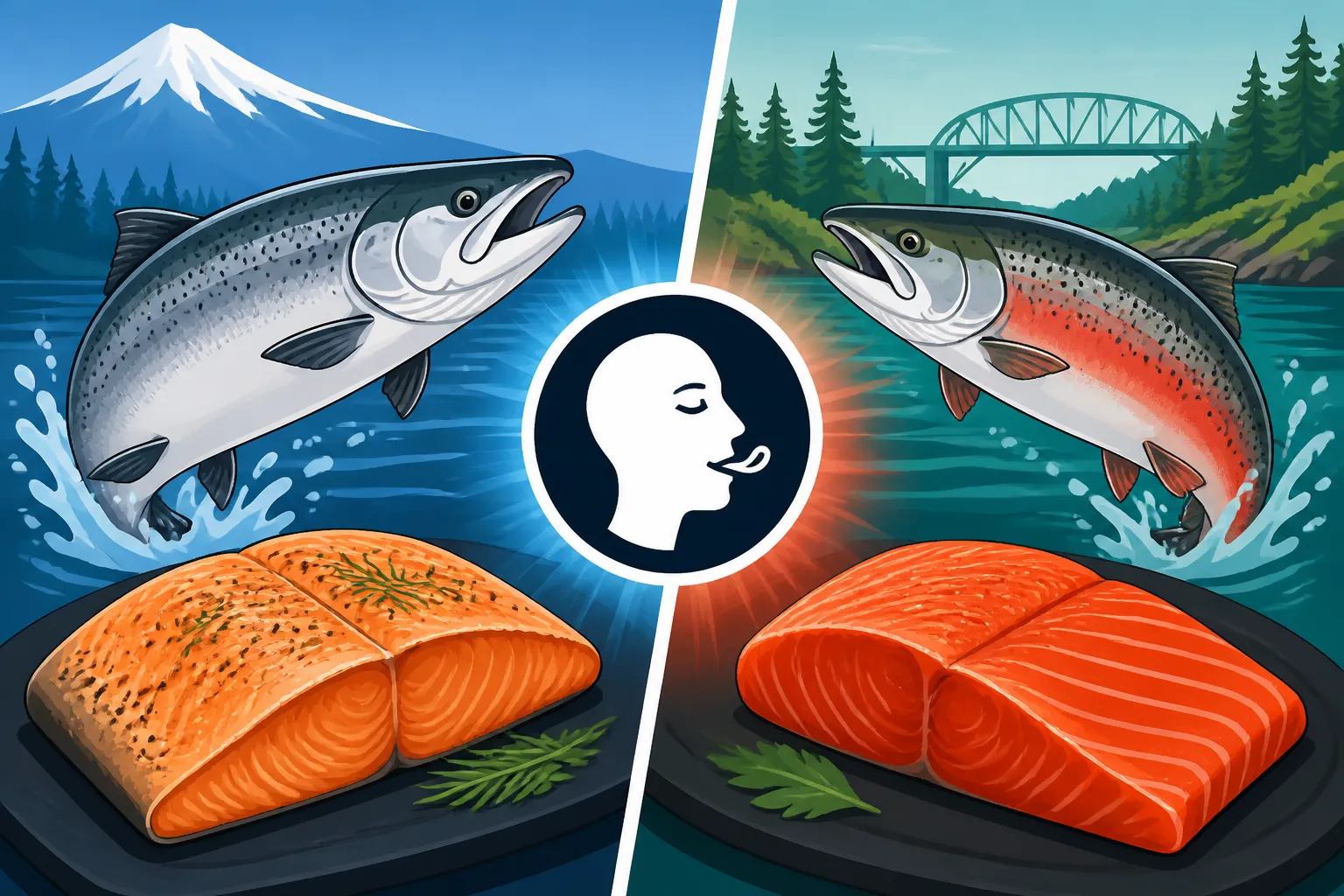
Chinook salmon, especially those caught in the prime of their ocean life, are swimming with luscious, healthy fats. This high oil content means their flesh is inherently moister, more tender, and has that signature "buttery" feel. When you cook a piece of Chinook, the fat renders beautifully, basting the meat from within and contributing to a succulent, almost velvety texture. It literally melts in your mouth, which is why it's so prized. However, this high fat content also means it can be easier to overcook if you're not careful, quickly going from perfectly moist to dry if neglected. The deep marbling is visible to the eye, giving the raw fillets a rich, marbled appearance that speaks volumes about the flavor to come.
Coho salmon, on the other hand, typically boasts a firmer, slightly leaner texture. While still rich in omega-3s, their fat content is generally lower than Chinook. This results in a cleaner, less oily mouthfeel and a flake that's often more distinct and less "buttery" than King salmon. When cooked, Coho maintains its structure remarkably well, making it a favorite for preparations where you want the fish to hold its shape. Its firm texture can be quite satisfying, offering a pleasant bite that many prefer. The flesh is usually a vibrant orange-red, but without the intense marbling you often see in a Chinook. This difference in texture also affects how they feel on the fork – Chinook almost falls apart, while Coho offers a satisfying, clean separation of flakes.
Flavor Nuances: Richness, Mildness, and "Salmon-ness"
Beyond texture, the actual flavor profile is where personal preference really comes into play.
Chinook's flavor is often described as rich, robust, and full-bodied, with a distinct "salmon" taste that isn't overly fishy. Because of its high fat content, it carries subtle savory notes that can sometimes be almost nutty. It's a flavor that stands on its own and tends to be the star of any dish. When you taste Chinook, you're experiencing the culmination of its ocean diet – often consisting of smaller fish and squid – which contributes to its deep flavor. It’s the kind of salmon that makes you close your eyes and savor each bite, a true indulgence.
Coho offers a cleaner, milder flavor that still distinctly says "salmon," but without the same intensity or richness as Chinook. It's often praised for its fresh, delicate taste, making it incredibly versatile. It has a pronounced "ocean-fresh" quality that some describe as less gamey and more subtly sweet. This milder profile means Coho is more forgiving with different seasonings and sauces; it allows other ingredients to shine alongside it, rather than dominating the plate. If you're someone who enjoys salmon but finds the richest varieties a bit too much, Coho is likely your preferred choice. Its diet of smaller baitfish and krill in Puget Sound and other marine areas also contributes to its clean taste.
Color and Presentation
While not directly impacting taste, the color of the salmon flesh can certainly influence our perception and appeal on a plate.
Chinook salmon is renowned for its deep red to orange-red flesh, often the most vibrant of all Pacific salmon. This rich color is partly due to its diet of krill and other carotenoid-rich organisms. When presented, a perfectly cooked piece of Chinook is visually stunning, hinting at its inherent richness and quality. It looks premium, and that impression can certainly enhance the dining experience.
Coho salmon typically has a beautiful, consistent orange-red flesh, often slightly lighter than Chinook but still very appealing. Its color holds well during cooking, making for an attractive presentation. While perhaps not as intensely deep as some Kings, Coho’s color is uniform and inviting, suggesting a lean, healthy portion. When considering a beautiful presentation for a dinner party, both species offer fantastic visual appeal.
Cooking and Preparation: Maximizing Flavor
The way you prepare and cook your salmon can dramatically enhance its natural flavors and textures. Because of their differing fat contents, Chinook and Coho benefit from slightly different culinary approaches. Knowing these tips can elevate your salmon dish from good to absolutely unforgettable. And speaking of unforgettable, ensure you have the right tools! You can find a vast selection of high-quality cooking tools, from specialized grilling planks to chef's knives, on Amazon.
Best Cooking Methods for Chinook Salmon
Given Chinook's rich, high-fat content, the best cooking methods are those that allow its natural oils to render slowly and baste the fish, preventing it from drying out and maximizing its succulence.
- Grilling: This is a classic for a reason. The high heat of a grill creates a beautiful sear on the outside while keeping the inside incredibly moist. Placing Chinook fillets skin-side down on a medium-hot grill allows the skin to crisp up and the fat to drip away, leaving behind perfectly cooked, flaky fish. A cedar plank, readily available on Amazon, can infuse the salmon with a wonderful smoky aroma while protecting it from direct flame.
- Baking or Roasting: A gentler, more even heat is perfect for Chinook. Baking it whole, or in thick fillets, at around 375-400°F (190-200°C) allows the fats to slowly melt and distribute through the flesh. Try a simple preparation with lemon, dill, and a touch of olive oil to let the salmon's natural richness shine.
- Slow Roasting or Confit: For the ultimate indulgence, slow roasting Chinook at a lower temperature (around 275°F/135°C) can yield an incredibly tender and moist result. Cooking it in olive oil (confit style) is another fantastic way to preserve moisture and amplify its luxurious texture, creating a dish that feels incredibly gourmet.
When cooking Chinook, think minimal intervention. Its flavor is so prominent that it doesn't need much help. Simple salt, pepper, a squeeze of citrus, and maybe some fresh herbs are often all it takes.
Best Cooking Methods for Coho Salmon
Coho's leaner, firmer flesh benefits from cooking methods that prevent it from drying out, while also allowing its clean flavor to come forward. It's incredibly versatile and holds up well to a variety of techniques.
- Pan-Searing: This method creates a beautiful, crispy skin and a perfectly cooked interior. Heat a cast-iron or heavy-bottomed skillet with a little oil over medium-high heat. Sear the Coho fillets skin-side down until crispy, then flip and finish cooking. This quick method keeps the fish moist and highlights its firm, flaky texture.
- Poaching: For an exceptionally delicate result, poaching Coho in a flavorful liquid (like white wine, broth, or even just seasoned water) is superb. This gentle cooking method ensures the fish remains incredibly tender and moist, making it perfect for salads or lighter preparations.
- Broiling: If you want a quick cook with a nice crust, broiling can work well for Coho. Keep a close eye on it, as the higher, direct heat can dry leaner fish quickly. A quick marinade beforehand can add moisture and flavor.
- Smoking: Coho is an excellent choice for smoking, whether hot or cold smoked. Its firmer texture stands up well to the smoking process, absorbing flavors beautifully without becoming mushy. Smoked Coho is a delicious addition to platters, salads, or even as a standalone snack. You can find quality wood chips and smokers on Amazon.
Coho’s milder flavor profile makes it a fantastic canvas for a wider range of sauces, marinades, and spices. From teriyaki glazes to creamy dill sauces, Coho can carry bolder flavors without being overshadowed. Remember, no matter the cooking method, proper handling from the moment you catch your fish is crucial. For information on how to correctly report your catch, check out How to Fill Out a Washington Catch Record Card.
The Impact of Freshness and Handling
No matter if it's Chinook or Coho, the single most important factor for superior taste is freshness. A fish that's been properly handled from the moment it leaves the water will always taste better than one that hasn't. This means bleeding your fish immediately, keeping it on ice, and processing it quickly.
When a fish is allowed to "flop around" or warm up, the quality of the meat rapidly deteriorates. Enzymes begin to break down the flesh, leading to a mushy texture and a "fishy" odor that no amount of seasoning can truly mask. Conversely, a fish that is dispatched quickly, bled, and iced down rapidly will retain its firm texture, vibrant color, and clean flavor for much longer. Think of the care a top-tier Washington fishing guide takes with your catch; they know the difference it makes. If you plan to freeze your salmon, ensure it's vacuum-sealed to prevent freezer burn and preserve its quality as much as possible. Even with excellent freezing, fresh is always king!
When to Choose Which Salmon
Now that we've explored the distinct characteristics of Chinook and Coho, let's talk about when each one truly shines. There's no "better" fish, only the better fish for a particular dish or occasion.
Culinary Situations Where Chinook Shines
Chinook salmon is the ideal choice when you want the salmon itself to be the star, when you're looking for an indulgent, memorable meal, or when you have guests to impress.
- Special Occasions: For a celebratory dinner, a holiday feast, or any time you want to create a truly impressive dish, Chinook is your go-to. Its rich flavor and tender texture make it feel luxurious and special. Imagine a perfectly roasted whole Chinook as the centerpiece of a holiday table, perhaps complemented by a simple fresh herb sauce.
- Rich, Flavorful Dishes: If you're planning a dish where salmon is the primary flavor driver, like a simple grilled fillet with minimal seasoning, or a salmon wellington, Chinook's robust taste holds its own beautifully. It's fantastic with preparations that highlight its natural oils, such as grilling with olive oil and lemon.
- Sashimi or Crudo: For those who appreciate raw fish, a truly fresh, high-quality Chinook can be an incredible experience for sashimi or crudo due to its high fat content and buttery texture. Of course, always ensure your fish is properly handled and safe for raw consumption.
If you're looking for that "wow" factor, or if you simply adore the rich, fatty taste of salmon, then a Washington-caught Chinook is going to be your absolute favorite.
Culinary Situations Where Coho Excels
Coho salmon, with its firmer texture and milder flavor, is incredibly versatile and excels in everyday cooking, lighter preparations, or dishes where you want the salmon to complement, rather than overpower, other ingredients.
- Everyday Meals: Coho is fantastic for weeknight dinners. Its ability to stand up to various cooking methods and seasonings makes it a flexible protein source. Pan-seared Coho with a simple vegetable stir-fry, or baked Coho with roasted asparagus, are quick and healthy options.
- Lighter Preparations: If you prefer lighter fare, Coho is perfect. It's wonderful in salads, flaked into pasta dishes, or used in salmon burgers where its texture adds a pleasant chew without being too rich. Its cleaner taste pairs beautifully with fresh, bright flavors like citrus, capers, and light herbs.
- Marinated or Sauced Dishes: Because Coho has a milder base flavor, it readily absorbs marinades and shines with various sauces. If you love experimenting with Asian-inspired glazes, Mediterranean herb rubs, or creamy dill sauces, Coho is an excellent canvas. You can explore a huge range of marinades and spices to pair with Coho on Amazon.
- Smoking or Canning: Coho's firmness makes it an ideal candidate for both hot and cold smoking, holding its shape and absorbing flavor beautifully. It’s also a popular choice for home canning due to its consistent texture.
If you're looking for a versatile, delicious, and slightly lighter salmon option that can adapt to many recipes, Coho salmon is a consistently excellent choice.
Regional Preferences and Availability
Ultimately, taste is incredibly subjective, and what one person deems "the best" might be different for another. In Washington, you'll find fierce advocates for both Chinook and Coho. Part of this preference often comes down to what's locally available and in season. Washington Sport Fishing Seasons and Emergency Closures can impact what you're able to catch.
For example, anglers who regularly fish the robust fall Chinook runs on the Columbia River or the coastal areas might lean towards the King's rich profile. Those who frequently target Coho in Puget Sound or its tributaries during the late summer and fall might fall in love with its clean, firm characteristics. Sometimes, the "best" salmon is simply the one you caught yourself, cleaned with care, and cooked fresh that very day! The experience of harvesting your own food often elevates the taste beyond any objective comparison.
Here's a quick comparison table to help you visualize the differences:
| Feature | Chinook Salmon (King) | Coho Salmon (Silver) |
|---|---|---|
| Fat Content | High | Medium-Low |
| Texture | Very tender, buttery, flaky, almost melt-in-mouth | Firm, distinct flakes, robust |
| Flavor Profile | Rich, robust, full-bodied, subtle savory notes, less "fishy" | Clean, mild, fresh, more pronounced "salmon" flavor, versatile |
| Flesh Color | Deep red to vibrant orange-red | Consistent orange-red, often lighter than Chinook |
| Best For | Grilling, roasting, special occasions, sashimi | Pan-searing, poaching, smoking, canning, marinades, everyday meals |
| Perception | Indulgent, luxurious, gourmet | Versatile, approachable, healthy |
No matter which salmon you prefer, remember that part of the joy of fishing in Washington is experiencing these incredible resources firsthand. Whether you're reeling in a magnificent King or a spirited Silver, you're not just catching a fish – you're bringing home a piece of Washington's natural bounty to savor and share.
Disclaimer
This article is for general informational purposes only and does not constitute professional advice. Laws, prices and regulations vary by location and change over time. Consult a qualified professional for guidance on your specific situation.