How Long White Sturgeon Live
Many anglers are drawn to the allure of Washington's white sturgeon, these incredible prehistoric fish that swim in our rivers. There's a certain reverence that comes with encountering such a majestic creature, and it's natural to wonder about their journey through time. Just how long do these amazing fish actually live? It's a question that speaks to their resilience and the delicate balance of our aquatic ecosystems, and understanding their remarkable longevity helps us appreciate these ancient beings even more deeply. This guide will take a comprehensive look at the lifespan of white sturgeon, exploring the factors that contribute to their incredible age and what it means for conservation efforts in Washington State.
The Grand Elders of Washington's Waters: White Sturgeon
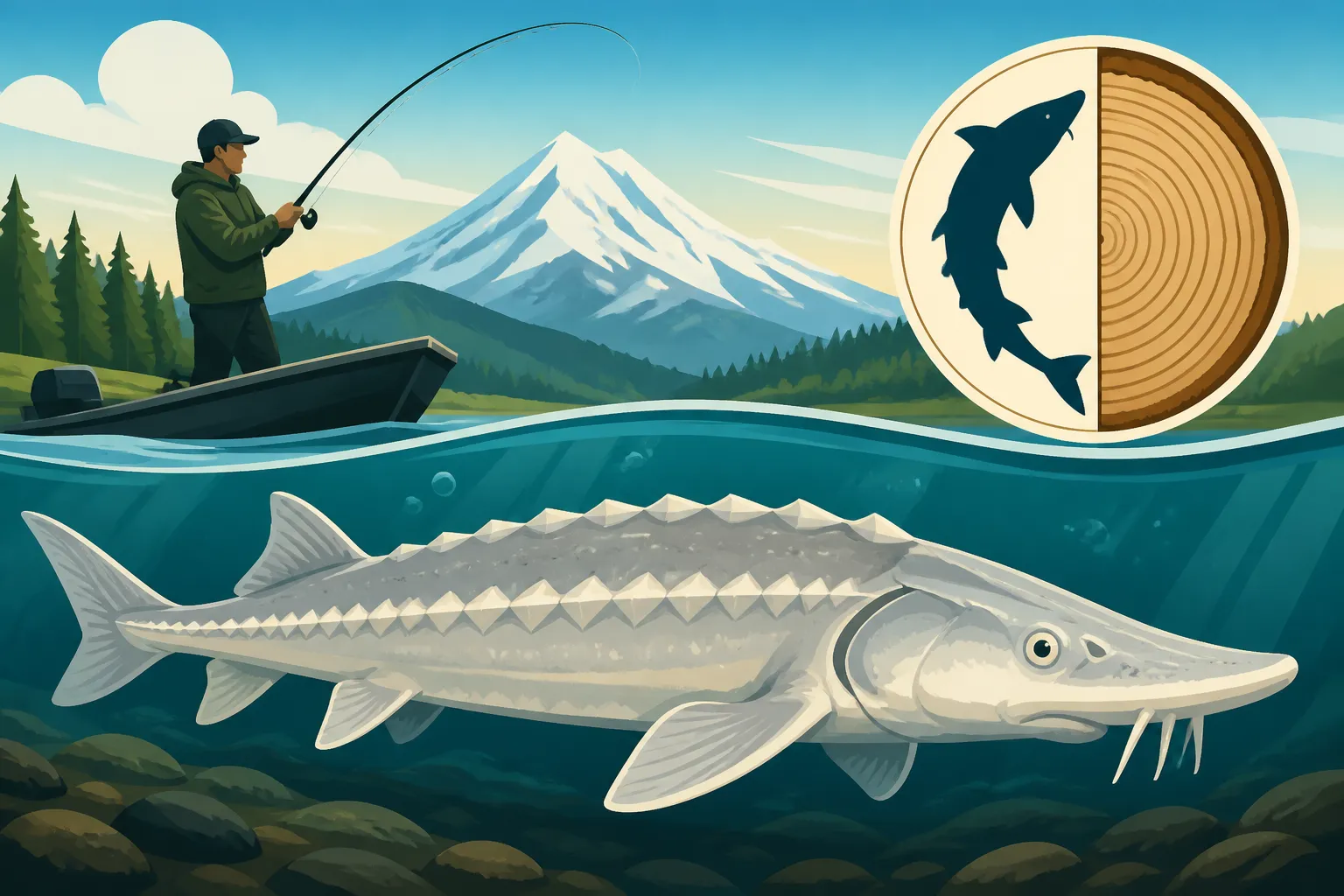
White sturgeon ( Acipenser transmontanus ) are truly in a league of their own. When you look at one of these fish, with its distinct bony plates (scutes), barbels near its mouth, and shovel-like snout, you're not just seeing a fish; you're seeing a living relic. They are North America's largest and longest-lived freshwater fish, and finding them in our Washington rivers, particularly the mighty Columbia, is a privilege. These aren't your average trout or bass that live for a few years; sturgeon operate on a completely different timeline. Their long, torpedo-shaped bodies and bottom-feeding habits make them perfectly adapted for life in large, flowing rivers.
Imagine a fish that has witnessed generations of human history unfold along the Columbia River. That's the kind of perspective some of the largest, oldest sturgeon truly possess. They spend their lives scouring the riverbed for food, from clams and worms to smaller fish, growing steadily over decades. This slow, deliberate growth contributes directly to their impressive size, which can easily reach over 10 feet in length and weigh hundreds of pounds. But beyond their sheer mass, it's their age that truly sets them apart, connecting us to a primordial past right here in our local waters. These aren't just fish; they're venerable elders of the aquatic world, carrying stories in their very scales.
Unraveling the White Sturgeon's Lifespan
So, let's get right to the heart of it: how long do these incredible fish live? White sturgeon are known to be exceptionally long-lived, with many individuals routinely living for 50 to 80 years, and some confirmed cases pushing well past 100 years, even up to 150 years or more! Imagine that – a fish swimming today that was alive during the American Civil War or even earlier. It’s truly mind-boggling to think about. This makes them one of the longest-living vertebrates on the planet, a testament to their robust biology and successful adaptation over millions of years.
Scientists determine the age of sturgeon by analyzing cross-sections of their pectoral fin rays, much like counting tree rings. Each year, a new growth ring forms, allowing biologists to precisely estimate how many years a sturgeon has been alive. This method has given us incredible insights into their life history, revealing that these fish have a growth trajectory unlike almost any other species we encounter. They grow steadily throughout their lives, often continuing to add length and girth long after they reach sexual maturity. This extended period of growth means that the massive sturgeon we occasionally hear about, sometimes exceeding 10 feet in length and several hundred pounds, are almost certainly centenarians.
It's a stark contrast to many other popular game fish in Washington. A salmon might live for 3 to 5 years, a steelhead perhaps 5 to 8, and a large trout might reach 10-15 years if it's lucky. But sturgeon? They measure their lives in human generations. This extreme longevity also means that their reproductive cycles are much slower. They don't spawn every year, and when they do, it might be only every few years, often more spread out for the very largest, oldest females. This slow pace of life means that every single mature sturgeon is a precious resource, vital for the continuation of their species.
What Shapes a Sturgeon's Journey Through Time?
While white sturgeon possess an inherent genetic predisposition for long life, their actual longevity in the wild is heavily influenced by a complex web of environmental factors. It's not just about their biological clock; it's about the quality of their home and the pressures they face.
Habitat Quality and Food Availability
A stable, healthy habitat is paramount for a sturgeon to reach its full life potential. The Columbia River, which is a prime habitat for White Sturgeon on Washington's Columbia River, provides the vast, deep channels and abundant food sources (like worms, insect larvae, mollusks, and small fish) necessary for these bottom-feeders to thrive. If their habitat is degraded by pollution, excessive sedimentation, or a lack of suitable spawning areas, their growth can be stunted, and their overall health — and thus their lifespan — can be negatively impacted. Dams, while providing power and irrigation, have fragmented sturgeon habitat, preventing them from accessing historical spawning and feeding grounds. This habitat alteration can stress populations and reduce the number of individuals reaching extreme old age.
Think about it this way: a sturgeon needs a consistent buffet to grow steadily for decades. If their food supply dwindles due to changes in water quality or ecosystem shifts, they won't grow as robustly, and their energy reserves for survival and reproduction will be diminished. A river that can support thriving populations of their prey is a river that can support truly ancient sturgeon. Healthy ecosystems contribute directly to impressive lifespans, which is why monitoring river health is so critical for these fish.
Fishing Pressure and Management
Historically, white sturgeon faced immense fishing pressure, which significantly impacted their populations and the average age of the fish found in the river. Before modern regulations, many of the oldest, largest fish were harvested. Today, however, fishing for sturgeon in Washington is tightly controlled, especially on the mainstem Columbia. For most of the Columbia River, sturgeon fishing is strictly catch-and-release, which is a key reason Why Is Sturgeon Fishing Catch-and-Release in Washington?. This means that once you reel in one of these magnificent fish, you carefully release it back into the water to continue its life journey.
These strict regulations are designed to protect the breeding stock, particularly the large, mature females who contribute the most to reproduction. By releasing these big fish, anglers ensure they can continue to spawn for many more decades, passing on their genes and potentially achieving truly ancient ages. There are also very specific Slot Limit for Columbia River Sturgeon rules in certain areas where retention is allowed, targeting a specific size range to protect both the very young and the very old, largest breeders. These careful management strategies are absolutely essential for ensuring that white sturgeon populations remain healthy and that these incredible fish can still live out their remarkably long lives in our waters. If you're looking for specialized, heavy-duty tackle capable of handling these giants while ensuring a safe release, you can find a wide selection of robust rods and reels on Amazon.
Predation and Disease
While adult white sturgeon have few natural predators due to their immense size, juvenile sturgeon are certainly vulnerable. Young sturgeon can fall prey to larger fish, birds, and other aquatic predators. However, once they grow to a significant size, their bony plates and sheer mass offer considerable protection. Disease can also be a factor, though healthy fish in clean environments tend to be more resilient. Any widespread environmental stressor, like prolonged poor water quality or habitat disruption, can weaken fish and make them more susceptible to disease, which could shorten their lifespan. These factors generally have a greater impact on younger, smaller sturgeon, meaning that if a sturgeon makes it past its vulnerable early years, its chances of reaching an advanced age increase dramatically, assuming other conditions are favorable.
Protecting the Patriarchs: Conservation and Their Future
The incredible longevity of white sturgeon means that conservation efforts are not just about protecting annual spawners, but about safeguarding individuals who might contribute to the gene pool for a century or more. This long-term perspective is crucial for their survival.
The Role of Catch-and-Release
The widespread implementation of catch-and-release rules for sturgeon, particularly on the Columbia River, has been a monumental step in protecting this species. When you're fishing for sturgeon, you're not just hoping for a photo op; you're participating in a vital conservation effort. The goal is to allow these fish, especially the larger, older ones, to continue their natural life cycles undisturbed by harvest. This means responsible angling techniques are critical: using appropriate gear, minimizing fight time, and ensuring a quick, careful release. Many anglers will purchase specialized sturgeon handling gloves from retailers like Amazon to ensure a secure grip and protect both themselves and the fish during release.
It's a shift in mindset for many, especially those accustomed to keeping their catch. But for sturgeon, it's about recognizing their unique biology. A sturgeon that is 60 or 80 years old has survived countless challenges and contributed to many spawning cycles. Losing even one of these ancient fish to harvest has a far greater impact than losing a fast-growing, quickly reproducing species. This is why strict adherence to regulations like Slot Limit for Columbia River Sturgeon and proper catch-and-release protocols are non-negotiable for anyone fishing for these remarkable creatures.
Habitat Restoration and Dam Management
Beyond fishing regulations, protecting sturgeon's long lives involves active habitat restoration. Efforts to improve water quality, restore riparian zones, and manage sediment accumulation in rivers like the Columbia directly benefit sturgeon. For example, ensuring that juvenile sturgeon have adequate nursery habitats is critical for their survival past those vulnerable early years, allowing them the chance to grow into ancient adults.
The management of hydroelectric dams also plays a significant role. While dams provide essential resources, they can impede sturgeon migration, alter water flows, and change habitat dynamics. Ongoing studies and adaptive management strategies aim to mitigate these impacts, ensuring that the sturgeon have access to the diverse habitats they need throughout their long lives. This often involves careful consideration of water releases, fish passage solutions (where applicable for sturgeon, though less straightforward than for salmon), and the protection of critical spawning gravel. Understanding how these large systems affect species like the sturgeon requires continuous research and collaboration, which can often be supported by detailed scientific texts found on platforms like Amazon.
Understanding the Significance of Their Longevity
The fact that white sturgeon live so long has profound implications for their conservation. It means that:
- They are Slow to Recover: If a sturgeon population declines, it will take many, many decades for it to rebound, simply because each generation takes so long to mature and reproduce.
- Older Fish are Vital: The largest, oldest females produce the most eggs and contribute significantly to the genetic diversity and robustness of the population. Protecting these "broodstock" fish is paramount.
- Every Fish Counts: Every sturgeon caught and released responsibly, every piece of habitat protected, contributes to the survival of a species that can literally live for over a century.
When you think about the longevity of white sturgeon, it truly puts into perspective why stringent regulations like those detailed in Washington Fishing Regulations Every Angler Should Know are so necessary. It's not just about today's catch; it's about ensuring these magnificent fish continue to grace our rivers for generations to come.
Here's a simplified look at the impressive life journey of a white sturgeon:
| Age Range (Years) | Approximate Length (Feet) | Key Characteristics & Life Stage | Conservation Significance |
|---|---|---|---|
| 0-5 | 1-3 | Juvenile, rapid growth, highest vulnerability to predation | Foundation of future population, need protected nursery habitats |
| 5-15 | 3-6 | Sub-adult, beginning to mature, some may attempt first spawning | Growing into reproductive stock, less vulnerable |
| 15-40 | 6-10+ | Adult, prime breeding years, robust growth, full sexual maturity | Major contributors to population, targeted by slot limits if retention allowed |
| 40-80+ | 10-15+ | Mature adults, "trophy" class, continued breeding every few years | Highly valued broodstock, strictly catch-and-release in most areas |
| 80-150+ | 15-20+ | Ancient, very slow growth, still reproducing, living history | Irreplaceable genetic material, indicator of ecosystem health, protected at all costs |
Catching a white sturgeon in Washington is truly an unforgettable experience. Knowing that the fish on the end of your line could be older than your grandparents, or even your great-grandparents, adds a profound layer of respect to the encounter. It connects you to the deep history of our rivers and underscores the importance of every angler's role in their conservation. It’s a privilege to share the water with such enduring and majestic creatures, a true testament to nature's resilience. For comprehensive guidance on how to ethically pursue these magnificent fish, be sure to read How to Target Sturgeon on the Columbia.
Disclaimer
This article is for general informational purposes only and does not constitute professional advice. Laws, prices and regulations vary by location and change over time. Consult a qualified professional for guidance on your specific situation.