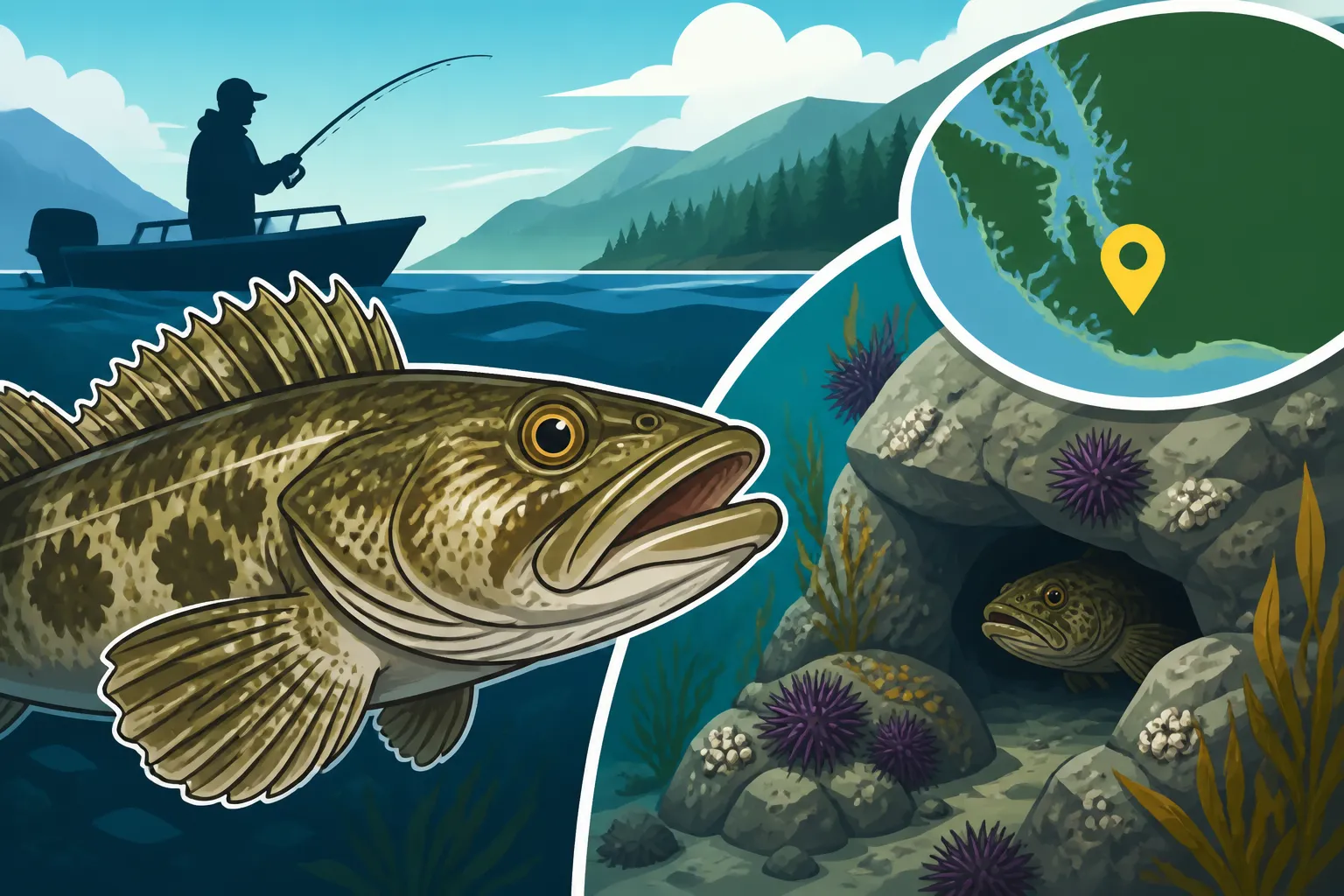
Lingcod Identification and Where They Hide
If you've ever spent a day on the Washington waters, dropped your line into the depths, and reeled in something big, toothy, and undeniably prehistoric-looking, you know the thrill – and sometimes the confusion – that comes with targeting bottomfish. Lingcod are one of our state's most sought-after and impressive catches, but properly identifying them and knowing exactly where these ambush predators like to hide can feel like solving a maritime mystery. This guide is dedicated to demystifying the incredible lingcod, helping you understand their unique features and the prime locations where they lurk beneath the waves.
Lingcod Characteristics and Identification
When you pull a lingcod out of the water, there’s no mistaking its formidable presence. These fish are true ocean gladiators, built for ambush and power. However, sometimes in the heat of the moment, or for new anglers, it can be easy to confuse them with certain rockfish or even sculpins. Knowing the precise identification markers can save you from a potential infraction and ensure you're targeting the right species. Lingcod aren't just big; they have very specific traits that set them apart.
Distinguishing Features: Color, Dorsal Fin, Head
The first thing you’ll notice about a lingcod is its sheer size and somewhat intimidating appearance. They possess a large, elongated body that can range in color from dark brown or grey to green or blue, often with mottled patterns that help them blend seamlessly into their rocky surroundings. This coloration isn't uniform and can change based on their specific habitat, making each catch a unique experience. While you might see a beautiful greenish-blue specimen pulled from a kelp bed, one from a darker, deeper reef might be a more somber grey.
Perhaps the most definitive feature of a lingcod is its massive mouth, armed with dozens of sharp, conical teeth. These aren't just any teeth; they're designed for gripping and tearing, a clear indicator of their predatory lifestyle. Looking closely, you'll also notice two distinct dorsal fins. The first dorsal fin is spiny and much shorter, while the second is long and soft-rayed, extending almost to the tail. Many rockfish, by contrast, have a single, continuous dorsal fin or fins that are much more uniform. Another key identifier is the single, prominent fleshy "cirrus" (a small, whisker-like appendage) located just above each eye. Rockfish lack this particular feature, making it a quick visual cue.
Size and Growth: What to Expect
Lingcod are one of the fastest-growing and largest predatory fish in Washington's waters. While they can start small, they grow to impressive sizes, making them a prize catch for many anglers. It's not uncommon to hear tales of lingcod exceeding 40 or even 50 pounds, with some records pushing past 80 pounds, although those are truly exceptional beasts. Most anglers encounter lingcod in the 5 to 25-pound range, which is still a substantial fish that puts up a fantastic fight.
Their growth rate is influenced by diet, habitat, and water temperature, but generally, they mature quickly. A 30-inch lingcod is a respectable fish, and those that reach the upper echelons of size have likely been feasting on a consistent diet of herring, sole, cod, and even smaller rockfish for many years. Larger females are particularly prized not just for their size, but also for their reproductive contribution to the population, often leading to regulations that protect these bigger broodstock. Knowing their potential size adds to the excitement, as every drop of your line could connect you to a true monster of the deep. How Big Washington Lingcod Get is a great resource to learn more about the dimensions of these impressive fish.
Common Lookalikes and How to Avoid Confusion
It's an honest mistake, especially for those new to Washington's rich bottomfishing scene. The most common confusion arises with certain species of rockfish, particularly larger ones like yelloweye or quillback rockfish, which share similar habitats and some coloration. However, there are clear distinctions. Rockfish typically have larger, more prominent eyes compared to lingcod, and as mentioned, they lack the distinctive two separate dorsal fins and the fleshy cirri above the eyes. Their mouths, while capable, don't possess the same formidable array of dagger-like teeth as a lingcod.
Another less common but possible confusion could be with sculpins, though these are generally much smaller and have broader, flatter heads with more pronounced spines and ridges. A quick glance at the mouth and dorsal fins should immediately clear up any doubts. To avoid any issues on the water, always double-check your catch against a regulation pamphlet or a fish identification guide. A good, laminated fish ID card, perhaps one you ordered off Amazon for convenience, is an invaluable tool to have on board, especially when dealing with similar-looking species that might have different bag limits or retention rules. Getting it right ensures you stay within regulations and contribute to responsible fishing practices.
Lingcod Habitat and Preferred Structure
Lingcod are not wanderers of the open ocean. They are creatures of structure, masters of camouflage, and fierce territorial defenders. Understanding their preferred habitats and the types of structure they gravitate towards is paramount to finding them consistently. They are ambush predators through and through, meaning they prefer places where they can hide, wait, and strike unsuspecting prey. This makes them predictable in a way, if you know what to look for beneath the surface.
Rocky Reefs and Ledges
If there's one habitat synonymous with lingcod, it's rocky reefs and ledges. These underwater formations provide everything a lingcod needs: shelter from strong currents, abundant hiding spots, and prime ambush points. Imagine a jagged underwater mountain range, complete with caves, crevices, and vertical drop-offs. That's a lingcod's dream home. They will often wedge themselves into cracks or lie motionless on the bottom, blending into the rocks, waiting for a passing school of baitfish or a hapless crab.
These structures also attract a wide variety of other marine life, creating a bustling ecosystem that serves as a consistent food source for the lingcod. From small baitfish to larger prey like herring and juvenile salmon, these rocky havens are like an all-you-can-eat buffet. Areas with strong currents around these reefs are particularly productive, as the current brings food right to their doorstep, often disorienting prey and making them easier targets. When you're prospecting for lingcod, look for charts that show sudden depth changes, underwater pinnacles, or large rock fields. Where Lingcod Hide Along the Washington Coast offers further insights into these specific structural preferences.
Kelp Forests and Eelgrass Beds
While rocky reefs are prime real estate, lingcod also thrive in the intricate environments of kelp forests and extensive eelgrass beds. These underwater "forests" provide excellent camouflage and shelter, particularly for younger lingcod, but even larger adults will inhabit these areas, especially when hunting. The dense blades of kelp sway with the currents, creating a constantly shifting environment that allows a lingcod to become virtually invisible to its prey.
Eelgrass beds, typically found in shallower, more protected bays, also offer refuge and a hunting ground for smaller lingcod. These areas teem with juvenile fish and crustaceans, providing a rich larder. However, fishing in kelp and eelgrass can be challenging due to snags. Heavy-duty tackle and weedless presentations are often required. But the effort can be well worth it, as these vibrant ecosystems are often overlooked by anglers focused solely on deep rockpiles. These environments also provide critical habitat for the forage fish that lingcod prey upon, establishing a natural food chain right within their reach.
Currents and Depth
Lingcod are highly attuned to currents and depth. While they can be found in a wide range of depths, from just a few feet in rocky shallows to over 400 feet deep, they consistently prefer areas where currents are present. Strong currents concentrate baitfish and provide excellent ambush opportunities. Lingcod are powerful swimmers for short bursts, but they prefer to expend minimal energy, letting the current bring the meal to them. They will position themselves on the leeward side of rocks or in current breaks, where they can hold their position with less effort and dart out quickly when prey appears.
Regarding depth, the sweet spot often varies by location and time of year, but many anglers find success in the 60 to 180-foot range for larger fish. In Puget Sound, you might find them shallower, while off the open coast, deeper waters are often more productive. It's not just about the absolute depth, but about finding the right combination of rocky structure and current at that depth. Areas where the bottom transitions from soft mud to hard rock, especially with a sharp drop-off, are also prime targets, as these create natural current seams and feeding lanes. Your marine electronics, which we'll discuss later, become indispensable for pinpointing these specific depth and current breaks.
Geographic Hotspots for Lingcod in Washington
Washington State is blessed with an abundance of diverse marine environments, many of which are prime lingcod territory. From the intricate waterways of Puget Sound to the rugged outer coast, there are numerous places where you can encounter these aggressive bottom dwellers. Knowing the general hotspots can significantly increase your chances of success, but remember that even within these areas, specific structure is key.
Puget Sound Specifics
Puget Sound offers some incredible lingcod fishing, often closer to urban centers, making it accessible for many anglers. The key here is to target areas with significant current and rocky features. Places like Deception Pass, with its notoriously strong tidal flows, are legendary for producing large lingcod. The violent currents sweep baitfish through the pass, and lingcod lie in wait within the rocky crevices. However, fishing here requires extreme caution and precise boat handling due to the currents.
Other productive areas in Puget Sound include the numerous rocky points, ledges, and reefs around the San Juan Islands, Whidbey Island, and the Olympic Peninsula coastline within the Sound. For instance, areas around the Kingston ferry run, Edmonds, or even parts of the Tacoma Narrows can hold lingcod if you find the right rocky structure. Check your local marine charts for underwater pinnacles or defined rock beds. Many anglers have success jigging or using bait on structure in these areas. Marine Area 6 for Salmon Fishing, Explained and Marine Area 9 for Salmon Fishing, Explained are excellent starting points for understanding Puget Sound's fishing zones, and while they focus on salmon, the same principles of current and structure often apply to lingcod.
Coastal Waters: Westport, Neah Bay
For those seeking truly giant lingcod and a more robust offshore experience, Washington's outer coast is the place to be. Towns like Westport and Ilwaco serve as gateways to the vast Pacific Ocean, where the continental shelf drops off, creating expansive rocky reefs and pinnacles in deeper waters. These areas are renowned for trophy-sized lingcod, often caught alongside halibut and various rockfish species.
Neah Bay and Sekiu, located at the very tip of the Olympic Peninsula and within the Strait of Juan de Fuca, also offer fantastic lingcod opportunities. The waters here are a mix of strong tidal currents, deep channels, and prolific rocky structure where the Strait meets the open ocean. Many charter operations in these towns specialize in bottomfishing trips, providing access to productive offshore banks that would be difficult for private boaters to reach on their own. The sheer scale of the fishing grounds here means there's always a new rockpile to explore, and the fish tend to be more numerous and larger than their Puget Sound cousins. Best Bottomfishing Spots Near Westport provides excellent information on specific areas.
San Juan Islands
The San Juan Islands are a gem not just for their scenic beauty but also for their diverse fishing. Lingcod thrive in the complex underwater topography of the archipelago, which is characterized by numerous islands, strong tidal rips, deep passages, and an abundance of rocky habitat. The currents that surge through channels like Rosario Strait and Haro Strait, especially around the countless smaller islands and exposed reefs, create perfect ambush points for lingcod.
Anglers often target the areas around rocky points, submerged pinnacles, and the edges of pronounced drop-offs. The deep-water structure combined with nutrient-rich currents makes for a very healthy lingcod population. Popular spots might include the waters around Lopez Pass, Obstruction Pass, or the many unnamed reefs dotting the charts. Again, familiarity with marine charts and a good sonar unit are key to unlocking these productive areas. The San Juan Islands truly offer some of the most consistent and exciting lingcod fishing in the state, often yielding fish of impressive size. For more on targeting specific species in the area, check out Where to Catch Lingcod in the San Juans.
Seasonal Movements and Behavior
Understanding the seasonal behavior of lingcod is a game-changer for anglers. Unlike some fish that constantly roam, lingcod have distinct patterns related to spawning, feeding, and water temperature. Knowing these patterns helps you predict where they'll be and how they'll behave, allowing you to tailor your approach for maximum success.
Spawning Habits and Nest Protection
One of the most fascinating and impactful aspects of lingcod behavior for anglers is their spawning cycle. Lingcod typically spawn in late winter and early spring, usually from January through April, depending on water temperatures. During this period, female lingcod lay large egg masses in rocky crevices or under ledges in relatively shallow waters, often between 30 and 100 feet deep. What makes this particularly interesting is the male's role: after the eggs are laid, the male lingcod meticulously guards the nest for several weeks, aggressively defending it from predators until the eggs hatch.
During this nest-guarding period, male lingcod become incredibly territorial and aggressive, making them highly susceptible to being caught. They will strike almost any intruder, including lures, jigs, or bait, that comes too close to their nest. While this can make for exciting fishing, it also makes them vulnerable. Many regulations are put in place during this time to protect these nesting males and ensure the successful propagation of the species. For example, some areas have seasonal closures or depth restrictions during the spawning season to minimize impact on these protective males. Knowing these periods helps us fish responsibly and sustainably.
Feeding Patterns Throughout the Year
Outside of their spawning season, lingcod are opportunistic and voracious predators. Their feeding patterns are largely driven by the availability of prey and their need to build up energy reserves. During the spring and summer months, as water temperatures rise and baitfish become more abundant, lingcod are actively hunting. This is often when they are found in slightly shallower waters, pursuing herring, sand lance, and even small salmon. They'll frequent the edges of kelp beds and rocky drop-offs where bait schools congregate.
As fall approaches and water temperatures begin to drop, lingcod may move into deeper waters, though they remain active feeders. They'll continue to target whatever prey is available, from sole to hake and even octopus. Their diet is incredibly varied, making them adaptable hunters. This year-round predatory nature means that while fishing success might peak during certain seasons, lingcod can be caught effectively for much of the year by adjusting your tactics and targeting the right structure and depth. A good electronic fish finder, perhaps one you scouted on Amazon for its robust features, can be instrumental in identifying bait balls and the lingcod lurking beneath them.
Impact of Water Temperature
Water temperature plays a significant role in influencing lingcod distribution and activity levels. While lingcod are cold-water fish and prefer cooler temperatures, extreme fluctuations can affect their behavior. They generally thrive in waters ranging from the low 40s to the mid-50s Fahrenheit. During colder winter months, they might seek deeper, more stable temperatures. Conversely, during warm summer periods, they may move to slightly deeper, cooler waters to escape surface heat.
Temperature also affects their metabolic rate, influencing how actively they feed. When the water is within their preferred range, they are more energetic and willing to chase down prey. Too cold, and they might become sluggish; too warm, and they might seek refuge in deeper, cooler areas. This is why knowing the thermocline (the layer of abrupt temperature change in the water) can be helpful, as lingcod often hang just below it if surface waters are too warm. Experienced anglers often use marine electronics with temperature sensors to help pinpoint these preferred temperature zones.
Tips for Locating Lingcod
Finding lingcod isn't just about dropping a line in a promising area and hoping for the best. It's a strategic game that combines knowledge of their behavior with the intelligent use of modern technology and a keen understanding of the marine environment. The more tools you have in your belt, the better your chances of consistently hooking into these impressive bottom dwellers.
Using Marine Electronics
In today's fishing world, marine electronics are your best friends when it comes to locating lingcod. A good fish finder with down-imaging and side-scanning capabilities can literally show you the underwater world where lingcod live. You can identify rocky reefs, pinnacles, ledges, and even individual fish arches or marks that indicate their presence. Look for "hard returns" on your sonar screen, which signify rocky bottom structure rather than soft mud.
Spend time idling over potential fishing grounds, meticulously scanning the bottom. Lingcod often hug the bottom extremely tightly, so a high-resolution display is crucial. You might see what looks like a large "blob" directly on the structure – that could very well be a lingcod. Mark these spots as waypoints on your GPS. Don't just motor past; linger and explore. Many experienced lingcod anglers will often spend more time looking at their sonar than actually fishing, especially when exploring new territory. Finding a quality unit, perhaps one with excellent reviews on Amazon, is an investment that truly pays off for bottom fishing. Electronics That Help You Find Lingcod Structure delves deeper into this topic.
Understanding Tides and Currents
We've touched on this before, but it bears repeating: tides and currents are absolutely critical to lingcod fishing success. Lingcod use currents to their advantage, positioning themselves to ambush prey. This means that the best fishing often occurs during specific tidal movements, usually when the current is running strongest, or on the "swings" of the tide (the hour or so before and after the peak current). During slack tide, lingcod might become less active, as the lack of current means less food being swept past them.
However, "strongest" doesn't mean you should fish in conditions that are unsafe or make it impossible to get your gear down. It's about finding the right amount of current for the area and depth you're fishing. Too much current can make it impossible to hold bottom, while too little current might mean sluggish fish. Pay attention to tidal charts and local knowledge. Sometimes, a specific phase of the tide, like a strong incoming or outgoing tide through a particular pass, will be far more productive than others. Mastering how to position your boat relative to the current and structure is a key skill.
Observing Forage and Structure
Lingcod are at the top of their localized food chain, so where there's forage, there's a good chance lingcod aren't far behind. Keep an eye on your fish finder for schools of baitfish, such as herring or sand lance. If you see clouds of bait hovering over structure, that's a huge sign that predators like lingcod might be lurking beneath, waiting for an opportunity. Surface activity, like diving birds or baitfish busting the surface, can also indicate a healthy ecosystem below, even if the lingcod are deeper.
Beyond baitfish, observe the type of structure you're fishing. Are there other bottomfish present, like rockfish? This indicates a productive reef system. Lingcod will often share habitat with other species. Also, don't be afraid to experiment with different parts of a structure. Sometimes the lingcod will be right on top of a pinnacle, other times they'll be tucked into a crevice on the side, or even at the very base of a drop-off. Continually moving and probing different sections of a large reef system is far more effective than just anchoring in one spot. Sometimes, the fish are in a subtle current eddy right behind a large rock that your sonar initially missed.
Table: Lingcod vs. Common Lookalikes
To help solidify your identification skills, here’s a quick comparison of key features between lingcod and some species they are commonly confused with in Washington waters.
| Feature | Lingcod | Rockfish (e.g., Yelloweye, Quillback) | Sculpins |
|---|---|---|---|
| Dorsal Fins | Two distinct (short spiny, long soft) | Single, continuous (spiny and soft) | Two (spiny and soft), often joined |
| Mouth/Teeth | Large, wide, many sharp, conical teeth | Smaller, less pronounced teeth | Large mouth, fewer prominent teeth |
| Head Features | Single fleshy cirrus above each eye | No fleshy cirri above eyes | Broad, flat head, often spiny ridges |
| Body Shape | Elongated, robust, tapering tail | More compact, deeper body, often spiny | Tapered body, often with large pectoral fins |
| Coloration | Variable: green, brown, grey, mottled | Often vibrant: orange, red, black, brown | Mottled, cryptic, designed for camouflage |
| Size Potential | Very large (20-60+ lbs common) | Medium to large (5-25 lbs common) | Small to medium (1-5 lbs common) |
Remember, responsible angling means knowing your target species and adhering to all regulations. With practice, you'll be able to quickly identify a lingcod on sight and enjoy the incredible fight and delicious reward these Washington giants offer.
Disclaimer
This article is for general informational purposes only and does not constitute professional advice. Laws, prices and regulations vary by location and change over time. Consult a qualified professional for guidance on your specific situation.