Slot Limit for Columbia River Sturgeon
Fishing the mighty Columbia River can be an incredible experience, but nothing throws a wrench into a perfect day quite like hooking a beautiful white sturgeon and then realizing you're not entirely sure if it's a "keeper" or if you need to release it. The rules around sturgeon, particularly the dreaded slot limit, can feel like navigating a legal maze, leaving many anglers scratching their heads and fearing an accidental violation. This guide is here to untangle the complexities of the Columbia River sturgeon slot limit in Washington, explaining why it exists, how to follow it, and what it means for your fishing adventure.
What Exactly is a Slot Limit, Anyway? Understanding the Concept
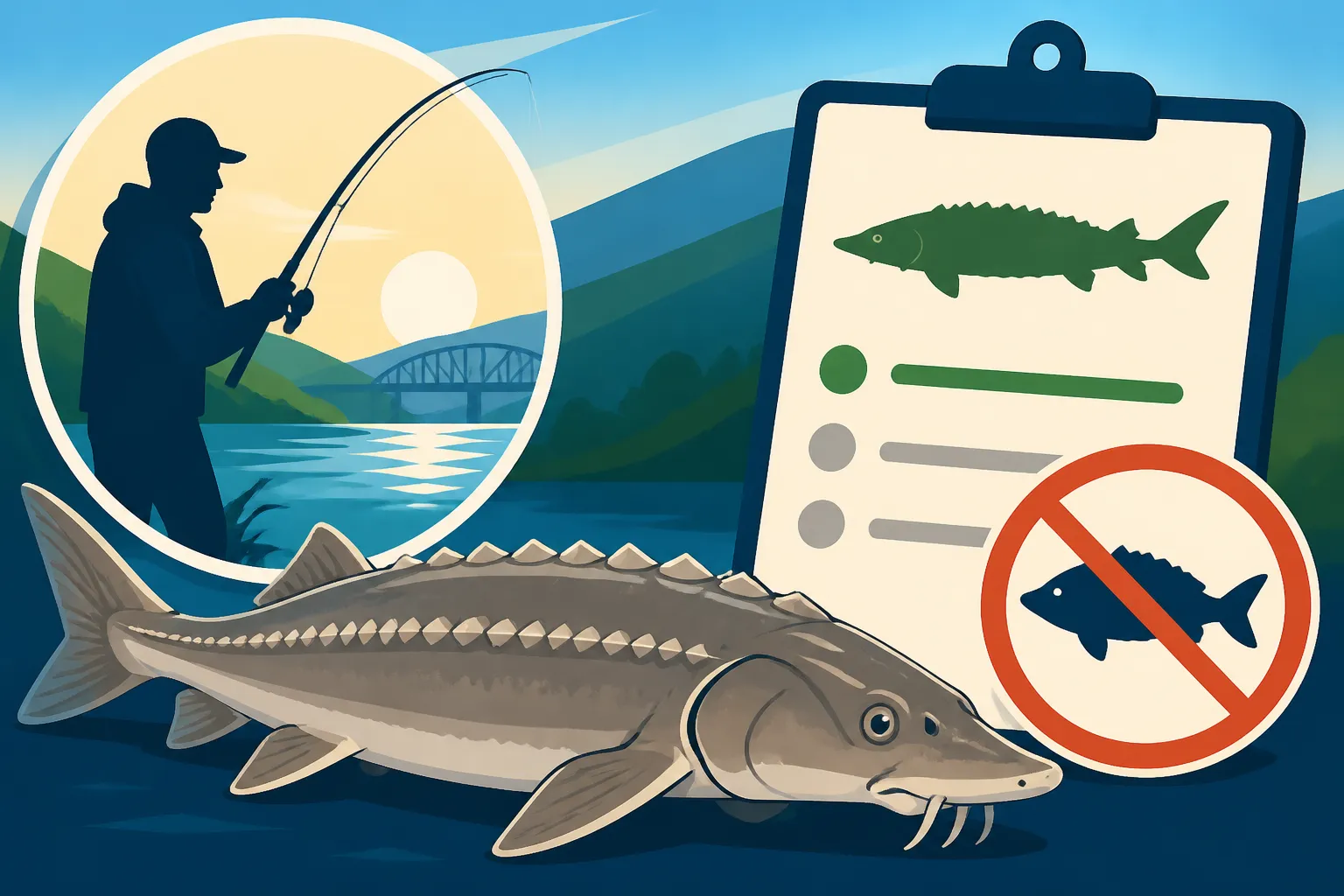
When you hear "slot limit" in fishing regulations, it's easy to assume it's just another bureaucratic hurdle designed to make your life harder. But in reality, a slot limit is a sophisticated conservation tool, specifically crafted to protect vulnerable fish populations while still allowing for some harvest. Unlike a simple minimum size limit, which only protects small fish, or a maximum size limit, which protects large fish, a slot limit creates a window – a "slot" – where fish are legal to keep. Fish that are too small and fish that are too large must both be released.
Imagine a population curve: lots of small fish, a healthy number of middle-sized fish, and fewer very large, mature fish. A slot limit is designed to let the small fish grow up to reproductive age and let the very large, often highly reproductive "broodstock" fish continue to spawn and contribute to the future of the species. The fish in the "slot" are typically those that have had a chance to reproduce at least once but haven't yet reached their prime breeding years, making them a more sustainable target for harvest. This approach is especially vital for species like the white sturgeon, which grow slowly, live for a very long time, and mature late in life.
The frustration for many anglers comes from the extra step of careful measurement. It’s not enough to just eye a fish and guess if it’s big enough; you need to be precise. This can feel daunting, especially when you're excited about a potential keeper, or when conditions are less than ideal on the water. However, understanding the why behind this regulation can make the how a bit easier to swallow, knowing you're participating in a vital conservation effort. You're not just following a rule; you're actively helping to ensure future generations can enjoy these magnificent fish.
The Specifics of the Columbia River Sturgeon Slot Limit
Navigating the actual numbers for the Columbia River sturgeon slot limit is where many anglers get tripped up. Because regulations can shift based on population assessments and other factors, it's absolutely crucial to always check the most current Washington Department of Fish and Wildlife (WDFW) regulations before heading out. You can often find the most up-to-date information in the annual Washington Sport Fishing Seasons and Emergency Closures pamphlet or on the WDFW website. However, the concept of the slot limit for sturgeon remains consistent: there's a minimum fork length and a maximum fork length.
The key term here is "fork length." Unlike some fish where you measure to the tip of the tail, for sturgeon, you measure from the tip of the nose to the V, or fork, of the tail. This is a critical distinction, as measuring to the tip of a sturgeon's sometimes ragged or damaged tail could lead to an incorrect measurement and potentially a violation. Always keep your measuring tape taut and straight along the body of the fish. Fish under the minimum fork length must be released, as must those over the maximum fork length. Only sturgeon that fall within that specific range are legal to retain, if a retention season is even open. Many stretches of the Columbia, and indeed many Washington waters, are often catch-and-release only for sturgeon, regardless of size. This makes checking the rules even more important.
Consider a scenario: you're out on the Fishing the Columbia River in Washington: A Complete Overview and hook a magnificent sturgeon. You bring it alongside the boat, and it looks like a decent size. Your excitement builds. But before you even think about putting it in the boat, you need to grab your measuring device. Let's say the current regulations state a slot limit (again, not providing exact numbers here as they change) from "A" inches to "B" inches. If your fish measures "A minus 2" inches, it's too small and must be released immediately. If it measures "B plus 3" inches, it's too large and must also be released. Only if it lands squarely between "A" and "B" (and a retention season is open for sturgeon in that specific area) can you consider keeping it. This rigorous measurement requirement is a non-negotiable part of responsible sturgeon fishing on the Columbia.
Here's a simplified table to illustrate the concept of a sturgeon slot limit, reminding you to always check current WDFW regulations for precise figures:
| Category | Description | Action (Always Check Current WDFW Regulations!) |
|---|---|---|
| Too Small | Sturgeon with a fork length below the established minimum. These are typically younger fish that need more time to grow and mature. | Release immediately and carefully. Minimizing time out of water is crucial. |
| Legal Slot | Sturgeon with a fork length within the established minimum and maximum range. These fish are generally of a size that allows for sustainable harvest, having often reproduced at least once but not yet reached prime spawning age. | If a retention season is currently open for sturgeon in your specific fishing area, these fish may be retained, adhering to daily and annual limits. If catch-and-release, then release carefully. |
| Too Large | Sturgeon with a fork length above the established maximum. These are often older, larger, and highly productive breeding fish, vital for the future of the population. | Release immediately and carefully. Handle with extreme care due to their size and importance to the fishery. Often catch-and-release is mandated for these large fish. |
This framework is in place to protect the future of White Sturgeon on Washington's Columbia River and other vital fisheries. Always remember that regulations can, and often do, change. So, before every trip, consult the official WDFW rule pamphlet or website.
Why Sturgeon Need These Special Protections
You might be thinking, "Why all this fuss over sturgeon?" The answer lies in their unique biology and the history of their populations. White sturgeon are truly magnificent creatures, often referred to as living dinosaurs. They are the largest freshwater fish in North America, with some individuals capable of living over 100 years and reaching immense sizes, though fish of that caliber are exceedingly rare in today's fisheries.
The very characteristics that make them so impressive also make them incredibly vulnerable. Sturgeon are slow-growing, taking many years to reach maturity. A female white sturgeon might not start reproducing until she's 15 or even 20 years old. This delayed maturity means that if too many fish are harvested before they have a chance to spawn, the population can quickly decline, and recovery takes an extraordinarily long time. Historically, overfishing in the early 20th century decimated sturgeon populations in many areas, including parts of the Columbia River. We learned a hard lesson then about the importance of sustainable management.
The slot limit, alongside other critical regulations such as catch-and-release mandates for certain areas and seasons, and very restrictive bag limits, is a direct response to this vulnerability. It’s designed to allow those smaller, immature fish to grow up and contribute to the next generation, and critically, to protect the very large, old "broodstock" fish that are the most prolific spawners. These giant sturgeon, often outside the legal slot, can produce millions of eggs, making them irreplaceable assets to the population's health. Without these large breeders, the long-term health and sustainability of the Columbia River sturgeon fishery would be severely compromised.
Understanding that sturgeon are not like fast-growing trout or salmon, which mature quickly and die after spawning, helps underscore the importance of these conservation measures. How Big White Sturgeon Get on the Columbia is truly astounding, but reaching those sizes requires decades of protection. Therefore, when you encounter a sturgeon outside the legal slot, releasing it promptly and carefully isn't just following a rule; it's participating in a legacy of conservation that helps preserve these incredible fish for future generations of anglers. It's a shared responsibility that all anglers, whether residents or non-residents, must uphold.
Practical Tips for Measuring and Releasing Sturgeon Safely
Measuring and releasing a large fish like a sturgeon requires a bit of technique to ensure both the fish's well-being and your safety. It’s not just about getting the right numbers; it’s about doing it quickly and with minimal stress to the fish. Proper handling is paramount, especially since many sturgeon encounters on the Columbia are Is Sturgeon Fishing Catch-and-Release Only in Washington?.
First things first, always be prepared. Have a sturdy measuring tape readily accessible. You can find durable, flexible measuring tapes, often with adhesive backing that's great for boats, on platforms like Amazon. These are much easier to use than a flimsy cloth tape measure. You'll also want a pair of heavy-duty gloves, especially if you're dealing with larger fish, to protect your hands from their rough skin and sharp scutes. A large, rubberized net or cradle, if you're fishing from a boat, can also make handling easier and safer for the fish.
Measuring Your Sturgeon:
- Keep it in the Water: Whenever possible, measure the sturgeon while it's still in the water, or at least with its head submerged. This is the least stressful for the fish. If you must bring it aboard a boat, use a wet measuring tape and lay the fish on a wet surface, keeping it as calm as possible.
- Positioning: Gently position the sturgeon so it's lying flat on its side or back. Locate the tip of its nose and the fork of its tail.
- Measure Fork Length: Extend your measuring tape from the tip of the nose to the fork of the tail, ensuring the tape is straight along the body. Get a clear, accurate reading.
- Know the Rules: Immediately compare your measurement to the current slot limit. Have a mental note or a laminated card with the current regulations. Remember, even if it's within the slot, you still need to check if retention is allowed at that specific time and location. What to Check Before Every Washington Fishing Trip cannot be overstated.
Releasing Your Sturgeon:
- Quickly and Gently: If the fish is outside the legal slot or if it’s a catch-and-release area, release it as quickly and gently as possible. Avoid dragging it over rough surfaces.
- Support its Body: If it’s a larger fish, support its body horizontally when lifting, especially the mid-section, to avoid damaging internal organs. Never lift a large sturgeon by its tail alone.
- Revive if Necessary: If the sturgeon seems sluggish after a fight, hold it gently in the water, facing into the current, allowing water to flow over its gills until it regains strength and swims away on its own power. Do not throw it back forcefully.
- No Photos, No Problem: While a photo with a trophy sturgeon is tempting, prioritize the fish's health. If getting a photo means keeping it out of the water too long, skip the picture. The memory is what truly counts.
Remember, violating sturgeon regulations, whether by retaining an out-of-slot fish or improper handling that leads to mortality, can lead to significant Fines and Penalties for Common Fishing Violations. The goal is a healthy, sustainable fishery, and your responsible actions play a huge part in that. Always consult the official Reading the Washington Sport Fishing Regulations Pamphlet before your trip to ensure you're fully prepared and informed.
Disclaimer
This article is for general informational purposes only and does not constitute professional advice. Laws, prices and regulations vary by location and change over time. Consult a qualified professional for guidance on your specific situation.