How Big Washington Tiger Muskie Get
You've probably heard whispers of Washington's tiger muskie, perhaps even seen a blurry photo, and wondered if those stories about giant, toothy predators are true. It's easy to get lost in the hype, but understanding the actual size potential of these incredible fish can help you appreciate their unique place in our waters and perhaps inspire your next trophy hunt. This guide will dive deep into how big these hybrid leviathans truly get in Washington state, exploring what makes them grow to such impressive sizes and where you might encounter them.
The Impressive Size Potential of Washington's Tiger Muskie
When we talk about tiger muskie in Washington, we're not talking about your average panfish. These are apex predators, specifically bred for their fighting prowess and their ability to grow to significant dimensions. Anglers often chase them for their sheer power and the challenge they present. The "how big" question is usually the first thing on someone's mind when they hear about these fish, and for good reason—they can be truly monstrous.
The WDFW has strategically stocked tiger muskie in certain lakes to manage overpopulated or undesirable fish species, and their growth rates in these nutrient-rich environments have been nothing short of spectacular. Unlike some native species, tiger muskie are sterile hybrids, meaning their energy goes directly into growth rather than reproduction, which is a major factor in their ability to become true giants. This focus on growth, combined with abundant food sources, sets the stage for some truly colossal catches across the state.
Average Sizes and Growth Rates
While every fish is different, and factors like food availability and water temperature can influence growth, tiger muskie in Washington generally exhibit impressive growth rates. In their first few years, they can grow rapidly, sometimes adding several inches per year. As they get older, the growth might slow down a bit in terms of length, but they really start to pack on the weight.
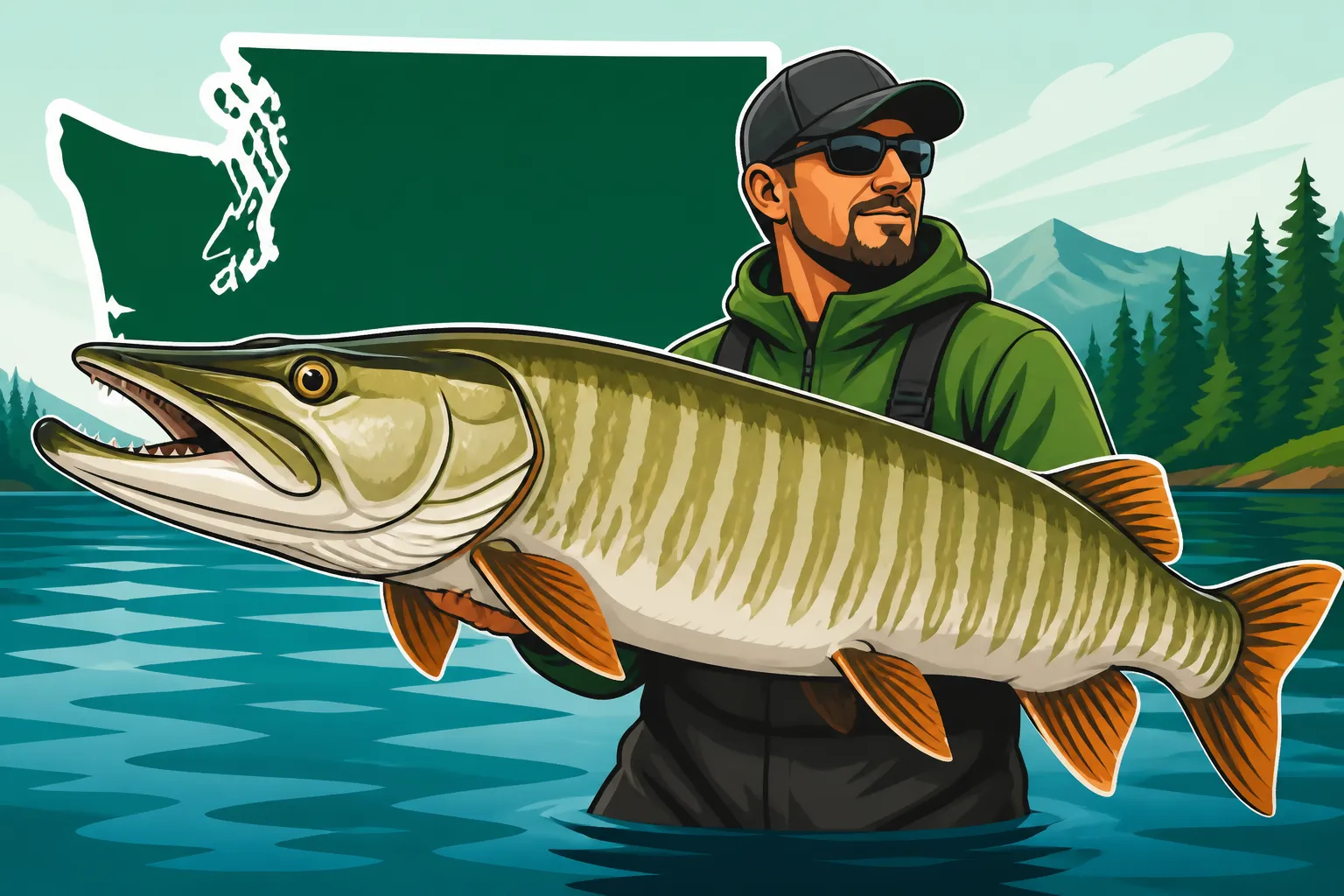
Typically, an average adult tiger muskie in Washington will measure between 30 and 45 inches, weighing anywhere from 8 to 20 pounds. However, it's those fish pushing the upper limits that really capture the imagination. We're talking about individuals that can easily exceed these averages, turning every cast into a potential encounter with a fish of a lifetime. These larger specimens are often older, having spent years refining their hunting skills and gorging on the abundant forage fish in their designated lakes. When you're fishing for these larger individuals, you quickly realize why specialized heavy tackle is often recommended.
Record-Breaking Catches and Trophy Potential
Washington state has a proud history of producing some truly massive tiger muskie. While I won't list specific, year-stamped records, it's widely known among muskie enthusiasts that fish stretching well over 50 inches and weighing into the upper 30s or even 40-pound range are not just rumors—they're a tangible goal. These are the fish that dominate fishing tales and inspire countless hours of pursuit.
The pursuit of a trophy tiger muskie isn't just about the size on the tape measure; it's about the entire experience. Landing a fish of this magnitude requires dedication, the right gear, and often, a good dose of luck. When you hook into a muskie that's in the 40-50 inch class, you'll know it immediately. Their powerful runs, head shakes, and sheer refusal to give up make for an unforgettable battle. Many anglers travel from across the region specifically to target these giants, knowing that Washington's lakes offer some of the best opportunities in the country for a truly exceptional tiger muskie catch.
Here's a general idea of how their size progresses:
| Age (Years) | Typical Length Range (Inches) | Typical Weight Range (Pounds) | Notes |
|---|---|---|---|
| 1-2 | 18-28 | 1-3 | Rapid early growth, learning to hunt |
| 3-5 | 29-38 | 4-10 | Becoming formidable predators, gaining bulk |
| 6-10 | 39-49 | 11-25 | Mature fish, serious fighting power |
| 10+ | 50+ | 26-40+ | Trophy class, rare and highly sought after |
Note: These are general ranges and can vary significantly based on individual fish, specific lake conditions, and available forage.
Why Washington Tiger Muskie Get So Big
It's not just a happy accident that Washington's tiger muskie grow to such gargantuan sizes. A perfect storm of biological factors, thoughtful management, and rich habitats combine to create ideal conditions for these toothy predators to thrive and expand. Understanding these elements can give you an edge in finding—and appreciating—these magnificent fish.
One of the primary reasons for their impressive growth is their aggressive feeding habits. Tiger muskie are voracious eaters, designed to consume large prey. In the lakes where they are stocked, they often have an abundant food source, whether it's invasive fish species they were introduced to control or native populations that provide a ready buffet. This consistent and plentiful diet fuels their rapid development and helps them reach their full genetic potential.
Hybrid Vigor and Genetics
The tiger muskie itself is a fascinating creature, a sterile hybrid of a true muskellunge (Musky) and a northern pike. This "hybrid vigor" is a key component of their large size. Hybrids often display superior traits compared to their parent species, including faster growth rates and increased resilience. In the case of the tiger muskie, they inherit the aggressive feeding nature of the northern pike and the potential for immense size from the muskellunge.
Because tiger muskie are sterile, they don't expend energy on spawning. Instead, all that metabolic energy is channeled directly into growth. This biological advantage means they can put every calorie towards increasing their length and girth, rather than developing reproductive organs or engaging in energy-intensive spawning rituals. It's a biological shortcut to becoming a true leviathan, making them exceptional sport fish and highly effective tools for fisheries management. You won't find them naturally reproducing, which means their populations are entirely managed through stocking programs, ensuring a consistent supply of these hard-fighting fish.
Diet and Habitat
Washington's muskie lakes provide a smorgasbord for these predators. These fish are opportunists, preying on whatever is abundant and easy to catch. Their diet often includes various types of panfish, such as perch, suckers, and even smaller bass. In some cases, they're introduced specifically to control populations of unwanted or overabundant species, making them incredibly effective biological tools. For instance, in lakes struggling with invasive species or overpopulated panfish, tiger muskie can play a crucial role in rebalancing the ecosystem.
The habitats themselves are also conducive to large growth. Lakes chosen for tiger muskie stocking often have vast areas of structure, like weed beds, submerged timber, and rocky points, which provide excellent ambush points for these stealthy hunters. These same structures also offer refuge for their prey, creating a perfect hunting ground. Deep, cool waters in some of these lakes allow muskie to remain active and comfortable even during warmer months, sustaining their feeding throughout the year. The combination of abundant food and ideal hunting grounds means less effort for the muskie to find meals, allowing them to focus more energy on getting bigger.
Washington's Trophy Waters
While tiger muskie aren't found in every lake across Washington, the state boasts a handful of incredible fisheries specifically managed to produce these trophy-sized hybrids. These lakes have been carefully selected and stocked by the Washington Department of Fish and Wildlife (WDFW) to achieve specific ecological goals, primarily population control of other fish, while also creating world-class angling opportunities. Targeting these waters is essential for any angler serious about chasing a giant tiger muskie.
Knowing which lakes hold these monsters can save you countless hours of unproductive fishing. Each of these bodies of water offers unique characteristics and challenges, but they all share one thing in common: the potential for a truly memorable encounter with a fish of impressive size. Planning your trip around these known hotspots will greatly increase your chances of success.
Key Lakes and Their Characteristics
In Washington, a few lakes stand out as premier destinations for tiger muskie. Curlew Lake in Ferry County is arguably the most famous, known for consistently producing some of the largest tiger muskie in the state. Its deep, clear waters and abundant food sources make it a prime environment. Anglers often troll large plugs or cast massive bucktails in and around the lake's extensive weed beds. Another notable lake is Newman Lake near Spokane, which also offers excellent opportunities for big muskie. This lake features plenty of structure, including docks and submerged timber, providing prime ambush points for these predators.
Evergreen Reservoir (also known as Evergreen Lake) in Grant County is another excellent option, offering a different landscape with its more arid, Eastern Washington setting. While perhaps not as historically celebrated as Curlew, it has a healthy population of sizable muskie. When fishing these lakes, consider investing in a good depth finder and a reliable boat, as covering water efficiently is often key to locating these elusive fish. Many anglers rely on maps found on platforms like Amazon to study depths and structures before even launching their boat. These lakes are truly special, offering a unique angling experience that tests both skill and patience. Tiger Muskie in Washington Lakes provides even more detail on these fantastic fisheries.
Managing for Monster Muskie
The Washington Department of Fish and Wildlife (WDFW) plays a critical role in cultivating these trophy fisheries. Their management strategies are multifaceted, focusing on stocking healthy, vigorous tiger muskie into suitable lakes. These stocking programs are carefully planned to ensure the muskie have enough forage to grow large without overpopulating and negatively impacting the ecosystem.
Beyond initial stocking, WDFW continuously monitors the health and growth rates of the muskie populations. This includes surveys of forage fish, water quality assessments, and angler creel surveys to understand catch rates and fish sizes. They also implement specific regulations, such as catch-and-release policies for muskie, to protect these valuable sport fish and allow them to reach their maximum size potential. This careful stewardship ensures that Washington's trophy muskie fisheries remain robust for future generations of anglers. It’s a testament to dedicated fisheries management that we have these incredible opportunities to chase such large fish. If you're wondering about other species, Lakes That Stock Tiger Muskie in Washington is a great resource.
Fishing for Giants: Techniques for Washington's Tiger Muskie
Chasing a monster tiger muskie in Washington is not for the faint of heart, nor for the ill-prepared. These fish are known as "the fish of 10,000 casts" for a reason—they're elusive, challenging, and demand a specific approach. When you're targeting a fish that could potentially be over 50 inches long and weigh more than a toddler, you need to adjust your mindset and your tackle accordingly. It's a game of patience, power, and precision.
Successfully landing one of Washington's giant tiger muskie requires understanding their behavior, using the right equipment, and being prepared for a serious fight. It’s less about finesse and more about brute force and robust gear. Everything from your rod to your reel to your leader needs to be up to the task of handling a fish that can tear through lighter tackle with ease.
Gear and Lures for Big Muskie
To tackle Washington's biggest tiger muskie, you'll need specialized gear designed for heavy-duty encounters. Forget your typical bass or trout rods; we're talking about robust setups. A heavy-action baitcasting rod, typically 7 to 9 feet long, paired with a high-quality baitcasting reel capable of holding a significant amount of strong braided line (at least 65-80 pound test) is essential. The strength of the line is critical, not just for fighting the fish but also for casting the often enormous lures required to entice these predators.
Lures for tiger muskie are often just as impressive as the fish themselves. Large bucktails, sometimes 10-12 inches long, oversized crankbaits, gliders, and soft plastic swimbaits are standard fare. These aren't cheap, so you'll want to make sure your tackle box is well-stocked before hitting the water. Many anglers find a wide selection of these specialized lures on retailers like Amazon. Don't forget heavy-duty leaders—steel or fluorocarbon leaders of at least 100-pound test are a must to prevent their razor-sharp teeth from severing your line. A good pair of long-nosed pliers and jaw spreaders are also crucial for safe, quick, and ethical release, as tiger muskie are primarily a catch-and-release fishery. Rod and Reel You Need for Washington Puget Sound Salmon can give you an idea of the heavy tackle necessary, even if for a different species.
Patience and Persistence
The old adage "the fish of 10,000 casts" exists for a reason, and it rings especially true for tiger muskie. These fish are not only large but also notoriously finicky and intelligent. They might follow your lure right to the boat, giving you heart palpitations, only to turn away at the last second. This requires incredible persistence and the mental fortitude to keep casting, even when hours pass without a bite.
Successful muskie anglers in Washington understand that every cast counts and that the bite can happen at any moment. It's about covering water, dissecting structure, and presenting your lure with precision. Don't get discouraged by a slow day; the reward of hooking into a 40-inch-plus tiger muskie is well worth the effort and the hundreds of casts you might put in. It's a testament to the challenge and the thrill that so many dedicated anglers flock to Washington's lakes specifically for these magnificent, elusive predators. Remember that while you might be focused on muskie, How to Catch Smallmouth Bass in Eastern Washington might be useful if you're exploring the forage fish in these lakes.
Essential Considerations for Tiger Muskie Anglers
Beyond just knowing where to find them and what gear to use, there are crucial considerations that every tiger muskie angler in Washington needs to be aware of. These focus on responsible angling, safety, and legal compliance, ensuring that both the angler and the fish have the best possible experience. Because muskie are often a catch-and-release species, ethical handling is paramount to ensure their survival and the continuation of these fantastic fisheries.
Being a responsible angler means understanding the unique aspects of fishing for these powerful predators. From how you hold your fishing license to how you handle a fish at the side of the boat, every detail matters. These considerations contribute not only to your success but also to the health of Washington's waters and the reputation of the angling community.
Regulations and Licensing
Before you even make your first cast, make sure you have the correct Washington fishing license. Whether you're a resident or non-resident, an annual or short-term license, it's a legal requirement. You can find detailed information on Washington Fishing License Guide for Nonresidents or Resident vs Nonresident Fishing Licenses in Washington to ensure you're compliant. Don't forget that certain endorsements might be required depending on where you're fishing and what you're targeting, though for tiger muskie, typically a general freshwater license is sufficient. Always carry your license with you, either physically or electronically, as wardens do check. Carrying Your Washington Fishing License: Paper, Phone or the MyWDFW App details how to properly display your license.
Beyond the general license, be acutely aware of specific regulations for tiger muskie. Washington generally has very strict, often catch-and-release rules for muskie to protect these trophy fish. Always consult the most current WDFW regulations pamphlet for the specific lake you're targeting. Size limits, bag limits, and gear restrictions (like single barbless hooks, though not always mandatory for muskie specifically, it's good practice) can change, and ignorance is no excuse for a violation. Staying informed is your responsibility as an angler. Pay attention to How Bag and Possession Limits Work in Washington to understand the nuances.
Safe Handling and Release
Due to their immense size and powerful jaws lined with sharp teeth, handling tiger muskie requires caution and proper technique. These are not fish you should lip like a bass. Always have a large, knotless landing net and specialized tools ready, such as long-nosed pliers, jaw spreaders, and bolt cutters (for cutting hooks if necessary). Minimizing the time the fish is out of the water is critical for its survival.
When you land a muskie, cradle it horizontally if possible, supporting its belly, and avoid holding it vertically by the head or tail, which can damage its internal organs. Use your tools to quickly and carefully remove the hooks. If the hooks are deeply embedded or difficult to remove, cutting the hook with bolt cutters might be the best option to reduce stress on the fish. After a quick photo (if desired), gently release the fish, holding it in the water until it regains its strength and swims away on its own. Remember, these are valuable, long-lived fish, and their healthy return to the water ensures future angling opportunities. Even a slightly damaged fin could hinder a fish's survival, so understanding Can You Keep a Fish With a Damaged Fin? is part of being a responsible angler.
Fishing From Boats vs. Banks
When pursuing large tiger muskie, fishing from a boat often provides significant advantages over bank fishing. A boat allows you to cover vast amounts of water, troll large lures, and effectively work structure far from shore. Many of Washington's prime muskie waters are large, and the most productive areas are often inaccessible from the bank. Boat control also enables you to follow a running fish and keep it away from snags, which is crucial when dealing with a powerful adversary like a big muskie.
However, bank fishing can still be productive, especially in specific areas where muskie might congregate, such as weed edges close to shore, points, or bottlenecks. Some lakes might have public docks or designated fishing areas that offer decent access. If you're limited to bank fishing, focus on areas with visible structure and be prepared to cast heavy lures a long distance. Regardless of whether you're in a boat or on the bank, understanding the relevant regulations is key. For more on this, check out Fishing From Boats vs Banks: Different Rules. Also, knowing How Many Rods You Can Fish at Once in Washington applies whether you're on land or water.
Disclaimer
This article is for general informational purposes only and does not constitute professional advice. Laws, prices and regulations vary by location and change over time. Consult a qualified professional for guidance on your specific situation.