How Big Pacific Halibut Get Off Washington
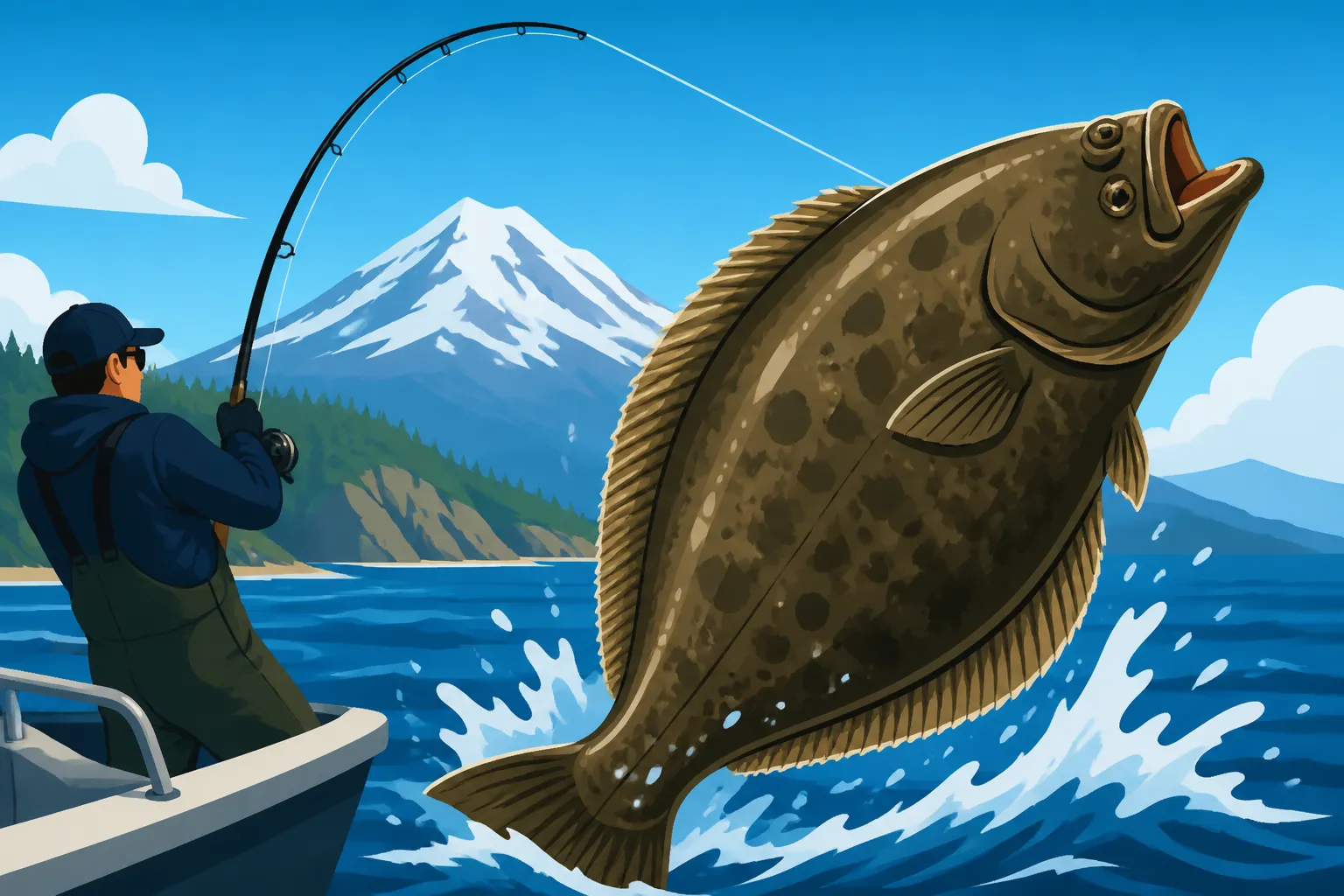
The thrill of chasing Pacific halibut off the Washington coast is unlike any other. You spend hours scanning the horizon, feeling the rhythmic sway of the boat, and then, wham! That solid, thumping fight on the end of your line. But once the fight is done and the magnificent flatfish is alongside, many anglers find themselves wondering: just how big do these incredible fish get in our waters? This guide dives deep into the true size potential of Pacific halibut in Washington, what factors influence their growth, and what you can realistically expect to encounter on your next outing.
The Majestic Pacific Halibut: A Washington Icon
Pacific halibut are, without a doubt, one of the most sought-after and impressive fish species in Washington. Their sheer size, powerful fight, and delicious white meat make them a prize catch for any angler. But more than just their culinary value, these fish represent a significant part of our marine ecosystem and fishing heritage. They are true giants of the deep, and understanding their growth patterns helps us appreciate them even more.
For many, the dream is to land a "barn door" – a halibut so large it barely fits in the boat. While those giants certainly exist, the average catch tells a slightly different, though still impressive, story. It’s easy to get caught up in the tales of massive fish, but having a realistic expectation of halibut size will make your fishing trips even more rewarding, regardless of the size of your catch. These fish can be truly ancient, living for decades and growing steadily throughout their lives.
Understanding Pacific Halibut Growth Rates
Pacific halibut are known for their longevity and their ability to reach truly astonishing sizes, but their growth isn't a simple linear progression. Like many long-lived species, their growth rate can vary significantly based on a multitude of factors, and it tends to slow down as they age. In their younger years, halibut can grow quite rapidly, packing on pounds quickly as they feast on the abundant food sources available to them.
As they mature, their growth curve flattens out, meaning a 40-year-old halibut might only be marginally larger than a 30-year-old one, especially compared to the growth spurt seen in their first decade. Females generally grow larger and live longer than males, which is a common trait among many fish species. This means that those truly colossal halibut that make the headlines are almost always venerable females who have spent many, many years patrolling the ocean floor. Their powerful bodies are a testament to years of survival and successful hunting in the deep, cold waters of the Pacific.
Average Size vs. Trophy Catches
When you're out on the water, especially if you're targeting halibut, it's helpful to differentiate between what constitutes an "average" catch and what would be considered a "trophy." In Washington, the typical halibut caught by recreational anglers can range quite a bit. Many of the fish you'll encounter will be in a respectable size class, offering a great fight and plenty of fillets.
However, the "trophy" category is where the legend truly lies. These are the fish that break into triple digits in weight, sometimes approaching or even exceeding two hundred pounds. Landing one of these magnificent creatures is a lifelong achievement for many anglers, requiring specialized gear, a bit of luck, and a whole lot of perseverance. While the average catch might not be a "barn door," it's certainly nothing to scoff at, and even a mid-sized halibut provides an incredible fishing experience. Keep in mind that consistent fishing in productive areas, often found offshore or in deeper banks, increases your odds of encountering these larger specimens, though there are no guarantees when dealing with such wild and powerful fish. You might want to explore specific Halibut Fishing Techniques for the Washington Coast to better your odds.
Factors Influencing Halibut Size in Washington Waters
The size of a Pacific halibut isn't just a matter of how long it's been alive; it's a complex interplay of environmental conditions, biological traits, and even human influence. Understanding these factors can give you a deeper appreciation for these fish and the challenges they face in their vast marine habitat. It also helps explain why some areas consistently produce larger fish than others.
From the moment they hatch, a halibut's potential size is already being shaped by forces beyond its control. The health of the ocean, the abundance of prey, and the very genes they carry all play a role in whether they'll grow into a modest meal or a monster of the deep. It's a testament to the resilience of these fish that they can achieve such impressive sizes despite all the variables.
Age, Sex, and Genetic Potential
As we touched on earlier, age is a primary driver of size. The longer a halibut lives, the more time it has to grow. Pacific halibut are known to live for a very long time, with some individuals reaching ages well over 50 years, and occasionally even 60 or more. Think about that: a fish you catch could easily be older than you are! This incredible longevity directly translates into their ability to accumulate mass over many seasons.
Beyond age, sex plays a crucial role. Female halibut grow significantly larger and live longer than males. This biological difference means that if you're dreaming of a true "barn door" halibut, you're almost certainly hoping to hook into a mature female. Their genetic potential also dictates their maximum possible size, just like in any species. Some fish are simply predisposed to grow larger than others, a natural variation within the population.
Food Availability and Habitat Quality
Imagine trying to grow big and strong without enough food! Halibut are apex predators on the seafloor, and their growth is directly tied to the abundance and quality of their prey. They feed on a wide variety of organisms, including smaller fish like cod, pollock, and hake, as well as crabs, clams, and other invertebrates. Areas with rich, diverse, and plentiful food sources will naturally support larger, healthier halibut populations.
The quality of their habitat is equally important. Halibut prefer cold, deep waters with sandy or gravelly bottoms, where they can effectively camouflage themselves and ambush prey. Healthy benthic (seafloor) ecosystems, free from pollution and excessive disturbance, provide the ideal conditions for halibut to thrive. Factors like ocean currents, water temperature, and dissolved oxygen levels also play a role in their overall well-being and, consequently, their growth. This is part of what makes Pacific Halibut Fishing on the Washington Coast so unique, as our waters provide excellent habitat.
Fishing Pressure and Management
Human activity, particularly fishing pressure, also influences the average size of halibut in Washington waters. Historically, before stringent management practices were in place, larger fish might have been more common due to less targeted fishing. Today, responsible management by regulatory bodies aims to ensure sustainable populations while still allowing for recreational and commercial harvests. This often includes implementing size limits, daily bag limits, and specific seasons.
These regulations, like the Halibut Possession Limit in Washington and specific slot limits, are designed to protect younger, smaller fish so they can grow and reproduce, and sometimes to protect very large, old breeding females. By allowing a healthy population structure, these management efforts contribute to the long-term potential for anglers to encounter good-sized fish. Understanding and adhering to these rules is crucial for the health of the fishery and for future generations of anglers to experience the thrill of catching a large halibut.
Washington's State Record Halibut and Realistic Expectations
Every angler dreams of breaking a state record, and when it comes to Pacific halibut, that's truly a monumental achievement. While the stories of monster fish are captivating, it's also important to have a clear picture of what the typical angler encounters, and what kind of fish genuinely defines a "trophy" in our state.
The pursuit of the largest fish often takes anglers to specific, deep-water locations during prime seasons, employing particular Halibut Fishing Techniques for the Washington Coast. It's a specialized endeavor, but even if you don't land a record-breaker, the experience of chasing these powerful fish in Washington's beautiful coastal waters is a reward in itself.
The Quest for a True Barn Door
Washington State has its own impressive record for Pacific halibut, a testament to the immense size these fish can achieve in our waters. These records aren't just numbers; they represent truly extraordinary fish caught through skill, patience, and often a fair bit of luck. The state record halibut typically falls into a class that many would call a "barn door" – a fish weighing well over a hundred pounds, sometimes significantly more. This isn't just a big fish; it's a colossal one that takes multiple people to lift and often requires hours of careful maneuvering to bring to the boat.
To give you a better idea, here's a general sense of halibut sizes, keeping in mind that specific weights vary greatly:
| Halibut Size Category | Approximate Weight Range | Notable Characteristics |
|---|---|---|
| Small/Juvenile | Under 20 lbs | Often released, good eating size |
| Average Recreational | 20 – 70 lbs | Most common catch, strong fight |
| Large/Trophy | 70 – 150 lbs | Significant achievement, very powerful |
| Barn Door/Record-Class | 150+ lbs | Rare, often very old females |
Note: These are general ranges and can vary based on specific fishing areas and seasons. Always consult current regulations for legal size and retention limits.
The pursuit of such a fish often involves venturing to deeper, offshore banks, sometimes traveling many miles from port like Westport or Ilwaco. It also typically requires heavy-duty tackle, a sturdy boat, and a keen understanding of halibut behavior and feeding patterns. Anglers dedicated to finding these giants will often spend countless hours honing their techniques and studying the ocean floor. Finding the Washington State Record Halibut requires dedication and often a lifetime of experience.
What Most Anglers Actually Catch
While the state record is awe-inspiring, it's not what most anglers take home. For the vast majority of recreational halibut trips in Washington, you can expect to catch fish that are much more manageable in size, but still incredibly fun to fight and delicious to eat. A "good" halibut in Washington might weigh anywhere from 20 to 60 or 70 pounds. These fish offer plenty of fight, making for an exciting battle, and provide a substantial amount of beautiful white fillets.
It's common to hear about a boat bringing in a few fish in the 30-50 pound range, and those are considered fantastic catches. Even smaller halibut, often referred to as "chickens" by seasoned anglers, which might weigh 10-20 pounds, are still excellent table fare and offer a surprising amount of resistance on the line. Don't underestimate the thrill of catching even a smaller halibut; the experience of successfully landing any of these bottom dwellers is a memorable one. The important thing is to manage your expectations; while a monster is always possible, a solid, respectable fish is a much more likely and equally rewarding outcome.
Measuring Your Catch and Staying Legal
Catching a halibut is exciting, but the work isn't over when it's on the deck. Understanding how to properly measure your fish and adhere to Washington's regulations is absolutely critical. Not only does it ensure you're compliant with the law, but it also contributes to the sustainable management of this incredible fishery for everyone's enjoyment in the future.
These rules are in place for good reason: to protect specific age classes of fish and allow them to reproduce, maintaining healthy populations. Taking the time to understand and correctly apply these guidelines will make you a responsible and respected angler on the water.
Understanding Washington's Halibut Slot Limits and Regulations
Washington, like many states and jurisdictions, employs a combination of regulations to manage the halibut fishery. These often include specific open seasons, daily bag limits, and crucially, size restrictions. The most common type of size restriction you'll encounter is a "slot limit" or a minimum/maximum size. For halibut, this might mean that you can only keep fish within a certain length range, or perhaps only fish that are under a certain length. This is different from a simple minimum size limit because it's designed to protect both the smallest, immature fish and the largest, most reproductively valuable fish.
For example, a regulation might state that you can only keep halibut that are between 32 and 46 inches, or simply under a specific length. This means any fish shorter than the minimum or longer than the maximum must be immediately released. It's incredibly important to know these specific numbers before you head out, as they can change from season to season or even between marine areas. Always check the latest Washington Sport Fishing Regulations pamphlet or the official WDFW website. Understanding Why Is There a Size Limit on Some Washington Halibut? helps clarify the conservation goals behind these rules.
Handling and Preserving Your Big Halibut
When you land a significant halibut, the way you handle it on the boat is paramount for both safety and the quality of the meat. Halibut are incredibly powerful, even when out of the water, and a thrashing fish on a slippery deck can be dangerous. Many anglers use a club (often called a "priest") to dispatch the fish quickly and humanely. This also helps calm the fish, making it safer to handle.
Once dispatched, the next step is often to bleed the fish immediately. This involves making a cut to sever the main arteries, allowing the blood to drain out. Bleeding the fish on deck helps improve the taste and texture of the meat by removing blood that can cause a strong flavor and hasten spoilage. After bleeding, the fish should be placed on ice as quickly as possible. A large halibut takes up a lot of cooler space, so make sure you have adequate ice and cooler capacity to keep your catch chilled until you get back to the dock. Proper care from the moment it hits the deck to the time it's in your freezer ensures you'll enjoy the fruits of your labor for months to come. And don't forget to report your catch if required; Information Required on a Washington Catch Record Card is a good read.
Disclaimer
This article is for general informational purposes only and does not constitute professional advice. Laws, prices and regulations vary by location and change over time. Consult a qualified professional for guidance on your specific situation.