Coho Salmon Fishing in Washington
Oh, the coho salmon! If there's one fish that can ignite a passion in a Washington angler, it's the coho, with its acrobatic leaps and fierce runs. But let's be honest, figuring out when, where, and how to consistently hook into these magnificent "silvers" can feel like deciphering an ancient riddle, especially with regulations that seem to shift like the tides. Many of us have spent countless hours on the water, meticulously preparing, only to come home empty-handed and scratching our heads. This comprehensive guide is here to unravel those mysteries, helping you navigate the waters of Washington and find consistent success targeting coho salmon.
Understanding Washington's Coho Salmon
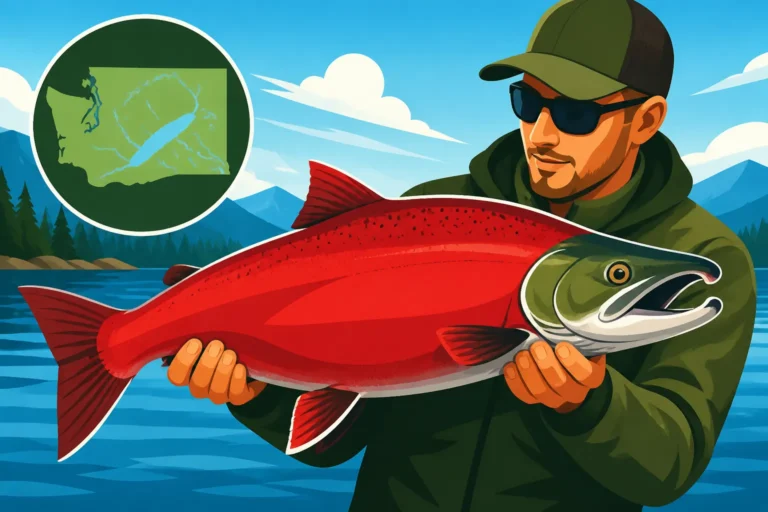
Coho salmon, often affectionately called "silvers" for their brilliant chrome flanks, are one of Washington's most sought-after sportfish. They offer a unique blend of challenge and reward, known for their aggressive strikes and spectacular aerial displays once hooked. But before we dive into the nitty-gritty of catching them, it’s helpful to understand a bit about these incredible fish.
What Makes Coho Unique
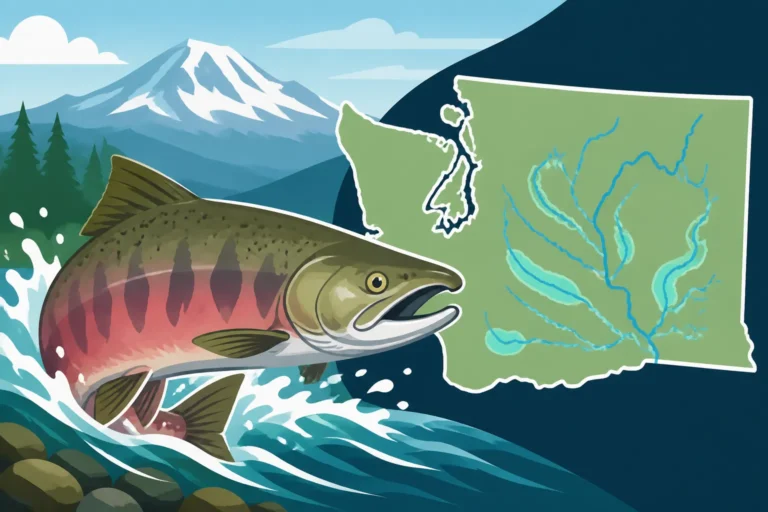
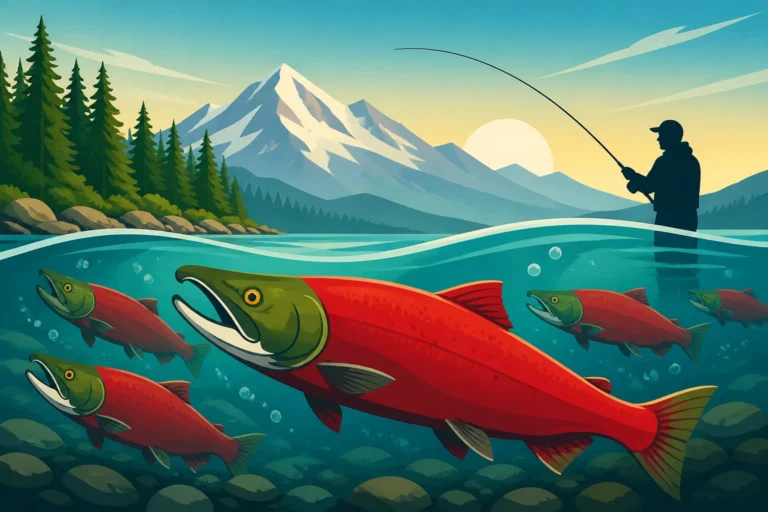
Coho salmon truly are a special breed. When they first enter our marine waters and rivers, they are a picture of sleek, powerful athleticism – deep blue-green on their backs, transitioning to those signature silver sides, and usually sporting only faint spots, primarily on the upper lobe of their caudal (tail) fin. A key identifier often missed by new anglers is their gum line: a coho will have white gums along both the upper and lower jaw, which helps distinguish them from their Chinook cousins who typically have black gums.
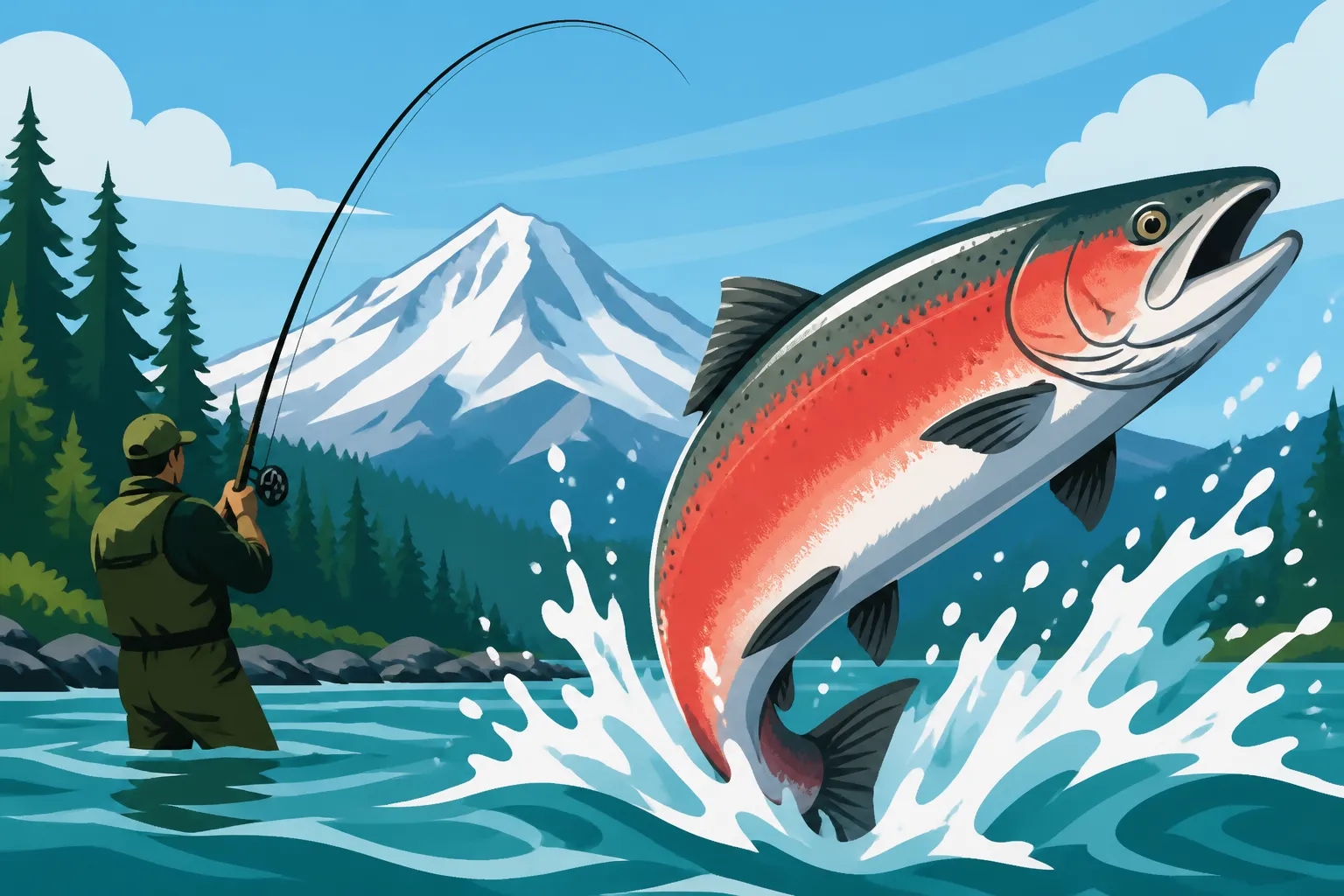
Their life cycle is fascinating, typically spending about a year and a half in freshwater as juveniles before migrating to the ocean for another year and a half or two. This relatively shorter ocean stay compared to some other salmon species contributes to their generally smaller size, usually ranging from 5 to 15 pounds, though trophy fish can push past 20. Don't let their size fool you, though; pound for pound, they are arguably the hardest fighting salmon in the Pacific Northwest. When a coho decides to bite, it often strikes with an undeniable vengeance, and once hooked, be prepared for a fight that includes blistering runs and gravity-defying jumps. It's this spirited nature that makes them such a thrill to pursue.
Identifying Coho vs. Other Salmon Species
One of the biggest frustrations, especially for new anglers, is confidently identifying your catch when multiple salmon species might be present. Bag limits and regulations can differ wildly between species, so knowing what you've got on the end of your line is crucial. Coho have a few tell-tale signs that set them apart. Beyond the white gum line, their tail fin typically has spots only on the upper lobe, with the lower lobe being mostly unspotted and often having a more pronounced fork than Chinook. Their bodies are more slender and torpedo-shaped compared to the bulkier, deeper-bodied Chinook salmon.
If you're wondering How to Tell a Chinook From a Coho or even How to Tell a Coho From a Chum, paying close attention to these details can save you a lot of headache (and potential fines!). Another important identifier, particularly for determining if a fish is a hatchery-raised or wild specimen, is the adipose fin. Many hatchery-raised coho in Washington are adipose fin-clipped, meaning that small fleshy fin on their back, between the dorsal fin and tail, has been removed. This mark allows anglers to legally retain hatchery fish in areas where wild coho must be released. While the specifics can vary greatly by river and marine area, understanding the concept of fin clips, much like learning How to Tell Wild Steelhead From Hatchery Steelhead, is an essential part of responsible angling in Washington. Always double-check current regulations for specific rules on fin-clipped vs. unclipped fish in your chosen fishing spot.
Where Coho Call Home in Washington
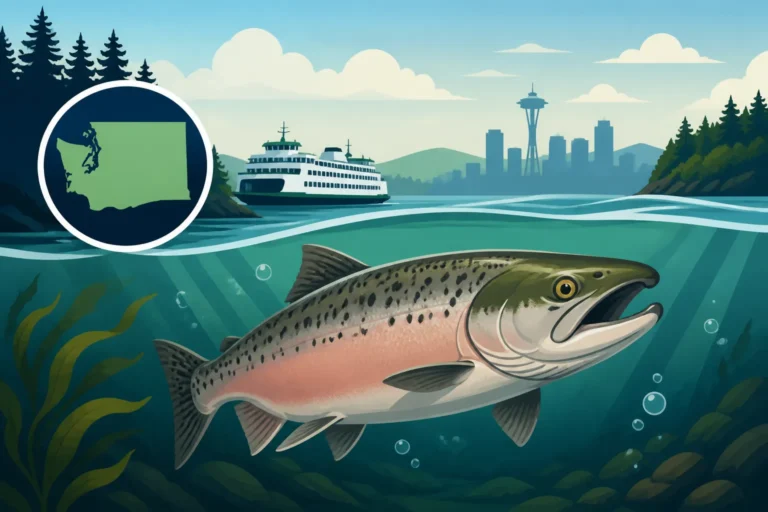
Coho salmon are incredibly widespread across Washington, making them accessible to a vast number of anglers. From the salty expanses of Puget Sound to the intricate river systems winding through the Olympic Peninsula and the mighty Columbia River, coho can be found in a diverse range of habitats. In the marine environment, they tend to prefer the upper layers of the water column, often congregating near baitfish schools – think herring, anchovies, and sand lance – which they voraciously pursue. You'll often find them cruising along current lines, near points, or around structure where baitfish are likely to gather.
As they begin their freshwater migration, they’ll stage in estuaries before pushing up into rivers like the Cowlitz, Chehalis, Skagit, and numerous smaller streams. Here, they seek out cooler, oxygenated water and hold in pools, behind log jams, or in faster runs before moving upstream to their natal spawning grounds. Their adaptability to both saltwater and freshwater environments is one of the reasons they offer such varied and exciting fishing opportunities throughout the state. Understanding these preferred habitats is the first step in narrowing down your search and increasing your chances of a successful coho outing.
When and Where to Find Washington Coho
Timing and location are absolutely everything when it comes to coho fishing in Washington. These fish are migratory, and their presence in certain areas is highly dependent on the season and environmental conditions. Getting these factors right will be the biggest determinant of whether you have an epic day on the water or just a scenic boat ride.
The Seasonal Coho Runs in Washington
The main coho season in Washington typically kicks off in late summer and extends well into the fall, peaking in different areas at different times. This is when the ocean-bright coho, packed with energy and chrome scales, begin their journey towards their spawning rivers. For many, August and September are prime months for chasing these fish in Puget Sound and along the coast, with the action shifting to the rivers from September through November, and sometimes even into December in certain systems. If you're looking for specific timing, our guide on When Coho Salmon Run in Washington offers a fantastic deep dive into the various peaks across the state.
However, it's worth noting that some coho, often referred to as "resident coho" or sometimes "blackmouth" (though blackmouth usually refers specifically to resident Chinook), can be found in Puget Sound throughout the year. These are fish that haven't fully committed to a distant ocean migration and tend to stay in local waters longer. While typically smaller than their ocean-migrating counterparts, they still offer a fun challenge during the off-peak seasons. Factors like water temperature, river flows, and the abundance of baitfish all play a critical role in when and how strongly coho return, making it crucial to stay updated on local conditions.
Top Puget Sound Hotspots for Coho
Puget Sound is a vast and incredible fishery, offering some fantastic coho opportunities. As the season progresses, areas like Admiralty Inlet, Possession Bar, and the waters off Midchannel Bank become renowned battlegrounds. Many anglers find success in Marine Area 9 for Salmon Fishing, Explained, particularly during the late summer pushes when coho are transitioning from the ocean. However, the entirety of Puget Sound, including spots closer to urban centers like Seattle and Tacoma, can hold fish when the bait is present.
Look for areas where currents converge, creating rips and eddies, or where underwater structure like humps and ledges can concentrate baitfish. Points of land that jut out into the Sound often create natural migratory pathways for salmon, making them prime targets. The San Juan Islands also offer exceptional coho fishing, particularly in early fall, where they intercept fish moving through the channels. These areas demand attention to detail: observing bird activity, watching for baitfish on your sonar, and being aware of current patterns are all key to unlocking the coho puzzle here.
Coastal and River Opportunities for Coho
Beyond Puget Sound, Washington's coast and numerous river systems light up with coho activity. Coastal towns like Westport and Ilwaco see incredible ocean fisheries during the summer, where anglers target large schools of migrating coho before they enter freshwater. These offshore trips often yield chrome-bright fish that are absolutely gorging on bait, making for exhilarating battles.
As fall arrives, the focus shifts to Washington's rivers. The Columbia River system, including major tributaries like the Cowlitz, Lewis, and Kalama, can experience massive coho runs. Our guide on Fishing the Cowlitz River for Steelhead and Salmon in Washington can offer insights into the dynamic nature of these river fisheries. Further west, the Olympic Peninsula rivers, such as the Chehalis, Humptulips, Hoh, and Quillayute systems, become prime destinations. These rivers, often characterized by their wild beauty, offer incredible bank and drift boat opportunities. Coho moving upstream will hold in deeper pools, behind submerged timber, and along current seams, providing excellent targets for both gear and fly anglers. The transition from saltwater to freshwater means a change in tactics, but the thrill of a hard-fighting coho remains constant.
Essential Gear for Washington Coho Fishing
You wouldn't head out on a hike without the right boots, and the same goes for coho fishing. Having the appropriate tackle isn't just about making the catch; it’s about making the experience enjoyable and effective. The right gear makes a huge difference, especially when a powerful coho decides to test your resolve.
Rods, Reels, and Line for Coho
When it comes to rods for coho, versatility is key, as your approach will vary depending on whether you're trolling in the Sound or casting in a river. For trolling in saltwater, a medium-heavy to heavy action rod, typically 9 to 10.5 feet long, is a popular choice. These longer rods help manage large flashers and divers, absorb the shock of a hard strike, and keep the line clear of your boat's transom. Pair this with a sturdy levelwind reel spooled with 30-50 pound braided line and a top shot of 25-40 pound monofilament or fluorocarbon leader. The braid offers sensitivity and strength, while the mono/fluoro provides stealth and abrasion resistance.
For casting spoons or jigs from a boat or shore, a medium to medium-heavy spinning rod, 8 to 9 feet in length, offers the perfect balance of casting distance and fish-fighting power. A matching spinning reel in the 3000-5000 size range, spooled with 20-30 pound braid and a 15-20 pound fluorocarbon leader, will handle most situations. If you're heading to the rivers, especially for drift fishing or bobber and jig, a lighter action rod, often 9 to 10.5 feet, with a softer tip will provide better bite detection and cushion those powerful head shakes. A quality reel, whether a spinning or baitcasting model, with a smooth drag system is non-negotiable, because a sticky drag is a sure way to lose a leaping coho.
Terminal Tackle and Lures That Work
Coho are notoriously aggressive, and they love to chase. This means a wide array of lures can be effective. In saltwater, the name of the game is often flash and vibration. Brightly colored flashers and dodgers, typically 8-11 inches long, are used to attract attention and impart action to your trailing lure or bait. Behind these, a short leader to a hoochie (squid skirt), spoon, or small plug can be deadly. Popular hoochie colors include greens, blues, chartreuses, and pinks, often paired with a strip of herring or anchovy for scent and added attraction. Spoons like the classic "Silver Horde" or "Kingfisher" in various sizes and finishes are also staples.
For casting, think spoons, jigs, and even buzz bombs. Silver, chartreuse, blue, and pink are consistently effective colors. When river fishing, presentation becomes more critical. Spin-N-Glos, corkies, yarn, beads, and cured salmon roe are all highly productive. Many anglers will drift these offerings under a float or on a three-way swivel rig. Remember that in many Washington waters, especially rivers, barbless hooks are mandatory. Our article on Barbless Hook Requirements on Washington Rivers is a must-read to ensure you're compliant. Don't be afraid to experiment with color and size based on water clarity and light conditions; coho can be picky, but when you find what they like, the action can be explosive. If you need to stock up on a variety of lures and terminal tackle for different conditions, checking out a wide selection on Amazon can be a great way to ensure you have all your bases covered before your next trip.
Essential Accessories for a Successful Trip
Beyond your rod and reel, a few key accessories can make your coho fishing trip much smoother. First and foremost, a good quality net with a rubberized mesh is essential. It's gentler on the fish if you plan to release it, and it won't tangle your hooks as easily. A pair of long-nosed pliers or a hook remover tool is invaluable for safely extracting hooks, especially with toothy coho. A measuring device, whether a tape measure or a marked ruler on your boat, is crucial for ensuring your catch meets legal size requirements.
Don't forget comfort and safety: a well-stocked cooler with plenty of ice is critical for preserving your catch, especially on warmer days. Good rain gear is almost always a necessity in Washington, regardless of the season, and you can find a solid selection on Amazon to keep you dry and comfortable. Polarized sunglasses will cut glare, helping you spot fish or subsurface structure. Finally, a sharp knife for cleaning your catch and a camera to capture those memorable moments round out the list. Being prepared means you can focus on the fishing, not on scrambling for missing items.
Effective Techniques for Catching Coho Salmon
Coho salmon are known for their aggressive nature, which means they can be caught using a variety of techniques. From the expansive waters of Puget Sound to the tight confines of a river bend, adapting your approach to the environment is key. Let's explore some of the most effective methods to get these "silvers" to bite.
Trolling for Ocean and Puget Sound Coho
Trolling is arguably the most popular and effective method for targeting coho in the vast open waters of the Pacific Ocean and Puget Sound. The idea is simple: cover a lot of water at a consistent speed, presenting your lure or bait at the correct depth where coho are feeding. Most serious Puget Sound salmon anglers utilize downriggers to precisely control the depth of their gear, often running multiple lines at different depths to find the fish. If you're wondering if Are Downriggers Legal in Puget Sound?, rest assured, they are, and they're incredibly effective tools. Typical trolling speeds for coho range from 2.0 to 3.5 miles per hour, but this can vary depending on the action you want to impart to your lure and the preferences of the fish on a given day. Sometimes, a slight increase or decrease in speed can trigger a bite.
Your setup usually involves a large flasher or dodger, followed by a short leader (typically 18-36 inches) to a spoon, hoochie, or bait like a herring or anchovy. These flashers attract fish from a distance and give the trailing lure an enticing, erratic action. Coho often feed near the surface, but they can be found at various depths depending on bait concentrations, current, and light levels. Our guide on Depth Coho Hold at in Puget Sound can give you more specific ideas. Pay close attention to your fish finder for bait balls or schools of fish, and don't hesitate to adjust your depth and spread of lures to match what the coho are doing. Often, multiple rods spread out with different presentations will help you dial in on what's working best.
Casting and Mooching in Marine Areas
While trolling covers ground, casting and mooching offer a more interactive and sometimes more rewarding experience, especially when coho are concentrated or actively feeding on the surface. Casting spoons and jigs from a boat, kayak, or even from shore can be incredibly productive, particularly during those "jumper" moments when coho are slashing at baitfish on the surface. Retrieve your lure with an erratic cadence – a mix of fast retrieves, pauses, and twitches can mimic a wounded baitfish, irresistible to a hungry coho. Heavier metal jigs or spoons are excellent for getting down to depth quickly if fish are deeper.
Mooching is a classic Puget Sound technique that relies on drifting with the current, presenting cut plug herring or anchovies under a weighted leader. This method excels when coho are concentrated in a specific area, often around points or tidal rips. The subtle, natural presentation of a drifting bait can entice strikes from even finicky fish. If you're interested in learning more, our article Mooching for Salmon and How Washington Anglers Do It explains the nuances of this time-honored technique. Success with casting and mooching often depends on understanding tidal currents and bait presence. Observing other anglers, watching for diving birds, and keeping an eye on your sonar for baitfish schools are all crucial indicators.
River Fishing Strategies for Coho
Once coho enter the rivers, the game changes. They're no longer focused on gorging on baitfish in the same way; their primary drive is to reach their spawning grounds. This means techniques need to focus on triggering an aggressive, territorial strike rather than just presenting food. Drift fishing is a highly effective method in rivers, involving casting a weighted setup upstream and allowing it to tumble naturally along the bottom through likely holding water. This can involve cured salmon roe bags, corkies, yarn, or plastic beads, all designed to entice a reaction bite. For an overview of this method, check out Drift Fishing for Steelhead in Washington Rivers, as many of the principles apply to coho.
Another popular river technique is fishing a bobber and jig. This involves suspending a jig (often brightly colored with marabou or rabbit fur) under a float, allowing it to drift through pools and runs. The float keeps your lure at a consistent depth, perfect for targeting fish holding in specific lanes. The subtle jigging action from the current or a slight rod twitch can be incredibly effective. Finally, "plunking" is a static method often employed on larger rivers like the Columbia. This involves casting out a heavy weight with a lure (like a Spin-N-Glo or Brad's Killerfish) and letting it sit on the bottom in a current seam, waiting for a coho to encounter it. Our guide on How to Plunk for Salmon on a Washington River delves into the details of this effective, yet often overlooked, technique. Each river system and water condition will dictate the best approach, so being versatile is a great asset for river coho anglers.
Navigating Washington's Coho Regulations
Let's talk about the often-frustrating, but absolutely essential, aspect of fishing in Washington: the regulations. Trust me, I've heard the sighs and seen the confused looks when a new pamphlet comes out. It can feel like a labyrinth, but understanding these rules is not just about avoiding fines; it's about protecting our precious coho runs for future generations.
Licenses, Endorsements, and Catch Record Cards
Before you even think about wetting a line, you absolutely need the proper Washington fishing license. Whether you're a long-time resident or visiting from out of state, the rules apply. If you're new to the area, our Washington Fishing License Guide for Nonresidents is a great place to start, as nonresident rules can differ quite a bit. Licenses are typically annual, but you can also find short-term options if you're only planning a quick trip. You can pick up your license from various retail locations, or conveniently online through the WDFW website. For a more detailed look at the purchasing process, check out Where and How to Buy a Washington Fishing License.
Beyond the basic license, salmon fishing in Washington often requires an additional catch record card. This seemingly simple piece of paper is incredibly important. Every time you catch and keep a salmon, you are legally required to immediately record it on this card. This data is vital for wildlife managers to track harvest numbers and make informed decisions about future seasons. If you want to understand the ins and outs of this requirement, our article on The Washington Catch Record Card and What It Requires is a must-read. Fail to properly fill out your catch card, and you could face a penalty, even if you’re otherwise fishing legally. Some areas, particularly the Columbia River, might also require specific endorsements, so always double-check.
Understanding Daily and Possession Limits
Here's where things can get a little tricky, and it's a common source of confusion for many anglers. Daily limits refer to the maximum number of a particular species you can legally keep in a single day. Possession limits, however, refer to the maximum number of fish you can have in your possession at any given time, whether that's in your cooler, at your home, or in transit. Often, the possession limit is twice the daily limit, but this isn't always the case, and it's something you must verify for your specific fishing area. Our guide on Understanding Washington's Daily Bag Limits by Species provides a great overview, and the nuances of Possession Limits vs Daily Limits in Washington are critical to grasp.
What complicates matters further is that these limits are not universal across the state. They can vary significantly by marine area, river system, and even by specific dates within a season. For instance, the daily limit for coho in Puget Sound's Marine Area 9 might be different from the limit in the San Juan Islands, as highlighted in Does a Different Bag Limit Apply in the San Juans?. Always consult the most current WDFW regulations pamphlet for the specific body of water you intend to fish. These details are often printed clearly in the pamphlet, so take the time to read it carefully before heading out.
Emergency Rule Changes and How to Stay Informed
This is perhaps the biggest frustration for Washington anglers: the mid-season emergency rule change. One day a river is open, the next it's closed, or the bag limit is suddenly cut in half. While these changes can be maddening, they are a necessary tool for wildlife managers to adapt to real-time run data, ensuring conservation goals are met. Fisheries are often managed on "encounter limits," meaning if too many fish are being caught, or if a wild component of the run is struggling, emergency rules kick in. Our article on Emergency Rule Changes: Why Washington's Rules Shift Mid-Season sheds light on the rationale behind these often-abrupt adjustments.
It's absolutely paramount that you know how to stay informed. Relying on what "Joe down the street" said last week is a recipe for trouble. The Washington Department of Fish and Wildlife (WDFW) is the official source for all regulations. They issue press releases and update their online fishing rule change pages frequently. Many veteran anglers make it a habit to check the WDFW website or use the MyWDFW App (What the MyWDFW App Is Used For) before every single trip, especially when targeting highly regulated species like coho. Seriously, make it a habit to What to Check Before Every Washington Fishing Trip – it's the only way to avoid an unintentional violation and ensure you're fishing legally and responsibly.
Caring for Your Coho Catch
So, you've battled a beautiful coho, and it's now in the net. Congratulations! But the job isn't over yet. How you handle your catch from this moment on will significantly impact the quality of the meat on your dinner plate. Trust me, there's nothing more disappointing than a perfectly caught fish that wasn't cared for properly.
Handling Your Fish Responsibly
First things first: if you intend to keep the fish, dispatch it quickly and humanely. A swift, firm blow to the top of the head with a priest (a small, blunt club designed for this purpose) will stun the fish. Immediately after, bleed your coho. This is a critical step for quality. You can do this by cutting the gills or severing the artery just behind the pectoral fins. Bleeding helps remove blood from the flesh, resulting in cleaner, better-tasting meat with a longer shelf life.
Once bled, get your coho on ice as quickly as possible. A cooler filled with a slurry of ice and saltwater is ideal. The cold temperatures slow down bacterial growth and enzymatic reactions that can degrade the meat. Don't just throw it in a warm fish box; that's a sure way to compromise the quality. Lay the fish flat on the ice, ensuring it's completely surrounded. Proper immediate care means your delicious coho will be at its peak when you finally get it to the kitchen.
Cleaning and Filleting Coho Salmon
Once you're off the water and ready to process your catch, cleaning and filleting are the next steps. Start by gutting the fish. Make a cut from the vent to the gill plate, remove all internal organs, and scrape out the kidney line along the backbone. Rinse the cavity thoroughly with cold water.
For filleting, place the fish on a clean, flat surface. Make an initial cut behind the head, down to the backbone. Then, turn your knife parallel to the backbone and slice along it all the way to the tail, separating one fillet. Flip the fish over and repeat for the second fillet. You'll then typically remove the rib bones from each fillet and decide whether to remove the skin. Many prefer to leave the skin on for cooking as it adds flavor and helps keep the fillet together, especially for grilling. Practice makes perfect with filleting, so don't be discouraged if your first few aren't pristine. The goal is to maximize the amount of clean, edible meat.
Storage and Preservation for Quality
Once filleted, how you store your coho is crucial for maintaining its freshness and flavor. For short-term storage (1-2 days), keep the fillets on ice in a cooler, or in the coldest part of your refrigerator. For longer-term preservation, freezing is the way to go. The best method for freezing salmon is vacuum sealing. This removes all air, preventing freezer burn and extending the shelf life dramatically. If you don't have a vacuum sealer, you can use heavy-duty freezer bags, trying to remove as much air as possible before sealing. Another good technique is to "ice glaze" the fillets: freeze them solid, then dip them in cold water, letting a thin layer of ice form, and repeat a few times before wrapping them tightly in freezer paper and then a freezer bag. This extra layer of ice acts as a barrier against air.
When it comes to transporting your prized catch, especially if you're traveling a distance, proper packaging is key. For air travel or long drives, a well-insulated cooler with dry ice or gel packs, packed securely, is your best bet. Always check airline regulations regarding seafood transport, but generally, fish packed correctly in a sturdy cooler is acceptable. Our article on How to Package Fish for the Flight Home gives detailed tips to ensure your coho arrives at its destination in prime condition, ready to be enjoyed. Remember, a little effort in handling and preservation goes a long way in ensuring that delicious coho experience.
Common Challenges and Solutions for Coho Anglers
Fishing for coho, like any pursuit in the great outdoors, comes with its fair share of challenges. From the fish simply not biting to gear acting up, these moments can test an angler's patience. But with a little foresight and problem-solving, most of these hurdles can be overcome, leading to more rewarding days on the water.
Dealing with Finicky Biters
We've all been there: the fish finder is lit up with marks, you see coho porpoising on the surface, but they just won't touch your lure. This can be incredibly frustrating. The first thing to consider is presentation. Are you using the right lure size and color for the conditions? In clear water and bright sun, more natural, subtle colors like silver, white, or light green often work best. In darker, stained water or overcast conditions, brighter, more contrasting colors like chartreuse, pink, or orange might get noticed. Sometimes, simply changing the size of your lure, even slightly, can make all the difference.
Next, consider your speed and depth. Coho can be particular about how fast your lure is moving. Try varying your trolling speed or the retrieve rate of your cast. If you're using downriggers, experiment with different depths; sometimes they're just a few feet shallower or deeper than you'd expect. Bait quality is also paramount. If you're fishing herring or anchovies, ensure they are fresh, firm, and cut to spin correctly. A poorly spinning bait looks unnatural and will be ignored. Don't be afraid to try something completely different if your usual go-to isn't working – a different lure type, a different color, or even a different retrieve cadence.
Gear Malfunctions and Quick Fixes
Nothing can ruin a fishing trip faster than gear trouble, especially when the bite is hot. Line tangles, snags, and reel issues are common culprits. For line tangles, prevention is the best medicine: ensure your reels are spooled properly, check your line for nicks and twists regularly, and be mindful of wind. If a tangle does happen, take your time to unravel it; rushing usually makes it worse. Sometimes, a quick cut and re-tie is the most efficient solution, especially for a significant bird's nest.
Snags are an inevitable part of fishing, particularly in rocky or woody areas. If you get snagged, point your rod directly at the snag, engage your reel's drag, and back away slowly to try and pull it free. If it's truly stuck, try to break the line as close to the snag as possible to minimize the amount of lost line. For reel issues, like a sticky drag or grinding noise, a quick rinse with fresh water and a drop of lubricant can often provide a temporary fix. It's always a good idea to carry a small emergency tackle box with spare leaders, hooks, weights, and a multi-tool for on-the-spot repairs. Having a few extra spoons or jigs on hand (which you can easily stock up on from Amazon) means a lost lure doesn't mean the end of your fishing day.
Weather and Water Condition Impacts
Washington weather is famously unpredictable, and water conditions in both marine areas and rivers can change rapidly, significantly impacting coho behavior. Wind can make boat control difficult, create chop that makes bite detection tough, and stir up sediment. On windy days, try to fish in protected bays or on the leeward side of islands. If the wind is truly howling, it might be safer and more productive to focus on bank fishing opportunities or reschedule your trip.
Rain, while often perceived as bad, can actually improve river fishing by raising water levels and adding color, which can encourage coho to move upstream. However, too much rain can lead to blown-out, muddy rivers where fish are nearly impossible to find. In such conditions, focus on slower-moving eddies, back channels, or the extreme river margins where fish might seek refuge from the main current. Conversely, low, clear water in rivers makes coho incredibly spooky; you'll need to use lighter leaders, smaller lures, and make longer casts to avoid alarming them. Monitoring weather forecasts and river flow data (often available from USGS or local dam operators) is crucial for making informed decisions and adjusting your strategy to the conditions at hand.
Conservation and Sustainable Coho Fishing Practices
As anglers, we have a profound responsibility to protect the resources we cherish. Coho salmon, while resilient, face numerous challenges, from habitat loss to fluctuating ocean conditions. Practicing conservation isn't just a suggestion; it's a moral imperative that ensures future generations can experience the thrill of chasing these magnificent fish.
Practicing Catch and Release When Necessary
There will be times when catch and release is either required by regulation or simply the right thing to do. Many Washington fisheries operate under selective retention rules, meaning you might only be allowed to keep hatchery (fin-clipped) coho, while wild (unclipped) fish must be released. Our guide on Catch-and-Release Rules During Wild Steelhead Closures offers some insight into how important these types of regulations are for sensitive populations, and the same care applies to wild coho. When you encounter a wild coho that must be released, minimize its time out of water. Use a rubberized net to handle it gently, and if possible, remove the hook while the fish is still in the water.
If you must handle the fish, use wet hands to avoid removing its protective slime layer. Avoid gripping the fish by the gills or eyes. If the hook is deeply embedded, it's often better to cut the line as close to the hook as possible rather than tearing the fish's delicate tissues trying to remove it. Allow the fish to recover in the water, holding it upright by the tail facing into a gentle current until it's strong enough to swim away on its own. These practices significantly increase the survival rate of released fish, contributing directly to the health of the coho population.
Protecting Coho Habitats
Coho salmon rely on healthy freshwater habitats for spawning and juvenile rearing, and clean marine environments for their ocean growth. As anglers, we can contribute to protecting these habitats in simple yet impactful ways. Always adhere to "Leave No Trace" principles: pack out everything you pack in, and leave no litter behind. This includes discarded fishing line, which can be lethal to wildlife. Avoid disturbing sensitive spawning areas, especially during the fall when coho are on their redds (nests). Know your local waterways and be mindful of where juvenile fish might be present.
Support efforts to restore and protect riparian zones (the areas along riverbanks), as these provide crucial shade, food, and cover for young salmon. Minimizing your impact when accessing fishing spots, such as sticking to established trails and avoiding trampling vegetation, also helps. Advocating for clean water initiatives and sustainable land use practices, even through simple actions like contacting local representatives, can make a difference. The health of the coho fishery is inextricably linked to the health of its habitat, and we all play a role in its preservation.
Reporting Violations and Supporting WDFW
Finally, a crucial aspect of conservation is helping to enforce the regulations designed to protect our fisheries. Unfortunately, illegal fishing activity – whether it's exceeding bag limits, fishing in closed areas, or snagging fish – does occur. When you witness a suspected violation, it's your responsibility as a conscientious angler to report it. The Washington Department of Fish and Wildlife (WDFW) relies heavily on public cooperation to monitor and enforce fishing laws.
You can typically report violations through the WDFW's statewide hotline or online reporting system. Provide as much detail as possible: date, time, location, description of the individuals, their vessel or vehicle, and the nature of the alleged violation. Your identity can remain anonymous. By reporting illegal activity, you are directly helping to protect coho populations and ensure that all anglers are playing by the rules. Additionally, supporting WDFW through license purchases and participation in public input processes helps them manage and sustain Washington's incredible coho salmon fisheries for everyone.
Disclaimer
This article is for general informational purposes only and does not constitute professional advice. Laws, prices and regulations vary by location and change over time. Consult a qualified professional for guidance on your specific situation.