Cutthroat Trout vs Rainbow Trout in Washington
It’s a tale as old as time on Washington’s rivers and lakes: you hook into a beautiful, feisty trout, and as you bring it to hand, that nagging question pops into your head, "Is this a rainbow or a cutthroat?" You're not alone! This is one of the most common identification dilemmas for anglers across our state, and honestly, it can be downright confusing, especially when you're caught up in the moment. The truth is, these two incredible fish share many similarities, but understanding their unique characteristics isn't just about satisfying your curiosity; it's crucial for responsible angling and complying with ever-important regulations. This guide is here to untangle that knot of confusion, helping you confidently distinguish between the magnificent cutthroat and the vibrant rainbow trout you encounter in Washington's diverse waters.
The Basics: What Are We Even Talking About?
Before we dive into the nitty-gritty of fin rays and spots, let's get a foundational understanding of who these two aquatic superstars are. They're both iconic members of Washington's freshwater and, in some cases, saltwater ecosystems, providing endless enjoyment for countless anglers. But while they might look similar at first glance, they have distinct stories and places within our state's rich fishing heritage.
Meet the Cutthroat Trout
The cutthroat trout, or Oncorhynchus clarkii, is deeply ingrained in the Pacific Northwest's identity, a true native son (or rather, fish) of Washington State. There's something undeniably rugged and wild about a cutthroat, reflecting the pristine, often remote environments they call home. These fish are renowned for their adaptability, thriving in everything from tiny headwater streams trickling down from the Cascades to vast, deep mountain lakes, and even the Puget Sound's saltwater fringes as sea-run populations.
What makes them truly special is their incredible genetic diversity, leading to several distinct subspecies within Washington, each uniquely adapted to its specific corner of the state. From the coastal cutthroat, which ventures into brackish and saltwater, to the more inland westslope and Yellowstone cutthroat found in Eastern Washington, they represent a fascinating tapestry of evolution. For many anglers, catching a native cutthroat feels like connecting with the wild heart of Washington itself, a testament to their enduring presence long before European settlement.
Getting to Know the Rainbow Trout
Then we have the rainbow trout, Oncorhynchus mykiss, a fish that needs little introduction to anyone who's ever cast a line. While also native to Western North America, including Washington, their widespread popularity has led to them being introduced and stocked in countless water bodies worldwide. In Washington, you'll find them almost everywhere, from heavily stocked urban lakes designed for family fishing fun to wild, remote rivers where they live alongside their cutthroat cousins.
Perhaps the most famous form of the rainbow trout in Washington is its anadromous cousin, the steelhead. Steelhead: Washington's Ocean-Run Rainbow Trout These ocean-going rainbows undertake epic migrations, returning to freshwater to spawn, just like salmon. This migratory lifestyle makes steelhead one of the most revered and challenging game fish in the state, often sought after by dedicated anglers willing to brave harsh winter conditions. But even their resident, freshwater-dwelling counterparts are highly prized for their vibrant colors, spirited fights, and willingness to bite a wide variety of offerings. They are a staple of many fishing programs and a fantastic fish for anglers of all skill levels.
The Shared Family Tree: Oncorhynchus clarkii and Oncorhynchus mykiss
It might seem confusing that two fish with such distinct characteristics can be so often mistaken for each other, but it all comes down to their close biological relationship. Both the cutthroat and rainbow trout belong to the Oncorhynchus genus, which includes Pacific salmon and trout. This genus name actually means "hooked snout" in Greek, referring to the hooked jaw (kype) that many male salmonids develop during spawning. This shared ancestry means they have a lot in common visually and biologically, which is precisely why identification can be such a head-scratcher.
Think of them as close cousins in the salmonid family. They evolved alongside each other, often sharing similar habitats, which further contributed to their sometimes-striking resemblance. The scientific community has long studied their interrelationships, and it's a testament to the incredible biodiversity of our region. For us anglers, knowing they're related helps explain why those subtle differences are so critical. It's like telling apart two identical twins – you really have to pay attention to the small details!
Physical Distinctions: Seeing is Believing (Mostly)
Alright, let's get down to the visual cues. This is where most anglers struggle, as the subtle differences can be easy to miss, especially if you’re not sure what you’re looking for. But once you train your eye, these distinctions become much clearer, allowing you to make a more confident identification on the water.
The Tell-Tale Red Slash and Maxillary Bone
This is often the first, and sometimes only, feature people mention when trying to identify a cutthroat: the red or orange "slash" marks under the lower jaw. It’s the origin of their common name, after all! However, here's the kicker: these slashes aren't always bright red and obvious. Sometimes they can be faint, pale orange, or even completely absent in certain individuals or under specific water conditions. A trout fresh from the ocean might have almost invisible slashes, while a fish from a clear, cold mountain stream could have them blazing. Don't rely solely on the slash.
Another crucial, and often more reliable, identifier for cutthroat trout is their maxillary bone. This is the upper jaw bone that extends back toward the eye. On a cutthroat, this bone typically extends noticeably past the back edge of the eye. On a rainbow trout, the maxillary usually ends right around the middle or back edge of the eye, but rarely extends significantly beyond it. This anatomical feature is often more consistent than the color of the slash, and it’s a great trick to use even if the fish isn't sporting a vibrant red throat. Taking a quick photo and zooming in on your phone can really help here, especially if you're using a waterproof case from, say, Amazon to protect your device.
Spotting Differences: Size, Shape, and Pattern
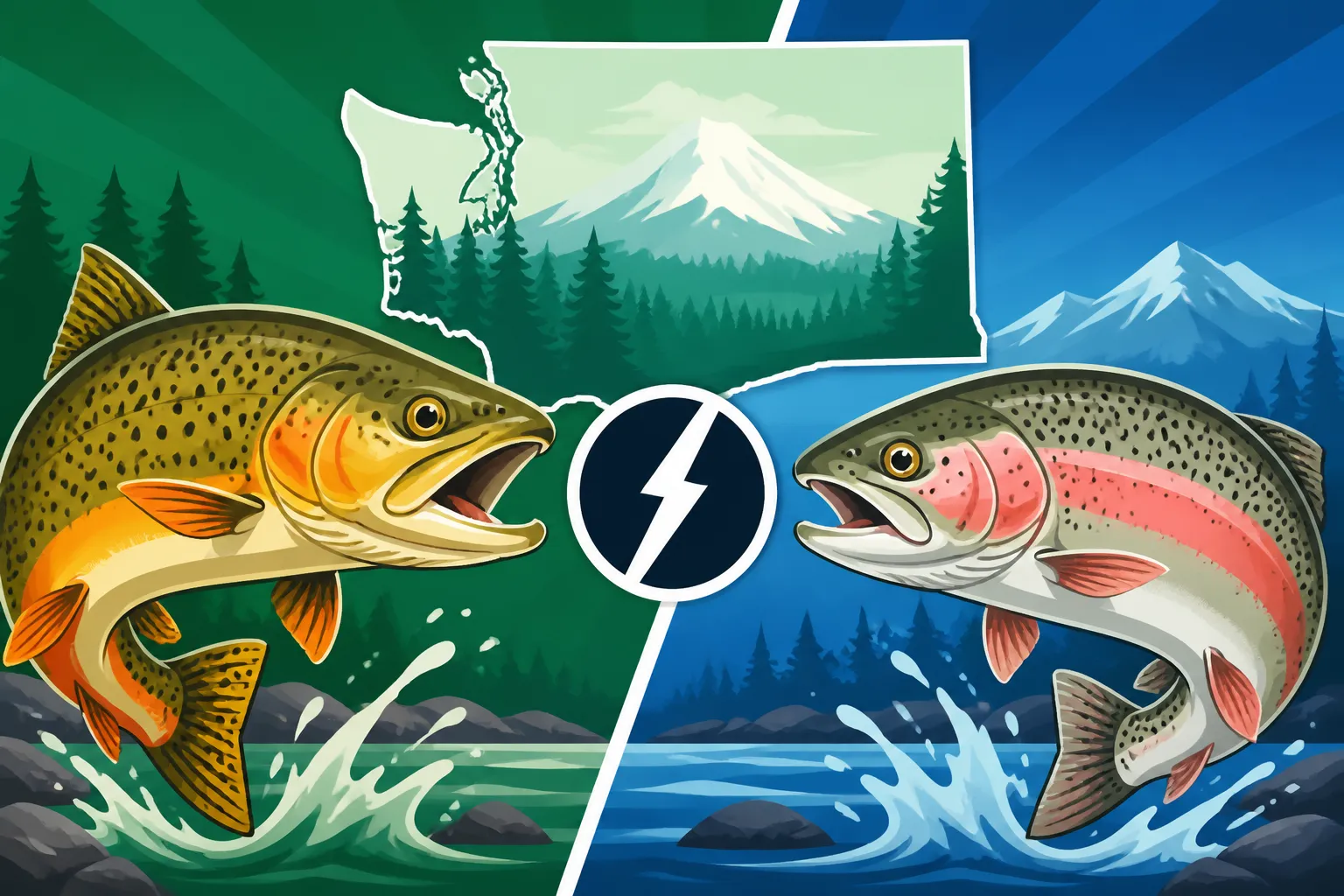
While both species are spotted, the pattern and distribution of those spots can offer important clues. Rainbow trout typically have smaller, more numerous spots that are evenly distributed across their entire body, including the dorsal fin and tail. They often have a distinct, iridescent pink or red band running horizontally along their lateral line, which is where they get their "rainbow" name.
Cutthroat trout, on the other hand, tend to have larger, more irregularly shaped spots. These spots are usually concentrated more heavily towards the tail and caudal fin (tail fin), and less so towards the head. While they might also have a reddish or yellowish lateral line, it's generally not as pronounced or iridescent as the rainbow's signature stripe. Their overall body coloration can vary wildly, from olive green to brassy yellow, often blending in with their surroundings, but the spotting pattern remains a key differentiator. It's like comparing freckles to moles – different sizes and distribution.
Fin Characteristics and Mouth Structure
Looking closely at the fins and mouth can provide additional hints, though these require a keen eye and often a calm fish.
For fin characteristics, while not a hard and fast rule, cutthroat trout sometimes have slightly larger, more rounded fins compared to the rainbow trout, particularly the caudal fin. However, this can vary greatly depending on the fish's age, environment, and specific subspecies. A better tell can be the presence of spots on the caudal fin; cutthroat typically have spots extending well onto the tail fin, often in radiating rows, while rainbow spots on the tail fin are usually smaller and more scattered, if present at all.
Regarding mouth structure, beyond the maxillary bone, both fish possess small teeth on their jaws. However, some cutthroat subspecies are noted for having a small patch of teeth on the back of their tongue, a feature generally absent in rainbow trout. This is a very subtle detail and usually requires handling the fish to check, which isn't always practical or advisable, especially if you plan to release it. Always prioritize the fish's safety and quick release over exhaustive examination if you're not keeping it.
Here's a quick comparison table to help you keep these distinctions straight:
| Feature | Cutthroat Trout (Oncorhynchus clarkii) | Rainbow Trout (Oncorhynchus mykiss) |
|---|---|---|
| Red/Orange Slash | Usually present under lower jaw, can be faint or absent | Absent |
| Maxillary Bone | Extends noticeably past the back edge of the eye | Usually ends at or near the back edge of the eye, rarely beyond |
| Spotting Pattern | Larger, more irregular spots; often concentrated towards tail | Smaller, more numerous spots; evenly distributed over body & fins |
| Lateral Stripe | Reddish/yellowish, less iridescent or defined | Distinct, iridescent pink/red band along lateral line |
| Spots on Tail Fin | Often present and distinct, sometimes in radiating rows | Smaller and more scattered, may be absent or less defined |
| Overall Coloration | Highly variable (olive, brassy, silvery), often blends with habitat | Brighter, more iridescent; silvery sides, darker back |
| Tongue Teeth | Small patch of teeth often present on back of tongue | Generally absent |
| Native Status in WA | Native | Native (and widely stocked) |
| Sea-Run Form | Sea-run cutthroat | Steelhead |
Habitat and Behavior: Where and How They Live
Beyond their looks, where and how these trout live can provide strong clues to their identity. While there's certainly overlap, they often have preferred niches that speak volumes about their biology and adaptations. Understanding these preferences can give you a better idea of what you might encounter in a particular Washington fishery.
Cutthroat Trout: Rivers, Lakes, and Even Saltwater
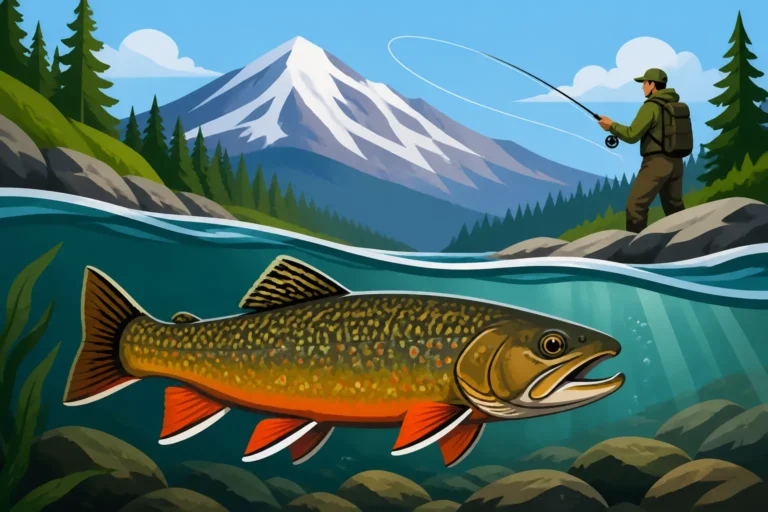
One of the most remarkable aspects of cutthroat trout in Washington is their incredible range of habitats. You can find them in the crystal-clear, oxygen-rich waters of high mountain streams, often tucked away in remote alpine lakes where they might be the only fish species present. These resident populations are typically smaller, but incredibly hardy and beautiful. Cutthroat Trout in Washington's Rivers and Lakes
Then there are the coastal cutthroat, a fascinating sea-run form that truly blurs the lines between freshwater and saltwater species. These fish spend part of their lives in Puget Sound or coastal estuaries, feeding and growing, before returning to their natal rivers to spawn. This anadromous behavior is what makes them such a prized catch for many anglers, as they offer a unique challenge in various environments. Imagine hooking into a bright, silvery cutthroat in a tidal river, then later catching a more colorful, river-dwelling one further upstream on the same trip! Their coloration often reflects their environment; fish fresh from saltwater will be silvery, while river fish will display more vibrant, camouflaged patterns. When targeting these fish, having the right gear, like sturdy waders or a good rain jacket (easily found on Amazon), is absolutely essential given the variable Pacific Northwest weather.
Rainbow Trout: The Adaptable Angler's Favorite
Rainbow trout are incredibly adaptable, which is a major reason for their global success and popularity among anglers. In Washington, they thrive in a vast array of environments. Many of our smaller lakes, particularly those near urban centers, are regularly stocked with hatchery-raised rainbow trout, providing fantastic, accessible fishing opportunities for families and beginners. Rainbow Trout Fishing in Washington These fish are often quite aggressive, making them a joy to catch.
But don't mistake all rainbows for hatchery fish. Our state also boasts robust populations of wild rainbow trout in many rivers and streams, particularly in Eastern Washington's higher elevations, where they can be incredibly wary and challenging to catch. And, as mentioned earlier, the steelhead is the ultimate example of the rainbow trout's adaptability. These magnificent fish demonstrate an unparalleled resilience, navigating vast ocean distances and then battling upstream against powerful currents to complete their life cycle. Each type of rainbow trout offers a distinct fishing experience, from casting a simple worm under a bobber in a stocked pond to fly-fishing tiny dry flies to a finicky wild trout in a mountain stream, or even swinging a Spey rod for a chrome bright steelhead.
Feeding Habits and Preferences
While both species are opportunistic predators, their primary habitats often dictate subtle differences in their feeding habits. Cutthroat trout, especially those in smaller streams, tend to be more insectivorous, often keying in on terrestrial insects that fall into the water or aquatic insect hatches. Sea-run cutthroat, while in saltwater, will target baitfish, shrimp, and other marine invertebrates, shifting their diet as they enter freshwater. They are known for their aggressive strikes, particularly on flies and small spinners.
Rainbow trout, especially hatchery-raised ones, will eat almost anything from power bait and worms to various lures and flies. Wild river rainbows are often more selective, much like their cutthroat cousins, focusing on insect hatches, small baitfish, or crustaceans. Steelhead, while in the ocean, are voracious predators of baitfish, squid, and crustaceans, but once they enter freshwater to spawn, they largely cease active feeding. However, they can still be enticed to strike out of aggression or instinct, making lures, bait, and flies effective. Understanding what these fish are likely to be eating in a particular body of water can significantly improve your chances of success, whether you're fly fishing or throwing hardware. Fly Fishing Washington's Rivers and Lakes
Angling for Success: Fishing Strategies and Regulations
Knowing the difference between a cutthroat and a rainbow isn't just an academic exercise; it directly impacts how you might choose to fish for them and, crucially, what you can legally do once you catch one. Different species, and even different populations of the same species, often have very specific regulations attached to them in Washington.
Targeting Cutthroat: Stealth, Smaller Presentations
When you're out specifically targeting cutthroat trout, especially the wild or sea-run varieties, a more subtle and stealthy approach often pays dividends. In smaller streams and rivers, cutthroat can be easily spooked. Light tackle, delicate presentations, and keeping a low profile are key. Small spinners, spoons, or carefully presented flies that imitate local insects are excellent choices. For sea-run cutthroat in estuaries or tidal rivers, anglers often use small flies mimicking baitfish or shrimp, or cast light spin gear with small spoons or jigs.
The beauty of cutthroat fishing is its diversity. You might be hiking miles into the backcountry for a shot at a native Yellowstone cutthroat in an alpine lake, where a light backpacking rod and a handful of dry flies from your Amazon order are all you need. Or you could be swinging flies in a Puget Sound tidewater river for a sea-run cutthroat, making every strike a thrilling surprise. Understanding their territorial nature and tendency to hold near structure is vital.
Rainbow Trout: From Stocked Ponds to Wild Rivers
Fishing for rainbow trout can be as varied as the fish themselves. For stocked lakes, a simple bait-and-bobber setup with power bait or worms can be incredibly effective, especially for kids and beginners. These fish are typically eager biters. As you move to larger lakes or wilder rivers, the techniques become more refined. Trolling with various lures and baits is popular in deeper lakes like Lake Chelan, while river anglers often employ drift fishing techniques with eggs, beads, or jigs.
Fly fishing for wild rainbow trout in rivers like the Yakima offers a classic and rewarding experience, requiring careful entomological study and precise casting. Fly Fishing Washington's Rivers and Lakes And then there's steelhead fishing, which is a whole different beast. Whether you're drift fishing with bait, swinging flies, or float fishing a jig, steelhead require dedication, skill, and often a bit of luck. The key is to adapt your strategy to the specific environment and the type of rainbow trout you're pursuing.
Understanding Washington's Regulations
This is where accurate identification becomes paramount. Washington Department of Fish and Wildlife (WDFW) regulations often distinguish between different species and even between wild and hatchery-reared fish of the same species. For instance, many rivers have catch-and-release rules for wild steelhead (a rainbow trout), while hatchery steelhead (identified by a clipped adipose fin) might have specific harvest seasons and bag limits. Wild Steelhead vs Hatchery Steelhead in Washington Similarly, certain cutthroat populations might be protected or have different size and bag limits than rainbow trout.
Always check the current WDFW regulations pamphlet for the specific body of water you intend to fish before you go. Regulations are complex and can change frequently, often with emergency rule changes. Washington Fishing Regulations Every Angler Should Know Misidentification can lead to inadvertently violating regulations, which carries penalties. When in doubt, it's always best to release the fish unharmed. Knowing whether you've caught a cutthroat or a rainbow ensures you're playing by the rules and contributing to responsible fisheries management. How Bag and Possession Limits Work in Washington
The Challenge of Hybrids and Subspecies
Just when you think you've got a handle on telling these two apart, nature throws a curveball. The close genetic relationship between cutthroat and rainbow trout means they can, and sometimes do, interbreed, creating hybrid fish that can be incredibly difficult to identify. Add to that the rich diversity of cutthroat subspecies in Washington, and you've got a truly fascinating, albeit challenging, identification puzzle.
When They Interbreed: Cuttbows
When a cutthroat trout and a rainbow trout mate, their offspring are known as "cuttbows" (a portmanteau of "cutthroat" and "rainbow"). These hybrids often exhibit a mix of characteristics from both parent species, making them a nightmare for even experienced anglers to identify confidently. They might have faint red slashes, an intermediate maxillary length, and a spotting pattern that doesn't quite fit either pure species.
Cuttbows are most common in areas where both species naturally co-exist or where one has been introduced into the other's native range. For example, if rainbow trout are stocked in a lake or river that also has a native cutthroat population, there's a higher chance of interbreeding occurring. From a conservation standpoint, the proliferation of cuttbows can be a concern, as it can dilute the genetic purity of native cutthroat populations. For the angler, the main takeaway is to recognize that some fish simply won't fit neatly into either category, and in such cases, it's best to err on the side of caution regarding regulations, often treating them as the more protected species if harvest rules differ.
Washington's Diverse Cutthroat Subspecies
Washington is home to several distinct subspecies of cutthroat trout, each with its own nuances in appearance and preferred habitat:
- Coastal Cutthroat Trout (Oncorhynchus clarkii clarkii): These are the most widespread and well-known in Western Washington. They are famous for their anadromous (sea-run) behavior, migrating between freshwater rivers and streams and the marine waters of Puget Sound and the Pacific Coast. They can be very silvery when fresh from saltwater, becoming more colorful in freshwater.
- Westslope Cutthroat Trout (Oncorhynchus clarkii lewisi): Primarily found in Eastern Washington, particularly in the tributaries of the Spokane River and other areas east of the Cascade crest. These are generally smaller than coastal cutthroat, with more finely distributed spots and often brighter red or orange slashes. They typically do not go to the ocean.
- Yellowstone Cutthroat Trout (Oncorhynchus clarkii bouvieri): While their primary range is further east, a remnant population of Yellowstone cutthroat trout exists in the Goose Lake drainage in extreme southeastern Washington. These fish are characterized by larger spots, often concentrated near the tail, and vivid red/orange slashes.
Each of these subspecies has evolved to thrive in its specific environment, and understanding their individual characteristics adds another layer of complexity and appreciation to trout identification in our state. The subtle variations between them further underscore why a blanket identification approach for all cutthroat isn't always accurate.
Steelhead: The Sea-Run Rainbow Conundrum
We've touched on steelhead already, but it bears repeating in the context of identification challenges. Steelhead are, genetically speaking, rainbow trout. However, their anadromous life cycle and the significant physiological and appearance changes they undergo when returning from the ocean often lead anglers to view them as a distinct species. A chrome-bright, sea-lice-laden steelhead looks dramatically different from a resident rainbow trout caught in a small lake.
The key thing to remember is that if you catch a steelhead, you are essentially catching a sea-run rainbow trout. This distinction is vital for regulations, as steelhead are often highly managed due to conservation concerns, especially regarding wild populations. Many rivers have very specific seasons, gear restrictions, and harvest rules for steelhead that differ significantly from those for resident rainbow trout. Understanding that a steelhead is a rainbow trout helps in applying the correct regulatory framework, which is often detailed in your Washington Sport Fishing Seasons and Emergency Closures guide.
Conservation and Identification Importance
Beyond the sheer joy of knowing what you've caught, accurate fish identification plays a critical role in conservation efforts. As anglers, we are stewards of these precious natural resources, and our actions directly impact the health and sustainability of Washington's fisheries. Being able to tell a cutthroat from a rainbow isn't just a fun fact; it's a responsibility.
Protecting Our Native Cutthroat
Native cutthroat trout populations, particularly westslope and Yellowstone cutthroat, can be more vulnerable to habitat degradation, competition from introduced species (like rainbow trout), and overfishing. They often occupy more specialized niches and may have slower growth rates or more limited distributions. The presence of cuttbows also highlights the potential for genetic dilution, which can weaken native populations over time.
By accurately identifying cutthroat, especially in areas where they are native and potentially sensitive, anglers contribute to their protection. For example, if a regulation calls for catch-and-release for native cutthroat, knowing definitively that your fish is a cutthroat ensures you comply. This helps maintain healthy populations for future generations and preserves the unique genetic heritage of these iconic Washington fish. When you see a stunning native cutthroat, it’s a moment to appreciate the wildness of our state and the need to protect it.
The Role of Anglers in Conservation
Every angler has a part to play in conservation. This isn't just about following the rules, though that's paramount. It's about developing a deep understanding and respect for the fish and their environment. When you properly identify your catch, you're not only adhering to regulations but also potentially contributing valuable data. Wildlife agencies often rely on angler reports (through catch record cards for salmon and steelhead, for example) to monitor fish populations. Even simply knowing what you're seeing in the water helps build a collective knowledge base.
Beyond identification, responsible angling practices are crucial. This includes using appropriate gear, minimizing fish handling stress, practicing proper catch-and-release techniques when required, and promptly releasing any fish you cannot positively identify or that fall outside legal limits. How to Identify a Fish You've Never Caught Before Education is a powerful tool, and by understanding these distinctions, you become an advocate for thoughtful management of our fisheries.
Tools and Tips for Positive Identification
For those moments on the water when you're still scratching your head, here are a few practical tips and tools:
- Carry a Field Guide: A compact, waterproof field guide specifically for Pacific Northwest fish can be an invaluable companion. Many excellent options are available and can fit right into your tackle box or vest. You can easily find highly-rated guides on Amazon.
- Take Pictures: With smartphones readily available, snap a clear photo of the fish, especially its jaw area and spotting pattern. You can examine it more closely later, or even ask an experienced angler for help. Just be quick about it to minimize stress on the fish.
- Focus on Key Features: Prioritize the maxillary bone and the presence/absence of the red slash. These are often the most reliable primary indicators.
- Observe Spotting: Pay attention to the size, shape, and distribution of spots. Are they uniform and fine, or larger and concentrated towards the tail?
- Location, Location, Location: Consider where you caught the fish. Is it a known rainbow fishery? Is it a remote stream where cutthroat are prevalent? This context can often lean your identification one way or another.
- When in Doubt, Release: If you're genuinely unsure and there's a difference in regulations (e.g., wild fish must be released), always opt for releasing the fish unharmed. This ensures you stay compliant and contributes to conservation.
By taking the time to learn these subtle differences, you'll not only become a more knowledgeable and confident angler but also a more effective steward of Washington's incredible trout resources. The next time you feel that exciting tug on your line, you’ll be ready to make a confident call on whether you've landed a stunning cutthroat or a magnificent rainbow.
Disclaimer
This article is for general informational purposes only and does not constitute professional advice. Laws, prices and regulations vary by location and change over time. Consult a qualified professional for guidance on your specific situation.