Why Is There a Size Limit on Some Washington Halibut?
There’s nothing quite like the thrill of feeling that solid pull on your line, the unmistakable head shakes, and the sheer power of a Pacific halibut. You wrestle it to the surface, get a glimpse of that massive flat fish, and your heart races. But then comes the moment of truth: the measuring tape. It can be incredibly frustrating to land a beautiful fish, only to discover it’s either too small or, sometimes, even too big to keep. This guide is here to unravel the mystery behind Washington’s halibut size limits, explaining exactly why these rules are in place and how they help ensure there are plenty of halibut for future generations of anglers.
The Bigger Picture: Why Halibut Need Special Management
Halibut aren't just any fish; they're an icon of the Pacific Northwest and a highly sought-after species by recreational and commercial anglers alike. But their slow growth rate and relatively long lifespan make them particularly vulnerable to overfishing. Unlike some species that mature quickly and spawn frequently, halibut take years to reach reproductive maturity, and the biggest fish are often the most prolific spawners. This unique biology means that simply setting a total catch quota isn't enough to protect the population.
Imagine a world without any rules – every halibut caught, regardless of size, goes into the cooler. What happens? Anglers would naturally target the largest fish because they yield the most meat. Over time, this selective pressure would deplete the breeding stock, leaving fewer and fewer mature fish to reproduce. Eventually, the population would crash, and future fishing opportunities would vanish. That’s why conservation is not just a buzzword; it’s the lifeline for our fisheries, and strict rules are essential for species like halibut.
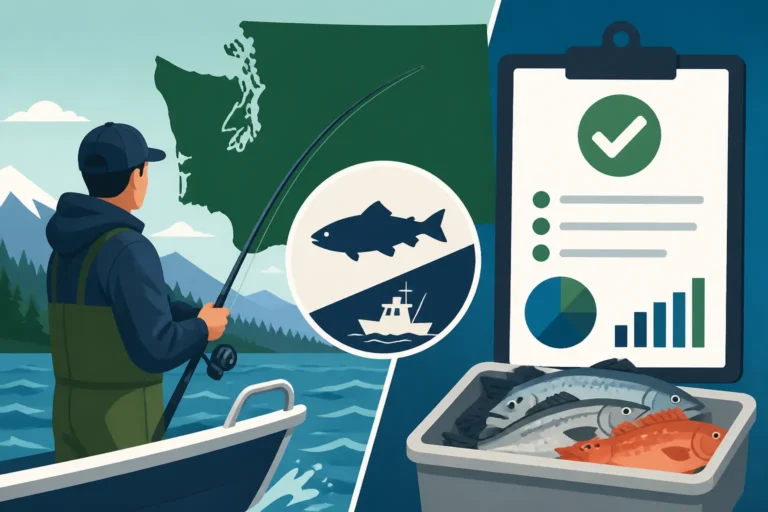
Beyond local management, Pacific halibut fisheries are overseen by an international body, the International Pacific Halibut Commission (IPHC), which involves both the United States and Canada. This commission sets the overall catch limits for the entire North Pacific, which are then further allocated to states like Washington. WDFW, or the Washington Department of Fish and Wildlife, then takes those allocations and crafts specific regulations for our state's waters, including things like daily limits, season dates, and, yes, those all-important size restrictions. It's a complex web of science, policy, and a deep commitment to ensuring these magnificent fish are around for our kids and grandkids to enjoy.
Protecting the Future: Minimum Size Limits
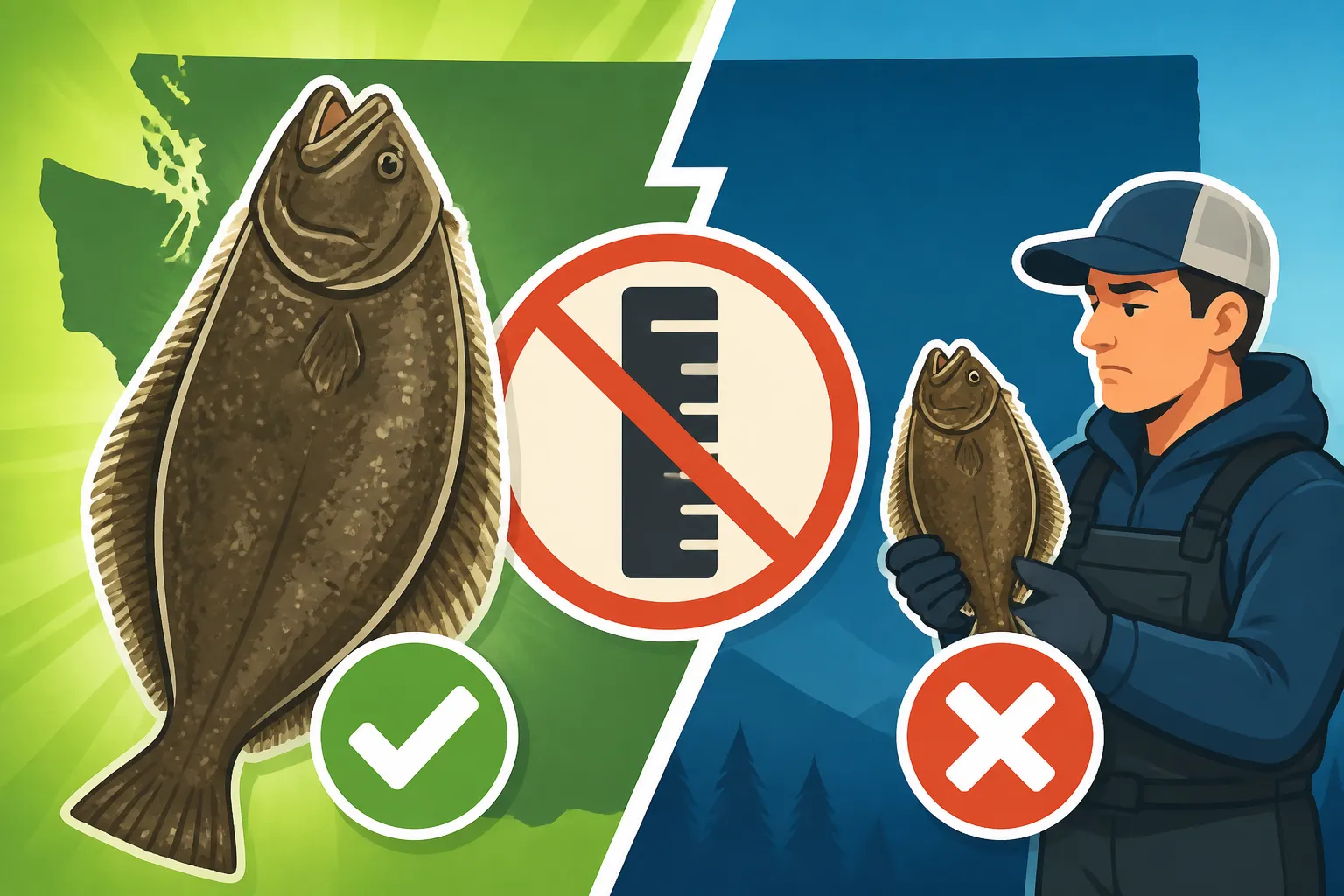
One of the most common regulations you'll encounter when fishing for halibut in Washington is a minimum size limit. You've probably heard it before: "It has to be at least X inches to keep." This rule is frustrating when you reel in a beautiful halibut that's just a hair too short, but there's a very good reason for it.
Safeguarding Juvenile Halibut Populations
The primary purpose of a minimum size limit is to protect juvenile halibut. These younger, smaller fish haven't yet had the chance to reproduce. By requiring anglers to release them, we ensure they can grow larger and contribute to the spawning population at least once, if not multiple times. Think of it like a savings account for the future of the fishery. If we "cash out" all the small fish before they've had a chance to mature, we'll quickly deplete the principal.
Halibut are relatively slow-growing. A fish that’s, say, 28 inches long might only be 5-7 years old, and female halibut typically don't start spawning until they're about 8-12 years old and often larger than the minimum size. By letting these younger fish go, we're giving them the critical opportunity to reach sexual maturity. This strategy is a cornerstone of sustainable fisheries management, allowing natural reproduction cycles to continue and hopefully strengthen. It means that the next generation of anglers will still have robust stocks to pursue. If you’re ever curious about specific measurements, guides like "Pacific Halibut Identification and Size in Washington" can be incredibly helpful for learning the nuances of these magnificent fish.
Ensuring Healthier Fish for Harvest
Beyond reproduction, minimum size limits also contribute to a healthier fishery by allowing fish to reach a more robust size. Larger fish generally mean more meat for the table, offering a more rewarding catch for the angler. It also indirectly encourages anglers to use gear and techniques that are more likely to target larger, legal-sized fish, reducing the incidental catch and stress on smaller, undersized halibut. When you’re out on the water, having a reliable measuring device is key; you can easily find durable, waterproof options for sale on platforms like Amazon that make accurate measurement a breeze.
Balancing the Biomass: Maximum and Slot Limits
While minimum size limits protect the young, sometimes you'll encounter regulations that also include a maximum size limit, or even a "slot limit" where only fish within a certain size range can be kept. This might seem counterintuitive at first – why would you not want to keep the biggest fish?
Protecting Large, Productive Spawners
The biggest, oldest female halibut are often the most productive spawners. They produce significantly more eggs than younger, smaller females. Biologists refer to these as "trophy broodstock" because they are crucial to the overall reproductive capacity of the halibut population. Imagine an apple orchard where the oldest, largest trees produce the most fruit; you wouldn't cut those down if you wanted a healthy, continuous harvest.
Maximum size limits or slot limits are designed to protect these super-spawners. By requiring the release of very large halibut, fisheries managers ensure that these highly fecund females remain in the population to continue reproducing. This is a subtle but incredibly powerful conservation tool, focusing on the quality of the spawning stock rather than just the quantity. It acknowledges that not all fish contribute equally to the next generation. These rules are particularly common in areas where conservation efforts are paramount, and they represent a progressive approach to managing highly valued species. Learning to adhere to these rules is part of understanding "Washington Fishing Regulations Every Angler Should Know."
Maintaining a Healthy Age Structure
A healthy fish population isn't just about having a lot of fish; it's about having a diverse age structure. This means having a good mix of young, middle-aged, and old fish. If anglers only ever removed the middle-sized fish, the population could become skewed, leading to potential vulnerabilities. Slot limits, which allow anglers to keep fish within a specific "slot" (e.g., between 32 and 46 inches), help maintain this balanced age structure.
This approach prevents "trophy fishing" from solely targeting the largest individuals and also prevents excessive harvest of smaller, immature fish. It’s a sophisticated management strategy aimed at building resilience into the halibut population, ensuring that there are fish of all sizes contributing to the ecosystem and the fishery. This balance helps to mitigate risks from environmental changes or unexpected declines in any one age group, promoting long-term stability.
Navigating Washington's Halibut Size Regulations
Understanding the why behind size limits is important, but knowing how to follow them in practice is essential for every angler. Washington's halibut regulations can vary by marine area and even change year-to-year or in-season based on quotas and stock assessments. This means you absolutely must check the latest WDFW regulations before every halibut trip.
Checking Current Regulations and Specifics
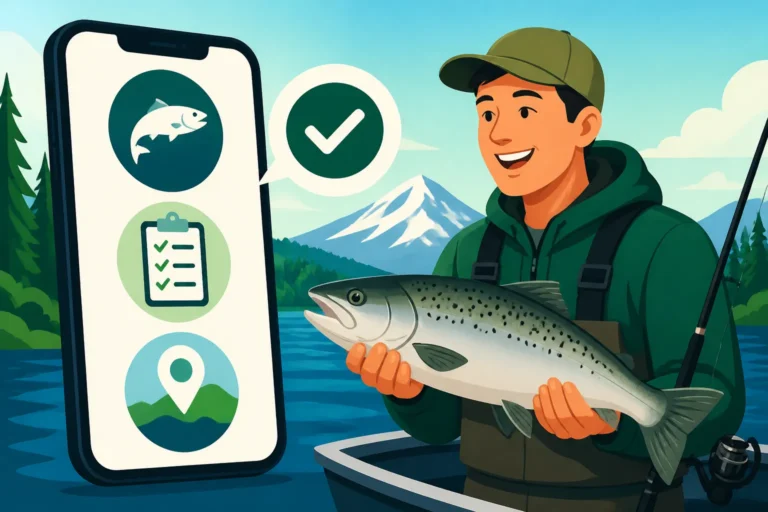
The Washington Department of Fish and Wildlife (WDFW) is your go-to source for the most up-to-date information. They publish annual sport fishing rules pamphlets, but for halibut, which are often managed with in-season quota changes and specific marine area rules, it's vital to check their emergency rule changes page or use the Fish Washington App. You might find a marine area like Marine Area 2 (Westport-Ocean Shores) has different limits than say, Marine Area 6 (Eastern Strait of Juan de Fuca). Often, these regulations will specify not only the minimum and/or maximum lengths but also how many fish you can keep (daily limit) and even the exact dates the season is open. For comprehensive information on these changes, see "Washington Sport Fishing Seasons and Emergency Closures."
For example, in a given season, a common regulation might be a minimum size of 32 inches and a maximum size of 46 inches, or perhaps just a minimum of 32 inches with no maximum. Always carry a current regulation pamphlet or have the Fish Washington app on your phone to confirm the rules for your specific fishing area and day. Being prepared is half the battle when it comes to compliance.
Correctly Measuring Your Halibut
Measuring your halibut correctly is non-negotiable. An incorrect measurement can lead to a violation, even if unintentional. Here’s the standard practice:
- Lay the fish flat: Place the halibut on a flat surface, such as a measuring board or the deck of your boat.
- Mouth closed: Gently close the mouth of the fish.
- Measure from tip to tail: Measure from the tip of the snout to the extreme end of the tail, making sure the tail is unpinched and naturally extended. Do not fan the tail to gain extra length, nor pinch it in.
- Immediate release: If the fish doesn’t meet the legal size, it must be immediately released back into the water with as little harm as possible. This means handling it gently, minimizing its time out of the water, and if possible, using a descending device to release it at depth if it shows signs of barotrauma.
A proper, rigid measuring tape or board is indispensable. Many anglers even mark their boat decks or coolers at common legal lengths to make quick checks. Having these tools ready, possibly purchased online through an outdoor retailer or even Amazon, makes the process smooth and stress-free.
The Angler's Responsibility and the Future of Halibut
As anglers, we're not just consumers of a resource; we're stewards. Our actions on the water directly impact the health and sustainability of Washington's halibut fishery. Adhering to size limits and other regulations is a fundamental part of responsible angling.
Contributing to Conservation Through Compliance
Every time you correctly measure and release an undersized or oversized halibut, you're making a direct contribution to conservation. You're allowing a young fish to grow and spawn, or an old, productive breeder to continue populating our waters. This collective effort, from thousands of anglers across the state, adds up to a huge positive impact.
Beyond releasing fish, your compliance with regulations, including accurately filling out your Washington Catch Record Card and What It Requires when you keep a legal halibut, provides crucial data to WDFW and the IPHC. This data helps biologists assess the health of the stock, understand catch rates, and inform future management decisions. Your honest reporting helps ensure that regulations are based on the best available science, not just guesswork. For a deeper dive into these practices, check out "The Washington Catch Record Card and What It Requires."
The Long-Term Vision
The reason for halibut size limits ultimately boils down to a long-term vision: ensuring that Pacific halibut remain a vibrant and accessible fishery for generations to come. It’s about more than just catching fish today; it’s about nurturing a robust ecosystem that supports not only halibut but countless other marine species.
While regulations can sometimes feel restrictive or inconvenient, they are a testament to the value we place on these magnificent creatures. By understanding the science and conservation principles behind these rules, we can embrace them as essential tools for preserving one of Washington's most cherished fishing experiences. So, the next time you're out chasing those broad-shouldered flatfish, remember that every measurement and every release is a step towards a healthier, more sustainable future for Washington fishing.
Disclaimer
Please remember that fishing regulations, including size limits and seasons, can change frequently. Always consult the most current Washington Department of Fish and Wildlife (WDFW) regulations pamphlet or their official website before heading out on any fishing trip. This article is for informational purposes only and should not be considered a substitute for official WDFW regulations.