Smallest Legal Trout You Can Keep
One of the most common anxieties anglers face, especially when fishing for trout in Washington, is knowing whether the fish they've just caught is legal to keep. It's not always as simple as "if it bites, you keep it," and getting it wrong can lead to serious headaches, from fines to the depletion of our precious fish stocks. This guide is here to untangle the often-confusing world of trout size limits in Washington, helping you understand the rules, measure your catch correctly, and fish with confidence every time you hit the water.
Understanding Washington's Trout Size Limits: Why They Matter
Navigating fishing regulations can feel like trying to solve a puzzle with half the pieces missing, and trout size limits are no exception. You might think, "Why does it matter if I keep a small trout or two?" But these rules are the backbone of sustainable fishing and are put in place for very good reasons.
The Purpose Behind Minimum Size Restrictions
At its core, minimum size limits for trout are about conservation and ensuring the long-term health of our fisheries. Imagine a small stream where every fish is kept as soon as it's big enough to bite a hook. What happens? Those fish never get a chance to grow larger, never get to spawn, and never contribute to the next generation of trout. Soon, the stream becomes barren, and everyone loses out.
These regulations allow trout to reach maturity, ensuring they have at least one, if not multiple, opportunities to reproduce. This is especially critical for wild populations. Larger fish also mean a more rewarding experience for anglers down the line. It's a delicate balance: providing fishing opportunities while protecting the resource. Different water bodies, from high-alpine lakes to low-elevation rivers, and even different species of trout, will have varied rules because their ecosystems and life cycles are unique. The WDFW carefully studies these factors to set appropriate limits.
General Rules vs. Specific Exceptions
Here's where it often gets tricky. While Washington might have some overarching general regulations for trout, it's absolutely crucial to understand that specific lakes, rivers, and even sections of rivers, often have their own unique rules. You can’t assume the limit for a rainbow trout in Lake Chelan is the same as for a rainbow trout in a small stream like the Green River. These exceptions are put in place to protect localized, sensitive populations, manage hatchery returns, or enhance specific fisheries.
For example, a high mountain lake might have a more restrictive size limit, or even be catch-and-release only, to protect slow-growing, fragile native cutthroat populations. Conversely, a heavily stocked lowland lake might have a more liberal limit to encourage anglers to harvest hatchery-raised fish. This is why just having a general idea isn't enough; you really need to drill down into the specific body of water you plan to fish. Checking the current regulations, particularly in the Reading the Washington Sport Fishing Regulations Pamphlet, is not just a good idea—it's absolutely essential for staying legal and fishing responsibly. These differences in regulations highlight the state's commitment to tailored conservation efforts, ensuring each fishery can thrive according to its unique characteristics.
The Nitty-Gritty: How to Measure Your Trout Correctly
Okay, so you’ve hooked a beautiful trout, and you think it might be a keeper. Now what? The next step is accurate measurement. This isn't just a suggestion; it's a hard rule, and doing it incorrectly can land you in hot water, even if you thought you were within the legal limits.
From the Tip of the Nose to the Tip of the Tail
When the regulations state a minimum size, they are almost universally referring to the "total length" of the fish. This means you need to measure from the tip of the fish's snout (its nose) all the way to the absolute tip of its tail, with the tail pinched to achieve maximum length. Don't measure to the fork of the tail, and don't measure with the tail relaxed or fanned out. It needs to be a firm, straight-line measurement.
Here’s a practical breakdown:
- Keep it Wet: If you intend to release the fish, try to keep it in the water as much as possible, or at least wet your hands thoroughly before handling it. This protects the fish's slime coat, which is vital for its health.
- Lay it Flat: Carefully lay the fish flat on a measuring board or a tape measure. A simple, flexible tape measure is often enough, but specialized fishing rulers designed for this purpose, which you can easily find on platforms like Amazon, are fantastic because they often have a solid stop for the nose and clear markings.
- Nose to Tail: Gently push the fish's nose against the zero mark. Then, lightly pinch the tail lobes together, extending the tail to its fullest length. Read the measurement at the furthest point of the tail.
- Confirm: Double-check your measurement. If there's any doubt, err on the side of caution and release the fish. It's always better to let a potential keeper go than to accidentally keep an undersized fish.
When to Release and How to Do It Right
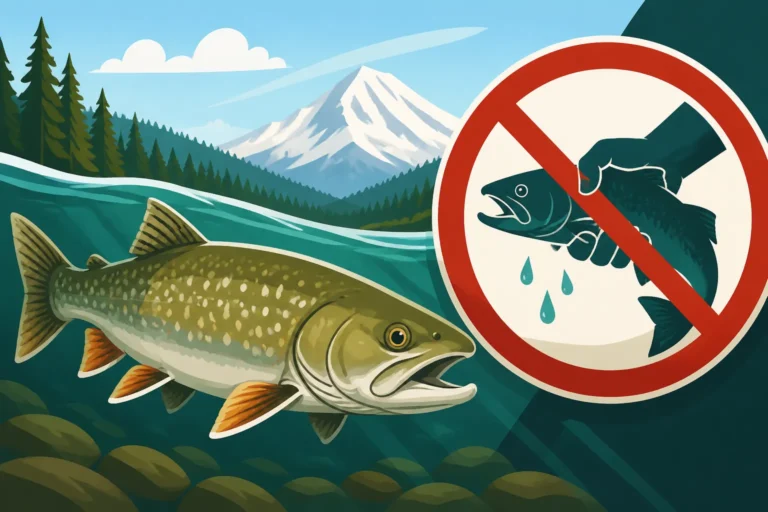
If your trout doesn't meet the minimum size limit, or if you're fishing in a designated catch-and-release area, the fish must be released immediately and with the utmost care. The goal is to maximize its chances of survival, so it can grow larger and potentially spawn. Remember, even if you plan to release, handle the fish as little as possible.
Here are some best practices for a successful release:
- Minimize Air Exposure: Fish need water to breathe, just like we need air. Holding a fish out of water for too long can cause severe stress and even death. Try to unhook it while it's still in the water.
- Wet Hands Only: Always wet your hands before touching a fish. Dry hands can remove the protective slime layer, leaving the fish vulnerable to infection.
- Use Barbless Hooks: Many regulations, especially in sensitive areas, require barbless hooks for easier release. Even if not required, it's a great practice. If you’re using barbed hooks, consider pinching the barb down with pliers.
- De-hooking Tools: Keep a pair of needle-nose pliers or a de-hooker handy. These tools allow you to quickly and efficiently remove hooks without putting your hands too close to sharp teeth or scales.
- Support the Fish: If you must lift the fish, support its body horizontally, especially larger fish, to avoid damaging internal organs or its spine. Never hold a fish vertically by its jaw or tail.
- Revive If Necessary: If the fish seems sluggish after unhooking, gently hold it upright in the water, facing into a mild current. Move it slowly back and forth to help water flow over its gills until it regains strength and swims away on its own. Releasing fish responsibly is just as important as knowing the legal limits, particularly when encountering species like steelhead in specific areas, where Catch-and-Release Rules During Wild Steelhead Closures are strictly enforced.
Common Trout Species and Their Minimum Size Limits in Washington
Washington is a fantastic state for trout fishing, offering a wide array of species across diverse habitats. However, each species, and often each fishery, can come with its own set of rules regarding minimum size. It's not a one-size-fits-all situation, and being able to identify your catch is the first step toward understanding its specific regulations.
Rainbow Trout and Cutthroat Trout
These are perhaps the two most commonly encountered trout species in Washington, both in our lakes and rivers.
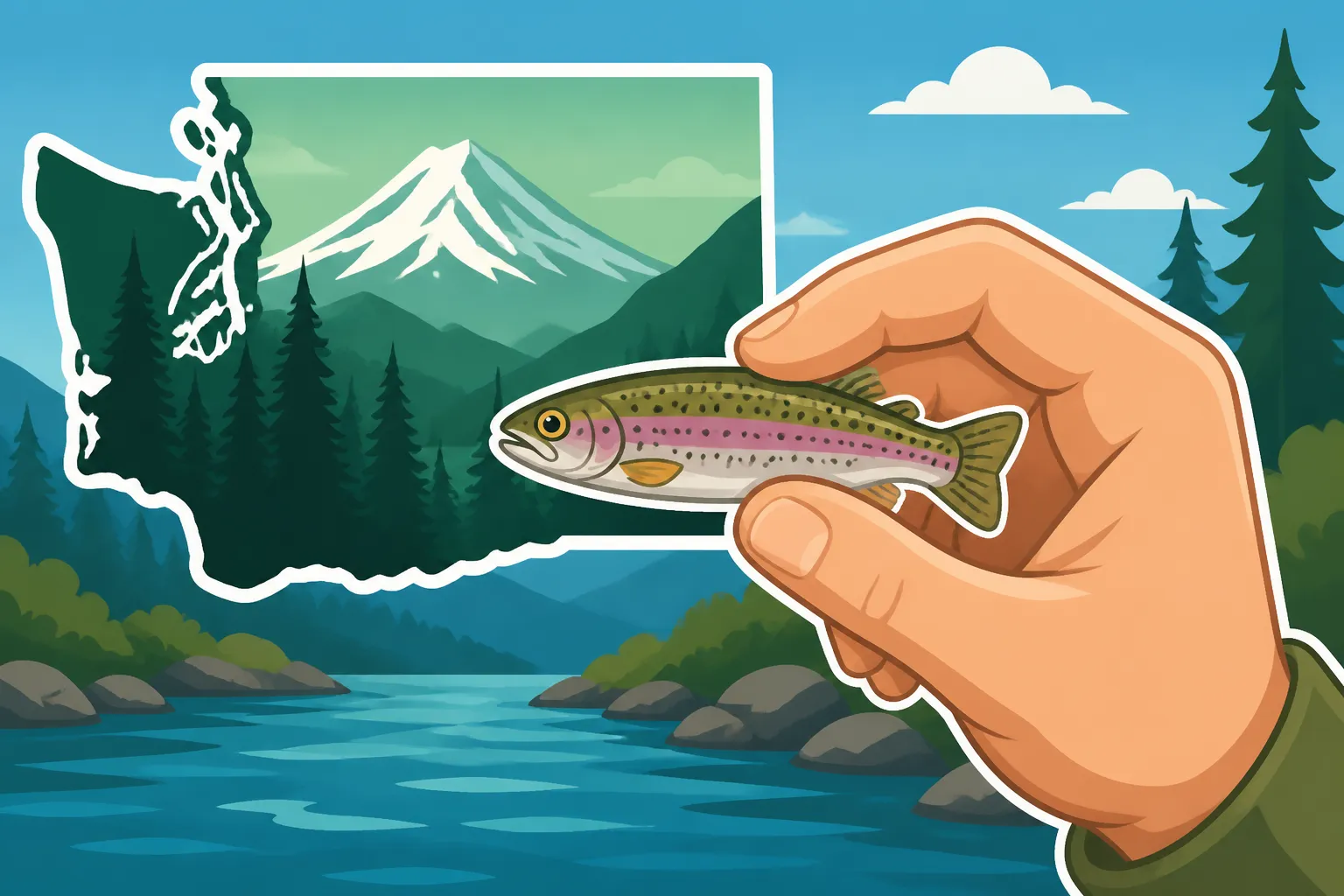
Rainbow Trout: Found throughout the state, from high mountain lakes to urban ponds and major rivers.
- General Limits: For many general regulations, especially on stocked lakes and some rivers, you might find a minimum size limit of 8 to 12 inches. However, this is a very broad generalization. Some waters might have no minimum size (though often coupled with a low daily limit), while others could have a higher minimum, particularly if they are managed for trophy fish. For instance, specific lakes might be stocked with "catchable size" rainbows, and the goal is often to harvest them, so limits can be more liberal.
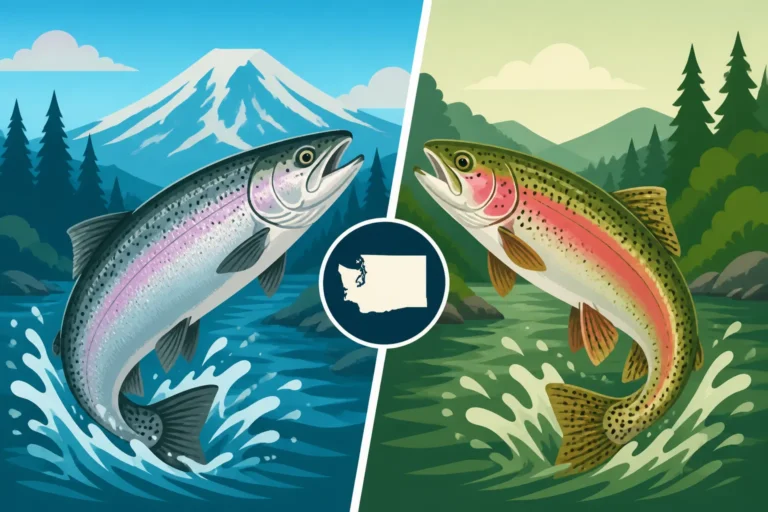
- Wild vs. Hatchery: Distinguishing between wild and hatchery rainbow trout is also crucial, especially in rivers that host steelhead (which are essentially sea-run rainbow trout). Hatchery trout often have a clipped adipose fin, and specific regulations might apply based on this. To learn more about fishing for this popular species, check out Rainbow Trout Fishing in Washington.
Cutthroat Trout: Washington is home to several subspecies, including coastal cutthroat (which can be sea-run) and various interior cutthroat strains. They are often found in coastal streams, Puget Sound tributaries, and many eastern Washington lakes and rivers.
- General Limits: Cutthroat regulations are highly variable. In many rivers, especially those with wild populations, you'll often find a 10-inch minimum, sometimes even higher, or often strictly catch-and-release. Puget Sound's sea-run cutthroat fisheries can have their own unique size and bag limits depending on the marine area and season. Identifying them correctly is key; for more on this, see How to Tell Cutthroat From Rainbow Trout.
- Conservation Focus: Cutthroat are highly valued native species, and regulations often prioritize their conservation. Because they tend to be slower growing and more sensitive to habitat changes, tighter restrictions are common. For detailed information on where and how to fish for them, explore Cutthroat Trout in Washington's Rivers and Lakes. When preparing for a trip targeting these species, having the right gear is essential. Many anglers find durable, compact measuring tapes and small tackle boxes designed for trout lures on Amazon to be incredibly useful for these varied fisheries.
Other Trout Species: Brook, Brown, and Lake Trout (Mackinaw)
While less common than rainbows and cutthroat in many areas, these species offer unique fishing opportunities and have their own regulatory considerations.
Brook Trout: These beautiful, colorful fish are primarily found in high-elevation lakes and streams, particularly in the Cascades and northeastern Washington.
- General Limits: Brook trout are often considered an invasive species in some areas, competing with native trout. Because of this, some specific regulations might have no minimum size limit and a very liberal daily bag limit, encouraging harvest. However, other remote lakes might have standard trout limits. Their smaller average size means a strict minimum limit could effectively make it a catch-and-release fishery. To understand their habitat better, consider Brook Trout in Washington's Mountain Lakes.
Brown Trout: An introduced species that has established itself in various lakes and rivers, particularly in Eastern Washington. They are known for their wariness and can grow quite large.
- General Limits: Brown trout often fall under the general trout regulations for the water they inhabit, with minimum sizes typically ranging from 8 to 12 inches. However, specific lakes or rivers managed for trophy brown trout might have much higher minimum size limits to protect these larger, older fish. Always refer to the specific regulation for the body of water you're fishing. More about their presence can be found in Brown Trout in Washington's Lakes and Rivers.
Lake Trout (Mackinaw): These are large, predatory char found primarily in deep, cold lakes like Lake Chelan and Lake Roosevelt.
- General Limits: Lake trout often have different, sometimes more generous, size and bag limits compared to other trout species, reflecting their larger size and the need to manage their populations in certain deep-water environments. It's not uncommon to see minimum size limits in the 12 to 18-inch range, but these can also vary wildly. Given their size, special heavy-duty lures and downriggers, readily available on Amazon, are often required to target them effectively.
Bull Trout: This is perhaps the most critical species to understand in terms of retention. Bull trout are a federally protected species in Washington, and retention is almost universally prohibited. If you catch one, it must be released immediately and unharmed. Mistaking a bull trout for a brook trout or another char can lead to severe penalties. Knowing how to identify them is paramount. For critical information on these protected fish, see Bull Trout and Why You Can't Keep Them.
Navigating Local Regulations and Emergency Rules
Understanding the general principles of trout size limits is a fantastic start, but the dynamic nature of Washington's fisheries means you can never rely solely on past knowledge or broad assumptions. The rules are not static, and what was legal last year, or even last week, might have changed.
Always Check Before You Go: Resources for Current Rules
This cannot be stressed enough: always check the current regulations immediately before every fishing trip. Ignoring this step is the most common reason anglers accidentally run afoul of the law, and "I didn't know" is unfortunately not a valid defense.
The Washington Department of Fish and Wildlife (WDFW) works tirelessly to provide up-to-date information, but it's your responsibility as an angler to access and understand it. Here are your primary resources:
- WDFW Website: The official WDFW website is the authoritative source. They provide detailed sport fishing rules by region and species. This is often the first place new rules or emergency changes are posted. For an overview of where to find this critical information, refer to Where Washington Posts Fishing Rule Changes.
- Sport Fishing Regulations Pamphlet: Often referred to simply as "the pamphlet," this is the printed guide distributed annually at license vendors and available online. It's a comprehensive document, but remember, it only reflects the rules at the time of printing. It's an excellent starting point, but always cross-reference with online updates for emergency changes.
- Fish Washington App / MyWDFW App: Technology is your friend here! The Fish Washington app (or the broader What the MyWDFW App Is Used For) is an invaluable tool. It allows you to access current regulations, check emergency rule changes, and even record your catch right from your smartphone. This is arguably the most convenient and up-to-the-minute way to stay informed in the field. Having Does Washington Have a Mobile Fishing License App? on your phone means you're never caught off guard.
- Local Tackle Shops: These often have the most current local knowledge and can offer insights into recent changes or closures specific to their area. Don't hesitate to ask when you pick up bait or tackle.
The truth is, Washington's fisheries are complex. Salmon and steelhead runs fluctuate, habitat conditions change, and conservation needs evolve. This means that WDFW frequently issues "emergency rule changes" to open or close seasons, modify bag limits, or alter size restrictions mid-season. These changes can happen with very little notice, sometimes just days before they take effect. Failing to check for these updates can mean you're fishing illegally without even realizing it.
The Consequences of Keeping an Illegal Trout
Catching an undersized trout and keeping it, or keeping a trout in a closed area, isn't just a minor oversight; it's a violation of state law, and the consequences can be significant. It's not about being punitive, but about protecting the very resources we love to fish for.
- Fines and Penalties: Expect monetary fines. The exact amount will vary depending on the severity of the violation, the species involved, and whether it's a first offense or repeat. These fines can range from moderate to substantial. Beyond the initial fine, there might be additional penalties, such as court costs. To get a sense of typical repercussions, see Fines and Penalties for Common Fishing Violations.
- License Suspension: For more serious or repeated offenses, your fishing license could be suspended or revoked, meaning you won't be allowed to fish for a set period, or even permanently. This is a tough pill to swallow for any avid angler.
- Confiscation of Gear: In some cases, fish wardens have the authority to confiscate fishing gear, including rods, reels, and even boats, that were used in the commission of a violation.
- Conservation Impact: Beyond the legal ramifications, there's the profound impact on the fishery itself. Every illegally kept fish, especially an undersized one that hasn't had a chance to spawn, is a direct hit to the future of that fish population. It undermines the careful management efforts and can contribute to declining fish stocks, ultimately hurting all anglers.
It's a serious matter, and enforcement officers are out on the water to ensure compliance. They're not there to ruin your day, but to protect the resource for everyone. Always measure twice, consult the rules, and if in doubt, let it go. Fishing is meant to be an enjoyable pastime, and part of that enjoyment comes from knowing you're doing your part to keep it healthy for generations to come.
Washington Trout Size Limits at a Glance (General Guidelines)
It's impossible to create a definitive table for every specific water body in Washington, as regulations are constantly changing and vary so widely. However, here's a general guide for common trout species you might encounter, emphasizing the critical need to ALWAYS CHECK CURRENT, LOCAL REGULATIONS for the specific lake or river you are fishing.
| Species | Common Name | General Minimum Size (Inches) | Typical Daily Limit | Key Considerations |
|---|---|---|---|---|
| Oncorhynchus mykiss | Rainbow Trout | 8-12 inches | 5 fish | Highly variable by waterbody. Many stocked lakes have these general limits. Some rivers may have higher minimums or be catch-and-release. Watch for adipose clips (hatchery) vs. wild. |
| Oncorhynchus clarkii | Cutthroat Trout | 10-14 inches | 2-5 fish | Often more restrictive than rainbow trout, especially for wild populations and sea-run cutthroat. Many rivers and marine areas have higher minimums or are catch-and-release only. |
| Salvelinus fontinalis | Brook Trout | No Minimum – 8 inches | 5-10 fish | In some areas (especially high lakes), no minimum or very liberal limits to encourage harvest due to non-native status. Other areas may have standard trout limits. |
| Salmo trutta | Brown Trout | 8-14 inches | 2-5 fish | Often falls under general trout rules, but specific lakes managed for trophy browns may have higher minimums or lower bag limits. |
| Salvelinus namaycush | Lake Trout (Mackinaw) | 12-18 inches | 2 fish | Generally found in deep, cold lakes (e.g., Chelan, Roosevelt). Size and bag limits often specific to these larger species and water bodies, reflecting their size and slower growth. |
| Salvelinus confluentus | Bull Trout | 0 inches (Catch & Release) | 0 fish | FEDERALLY PROTECTED. Retention is almost universally illegal in Washington. Must be immediately released unharmed. Critical to identify correctly to avoid severe penalties. |
Important Reminder: This table provides general guidance only. The actual regulations for your specific fishing location, date, and target species can and will differ. Always consult the official WDFW regulations for the most accurate and up-to-date information before heading out.
Disclaimer
This article is for general informational purposes only and does not constitute professional advice. Laws, prices and regulations vary by location and change over time. Consult a qualified professional for guidance on your specific situation.