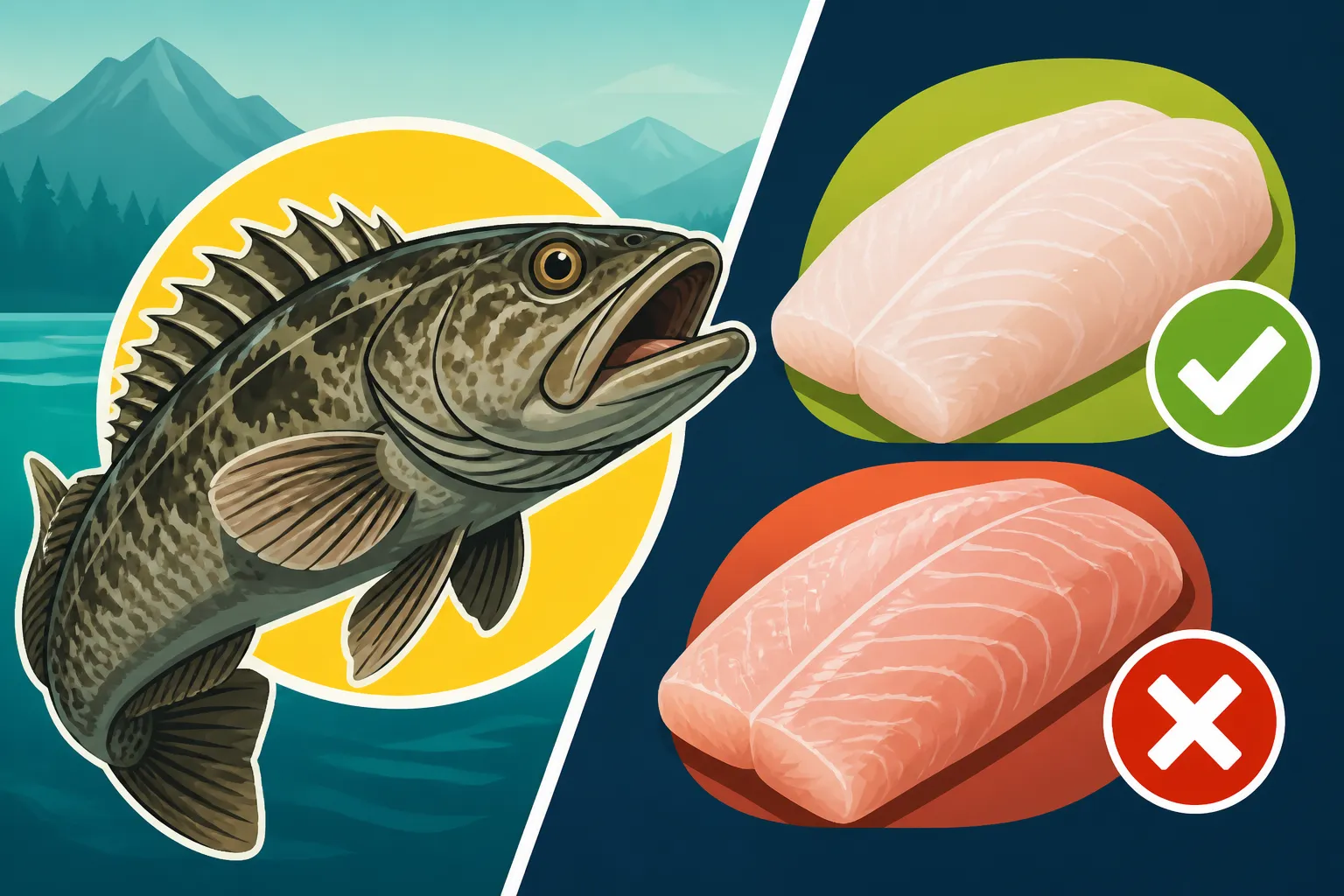
Lingcod Meat Color and Whether It’s Normal
There’s almost nothing more exciting than a successful day on the water, reeling in a beautiful lingcod from the deep waters of Puget Sound or off the Washington coast. You bring your prize home, ready to fillet it up, imagining those delicious fish tacos or a pan-seared dinner. But then you slice into the thick, white flesh you were expecting, and bam! — it’s bright blue or even green! It's enough to make any angler pause, wondering if their catch is spoiled or something is seriously wrong. Rest assured, this guide is here to unravel the mystery of lingcod meat color, explain why it happens, and confirm whether your vibrant catch is perfectly normal and delicious.
The Lingcod's Palette: Why the Meat Isn't Always White
Lingcod are truly fascinating creatures, and one of their most endearing quirks (at least for us anglers) is the surprising coloration their meat can sometimes display. While many fish species offer up consistent white fillets, lingcod often have a hidden surprise waiting beneath their thick skin. It’s a phenomenon that has puzzled and amused many a fisher over the years, and it's completely natural.
Understanding the Common Colors: White, Blue, and Green
When you catch a lingcod in Washington waters, the most common color you’ll encounter for its flesh is a beautiful, pearly white. This is what most people expect from a firm, flaky white fish. It cooks up beautifully and has a mild, sweet flavor that’s just fantastic. This is your standard lingcod fillet, ready for the pan.
However, a significant number of lingcod, particularly those caught in colder, deeper waters, will surprise you with vibrant blue or even greenish-blue meat. This isn't a subtle tint; we're talking about a distinct, eye-popping hue that can range from a sky blue to a deep sapphire, sometimes with a greenish cast. It's truly a sight to behold when you first encounter it, especially if you're not expecting it! Many anglers have, understandably, worried they've caught something toxic or that the fish has gone bad. But I promise you, this isn't the case at all.
What Causes the Striking Blue or Green Hue?
The remarkable blue or green coloration in lingcod meat, as well as in some other species like rock greenling and even certain types of cod, is due to a natural pigment called biliverdin. Biliverdin is a green bile pigment, and it’s a precursor to bilirubin, which is commonly found in human bruises (giving them their greenish-blue color). In fish, however, it’s present in their muscle tissue and is entirely harmless. It's simply a genetic trait, much like eye color in humans, that some individual fish possess.
Scientists aren't entirely sure why some lingcod have this pigment and others don't, or what specific environmental factors might contribute to its expression. It's not linked to their diet, depth of capture, or the gender of the fish, as far as research has shown. It's more likely a random genetic variation within the population. Think of it like red hair in people – some have it, some don't, and it doesn't indicate anything about their health or edibility. This natural variation is one of the charming mysteries of the ocean and makes each lingcod catch a little adventure.
Is Blue or Green Lingcod Safe to Eat?
This is the big question, right? When you see that electric blue meat, your first instinct might be to toss it, but please don't! This striking coloration is purely cosmetic and does not affect the taste, texture, or safety of the fish. In fact, many experienced Washington anglers specifically seek out "blue lingcod" because it's such a unique conversation starter at the dinner table. You might even find yourself looking for them more often after you learn the ropes of Lingcod: Washington's Toothy Bottomfish.
The Science Behind the Pigment: Biliverdin
As mentioned, the pigment responsible for this captivating color is biliverdin. It's a completely natural, non-toxic compound. When you cook lingcod with blue or green meat, something rather magical happens: the heat denatures the biliverdin protein, causing the blue or green color to completely disappear. The fillets will turn a normal, appetizing white, just like their non-pigmented counterparts. It's a fun little kitchen science experiment, and it never fails to impress dinner guests who might have been initially skeptical.
So, when you see that beautiful blue, rest assured it's just a natural quirk of the fish. You don't need to do anything special when preparing it. Just treat it like any other fresh fish fillet. Many of us have been surprised by it, but now you know the secret!
Preparing and Cooking Naturally Colored Lingcod
Preparing blue or green lingcod is no different than preparing white lingcod. You can fillet it, skin it, and cut it into portions just as you would any other firm white fish. The key is to handle it properly from the moment it comes out of the water to ensure the best quality. Good knives and a clean workspace are essential. If you’re looking to upgrade your gear, searching for "fillet knife" or "fish cleaning station" on Amazon can provide a ton of options to make the process easier and more efficient.
The cooking process will entirely transform the color. Whether you pan-fry, bake, grill, or deep-fry, the blue hue will vanish, leaving you with tender, flaky white meat. Try it in fish and chips, a hearty chowder, or simply pan-seared with a squeeze of lemon and some fresh herbs. The flavor is mild and delicious, perfect for soaking up marinades or seasonings. Don't be shy; embrace the color before it disappears and enjoy a truly unique dining experience!
Myth Busting and Lingcod Lore
Over the years, many myths and old wives' tales have circulated about blue or green lingcod. It's easy to see why, given how unusual the phenomenon is. Let's clear up some of those misconceptions and ensure you feel confident in your catch.
Dispelling Common Misconceptions About Meat Color
One of the most persistent myths is that blue or green lingcod is spoiled or diseased. This is absolutely not true. As we've discussed, it's a natural pigment. A truly spoiled fish will have a strong, unpleasant odor, cloudy eyes, and soft, mushy flesh – none of which are associated with the blue coloration. The meat of a blue lingcod should be firm, fresh-smelling, and otherwise look healthy.
Another common misconception is that the color comes from the lingcod's diet, perhaps from eating blue crabs or certain types of algae. While diet can influence the flesh color of some species (like flamingos getting their pink from brine shrimp), it has not been found to be the cause in lingcod. Their diet of other fish, squid, and crustaceans simply doesn't contain the pigments that would result in blue or green muscle tissue. So, no, your lingcod didn't just have a massive blueberry smoothie.
Finally, some anglers believe that blue lingcod are "females" or "males" or from a specific depth. Again, this isn't supported by evidence. Both male and female lingcod can have blue meat, and they're caught across their entire depth range. The color is truly a genetic lottery! If you're curious about identifying these fish in general, check out Lingcod Identification and Where They Hide.
Factors That Don't Influence Lingcod Meat Color
It's important to understand what doesn't cause the blue or green color, so you can confidently judge the quality of your catch.
- Water Depth: While lingcod live in a wide range of depths, from shallow rocky reefs to deep offshore canyons, the color of their meat isn't tied to how deep they were caught. You can pull a blue lingcod from 50 feet of water or 500 feet.
- Diet: As mentioned, their varied diet of other fish and invertebrates does not impact this specific pigment. The color is endogenous, meaning it originates from within the fish's own biological processes, not from what it consumes.
- Time of Year or Season: The presence of blue or green meat is not seasonal. You can catch blue lingcod any time of year that the season is open for Lingcod Limit in Washington.
- Gender or Age: There's no correlation between the fish's sex or its age and the color of its flesh. A young lingcod can be blue, and an old one might be white, or vice versa.
Understanding these points helps demystify the blue lingcod and makes you a more informed angler. When you're out Bottom Fishing for Lingcod and Rockfish off Washington, you'll know that whatever color the meat is, it's all good!
Maximizing Your Lingcod Catch: From Water to Table
Catching a lingcod, whether it's brilliantly blue or perfectly white, is a rewarding experience. To ensure that unique catch makes it to your plate in the best possible condition, proper handling is absolutely crucial. The meat color might be surprising, but its quality doesn't have to be.
Proper Handling for Best Quality Fillets
The moment a lingcod comes aboard, your priority should be to preserve its freshness. Lingcod are hardy fish, but like all fish, they begin to degrade quickly if not handled correctly.
- Bleed Immediately: This is perhaps the most important step for any fish you intend to eat. Severing the main artery (often by cutting the gills) and letting the fish bleed out into a bucket of seawater or over the side will produce cleaner, better-tasting fillets. It removes blood from the muscle tissue, which can otherwise contribute to a "fishy" flavor and reduce shelf life.
- Ice Down Promptly: Get your lingcod on ice as quickly as possible. A good cooler filled with an ice-slurry (ice and a little seawater) will chill the fish rapidly and prevent bacterial growth. The colder you keep it, the better the quality of the meat will be. This is where a reliable cooler, easily found on Amazon, truly pays for itself.
- Fillet Cleanly: Once you're ready to fillet, work on a clean surface with sharp knives. Remove the fillets, skin them, and check for any remaining bones. Remember, the blue color will still be present at this stage, but it's completely normal. You can find many instructional videos or even books on Amazon about filleting different fish species.
Following these steps ensures that regardless of its initial color, your lingcod will be fresh, firm, and ready for a delicious meal.
Beyond the Color: Other Indicators of Freshness
While the meat color of a lingcod might be unusual, the standard indicators of fish freshness still apply. These are the tell-tale signs you should always look for, no matter the species, to ensure your catch is safe and delicious to eat.
Here's a quick guide to checking for freshness:
| Indicator | Fresh Fish | Potentially Spoiled Fish |
|---|---|---|
| Smell | Clean, mild, ocean-like, slightly briny | Strong, "fishy," ammonia-like, sour, or putrid odor |
| Eyes | Clear, bright, bulging, and shiny | Cloudy, sunken, dull, opaque |
| Gills | Bright red or pink, moist, free of slime | Dull brown or gray, dry, covered in thick slime |
| Flesh (Touch) | Firm, elastic, springs back when pressed | Soft, mushy, leaves an indentation when pressed |
| Skin/Scales | Shiny, vibrant, tightly adhering to the body | Dull, faded, loose, slimy (excessively) |
If your lingcod has blue or green meat but passes all these freshness tests, you've got a perfectly healthy, delicious fish on your hands. So go ahead, clean it up, share the story of its vibrant hue, and enjoy a truly unique piece of Best-Eating Fish in Washington Waters. It's a reminder of the incredible diversity and natural wonders found in Washington's rich fishing grounds, where you can reel in everything from a How Big Washington Lingcod Get to a stunningly blue filet!
Disclaimer
This article is for general informational purposes only and does not constitute professional advice. Laws, prices and regulations vary by location and change over time. Consult a qualified professional for guidance on your specific situation.