Lingcod: Washington’s Toothy Bottomfish
Many anglers in Washington yearn for the thrill of hooking into a truly powerful bottomfish, but the thought of targeting lingcod can sometimes feel daunting. These ancient-looking, toothy predators are a prize catch, known for their aggressive strikes and impressive fighting power, yet understanding their behaviors, preferred habitats, and the specific regulations can seem like a complex puzzle. This comprehensive guide is designed to cut through the confusion, offering practical, detailed advice on how to successfully find, catch, and respectfully manage Washington's incredible lingcod population.
Understanding Washington's Lingcod: The Ocean's Ambush Predator
Lingcod, despite their name, aren't true cods at all! They're actually part of the greenling family, and they are absolutely one of the most unique and exciting fish you can target in Washington waters. These fascinating creatures are a staple for many deep-sea anglers, not just for their formidable fight but also for their delicious, firm, white flesh. If you've never encountered one, you're in for a treat – they're unlike most other fish out there.
Identifying a Lingcod: More Than Just a Pretty Face
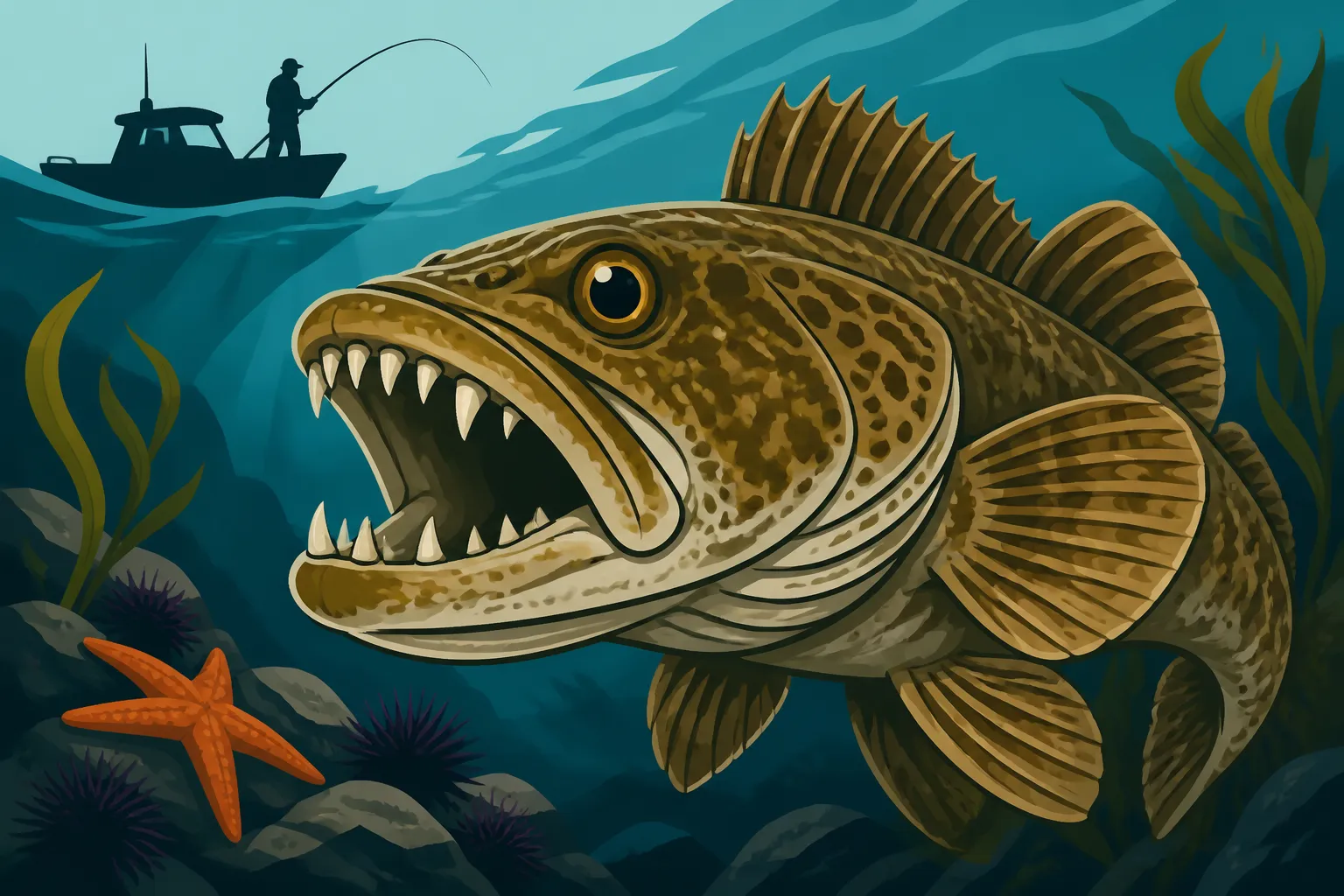
The first thing you'll notice about a lingcod is its sheer size and those impressive, numerous teeth. They have a long, mottled body that can range in color from dark brown or grey to green or even bluish, often with blotches and spots that help them camouflage perfectly against rocky structures. This coloration can vary dramatically depending on their habitat and diet, which can sometimes make identification tricky if you're not sure what you're looking for. Their large mouth is packed with sharp, conical teeth – definitely something to be mindful of when handling them! You'll also see a single, long dorsal fin with a notch, separating the spiny front section from the softer-rayed back section.
Beyond their teeth and color, lingcod have a distinctive large head and a somewhat flattened body towards the tail. If you want to dive deeper into their specific features, you can check out a detailed guide on Lingcod Identification and Where They Hide. Knowing these characteristics is crucial, especially when you're out on the water, because misidentification can lead to keeping an illegal fish or releasing a legal one. Sometimes, they can be confused with other bottomfish, like cabezon, but the lingcod's larger mouth and more elongated body are usually key differentiators. Always take a moment to confirm your catch before deciding whether to keep or release.
Another interesting aspect of lingcod is their size potential. While many lingcod caught are in the 5-20 pound range, they can grow to truly impressive proportions, sometimes exceeding 50 pounds! A monster lingcod is a bucket-list fish for many anglers. The sheer power of a large lingcod pulling on your line is an experience you won't soon forget. They're built for ambush, and their strong, muscular bodies make them tough opponents right up to the boat.
Lingcod Habitat: Where These Toothy Critters Call Home
Lingcod are masters of their environment, preferring specific underwater structures that allow them to practice their ambush predation tactics. You'll typically find them in cooler, often deeper waters, associated with rocky reefs, kelp beds, submerged rock piles, and artificial reefs like wrecks. These areas provide plenty of nooks, crannies, and overhangs where they can hide, waiting for unsuspecting prey to swim by. They are not open-water cruisers; instead, they are structure-oriented fish, always staying close to cover.
In Washington, this means a variety of marine environments, from the protected waters of Puget Sound to the rugged, open Pacific coast. They thrive in areas with strong currents that bring a steady supply of food, but also offer a place to tuck out of the main flow. If you're looking at a marine chart, focus on areas marked with rocky bottoms, pinnacles, or significant depth changes. Even seemingly small humps or rock outcroppings can hold several lingcod. Understanding their preference for structure is key to successful targeting, as simply drifting over a sandy bottom will rarely yield results.
Water depth can also play a role, though lingcod are quite adaptable. While they are often associated with depths of 60 to 300 feet, you can sometimes find them shallower, especially in areas with very strong currents or dense kelp forests. Larger lingcod tend to prefer deeper, more stable environments. The bottom line is, if you're not fishing near some kind of structure, you're probably not in lingcod territory. Always remember that even within a known lingcod area, they will congregate around the most attractive pieces of structure.
Lingcod Diet: What They Eat to Get So Big
Lingcod are voracious, opportunistic predators with a diet as varied as the ocean floor itself. They are true carnivores and will eat almost anything they can fit into their formidable mouths. Their primary diet consists of other fish, including herring, sand lance, rockfish (even juvenile lingcod!), cod, and various flatfish. They're not picky, and this aggressive feeding behavior is what makes them such an exciting target for anglers – they're often not shy about striking a well-presented lure or bait.
Beyond fish, lingcod also have a taste for cephalopods like octopus and squid, and they won't pass up a crab if one wanders too close to their lair. This diverse diet explains why so many different types of baits and lures can be effective. A large, natural-looking baitfish presentation or a jig mimicking a struggling squid can both prove irresistible. When you're trying to figure out what they might be biting on, think about what's abundant in the area you're fishing. If there's a strong herring run, chances are lingcod will be keying in on those smaller fish.
Their predatory nature is also why they are so territorial. A lingcod will often establish a prime piece of structure as its home base and aggressively defend it from intruders. This means if you find one lingcod, there's a good chance that spot will continue to hold fish, possibly even a succession of them, as others move in to claim the vacated territory. It's a fascinating peek into the underwater food chain and territorial dynamics that define these incredible fish.
Where to Find Lingcod in Washington: Navigating Their Underwater Lairs
Washington State offers some fantastic opportunities for lingcod fishing, whether you prefer the calmer, protected waters or the rugged, open coast. Knowing where to drop your lines is half the battle, and these fish are particular about their addresses. It's not just about getting offshore; it's about targeting the right kind of bottom.
Puget Sound Hotspots for Lingcod
Puget Sound, with its intricate network of islands, deep channels, and rocky shorelines, holds a surprising number of quality lingcod spots. While regulations often mean shorter seasons here, the fishing can be exceptional when it's open. Areas with strong currents and significant underwater structure are prime. Think about the many marine areas that comprise Puget Sound – each has its own characteristics, but the common thread for lingcod is hard bottom. Places like the San Juan Islands, the Strait of Juan de Fuca, and even areas closer to major population centers, like in Marine Area 9 for Salmon Fishing, Explained, can offer fantastic lingcod habitat.
For example, around Whidbey Island, especially on its western side, there are numerous rocky ledges and pinnacles that hold lingcod. The currents here can be swift, bringing food right to the lingcod's doorstep. Similarly, the waters off Port Angeles and other spots in the Strait of Juan de Fuca are legendary for their bottomfish opportunities, including lingcod, due to the nutrient-rich waters and abundant structure. It's not just about the big deep spots; shallower reefs, especially those with kelp, can also be productive. Kayak anglers, in particular, can have incredible success in these shallower, more intricate areas that larger boats might overlook.
However, fishing in Puget Sound often means contending with tighter regulations and shorter seasons compared to the open coast. Always check the latest WDFW regulations for specific marine areas before heading out. Understanding when and where you can legally fish is paramount. Even with these limitations, the chance to catch a Puget Sound lingcod, often amidst stunning scenery, is a highly rewarding experience for many anglers.
Coastal Lingcod Grounds: Westport, Neah Bay, and Beyond
The true Mecca for lingcod fishing in Washington is often considered to be the open Pacific coast. Here, the sheer scale of the ocean and the abundance of rocky reefs and deep water translate into more consistent fishing and often larger fish. Popular departure points like Westport, Ilwaco, and the northern ports of Neah Bay and Sekiu are launchpads for fantastic lingcod adventures. Off Westport, for instance, you'll find numerous reefs and underwater structures that become lingcod magnets, drawing both recreational anglers and charter boats.
These offshore trips typically involve running several miles out to sea, often to specific waypoints that mark known rockpiles, wrecks, or reef systems. The further out you go, the more untouched the structure, and often the larger the fish. Charter captains operating out of these ports have years of experience navigating these waters and pinpointing productive spots. They're invaluable resources if you're new to offshore bottom fishing. The consistent swell and deeper water out here mean you'll need robust gear and a vessel capable of handling oceanic conditions.
Neah Bay and Sekiu, located on the outer coast, offer access to some of the most pristine and productive lingcod grounds in the state, particularly along the Strait of Juan de Fuca and out into the Pacific. The deep canyons and complex rock formations here create ideal ambush points for lingcod. It's an incredible experience to fish these waters, but it also demands respect for the ocean's power. Always prioritize safety, especially when heading far offshore.
Key Underwater Structures to Target
Lingcod are structure-loving fish, so understanding what kind of underwater real estate they prefer is paramount. You're looking for anything that offers shelter, ambush points, and proximity to food sources. This includes:
- Rocky Reefs and Pinnacles: These are the classic lingcod haunts. Underwater mountains, ledges, and jagged rock formations provide endless hiding spots. Lingcod will often sit right on top of a pinnacle or in a crevice along its side, waiting to pounce. These are often marked on marine charts, so pay close attention.
- Kelp Beds: While difficult to fish in, the edges of dense kelp forests offer excellent cover and attract baitfish, making them prime lingcod territory, especially in shallower waters. Lingcod will lie in wait just outside the thickest parts of the kelp.
- Wrecks and Artificial Reefs: Submerged boats, barges, and other man-made structures quickly become artificial reefs, attracting baitfish and, consequently, predators like lingcod. These spots can be incredibly productive, but also snaggy!
- Boulder Fields and Rubble: Even areas that aren't sheer rock faces but are littered with large boulders and broken rock can hold good numbers of lingcod. These offer enough complexity for them to hide.
- Drop-offs and Ledges: Where a shallower shelf abruptly drops into deeper water, you often find lingcod. They'll use the edge of the drop-off as a highway for intercepting prey.
Using a good quality fish finder or sonar is essential for identifying these structures. Modern side-scan and down-scan sonar can paint a remarkably clear picture of the bottom, showing you exactly where those rocks and ledges are. Without this technology, you're essentially fishing blind, hoping to randomly stumble upon a hotspot. When you find a promising piece of structure, make several passes over it from different directions to truly understand its contours and identify the best approach for presenting your lure or bait.
The Best Times to Target Lingcod in Washington
Timing is everything when it comes to fishing, and lingcod are no exception. While they are present year-round, specific seasons, tides, and weather conditions can significantly impact your success rate. Understanding these factors can transform a mediocre day into an epic one.
Lingcod Seasons: Understanding Openings and Closures
Washington's lingcod seasons vary significantly between Puget Sound and the Pacific Ocean. Generally, Puget Sound marine areas have shorter, more restrictive seasons, often opening in the spring, typically from May through mid-June, though dates can shift annually. These seasons are carefully managed to protect spawning lingcod and ensure sustainable populations. It's absolutely critical to consult the most current WDFW regulations pamphlet or their website before every trip, as these rules are subject to change, sometimes on short notice. Ignoring these can lead to fines and loss of fishing privileges. For broader context on how these seasons are determined, you might want to read Washington Sport Fishing Seasons and Emergency Closures.
On the other hand, the coastal waters (Marine Areas 1-4) generally offer longer and sometimes more consistent lingcod fishing opportunities. These typically open earlier in the spring, often in March or April, and can extend through the summer months into the fall. However, even on the coast, specific dates, depth restrictions, and daily limits can fluctuate. The management of these fisheries is complex, balancing recreational opportunity with conservation goals. Always be prepared for potential in-season changes, as these can be driven by catch rates or other biological factors.
It's worth noting that the spring opener, particularly in May in Puget Sound or earlier on the coast, is often when lingcod are most aggressive as they recover from spawning and feed heavily. This can lead to some truly exhilarating fishing, where they strike lures with incredible force. However, any time the season is open and you can get on the water with favorable conditions, you have a good chance of success.
Tides and Currents: Reading the Ocean's Rhythms
Lingcod, as ambush predators in structure-rich environments, are heavily influenced by tides and currents. They don't like to expend unnecessary energy chasing food, so they position themselves to let the current bring the food to them. Strong tidal flows often stir up the bottom and carry baitfish, making these periods prime feeding times for lingcod. Think of it like a conveyor belt of snacks!
Generally, the periods around slack tide (both high and low slack) can be productive, particularly the hour leading up to and following the peak of the current. During the strongest currents, it can be difficult to keep your bait or lure on the bottom where the lingcod are, as the drag can be immense, requiring very heavy weights. However, the moving water during these stronger phases can also be when lingcod are most active. Many anglers prefer fishing the "transition" periods – the beginning and end of a strong tidal swing – when there's enough current to bring in food but not so much that it's unmanageable to fish effectively.
Understanding the specific tide tables for your chosen fishing location is crucial. Different marine areas will have different tidal patterns and strengths. For instance, the currents in the Strait of Juan de Fuca are notoriously powerful, requiring heavier tackle and careful timing. In contrast, some of the more protected bays within Puget Sound might have gentler currents. Paying attention to these nuances will allow you to select appropriate tackle and optimize your presentation.
Weather Considerations for Lingcod Fishing
While lingcod are bottom dwellers, the weather at the surface dramatically impacts your ability to reach them and fish effectively. Calm seas are, of course, preferable for comfort and safety, especially when venturing out to the open coast. A smooth ocean allows for easier boat control, more accurate lure presentation, and less fatigue for anglers. It also makes it much easier to keep your line vertical and feel those subtle bites.
Wind is a major factor. Even on a relatively calm day, a strong breeze can make boat positioning difficult, cause significant line bow (making it hard to feel bites), and increase the risk of drifting too fast over your chosen structure. If the wind is pushing your boat too quickly, you might find yourself constantly reeling up and dropping down to stay in the zone, or worse, missing the structure entirely. This is where a good boat captain and a reliable trolling motor with GPS-anchoring capabilities become invaluable.
Rain, surprisingly, often has little direct impact on the lingcod themselves, but it certainly affects the anglers! Being prepared with quality rain gear is essential for comfort and morale. As for air temperature, it typically doesn't affect these deep-water fish as much as surface dwellers, but cold conditions can make line handling and waiting for bites less pleasant. Always check marine forecasts before you head out, and if conditions look rough, it's always better to reschedule. No fish is worth risking your safety, and knowing what to expect on a trip offshore is always a good idea, as described in What to Check Before a Washington Halibut Trip Offshore for other bottomfish.
Essential Gear and Techniques for Successful Lingcod Fishing
Successfully targeting lingcod requires a combination of robust gear and strategic fishing techniques. These fish are powerful, live in snaggy environments, and hit hard, so your equipment needs to be up to the task. Don't skimp on quality here; losing a trophy lingcod due to a gear failure is a truly heartbreaking experience.
Rods, Reels, and Line: Building Your Lingcod Arsenal
When it comes to lingcod, you need a setup that can handle brute force. A medium-heavy to heavy-action rod, typically 6 to 7.5 feet long, is ideal. Look for a rod with a strong backbone to horse those big fish off the bottom but a relatively sensitive tip to detect subtle bites. Many anglers prefer conventional (levelwind or star drag) reels for bottom fishing, as they offer more cranking power and better control when dropping heavy weights. However, stout spinning reels can also work, especially for jigging. Reels should have a high-capacity spool to hold plenty of line and a smooth, reliable drag system. A good quality reel will save you a lot of grief when a big lingcod decides to dive back into the rocks. You can often find excellent options for both rods and reels on platforms like Amazon, with a wide range of brands and price points to suit any angler's budget.
For line, braided line is the clear winner for lingcod fishing. Its thin diameter for its strength, minimal stretch, and superior sensitivity allow you to feel even the slightest tap on the bottom, as well as the distinct "thump" of a lingcod strike. A main line of 50 to 80-pound test braid is a good starting point. You'll want to use a fluorocarbon or monofilament leader of 60 to 100-pound test, primarily for abrasion resistance against sharp rocks and the lingcod's teeth. A short, heavy leader also makes it safer to handle the fish boat-side. Don't forget, you'll also want to consider How Many Rods You Can Fish at Once in Washington depending on if you have the Two-Pole Endorsement.
Terminal tackle is also critical. Heavy-duty swivels, snap swivels, and strong, sharp hooks are a must. Lingcod will test every knot and component in your setup, so ensure everything is well-maintained and robust. It's a good practice to retie knots regularly, especially after landing a fish or getting snagged.
Lures and Baits: What Lingcod Can't Resist
Lingcod are aggressive feeders, so both artificial lures and natural baits can be highly effective. The key is to present something that looks like an easy meal or triggers their predatory instinct.
- Jigs: Heavy metal jigs are incredibly popular and effective. Sizes ranging from 4 ounces up to 16 ounces (or even more in deep, fast currents) are common. Colors can vary, but white, glow-in-the-dark, chartreuse, and natural baitfish patterns are often top producers. Jigging these close to the bottom, imparting a lift-and-drop motion, mimics a struggling baitfish and can provoke explosive strikes. Some anglers swear by specific types of jigs, which you can easily find on Amazon by searching for "lingcod jigs" or "heavy bottom fishing jigs." For specific techniques, learning Best Way to Jig Herring for Lingcod can significantly boost your success.
- Swim Baits and Grubs: Large soft plastic swimbaits (6-12 inches) rigged on heavy jig heads are also deadly. The paddle tail action creates a realistic swimming motion that lingcod can't ignore. Grub tails, fished similarly, also work wonders. Choose durable plastics, as lingcod teeth will tear up flimsy ones quickly.
- Buzz Bombs and Z-Rays: These metal jigs are traditionally used for salmon but can be effective for lingcod too, especially when jigged aggressively. Their erratic action can really get a lingcod's attention.
- Live Bait: If you can acquire it, live bait is often irresistible to lingcod. Small rockfish, herring, or even mackerel can be deployed on a heavy lead head or dropper rig. The natural movement of live bait is something no artificial lure can perfectly replicate. Just be sure to check regulations on what types of live bait are legal in your area.
- Cut Bait: Large chunks of herring, squid, or mackerel, fished on a lead head or dropper rig, can also be very effective, especially when tipped with a scent. The smell and natural texture can entice even a finicky lingcod.
Experiment with different options on any given day. What works one day might not work the next, so having a variety of lures and baits is always a good strategy.
Effective Fishing Techniques: Jigging, Drifting, and Trolling
The approach you take to catch lingcod will largely depend on the specific conditions, the type of structure you're fishing, and your personal preference.
- Jigging: This is arguably the most popular and effective method. Position your boat directly over or slightly up-current from the structure. Drop your jig to the bottom, reel up a few feet, and then impart a jigging action – a series of lifts and drops. The goal is to keep your lure in the "strike zone" just above the rocks where lingcod are hiding. Hits often come on the drop or immediately after you start to lift. It's an active and engaging way to fish, as discussed in Jigging Herring for Lingcod in Washington.
- Drift Fishing: This technique involves letting your boat (and therefore your lure/bait) drift over a productive piece of structure. It's particularly effective when you have a large area of scattered rocks or a long ledge. Use your engine or a trolling motor to control your drift speed and direction, ensuring you stay over the fish. Depending on the current and depth, you might use a lead-head jig with a plastic swimbait or a simple lead ball dropper rig with a baited hook. This method allows you to cover more ground and present your offering to multiple fish. For other bottom fishing contexts, you can find similar insights in Bottom Fishing for Lingcod and Rockfish off Washington.
- Anchoring: If you find a very specific, small piece of structure that is holding a lot of fish (like a pinnacle or a wreck), anchoring directly over it or slightly up-current can be a great strategy. This allows you to fish that sweet spot precisely without drifting off. The downside is that anchoring in deep, rocky areas can be challenging and you risk losing your anchor. However, when it works, it can lead to multiple hook-ups from a single spot.
No matter the technique, always keep your offering as close to the bottom as possible without constantly snagging. Lingcod are bottom-oriented predators, and while they will rise a short distance to strike, they rarely chase prey far up into the water column. Sensitivity is key; pay attention to every tap and bump, as a lingcod strike can sometimes feel surprisingly subtle despite their size. When you get a bite, set the hook hard and immediately start reeling to pull the fish away from the snags before it can dive back into the rocks.
Navigating Washington's Lingcod Regulations
Fishing regulations for lingcod in Washington are put in place to ensure the sustainability of the species for future generations. These rules can be quite specific, varying by marine area and time of year, so staying informed is not just good practice, it's a legal requirement. Ignorance of the law is never an excuse for a violation, and the fines can be substantial.
Size and Bag Limits: Knowing What You Can Keep
The Washington Department of Fish and Wildlife (WDFW) establishes specific size and bag limits for lingcod, and these are subject to change annually based on stock assessments and conservation goals. For example, a common size limit might be a minimum length (e.g., 26 inches) and a maximum length (e.g., 36 inches), meaning you can only keep fish within that "slot." This slot limit helps protect both the smaller, juvenile fish and the larger, reproductively important mature breeding stock. The maximum size limit, in particular, is crucial for preserving the largest and most prolific spawners, ensuring they can continue to contribute to the population. If you're wondering How Big Washington Lingcod Get, be aware that some of the largest ones might need to be released.
Bag limits also restrict the number of lingcod you can keep per day (e.g., one or two fish per angler per day). There may also be possession limits, which dictate the maximum number of fish you can have in your possession after a multi-day trip or once you leave the fishing grounds. It is absolutely essential to check the current WDFW regulations for the specific marine area you intend to fish before you leave the dock. These rules are printed in the annual sport fishing pamphlet and are updated on the WDFW website. For a more detailed breakdown of these limits, you'll want to review Lingcod Limit in Washington.
Violating size or bag limits can result in significant penalties, including fines, loss of fishing gear, and even suspension of your fishing license. It's a risk simply not worth taking. When in doubt, always err on the side of caution and release the fish.
Gear Restrictions and Barbless Hook Rules
Beyond size and bag limits, there can also be specific gear restrictions when targeting lingcod, particularly in certain marine areas or during specific seasons. While not as common for lingcod as for salmon or steelhead, these rules might include restrictions on the number of hooks per line, the use of certain types of bait, or the requirement for barbless hooks. In Washington, barbless hook rules are often species-specific or area-specific, especially when targeting salmon or steelhead, but it's always wise to check if they apply to bottomfish in your chosen area. The principle behind barbless hooks is to minimize harm to fish that are caught and released, allowing for a higher survival rate.
For general bottom fishing, including lingcod, you'll typically use a single-point hook on your jigs or bait rigs. However, understanding general gear requirements, like knowing How Many Rods You Can Fish at Once in Washington, can also be important for planning your trip. If you're fishing with multiple rods, ensure you comply with all local rules. Some areas might have specific depth restrictions for bottom fishing to protect certain species, such as rockfish (some species of which are highly protected and must be released, like those discussed in Rockfish Species Along the Washington Coast). These depth rules are usually designed to reduce incidental catch of sensitive species, as fish brought up from very deep water often suffer from barotrauma, even if released immediately.
Always carry a copy of the current regulations with you (either printed or on the MyWDFW App), and if you're fishing with a charter, your captain will be an excellent resource for up-to-date information on rules and regulations.
Releasing Lingcod Responsibly: Conservation in Action
Even with generous bag limits, responsible anglers understand the importance of catch-and-release, especially for fish that fall outside the legal slot or if you've already filled your limit. Lingcod are relatively hardy fish, but proper handling is crucial for their survival upon release.
Here are some key tips for responsible release:
- Minimize Air Time: Lingcod can be heavy, but try to unhook them quickly and get them back in the water as soon as possible. Prolonged exposure to air can be detrimental.
- Wet Hands: If you must handle the fish, wet your hands first to protect its slime coat, which is vital for its health and disease resistance.
- Support the Fish: If you need to lift the fish for a quick photo, support its body horizontally. Avoid holding it vertically by the jaw or gills, as this can damage internal organs.
- Careful Unhooking: Use pliers or a dehooking tool to quickly and carefully remove the hook. If the fish is deeply hooked and removal would cause excessive damage, it's sometimes better to cut the line as close to the hook as possible.
- Descending Devices: For lingcod caught in deeper waters (typically over 60 feet), they may suffer from barotrauma (expanded swim bladder). If a fish can't easily swim back down, using a descending device is highly recommended. These tools allow you to quickly and safely return the fish to depth, where its swim bladder can recompress. Many WDFW rules, particularly for rockfish, now require or strongly recommend descending devices, and while not always mandated for lingcod, it's a great practice to extend to them.
Practicing ethical catch-and-release not only helps sustain lingcod populations but also enhances the overall reputation of anglers as stewards of the marine environment. It's about respecting the resource and ensuring that these incredible fish continue to thrive for years to come.
Handling, Cleaning, and Enjoying Your Lingcod Catch
Congratulations, you've landed a Washington lingcod! Now comes the next steps: handling it safely, cleaning it efficiently, and preparing it for a delicious meal. These steps are just as important as the fishing itself to ensure a quality dining experience.
Safe Handling and Landing Your Lingcod
Lingcod are not only powerful fighters, but they also possess a formidable set of teeth, as we've discussed. Safe handling is paramount, not just for your fingers, but also for the fish itself if you intend to release it.
When a lingcod comes to the surface, especially a large one, it might still have a lot of fight left. Use a stout net with a wide opening or a gaff for larger fish you intend to keep. If using a gaff, aim for the head or a non-fillet portion to minimize meat damage. For fish that are within the legal slot and destined for the cooler, a swift, humane dispatch is best. A sharp blow to the head or a brain spike (ikejime) will quickly dispatch the fish, preserving the quality of its meat.
Avoid putting your fingers directly into a lingcod's mouth! Those teeth are designed to hold onto struggling prey and can inflict a painful bite. Many anglers use a fish gripper or gloves to secure the fish's lower jaw for control. Keep the fish calm and contained, either in a large cooler with ice or a fish box, to prevent it from flopping around and injuring itself or you. Remember, a calm fish yields better quality fillets.
Filleting Your Lingcod: Tips for a Great Meal
Lingcod provide thick, firm, white fillets that are highly prized. While their bones can be a bit tricky, the process is straightforward once you get the hang of it. You'll need a sharp, flexible filleting knife and a sturdy cleaning surface.
Here's a basic approach:
- Lay the Fish Flat: Place the lingcod on its side.
- Head Cut: Make a cut behind the pectoral fin, down to the backbone, but don't cut through the backbone.
- Lateral Cut: Turn your knife and run it along the backbone towards the tail, keeping the knife flat against the bones.
- Rib Cage: Once you hit the rib cage, you can either cut over the ribs to remove the rib meat later or cut under them, leaving the ribs attached to the carcass.
- Skinning: Once the fillet is off, place it skin-side down. Angle your knife slightly downwards and carefully slide it between the skin and the meat, peeling the skin away.
- Pin Bones: Lingcod have a line of pin bones running down the center of the fillet. You can remove these with pliers or by making a V-cut on either side of the bone line.
Lingcod meat can sometimes have a greenish-blue tint, especially when raw. Don't worry, this is completely normal and is due to a harmless pigment in their diet. It will disappear when cooked, leaving you with beautiful white fillets, as mentioned in Lingcod Meat Color and Whether It's Normal. The meat is very versatile and holds up well to various cooking methods.
The Culinary Delights of Washington Lingcod
Lingcod is truly a chef's delight, offering firm, flaky, and mild-flavored white meat that stands up to a variety of cooking methods. Its versatility is one of its most appealing qualities, making it a favorite among seafood lovers.
- Baking or Broiling: Lingcod fillets are excellent baked or broiled. A simple preparation with lemon, butter, garlic, and herbs allows the natural flavor of the fish to shine. Wrap it in foil with some vegetables for a simple, healthy meal.
- Frying: For those who love fried fish, lingcod is a fantastic choice. Its firm texture prevents it from falling apart, making it perfect for fish and chips. A light batter or breading will create a crispy exterior while keeping the inside tender and juicy.
- Grilling: Thicker fillets can be grilled directly or in a foil packet. Marinating briefly in a citrus-herb blend before grilling adds a wonderful depth of flavor. Just be careful not to overcook, as with any white fish.
- Soups and Stews: The robust texture of lingcod also makes it a great addition to seafood chowders, stews, or even a spicy cioppino. It won't disintegrate in the broth and will absorb the flavors beautifully.
- Tacos: Flaky, seasoned lingcod is exceptional in fish tacos, especially when paired with a fresh slaw and a creamy sauce.
Storing your catch properly is key to maintaining its quality. Get your fillets on ice as quickly as possible, and once home, refrigerate them if you plan to eat them within a day or two. For longer storage, vacuum-seal and freeze the fillets. Properly frozen lingcod can maintain its quality for several months, allowing you to enjoy your harvest long after your fishing trip. Sharing your catch with friends and family is one of the joys of fishing, and lingcod is a fish that is always appreciated at the dinner table.
Challenges and Conservation: Protecting Washington's Lingcod
While lingcod fishing is incredibly rewarding, it comes with its own set of challenges, both for the angler and for the ongoing health of the fishery. Understanding these aspects helps us become more responsible and effective stewards of this valuable resource.
Common Challenges Faced by Lingcod Anglers
Fishing for lingcod is not without its difficulties, and overcoming these is part of the satisfaction of the catch.
- Snags and Lost Gear: Lingcod live in rocky, snaggy environments. This means lost jigs, weights, and leaders are an inevitable part of the game. It can be frustrating, and costly, but it's the price of admission for targeting these structure-loving fish. Always carry plenty of spare tackle, especially jigs and sinkers. Preparing extra leader rigs ahead of time can save valuable fishing time when a snag occurs. It's a good idea to have a backup rod and reel if you are heading out for a full day of bottom fishing, just in case you lose or damage your primary setup. Consider investing in bulk leader material and making your own rigs, which can be more economical than buying pre-made ones. You can find all these bulk supplies, from lead to hooks, on Amazon.
- Boat Positioning: In strong currents or windy conditions, keeping your boat over a specific piece of structure can be a constant battle. This requires skilled boat handling, often with the aid of a powerful trolling motor with GPS "spot-lock" or careful anchoring. Drifting off the "sweet spot" means you're fishing unproductive water. Practicing your boat control in varying conditions will greatly improve your success rate. For those without sophisticated electronics, learning to use visual landmarks and understand wind and current drift patterns can still be effective, though more challenging.
- Accidental Bycatch: When fishing for lingcod, especially with larger baits and jigs, you will inevitably catch other bottomfish species. Some of these, like certain rockfish species, are highly protected and must be released. It's crucial to be able to identify your catch quickly and accurately, and to understand the specific regulations for all potential bycatch species. This often means having a descending device ready to go for any fish that need to be returned to depth, even if they aren't your target species. Minimize handling of released fish to increase their survival odds.
These challenges are part of the learning curve for lingcod fishing. With patience, practice, and the right preparation, you can mitigate many of them and enjoy more productive trips.
WDFW's Role in Lingcod Management
The Washington Department of Fish and Wildlife (WDFW) plays a critical role in managing lingcod populations to ensure their long-term health and sustainability. This involves a complex process of data collection, scientific assessment, and public engagement. Fisheries biologists conduct stock assessments to estimate population sizes, growth rates, and reproductive success. This data, combined with information on angler catch rates and effort, informs management decisions.
WDFW's management strategies include setting fishing seasons, establishing size and bag limits, and implementing gear restrictions. These regulations are designed to prevent overfishing, protect spawning aggregations, and allow sufficient numbers of fish to reproduce. For instance, slot limits are a direct result of understanding lingcod biology: protecting juveniles allows them to mature, while protecting large, older fish ensures the most prolific breeders continue to contribute to the gene pool.
The department also monitors water quality, habitat health, and other environmental factors that affect lingcod populations. Their work is essential for balancing the desires of recreational and commercial fisheries with the imperative of conservation. Through public meetings and outreach, WDFW also engages with anglers to gather feedback and educate them on responsible fishing practices. Understanding and supporting WDFW's efforts is a shared responsibility for all who enjoy Washington's fisheries.
Practicing Ethical and Sustainable Fishing
Sustainable fishing practices are vital for the future of Washington's lingcod fishery. Every angler has a role to play in ensuring that this incredible resource remains healthy and abundant.
- Know and Follow Regulations: This is the most fundamental aspect of ethical fishing. Always have the current regulations at hand and adhere to them strictly. This includes knowing your daily and possession limits, size restrictions, and any gear restrictions for the area you are fishing. Remember, specific rules like those for Washington's Columbia River Salmon and Steelhead Endorsement, Explained apply to particular fisheries, and while lingcod are different, the principle of knowing the rules is universal.
- Minimize Waste: If you catch legal lingcod, ensure you properly care for your catch to maximize its culinary value. Bleeding, gutting, and icing fish quickly helps preserve meat quality and prevents spoilage. Avoid keeping fish you don't intend to eat.
- Responsible Catch-and-Release: As discussed earlier, for fish that are undersized, oversized, or if you've reached your limit, practice responsible catch-and-release. Use appropriate techniques and tools (like descending devices) to give released fish the best chance of survival.
- Respect the Habitat: Be mindful of the marine environment. Avoid leaving trash, hooks, or line in the water. Minimize disturbance to sensitive habitats like kelp beds.
- Report Violations: If you witness illegal fishing activities, such as exceeding bag limits or fishing in closed areas, report them to WDFW enforcement. This helps protect the resource for everyone.
By embracing these ethical and sustainable practices, we can all contribute to a thriving lingcod fishery in Washington, ensuring that future generations can experience the same excitement and bounty that we do today. The thrill of battling a strong lingcod, knowing you're doing your part to protect the species, truly enhances the entire fishing experience.
Disclaimer
This article is for general informational purposes only and does not constitute professional advice. Laws, prices and regulations vary by location and change over time. Consult a qualified professional for guidance on your specific situation.