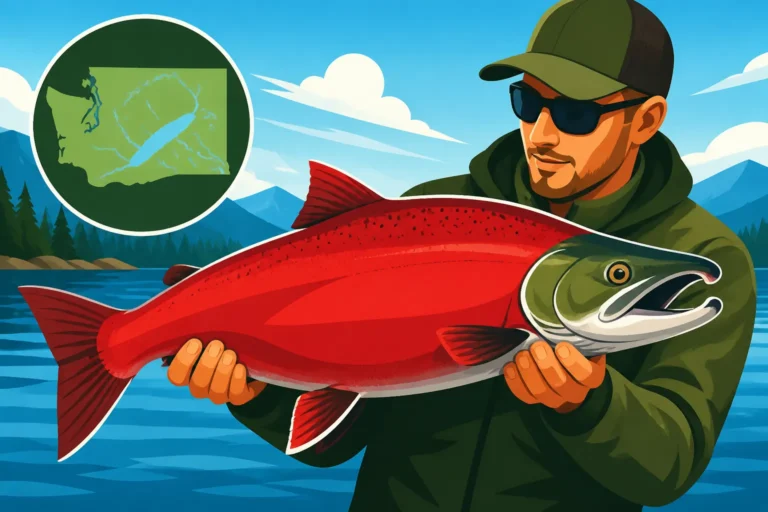
Pink Salmon: Washington’s Odd-Year Run
Let's be real, if you're like many anglers in Washington, you might feel a little lost when it comes to pink salmon. Unlike our other salmon species that typically show up every year, pinks, or "humpies" as they're affectionately called, operate on their own unique calendar. You might hear whispers of a fantastic pink salmon run one summer, gear up the next, and find… well, not much. It's frustrating to miss out on a fishery because you didn't realize it was an "odd-year" phenomenon! This guide is here to clear up the confusion, explaining everything you need to know about Washington's pink salmon, from their biennial cycles to how and where to catch them when they do show up.
What Exactly Are Pink Salmon?
Pink salmon (Oncorhynchus gorbuscha) are the smallest and most abundant of the Pacific salmon species found in Washington. They're often nicknamed "humpies" due to the pronounced hump that develops on the back of the males as they return to freshwater to spawn. They have a distinct two-year life cycle, which is a major factor in their unique fishing seasons.
Identifying These Distinctive Salmon
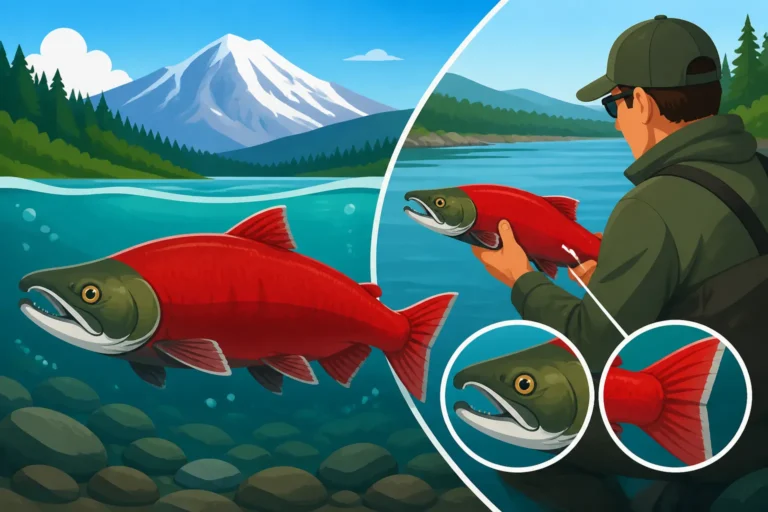
When you hook into a pink salmon, you'll notice a few key features that set them apart. They typically range from 3 to 5 pounds, though you can certainly find larger ones, especially early in the run. Their backs are covered in large, oval-shaped black spots, and their tails are heavily spotted. Their mouths are white, but their gums are black, which helps distinguish them from some other salmon species. While in saltwater, they have a beautiful iridescent blue-green back with silvery sides. As they move into freshwater, particularly the males, they undergo dramatic changes. The males develop that signature hump, and both sexes take on a mottled green, brown, and pinkish hue, which is quite striking but also a clear sign they are nearing the end of their life cycle.
Sometimes, new anglers might confuse them with a smaller coho, but the larger spots and the general body shape, especially the hump on males, are usually dead giveaways. Plus, when you're fishing in an "odd year" and catching a lot of small, spotted salmon, chances are excellent they're pinks!
Understanding Their Short, Sweet Life Cycle
Pink salmon have the shortest life cycle of all Pacific salmon, typically living for only two years. This is precisely why their runs are so predictable yet perplexing for those not in the know. They hatch from eggs in the gravel beds of freshwater rivers in the spring, spend a short time in freshwater, then quickly migrate to the ocean. They spend approximately 18 months growing and feeding in the vast Pacific Ocean, often traveling thousands of miles. After this rapid growth period, they return as mature adults to their natal rivers to spawn and, like all Pacific salmon, die shortly after.
This strict two-year cycle means that the offspring from a run in one year will return exactly two years later. For example, the pink salmon that spawn in 2023 will produce the fish that return in 2025. This creates the distinct biennial pattern that defines pink salmon fishing in Washington and many other areas of the Pacific Northwest. It's truly a fascinating natural rhythm, but one that certainly requires you to pay attention to the calendar!
The Enigma of Washington's Odd-Year Run
The concept of an "odd-year" run for pink salmon can be a real head-scratcher for many, especially if you're used to the annual returns of Chinook or coho. But for pink salmon, it's the defining characteristic of their existence in our region. This biennial spawning cycle isn't just a quirk; it's a deeply ingrained biological strategy.
Why Every Other Year? The Biennial Spawning Phenomenon
In Washington state, the vast majority of pink salmon populations operate on an odd-year cycle. This means that significant runs occur in years ending with an odd number (like 2023, 2025, 2027), while even-numbered years see very few, if any, pink salmon returning. It's not that they completely disappear on even years; there might be scattered individuals or very small, isolated populations, but nothing that would constitute a fishable run.
This biennial pattern is largely driven by genetics. Essentially, different pink salmon populations evolved to spawn either on odd years or even years, and these two distinct genetic lines rarely interbreed. The odd-year lineage has simply become dominant in Washington's waters, likely due to a combination of historical environmental factors, predation pressures, and successful spawning conditions that favored this particular timing. The result is an explosive abundance one year, followed by almost complete absence the next. It makes planning your pink salmon fishing trips incredibly easy – just remember the odd years!
Why Not Both Even and Odd Years?
You might wonder why nature didn't opt for a more consistent, annual return. While some regions in the world do have both odd and even-year pink salmon runs, Washington's ecosystem seems to have settled on this predominant odd-year cycle. The exact ecological reasons are complex and involve things like competition for spawning grounds, specific prey availability in the ocean, and the timing of predator cycles. For instance, if a particular predator population peaks in even years, the odd-year salmon might have a higher survival rate, leading to the dominance we see today.
This distinct pattern means that when an odd year rolls around, you're often looking at incredibly strong returns, sometimes in the millions. These years offer an unparalleled opportunity for anglers to experience fast-paced action and generous bag limits, making up for the quiet even years. It truly is a unique aspect of our Washington fishing experience and something to look forward to when the calendar aligns.
Prime Locations for Pink Salmon in Washington
When it's an odd year, pink salmon can seem like they're everywhere, especially throughout Puget Sound and its feeder rivers. Knowing where they concentrate their efforts can dramatically increase your chances of success. They're not particularly shy, but certain areas offer better access and higher concentrations.
Puget Sound: The Primary Gathering Point
Puget Sound is undeniably the epicenter of pink salmon fishing in Washington during an odd year. As these fish migrate back from the ocean, they funnel into the Strait of Juan de Fuca and then spread throughout the Sound before entering their spawning rivers. Marine Areas 9 (Admiralty Inlet), 10 (Seattle/Bremerton), and 11 (Tacoma/Vashon) are often absolute hotspots.
Anglers can find fantastic opportunities from boats, whether you're trolling with downriggers or simply casting from a small craft. Many shore-based spots also light up with action. Think about public piers, beaches with good tidal currents, and points where salmon tend to bottleneck. Places like Possession Bar near Everett, Point No Point, or even some of the deeper public docks in Seattle can provide incredible shore fishing opportunities during the peak of the run. Puget Sound Salmon Closures: What Washington Anglers Need to Know is a good resource to review before you head out, as rules can shift.
Major Rivers and Their Tributaries
Once pink salmon enter Puget Sound, their ultimate destination is their natal river systems. Some of Washington's largest river systems become absolutely inundated with pinks during an odd-year run.
- Snohomish River System: This includes the Snohomish, Skykomish, and Snoqualmie rivers. These rivers see immense numbers of pinks pushing upstream. Access points along the banks, especially below major confluences, can be fantastic. You'll find anglers lining the banks, happily casting and reeling them in. Fishing the Skykomish Near Reiter Pond Hatchery in Washington is a great spot, as are many stretches downstream.
- Skagit River System: The Skagit and its tributaries are another major destination for pink salmon. The lower stretches of the mainstem Skagit can be very productive, both from boats and from shore.
- Green River (Duwamish/Green): This urban river system also gets a substantial return of pinks, offering great fishing opportunities surprisingly close to metropolitan areas like Seattle and Tacoma.
- Nisqually River: Further south in Puget Sound, the Nisqually also sees a strong pink salmon return, providing good action for those in the Olympia area.
Fishing these rivers requires staying updated on local regulations and gear restrictions. While the limits are often generous, understanding bait bans or barbless hook requirements is crucial. Barbless Hook Requirements on Washington Rivers is an excellent article to familiarize yourself with before hitting the riverbanks.
Timing Your Pink Salmon Adventure
Timing is everything when it comes to pink salmon. Because their returns are so concentrated and their freshwater life cycle is so brief, you need to be ready when they are. It’s not a fishery that lingers for months on end like some others.
Peak Season: A Late Summer Spectacle
Washington's odd-year pink salmon run typically kicks into high gear in late July and August, often extending into the first couple of weeks of September. You might see some early arrivals in mid-July, but the true spectacle usually begins as August approaches. This timing makes it a fantastic summer fishery, often overlapping with the tail end of summer steelhead and early coho runs, offering a thrilling mixed bag for anglers.
The peak of the run can be intense. We're talking about millions of fish pushing into Puget Sound and then into the rivers. This means crowded boat ramps and popular shore fishing spots, but it also means incredible action. If you hit it right, you can often catch your limit in a relatively short amount of time. Keep an eye on WDFW announcements for specific marine area openings and anticipated run sizes; they'll give you the best indication of when to dust off your gear. Washington Sport Fishing Seasons and Emergency Closures can help you stay current.
Tides and River Conditions
Just like with other salmon species, tides play a significant role in how pink salmon move, particularly in marine areas and the lower reaches of rivers. An incoming tide often brings fresh schools of fish into the Sound and pushes them further upstream in the rivers. Fishing around tide changes, especially the slack before an incoming tide, can be incredibly productive. The fish tend to move more actively, and baitfish might be more concentrated, making them easier targets.
For river fishing, while tides are important in the lower reaches, water levels and clarity become more critical further upstream. A good rain event can sometimes trigger a fresh push of fish from the Sound into the rivers, especially if river levels have been low. However, too much rain can blow out a river, making it muddy and unfishable. Learning to read river conditions is a skill that comes with experience, but generally, clear to slightly stained water is ideal. Always check river levels and conditions before you head out – a quick online search for local river gauges can save you a wasted trip.
Effective Techniques for Catching Pink Salmon
Pink salmon are often considered one of the easiest salmon species to catch, making them an excellent target for beginners and seasoned anglers alike. They're aggressive biters, and when they're in, they're really in. You don't need super heavy gear, but having the right lures and knowing a few key techniques will certainly boost your success.
Gear Up: Light Tackle for Fast Action
You don't need heavy ocean trolling gear for pinks. In fact, lighter tackle makes the fight much more enjoyable for these smaller salmon.
- Rods and Reels: A medium-light to medium action spinning rod, around 7 to 9 feet long, paired with a 2500-4000 series spinning reel, is ideal. This setup allows for good casting distance from shore or boat and provides enough backbone to handle a feisty humpy, while still offering a sporting fight. For line, 10-15 lb monofilament or braided line with a fluorocarbon leader (8-12 lb) is usually sufficient.
- Waders and Boots: If you're planning on hitting the rivers or wading out on a beach, a good pair of waders and sturdy wading boots are essential. You'll be more comfortable, warmer, and able to access more prime fishing spots.
You can find a great variety of suitable rods, reels, and lines on Amazon, often with detailed reviews to help you choose.
Lures That Pinks Can't Resist
Pink salmon, predictably, love the color pink! They are highly attracted to bright, flashy lures, especially those with a pink hue.
- Jigs: Small, pink jigs are absolute killers for pink salmon. Sizes typically range from 1/4 to 3/8 ounce. You can cast these from shore or boat and retrieve them with a jigging motion. Adding a small piece of bait like a raw shrimp or scented soft plastic to the hook can sometimes seal the deal, though often it's not necessary. Consider picking up a variety of pink jigs on Amazon before the season starts.
- Spoons: Casting spoons, particularly those in pink, chartreuse, or silver/pink combinations, are also very effective. Brands like Buzz Bombs, P-Line, or Gibbs Koho spoons in 1/2 to 1 ounce sizes are popular. Cast them out and retrieve steadily or with an erratic jigging action.
- Hoochies/Squid Skirts: These soft plastic lures, especially in pink, are fantastic when trolled behind a dodger or flasher from a boat. The dodger or flasher creates an attractive 'thump' and erratic motion that draws the salmon in, and the hoochie provides the visual appeal.
- Spinners: Smaller spinners with pink or chartreuse blades can also work well, particularly in rivers or slower moving currents.
Common Fishing Methods
Whether you're fishing from shore or a boat, there are several proven methods for pink salmon.
- Casting and Retrieving (Shore or Boat): This is perhaps the most popular method. Simply cast your jig, spoon, or spinner out into likely holding water (current seams, drop-offs, near structure) and retrieve it. Experiment with retrieve speeds and jigging actions until you find what the fish prefer. This is a very active and engaging way to fish. Bank Fishing Techniques for Washington Salmon delves deeper into these methods.
- Trolling (Boat): If you're in a boat, trolling with a dodger/flasher and hoochie combination is highly effective, especially in open areas of Puget Sound. Adjust your depth with downriggers to target where the fish are holding, often in the upper 30-80 feet of the water column. Trolling for Salmon in Washington's Puget Sound offers more insights into this technique.
- Drift Fishing (Rivers): In rivers, drift fishing with a small, weighted jig or a corky and yarn setup is very popular. You're essentially letting your lure drift naturally with the current, imitating a struggling baitfish or egg. This is a subtle yet deadly technique for salmon staging in river pools and runs. Drift Fishing for Steelhead in Washington Rivers shares many principles applicable to pinks.
Regulations and Conservation for Pink Salmon
While pink salmon are often abundant, it's crucial to understand and follow the regulations set by the Washington Department of Fish and Wildlife (WDFW) to ensure a sustainable fishery for years to come. Ignoring these rules can lead to hefty fines and even loss of fishing privileges.
Understanding Bag and Possession Limits
During an odd-year pink salmon run, bag limits are typically quite generous, often allowing anglers to keep multiple fish per day. This is a reflection of their sheer abundance and their short life cycle. However, these limits can vary by marine area or river system, and sometimes even change mid-season based on run strength.
- Daily Limit: This is the number of fish you can keep in a 24-hour period. For pink salmon, it's not uncommon to see limits of 4, 6, or even more fish.
- Possession Limit: This refers to the total number of fish you can have in your possession, whether in your cooler, at your home, or in transit. This limit is often higher than the daily limit, allowing you to accumulate fish over multiple days, but always check the regulations carefully.
Always consult the most recent WDFW fishing regulations pamphlet or the WDFW website before each trip. Emergency rule changes, which can happen swiftly, might affect specific areas. How Bag and Possession Limits Work in Washington explains these concepts in detail.
Catch Record Cards and Other Requirements
Even with generous limits, pink salmon are still salmon, and they must be recorded on your Washington Catch Record Card.
- Catch Record Card: Every angler 15 years and older needs a valid Washington fishing license and a Catch Record Card (CRC) when fishing for salmon, steelhead, and other specific species. As soon as you retain a pink salmon, you must immediately record it on your CRC. Failing to do so can result in a fine.
- Marking Requirements: On your CRC, you'll need to note the date, species (Pink), and the marine area or river section where the fish was caught.
- Returning Your Card: Even if you don't catch any fish, you are required to return your CRC to WDFW by the specified deadline (usually January 31st of the following year). This data is vital for WDFW biologists to manage fish populations effectively.
Remember, carrying your fishing license and CRC with you at all times is mandatory. Whether it's a physical copy or via the MyWDFW app on your phone, wardens will check. The Washington Catch Record Card and What It Requires is a must-read for all anglers.
Conservation and Responsible Angling
While pink salmon are abundant, responsible angling practices are still essential.
- Barbless Hooks: In many river systems, particularly for salmon and steelhead, barbless hooks are required. This reduces injury to fish that are released, whether by choice or by regulation (e.g., if you accidentally catch a species you can't keep). Always check area-specific rules.
- Minimizing Handling of Released Fish: If you're releasing a pink salmon (perhaps you've already filled your limit or are targeting other species), handle it as little as possible. Keep it in the water, remove the hook quickly, and allow it to swim away on its own. Wet hands help protect the fish's protective slime layer.
- Respecting Spawning Fish: As pinks get later in the run, they will be increasingly colored up and deteriorating as they prepare to spawn and die. While they are still technically legal to catch, many anglers choose to let these fish pass to complete their natural spawning cycle. Plus, their flesh quality significantly declines as they near spawning. Focus your efforts on the fresher, brighter fish earlier in the run.
By understanding and adhering to these regulations and embracing responsible angling practices, we can all contribute to healthy pink salmon runs for future odd years.
Disclaimer
This article is for general informational purposes only and does not constitute professional advice. Laws, prices and regulations vary by location and change over time. Consult a qualified professional for guidance on your specific situation.