Lingcod Limit in Washington
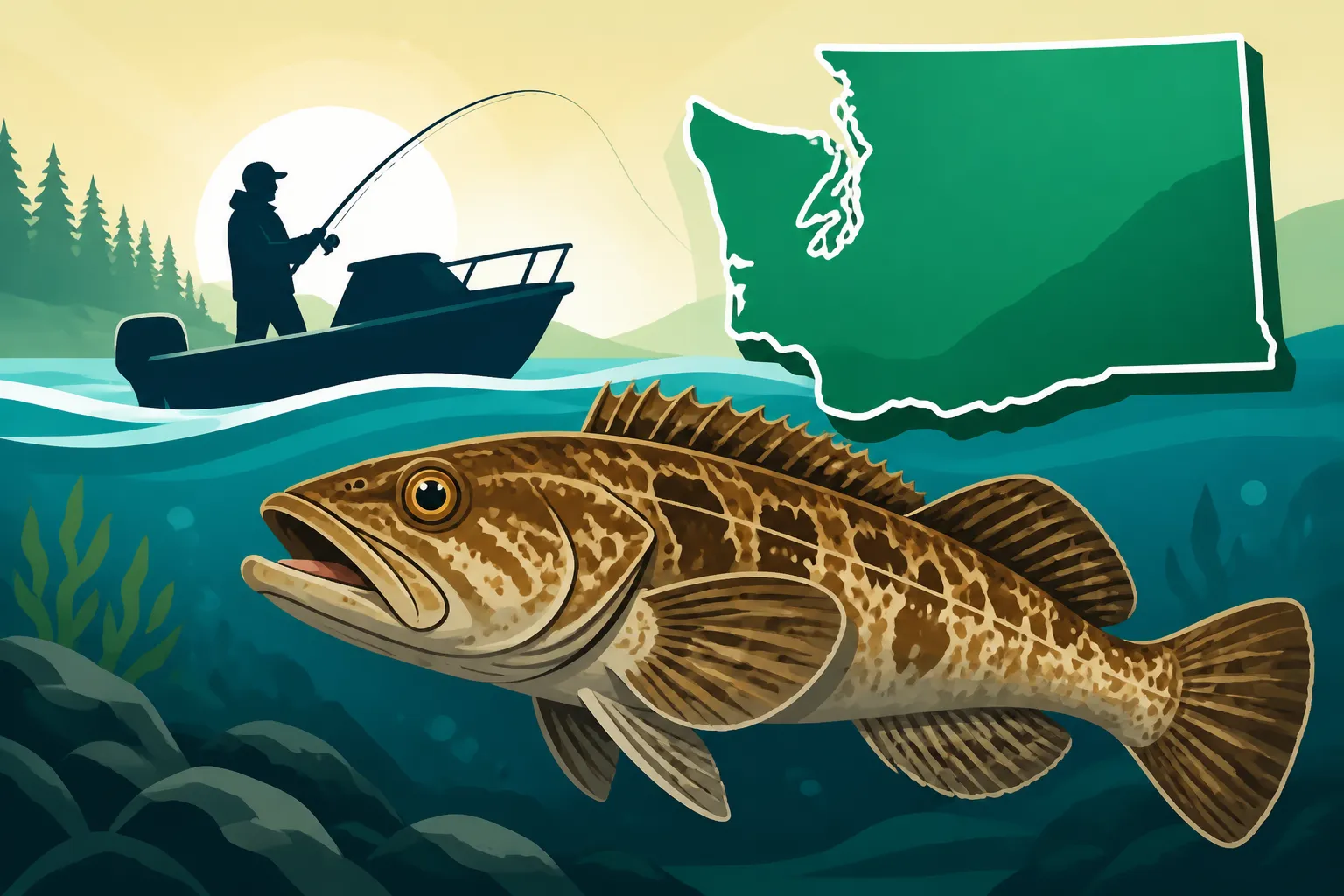
Navigating Washington's fishing regulations can sometimes feel like trying to untangle a reel full of fishing line after a particularly enthusiastic cast – confusing, frustrating, and prone to snags. When it comes to chasing those incredible lingcod, knowing the exact limits and rules is absolutely crucial, not just for staying legal but for doing our part to conserve these amazing fish. This guide is here to cut through the complexity, laying out everything you need to know about lingcod limits in Washington State so you can fish with confidence.
Understanding the Importance of Lingcod Regulations
Fishing for lingcod in Washington is an exhilarating experience. These prehistoric-looking bottom dwellers offer a fantastic fight and are absolutely delicious on the dinner table. However, like all popular species, their populations need careful management to ensure they thrive for generations to come. This is where the Washington Department of Fish and Wildlife (WDFW) steps in, implementing a framework of rules designed to protect lingcod while still allowing anglers to enjoy the fishery. Ignoring these rules, even accidentally, can lead to stiff penalties and, more importantly, can harm the very resource we cherish.
Why Lingcod Limits Exist: Conservation and Sustainability
The primary reason for lingcod limits, and indeed most fishing regulations, is conservation. Lingcod are long-lived fish that can grow quite large, making them vulnerable to overfishing if not managed properly. They don't mature until several years old, and the larger, older fish are often crucial for successful spawning. By setting daily limits and, particularly, size restrictions, WDFW aims to protect the breeding stock and allow enough fish to reproduce and replenish the population.
Imagine if there were no limits. Everyone would keep as many lingcod as they could catch, regardless of size. Within a few seasons, the larger, more prolific breeders would be depleted, leading to a crash in the population that could take decades to recover, if ever. The rules aren't designed to make fishing harder; they're there to ensure we have fishing in the future. It's a balance between recreational opportunity and ecological responsibility, and as anglers, we have a vital role in upholding that balance.
Where to Find the Official Lingcod Regulations
It's tempting to rely on hearsay or what you heard at the tackle shop, but the official source for all Washington fishing regulations, including those for lingcod, is the WDFW website and its annual Sport Fishing Regulations pamphlet. These resources are updated regularly, and it's your responsibility to know the current rules before you drop a line. While this guide provides a solid overview, regulations can change, sometimes mid-season due to emergency rule changes. You can always check for the most current information by visiting the WDFW website or by referring to the "Washington Fishing Regulations Every Angler Should Know" guide.
Getting into the habit of checking the WDFW website or picking up a new pamphlet each year is the best way to avoid any surprises. You'll find specific details for each marine area, along with any special restrictions or gear requirements. Sometimes, certain areas might have different seasons or limits than others, depending on local stock assessments or conservation efforts. Don't just assume the rule that applied last year or in another area will apply to your current trip.
Decoding the Daily and Possession Limits for Lingcod
The most common questions I hear about lingcod revolve around how many you can keep and what size they need to be. It's not as simple as a single statewide rule, unfortunately. Washington's waters are diverse, and so are the regulations.
Specific Limits by Marine Area: It's Not One-Size-Fits-All
This is where many anglers get tripped up. The daily limit for lingcod, and the associated size restrictions, often depend on whether you're fishing in Puget Sound (Marine Areas 4-13) or along the outer Washington Coast (Marine Areas 1-3). It's crucial to know which marine area you're in before you even consider dropping your jig.
Generally, for much of Puget Sound, the daily limit for lingcod is one (1) fish per angler. However, the size restriction is quite specific: you can only keep lingcod that measure between 26 inches and 36 inches in length. This is often referred to as a "slot limit," meaning fish outside that specific range must be released. If you're targeting bottomfish in areas like Puget Sound, it's a good idea to familiarize yourself with these nuances, which are further detailed in guides like "Bottom Fishing for Lingcod and Rockfish off Washington".
For the Washington Coast, including areas like Westport, Ilwaco, or La Push, the regulations can be a bit different and often more complex due to various sub-areas or seasons. In some coastal marine areas, you might be allowed two (2) lingcod per day, but with different slot limits, such as 22 to 31 inches, or sometimes even 26 to 40 inches depending on the specific zone and the current year's rules. These coastal areas are often managed in conjunction with federal regulations or through agreements with other states, adding another layer of detail.
Here's a simplified table illustrating common lingcod limits, but remember, always verify with the current WDFW regulations for the exact marine area and time of year you plan to fish.
| Marine Area Type | Typical Daily Limit | Typical Size Restriction (Min-Max) | Important Note |
|---|---|---|---|
| Puget Sound (MA 4-13) | 1 Lingcod | 26 inches – 36 inches | Slot limit enforced, check local season |
| Coastal (MA 1-3) | 2 Lingcod | Varies: often 22"-31" or 26"-40" | Highly variable by sub-area and season, check WDFW. |
Possession limits typically mirror the daily limit. This means if the daily limit is one lingcod, you can't have more than one lingcod in your possession at any given time, whether on the boat, in your cooler, or in your vehicle, unless it's properly processed and stored as described by WDFW for longer trips. Understanding "Possession Limits vs Daily Limits in Washington" is key to avoiding issues, especially on multi-day outings.
Understanding Size Restrictions and Why They Matter
Those specific inch measurements for lingcod aren't arbitrary. They're carefully chosen to support the long-term health of the lingcod population. The lower end of the slot (e.g., 26 inches in Puget Sound) is designed to protect juvenile fish, allowing them to grow to maturity and spawn at least once or twice before being harvested. The upper end of the slot (e.g., 36 inches) is often in place to protect the largest, most prolific breeding females. These "big breeders" are essential for producing a large number of eggs and ensuring the next generation.
Releasing an undersized or oversized lingcod means giving that fish a chance to contribute to the population, either by growing larger or by spawning more successfully. It's a direct way you, as an angler, can participate in conservation. This practice is vital for species like "Lingcod: Washington's Toothy Bottomfish" to maintain healthy numbers.
The Importance of a Descending Device (and where to get one)
When you're fishing for lingcod, especially in deeper waters, you're inevitably going to catch fish that are either too small, too large, or outside the legal season. These fish need to be released. However, quickly bringing a fish up from deep water can cause barotrauma, where expanding gasses in their swim bladder damage internal organs, making it difficult for the fish to swim back down. Even if they appear to swim away, they might not survive.
This is where a descending device becomes incredibly important. A descending device is a weighted tool that allows you to quickly and safely return a fish to the depth from which it was caught, recompressing its swim bladder and significantly increasing its chances of survival. WDFW regulations often require that anglers fishing for bottomfish in certain areas or depths have a descending device on board and use it on all released fish exhibiting signs of barotrauma.
Don't wait until you need one to realize you don't have one! Descending devices come in various forms, from simple weighted clips to more sophisticated release mechanisms. You can find them at most reputable tackle shops across Washington, or you can easily order one online from retailers like Amazon. Having one readily available and knowing how to use it is not just good practice, it's often the law, and demonstrates your commitment to responsible angling. To learn more about their use, check out "Descending Devices for Rockfish and How to Use One."
Practical Tips for Adhering to Lingcod Limits
It's one thing to know the rules, it's another to practically apply them on the water, especially when the fishing is hot and the excitement is high. Here are some real-world tips to ensure you stay within the lingcod limits and contribute to sustainable fishing.
Measuring Your Catch Accurately
The difference of an inch or even half an inch can be the difference between a legal fish and a violation. Always carry a reliable measuring device on your boat or when fishing from shore. A flexible tape measure or a rigid measuring board works well.
When measuring, lay the fish flat on its side, ensuring its mouth is closed. Measure from the tip of the snout to the farthest tip of the tail, making sure the tail is compressed. Don't try to measure a wiggling fish in the air; it's inaccurate and stressful for the fish if you plan to release it. If there's any doubt, err on the side of caution and release the fish. A good quality, waterproof measuring tape is an invaluable tool and can be found easily at local sporting goods stores or on Amazon.
What to Do If You Catch an Over-Limit or Undersized Fish
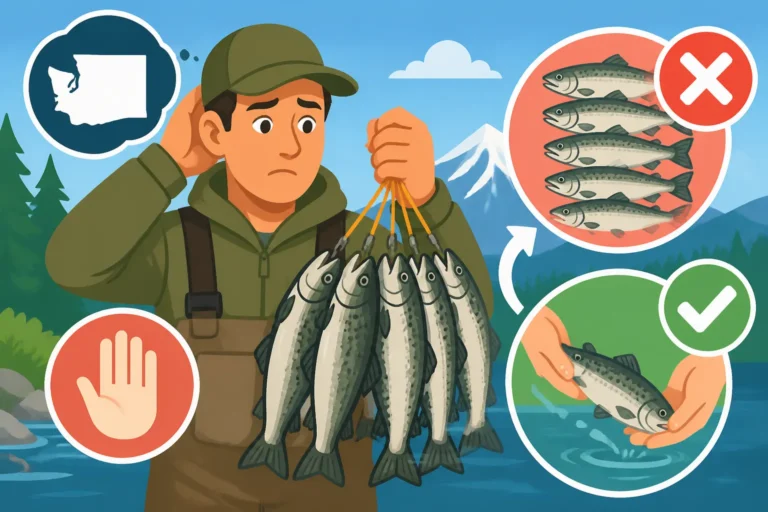
Sometimes, despite your best efforts, you'll hook a lingcod that's either too small, too large, or you've already filled your daily limit. The rule is simple and non-negotiable: release it immediately and carefully.
If you catch a fish outside the legal slot or after you've hit your limit, get it back in the water as quickly and gently as possible. Minimize handling, especially if you're using barbless hooks, which are often required in Washington rivers but not always for bottomfishing. However, using them for catch and release can reduce harm. Avoid dragging the fish over the gunwale of the boat. If you're in deeper water and the fish shows signs of barotrauma, use your descending device without hesitation. Don't try to "keep it alive" in a livewell if you're over your limit; that's still considered possession and a violation. If you want to know more about the range of species you might encounter, check out "How Big Washington Lingcod Get" to get a better sense of their size potential.
Avoiding Common Pitfalls and Violations
The most common violations usually stem from a lack of knowledge or a moment of carelessness. Here are some ways to avoid them:
- Check Regulations Before Every Trip: Seriously. Even if you fished the same spot last week, rules can change. "How to Check for Emergency Rule Changes in Washington" is a crucial resource.
- Know Your Marine Area: Confirm which marine area you're in. GPS devices and fishing apps often display this information, or you can check a marine chart.
- Measure Early: As soon as you land a lingcod, measure it. Don't wait until you're back at the dock.
- One Fish Rule (Often): For many Puget Sound areas, the limit is one lingcod. Don't keep two just because you caught them back-to-back.
- Have a Descending Device: If fishing in areas where barotrauma is a risk, always have one on hand and know how to use it. Many anglers find high-quality descending devices are conveniently available on Amazon, ready for their next outing.
- Be Honest: If a WDFW enforcement officer approaches, be cooperative and honest. They're there to protect the resource, just like you.
These simple steps can save you a lot of hassle and potential fines, allowing you to focus on the joy of fishing.
Lingcod Seasons and How They Affect Limits
Lingcod seasons in Washington are not open year-round. These closures are an additional layer of protection, usually designed to protect spawning fish or to manage overall harvest quotas. Just like daily limits and size restrictions, the open and closed seasons vary significantly by marine area.
General Season Openings and Closures
In many Puget Sound marine areas, the lingcod season is typically open during specific months, often in the spring and early summer. For instance, you might see seasons running from April 1st through mid-June or similar windows, but these dates can shift year to year.
Coastal lingcod seasons can also have specific opening and closing dates, sometimes with different rules for depths or specific sub-areas. These seasons are often coordinated with other bottomfish opportunities. Knowing "Washington Sport Fishing Seasons and Emergency Closures" for lingcod is just as vital as knowing the daily bag limit. Fishing out of season, even if you release the fish, can be a violation depending on the specific rule.
Always consult the current WDFW regulations for the exact opening and closing dates for the marine area you intend to fish. A closed season means no retention of lingcod, regardless of size or whether you plan to release them.
Emergency Rule Changes and Staying Up-to-Date
One of the most challenging aspects of fishing in Washington is that regulations aren't set in stone for the entire year. Conservation managers at WDFW constantly monitor fish populations, harvest rates, and other environmental factors. If, for example, the harvest rate for lingcod is higher than expected in a particular marine area, or if there are concerns about the health of the stock, WDFW may issue emergency rule changes.
These changes can happen quickly, sometimes with only a few days' notice, and can modify anything from daily limits to season closures. This is why it's incredibly important to check for updates right before you head out. WDFW publishes these changes on their website, often with press releases and updates on their social media channels. Learning "Emergency Rule Changes: Why Washington's Rules Shift Mid-Season" can help you understand the reasoning behind these sometimes sudden adjustments.
As a responsible angler, making a quick check on the WDFW site for your specific marine area before you leave home should be part of your pre-fishing ritual. It only takes a few minutes and can save you a lot of grief. After all, fishing should be a relaxing and enjoyable experience, not one filled with anxiety about unknowingly breaking the law.
Disclaimer
Please remember that fishing regulations, including those for lingcod in Washington State, are subject to change. While this guide provides comprehensive information, it is your responsibility to consult the most current Washington Department of Fish and Wildlife (WDFW) regulations before engaging in any fishing activity. Always refer to the official WDFW website or the latest Sport Fishing Regulations pamphlet for the most accurate and up-to-date information.