Is Halibut the Best-Tasting Washington Bottomfish?
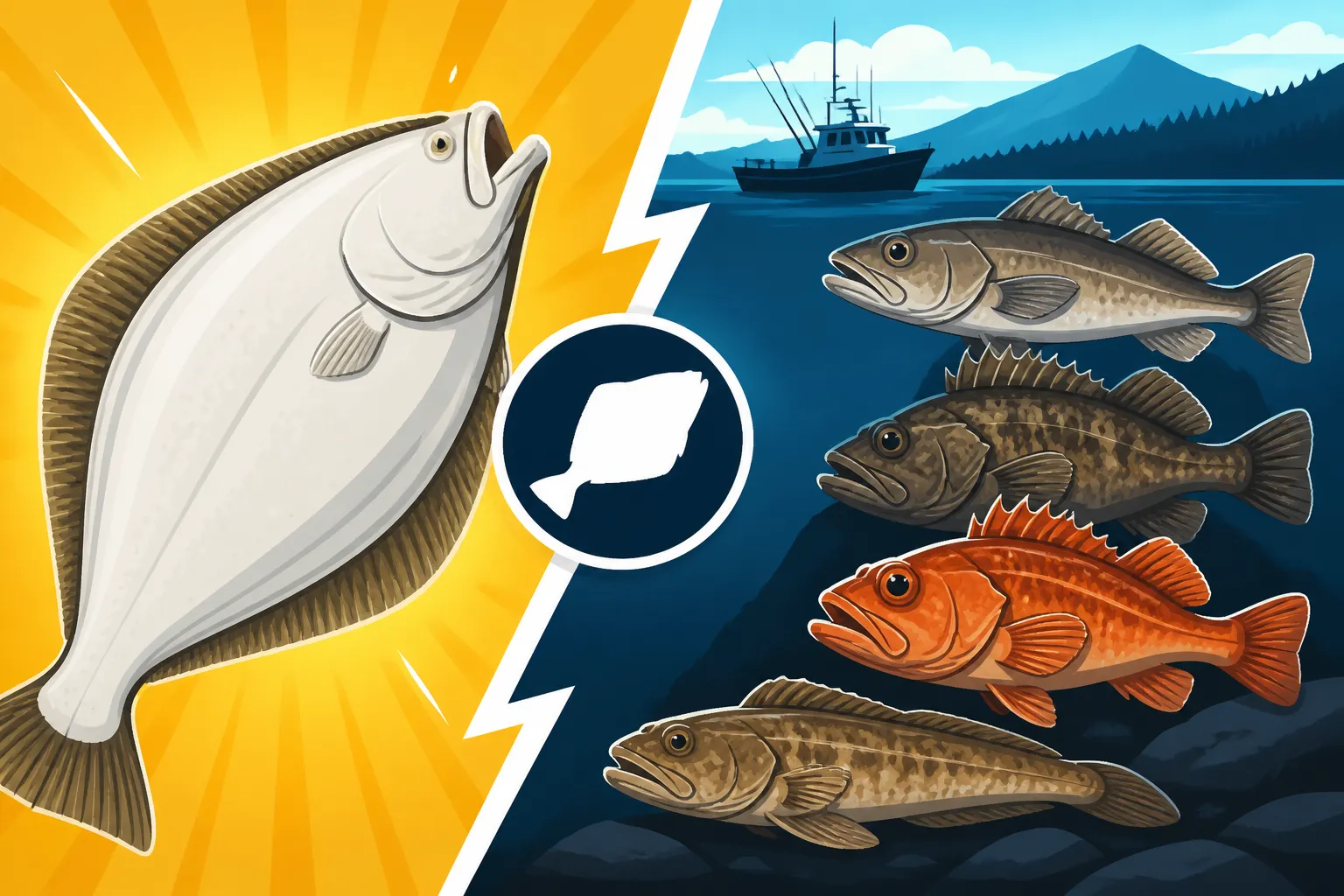
When you’re talking about seafood in Washington, Pacific halibut often sits on a pedestal. It’s revered, it’s sought after, and it commands a certain respect, both in the water and on the plate. But does its reputation truly make it the best-tasting bottomfish out there, or are we missing out on some incredible flavors from other species lurking in our bountiful waters? This guide will dive deep into the culinary appeal of halibut and explore some strong contenders from Washington's bottomfish world, helping you decide which fish truly deserves the top spot on your dinner table.
The Allure of Pacific Halibut on Your Plate
Let's be honest, there's a reason Pacific halibut is considered a premium catch. For many anglers and seafood lovers, the thought of a perfectly cooked halibut fillet is the stuff of culinary dreams. It’s got that “wow” factor, whether you’re serving it to guests or just treating yourself after a long day on the water.
What Makes Halibut So Prized?
When you cut into a piece of fresh Pacific halibut, you immediately notice its pristine white flesh. It's incredibly firm, almost steak-like, yet it flakes beautifully into large, succulent pieces with just a gentle nudge of a fork. This unique texture holds up wonderfully to a variety of cooking methods, from high-heat grilling to delicate poaching, without falling apart. It's forgiving, which is a huge plus for home cooks!
Beyond its texture, the flavor of halibut is notoriously mild and subtly sweet. It’s clean, pure, and not at all "fishy," which makes it incredibly appealing even to those who aren't usually big seafood eaters. This delicate flavor profile allows it to pair exceptionally well with a wide range of seasonings, sauces, and accompaniments without being overpowered. You can dress it up with bold flavors or keep it simple with a squeeze of lemon and a sprinkle of herbs, and it shines every time. It’s the kind of fish that makes you appreciate the effort that goes into Pacific Halibut Fishing on the Washington Coast.
The "Premium" Price Tag and Experience
There's no denying that Pacific halibut often comes with a higher price tag compared to many other fish. This isn't just about its deliciousness, though; it reflects a few realities. Halibut are large, powerful fish found in deep, often offshore waters, making them more challenging and costly to catch. Their seasons are typically shorter and tightly managed to ensure sustainability, which naturally drives up demand for fresh, local product. When you factor in specialized gear, boat fuel, and the expertise required to land these magnificent creatures, the premium cost begins to make sense.
For many, eating halibut isn't just a meal; it's an experience. It’s the reward after a successful fishing trip, or a special indulgence from the local fish market. The anticipation, the cooking, and that first flaky bite all contribute to its esteemed status. It symbolizes quality, effort, and the bounty of Washington's cold, productive waters. Understanding the Halibut Possession Limit in Washington is part of appreciating this valuable resource.
Contenders for Washington's Best-Tasting Bottomfish
While halibut often steals the spotlight, Washington's marine environment is teeming with other delicious bottomfish that deserve our attention. Some of these species offer unique flavor profiles and textures that, for certain dishes or palates, might even give halibut a run for its money. It’s all about exploring the diversity our waters offer.
Lingcod: A Culinary Surprise
Don't let the name or the somewhat intimidating appearance of a lingcod fool you; this fish is a genuine culinary gem. Often caught in the same rocky habitats as halibut, lingcod offers a firm, white flesh that many chefs and experienced anglers absolutely adore. Its texture is robust and meaty, with large, succulent flakes that can sometimes be even firmer than halibut, making it incredibly satisfying to eat. Lingcod: Washington's Toothy Bottomfish are fascinating creatures.
The flavor of fresh lingcod is remarkably mild, sweet, and clean, often described as having a hint of crab-like richness, especially when very fresh. It holds its shape beautifully through grilling, baking, or pan-frying, and stands up wonderfully to bold marinades or rich sauces without getting lost. If you've never tried lingcod, you might be surprised by its versatility and deliciousness. It's an excellent choice for fish and chips because of its firm texture, but it also shines when simply baked with butter and herbs. Learning Jigging Herring for Lingcod in Washington can be a rewarding experience. Knowing How Big Washington Lingcod Get also adds to the appreciation of this species.
Rockfish Varieties: The Versatile Pan-Fryers
Washington's waters are home to a diverse array of rockfish species, each with subtle variations, but generally offering excellent table fare. Species like black rockfish, copper rockfish, and yelloweye rockfish are commonly targeted and appreciated for their flaky, white flesh. If you're wondering how to identify them, check out How to Identify a Black Rockfish.
In general, rockfish have a medium-firm texture that's lighter and more delicate than halibut or lingcod. Their flavor is consistently mild and clean, making them incredibly versatile. They are fantastic pan-fried until crispy, perfect for fish tacos, or baked in foil with vegetables and seasonings. While individual species might have slight differences—for example, a black rockfish might be a touch flakier than a copper rockfish—they all generally present a delightful eating experience. For more on the differences, you can read Black Rockfish vs Copper Rockfish.
It’s worth noting that some rockfish species are more vulnerable to overfishing, and regulations are in place to protect them. Always be mindful of specific regulations, and if you’re fishing in deeper waters, using a descending device is crucial for releasing rockfish successfully. It's important to understand Descending Devices for Rockfish and How to Use One to ensure these fisheries remain healthy.
Pacific Cod and Other Flatfish
Beyond the headline acts, there are other bottomfish in Washington that contribute to a diverse seafood diet. Pacific cod, while not as firm as halibut, offers a very mild, delicate, and flaky white flesh. It's a classic choice for fish and chips due to its tenderness and ability to absorb flavors. While it won't give you the same steak-like experience as halibut, its gentle texture and flavor make it a wonderful option for lighter preparations.
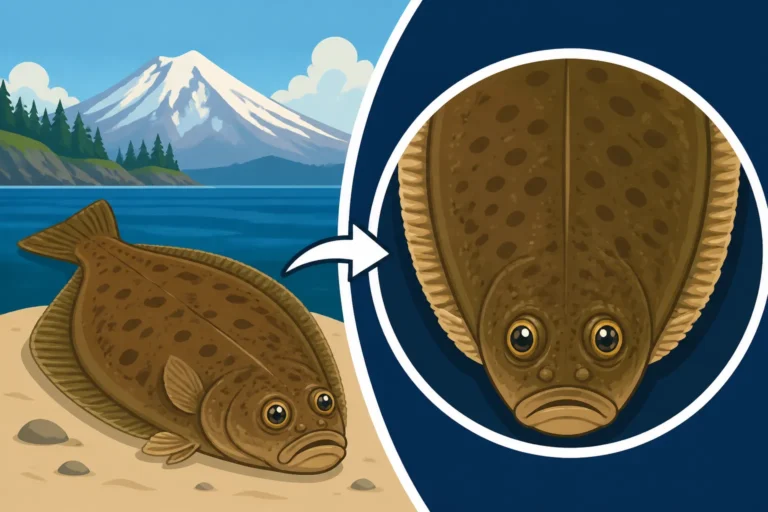
Then there are the various flatfish, like sole and flounder. These fish typically offer very thin, delicate fillets with a super mild flavor. They cook quickly and are best served simply, perhaps pan-fried with a light dusting of flour and a lemon-butter sauce. Their texture is much softer and more fragile than halibut, and they don't have the same robust flakiness. If you're curious about identifying these species, learning How to Tell a Halibut From a Flounder can be quite helpful. While not challenging halibut for firmness, they bring their own unique, subtle elegance to the table.
Factors Influencing Fish Taste and Texture
It’s easy to declare one fish superior to another based purely on species, but the truth is, a fish’s journey from the water to your plate plays a massive role in its ultimate flavor and texture. Even the most prized halibut can be disappointing if not handled correctly, and a well-cared-for lingcod can be an absolute revelation.
Freshness and Handling Post-Catch
This is perhaps the single most critical factor in how good a fish tastes. A fresh fish, properly handled immediately after being caught, will always taste better than one that has sat in warm conditions or been poorly treated. For serious anglers, this means bleeding the fish right away, gutting it quickly, and getting it on ice or in a slush of ice water as soon as possible. These steps reduce stress hormones, prevent blood from tainting the flesh, and slow down bacterial growth.
Think about it: that "fishy" smell or taste often isn't inherent to the fish itself; it's a sign of improper handling and degradation. When you buy from a reputable fishmonger, or better yet, catch it yourself and treat it with care, you'll experience the true, clean flavor of the species. A good cooler, like those you can find on Amazon, is an angler's best friend for maintaining peak freshness.
Cooking Methods and Seasoning
The way you prepare fish can dramatically highlight its best qualities or, unfortunately, diminish them. A delicate sole might be ruined by a heavy-handed marinade and aggressive grilling, while a firm halibut can stand up to high heat.
- Halibut: Its firm, flaky texture is fantastic for grilling, baking, roasting, or pan-searing. Its mild flavor welcomes a simple squeeze of lemon and herbs, or a more complex caper-butter sauce.
- Lingcod: Similarly versatile due to its firmness. It’s excellent battered and fried for fish and chips, or baked/grilled as a steak. Its sweet flavor pairs well with Asian-inspired marinades or a simple garlic butter. Don't worry if you see Lingcod Meat Color and Whether It's Normal, it's often a natural occurrence.
- Rockfish: Given their medium-firmness, they are superb pan-fried, broiled, or baked. They're also a top choice for fish tacos, where their flaky texture works perfectly with fresh salsas.
Choosing the right cooking method that respects the fish's natural qualities is key to unlocking its best taste.
Diet and Environment
While often overlooked by the casual diner, the diet and habitat of a fish can subtly influence its flavor profile and fat content. Fish from clean, cold, nutrient-rich waters—like those off the Washington coast—tend to have a purer, more desirable flavor. Their diet of smaller fish and crustaceans can also contribute to the richness and sweetness of their flesh. This is one of the reasons why wild-caught Washington bottomfish are so highly regarded; they thrive in an environment that naturally enhances their culinary qualities.
Making Your Own Verdict: A Taste Test Journey
Ultimately, whether halibut is the "best-tasting" Washington bottomfish is a deeply personal preference. What one person considers exquisite, another might find merely good. The real fun lies in conducting your own culinary exploration!
How to Source and Try Different Bottomfish
The best way to form your own opinion is to try them side-by-side.
- Visit Local Fish Markets: Head to a reputable fish market in places like Seattle's Pike Place Market, or any good seafood shop in coastal towns like Westport or Ilwaco. Look for locally caught, fresh-off-the-boat options. Talk to the fishmonger; they can often provide insights into where and when the fish was caught.
- Go Fishing: Nothing beats the freshness of catching your own. Whether you book a charter or head out in your own boat, targeting different bottomfish species will give you the freshest possible product. Remember to research Bottom Fishing Techniques for Lingcod and Rockfish off Washington before you go. You can find essential fishing gear for various techniques on Amazon, from jigs to quality fishing lines.
- Order at Restaurants: Many fine dining establishments and even casual seafood joints in Washington take pride in showcasing local catches. Try ordering different bottomfish preparations to experience how chefs highlight their unique flavors.
Make sure you're getting truly fresh fish. Ask questions: "When was this caught?" "Where did it come from?" The fresher the fish, the truer its inherent flavor will be.
Culinary Adventures and Recipes
When you're ready to conduct your own taste test, keep the preparation simple at first. Pan-sear small fillets of halibut, lingcod, and a couple of different rockfish species with just a touch of olive oil, salt, and pepper. This minimalist approach allows the natural flavors and textures of each fish to shine through without being masked by heavy sauces or spices.
- Halibut: Try it simply grilled with a lemon-dill butter.
- Lingcod: Pan-fry it with a sprinkle of Old Bay seasoning.
- Black Rockfish: Bake it with a touch of garlic and paprika.
Once you have a baseline, then you can experiment! Maybe you’ll discover that lingcod, with its firm, crab-like meat, is your new favorite for hearty fish stews, or that rockfish makes the ultimate light and crispy fish taco. You might still love halibut for its pristine elegance, but gain a deeper appreciation for the variety that Washington's waters provide. The journey of discovery is half the fun!
| Species | Texture | Flavor Profile | Common Preparations | General Cost (Compared to Halibut) |
|---|---|---|---|---|
| Pacific Halibut | Very firm, large flakes | Mild, sweet, clean | Grilling, baking, pan-searing, poaching | Premium |
| Lingcod | Firm, meaty, large flakes | Mild, sweet, slightly crab-like | Pan-frying, deep-frying, baking, grilling | Moderate to High |
| Rockfish (various) | Medium-firm, flaky | Mild, clean | Pan-frying, baking, tacos, fish & chips | Moderate |
| Pacific Cod | Soft, delicate flakes | Very mild, gentle | Fish & chips, steaming, chowder | Lower |
| Sole/Flounder | Very delicate, thin flakes | Mild, subtle | Pan-frying, broiling, light sautés | Lower |
Disclaimer
This article is for general informational purposes only and does not constitute professional advice. Laws, prices and regulations vary by location and change over time. Consult a qualified professional for guidance on your specific situation.