Tiger Muskie in Washington and Whether It’s Native
It’s easy to look at the powerful, toothy grin of a tiger muskie caught in Washington and wonder, “Where did this incredible fish come from?” Many anglers are surprised to learn that these formidable predators are actually a fascinating hybrid, making their presence in our state’s waters a unique story of fisheries management rather than natural evolution. This guide will dive deep into the origins of the tiger muskie in Washington, explaining why they're here, what they are, and where you might encounter one.
Understanding the Enigma: What Exactly is a Tiger Muskie?
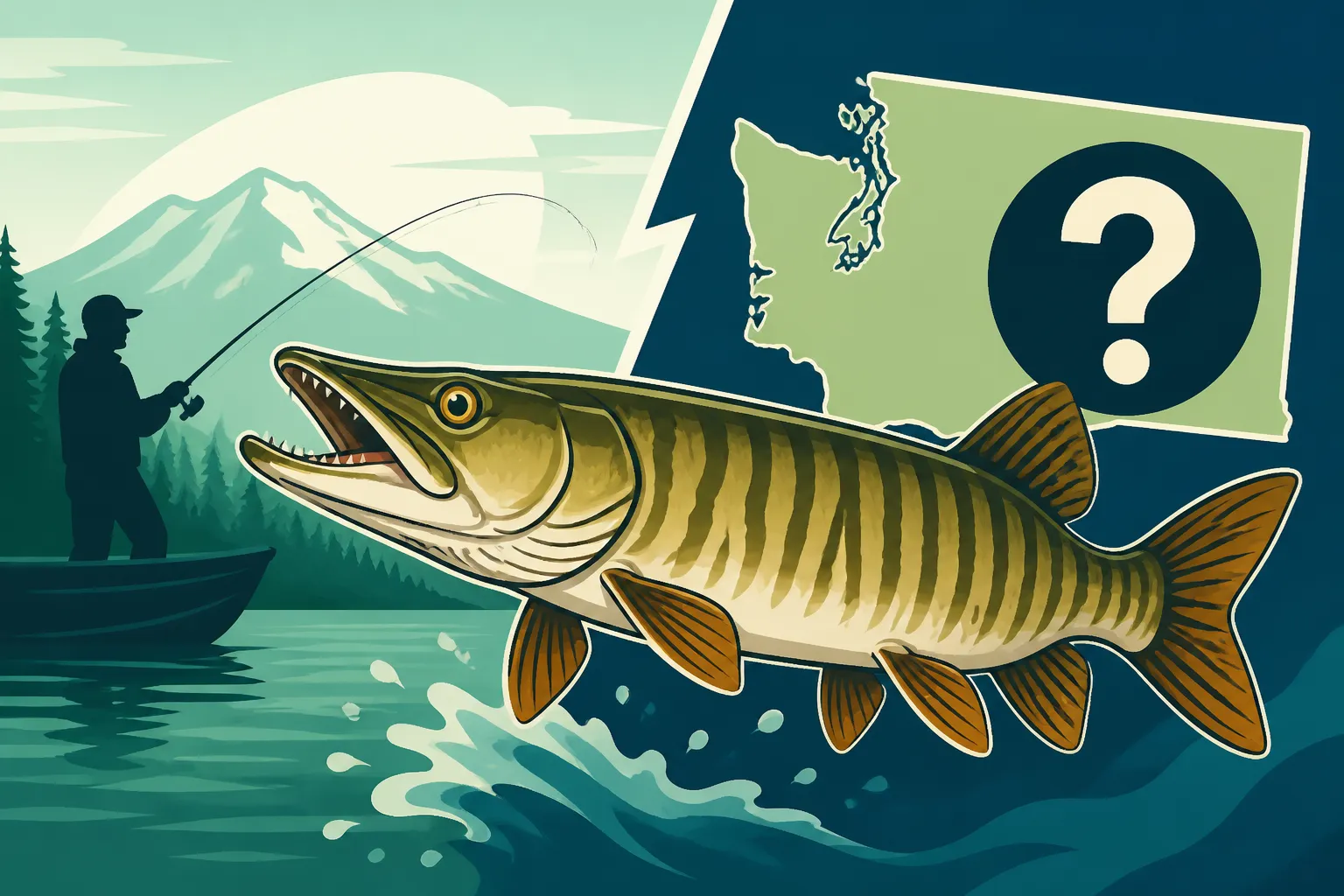
First things first, let's clear up what we're talking about when we say "tiger muskie." This isn't just a fancy name for a regular muskie with stripes. A tiger muskie is a hybrid fish, born from the cross-breeding of a true muskellunge (often called a muskie) and a northern pike. Think of it like a mule – a cross between a horse and a donkey – inheriting traits from both parents but being distinct.
They get their "tiger" name from their distinctive barred or spotted patterns, which often resemble tiger stripes, running across their olive to light green bodies. These markings are typically much more pronounced than on either parent species. Their body shape is long and cylindrical, perfectly adapted for explosive bursts of speed to ambush prey. Their mouths are packed with sharp, conical teeth, making them a formidable predator in any water they inhabit. Because they are hybrids, tiger muskies are almost always sterile, meaning they cannot reproduce on their own. This sterility is a key factor in why they are so valuable in certain fisheries management strategies, which we'll explore shortly. They are built for the hunt, and encountering one can be a truly exhilarating experience, often testing an angler's tackle and resolve.
The Hybrid Vigor Advantage
One of the interesting biological aspects of hybrid species like the tiger muskie is something called "hybrid vigor," or heterosis. This often means that the hybrid offspring can be stronger, grow faster, or be more resistant to disease than either of its parent species. For tiger muskies, this often translates to rapid growth and a hearty appetite, which are desirable traits when introduced to control other fish populations. They grow quite large, often reaching impressive lengths and weights, making them a sought-after trophy fish for many anglers. Their aggressive feeding habits and size make them apex predators in the lakes where they're introduced, helping to balance the ecosystem by preying on abundant smaller fish.
Identifying a Washington Tiger Muskie
While the distinct markings are usually a dead giveaway, knowing a few other features can help differentiate a tiger muskie from a northern pike, which shares some visual similarities and habitat preferences. Northern pike tend to have a more elongated, duck-bill shaped snout and often have bean-shaped spots, whereas muskies and tiger muskies typically have more pointed snouts and either barred or spotted patterns. The number of pores on the underside of their lower jaw is also a reliable indicator, though not always easy to check in the field.
When you're out on the water, the sheer size and power of these fish are often the first thing that tells you it's a tiger muskie. They hit lures hard and fight with incredible strength, often making acrobatic jumps or powerful runs. Just remember, these are fish designed for top-tier predation, so handle them with care, especially their toothy mouths, if you're lucky enough to land one.
The Question of Origin: Are Tiger Muskie Native to Washington?
Let's get right to the heart of the matter: no, tiger muskie are absolutely not native to Washington State. You won't find them naturally reproducing in any of our rivers, lakes, or Puget Sound. Their presence here is entirely due to deliberate stocking programs carried out by the Washington Department of Fish and Wildlife (WDFW).
This might come as a surprise to some, especially if they've had the thrilling experience of hooking into one of these magnificent fish. But unlike our beloved native salmon, steelhead, or cutthroat trout, tiger muskies have no historical or natural ties to Washington's aquatic ecosystems. They are an introduced species, brought in for very specific and strategic fisheries management goals.
Why Non-Native Status Matters
The non-native status of tiger muskies is crucial for several reasons, primarily concerning their ecological impact and how they are managed. When a non-native species is introduced, there's always a potential risk of disrupting the existing ecosystem. However, in the case of tiger muskies, their sterility largely mitigates the risk of them overpopulating and becoming invasive. Since they can't reproduce, their numbers are entirely controlled by WDFW's stocking efforts. This allows the state to leverage their predatory nature for specific benefits without the usual concerns associated with introducing a fertile, non-native species.
Their role is not to replace native predators but to fill specific niches where native populations might be struggling or where invasive species need to be controlled. This careful, calculated introduction is a hallmark of modern fisheries science, aiming to achieve a balance that benefits both the environment and recreational anglers. It's a testament to the fact that not all introduced species are harmful; some, like the tiger muskie, can be beneficial when managed properly.
Why Are Tiger Muskie in Washington Waters? The Stocking Story
So, if they aren't native, why are tiger muskie swimming around in Washington's lakes? The answer lies in smart, strategic fisheries management by the WDFW. Tiger muskies are primarily stocked for two main reasons: to provide a unique, exciting trophy fishery for anglers, and more importantly, to act as a biological control for undesirable, often invasive, fish species.
The WDFW carefully selects lakes where these large, sterile predators can thrive and fulfill their purpose without negatively impacting native fish populations or the overall ecosystem. Because tiger muskies are voracious predators, they are excellent at thinning out overpopulated or invasive species that might otherwise outcompete or prey on more desirable fish, like trout or salmon smolts.
Pike Control: A Primary Mission
One of the most critical roles tiger muskies play in Washington is controlling invasive northern pike. Northern pike are a significant threat to native fish populations, particularly salmon and steelhead, in many Western states. They are aggressive predators, reproduce rapidly, and can decimate local fish stocks, including federally protected species. In some Eastern Washington waters, particularly those connected to the Columbia River system, northern pike have become a serious problem.
This is where tiger muskies come in. By stocking sterile tiger muskies, the WDFW introduces a natural predator that actively preys on northern pike, reducing their numbers and slowing their spread. It's a classic case of fighting fire with fire, but with a controlled "fire" that won't get out of hand due to its sterility. This strategy has proven effective in several lakes, helping to protect our precious native fisheries. For anglers, it means that while they're enjoying the thrill of catching a powerful tiger muskie, they're also contributing to the health of Washington's waterways.
Creating a Unique Trophy Fishery
Beyond their ecological role, tiger muskies also offer a fantastic recreational opportunity. For anglers seeking a true challenge and the chance to land a large, powerful fish, tiger muskies fit the bill perfectly. They grow to impressive sizes, fight hard, and require specialized techniques, making them a prize catch.
The WDFW understands the value of diverse fishing opportunities. By creating a limited, managed fishery for tiger muskies, they provide something truly different for anglers. This attracts dedicated muskie anglers and offers a new experience for those who primarily fish for salmon or trout. It adds another exciting layer to the rich tapestry of Washington's fishing scene, giving enthusiasts a taste of something genuinely unique.
Where to Find Washington's Tiger Muskie (And Why They're There)
While not native, Washington has several key lakes where tiger muskies have been successfully introduced and are managed by the WDFW. These locations are carefully chosen to maximize the ecological benefits and angling opportunities. It's important to remember that these are specialized fisheries, and you won't find tiger muskies just anywhere.
Currently, the primary lakes where you might encounter a tiger muskie in Washington include:
- Curlew Lake (Ferry County): This Eastern Washington lake is one of the most well-known tiger muskie fisheries in the state. The primary reason for stocking here was to provide a unique trophy fishery. The WDFW saw an opportunity to create a premier muskie fishing destination in a lake that could support a large predator population without detrimental impacts on other species. It's become a fantastic spot for anglers to test their skills against these formidable fish.
- Silver Lake (Cowlitz County): Located in Southwest Washington, Silver Lake is another key tiger muskie habitat. Here, the stocking program has a dual purpose: providing a trophy fishery and helping to manage an overabundance of nuisance fish species like common carp, which can degrade water quality and outcompete native fish. The tiger muskies help to keep these populations in check, contributing to a healthier aquatic environment.
- Newman Lake (Spokane County): Over in Eastern Washington, Newman Lake has also been a focus for tiger muskie stocking. Similar to Silver Lake, the intention here is largely to address issues with abundant common carp and other less desirable fish species. The tiger muskies act as an effective biological control, reducing the pressure these invasive species put on the lake's ecosystem while offering a thrilling fishing experience.
- Everett Lake (Snohomish County): This smaller lake has seen experimental stockings of tiger muskie, primarily for population control of undesirable fish. Angling opportunities here might be more limited than the larger, more established fisheries, but it shows the continuous evaluation of where these fish can provide the most benefit.
It's always a good idea to check the latest WDFW regulations and stocking reports before heading out, as these programs can evolve. These lakes represent intentional, managed fisheries where the presence of tiger muskies is a direct result of human intervention for specific environmental and recreational goals.
Gear Up for the Challenge
Targeting tiger muskies requires specialized gear. These fish are big, strong, and have a mouth full of sharp teeth. You'll want heavy-duty baitcasting or spinning gear, strong braided line (at least 50-80 lb test), and a robust leader made of fluorocarbon or even wire to prevent bite-offs. Lures are typically large – think big bucktails, jerkbaits, and swimbaits designed to imitate large prey fish. Remember, you're trying to appeal to a fish that preys on other fish of considerable size. You can find a fantastic array of suitable muskie lures and heavy tackle on sites like Amazon, which offers a wide selection of specialized fishing equipment not always readily available at smaller local shops. Don't forget a large landing net with a deep, rubberized mesh (fish-friendly!), and long-nosed pliers or jaw spreaders for safe hook removal, as handling these toothy predators requires caution.
| Lake Name | County | Primary Stocking Reason | Unique Angling Notes |
|---|---|---|---|
| Curlew Lake | Ferry | Trophy Fishery | Known for larger, established tiger muskie population |
| Silver Lake | Cowlitz | Carp/Nuisance Fish Control & Trophy Fishery | Popular in SW Washington, good bank access |
| Newman Lake | Spokane | Carp/Nuisance Fish Control | Eastern Washington fishery, can be challenging |
| Everett Lake | Snohomish | Experimental Nuisance Fish Control (Limited Angling) | Smaller lake, less established as a dedicated muskie spot |
This table provides a quick overview, but remember that conditions and fish populations can change, so always consult the most current WDFW regulations before planning your trip.
The Future of Washington's Tiger Muskie Fishery
The WDFW's management of tiger muskies is an ongoing effort, balancing the benefits of a unique fishery and biological control with the careful monitoring of ecological impacts. Because these fish are sterile, the health and size of the tiger muskie populations in Washington are entirely dependent on consistent stocking programs. This means that if you're keen to target these impressive predators, understanding their management is part of the angling experience.
Changes in fish populations, the spread of invasive species like northern pike, and available hatchery resources can all influence where and when tiger muskies are stocked. The WDFW regularly assesses these factors to make informed decisions about future stocking efforts. Anglers play a vital role in this management by reporting their catches (especially if required by a catch record card, though usually not for tiger muskie specifically) and adhering to all regulations. If you're interested in how different species are managed, you might find more information in articles like Washington Sport Fishing Regulations Every Angler Should Know or Emergency Rule Changes: Why Washington's Rules Shift Mid-Season.
Conservation Through Recreation
While tiger muskies aren't native, their presence here promotes a unique form of conservation. By providing a thrilling sport fish that also serves an ecological purpose, they draw angler interest and resources towards waters that might otherwise be overlooked. This indirect conservation can lead to better overall management of these lakes, benefiting a wider array of aquatic life. It's a reminder that not all introduced species are detrimental; sometimes, with careful planning and management, they can be a tool for environmental health and a source of incredible outdoor recreation.
If you decide to pursue these giants, be prepared for a fight, and cherish the experience. Landing a tiger muskie in Washington is a testament to both your angling skill and the thoughtful, sometimes surprising, world of fisheries management in our state. You might also want to look into How Bag and Possession Limits Work in Washington to be fully prepared for any regulations specific to the waters you visit. These fish truly offer an unparalleled angling adventure that showcases the diversity of Washington's waters.
Disclaimer
This article is for general informational purposes only and does not constitute professional advice. Laws, prices and regulations vary by location and change over time. Consult a qualified professional for guidance on your specific situation.