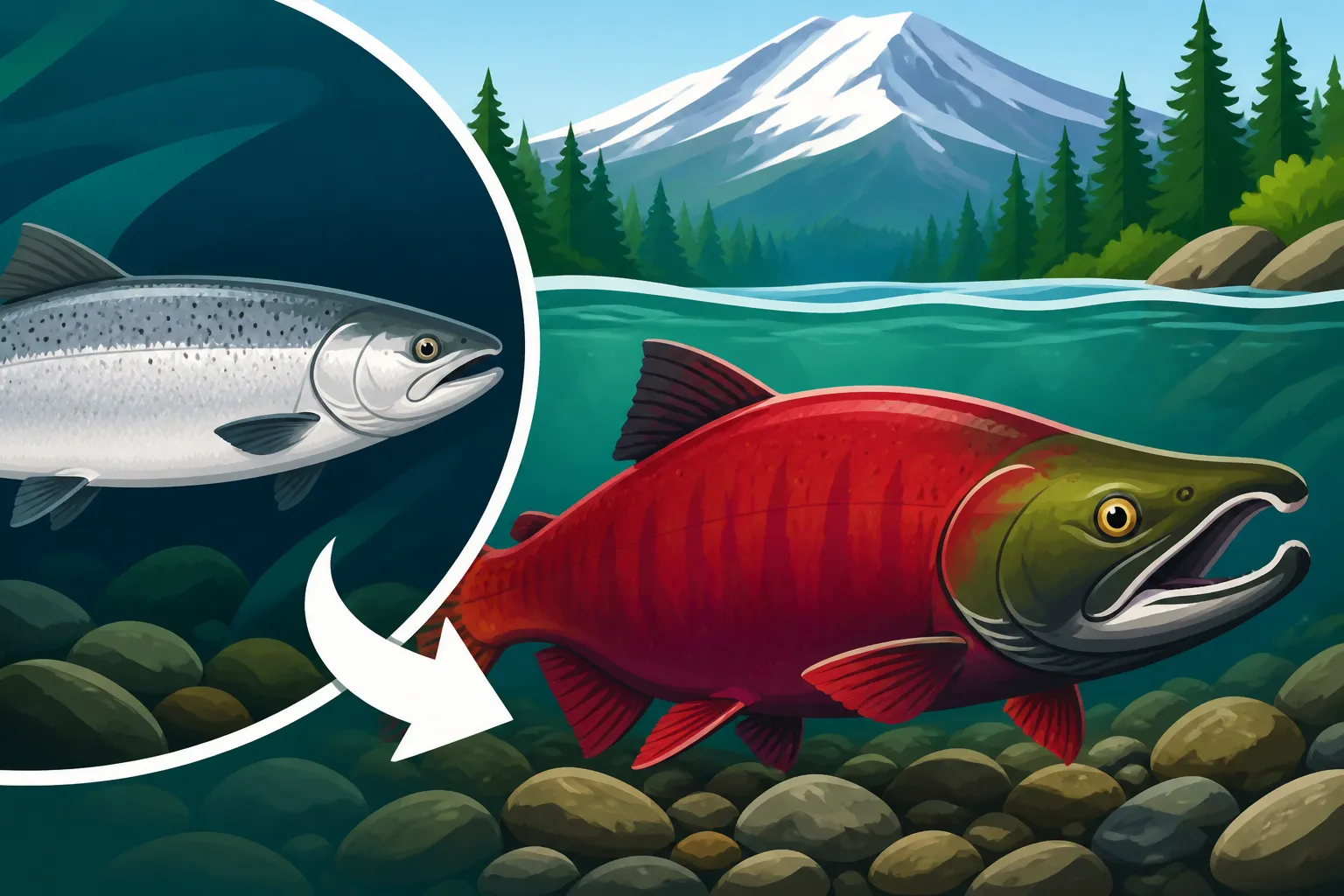
Coho Salmon Color When It Spawns
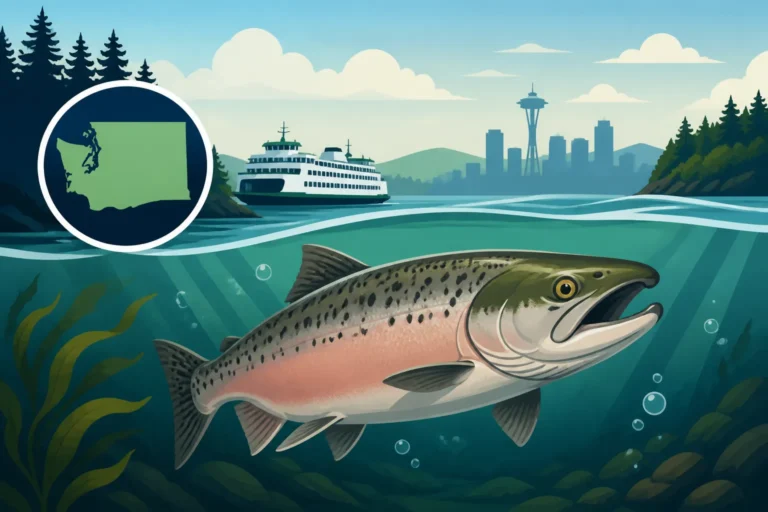
There's nothing quite like witnessing the incredible transformation of a Coho salmon as it prepares to fulfill its life's purpose. From its sleek, silver-bright ocean form, these powerful fish undergo a dramatic color shift when they enter Washington's freshwater rivers to spawn. If you've ever observed this spectacle, you know it's an awe-inspiring process that leaves many wondering about the biological reasons behind such a striking change. This guide will delve into the fascinating world of Coho salmon spawning colors, exploring why these changes occur, what they look like, and how to distinguish Coho from other salmon species during this critical life stage.
The Astonishing Transformation: Why Coho Salmon Change Color
The journey from saltwater to freshwater for spawning is one of the most arduous migrations in the animal kingdom, and the color change in Coho salmon is a direct visual cue of this profound biological shift. It's not just a superficial change; it's a deep-seated physiological overhaul driven by hormones, diet, and the demands of reproduction.
Hormonal Shifts and Pigmentation
As Coho salmon, also known as silver salmon, transition from the nutrient-rich ocean environment to the freshwater rivers of Washington, their bodies stop focusing on feeding and growth. Instead, all their energy reserves are redirected towards reproduction. This shift is orchestrated by a complex interplay of hormones. One of the primary drivers of color change is the reabsorption of pigments, particularly carotenoids. These are the same pigments responsible for the vibrant reds and oranges in many fruits and vegetables. Salmon acquire these carotenoids through their diet of crustaceans and other marine life in the ocean.
Once in freshwater, they stop feeding, and these carotenoids, previously stored in their skin and muscle tissue, begin to migrate. They move from the muscles (which is why their flesh turns from deep orange to pale pink or white) and concentrate in the skin, giving the fish its brilliant spawning hues. This isn't just about looking pretty; these vibrant colors serve as an unmistakable signal to other salmon. They communicate readiness to spawn, species identification, and often, dominance, especially among males. The stronger the color, the more impressive the display, potentially indicating a healthier, more robust fish.
The Role of Energy Allocation
Think of it like an athlete preparing for a marathon. They're not just running; their body is undergoing internal changes to optimize for that single, intense event. For salmon, spawning is the ultimate marathon, a journey that can take weeks or even months of upstream swimming, often against powerful currents, without eating. Their bodies are literally running on fumes and stored energy. The fat reserves, built up during years in the ocean, are critical for fuel. As these reserves are depleted, the muscle tissue, once firm and rich with carotenoids, starts to break down.
The visible external color change is thus a stark indicator of this internal metabolic shift. The pigments aren't being "produced" in freshwater; they're being mobilized and rearranged from within the fish's declining body. This process can be quite rapid once the fish enters freshwater, intensifying as they get closer to their spawning grounds. It's a dramatic, beautiful, and ultimately melancholic transformation, as it signals the final stage of their lives.
Unpacking the Coho's Spawning Palette: From Silver to Crimson
The term "Coho salmon color when it spawns" often conjures an image of a brilliant red fish, and for good reason! This species truly undergoes one of the most striking color shifts among the Pacific salmon, especially the males.
The Stages of Coho Coloration
When Coho salmon first enter the rivers from Puget Sound or the Pacific Ocean, they are still largely "silver bright." Their sides glisten with a metallic sheen, their backs are a deep blue-green, and they often have a relatively streamlined profile. They are still powerful swimmers, fresh from the ocean. However, as they progress upstream, sometimes navigating challenging obstacles and often encountering anglers keen to catch them before their transformation is complete, the changes begin.
The initial signs might be a darkening of the back and head, and a subtle blush appearing on their sides. This gradually intensifies. For males, the transformation leads to a truly spectacular display. Their sides erupt into a vibrant, almost fiery brick-red, often with a white or pale belly. Their backs and heads become a very dark green, sometimes almost black, creating a stark contrast. The jaw of the male also undergoes a significant change, developing a pronounced hook known as a "kype." This kype is used in aggressive interactions with other males during spawning.
Female Coho also change color, though typically less dramatically than males. They generally develop a duller, more pinkish-red or maroon hue on their sides, with a dark back and head. Their kypes are far less pronounced, if present at all. Both sexes will often show white or pale gums with a distinctive dark mouth line, which is one of the key identification features for How to Identify Coho Salmon in Washington's Puget Sound. The fins, particularly the anal and caudal (tail) fins, might also take on darker tones or hints of the body color.
Nuances and Variations in Color
While the general description holds true, there can be subtle variations in the exact shade and intensity of red. These nuances can depend on a variety of factors, from the specific river system they are in to their individual genetics. For instance, some fish might appear more orange-red, while others lean towards a deeper, darker crimson. The water clarity of the river can also play a role in how brightly these colors appear to an observer. In clear, shallow sections of rivers like the Green River near Auburn or certain Olympic Peninsula streams, the spawning Coho can be breathtakingly vivid.
Observing Coho during this phase is a truly special experience, and many anglers shift from fishing to simply appreciating the natural beauty of the salmon run. If you're out there trying to photograph these amazing creatures, having a good waterproof camera case (many options are available on Amazon) can be incredibly useful to capture those vibrant hues.
Factors Influencing the Intensity of the Spawning Display
The brilliance of a Coho salmon's spawning colors isn't a fixed switch; it's a dynamic process influenced by several environmental and biological factors. Understanding these can help you appreciate the spectacle even more.
Diet and Carotenoid Intake
The most significant factor determining the intensity of a Coho's red spawning color is its diet during its time in the ocean. Carotenoids, the pigments responsible for the red and orange hues, are not produced by the salmon themselves. Instead, they are accumulated from the food they eat. Small crustaceans, krill, and other marine organisms consume algae that contain these pigments. When Coho feed on these organisms, the carotenoids are absorbed and stored in their tissues.
A Coho that has had a rich, diverse diet high in carotenoid-rich prey will generally develop a more vibrant, deeper red color than one that has had a less optimal feeding experience. This is why you might see variations in color intensity even within the same run of fish in a Washington river. It's a testament to their individual life history and the bounty of the ocean environment they inhabited. This also explains why the flesh of these fish, which is so prized for its orange-red color when caught in the ocean, becomes paler as they near spawning – the pigments have been moved to the skin.
Time in Freshwater and Energy Depletion
The longer a Coho salmon spends in freshwater, the more pronounced its spawning colors become, but also the more deteriorated its physical condition. As mentioned, they stop feeding once they enter the river system. Their bodies begin to catabolize (break down) fat and muscle tissue to fuel their journey and develop their reproductive organs. The pigments become more concentrated in the skin as the fish’s overall body mass declines.
However, there's a point of diminishing returns. As the fish gets closer to actually spawning, its condition continues to degrade. While the colors might be at their peak, the fish itself might show signs of wear and tear: torn fins, scrapes from rubbing against rocks, fungal growth, and a generally emaciated appearance. This is a natural part of their life cycle, a sign of their single-minded dedication to reproduction. Observing them at different stages of their freshwater migration can highlight these changes. When Coho Salmon Run in Washington provides more details on when to expect to see these fish in various stages of their journey.
Genetic Predisposition and Environmental Factors
Just like in humans, genetics play a role in how brightly an individual salmon displays its spawning colors. Some fish may be genetically predisposed to exhibit more intense coloration than others, even with similar diets. This natural variation is part of the biodiversity that makes Washington's salmon runs so fascinating.
Environmental factors in the river can also subtly influence the perception of color. For instance, water temperature can affect metabolic rates, which in turn might influence the speed or intensity of the color change. Water clarity, while not changing the fish's actual pigment, certainly changes how well we can appreciate those colors. In clear, sunlit rivers, the reds appear much more brilliant than in murky, tannin-stained waters. This is why it's so important to check river conditions, as water clarity can greatly affect your ability to spot fish, as discussed in How Water Clarity Affects Steelhead Fishing.
Spotting the Difference: Coho Spawning Colors Versus Other Salmon
While Coho salmon are known for their striking red transformation, other salmon species also change color during their spawning phase. Knowing the key differences can help you correctly identify the fish you're observing or even trying to catch, which is crucial for adhering to Washington's specific regulations.
Coho vs. Chinook Salmon
Chinook salmon, often called King salmon, are the largest of the Pacific salmon. When they enter freshwater to spawn, their color change is typically from silver to a much darker, often olive-brown, greenish, or even blackish hue, sometimes with faint maroon blotches on their sides. They rarely display the brilliant brick-red of Coho. Male Chinook also develop a prominent kype, but their overall body coloration remains significantly darker.
A crucial identification point, even when colors are similar or faded, is the mouth. Chinook salmon have black gums and a dark mouth line, while Coho salmon have white gums and a dark mouth line. This distinct difference is often referred to as "black mouth, black gums" for Chinook and "white mouth, black gums" for Coho. You can learn more about these distinctions in Chinook vs Coho in Washington: Telling Them Apart.
Coho vs. Chum Salmon
Chum salmon, sometimes called "dog salmon" due to their impressive canine-like teeth during spawning, undergo a truly unique transformation. From their silver ocean phase, they develop distinct vertical bars of green, purple, and red on their sides, often referred to as "tiger stripes." Their backs can be dark olive, and males develop a very pronounced kype with those fearsome teeth.
The striped appearance of chum is very different from the more uniform red of the Coho. Chum also lack the spots on their caudal fin that Coho often retain, even during spawning. Their body shape tends to be more cylindrical and less streamlined than a Coho in its ocean phase.
Coho vs. Sockeye Salmon
Sockeye salmon, particularly famous for their runs in places like Baker Lake, have perhaps the most iconic spawning coloration. Both male and female sockeye turn a brilliant, uniform crimson red on their bodies, contrasting sharply with their bright green heads. This is often the color most people picture when they think of "red salmon."
While Coho can be very red, their heads usually remain dark green or black, rather than the bright green of a sockeye. Sockeye also typically lack any spots on their tails or backs, unlike Coho which may still show some spotting. The body shape of a sockeye is also generally more slender than a Coho. Sockeye Salmon Identification at Washington's Baker Lake offers more details on these unique fish.
Coho vs. Pink Salmon
Pink salmon, or "humpies," are the smallest and most abundant Pacific salmon. They run in Washington rivers every other year, primarily in odd-numbered years. During spawning, males develop an incredibly large, pronounced hump on their backs (hence "humpies"), becoming olive-brown to reddish on their sides with a white belly. Females are similarly colored but lack the dramatic hump.
The most distinctive features of pink salmon, even in their spawning colors, are the large, oval-shaped spots on their backs and both lobes of their caudal fin, which are significantly larger than the spots on a Coho. The sheer size of the male pink's hump is also an unmistakable identifier. You can learn more about their unique run cycle in Do Pink Salmon Only Run in Odd Years in Washington?.
A Helpful Comparison Table
To summarize these key visual differences during the spawning phase, especially for those new to identifying Washington salmon species:
| Salmon Species | Body Color (Spawning) | Head Color (Spawning) | Mouth/Gums | Distinctive Features |
|---|---|---|---|---|
| Coho Salmon | Brick red (males), dull red/pink (females) | Dark green to black | White gums, black mouth line | Pronounced kype on males, relatively streamlined body. |
| Chinook Salmon | Dark olive, greenish, brown, sometimes maroon blotches | Dark olive to black | Black gums, black mouth line | Often largest, strong spotting on back & tail. |
| Chum Salmon | Vertical green/purple/red bars (tiger stripes) | Dark olive to black | White/pale gums, large canine teeth | No spots on tail, very distinct bars. |
| Sockeye Salmon | Bright crimson red | Bright green | White/pale gums, small teeth | No spots on back or tail, uniform color contrast. |
| Pink Salmon | Olive-brown to reddish, white belly | Olive-brown to black | White/pale gums, small teeth | Massive dorsal hump on males, large oval spots on back and tail. |
Learning to tell these magnificent fish apart, especially during their incredible spawning transformations, is a core part of appreciating Washington's incredible fisheries. Whether you're an angler with a Washington Fishing License Guide for Nonresidents or a local resident, observing these natural wonders is a truly rewarding experience. You might even want to pick up a good field guide from Amazon to take with you on your next river outing to help with quick identification.
Disclaimer
This article is for general informational purposes only and does not constitute professional advice. Laws, prices and regulations vary by location and change over time. Consult a qualified professional for guidance on your specific situation.