Lingcod vs Rockfish for Eating
One of the most satisfying parts of fishing in Washington, after the thrill of the fight itself, is bringing home a bounty of fresh seafood for the dinner table. But when you’re out on the briny deep, pulling up a mix of impressive lingcod and various rockfish, a common question pops into many anglers' minds: which one makes for better eating? It’s not just a matter of preference; there are genuine differences in flavor, texture, and even how you handle them that can make or break your meal. This guide will dive deep into the culinary distinctions between lingcod and rockfish, helping you appreciate both and decide which one you might prefer for your next feast.
The Basics: Lingcod vs. Rockfish – What Are We Even Talking About?
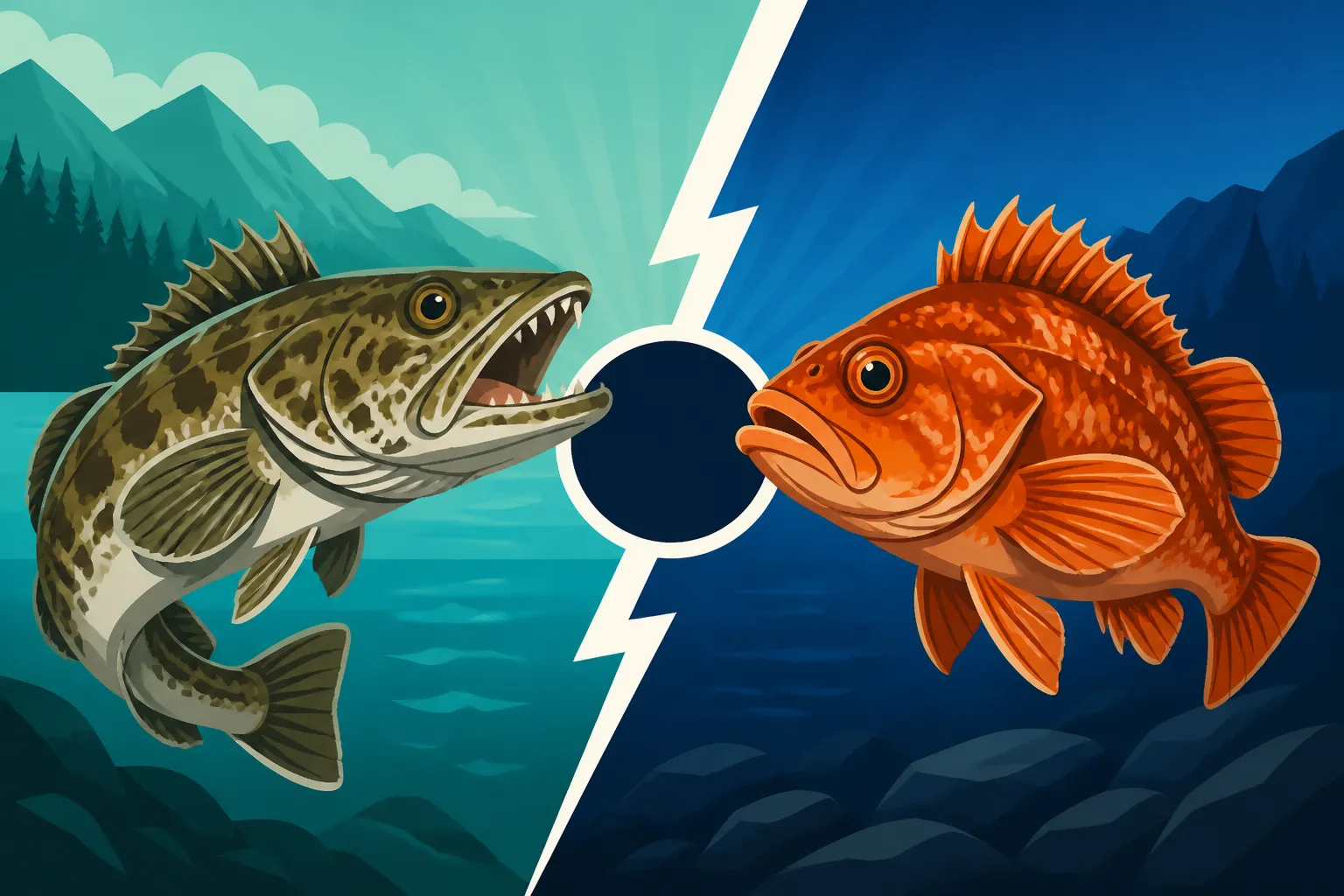
Before we even get to the dinner plate, let's set the stage. Washington's marine waters are teeming with a variety of bottom-dwelling fish, and two of the most sought-after by anglers are lingcod and rockfish. While both are predatory, often caught in similar habitats, and certainly delicious, they're quite different creatures. Understanding these differences from a biological standpoint helps explain their culinary variations.
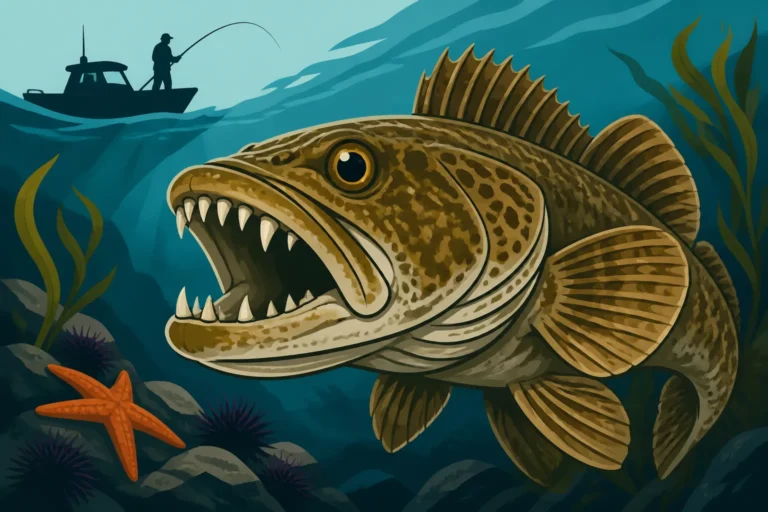
Lingcod, for instance, are truly unique. They're not actually cod, but rather a member of the greenling family. These impressive fish are instantly recognizable by their large mouths full of formidable teeth and their elongated bodies. They can grow to be quite large, sometimes over 50 pounds, making them a prize catch. Their diet consists mostly of other fish, octopus, and squid, which contributes to their firm, white flesh. When you land a big ling, there's a certain heft to it, a powerful presence that hints at the substantial meal it will provide. You can learn more about these fascinating creatures in our article Lingcod: Washington's Toothy Bottomfish.
Rockfish, on the other hand, are a much more diverse group. There are dozens of different species found along the Washington coast and in Puget Sound, ranging from the more common Black Rockfish and Copper Rockfish to less frequently encountered species like Yelloweye and Vermilion. They tend to be smaller than lingcod, though some can reach respectable sizes. Rockfish get their name from their habit of living among rocky reefs, kelp beds, and other structures. Their diets are varied, from small crustaceans to baitfish, which can sometimes influence their flavor. Anglers often appreciate the variety they offer, and it’s always a fun challenge to identify the different species you catch. For more on the array of species, check out Rockfish Species Along the Washington Coast.
The Taste Test: Flavor and Texture Showdown
Alright, let's get to the main event: how do they taste? This is where personal preference really comes into play, but there are some generally accepted characteristics that distinguish lingcod from rockfish. Both are lean, white-fleshed fish, which generally means they have a mild flavor that pairs well with a variety of seasonings and cooking methods. However, the nuances in their texture and inherent oil content can lead to very different culinary experiences.
Lingcod: The Firm, Flaky Favorite
Lingcod is often lauded for its firm, almost steak-like texture, yet it retains a beautiful flakiness when cooked properly. The flesh is usually bright white, sometimes with a bluish-green tint (which, don't worry, cooks out to a pure white). This firm texture means it holds up incredibly well to almost any cooking method. You can grill it, pan-fry it, bake it, broil it, or even use it in stews and chowders without it falling apart. It’s a very forgiving fish in the kitchen, which is a huge plus for home cooks.
The flavor of lingcod is mild and sweet, not overly "fishy," which makes it a crowd-pleaser, even for those who might be hesitant about seafood. Its low oil content contributes to this clean taste. Imagine a perfect piece of halibut, but with a slightly more robust, toothsome quality. It takes on marinades and rubs beautifully, allowing you to customize your meal. We've had incredible success grilling thick lingcod steaks marinated in lemon, garlic, and herbs – it becomes an absolute showstopper. Many people consider it one of the best-eating fish in the Pacific Northwest, and it’s not hard to see why once you’ve experienced its quality. You might be interested in learning about Lingcod Meat Color and Whether It's Normal.
Rockfish: A Diverse Plate of Delicacies
Rockfish, as a category, presents a bit more variability, simply because there are so many species. Generally, rockfish tend to have a slightly softer, more delicate texture than lingcod, and they are also quite flaky. The flesh is typically white, though some species might have a pinkish tint. The flavor is mild, clean, and subtly sweet, similar to lingcod but often a touch more delicate. Because of this delicacy, rockfish is often compared to snapper or grouper.
Different species within the rockfish family can have subtle differences. For example, a Black Rockfish might have slightly firmer flesh than a Copper Rockfish. These subtle variations are part of the fun of catching and eating rockfish; you never quite know what culinary surprise you'll get. Their softer texture makes them ideal for pan-frying, baking, or steaming, where they can gently flake apart with minimal effort. You'll want to be a little more careful not to overcook rockfish, as its delicate nature means it can dry out faster than a thick piece of lingcod. It’s perfect for tacos or a light, flaky fish sandwich, where its gentle flavor and texture can shine without being overwhelmed. If you're keen on identifying a specific species, our guide on How to Identify a Black Rockfish can be very helpful.
Here's a quick comparison of their typical eating qualities:
| Feature | Lingcod | Rockfish (General) |
|---|---|---|
| Texture | Very firm, robust, steak-like, flaky | Softer, delicate, very flaky |
| Flavor Profile | Mild, sweet, clean, not "fishy" | Mild, sweet, clean, delicate, subtle |
| Oil Content | Low | Low to moderate (species dependent) |
| Versatility | Highly versatile (grill, fry, bake) | Versatile, but better for gentle cooking |
| "Fishiness" | Very low | Very low |
| Appearance | Bright white (can have blue tint) | White to light pink |
Preparing Your Catch: From Ocean to Oven
Getting your fish from the water to your plate in prime condition is crucial for both lingcod and rockfish. Proper handling makes all the difference in preserving that delicate flavor and texture. This means bleeding your fish immediately, keeping it cold, and filleting it efficiently. Investing in a good cooler and plenty of ice is non-negotiable for any serious angler, and you can find excellent options on Amazon.
Handling and Filleting Lingcod for the Best Results
Because lingcod can be quite large, they require a bit more effort to handle, but it's worth it. Once landed, bleed your lingcod quickly by cutting its gills. This removes blood from the flesh, resulting in a cleaner, milder flavor and better appearance. Get it on ice as soon as possible. When it comes to filleting, a large, sturdy filleting knife is your best friend. Lingcod have thick skin and a robust bone structure, so a sharp knife is essential.
You can get some beautiful, thick fillets from a lingcod, perfect for cutting into steaks or portions. Due to their firm texture, they excel in almost any cooking application:
- Grilling: Brush with olive oil, season with salt, pepper, and your favorite herbs. Grill over medium-high heat until opaque and flaky.
- Baking: Place fillets in a baking dish with lemon slices, butter, and white wine. Bake at 375°F (190°C) until cooked through.
- Pan-Frying: Dredge in seasoned flour or a light batter and pan-fry until golden brown.
- Fish and Chips: The firm flesh is absolutely perfect for classic fish and chips, holding its shape beautifully in a crispy batter.
Many anglers even make delicious ceviche or fish tacos with lingcod, thanks to its clean flavor and firm bite. Just remember that freshness is paramount, so consider packaging and freezing any excess catch using a vacuum sealer, also readily available on Amazon, to preserve quality for months.
Prepping Rockfish: Keeping It Simple or Getting Creative
Rockfish are generally smaller and thus a bit easier to handle and fillet. Just like lingcod, bleeding and immediate icing are key. Their skin is often thinner and scales can be tough, but a good quality filleting knife (maybe a slightly smaller one for precision work, again, look on Amazon) will make quick work of them. You'll get more delicate, thinner fillets from most rockfish species compared to lingcod.
The milder flavor and flakier texture of rockfish lend themselves to lighter cooking methods where their subtle qualities can shine:
- Pan-Searing: A quick sear in a hot pan with butter and herbs is fantastic. It cooks quickly, leaving a moist, tender fillet.
- Steaming: This method is excellent for preserving the delicate texture and flavor. Serve with a light sauce or a squeeze of lemon.
- Baking in Parchment: Enclosing rockfish fillets with vegetables and seasonings in parchment paper creates a flavorful, moist meal with easy cleanup.
- Fish Tacos: Their flakiness and mild taste are absolutely perfect for fish tacos, especially when battered and fried or simply grilled with a nice slaw and a squeeze of lime.
- Soups and Stews: While lingcod holds up well, rockfish can also be a wonderful addition to seafood chowders, just add them towards the end of cooking to prevent them from breaking down too much.
Because rockfish fillets can be thinner, pay close attention to cooking times to avoid drying them out. A meat thermometer can be a great investment to ensure perfect doneness every time.
Beyond the Plate: Practical Considerations for Anglers
Your culinary choices aren't just about taste; they're also influenced by the practicalities of fishing. Where and when you fish, and what regulations are in place, can often dictate what you bring home. Both lingcod and rockfish are fantastic table fare, but the journey from hook to plate involves more than just a filleting knife.
Fishing for Your Dinner: Catching Lingcod and Rockfish
Lingcod are aggressive predators that often hang around rocky structures, reefs, and kelp beds, often quite deep. They're typically targeted using jigs, swimbaits, or bait like herring or squid, bounced near the bottom. The fight from a large lingcod can be incredibly powerful, a real tug-of-war that makes landing them a memorable experience. You can find detailed techniques in Jigging Herring for Lingcod in Washington or Bottom Fishing for Lingcod and Rockfish off Washington. Keep in mind that lingcod have specific seasons and size limits. Our article on Lingcod Limit in Washington can help you stay compliant.
Rockfish, as their name suggests, are also found near rocky bottoms and structures, often in shallower water than lingcod, though some species prefer deeper haunts. They can be caught with similar gear – jigs, bait rigs, or even small swimbaits. While not usually as large as a big lingcod, many rockfish species put up a respectable fight on light tackle, and it’s common to catch several in one outing. Remember, specific rockfish species might have different regulations and some are even catch-and-release only. It’s crucial to know your species and be prepared with a descending device for deeper-caught rockfish to ensure their survival if released. Check out Rockfish Bag Limit in Puget Sound and Descending Devices for Rockfish and How to Use One for more information.
Storage and Longevity: Keeping Your Catch Fresh
Regardless of whether you choose lingcod or rockfish, proper storage is vital for preserving quality. As soon as you've caught your fish, get it on ice in a cooler. Once home, clean and fillet your catch as quickly as possible. For immediate consumption, fresh fillets can be stored in the coldest part of your refrigerator for 1-2 days.
For longer storage, freezing is the way to go. The key to successful freezing is to minimize exposure to air to prevent freezer burn. Vacuum sealing is highly recommended for both lingcod and rockfish fillets. A good quality vacuum sealer, available from retailers like Amazon, will remove all air and seal your fish tightly, preserving its flavor and texture for several months. If you don't have a vacuum sealer, you can also wrap fillets tightly in plastic wrap, then in foil, and place them in freezer bags, making sure to squeeze out as much air as possible. Label everything with the date, so you know exactly how fresh it is. Properly frozen and thawed, both fish will provide delicious meals long after your fishing trip.
Ultimately, the choice between lingcod and rockfish for eating often comes down to personal preference and what you're in the mood to cook. Both are exceptional table fare, offering lean, white, mild-flavored meat that is incredibly versatile. Next time you're on the water, consider bringing home a sampling of both to truly appreciate the distinct qualities each Washington bottomfish brings to the table.
Disclaimer
This article is for general informational purposes only and does not constitute professional advice. Laws, prices and regulations vary by location and change over time. Consult a qualified professional for guidance on your specific situation.