Cancellation Policies for Washington Charters
Planning a fishing trip to Washington State can be incredibly exciting, whether you're dreaming of Puget Sound salmon, Columbia River steelhead, or Westport halibut. However, the reality of outdoor adventures is that plans can sometimes change due to factors beyond anyone's control. One of the most common worries anglers face is what happens if their charter trip gets canceled, leaving them wondering about their deposit, their travel arrangements, and their much-anticipated day on the water. This guide will walk you through the ins and outs of cancellation policies for Washington fishing charters, helping you understand what to expect and how to protect yourself.
The Reality of Fishing Charter Cancellations in Washington
It’s a tough pill to swallow when you’ve got your heart set on a specific date, you’ve taken time off work, maybe even booked lodging and travel, only to find out your fishing charter is off. But cancellations are a very real part of the charter fishing world, especially in a state like Washington where weather can be notoriously unpredictable. Understanding why these cancellations happen is the first step toward managing your expectations and navigating the situation when it arises.
Why Cancellations Happen: Mother Nature and Other Factors
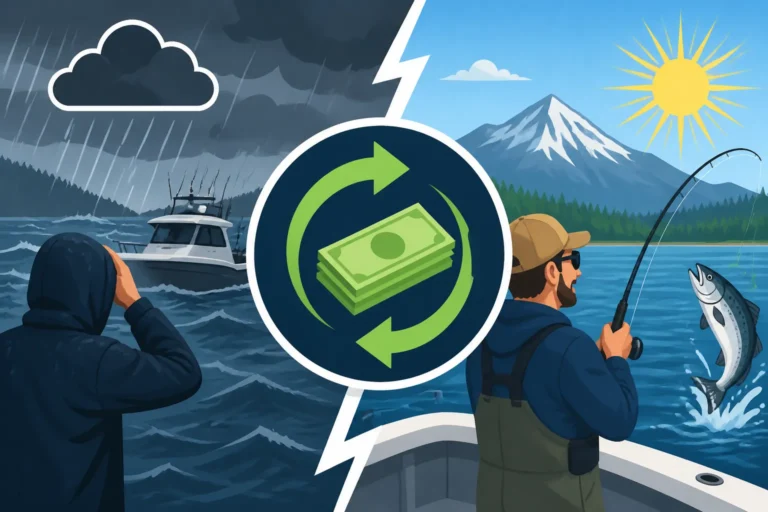
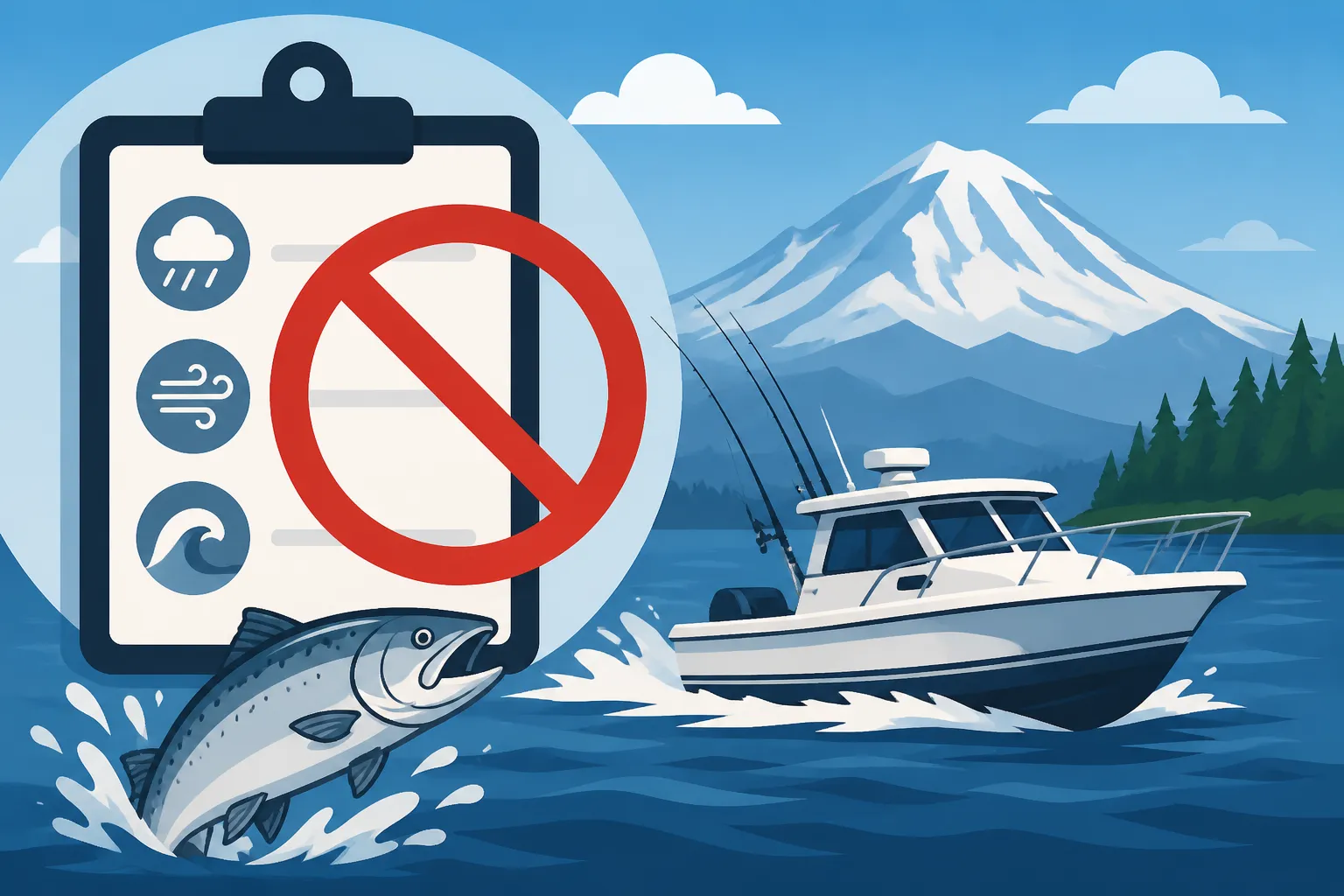
The number one reason for a canceled fishing charter in Washington is almost always the weather. Picture this: you're planning a halibut trip out of Westport, eager to experience the vast Pacific Ocean. But a sudden forecast for high winds and heavy swells means the captain has to make a difficult decision. It's not about spoiling your fun; it's about safety. No reputable captain will take clients out in conditions that pose a risk to their passengers or their vessel. This isn't just a courtesy; it's a legal and ethical responsibility. Rough seas can lead to severe seasickness, make fishing nearly impossible, and create dangerous situations far from shore. Is Seasickness Common on Washington Ocean Charters?
Beyond the weather, other factors can sometimes lead to cancellations. Mechanical issues with the boat, though rare with well-maintained vessels, can happen unexpectedly. A critical engine failure or a sudden problem with essential safety equipment means the trip cannot go forward. Sometimes, a captain might have a personal emergency or illness, making it impossible for them to operate the charter. While less common than weather-related issues, these operational challenges can also necessitate a cancellation. It's important to remember that these are small businesses, often run by dedicated individuals, and sometimes life throws them curveballs too.
The Frustration of a Canceled Trip
Let’s be honest: a canceled fishing trip is incredibly frustrating. You’ve invested time, money, and emotional energy into the idea of that day. Maybe you were hoping to catch your first Chinook salmon, or finally get that trophy lingcod. The disappointment can be palpable, especially if you've traveled a long distance. Perhaps you booked a specific date because it aligned with a Best Time of Year to Fish Westport for Halibut or a particular salmon run in Puget Sound, and rescheduling feels like a massive logistical headache.
This frustration is compounded by the fact that many anglers plan their entire vacation around these trips. Imagine driving from Eastern Washington to the coast, only to get the call the night before that your ocean charter is canceled due to a storm. It impacts not just the fishing but also your entire itinerary. It’s natural to feel a mix of annoyance, disappointment, and even a bit of anger. However, approaching the situation with a clear understanding of the policies and a level head will always lead to a better outcome.
Understanding Standard Cancellation Policies
Every fishing charter, whether it's a small owner-operated guide service or a larger multi-boat operation, will have a cancellation policy. This isn't to be punitive; it's to protect both the angler's deposit and the captain's livelihood. When you book a trip, that captain holds that date for you, turning away other potential clients. A last-minute cancellation without reasonable cause can be a significant financial hit for them.
Common Deposit and Refund Structures
Most Washington fishing charters require a deposit to secure your booking. This deposit typically ranges from a percentage of the trip cost to the full cost of a half-day trip. The purpose of this deposit is two-fold: it shows your commitment, and it helps cover the captain's potential losses if you cancel at the last minute. The policy will clearly outline the timeframe for cancellations that warrant a full refund of your deposit.
For example, a common policy might state that if you cancel 30 days or more before your trip, you receive a full refund of your deposit. If you cancel between 14 and 29 days, you might forfeit 50% of your deposit. And if you cancel less than 14 days out, you could lose your entire deposit. These numbers vary wildly, so it's critical to review the specific policy of the charter you are booking. Some charters, especially smaller operations, might be more flexible, while larger outfits with high demand might have stricter rules. Always clarify this upfront when learning How to Book a Fishing Charter in Washington.
"No-Show" Policies and Why They Matter
A "no-show" is exactly what it sounds like: you don't show up for your scheduled trip, and you haven't communicated with the captain beforehand. This is generally the worst-case scenario for both parties. For the captain, it means they've prepared for the trip, potentially turned down other bookings, and now have an empty boat with no revenue. For the angler, a no-show almost always results in forfeiting the entire amount of the trip, not just the deposit.
Captains typically have a clause in their policy addressing no-shows, often stating that the full trip cost will be charged if the party fails to appear without prior notification. This is why communication is absolutely paramount. Even if you're stuck in traffic, running late, or had an unforeseen emergency on the morning of the trip, a quick phone call to the captain can make all the difference. While you might still forfeit a portion of your payment, it's much better than being charged for a full trip you didn't take and damaging your reputation with the charter.
Weather-Related Cancellations: The Most Common Culprit
As mentioned, Washington's weather is a wild card. From sudden Puget Sound squalls to unexpected high seas off the coast, conditions can change rapidly. This is where the captain's judgment becomes the ultimate authority, and their decision should always be respected.
When the Captain Makes the Call: Safety First
When it comes to weather, the captain of your fishing charter is the expert. They live and breathe the local waters, understand marine forecasts, and know their vessel's capabilities (and limitations). If a captain decides to cancel a trip due to unsafe weather, it's always because they prioritize the safety of their passengers and crew above all else. This decision is rarely made lightly, as it means a lost day of income for them.
A captain might call off a trip for reasons you, as a land-based observer, might not fully grasp. It might look clear and calm from the dock, but the conditions further out in the open water could be dangerous. Strong currents, heavy swells that cause severe motion sickness, or sudden fog banks are all legitimate reasons for a captain to cancel. It's not a negotiation; it's a professional judgment call. Trust their expertise.
Options When Weather Forces a Cancellation
So, the weather turns foul, and the captain calls you to say the trip is off. Now what? Generally, there are a few standard options:
- Reschedule: This is often the preferred option for both parties. If the captain has availability and you have flexibility, rescheduling allows you to still enjoy your fishing adventure at a later date. Many charters will work hard to find a new date that suits you, especially if it was a captain-initiated cancellation. Can You Reschedule a Washington Fishing Charter?
- Full Refund: If rescheduling isn't possible – perhaps you're a nonresident on a tight travel schedule or the fishing season for your target species is ending – you should receive a full refund of your deposit. Since the captain initiated the cancellation for safety reasons, you are not penalized.
- Credit for Future Trip: Some charters might offer a credit towards a future trip instead of an immediate refund, particularly if they anticipate opening new dates or if you express interest in returning.
It's important to clarify these options with your captain or booking agent when the cancellation occurs. Having a clear understanding of What Happens If Weather Cancels a Washington Charter? before you even book can alleviate much stress.
Angler-Initiated Cancellations: What You Need to Know
Sometimes, the need to cancel comes from your side. Life happens: someone gets sick, an unexpected event comes up, or travel plans fall through. When you need to cancel, how you handle it can significantly impact the outcome.
The Importance of Giving Timely Notice
If you foresee needing to cancel your fishing charter, the absolute best thing you can do is notify the charter as soon as humanly possible. The more notice you provide, the better your chances of either getting a full refund of your deposit or at least being able to reschedule without penalty. Many charters have a specific cancellation window – often 14, 30, or even 60 days for highly popular seasons – within which you must cancel to avoid charges.
Think about it from the captain's perspective: a last-minute cancellation often means a lost day of work because it's too late to fill your spot. Giving them ample notice provides an opportunity for them to rebook the date, thus mitigating their financial loss. A phone call followed by an email to document your cancellation is usually the best approach. Don't rely solely on a voicemail or a text message for something this important.
Losing Your Deposit: A Common Consequence
If you cancel within the charter's specified penalty window, it's highly likely you will forfeit your deposit. This is a standard practice and is part of the agreement you make when booking. While it's certainly not ideal to lose money, remember that the deposit served its purpose: it compensated the captain for the lost booking opportunity. Trying to argue or demand a refund when you've canceled outside the policy terms usually won't get you anywhere and can damage your reputation as a client.
Consider this scenario: you've booked a prime Saturday in August for salmon fishing in Marine Area 9, a highly sought-after slot. Two weeks before the trip, your cousin decides to get married, and suddenly you need to cancel. The charter's policy states 30 days for a full refund. You're now within the 14-day window. While the wedding is a legitimate reason for you to cancel, it doesn't change the captain's policy or their inability to easily fill that spot at such short notice. In this case, losing your deposit is a foreseeable consequence.
Navigating Booking Platforms and Their Policies
Many anglers book their Washington fishing charters through online booking platforms. While these platforms offer convenience, it's crucial to understand how their policies might interact with (or differ from) the individual captain's rules.
How Online Platforms Handle Cancellations
Platforms like FishingBooker connect anglers with a wide array of captains and guides, simplifying the booking process. When you book through such a platform, you'll generally encounter two layers of cancellation policies: the platform's overarching policy and the individual captain's policy, which is often displayed prominently on their listing. FishingBooker, for instance, typically outlines a clear cancellation policy for each specific charter listed on their site. This policy usually details the deadline for free cancellation, what percentage of the deposit is refundable, and what happens in case of a no-show or a captain-initiated cancellation due to weather.
These platforms often act as an intermediary, facilitating communication and sometimes even refunds. If a weather cancellation occurs, the platform's support team can help you coordinate with the captain for rescheduling or a refund, adhering to the posted policy. However, it's vital to know that the specific terms of the individual captain's policy usually take precedence, as long as they align with the platform's general guidelines.
Reading the Fine Print: Platform vs. Captain Policies
Always take the time to read both the booking platform's general terms and conditions, as well as the specific cancellation policy listed for the individual charter you are considering. Sometimes, there might be subtle differences or specific clauses that are important. For example, a platform might have a blanket "captain-canceled due to weather equals full refund" rule, but an individual captain might offer "reschedule or credit only" if they are part of a larger fleet with limited availability.
It’s your responsibility as the angler to understand these terms before you click that "Book Now" button. Don't assume. If something isn't clear, reach out to the platform's customer service or directly to the captain to get clarification. A few minutes of inquiry beforehand can save you a lot of headache and potential financial loss later on. Many platforms encourage direct communication with captains for clarification on details like what to bring on the trip or specific fishing techniques, and this extends to policy questions as well.
Protecting Your Investment: Practical Tips and Considerations
While you can't control the weather or unforeseen circumstances, you can take proactive steps to protect your investment and minimize frustration when cancellations occur. Being informed and prepared is your best defense.
Asking the Right Questions Before You Book
Before you commit to a Washington fishing charter, make sure you have a clear understanding of their cancellation policy. Don't be shy about asking questions directly, especially if you're booking over the phone or via email. Here are some key questions to ask:
- "What is your cancellation policy regarding angler-initiated cancellations?" Clarify the notice period required for a full refund of your deposit.
- "What happens if you, the captain, have to cancel due to weather or mechanical issues?" Confirm whether you get a full refund, a reschedule option, or a credit.
- "Is there a specific weather threshold for cancellation?" While a captain always makes the call, understanding if they generally cancel for, say, winds over 20 knots, can give you an idea.
- "How do you handle rescheduling if my trip is canceled?" Ask about flexibility and how far out they typically book.
- "Do I need to carry my Carrying Your Washington Fishing License: Paper, Phone or the MyWDFW App on the charter?" (Not related to cancellation, but good general question to ask!)
Getting these answers in writing, perhaps in a follow-up email, is always a good idea. It creates a clear record for both parties. Questions to Ask a Washington Guide Before Booking often extend beyond just fishing tactics to practical matters like these.
Considering Trip Insurance for Peace of Mind
For those who are making a significant financial investment in their Washington fishing trip—especially if it involves expensive travel, lodging, and multiple charters—considering travel or trip insurance can be a smart move. While standard charter policies cover captain-initiated cancellations, they typically do not cover your costs if you have to cancel for personal reasons outside the free cancellation window.
Trip insurance can cover a wide range of unforeseen events, such as illness, injury, family emergencies, or even travel delays that prevent you from reaching your charter. Read the policy carefully to understand what is and isn't covered. Some policies specifically exclude acts of nature or "adventure" activities, so ensure it covers guided fishing trips and weather-related travel disruptions. While it's an added cost, the peace of mind knowing your investment is protected can be invaluable.
Documenting Communications and Agreements
In the unlikely event of a dispute or misunderstanding, having a clear record of your communications and agreements can be incredibly helpful. This means:
- Saving Confirmation Emails: Keep all booking confirmations, deposit receipts, and any emails from the charter company or booking platform.
- Emailing After Phone Calls: If you have a significant conversation over the phone regarding cancellation or rescheduling, send a brief follow-up email summarizing what was discussed and agreed upon. For example, "Hi Captain Smith, just following up on our call today to confirm that my June 15th trip has been canceled due to weather, and we've rescheduled for July 20th. Please let me know if I've misunderstood anything."
- Keeping Copies of Policies: Make sure you have a copy of the charter's cancellation policy (a screenshot or saved PDF can work).
A well-documented trail protects both you and the charter operator, ensuring that everyone is on the same page. This proactive approach can turn a potentially frustrating situation into a smooth and manageable one, allowing you to focus on the excitement of your next Washington fishing adventure. Even if the fishing seasons change with Washington Sport Fishing Seasons and Emergency Closures, understanding your charter's policy remains constant. And always remember to check for How to Check for Emergency Rule Changes in Washington which could impact your fishing plans even if your charter isn't canceled.
| Cancellation Scenario | Angler-Initiated (Timely Notice per Policy) | Angler-Initiated (Late Notice) | Captain-Initiated (Weather/Mechanical) | No-Show (Angler) |
|---|---|---|---|---|
| Deposit Refund | Full Refund (typically) | Forfeit Deposit (typically) | Full Refund (typically) | Forfeit Full Trip Cost |
| Rescheduling Option | Possible, depending on charter flexibility | Unlikely without penalty | Often offered first | Not applicable |
| Future Credit Option | Possible, depending on charter flexibility | Unlikely without penalty | Often offered | Not applicable |
| Impact on Captain | Minimal, if date can be rebooked | Significant lost income | Also lost income, but for safety | Full lost income |
| Best Course of Action (Angler) | Communicate ASAP, document | Communicate ASAP, accept policy | Work with captain, reschedule or refund | Do not do this! |
Disclaimer
This article is for general informational purposes only and does not constitute professional advice. Laws, prices and regulations vary by location and change over time. Consult a qualified professional for guidance on your specific situation.