Do You Need a Guide to Fish the Skagit?
The Skagit River, a true legend in Washington fishing circles, beckons with its stunning beauty and promises of incredible catches, especially salmon and steelhead. However, for many anglers, the sheer size and complexity of this river can feel overwhelmingly intimidating, leading to the common question: do I absolutely need a guide to navigate its waters successfully? This guide will break down that very dilemma, offering a realistic look at fishing the Skagit solo versus the undeniable benefits of hiring a seasoned professional.
The Skagit River's Unique Challenges and Allure
The Skagit isn't just any river; it's a sprawling, powerful system known for its pristine waters and significant salmon and steelhead runs. But with that majesty comes a steep learning curve for the uninitiated. You're not just casting a line; you're engaging with a dynamic ecosystem.
Understanding the Skagit's Complexity
Imagine standing on the bank, looking out at miles of moving water, countless riffles, runs, and pools. Where do you even begin? The Skagit is a large river, changing drastically with water levels and seasonal runs. It’s not like a small, stocked lake where fish are concentrated in predictable spots. The fish in the Skagit are often migratory, moving through vast sections of water, and finding them requires a deep understanding of their habits, migration patterns, and preferred holding lies. Newcomers often spend more time scratching their heads than feeling a tug on the line.
The river's ever-changing conditions – from fluctuating flows due to rain or snowmelt to varying water clarity – add another layer of complexity. What worked yesterday might not work today. This means constant adaptation, a skill that takes years to hone. Plus, understanding specific regulations for different sections of the river, especially concerning Washington's Skagit River and Its Winter Steelhead Run, can be a full-time job in itself.
Seasonal Runs and Specific Techniques
The Skagit is famous for its distinct seasonal runs of salmon and steelhead. Each species, and even different runs of the same species, requires specific techniques. Are you targeting early spring Chinook, or perhaps late fall coho? Are you hoping to connect with a wild winter steelhead? Each scenario calls for different gear, different lures or flies, and often, different approaches to presenting your offering.
For example, drift fishing with bait or beads might be highly effective for steelhead in certain sections, while pulling plugs from a boat could be the ticket for salmon. Fly fishing has its own intricate nuances, from specific nymphing patterns to swinging flies for aggressive takes. Without prior experience on the Skagit, knowing which technique to employ, where, and when can feel like trying to solve a puzzle with half the pieces missing. A guide has spent decades figuring out these puzzles.
Going Solo on the Skagit: Pros, Cons, and How-To
Deciding to tackle the Skagit River on your own can be an incredibly rewarding experience, offering a sense of accomplishment that's hard to beat. However, it's also a path paved with challenges and a significant learning curve. Let's break down what it truly means to go it alone.
The Appeal of the DIY Adventure
For many anglers, the idea of a do-it-yourself trip is deeply ingrained in the fishing spirit. It’s about the freedom to explore, to learn from your own mistakes, and to truly connect with the environment on your own terms. There’s no schedule to adhere to, no pressure to perform for someone else, and you control every aspect of your day, from when you start to which spots you try. This independence can be liberating, allowing for spontaneous exploration of new runs or simply soaking in the quiet solitude of the river.
Furthermore, a solo trip generally comes with a lower financial outlay. You're not paying for a guide's expertise, their boat, or their gear. While you still need your own equipment and a valid Washington Fishing License Guide for Nonresidents (or resident equivalent), the upfront cost is significantly reduced, making it a more accessible option for budget-conscious anglers or those who prefer to invest in their own tackle over guided services.
The Realities and Challenges of Solo Skagit Fishing
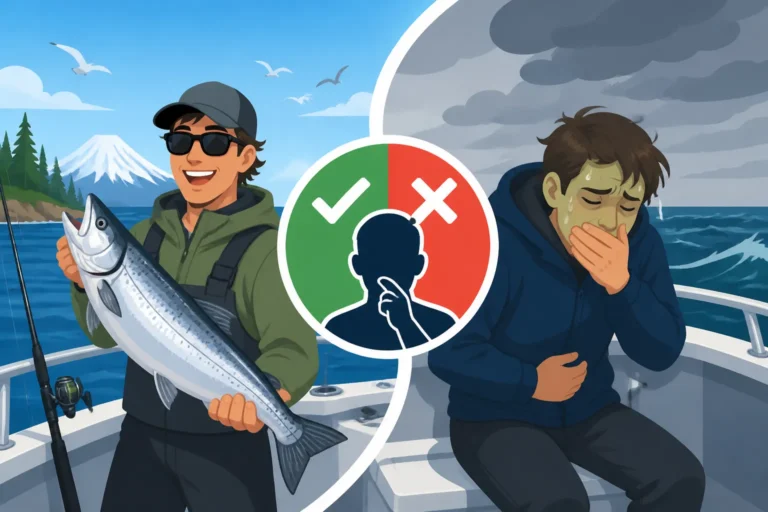
While the allure of solo fishing is strong, the realities on a river like the Skagit can be tough. The river's vastness means that finding productive water can be a monumental task. You might spend hours or even days fishing "dead water" without a single bite, simply because you haven't identified where the fish are holding or migrating. This can be incredibly frustrating and lead to many skunk days, especially for those new to the river.
Access can also be a significant hurdle. While there are some public access points, many of the prime fishing areas require a boat. If you don't own a drift boat or jet boat, your options become limited to specific bank fishing spots, which can often be crowded or less productive. Even with a boat, navigating the Skagit's currents and identifying safe launching and landing spots requires local knowledge and experience. Then there's the gear: knowing what lines, leaders, lures, or bait combinations work best on a given day, in specific water conditions, is often information acquired only through years of firsthand experience or from someone who has it.
Essential Gear and Knowledge for DIY Anglers
If you're determined to fish the Skagit without a guide, preparation is paramount. You'll need reliable gear suitable for the species you're targeting. For salmon and steelhead, this often means stout rods, durable reels with strong drag systems, and appropriate line weights. Having a variety of tackle, from different colored and weighted lures to various types of bait (where legal), will increase your chances. Don't forget essentials like a good pair of waders, reliable wading boots, and a sturdy landing net.
Beyond the gear, knowledge is your most valuable tool. Start by thoroughly researching the river's sections, known access points, and historical fishing reports. Invest in detailed maps or utilize fishing apps that provide depth contours and navigational aids. Most importantly, dedicate time to understanding the current Washington Sport Fishing Seasons and Emergency Closures and specific rules for the Skagit. Learning to "read the water" – identifying prime holding lies, current seams, and riffles – will be a continuous learning process, but it's a skill every successful solo angler must develop.
The Value of a Skagit Fishing Guide
While a solo adventure holds its own charm, there's no denying that a professional guide offers an unparalleled advantage, especially on a challenging river like the Skagit. It's an investment in efficiency, safety, and a significantly higher chance of success.
Tapping into Local Expertise and Experience
Hiring a Skagit fishing guide isn't just about getting someone to drive a boat; it's about gaining access to decades of accumulated knowledge. These guides spend hundreds of days a year on the river, experiencing every water condition, every run timing, and every nuance. They know where the fish are, what they're biting on, and the most effective techniques to present your offering. They understand how the river changes with the tides, rainfall, and dam operations, and they can quickly adapt their strategy to put you on fish.
This local expertise extends beyond just finding fish. Guides are intimately familiar with the intricate and often changing Washington Fishing Regulations Every Angler Should Know. They know the specific bag limits, slot limits, and gear restrictions for different sections and species, ensuring you stay compliant and avoid any costly penalties. They'll know when a The Washington Catch Record Card and What It Requires is needed and how to correctly fill it out. This peace of mind allows you to focus purely on the fishing experience.
Enhanced Safety and Navigation
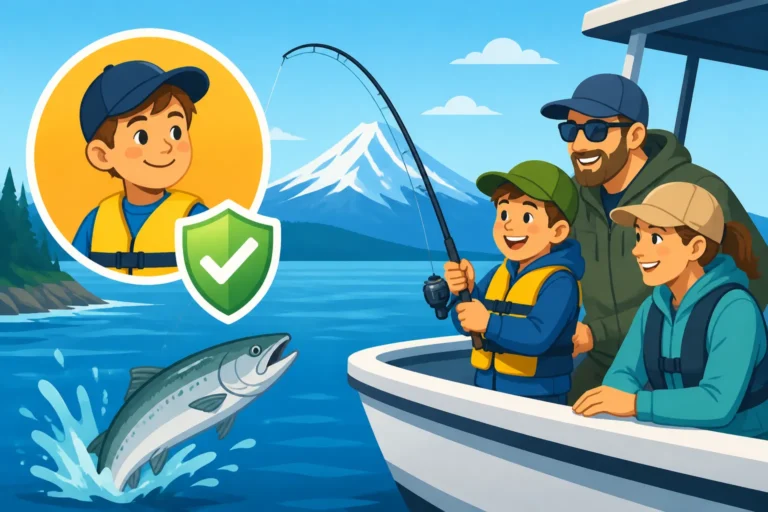
The Skagit River, while beautiful, is a powerful body of water. Navigating its currents, avoiding submerged hazards, and knowing where to safely launch and retrieve a boat requires significant skill and experience. For anglers unfamiliar with the river, venturing out in a boat can be genuinely dangerous. A professional guide not only possesses the necessary boat handling skills but also carries all the essential safety equipment, from life jackets to first-aid supplies. They are trained for emergencies and know the river like the back of their hand, minimizing risks.
Furthermore, guides are often equipped with top-tier gear, including reliable boats, powerful motors, and advanced sonar systems that can detect fish and underwater structure. This not only enhances your fishing experience but also ensures a safe and comfortable trip, allowing you to relax and enjoy the scenery without constantly worrying about navigation or potential hazards.
Maximizing Your Chances of Success and Learning
Let's be honest: when you go fishing, you want to catch fish! A guide significantly increases your odds of success. They'll put you in the right spot at the right time, hand you the correct lure or bait, and often even demonstrate the proper technique. This dramatically cuts down on the trial-and-error period that solo anglers face. You're not just fishing; you're learning from a pro.
Many guides are also fantastic teachers, eager to share their knowledge. They can instruct you on casting techniques, how to detect subtle bites, proper fish handling, and much more. This means that even if you plan to fish the Skagit on your own in the future, a guided trip can serve as an invaluable educational experience. Think of it as a masterclass in Skagit River fishing. Platforms like FishingBooker can be an excellent resource for finding experienced Skagit guides, allowing you to compare options, read reviews, and understand what different guides offer before booking.
Making Your Decision: Guide vs. DIY
The choice between hiring a guide and venturing out on your own isn't always straightforward. It depends heavily on your experience level, budget, available time, and what you hope to gain from your Skagit River fishing adventure.
When a Guide is (Almost) Essential
For beginners, or those completely new to fishing large, complex rivers like the Skagit, a guide is an almost essential investment. Without a guide, you might spend your entire day struggling with the boat, fighting currents, or casting into unproductive water. A guide removes these barriers, allowing you to focus on the pure joy of fishing. This is especially true if you're targeting a specific, challenging species like winter steelhead, which can be notoriously difficult to find and catch.
A guide is also highly recommended if your time is limited. If you only have a day or two to fish, you don't want to waste precious hours learning the ropes. A guide maximizes your fishing time by putting you on fish quickly. Similarly, if your primary goal is to catch fish and create lasting memories, rather than the solitary challenge of discovery, a guided trip often provides a much higher rate of success and satisfaction. Utilizing a service like FishingBooker can streamline the process of finding guides who specialize in Skagit River trips, allowing you to filter by species, trip duration, and available dates.
The Rewards and Pitfalls of the Independent Angler
The independent angler, on the other hand, embraces the journey of self-discovery. If you have ample time, a strong sense of adventure, and the patience to learn through experience, fishing the Skagit solo can be deeply fulfilling. The satisfaction of figuring out the patterns, finding fish on your own, and successfully landing a prize catch after much effort is unparalleled. It builds confidence and a profound connection with the river.
However, be prepared for the pitfalls. Expect frustration, long hours without bites, and the occasional mistake. You'll need to invest significant time in research, scouting, and potentially acquiring specific gear for various conditions. You'll also need to be self-reliant in terms of safety and navigation. This path is ideal for those who view fishing not just as a means to catch fish, but as an ongoing learning process and a personal challenge. Just remember that even a DIY trip still requires a valid Carrying Your Washington Fishing License: Paper, Phone or the MyWDFW App and adherence to all regulations.
Comparative Look: Guide vs. DIY on the Skagit
Here's a quick comparison to help you weigh your options:
| Feature | Guided Trip | DIY Trip |
|---|---|---|
| Cost | Higher upfront investment | Lower upfront, but potential for more gear/learning costs |
| Local Knowledge | Immediate access to expert, current info | Acquired slowly through personal experience and research |
| Success Rate | Generally much higher due to expertise | Varies wildly; lower for beginners, higher for experienced |
| Time Efficiency | Maximized fishing time, less scouting | Significant time spent scouting and problem-solving |
| Safety | Provided by experienced, equipped professional | Your responsibility; requires skill and preparation |
| Gear/Boat | Provided; high-quality and suited to conditions | Requires personal ownership or rental |
| Learning Curve | Accelerated, direct instruction | Self-taught, often through trial and error |
| Flexibility | Guide sets schedule; less personal exploration | Complete freedom to explore and change plans |
| Booking Options | Easy via services like FishingBooker | Requires personal planning and research |
Ultimately, the decision is yours. There's no single "right" answer, only the best fit for your personal fishing style, goals, and resources. Whether you embark on a guided adventure or a solo quest, the Skagit River promises an unforgettable Washington fishing experience.
Disclaimer
This article is for general informational purposes only and does not constitute professional advice. Laws, prices and regulations vary by location and change over time. Consult a qualified professional for guidance on your specific situation.