Finding a Fly Fishing Guide on the Yakima
Trying to navigate the incredible, but sometimes intimidating, waters of Washington's Yakima River with a fly rod in hand can feel like deciphering an ancient text without a translator. Many anglers dream of those legendary dry fly hatches or nymphing runs for wild trout, but the sheer size of the river, its ever-changing conditions, and the subtle nuances of its fish can make a DIY trip feel overwhelming. This comprehensive guide is here to walk you through everything you need to know about finding and booking the perfect fly fishing guide for an unforgettable experience on the Yakima.
Why a Yakima Fly Fishing Guide is a Game Changer
You might be an experienced fly angler in your home waters, but the Yakima River is a different beast entirely. It's a blue-ribbon trout fishery, renowned across the West, but its complexities are what make it truly special – and challenging. A skilled guide isn't just someone to row your boat; they're your personal professor, scout, and concierge rolled into one, dramatically elevating your chances of success and enjoyment.
Navigating the Yakima's Unique Waters
The Yakima River isn't a small, easily waded stream. It's a substantial river with diverse sections, from wide, braided channels to deep pools and swift riffles. Without local knowledge, finding the productive water can be like searching for a needle in a haystack. A guide knows these waters intimately, having spent countless hours drifting, rowing, and wading every bend. They understand how varying water flows, seasonal changes, and even daily insect activity dictate where the trout will be holding. They'll position the boat perfectly, tell you where to cast, and even help you understand the subtle currents that influence your drift. This kind of nuanced understanding simply cannot be gained from a map or a few online reports.
The Yakima often presents complex wading scenarios or requires specialized drift boat handling, particularly in sections with numerous rapids or tricky currents. Trying to navigate these areas on your own, especially if you’re unfamiliar with the river, can be dangerous and certainly detract from your fishing time. Guides are experts at safely getting you to the best spots, whether it's through careful boat positioning or knowing the safe wading lanes. They worry about the logistics and safety, so you can focus on the fishing.
Tapping into Local Expertise
Beyond navigation, a great Yakima guide possesses an encyclopedic knowledge of the river's ecosystem. They know the entomology – which insects are hatching, when, and what artificial patterns best imitate them. They'll teach you about the specific feeding behaviors of the Yakima's wild trout, distinguishing between the subtle takes of a nymph and the aggressive strike of a dry fly. This isn't just about catching fish; it's about truly understanding the river and its inhabitants, a depth of knowledge that enriches the entire experience far beyond a simple fish count.
A guide can also instantly assess your skill level and tailor the day's approach to help you improve. If your casting needs work, they'll offer tips. If you're new to nymphing, they'll patiently explain the nuances of strike detection. This personalized coaching is invaluable, allowing you to learn techniques specific to the Yakima that you can then apply to your own fishing in the future. It’s an investment in your own growth as an angler, not just a single day of fishing. They’ll share insights into specific patterns and presentations, which, let's be honest, can feel like insider secrets that only the locals know. You'll gain practical skills and confidence that will undoubtedly improve your future trips, even if you decide to go it alone next time.
Maximizing Your Catch-and-Release Success
The Yakima River is primarily a catch-and-release fishery for its wild trout, and proper fish handling is paramount for the health of its ecosystem. A good guide will not only help you hook fish but also ensure they are landed quickly, handled gently, and released safely. They'll have the right nets, teach you how to properly hold a fish for a quick photo (if desired), and demonstrate responsible release practices that minimize stress on the fish. This focus on conservation aligns with the values of most fly anglers and ensures the future of this incredible resource.
Their expertise means less time fumbling with gear or trying to figure out what's working, and more time with a fly in the water, presenting it effectively. When you’re fishing a challenging river, every minute counts, and a guide ensures that those minutes are productive. Even on slower days, their ability to switch tactics, find new water, or simply offer encouragement can turn a potentially frustrating outing into a valuable learning experience. Ultimately, while catching fish is a big part of it, a guide ensures your experience is positive and respectful of the river's wild inhabitants.
What to Look for in a Yakima Fly Fishing Guide
Choosing the right guide is just as important as choosing the right river. A great guide can make your trip, while a poor one can sour the experience. It's not just about who's available; it's about finding a personality, skill set, and professional approach that aligns with your expectations.
Experience and Reputation
When it comes to fishing the Yakima, experience truly matters. Look for guides who have been working the river for many years, ideally with a consistent presence. They'll have seen the river in all its moods – high water, low water, scorching summers, and freezing winters – and understand how to adapt. A guide who has a long track record will have developed a deep understanding of the seasonal cycles, the best stretches for different times of the year, and the subtle shifts in fish behavior that come with changing conditions. Ask about their guiding history specifically on the Yakima. Do they specialize in fly fishing, or is it one of many hats they wear?
Reputation is also key. Word-of-mouth is powerful in the angling community. Check online reviews, ask for references, and look at their presence on platforms like FishingBooker. Are clients consistently praising their patience, knowledge, and ability to put them on fish? A guide with a stellar reputation often has a loyal following, which speaks volumes about their consistent performance and client satisfaction. Be wary of guides with little to no online presence or exclusively five-star, but vague, reviews; a genuine mix of detailed feedback is usually a better indicator of reliability.
Personality and Teaching Style
Fishing with a guide is a very personal experience; you'll be spending an entire day, sometimes multiple days, in close quarters. It’s vital that you get along and that their teaching style suits your learning preferences. Some guides are quiet and let you figure things out with minimal intervention, while others are enthusiastic coaches, constantly offering tips and corrections. Think about what kind of interaction you prefer. Do you want someone who will patiently walk you through every step, or do you prefer to experiment and learn through trial and error with occasional input?
Don't hesitate to have a phone conversation with a prospective guide before booking. This is your chance to get a feel for their personality. Ask them about their philosophy on guiding, how they approach a day on the water, and what they enjoy most about their job. A good guide will be just as interested in understanding your expectations and skill level to ensure a good match. Remember, the goal is not just to catch fish, but to enjoy the entire day, and personality fit plays a huge role in that.
Licensing and Insurance
This might sound like a formality, but it's a non-negotiable aspect of choosing a professional guide. In Washington, guides need specific licenses to operate legally, including U.S. Coast Guard (USCG) credentials for operating commercial vessels, even on rivers, and a Washington State Guide License. Furthermore, reputable guides will carry liability insurance. This protects both them and you in the unlikely event of an accident or unforeseen incident on the water.
Don't be shy about asking for proof of licensing and insurance. A professional guide will be happy to provide it. If a guide seems evasive or tells you it's not necessary, that's a major red flag and you should look elsewhere immediately. Fishing without a properly licensed and insured guide puts you at unnecessary risk and supports illegal operations that undermine the legitimate guiding community. Ensuring they are fully compliant with all regulations, including Washington Fishing Regulations Every Angler Should Know, means you're in safe and responsible hands.
The Booking Process: How to Secure Your Yakima Guide
Once you've narrowed down your choices, the next step is to actually book your trip. This involves understanding timing, where to look, and what crucial questions to ask before you commit. A little preparation here goes a long way in ensuring a smooth and successful experience.
When to Book Your Trip
The Yakima River is a year-round fishery, but certain seasons are more popular and book up faster than others. Spring and fall are prime times for dry fly fishing and consistent nymphing, with the "stonefly hatch" in late spring and early summer being particularly sought after. Summer can be excellent for terrestrials, but also brings warmer temperatures. Winter can offer incredible solitude and opportunities for larger trout, but conditions can be challenging. If you have specific dates or a particular hatch in mind, especially during peak seasons like May-June or September-October, you should plan to book your guide months in advance – sometimes 6-12 months out for the most sought-after guides.
Even if you're flexible with your dates, booking at least a few weeks ahead is always a good idea to ensure you get a guide who matches your preferences. Last-minute bookings are sometimes possible, especially during off-peak times or if you're flexible with who you fish with, but you might have fewer options. When considering your timing, remember that weather and river conditions can change rapidly, so having a guide who knows how to adapt to those changes is another benefit of booking early with a reputable professional.
Where to Search for Reputable Guides
There are several avenues to explore when searching for a Yakima River fly fishing guide. Local fly shops in areas like Ellensburg, Cle Elum, or even Seattle and Portland are often excellent resources. They work closely with guides, know their reputations, and can often match you with someone suitable. Online directories and booking platforms are also incredibly popular. Websites like FishingBooker provide a convenient way to browse numerous guides, read client reviews, compare services, and often book directly. This can be especially helpful if you're traveling from out of state and don't have local connections.
When using online platforms, pay close attention to the details in the guide's profile: what species they target, their typical trip duration, what's included, and, of course, their client testimonials. While these platforms simplify the search, it's still a good idea to follow up with a phone call to finalize details and ensure a personal connection. Don't underestimate the power of social media either; many guides maintain active profiles showcasing their recent catches and river conditions, giving you a visual sense of their work.
Key Questions to Ask Before Committing
Before you put down a deposit, prepare a list of questions to ask your prospective guide. This ensures clarity for both parties and helps avoid any misunderstandings.
| Question Category | Specific Questions to Ask | Why It Matters |
|---|---|---|
| Experience | How long have you been guiding on the Yakima? Do you specialize in fly fishing? | Ensures deep river knowledge and relevant expertise. |
| Trip Details | What's a typical day like? What specific sections of the river do you usually fish? | Helps set expectations and understand the itinerary. |
| Inclusions | What's included in the price (flies, lunch, gear)? What should I bring? | Clarifies what you need to provide and what the guide covers. |
| Licenses | What fishing license do I need? Do I need a Catch Record Card? | Essential for legal fishing; guides don't typically provide licenses. |
| Fishing Style | Do you prefer to drift from the boat, wade, or both? | Matches your preferred fishing method and physical capabilities. |
| Cancellation | What's your cancellation policy, especially for weather? | Protects your investment in case of unforeseen circumstances. |
| Payment | What is the deposit, and when is the final payment due? What payment methods do you accept? | Important for financial planning and avoiding last-minute surprises. |
| Group Size | How many anglers can you accommodate? | Important if you're planning a trip with friends or family. |
| Conservation | What are your practices for catch-and-release and fish handling? | Shows their commitment to responsible angling on the wild trout fishery. |
Asking these questions helps clarify expectations and ensures you and the guide are on the same page for your Yakima River Fly Fishing for Wild Trout in Washington adventure. It also allows you to gauge their professionalism and communication style.
Preparing for Your Guided Yakima River Trip
A guided trip means a lot of the heavy lifting is handled for you, but that doesn't mean you show up empty-handed. A little preparation on your part will make the day smoother, more comfortable, and ultimately more enjoyable.
Gear Considerations: What to Bring and What's Provided
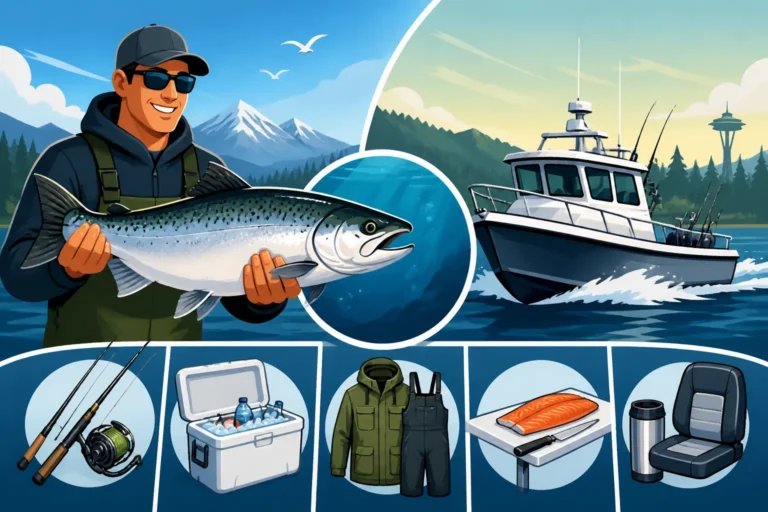
One of the big advantages of a guided trip is that the guide often provides much of the specialized gear, especially if you're traveling light or don't own specific items. Most Yakima fly fishing guides will supply high-quality rods and reels, tippet, leaders, and a wide array of flies tailored to current river conditions. They'll likely also have extra waders and boots if needed, though it's always best to bring your own if you have them and know they fit well. Always confirm what the guide provides when you book.
As for what you should bring, think about personal comfort and essentials. Layered clothing is crucial in Washington's variable weather, even in summer. A good waterproof rain jacket is a must, regardless of the forecast. polarized sunglasses are non-negotiable for spotting fish and protecting your eyes, and a wide-brimmed hat offers sun protection. Don't forget sunscreen, insect repellent, any personal medications, and a reusable water bottle. While some guides provide snacks and drinks, it's wise to pack your own preferred munchies and extra hydration. Refer to resources like What to Bring on a Washington Fishing Charter for a general checklist, adapting it for a fly fishing trip.
Physical Preparation and River Etiquette
Fly fishing can be more physically demanding than some realize, especially on a river like the Yakima. You might be standing in a drift boat for hours, wading through currents, or walking along riverbanks. Being reasonably fit will enhance your enjoyment and endurance. If you have any physical limitations, communicate them to your guide beforehand so they can plan accordingly. They want you to have a safe and comfortable day.
River etiquette is also important. Always listen carefully to your guide's instructions – they are the expert on the water and your safety is their top priority. Be mindful of casting space, particularly if you're fishing with another angler. Respect the river and its environment; this means packing out all trash, avoiding disturbing wildlife, and practicing proper catch-and-release techniques as instructed by your guide. Remember, the goal is often to enjoy the process and the beauty of the surroundings as much as catching fish.
Understanding Washington's Fishing Regulations
Even though you're with a guide, you are ultimately responsible for knowing and adhering to Washington Fishing Regulations Every Angler Should Know. Your guide will certainly help ensure you stay compliant, but it's good practice to familiarize yourself with the basics. For the Yakima River, this often means understanding specific gear restrictions (like barbless hooks, which are almost universally required for fly fishing), daily bag limits (which for wild trout are typically zero, meaning catch-and-release only), and seasonal closures for certain species or river sections.
Pay particular attention to rules regarding wild vs. hatchery fish, if applicable (though the Yakima is predominantly wild trout), and any special conditions like "selective gear rules" which prohibit bait. While your guide will steer you right, having a general understanding allows you to be an active participant in responsible angling. You should also ensure you have purchased the correct Washington freshwater fishing license before your trip, as guides cannot sell them to you. Knowing things like When Washington's River Trout Season Closes will also inform your booking decisions.
Understanding the Costs and What's Included
Hiring a fly fishing guide is an investment, but one that can pay dividends in experience, knowledge, and memories. It’s important to understand what you're paying for and how to budget for the entire experience.
Breaking Down Guide Fees
Guide fees for a day on the Yakima River can vary significantly based on the guide's experience, reputation, whether it's a full-day or half-day trip, and the time of year. While I can't give specific figures, generally expect to pay a set fee for the guide's service, which usually covers their time, boat, fuel, and expertise. This fee is typically per boat, not per person, up to a certain number of anglers (usually one or two). Adding a third angler, if allowed, often incurs an additional charge due to the added complexity and impact on boat space.
Some guides might offer different rates for walk-and-wade trips versus float trips, or for specialized trips like those targeting specific hatches with unique equipment. Always get a clear breakdown of the costs before you confirm your booking. Don't hesitate to compare prices, but remember that the cheapest option isn't always the best; quality of experience and expertise often correlate with the price. Consider what value you place on personalized instruction and access to prime fishing spots.
What to Expect in Terms of Inclusions
Beyond the guide's time and expertise, many Yakima fly fishing guides include several amenities in their fee to make your day more comfortable and productive. It’s common for full-day trips to include a streamside lunch, snacks, and non-alcoholic beverages. Quality flies, leaders, and tippet are almost always provided. Some guides will even supply high-quality rods and reels for your use, which is a fantastic perk if you're traveling or don't have suitable gear.
However, certain items are typically not included. Your Washington fishing license is always your responsibility. Waders and boots might be available to rent or borrow, but it’s best to confirm. Transportation to and from the river access points might be included from a pre-arranged meeting spot, but not necessarily from your lodging. Always clarify these details upfront to avoid any surprises. Reputable guides listed on platforms like FishingBooker will usually have a clear list of inclusions on their profile, but a direct conversation is always best.
Tipping Etiquette for Guides
Tipping your guide is customary and very much appreciated, similar to tipping in other service industries. It's a way to acknowledge their hard work, dedication, and the effort they put into making your day successful and enjoyable. While there's no hard and fast rule, a common guideline is to tip around 15-20% of the trip's total cost. If you had an exceptional day, learned a lot, and felt the guide went above and beyond, a more generous tip is certainly warranted.
It's best to bring cash for tipping, as guides often prefer it, and it saves them from having to process credit card transactions for gratuities. Hand the tip directly to your guide at the end of the day. If you're fishing with a friend, you can coordinate the tip together. Even if the fishing was slow (which can happen with wild animals!), if the guide worked hard, remained positive, and taught you a lot, a tip is still appropriate and signals your appreciation for their efforts. For more details, check out Tipping Etiquette for Washington Fishing Guides.
Making the Most of Your Yakima Fly Fishing Experience
A guided trip is more than just fishing; it's an opportunity to learn, explore, and connect with nature. To truly maximize your day on the Yakima, adopt an open mindset and focus on the overall experience.
Being Open to Learning and Adapting
One of the greatest benefits of fishing with a guide is the knowledge transfer. Be receptive to their advice and instructions, even if it differs from what you're used to. They are experts on the Yakima and have honed their craft through countless hours on the water. They know what flies are working, what casts are effective, and where the fish are holding based on current conditions. This might mean trying a new technique like Nymphing for Trout on Washington's Yakima River or casting to a spot you wouldn't have considered.
Conditions on the river can change rapidly, impacting fish behavior and effective strategies. The water might be clearer or murkier than expected, the hatches might be off, or the weather could shift. A good guide will adapt, and you should too. Trust their judgment when they suggest changing flies, adjusting your cast, or moving to a different section of the river. Remember, flexibility and a willingness to learn are key to a successful and rewarding day. Even if it feels like How Water Clarity Affects Steelhead Fishing is the topic, many of the same principles apply to trout.
Focusing on the Experience, Not Just the Catch
While catching fish is certainly a goal, it shouldn't be the only goal, especially on a wild trout river like the Yakima. Some days, the fish are incredibly cooperative; other days, they're finicky. A true fly fishing experience on the Yakima is about much more than the numbers in your net. It's about the beauty of the canyon, the challenge of a perfect drift, the thrill of a subtle take, the sound of the river, and the camaraderie with your guide.
Embrace the entire journey. Appreciate the wildlife you might see – eagles soaring overhead, deer at the water's edge, or an osprey diving for its meal. Enjoy the peace and solitude that fishing offers. A guide ensures you have the best possible chance to catch fish, but they also facilitate an immersion in the natural world. If you find yourself getting frustrated, take a deep breath, soak in the surroundings, and remember why you fell in love with fly fishing in the first place. This mindset ensures you'll have a memorable day regardless of how many fish you land. Consider the value of Choosing Between a Guide and a DIY Trip – the guide adds immensely to the experience.
Post-Trip Follow-Up and Future Planning
After your trip, take a moment to thank your guide again, and if you had a great experience, consider leaving them an honest and detailed review online, perhaps on platforms like FishingBooker. This not only helps the guide but also assists other anglers in finding a quality professional. If you enjoyed the experience and plan to return, you might even consider booking your next trip before you leave, especially if you want specific dates or anticipate a popular season.
Many anglers develop a strong relationship with their guides, returning to them year after year. This consistency allows the guide to get to know your preferences and skill level even better, tailoring future trips for an even more personalized experience. Staying in touch can also keep you informed about river conditions, hot spots, and Washington Sport Fishing Seasons and Emergency Closures that might affect future trips. Your guide can be a valuable resource for planning your next Fly Fishing Washington's Rivers and Lakes adventure.
Disclaimer
This article is for general informational purposes only and does not constitute professional advice. Laws, prices and regulations vary by location and change over time. Consult a qualified professional for guidance on your specific situation.