Minimum Age for Kids on a Washington Fishing Charter
It’s a common scenario: you’re dreaming of a day on the beautiful waters of Washington, rod in hand, with your child by your side, making memories that will last a lifetime. But then the nagging question creeps in – how old do they need to be to actually go on a fishing charter? This isn't just about whether they want to go, but whether it's truly a safe and enjoyable experience for everyone involved, especially the little ones. This guide will walk you through the often-unspoken considerations, clarify what to expect from charter operators, and help you determine the best age and approach for introducing your kids to the magic of fishing on a Washington charter.
Why Minimum Age Rules Exist
When you see a charter company mention a minimum age, it's not arbitrary. These guidelines are rooted deeply in practical concerns, primarily centered around safety and ensuring everyone, including the youngest anglers, has a positive and comfortable experience on the water. A boat, especially an ocean-going vessel or a fast river drift boat, is a very different environment from solid ground.
Safety Concerns on the Water
The marine environment presents a unique set of challenges. Imagine a choppy day out in Puget Sound, or a swift current on the mighty Columbia River. On a boat, there are inherent risks: slippery decks, moving gear, sharp hooks, and the constant motion of the water itself. Young children, especially toddlers, might not have the balance, coordination, or instinctive caution to navigate these conditions safely. They might trip easily, or instinctively reach for something dangerous without understanding the risk. Life jackets, while mandatory for younger children and often recommended for all, can only do so much if a child falls overboard or is injured by equipment.
Beyond the physical risks, there's the consideration of how quickly a child can react in an emergency. If a safety instruction is given quickly, or if a situation requires immediate action, a very young child might not comprehend or respond in time. Charter captains are responsible for everyone on board, and they often set age minimums to mitigate these liabilities and ensure they can safely manage all passengers, regardless of unexpected conditions that might arise miles from shore.
The Realities of a Fishing Charter Environment
A typical fishing charter is not a short, casual outing. Many trips, particularly those targeting salmon in Puget Sound or halibut off the coast, can last anywhere from four to eight hours, sometimes even longer. That's a significant amount of time to be in a relatively confined space, often with limited amenities. For a young child, sitting still for hours, enduring potential seasickness, or coping with boredom between bites can be incredibly challenging. There might not be much room to run around or explore, and the novelty of being on a boat can wear off surprisingly quickly.
Think about the basic necessities: bathroom breaks might be less frequent or on a small marine head, snacks are limited to what you bring, and naps are almost impossible in a lively fishing environment. The gear itself—heavy rods, sharp hooks, and sometimes powerful fish—can also be intimidating or even dangerous for small hands. An excited child might grab a line at the wrong moment, or accidentally get in the way during a crucial landing. It's not just about what the boat offers, but what the experience demands of its passengers in terms of patience, self-control, and physical endurance. This is why it's important to consider Half-Day vs Full-Day Salmon Charters when planning for kids.
Understanding Charter Operator Policies
When it comes to bringing kids on fishing charters, there isn't a blanket state law in Washington that dictates a minimum age. Instead, each individual charter operator and captain sets their own policy, and these can vary widely based on the type of trip, the vessel, and the captain's personal comfort level and experience. This is why simply showing up with a child can sometimes lead to disappointment.
It's Not a State Law, It's an Operator's Call
Unlike some regulations which are set by the Washington Department of Fish and Wildlife (WDFW) for licenses or catch limits, minimum age requirements for charter passengers are purely at the discretion of the business owner. A small, fast drift boat guide running trips on a river like the Cowlitz might have different concerns than a large ocean-going vessel fishing for halibut out of Westport. The captain of a smaller Puget Sound salmon charter might prefer children to be a bit older to ensure they can actively participate and handle a rod, while another might be more flexible if the parents are experienced and attentive.
These policies are usually established after years of experience, understanding what works well and what creates challenges. They're not trying to be exclusive; they're trying to guarantee a safe, productive, and enjoyable trip for all paying customers. This means it's absolutely crucial to communicate openly with the charter company before you book. Platforms like FishingBooker often allow you to filter or see policies, but a direct conversation is always best to clarify any specifics. Don't assume that because one charter has a low age minimum, they all will.
Common Age Recommendations and Flexibility
While there's no hard and fast rule, many Washington fishing charters often recommend a minimum age somewhere in the range of 6 to 8 years old. This is generally when children have developed better balance, can follow instructions more reliably, and have a longer attention span. They're also often past the age of mandatory constant close supervision for basic safety, which frees up parents and deckhands to focus on the fishing.
However, you'll find plenty of exceptions. Some captains might happily take a well-behaved five-year-old on a calm lake or a protected bay, especially if it’s a private charter where the family can dictate the pace. On the flip side, an offshore tuna trip or a rough-water halibut excursion might have a minimum age of 10 or even 12, due to the increased risk of seasickness and the physical demands of reeling in large fish in challenging conditions.
For younger kids, some charters might require parents to pay for the child's spot even if they don't actively fish, simply because they occupy a valuable space on the boat and require the same safety considerations. It’s also worth noting that while Do Kids Need a Fishing License in Washington? is a separate question (often yes, depending on age and target species), it's another piece of the puzzle for planning a family trip. Be sure to discuss your child's temperament and prior experience, or lack thereof, with the captain. An honest conversation will help determine if the trip is suitable and if the captain can make any accommodations, like starting with a shorter trip duration.
Questions to Ask Before Booking for Kids
Navigating the world of fishing charters with kids requires a bit more proactive planning than a solo adult trip. Asking the right questions upfront can save you a lot of hassle and ensure that your family's fishing adventure is everything you hoped for. When considering how to choose, a good starting point is How to Book a Fishing Charter in Washington.
Specific Inquiries for Each Charter
Before you commit to a booking, especially if you're looking at options on a platform like FishingBooker, make sure to get clarity on these points:
- What is your specific minimum age policy? Don't just look for a general number. Ask if it's flexible, and if so, under what circumstances. For example, "My child is 6, but very accustomed to boats and has a long attention span. Would they be suitable for your 7+ age minimum?"
- What type of trip is this, and how long does it typically last? A 4-hour crabbing trip in a calm bay is vastly different from an 8-hour offshore salmon run. The duration and intensity directly impact a child's ability to cope. You might also want to ask about What's Included in a Washington Puget Sound Salmon Charter to get a full picture.
- What are the boat's amenities for children? Are there restrooms on board that are easy for kids to use? Is there a sheltered area where they can rest if they get tired or cold? Is there any extra seating?
- What is the crew's experience with children? Some captains and deckhands are seasoned pros with kids, offering patience and a knack for keeping them engaged. Others might be less accustomed to it.
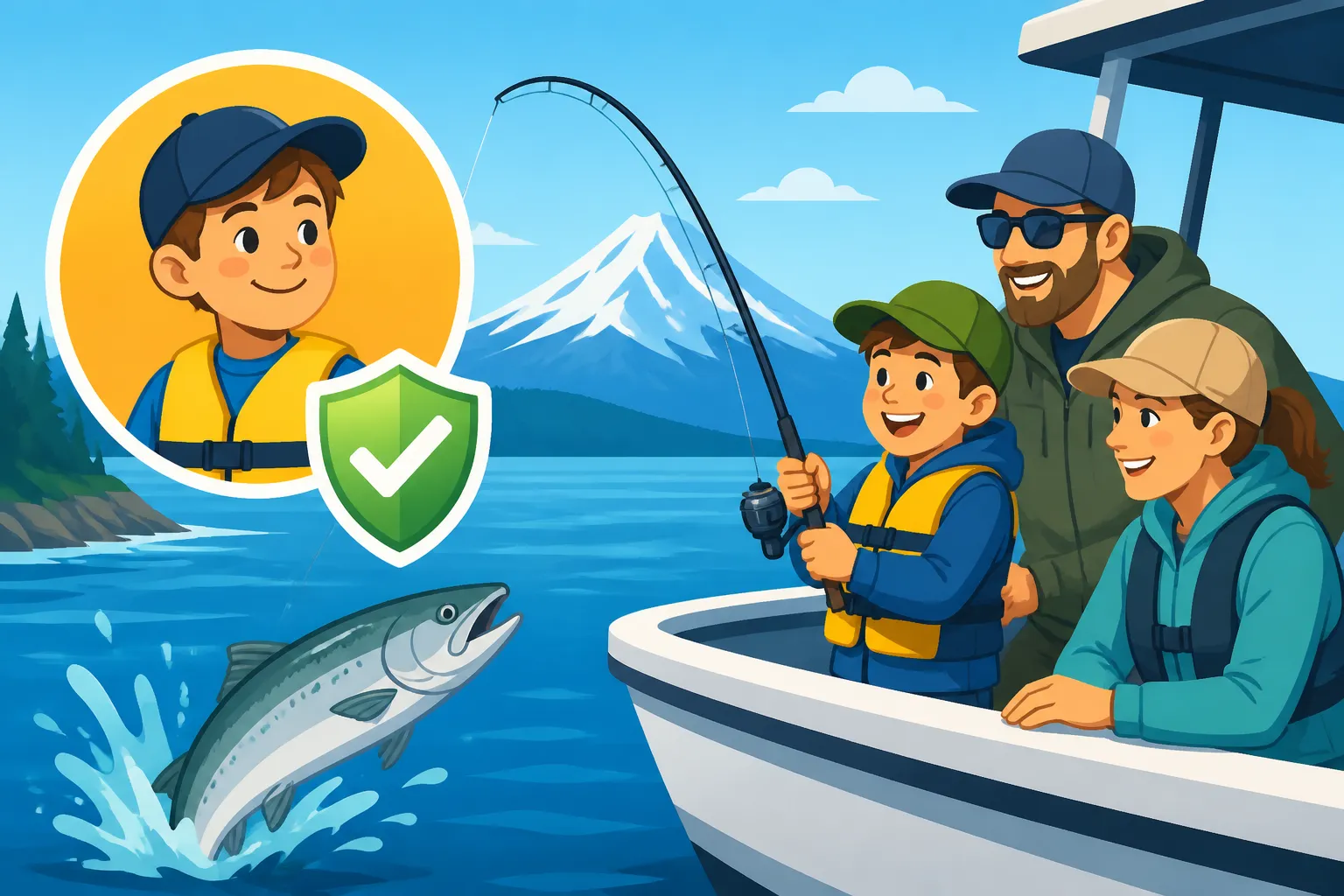
- What safety equipment is provided for children? Specifically, ask about child-sized life jackets. While Washington law requires children 12 and under to wear a life jacket on vessels 19 feet or less when underway, reputable charters will have properly fitted life jackets for younger kids on any size vessel.
- Are there any non-fishing activities for kids if they lose interest? While the primary goal is fishing, some charters might have a small space for drawing, or the crew might have a simple task for them during downtime. Even just having a deckhand who can point out wildlife can make a huge difference.
Remember, a good captain wants happy customers. Being upfront about your child's age and experience allows them to give you accurate advice and ensure it's a good fit.
Preparing Your Child for the Trip
Once you've booked a charter that's kid-friendly, the preparation doesn't stop there. Setting expectations and getting your child ready can make all the difference in their enjoyment.
- Talk about the trip in advance: Explain what fishing on a boat entails. Tell them it might be bumpy, they might get wet, and there could be long periods of waiting between bites. Show them pictures or videos of fishing boats.
- Pack strategically: Bring layers of clothing, even on a sunny day, as boat temperatures can be significantly cooler. Waterproof outerwear is always a good idea. Pack plenty of snacks and drinks, and consider non-drowsy motion sickness medication if your child is prone to car sickness, even if it's just a precaution. A backpack with their favorite small toy, a book, or a coloring pad can be a lifesaver during lulls. Don't forget sunscreen and sunglasses! For a more comprehensive list, check out What to Bring on a Washington Fishing Charter.
- Discuss boat rules: Emphasize the importance of listening to the captain and crew, staying seated when instructed, and never running on deck. Explain that hooks are sharp and fish might be slippery.
- Manage expectations for catching fish: Explain that fishing is called "fishing," not "catching." There will be times when the fish aren't biting, and that's okay. The experience of being on the water is valuable too. You might want to consider going over some general Washington Fishing Regulations Every Angler Should Know beforehand, not just for licenses but for the ethics of fishing.
By doing this groundwork, you're setting your child up for success and minimizing potential meltdowns or disappointments, turning a good idea into a great family memory.
Alternative Family-Friendly Fishing Options
Sometimes, after careful consideration, a full-blown fishing charter might just not be the right fit for your young child yet. That's perfectly okay! Washington state offers a wealth of incredible fishing opportunities that are more accessible, less intense, and often free from age restrictions, making them ideal for introducing little ones to the joy of angling. Choosing between a guided trip and a DIY adventure often comes down to budget and your child's readiness; sometimes, starting with DIY is best. See Choosing Between a Guide and a DIY Trip for more insights.
Shore Fishing and Pier Adventures
For many families, starting with shore fishing or a public pier is the ultimate gateway to the sport. These options offer unparalleled flexibility and comfort. You can leave whenever a child gets restless, you have easy access to restrooms and snacks, and there's plenty of space to move around.
Imagine spending a sunny afternoon at a public pier in Seattle, like the one at Edmonds, where kids can often catch small perch, flounders, or even squids with simple gear. They can drop a line directly into the water, see what's happening, and enjoy the sights and sounds of the marine environment without the worries of a moving boat. Places like the piers at Illahee State Park near Bremerton or Ruston Way in Tacoma also offer great opportunities. These spots are often well-maintained, have ample parking, and sometimes even nearby bait shops. The immediacy of the experience, and the ability to pack up at a moment's notice if a tantrum or naptime calls, makes pier fishing incredibly appealing for families with very young children. Explore some specific locations in Best Shore Fishing Spots Near Seattle.
Lakes and Still Water Experiences
If your child is ready for a boat but not quite for the open ocean or a fast-flowing river, still waters like Washington's numerous lakes are a fantastic stepping stone. A quiet morning spent in a rowboat or kayak on a serene lake offers a gentler introduction to boat fishing. Lakes are less prone to choppy conditions and seasickness, providing a calmer environment.
Many of Washington’s lakes are regularly stocked with rainbow trout, making for excellent, often consistent, fishing opportunities. Think about places like Green Lake in Seattle, which is easily accessible, or larger regional lakes like Lake Sammamish or Lake Washington, which have designated fishing areas. Even better, many of these lakes offer rentals for small boats or pedal boats, allowing you to try out a boat fishing experience without committing to a full charter. Kids can practice casting, learn how to reel in a fish, and enjoy the tranquility of nature. You can also target species like crappie or bluegill, which are often eager biters and a perfect confidence booster for new anglers. Check out Best Washington Lake for a Family Trip for ideas. This type of outing gives kids the "boat fishing" experience in a controlled, low-pressure setting, preparing them for more adventurous trips down the road.
| Factor | Best for Younger Kids (Under 6) | Best for Older Kids (6-12) | Best for Teens (13+) |
|---|---|---|---|
| Location | Shore, public piers, calm lakes | Lakes, protected bays, calmer river sections | Puget Sound, coastal bays, offshore trips |
| Trip Duration | 1-3 hours, flexible start/stop | 3-6 hours, some flexibility | 4-8+ hours, less flexibility |
| Vessel Type | No boat, rowboat, small rental boat | Pontoon boat, larger lake boat, small charter | Larger charter boats, ocean vessels |
| Fishing Activity | Simple bobber fishing, catching small panfish | Targeted species (trout, perch), active jigging | Salmon, halibut, bottomfish, advanced techniques |
| Key Considerations | Easy access to restrooms, minimal motion, short attention span | Ability to follow instructions, less prone to seasickness, some patience required | Interest in active fishing, resilience to elements, understanding of safety |
| Required Equipment | Basic rod/reel, life jacket (if on boat) | Appropriate rod/reel, life jacket (if on boat), layers | Charter-provided gear or personal, full rain gear, motion sickness prep |
| Patience Required | Very low | Moderate | High |
Bringing children into the world of Washington fishing can be incredibly rewarding, but it’s all about matching the experience to their readiness. Whether it's a few hours casting from a pier, a peaceful morning on a lake, or eventually a full-fledged charter with a trusted guide, the goal is to foster a love for the outdoors and the thrill of the catch. Just remember to ask the right questions, prepare adequately, and enjoy every moment. And don't forget that even the youngest anglers will likely need a fishing license, so be sure to check the Minimum Age for a Washington Fishing License requirements before heading out.
Disclaimer
This article is for general informational purposes only and does not constitute professional advice. Laws, prices and regulations vary by location and change over time. Consult a qualified professional for guidance on your specific situation.