Do You Need a Drift Boat Guide on the Yakima?
The majestic Yakima River, a true gem for anglers in Washington, can feel both incredibly inviting and incredibly intimidating, especially if you're picturing yourself casting lines from its banks without a boat. Many folks dream of hooking into a feisty rainbow trout or a powerful steelhead, but they quickly hit a wall wondering how to even access the best spots, let alone navigate the currents. This guide is designed to help you decide if a drift boat guide is the answer to unlocking the Yakima's full potential for your next fishing adventure.
The Yakima River's Unique Charm and Challenges
The Yakima River, particularly the 70-mile stretch designated as a "Blue Ribbon" trout stream, is celebrated across the Pacific Northwest for its incredible wild trout populations and scenic beauty. It's truly a special place, offering a stark contrast to some of the larger, more turbulent steelhead rivers on the west side of the Cascades. However, its very nature presents a unique set of challenges that can make a do-it-yourself trip a bit of a head-scratcher, especially for those unfamiliar with its currents and contours.
Understanding Yakima River Access
One of the biggest hurdles for anglers hoping to explore the Yakima on their own without a boat is access. While there are some public access points, a significant portion of the river flows through private lands. This means that pulling over at a promising-looking stretch of water often isn't an option, and trespassing is, of course, a definite no-go. Even where public access exists, it might not put you in the prime fishing locations that hold the most fish, or it might be limited to short, easily pressured sections.
Imagine driving for miles, seeing beautiful water, but having no legal way to get to it. It's a common frustration that can really put a damper on your fishing day. The river isn't always right next to a public road, and many of the best runs, riffles, and deep pools are only truly accessible by floating downstream. You might find a pull-off, hike down to the river, only to realize the best water is just out of casting range, or that you're standing in a shallow, barren section of the river.
Navigating the Yakima's Currents and Structure
The Yakima River, while not as ferocious as some of our coastal steelhead rivers, still has its fair share of strong currents, tricky riffles, and deep, swift pools. These characteristics are what make it such fantastic habitat for trout and steelhead, but they also make wading a serious consideration. Wading can be challenging and, in some areas, downright dangerous due to variable depths, slippery rocks, and powerful flows that can quickly sweep you off your feet. Even seasoned waders might find themselves limited to certain sections, unable to safely reach prime holding water mid-river.
Beyond the currents, the river's bottom structure can be complex. There are submerged logs, rock gardens, and sudden drop-offs that are invisible from the bank. Fish, especially the larger, warier ones, often hold in these protected, food-rich areas. Without the ability to position yourself precisely with a boat, you might be missing out on these honey holes entirely. Plus, knowing how to "read the water" on the Yakima effectively – understanding where fish will be holding based on current, depth, and structure – takes years of experience. A guide brings that experience directly to your trip.
What a Drift Boat Guide Offers on the Yakima
If you're serious about maximizing your time and success on the Yakima River, especially if you're new to the area or river fishing in general, a drift boat guide can be an absolute game-changer. They aren't just boat drivers; they're your expert navigators, instructors, and local encyclopedias, all rolled into one.
Unparalleled Access to Prime Fishing Waters
The most immediate and obvious benefit of hiring a drift boat guide on the Yakima is the access they provide. Guides know the river intimately, from the public put-ins and take-outs to the hidden stretches of river that hold the most productive runs and pools. They can float you through miles of prime water that would be completely inaccessible to a bank angler, giving you opportunities to cast into untouched sections where fish are less pressured.
A guide understands the flow, the private land boundaries, and the nuances of the river at different water levels and times of year. This means you spend less time scouting and more time fishing in exactly the right spots. They can put you on specific stretches known for large brown trout, or target areas where steelhead might be holding, giving you a distinct advantage over someone trying to find these spots on foot.
Expert Local Knowledge and Instruction
Beyond access, a Yakima drift boat guide brings invaluable local knowledge. This isn't just about knowing where the fish are, but also what they're eating, how they're behaving, and which techniques will be most effective on any given day. They keep up with the latest hatches, water temperatures, clarity, and emergency rule changes. How Washington's WDFW Sets In-Season Emergency Rules is something guides are constantly monitoring.
Guides are also fantastic instructors. Whether you're a seasoned fly angler looking to refine your technique or a complete beginner needing to learn the basics of casting and presentation, they offer personalized coaching. They can teach you how to mend your line effectively, execute the perfect nymphing drift, or present a dry fly with precision. They'll help you understand leader setup, fly selection, and how to "read the water" for trout and steelhead, turning your trip into a valuable learning experience that you can apply to future fishing adventures. Many anglers find their skills improve dramatically after just one guided trip.
Safety, Equipment, and a Hassle-Free Experience
Drifting a river like the Yakima in a specialized drift boat is a skill in itself, especially with varying currents and potential hazards. A professional guide handles all the navigation, ensuring your safety throughout the trip. They are trained in river safety and first aid, allowing you to focus purely on the fishing.
Furthermore, a guided trip means you don't have to worry about bringing all your own gear. Most Yakima guides provide high-quality rods, reels, lines, leaders, and an extensive selection of flies or lures perfectly suited for the river. This is a huge benefit, especially if you're traveling from out of state or just starting out and don't have a full arsenal of specialized river fishing equipment. All you usually need to bring are your personal essentials, your fishing license, and appropriate clothing. What to Pack for a Washington Fishing Road Trip could be useful for knowing what to bring.
The experience is truly hassle-free. Your guide will often pick you up at a convenient location, handle all the boat launching and retrieval, and even provide lunch or snacks on a full-day trip. They tie on new flies, fix tangles, and generally manage all the little details so you can concentrate on the pure joy of being on the water and catching fish. It's a day designed for enjoyment and education.
When You Might Not Need a Drift Boat Guide
While the benefits of a Yakima drift boat guide are clear, there are certainly situations where you might opt for a solo or unguided trip. It really boils down to your experience level, budget, and specific goals for the outing.
Experienced Anglers with Their Own Watercraft
If you are an experienced angler who owns your own drift boat, raft, or even a pontoon boat, and you're already familiar with the Yakima River's access points and intricacies, then a guide might not be necessary. You've likely spent time studying the river, understanding its flows, and honing your techniques specifically for this waterway. You know how to rig your boat, navigate the currents safely, and read the water to find fish.
For these individuals, the cost of a guide might feel redundant when you possess all the necessary skills and equipment to successfully launch, float, and take out on your own. You have the freedom to plan your day, fish at your own pace, and experiment with different spots and techniques without external guidance. This is often the progression of dedicated anglers who fall in love with a river and invest in the gear and knowledge to explore it independently.
Targeting Easily Accessible Bank-Fishing Areas
There are a few public access spots on the Yakima River where bank fishing or wading can be quite productive, especially for beginners or those just looking for a casual outing. Areas near the various public parks or designated access points, like those in the Yakima Canyon, sometimes offer decent opportunities to cast from shore. If your goal is simply to spend some time by the water, practice your casting, and maybe hook a few smaller trout, these easily accessible areas might suffice.
However, it's important to set realistic expectations. These areas tend to be more heavily fished and the prime holding water may still be out of reach. You might not encounter the trophy-sized fish or the sheer numbers you'd find floating through less pressured sections with a guide. But for a low-cost, low-commitment outing, or if you're traveling with kids Do Kids Need a Fishing License in Washington?, targeting these specific spots might be a perfectly enjoyable way to experience a piece of the Yakima.
Budget Considerations and Learning on Your Own
Let's be real, a guided drift boat trip is an investment. For some anglers, the cost might be prohibitive, or they might prefer to allocate their fishing budget to other things, like new gear or multiple shorter, self-guided trips. If your primary goal is to save money and you're willing to put in the time and effort to learn the river on your own, then going without a guide is certainly an option.
This approach requires more research, more trial and error, and a higher tolerance for potentially less successful fishing days. You'll need to study maps, consult online resources, and perhaps talk to local tackle shops for tips. It's a longer learning curve, but for some, the satisfaction of figuring things out independently is part of the allure of fishing. Just remember to prioritize safety and respect private property as you explore.
Choosing the Right Yakima Drift Boat Guide
So, you've decided a drift boat guide is the way to go. Fantastic! Now comes the crucial step: finding the right one. Not all guides are created equal, and finding a good fit for your style, experience level, and expectations can make all the difference in your trip's success and enjoyment.
Researching Experience and Specializations
When you start looking for a Yakima River guide, prioritize those with extensive experience specifically on the Yakima. A guide who knows the nuances of this particular river – its hatches, fish behavior, and specific runs – will be far more effective than someone who primarily guides on other Washington rivers. Look for guides who specialize in the type of fishing you want to do, whether that's fly fishing for trout (dry flies, nymphing, streamers), or gear fishing for steelhead. Fly Fishing Techniques for Winter Steelhead in Washington or Nymphing for Trout on Washington's Yakima River might be something you're specifically interested in.
Don't hesitate to ask about their experience, how long they've been guiding the Yakima, and what their typical trips entail. Many guides will have profiles or websites detailing their experience and expertise. Online platforms like FishingBooker can be a great place to start your search, as they often compile guides' qualifications, photos, and reviews from past clients.
Referrals and Online Reviews
Word-of-mouth is still one of the most powerful tools in finding a great fishing guide. Ask friends, fellow anglers, or local fly shop staff for recommendations. People who have had positive experiences are usually eager to share their guide's contact information.
In addition to personal referrals, scour online reviews. Websites like FishingBooker, Google Reviews, and various fishing forums can provide valuable insights into a guide's professionalism, teaching style, boat upkeep, and overall client satisfaction. Pay attention to comments about communication, safety, and whether clients felt they received good value for their money. A guide with a consistent track record of positive feedback is usually a safe bet. Look for reviews that mention specific aspects important to you, like patience with beginners or success with advanced techniques.
What to Expect and Confirm Before Booking
Before you commit to a booking, have a clear conversation with potential guides about what your trip will include. Clarify the following:
- Cost: What is the total cost for the trip? Are there any hidden fees? (Remember, specific prices won't be listed here, but always confirm this directly with the guide).
- Duration: Is it a half-day or full-day trip? What are the start and end times?
- Inclusions: What equipment is provided (rods, reels, flies, waders)? Is lunch, snacks, or beverages included?
- License & Endorsements: Confirm that you are responsible for purchasing your own Washington fishing license and any necessary endorsements beforehand. Washington Fishing License Guide for Nonresidents or Freshwater vs Saltwater vs Combination Licenses in Washington are great resources.
- Fish Cleaning: Will the guide clean and bag your catch? (If you're targeting hatchery steelhead, for example).
- Cancellation Policy: Understand their policy for cancellations due to weather, river conditions, or personal emergencies.
- Target Species: Confirm what species you'll be targeting (e.g., trout, steelhead) and whether the timing is appropriate for those runs. When Washington's Trout Season Opens and Closes and Washington Fishing Seasons: A Month-by-Month Guide are helpful for this.
A reputable guide will be happy to answer all your questions thoroughly and clearly. Don't feel rushed or pressured to book until you feel comfortable and confident in your choice. Platforms like FishingBooker often facilitate these questions and provide clear breakdowns of what's included in a package.
| Feature | Guided Drift Boat Trip (Yakima) | DIY Bank Fishing/Wading (Yakima) |
|---|---|---|
| Access | Unrestricted to prime, often private, river sections | Limited to public access points, often pressured areas |
| Local Knowledge | Extensive, up-to-date info on hatches, fish lies, conditions | Requires extensive personal research and trial-and-error |
| Instruction | Personalized casting, presentation, and water-reading coaching | Self-taught or learned from other resources |
| Safety | Guide navigates currents and hazards, first aid certified | Personal responsibility for river safety, currents, slippery banks |
| Equipment | High-quality rods, reels, flies/lures often provided | Must bring all own gear, including specific flies/lures |
| Success Rate | Generally higher due to access, knowledge, and instruction | Variable, often lower, especially for newcomers |
| Convenience | Hassle-free, all logistics handled by guide | Requires planning for access, gear, food, navigation |
| Cost | Higher upfront investment for the service | Lower upfront cost per trip (excluding personal gear investment) |
| Flexibility | Set itinerary with guide, but can adjust within reason | Complete freedom to fish how and where you choose |
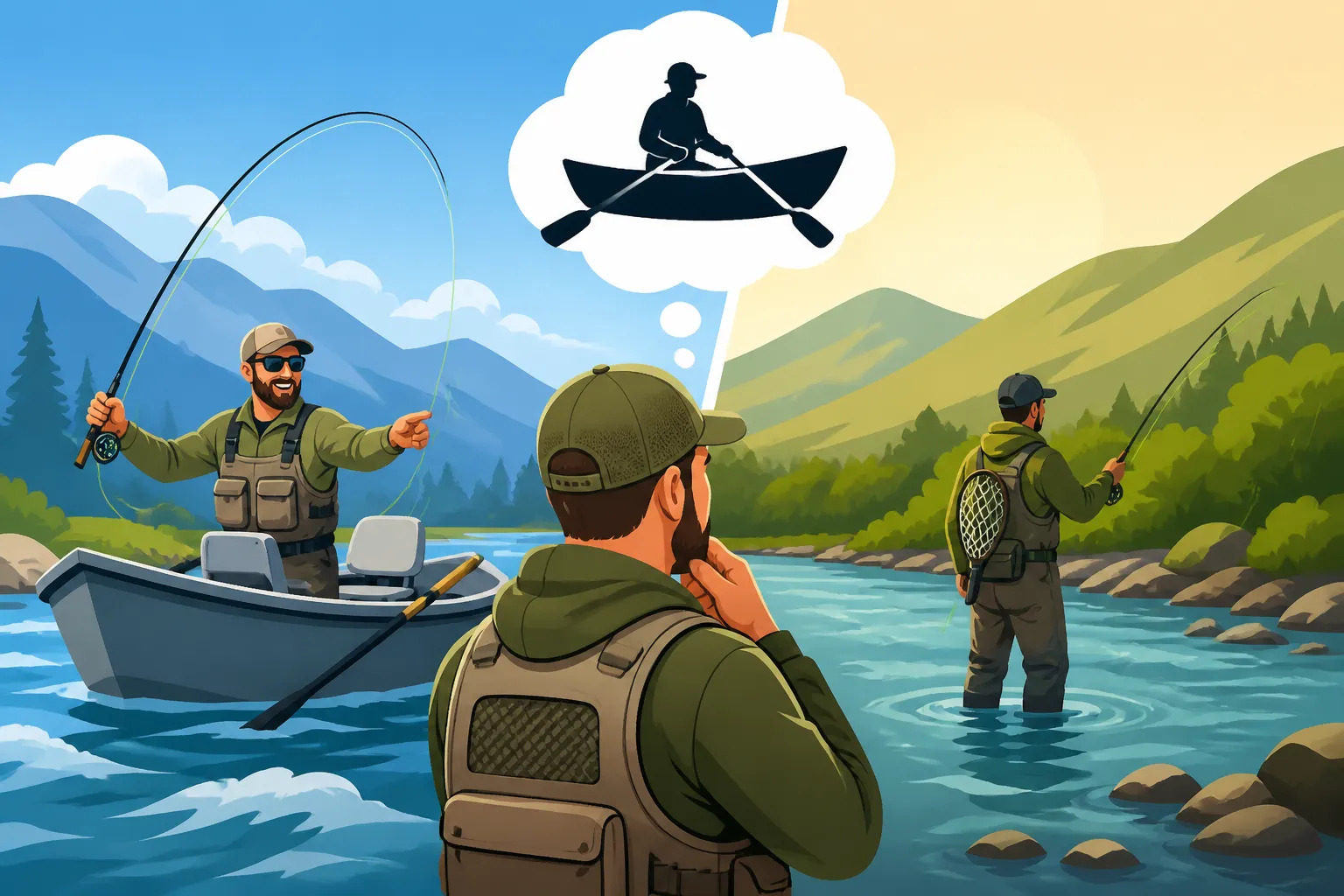
Ultimately, the decision to hire a drift boat guide for the Yakima River depends on your personal preferences, budget, and desired fishing experience. For many, the enhanced access, expert instruction, and overall ease of a guided trip make it an invaluable investment in a memorable and productive day on one of Washington's most iconic rivers.
Disclaimer
This article is for general informational purposes only and does not constitute professional advice. Laws, prices and regulations vary by location and change over time. Consult a qualified professional for guidance on your specific situation.