Does a Crabbing Charter Include Cooking Your Catch?
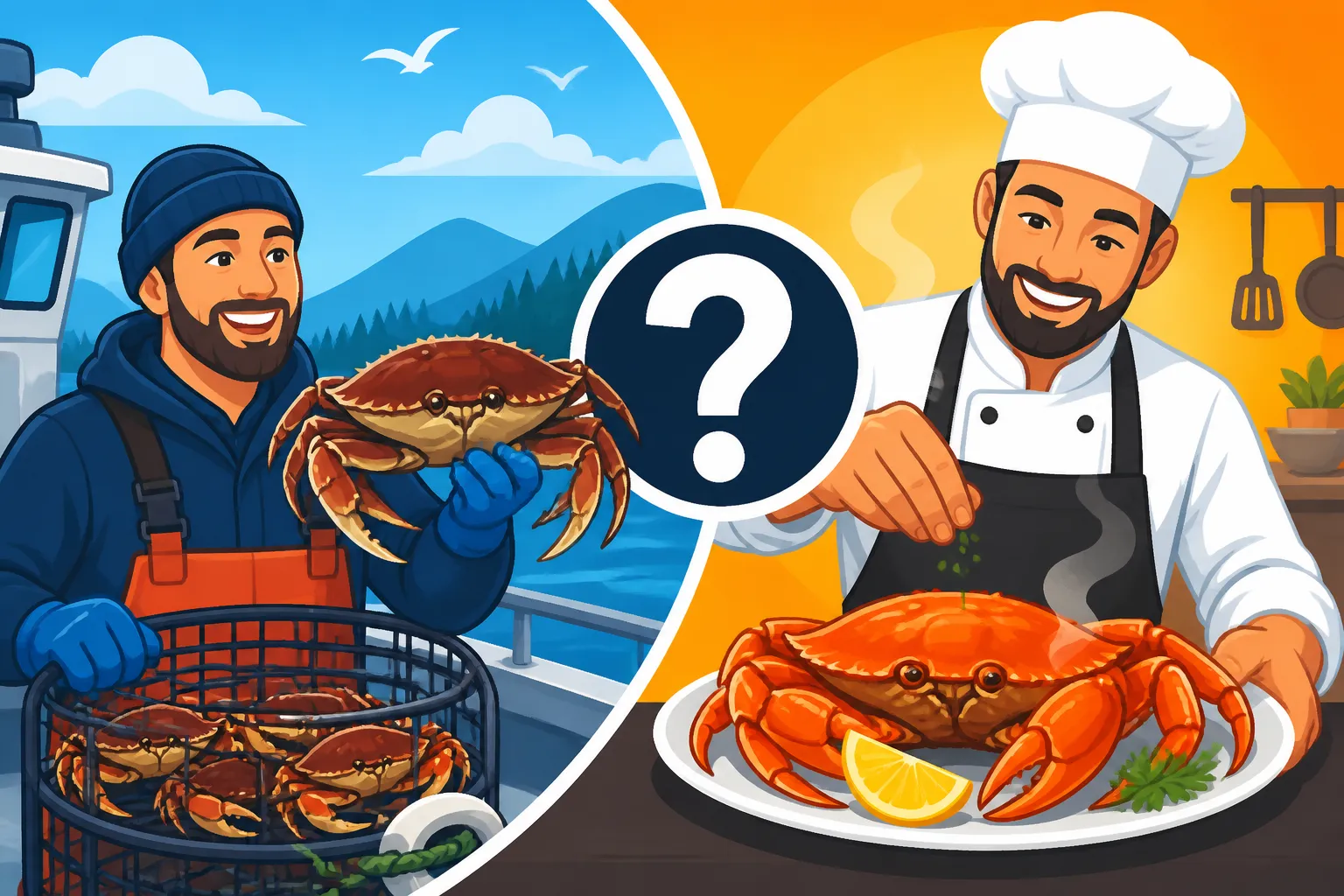
It's a common daydream, isn't it? You've spent a beautiful day out on the waters of Puget Sound, pulling up pots heavy with Dungeness crab, and the thought immediately turns to cracking open those sweet shells right there on the boat, fresh from the water. But for many folks booking a crabbing charter in Washington, there's a practical question that often pops up: does that amazing experience include having your fresh catch cooked right then and there? This guide is here to shed some realistic light on what you can expect from a Washington crabbing charter when it comes to preparing your delicious haul.
Understanding What Crabbing Charters Typically Provide
When you book a crabbing charter in Washington, you're primarily paying for access, expertise, and equipment. The core service is about putting you on the crabs, helping you navigate the regulations, and ensuring you have a safe and successful trip. Think of it as an adventure that culminates in fresh, live crab, rather than a full-service restaurant experience on the water.
The Core Service: Getting You to the Crabs
The number one job of a crabbing charter in Washington is to take you to productive crabbing grounds. This often means heading out into marine areas of Puget Sound or other coastal waters where Dungeness crab are plentiful and legal seasons are open. The captain and crew are experts at reading the tides, understanding crab behavior, and knowing exactly where to drop the pots for the best chance of success. They provide the boat, the fuel, the specialized crabbing gear – the pots, the bait, the lines, the buoys – all the logistical heavy lifting that would be quite a challenge for an individual angler to manage on their own.
They'll guide you through the process of setting and pulling pots, a truly exciting part of the experience. Imagine the anticipation as the pot breaks the surface, and you see it teeming with crabs! This focus ensures you have the best possible opportunity to fill your cooler with fresh, legal crab. You're there for the thrill of the chase and the reward of the catch, and the charter is designed to deliver precisely that.
Standard Inclusions on a Crabbing Charter
So, what can you generally expect to be included when you sign up for a crabbing charter in Washington? Most reputable charters will provide:
- The Boat and Safety Gear: A safe, seaworthy vessel, complete with all necessary safety equipment like life jackets, first-aid, and communication devices.
- Crabbing Gear: This is huge! You won't need to buy your own pots, bait, or lines. The charter supplies all the professional-grade equipment needed to catch crab. This saves you a significant upfront cost and the hassle of transporting bulky gear. For more on the specifics of crabbing gear, you might want to read about Crabbing With Pots vs Rings in Puget Sound.
- Bait: Often, this includes fresh bait, such as fish carcasses or chicken, which is crucial for attracting crab into the pots.
- Expert Guidance: The captain and crew know the local waters and regulations inside out. They'll show you how to pull pots, identify legal crab, and properly handle your catch. This expertise is invaluable, especially for beginners or those unfamiliar with Washington's specific rules.
- Coolers and Ice: Charters typically have coolers on board to store your live crab, usually packed with ice to keep them fresh for the journey home. Keeping crab cool and alive is paramount for quality.
- Measurement and Regulation Enforcement: The crew will ensure every crab you keep meets the legal size requirements and is of the correct sex. Knowing how to measure How to Measure a Legal Dungeness Crab and identify Can You Keep Female Dungeness Crab in Washington? legal crab is a critical part of the experience.
It's clear that the charter's primary role is facilitating the catching of crab, not its immediate consumption. While many fishing charters will offer to fillet your fish, crabbing presents a different set of challenges and expectations.
The Realities of Time and Space on a Charter Boat
The simple truth is that charter boats are designed for efficiency and safety on the water, not for preparing and cooking a full meal. Space is at a premium. Even larger vessels typically have limited galley areas, which are usually reserved for crew use or emergency food prep, not for boiling dozens of crab for guests.
Cooking crab, especially in significant quantities, is a messy, space-intensive, and time-consuming process. It requires large pots, a heat source, and ample counter space for cleaning and cracking. Imagine the steam, the smell, and the general commotion of trying to boil multiple crab pots while the boat is potentially rocking on the waves. It's just not practical or safe in most open-water environments. Charter trips are often carefully timed to maximize crabbing opportunities and get back to port efficiently, leaving little room for a lengthy cooking process.
Why Onboard Cooking is a Rarity for Washington Crabbing Charters
The desire to enjoy your fresh catch immediately is completely understandable. There's nothing quite like the taste of freshly cooked crab. However, there are very good reasons why crabbing charters in Washington, and indeed most places, don't typically offer an onboard cooking service.
Focus on the Catch, Not the Kitchen
Charter operations are businesses built around providing a specific experience: the successful pursuit of fish or shellfish. Their equipment, crew training, and permits are all geared towards safe navigation, effective fishing/crabbing, and adherence to marine regulations. They are not licensed or equipped to operate as a mobile restaurant. Their focus is squarely on getting you a great catch and getting you back to shore safely.
The logistics of cooking for multiple guests on a moving boat are incredibly complex. It would require a completely different type of vessel, additional specialized crew, and a whole new set of health and safety certifications that most fishing and crabbing charters simply don't possess or desire to maintain. This core distinction is key to understanding why cooking your catch onboard is generally not an option.
Safety, Logistics, and Regulations
Beyond the practical space constraints, there are significant safety and regulatory hurdles.
- Fire Safety: Open flames or large heating elements required for boiling on a boat present fire risks, especially with marine fuels and equipment.
- Hygiene and Food Safety: Preparing and serving cooked food requires strict hygiene standards to prevent foodborne illness. Maintaining these standards in a small, dynamic marine environment is extremely challenging.
- Waste Management: Boiling crab creates waste (shells, cooking water) that would need to be properly contained and disposed of, which is complicated offshore due to environmental regulations.
- Licensing: Charters are licensed for marine transport and fishing/crabbing activities. They are generally not licensed for food service, which carries its own extensive set of rules and inspections.
The emphasis on safety and adherence to regulations is paramount for any reputable charter. Adding an onboard kitchen introduces a host of new variables that could compromise both.
The Post-Catch Process: Cleaning and Prep
While cooking isn't included, most charters do perform crucial post-catch preparation to ensure your crab is ready for cooking once you're off the boat. The most common service is often called "cleaning" or "dressing" the crab.
Here's what that usually entails:
- Measuring and Sorting: After you pull the pots, the crew will quickly measure each crab to ensure it meets the minimum size requirement (typically 6¼ inches across the back for Dungeness) and check its sex (only males can generally be kept). Any undersized or female crabs are immediately released. This is a crucial step in Washington Fishing Regulations Every Angler Should Know.
- Cleaning the Crab: This is where the magic happens on many boats. The crew will humanely dispatch the crab, remove the top shell, guts, and gills (often called "the lungs"). This leaves you with the clean, meaty sections of the crab, ready to be cooked. This process is much less messy on the boat than at home and removes a significant amount of weight, making transport easier. It also makes for a much better product, as the crab won't spoil as quickly with the guts removed.
- Icing and Storage: The cleaned crab sections are then placed in coolers with ice to keep them fresh and chilled for your journey home. This proper handling is vital for preserving the quality and taste of your crab.
So, while you won't be eating cooked crab on the boat, you'll leave with perfectly prepped, ice-cold crab that's ready to hit your boiling pot the moment you get back to your kitchen or a local facility.
What Happens to Your Catch After a Crabbing Charter?
The charter's job concludes when you disembark with your legal, cleaned, and iced crab. What happens next is entirely up to you, but there are excellent options for making sure your fresh catch becomes a memorable meal.
Measuring, Sorting, and Keeping Legal Crab
Before any crab goes into your cooler for keeps, the deckhands will be diligently ensuring every one meets Washington's strict regulations. They'll use a specific crab caliper to measure across the widest part of the carapace (the upper shell), looking for that minimum width. Then, they'll check for sex – typically, only male Dungeness crab can be retained. This is especially important for protecting the crab population and ensuring sustainable crabbing for future seasons. Any crab that doesn't meet the criteria, whether it's too small, female, or soft-shelled, gets gently returned to the water immediately. This rigorous process is part of what makes guided crabbing so valuable; you learn the rules firsthand and avoid any potential legal issues. Understanding these rules is also covered in Dungeness Crab Identification and Legal Size.
Cleaning and Icing Your Crab for Transport
Once the legal crabs are identified, the crew will almost always offer to clean them for you right on the boat. This is a huge convenience! They'll quickly and efficiently remove the top shell, gills, and internal organs. What you're left with are the cleaned halves of the crab, primarily the legs and claws attached to a central body section, which contain the majority of the succulent meat. This cleaning process not only reduces the bulk and mess you'd have to deal with at home but also keeps the crab fresher by removing perishable internal organs.
After cleaning, these crab sections are typically placed into coolers provided by the charter, packed generously with ice. The goal is to keep the crab meat cold and firm until you can get it to your kitchen. Proper icing is crucial for maintaining the quality and flavor of your fresh catch. You want to cook them as soon as possible after cleaning for the absolute best taste, so having them chilled from the moment they're processed is key.
Recommendations for Cooking Your Crab at Home or Local Facilities
Once you're off the boat with your pristine, iced crab, it's time to think about cooking!
- At Home: This is the most common and often preferred method. All you need is a very large pot, plenty of water, and some salt. Bring the water to a rolling boil, add the cleaned crab sections, and cook for about 10-15 minutes (depending on size and quantity). They'll turn a vibrant orange-red, and the meat will be firm and opaque. You can then crack them open and enjoy!
- Local Seafood Markets/Restaurants: If you're staying in a hotel or simply don't want to deal with the cooking yourself, many coastal towns in Washington have seafood markets or restaurants that offer to cook your freshly caught crab for a nominal fee. Places like Westport, Ilwaco, or towns around Puget Sound might have such services. It's always a good idea to call ahead to inquire about this service. Some restaurants might even prepare your catch into a dish for you, offering a true "boat-to-table" experience, just not one that happened on the boat.
- Vacation Rentals: If you've booked a vacation rental with a kitchen, that's an ideal setup for a post-charter crab feast. You'll have all the space and tools you need to boil, crack, and enjoy your haul with family and friends.
Remember to bring a cooler or two with you to transport your bounty safely from the dock to your final cooking destination. And don't forget the butter!
Maximizing Your Washington Crabbing Experience Beyond the Boat
A crabbing charter is an incredible way to experience Washington's bountiful waters, but the adventure doesn't stop when the boat docks. Thinking ahead about how you'll handle your catch can elevate the entire experience.
Planning for Your Post-Charter Feast
The absolute best way to enjoy fresh Dungeness crab is to cook it as soon as possible after it's been cleaned and iced. This ensures the peak of flavor and texture. Before you even book your charter, consider your post-trip logistics:
- Accommodation with a Kitchen: If you're visiting from out of town, booking a cabin, vacation rental, or even a hotel suite with a kitchenette will be a game-changer. This allows you the space and equipment to boil your crab comfortably.
- Cookware: Do you have a large enough stockpot? Crabs are big, and even cleaned halves take up space. Make sure you have the right tools, including crab crackers and picks, which are often available at local grocery or sporting goods stores.
- Cooler Management: Bring enough coolers with plenty of ice to keep your crab perfectly chilled until cooking time. If you're driving a long distance, consider freezing water bottles or gel packs for extra cooling power.
- Side Dishes: Plan simple sides that complement the sweet crab meat, like a fresh green salad, corn on the cob, or crusty bread. A good dipping sauce, typically melted butter with a squeeze of lemon, is a must.
Thinking through these details beforehand turns the post-charter cooking into another fun part of the adventure, rather than a chore.
Local Resources for Cooking and Enjoying Your Crab
Washington's coastal towns and communities around Puget Sound are rich with seafood culture. Don't be shy about asking your charter captain or crew for recommendations once you're back on shore. They often know the best local spots for everything from fresh produce to seafood markets that might offer cooking services.
- Local Fish Markets: Many seafood markets, particularly in towns like Westport, Ilwaco, or even Seattle's Pike Place Market area, might offer to steam or boil your cleaned crab for a small fee. This can be a fantastic option if you want the "cooked fresh" experience without the mess in your own kitchen. It's worth a quick phone call to inquire before you head out on your trip.
- Restaurants with "Cook Your Catch" Programs: While less common for crab, some restaurants, particularly those specializing in seafood, might have arrangements where they'll prepare your legally caught and cleaned crab for you to enjoy in their dining room. This is usually a premium service but could make for an unforgettable meal.
- Community Kitchens or RV Parks: If you're camping or in an RV, check if your park or campground has a shared kitchen or boiling station. Some coastal spots cater specifically to crabbers and offer communal facilities.
Don't underestimate the wealth of local knowledge available! A quick chat with your captain can unlock some hidden gems for enjoying your catch. If you're looking for a charter, resources like FishingBooker can help you find local operators and often provide details on what services are included.
DIY Crabbing for a Full Culinary Adventure
If the idea of catching and cooking your crab on your own schedule, perhaps even dockside or right on the beach, appeals to you, then a completely DIY crabbing adventure might be more your speed. This involves:
- Buying Your Own Gear: Purchasing your own crab pots, line, buoys, and bait. This can be a significant upfront investment, but it pays off over time if you plan to crab frequently.
- Understanding Regulations Thoroughly: Being fully responsible for knowing and adhering to all Washington fishing regulations, including seasons, marine areas, catch limits, and measurement rules. This is covered in detail in articles like Washington Fishing Regulations Every Angler Should Know and How Bag and Possession Limits Work in Washington.
- Access to Crabbing Spots: This could involve crabbing from a public pier, a private boat, or a kayak. Each method has its own considerations and access points. For ideas on where to crab, you might find Crabbing and Shellfishing in Washington's Puget Sound helpful.
- Processing Your Catch: Learning how to clean and cook your crab yourself. This can be a rewarding skill to master.
While a DIY approach offers the ultimate control over the entire experience, a charter provides the convenience of expertise, equipment, and efficient access to prime crabbing grounds, leaving you with the fun part of cooking and eating your bounty. Ultimately, whether you choose a charter or DIY, the fresh, delicious Dungeness crab from Washington waters is a culinary reward like no other.
Here's a quick comparison of what you can typically expect:
| Feature | What a Washington Crabbing Charter Typically Provides | What it Typically Doesn't Provide (Onboard) |
|---|---|---|
| Boat & Safety Gear | Yes | |
| Crabbing Pots & Bait | Yes | |
| Expert Guidance | Yes (on finding, catching, identifying legal crab) | |
| Measuring & Regulation Check | Yes | |
| Cleaning/Dressing of Crab | Yes (removing shell, guts, gills) | |
| Ice & Cooler Storage | Yes (for cleaned, raw crab) | |
| Onboard Cooking | No | Yes (boiling, steaming, preparing cooked crab) |
| Serving Utensils/Dishes | No | Yes |
| Post-Trip Cooking | No (this is your responsibility onshore) |
Disclaimer
This article is for general informational purposes only and does not constitute professional advice. Laws, prices and regulations vary by location and change over time. Consult a qualified professional for guidance on your specific situation.