Do Charters Provide Rods and Tackle?
One of the biggest questions that pops up when you're thinking about booking a fishing charter in Washington, especially if you're not an experienced angler or you're traveling from out of state, is what gear you'll need to bring. It's a completely valid concern – you don't want to show up on the dock only to realize you've forgotten something critical. This guide is here to clear up that very common confusion, explaining what fishing charters typically provide in the Evergreen State, what you might still need to consider, and why this setup actually makes your trip much smoother.
The Standard: Charters Usually Supply the Essentials
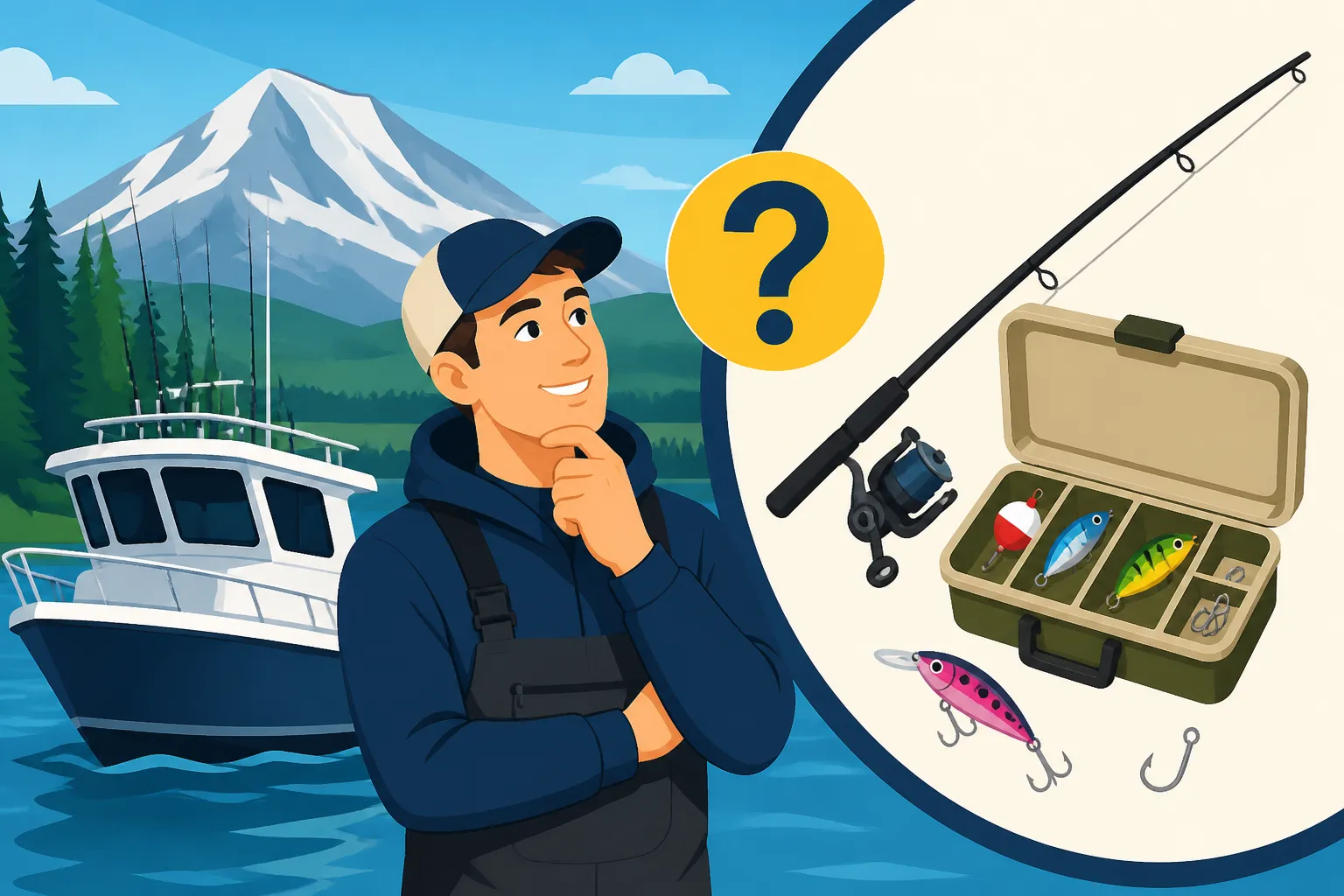
Let's cut right to the chase: yes, almost all legitimate fishing charters and guides in Washington State provide the rods, reels, and terminal tackle you’ll need for your trip. This isn't just a courtesy; it's a fundamental part of their service. These professional operators want you to have the best possible chance of success, and that means using the right equipment for the specific fish and conditions you’ll encounter. You wouldn’t expect to bring your own surgical tools to a doctor, right? Think of a fishing guide in a similar light – they're the experts, and they've got the specialized tools for the job.
Why Charters Provide Gear
There are several really good reasons why your guide will have all the fishing tackle ready for you when you step onto their boat. First and foremost, they know the local waters and the specific species you’re targeting better than anyone. This means they have a carefully curated collection of rods, reels, lines, lures, and baits that are proven to work in that exact fishery, whether you're chasing Chinook in Puget Sound or targeting halibut off the coast of Westport. Using their gear eliminates the guesswork for you. Imagine trying to figure out the perfect herring rig for a specific tide in the San Juan Islands if you've never fished there before – it's a headache they save you from.
Secondly, the gear itself can be quite specialized and expensive. A heavy-duty trolling rod for ocean salmon is very different from a sensitive jigging rod for kokanee in a lake, or a powerful bottom-fishing setup for lingcod. Guides invest a significant amount of money into high-quality, well-maintained equipment that can handle the rigors of daily fishing and the fight of big, strong fish. It also means they have backups if something breaks, which, let's be honest, can happen when you're battling a feisty salmon.
What "Tackle" Truly Encompasses on a Charter
When a charter says they provide "rods and tackle," it’s more than just the basic rod and reel. It usually means everything from the line on the reel down to the hook, including leaders, weights, swivels, lures, flies, bait, and often even bait-cutting tables and specialized landing nets. For instance, on a Puget Sound salmon charter, they’ll have downriggers set up with flashers and spoons, or mooching setups with fresh bait. If you’re drift fishing for steelhead on a river like the Cowlitz, they’ll provide specialized drift rods, perfectly weighted rigs, and the right bait or beads. This comprehensive approach ensures consistency and efficiency, maximizing your time on the water.
Diving Deeper: Specifics of Provided Equipment
Understanding what exactly is provided can help set your expectations and ensure you don't pack anything unnecessary. It’s usually a very complete package designed to get you fishing effectively from the moment you leave the dock.
Rods and Reels for the Target Species
Every guide has a quiver of rods and reels perfectly matched to the type of fishing and the species they pursue. For example, if you're booking a Washington's Columbia River Salmon and Steelhead Endorsement, Explained trip, your guide will have specific rods for spring Chinook, which might be different from those used for fall salmon or winter steelhead. These aren't just generic combos; they're often purpose-built setups. You'll typically find:
- Salmon Rods: Often medium-heavy to heavy action rods with robust baitcasting or level-wind reels, spooled with strong braided or monofilament line, ideal for trolling or mooching for hard-fighting salmon in marine areas like Marine Area 9.
- Steelhead Rods: Lighter, more sensitive rods, sometimes spinning or lighter baitcasting setups, crucial for detecting subtle bites when drift fishing with small baits or jigs in fast-moving rivers.
- Bottomfish Rods: Heavier, stiffer rods paired with powerful conventional reels, designed to handle heavy lead weights and pull large lingcod or rockfish from deep, rocky structures.
- Halibut Rods: The heaviest of the bunch, often short, stout rods with massive conventional reels, spooled with incredibly strong braided line to haul these flatfish up from significant depths off the Washington coast.
Terminal Tackle and Bait
This is where a guide’s local expertise truly shines. They stock a wide array of terminal tackle, chosen for current conditions, water clarity, and fish preferences. This includes:
- Hooks, Leaders, and Swivels: The exact sizes and strengths needed to withstand the local fish and present baits naturally.
- Weights and Sinkers: A variety to match different depths, currents, and fishing techniques, from delicate split shot for trout to heavy cannonballs for downrigging.
- Lures and Jigs: A carefully selected collection of artificial baits that are known producers for the specific time of year and location. This might be anything from Puget Sound dodgers and hootchies for salmon to large jigs for lingcod.
- Fresh Bait: This is a big one. Charters almost always provide fresh bait, whether it's cut herring, anchovies, prawn, or cured roe. Sourcing and preparing quality bait can be time-consuming and expensive for an individual angler, so having it ready is a huge plus.
- Foul Weather Gear (Sometimes): While not always included, some high-end charters might have a limited supply of rain gear or extra layers available, though it's always best to bring your own. We'll cover what to bring later in What to Bring on a Washington Fishing Charter.
When You Might Bring Your Own Gear (And Why)
While charters universally provide the necessary gear, there are a few scenarios where you might consider bringing some of your own equipment. This isn't usually about replacing what the guide offers, but rather complementing it or addressing personal preferences.
Personal Comfort and Familiarity
For some seasoned anglers, using their own rod and reel can simply be a matter of comfort and familiarity. You might have a specific reel you’ve tuned to perfection or a rod whose action you know intimately. For river fishing, especially for techniques like fly fishing, this is more common. If you’re a dedicated fly angler and booking a trip on the Yakima River with a fly fishing guide, they’ll likely ask you to bring your own setup, though they’ll still have flies and leaders. However, for most boat-based salmon or bottomfishing trips, the difference in gear is often minimal, and the guide’s expertise with their own equipment often outweighs any personal preference.
Specialized or Niche Fishing Situations
Occasionally, if you're pursuing a very specific or niche style of fishing that goes beyond the standard charter offering, you might discuss bringing your own gear with the guide in advance. For example, if you want to try spey casting for steelhead, or have a specific ultra-light setup for panfish, it’s worth asking. However, this is quite rare for general charter trips, which focus on maximizing the catch using proven, standard methods. Always communicate with your guide well before the trip if you have any special requests or gear you'd like to use.
Left-Handed Reels or Other Accommodations
If you're a left-handed angler and prefer to retrieve with your right hand (or vice-versa), it's a good idea to mention this when booking. Most guides will have a mix of right- and left-hand retrieve reels, but confirming this ensures they have one ready for you. Similarly, if you have any physical limitations or require specific accommodations, informing your guide beforehand allows them to prepare the appropriate gear or make necessary adjustments to ensure your comfort and enjoyment.
The Advantages of Using Charter-Provided Gear
Beyond the convenience, there are tangible benefits to trusting your guide with the equipment. It truly enhances the overall experience and your chances of a successful day on the water.
Local Knowledge and Optimized Setups
Your guide lives and breathes Washington fishing. They know the subtle differences between different river stretches, the best tides for Trolling for Salmon in Washington's Puget Sound, or the exact depth lingcod are holding at on a given day. Their gear is a direct reflection of this knowledge. They'll have specific lure colors that work best in certain water clarity, hook sizes optimized for the bait and target fish, and lines that offer the best balance of strength and stealth. This isn't just about having a rod; it's about having the right rod, perfectly rigged for the conditions of the day.
For example, a guide fishing off Neah Bay for halibut will use a very different setup than someone targeting trout in a small Eastern Washington lake. The gear is designed to withstand the environment and the fight of the specific fish you're after.
Maintained and Reliable Equipment
One of the biggest frustrations for any angler is gear failure. A reel seizing up, a line snapping, or a rod tip breaking can ruin a trip. Charter guides meticulously maintain their equipment. They clean and service reels, check lines for abrasion, and replace worn components regularly. When you use their gear, you're fishing with equipment that's been professionally cared for, reducing the chances of a breakdown when a trophy fish is on the line. This reliability is especially crucial when you're paying for a guided experience and want every moment on the water to count.
Compliance with Regulations
Washington fishing regulations can be complex, and they often include specific rules about gear, such as Barbless Hook Requirements on Washington Rivers or certain bait restrictions. Your guide is an expert on these rules and will ensure that all the provided tackle is fully compliant. This means you don't have to worry about accidentally using an illegal hook or a forbidden bait, which could result in fines or penalties. They take the stress out of navigating the ever-changing regulatory landscape, allowing you to focus purely on the fishing. For example, understanding Emergency Rule Changes: Why Washington's Rules Shift Mid-Season is part of their job, and their gear choices will reflect any such updates.
What's Typically Not Included and Other Considerations
While the fishing tackle is almost always covered, there are a few other essential items that you, as the angler, are responsible for. It’s important to clarify these before your trip to avoid any surprises.
Fishing Licenses and Endorsements
This is perhaps the most crucial item you must provide yourself. Fishing charters and guides do NOT provide your fishing license. You are legally required to purchase the appropriate Washington State fishing license and any necessary endorsements (like the Columbia River Salmon and Steelhead Endorsement) before you step onto the boat. Your guide will expect you to have this ready, and a WDFW enforcement officer can check it at any time.
- You can usually purchase these online through the WDFW website, at authorized license dealers (like many sporting goods stores), or sometimes at the marina itself.
- Make sure you get the correct license type for the waters you'll be fishing (e.g., freshwater, saltwater, or a combination) and for your residency status (resident vs. nonresident). Washington Fishing License Guide for Nonresidents can help clarify this.
- Keep your license readily accessible, whether it's a printed copy or displayed on your phone via the MyWDFW App. See Can You Show Your License on Your Phone in Washington? for more details.
Food, Drinks, and Personal Items
While your guide will likely have a cooler for your catch, they generally don't provide your personal food and beverages. You'll want to pack a lunch, snacks, and plenty of water or other drinks. Also, remember personal items like sunscreen, sunglasses (polarized are a huge plus for spotting fish!), a hat, appropriate clothing layers, and any personal medications. Depending on the weather and time of year, rain gear and warm layers are non-negotiable for fishing in Washington.
Fish Processing and Tipping
What happens after you catch your fish? Many charters will clean your fish for you, often filleting it, but some may charge an additional fee for extensive processing (like vacuum sealing or freezing). It's always best to clarify Do Charters Clean and Package Your Fish? beforehand.
Another important consideration is tipping. Tipping your guide is customary and highly appreciated, similar to tipping a waiter or other service professional. A good rule of thumb is 15-20% of the trip cost if you had a good experience. Your guide works incredibly hard to put you on fish, maintain gear, and ensure your safety. For more details, check out Tipping Etiquette for Washington Fishing Guides.
How to Confirm What's Provided When Booking
The best way to ensure you know exactly what to expect regarding gear is to ask questions when you're booking your trip. Reputable guides and charter companies will be transparent about their services.
Check the Website or Brochure
Most charter operations will clearly list what's included in their trip packages on their website or in their booking information. Look for sections like "What's Included," "What to Bring," or an FAQ. They often detail whether rods, reels, tackle, and bait are provided, and what you'll need to supply (like your license).
Direct Communication with the Guide
If the website isn't clear, or if you have specific questions about gear (e.g., left-handed reels, specific lure preferences), don't hesitate to call or email the guide directly. A good guide welcomes these questions and will be happy to discuss the details of your trip. This direct communication is also a great way to gauge their professionalism and expertise, helping you to How to Vet a Washington Fishing Guide.
When using booking platforms like FishingBooker, the listings for individual charters typically have a detailed section outlining what's provided and what isn't. It's a convenient way to compare services and ensure all your questions are answered before committing to a trip.
Example Comparison Table: What's Provided vs. What's Extra
To summarize, here's a quick table to give you a general idea of what to expect:
| Item | Typically Provided by Charter | Typically Angler's Responsibility |
|---|---|---|
| Fishing Rods | Yes | No (unless specialized request) |
| Fishing Reels | Yes | No (unless specialized request) |
| Terminal Tackle (hooks, weights, leaders, swivels) | Yes | No |
| Bait | Yes (often fresh and prepared) | No |
| Lures/Flies | Yes | No |
| Fishing License | No | Yes (mandatory for each angler) |
| Endorsements (e.g., Columbia River) | No | Yes (if applicable to fishery) |
| Food & Drinks | No (bring your own) | Yes |
| Rain Gear | Sometimes (ask in advance) | Yes (recommended to bring your own) |
| Sunscreen, Hat, Sunglasses | No | Yes |
| Cooler for your catch | Yes (on board) | No (bring one for transport home) |
| Fish Cleaning/Filleting | Often included (confirm any extra fees) | No (unless specifically negotiated) |
| Fish Packaging/Shipping | No (usually extra or done by third party) | Yes (arrangements often needed) |
| Gratuity/Tip | No | Yes (customary, 15-20%) |
In most cases, booking a fishing charter in Washington means you can leave your heavy tackle box and rods at home. Your guide will be equipped with everything you need for a successful and enjoyable day on the water, allowing you to focus on the thrill of the catch! Just remember your license, personal comforts, and a good attitude!
Disclaimer
This article is for general informational purposes only and does not constitute professional advice. Laws, prices and regulations vary by location and change over time. Consult a qualified professional for guidance on your specific situation.