What a Washington Guided Fishing Trip Costs
Deciding to book a guided fishing trip in Washington State is an incredibly exciting step, promising unforgettable memories and the chance to reel in some truly magnificent fish. But let's be honest, one of the biggest questions that pops up for most anglers right away is, "What's this going to cost me?" It's a valid concern, and trying to pin down a clear answer can feel like chasing a ghost, with prices seemingly all over the map. This guide is here to demystify the investment, breaking down all the factors that influence the price of a guided fishing trip so you can budget wisely and choose the perfect adventure for your wallet and your fishing dreams.
Understanding the Variables That Drive Trip Costs
The sticker price for a guided fishing trip isn't just a random number; it's a reflection of many moving parts, all contributing to the overall experience. Just like buying a car, there's a huge difference between a compact sedan and a fully-loaded SUV, and fishing trips are much the same. Understanding these core variables will help you make sense of why one trip might be significantly more than another.
Trip Duration: Half-Day vs. Full-Day vs. Multi-Day Adventures
One of the most immediate and impactful factors on the price of your guided trip is how long you plan to be out on the water. It makes sense, right? More time on the water means more of the guide's time, more fuel, more wear and tear on equipment, and more opportunity to catch fish.
A half-day trip, typically around 4-5 hours, is often the most budget-friendly option. These trips are fantastic for beginners, families with younger kids who might have shorter attention spans, or those simply looking for a taste of a specific fishery without committing to a full day. While you might have less time to chase that trophy fish, a skilled guide can still put you on plenty of action. You're getting a condensed experience, which means less time for breaks, but also a lower overall cost.
Full-day trips, usually spanning 8-10 hours, represent the sweet spot for many serious anglers. This extended time allows for travel to prime fishing grounds, trying multiple techniques, and waiting out slower bites. You get to experience the full rhythm of a day on the water, from the dawn bite to the afternoon lull and resurgence. Guides can be more flexible, adapting to conditions and moving spots if needed, maximizing your chances of success. Naturally, these trips come at a higher price point than half-days, reflecting the extended service and resources.
Then there are multi-day adventures, often reserved for more remote locations or highly specialized fisheries, like an overnight stay on a remote river or successive days targeting different species. These are the premium experiences, offering deep immersion and unparalleled opportunities. Costs for multi-day trips are, understandably, significantly higher, as they often include lodging, multiple days of guiding, and potentially more extensive logistics. They're an investment in a truly epic fishing expedition.
Type of Fishing: Salmon, Steelhead, Halibut, Trout, and More
The species you're targeting plays a huge role in the cost of your trip. Different fish require different equipment, different boats, and often, different levels of logistical effort from the guide.
For example, a charter targeting Pacific Halibut off the Washington coast is almost always going to be more expensive than a half-day trout trip on a local lake. Why? Halibut fishing typically involves larger, ocean-going vessels, burning significant amounts of fuel to travel many miles offshore. The gear is heavy-duty and specialized, and the permits and insurance for offshore operations are more substantial. Halibut Fishing Techniques for the Washington Coast will give you a sense of the effort involved.
Similarly, chasing elusive Steelhead on a remote river might involve drift boats, specialized fly-fishing or drift-fishing gear, and a guide with intimate knowledge of ever-changing river conditions. The specialized knowledge and equipment for these unique fisheries, especially for wild steelhead, contribute to a higher price. Read more about Drift Fishing for Steelhead in Washington Rivers to understand the nuances.
Salmon trips, whether in Puget Sound or on the Columbia River, also fall into various price brackets depending on the type of salmon (Chinook, Coho, etc.), the time of year, and the specific marine area or river section. Trolling for Chinook in Puget Sound, for example, requires sophisticated electronics and downriggers, which are significant investments for a guide.
Trout fishing, especially on smaller lakes or rivers with readily accessible public lands, can often be among the more affordable guided options. The boats tend to be smaller, fuel consumption less, and the gear less specialized for extreme conditions.
Location, Location, Location: Puget Sound, Coast, Rivers, Lakes
Where you choose to cast your line in Washington State will absolutely impact the price. Washington is incredibly diverse, from the salty depths of the Pacific Ocean and Puget Sound to the rushing freshwater rivers and serene lakes. Each environment presents unique challenges and costs for guides.
Coastal trips, departing from ports like Westport or Ilwaco, are often at the higher end of the spectrum. These trips usually involve ocean charters that require larger, more powerful boats capable of handling open ocean conditions. The travel distances can be considerable, leading to higher fuel costs. The licensing and insurance for offshore commercial operations are also generally more expensive for guides. Fishing Westport and the Washington Coast will show you how expansive these waters are.
Puget Sound charters, while not typically going as far offshore as true coastal trips, still navigate vast marine areas. Guides often specialize in specific marine areas like Marine Area 9 for Salmon Fishing, Explained, requiring precise local knowledge. The boats are typically substantial, capable of carrying multiple anglers and extensive gear for trolling or jigging for salmon and bottomfish.
River fishing guides, particularly for salmon and steelhead on iconic rivers like the Cowlitz, Skagit, or Hoh, often operate specialized drift boats or jet boats. The cost of maintaining these vessels, plus the vehicle and trailer required to transport them, is factored into the trip price. Furthermore, river access points and permits can also add to a guide's overhead. The demand for these skilled river guides during peak seasons can also influence pricing.
Lake fishing, depending on the size and remoteness of the lake, can be more accessible and thus, potentially more affordable. Guiding on a smaller, easily accessed lake for trout or bass generally incurs lower fuel and logistical costs compared to open water or big river operations. However, specialty trips to large, deep lakes like Lake Chelan for Mackinaw or Lake Roosevelt for Kokanee might still carry a premium due to specialized electronics and deep-water techniques.
Delving Deeper: What's Typically Included in the Price?
When you book a guided fishing trip, you're not just paying for a boat ride or a spot on the riverbank. You're investing in an experience, and a significant portion of the cost covers the services and equipment provided by the guide. Understanding these inclusions helps justify the price and ensures you know what to expect.
Essential Gear: Rods, Reels, Tackle, and Bait
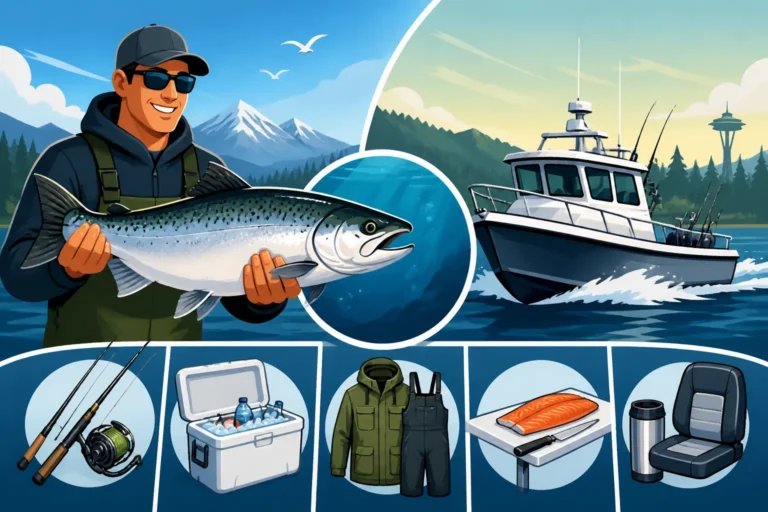
One of the greatest benefits of booking a guided trip, especially for beginners or those traveling from out of state, is that the guide typically provides all the necessary fishing gear. This isn't just a basic rod and reel; we're talking about high-quality, well-maintained equipment specifically chosen for the target species and conditions.
For a salmon charter in Puget Sound, this means top-of-the-line rods paired with reliable reels, spooled with the right line, and often equipped with downriggers and a vast array of specialized lures, baits, and scents. If you're drift fishing for steelhead on a coastal river, your guide will have the appropriate float rods, drift gear like beads, yarn, and weights, and perhaps even cured roe. They often have multiple setups ready for different techniques or to quickly replace a broken rod or tangled line. This saves you the significant expense of buying specialized gear and the hassle of transporting it. The cost of acquiring, maintaining, and replacing this equipment is a major part of the guide's operational overhead and is reflected in the trip price.
Bait, whether it's fresh herring for salmon, cured roe for steelhead, or squid for lingcod, is also almost always included. Sourcing quality bait can be time-consuming and expensive, and guides typically have established relationships with suppliers to ensure they have the freshest options available. They'll know exactly what bait is working best on a given day, saving you valuable fishing time.
Fish Processing: Cleaning, Filleting, and Packaging
After a successful day on the water, you've got a cooler full of fresh fish – now what? Most reputable Washington fishing guides offer basic fish processing services as part of their trip. This is a huge convenience, saving you time and effort when you get back to the dock.
Guides and their deckhands are usually experts at quickly and efficiently bleeding, cleaning, and filleting your catch. They know how to maximize the amount of usable meat and prepare it in a way that's easy for you to transport and cook. For salmon, this often means removing the head and guts, and then carefully filleting the sides. For bottomfish like lingcod or rockfish, they'll often skin and fillet the meat into convenient portions. Some guides might even offer vacuum-sealing or freezing services for an additional fee, but basic cleaning and filleting are a common inclusion.
This service is more than just a convenience; it ensures your catch is handled properly to maintain its quality and freshness. It also means you don't have to worry about the messy cleanup back at your lodging. It's a professional touch that adds significant value to the overall guided experience and is certainly factored into the cost.
Guide Expertise and Safety Measures
Perhaps the most valuable inclusion in the price of a guided trip is the guide themselves – their expertise, experience, and commitment to your safety. You're not just paying for a boat; you're paying for years, sometimes decades, of local knowledge.
A good guide knows the fishing grounds intimately: where the fish are holding based on tide, current, time of year, and recent reports. They understand the nuances of Washington's complex fishing regulations, which can change mid-season due to emergency rules. They know which lures and techniques are working, how to read the water, and how to help you improve your angling skills. This knowledge is invaluable, as it dramatically increases your chances of a successful and enjoyable trip. How to Vet a Washington Fishing Guide can help you understand what makes a guide truly professional.
Furthermore, safety is paramount. Guided trips operate under strict regulations. Guides are typically licensed captains (if operating a boat), carry commercial insurance, and are trained in first aid and CPR. Their boats are regularly inspected and equipped with all necessary safety gear, including life vests, navigation equipment, communications devices, and emergency kits. They constantly monitor weather and water conditions, making informed decisions to ensure everyone's well-being. This commitment to safety and the overhead associated with licensing, insurance, and compliance are significant components of the trip's cost and are non-negotiable for a professional operation.
Beyond the Base Price: Additional Expenses to Budget For
While a guided trip package typically covers the core fishing experience, it's rare for it to be an all-inclusive price that covers absolutely everything. Savvy anglers know there are usually a few additional expenses to factor into their budget to avoid any surprises.
Washington Fishing Licenses and Endorsements
This is probably the most common "hidden" cost that trips up first-time guided anglers. Your fishing license is almost never included in the price of a guided trip, and for good reason—it's a personal permit issued to you by the state. Every angler on board, regardless of age, generally needs a valid Washington State fishing license. This includes combination licenses, freshwater, or saltwater, depending on where you'll be fishing.
Beyond the basic license, you might also need specific endorsements. For example, if you're fishing for salmon or steelhead in the Columbia River or its tributaries, you'll need a Columbia River Salmon and Steelhead Endorsement. If you plan to fish with two rods in freshwater, you'll need a Two-Pole Endorsement. It's crucial to clarify with your guide exactly what kind of license and endorsements you'll need for your specific trip. Many guides will remind you, but it's ultimately your responsibility to acquire it before your trip. You can typically purchase these online through the Washington Department of Fish and Wildlife (WDFW) website, at a local sporting goods store, or a license dealer. Check out Washington Fishing License Guide for Nonresidents or Where and How to Buy a Washington Fishing License for more details. Forgetting this crucial item could mean you can't fish.
Gratuities: Tipping Your Guide and Deckhand
Tipping your fishing guide and any deckhands is standard practice in the industry, much like tipping in a restaurant or for other service-based professions. This is a significant part of their income and is a way to show your appreciation for their hard work, expertise, and dedication to making your trip a success.
While there's no hard and fast rule, a general guideline for tipping is typically 15-20% of the trip's total cost. If you had an exceptional day, with great service, plenty of fish, and a guide who went above and beyond, consider tipping at the higher end or even a little more. If there was a deckhand assisting, it's common to give a portion of the tip directly to them or for the guide to split it appropriately. Remember, tips are for effort, knowledge, and service, not solely for the number of fish caught. Even on a slow fishing day, a good guide will work tirelessly to put you on fish and ensure you have an enjoyable experience. Be prepared to bring cash for tips, as it's often preferred and easier for the crew. For a deeper dive, read Tipping Etiquette for Washington Fishing Guides.
Food, Drink, and Personal Comfort Items
Unless specifically advertised as an all-inclusive luxury package, most guided fishing trips do not include food and beverages. It's expected that you'll bring your own snacks, lunch, and drinks for the day. This could be anything from a simple sandwich and water to a cooler packed with your favorite treats.
Consider bringing items like:
- Water and other non-alcoholic beverages: Staying hydrated is key, especially on longer trips.
- Snacks and lunch: Energy bars, sandwiches, fruit – whatever keeps you fueled.
- Sunscreen and sunglasses: Protection from the elements is essential, even on cloudy days.
- Weather-appropriate clothing: Layers are always a good idea in Washington, as conditions can change rapidly. Rain gear, warm hats, and gloves are often critical, especially for early morning or late season trips. Refer to What to Wear on a Washington Puget Sound Charter for more detailed advice.
- Motion sickness medication: If you're heading out on the ocean or even larger bodies of freshwater, consider taking preventative measures if you're prone to seasickness.
- Cooler for your catch: While your guide will process the fish, you'll need a cooler with ice to transport your fillets home safely.
These personal items are crucial for your comfort and enjoyment but are almost always an out-of-pocket expense you'll need to plan for.
Comparing Trip Formats: Shared vs. Private Charters
One of the most significant decisions you'll make when booking a guided trip, which directly impacts the per-person cost, is whether to join a shared trip or book a private charter. Both options have their merits, depending on your group size, budget, and desired experience.
The Economics of Shared (Open Boat) Trips
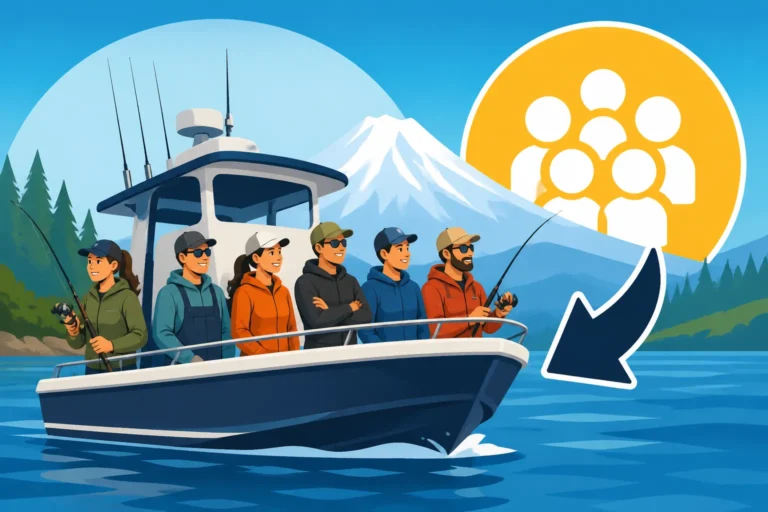
A shared trip, often called an "open boat" or "head boat" (especially for larger ocean charters), means you'll be fishing alongside other individual anglers or small groups who have also booked space on the boat. These trips are almost always more budget-friendly on a per-person basis because the total cost of the guide's time, fuel, and boat operation is divided among all the paying passengers.
This format is fantastic for solo anglers, couples, or small groups who don't want to incur the expense of booking an entire boat. It's also a great way to meet other enthusiastic anglers and share the experience. You might learn new techniques from fellow fishermen or simply enjoy the camaraderie. However, shared trips also mean less personalized attention from the guide, as they need to assist everyone on board. You'll also be subject to the group's collective decisions regarding fishing spots or techniques, though the guide will always strive to cater to the majority. Space can be a bit more limited, and you might not have as much room to spread out your gear.
For example, if a full-day Puget Sound salmon charter costs a certain amount, and the boat takes six anglers, your individual cost will be the total price divided by six, plus your tip. This makes an otherwise expensive trip much more accessible. Many anglers find this a perfectly satisfying and cost-effective way to experience Washington's incredible fisheries.
The Perks and Price Tag of Private Charters
Booking a private charter means you have the entire boat and guide's attention exclusively for your group, whether that's two people or the boat's maximum capacity. This offers the ultimate flexibility and personalization. While the total cost of a private charter is significantly higher than the per-person cost of a shared trip, it can sometimes be comparable or even more cost-effective for larger groups.
The main advantage of a private charter is that the trip can be tailored specifically to your group's preferences. Want to target a specific species? Focus on one particular technique? Spend more time in a certain area? The guide can accommodate your wishes (within regulations and practical limits) without needing to consider other anglers. You'll also receive undivided attention, allowing for more in-depth instruction and coaching. This is ideal for families, corporate outings, or groups of experienced anglers who want a highly customized experience.
For instance, a group of four friends might find that splitting the cost of a private river guide for a full day of steelhead fishing is a fantastic value. Each person gets ample casting room, personalized instruction, and the flexibility to fish their way. The premium price of a private charter buys you exclusivity, flexibility, and a more intimate fishing adventure.
Group Size and Its Impact on Per-Person Cost
The relationship between group size and per-person cost is crucial, especially when considering private charters. Many guides have a set rate for their boat per day, regardless of whether you bring one angler or their maximum capacity (often 4-6 anglers for smaller boats, more for larger ocean charters).
Let's imagine a guide charges a flat rate for a full-day private river trip. If you go solo, you pay the entire flat rate. If you bring a friend, you split that rate between two, effectively halving your individual cost. If you fill the boat with four people, the per-person cost drops even further. This is why many groups will try to fill a boat to its maximum capacity to get the best value on a private charter.
When comparing shared versus private, if you're a single angler or a pair, a shared trip will almost always be more economical. However, if you have a group of four or more, it's worth getting quotes for both shared (if available) and private options, as the per-person cost for a private trip might become surprisingly competitive, with the added benefits of exclusivity. Platforms like FishingBooker often allow you to see options for both shared and private trips, making comparisons easier.
| Trip Format | Per-Person Cost Implication | Flexibility & Attention | Group Size Suitability | Social Aspect |
|---|---|---|---|---|
| Shared Trip | Generally lower per person | Less personalized | Solo, couples, small groups | High, meet new people |
| Private Charter | Higher total, but lower per-person with larger group | High, tailored to group | Families, larger groups, specific needs | Exclusive to your party |
Navigating Booking and Finding the Best Value
Booking a fishing trip can sometimes feel overwhelming, with so many guides and options out there. However, a thoughtful approach to booking can not only secure you a fantastic experience but also help you find the best value for your investment.
Booking Directly vs. Online Platforms
There are generally two main avenues for booking a guided fishing trip: contacting guides directly or utilizing online booking platforms. Both have their advantages.
Booking directly with a guide allows for personal communication right from the start. You can ask specific questions about their experience, their boat, their preferred techniques, and their philosophy on guiding. This direct interaction can help you build rapport and ensure the guide is a good fit for your expectations. Sometimes, guides might offer a slightly different rate for direct bookings, as they avoid platform fees. However, finding and vetting individual guides can be time-consuming, requiring you to search websites, social media, and forums.
Online booking platforms, such as FishingBooker, consolidate information from many different guides in one place. These platforms typically allow you to search by location, species, trip duration, and price, making it incredibly easy to compare options side-by-side. You can often read reviews from past clients, see photos of the boats and catches, and check guide availability in real-time. This convenience is a huge draw, especially for those who are new to an area or prefer a streamlined booking process. While platforms do charge guides a commission, which might subtly influence pricing, the transparency and ease of comparison they offer can be invaluable for finding a suitable trip. They also often provide secure payment processing and clear communication channels.
Ultimately, the choice depends on your preference for convenience versus direct communication. Many anglers use platforms like FishingBooker to initially research and compare guides, then perhaps follow up directly with a few top choices to ask more detailed questions before making a final booking.
Understanding Cancellation Policies and Trip Insurance
Life happens, and sometimes, even the most anticipated fishing trip needs to be cancelled or rescheduled. This is why it's absolutely crucial to understand a guide's cancellation policy before you put down a deposit or pay in full. Policies can vary widely from guide to guide and can significantly impact your financial commitment.
Most guides require a deposit to secure your booking, and this deposit is often non-refundable if you cancel within a certain timeframe (e.g., 30 days, 14 days, or even 72 hours before the trip). Some guides might offer a full refund if they can rebook the date, while others might provide a credit for a future trip. It's also vital to clarify their policy regarding weather cancellations. Reputable guides will never put clients in unsafe conditions and will typically offer a full refund or the option to reschedule if they cancel the trip due to severe weather. However, if it's just a bit rainy but safe, the trip usually goes ahead. Cancellation Policies for Washington Charters provides more context.
For more expensive trips, or if you're traveling a long distance, considering trip insurance can be a smart move. This third-party insurance can cover your financial losses if you have to cancel due to unforeseen circumstances like illness, flight delays, or other emergencies not covered by the guide's standard policy. While an added cost, it offers peace of mind.
Timing Your Booking for Availability and Potential Savings
When you book your trip can have a surprisingly large impact, not necessarily on the price itself, but on your ability to secure the trip you want, and potentially, find a better deal.
Book Early for Peak Seasons: Washington's fishing seasons for popular species like salmon and steelhead are often short, intense, and highly sought after. If you're targeting a specific run or a prime weekend during the summer or fall, guides can book up many months in advance. Booking early ensures you get your preferred dates and guide. Waiting until the last minute drastically limits your options, forcing you to take whatever is left, which might not be your first choice.
Consider Off-Peak or Weekday Trips: If your schedule allows, booking during a less popular time can sometimes open up more availability and, in rare cases, lead to better rates. Weekday trips are often less crowded than weekends. Fishing in the shoulder seasons (early spring or late fall) might offer different opportunities and less competition for guide services. While guides generally maintain consistent pricing, some might be more flexible with rates or offers during slower periods to fill their calendar.
Watch for Emergency Rule Changes: Washington's fishing regulations, especially for salmon and steelhead, are notoriously dynamic and can change mid-season based on fish returns and conservation needs. While this doesn't typically affect trip costs directly, it can affect what you can fish for or where. A good guide stays on top of these changes. If you book far in advance, understand that the target species or location might shift slightly, and be prepared for that flexibility. Emergency Rule Changes: Why Washington's Rules Shift Mid-Season explains this further.
Specific Trip Types and Their General Cost Ranges
While we're committed to not providing specific numbers (as costs fluctuate with many factors), we can discuss the relative cost of various types of guided fishing trips in Washington. This will give you a "shape" of the investment you can expect for different adventures.
Coastal Charters: Halibut, Tuna, and Bottomfish
Trips targeting large, migratory species off Washington's coast tend to represent some of the higher-end guided experiences. This is largely due to the scale of the operation required.
Halibut trips are generally at the top of the price range. These are full-day excursions requiring large, well-equipped ocean vessels that can safely travel many miles offshore. Fuel consumption is substantial, and the specialized heavy-duty gear needed for these powerful fish is expensive to acquire and maintain. The limited seasons and high demand also contribute to the premium cost. Expect these trips to be a significant investment, reflecting the effort, safety measures, and potential for a truly epic catch.
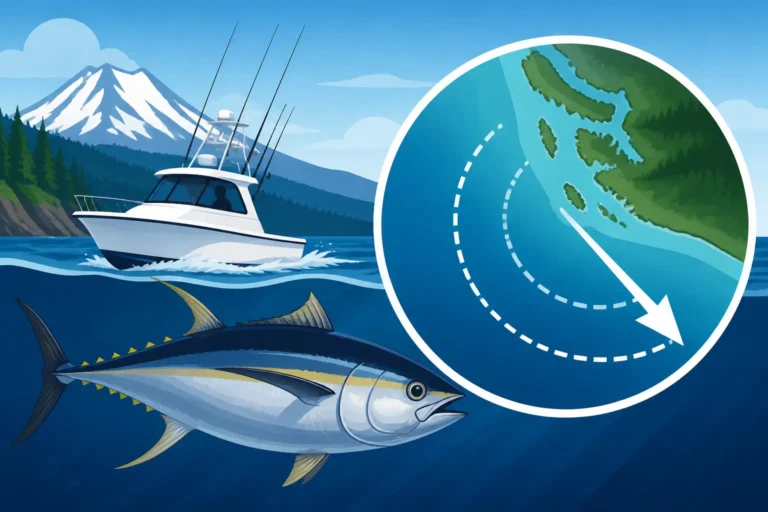
Albacore Tuna charters are also typically premium-priced. Similar to halibut, these require long runs offshore into the open Pacific, often pushing 30-60 miles out. This demands specialized boats, massive fuel consumption, and specific trolling gear designed for tuna. Tuna seasons are often dictated by warmer offshore water, making these trips somewhat weather-dependent and highly sought after.
Bottomfishing for Lingcod and Rockfish can vary. While still requiring sturdy ocean boats, these trips often stay closer to shore or in major bays like Grays Harbor. As such, they can be slightly less expensive than a dedicated halibut or tuna trip, especially if offered as a half-day option or combined with crabbing. However, the specialized gear for jigging and bait fishing in deeper water still contributes to a notable cost.
Inland River Guides: Salmon and Steelhead
Guided trips on Washington's renowned freshwater rivers for salmon and steelhead are also a substantial investment, reflecting the specialized boats, equipment, and deep knowledge required to navigate these dynamic environments.
Steelhead trips, particularly during the challenging winter months on rivers like the Cowlitz, Skagit, or Sol Duc, often come at a premium. Guides use drift boats or jet boats, which are costly to purchase and maintain, plus the expense of shuttle services. The expertise to read ever-changing river flows, identify prime holding water, and employ precise drift fishing techniques for these elusive fish is a highly valued skill. Given the difficulty and specialized nature of steelhead fishing, these trips represent a notable investment. The Hoh River's Winter Steelhead Season highlights the demand for such trips.
River Salmon trips, targeting Chinook, Coho, or Chum on rivers like the Columbia, Kalama, or Lewis, are also firmly in the mid-to-high cost range. Guides for these fisheries often employ jet boats for covering large stretches of river or drift boats for specific sections. The costs are driven by fuel, specialized gear for back-trolling, plunking, or bobber fishing, and the guide's intimate knowledge of the migration patterns and habits of these powerful fish. The intense competition during peak salmon runs also keeps demand and prices firm.
Puget Sound Adventures: Salmon and Lingcod
Fishing the vast inland waters of Puget Sound offers a range of guided trip costs, generally falling into the mid-to-high bracket, depending on the target species and duration.
Puget Sound Salmon charters for Chinook (King) and Coho (Silver) salmon are very popular and reflect a significant investment. These trips typically use larger cabin cruisers equipped with advanced electronics (fish finders, radar, GPS), downriggers, and a wide array of trolling gear, from flashers and spoons to herring and hootchies. Fuel costs for navigating large marine areas like Marine Area 6 for Salmon Fishing, Explained can be substantial. The guide's ability to locate schooling fish and interpret marine conditions is crucial, making their expertise a key part of the value. Trolling for Salmon in Washington's Puget Sound details the specialized methods.
Lingcod and Rockfish trips in Puget Sound, often combined with salmon or crab fishing, can sometimes be slightly more accessible. While still requiring a robust boat and specialized jigging gear, these trips often occur closer to shore or over known rocky structures, potentially reducing long runs and associated fuel costs. However, the guide's knowledge of these specific bottom structures is paramount, contributing to the overall cost.
Lake and Bass Fishing Guides
Guided trips on Washington's numerous lakes for trout, kokanee, bass, or even species like walleye or tiger muskie, tend to be among the more moderately priced options.
Trout and Kokanee trips on lakes like Chelan, Roosevelt, or smaller stocked lakes, typically involve smaller boats with specialized trolling or jigging gear. While guides for these fisheries possess expert knowledge of lake contours, depths, and fish behavior, the operational costs (fuel, boat size) are generally lower than ocean or large river charters. These trips are often family-friendly and can be a great entry point into guided fishing. Jigging for Kokanee in Washington Lakes describes a common technique.
Bass and Walleye trips on rivers like the Columbia or lakes like Banks Lake or Potholes Reservoir, are also typically in the mid-range. Guides use bass boats or similar craft equipped for these specific species, often focusing on structure, current breaks, or specific bait presentations. The cost reflects the guide's knowledge of seasonal patterns and tactics for these popular warmwater fisheries.
Is a Guided Trip Worth the Investment?
After breaking down all the costs, you might still be asking yourself: Is it really worth it? For many, the answer is a resounding yes. A guided fishing trip is more than just catching fish; it's an educational experience, a safety measure, and an opportunity to create lasting memories without the steep learning curve or equipment investment of a DIY trip.
The Value of Local Knowledge and Expertise
Imagine trying to navigate a complex river system you've never seen before, with constantly changing currents and hidden snags, all while trying to figure out where the fish are holding based on a pamphlet. It sounds daunting, right? That's where a guide truly shines. Their local knowledge is arguably the most valuable asset you're paying for.
Washington's fisheries are incredibly complex, with specific regulations for different rivers, marine areas, and even specific times of the year. A professional guide lives and breathes these waters. They know the subtle nuances of the tides in Puget Sound, the changing flows of a steelhead river, or the deep contours of a trout lake. They understand which baits or lures are producing on a given day and can adapt their strategy in real-time. This expertise significantly reduces your learning curve and dramatically increases your chances of success. It's like having a seasoned veteran whispering secrets in your ear all day.
Furthermore, guides are often passionate conservationists and educators. They can teach you about the local ecosystem, the life cycles of the fish, and the importance of ethical angling practices. This adds an educational dimension that a purely DIY trip often lacks.
Access to Specialized Gear and Prime Fishing Grounds
As mentioned earlier, outfitting yourself for every type of fishing Washington offers is an expensive proposition. A guided trip eliminates this barrier completely. Your guide provides all the necessary, high-quality gear—from rods and reels to tackle, bait, and often even rain gear if needed. This saves you hundreds, if not thousands, of dollars in upfront investment and the hassle of transport and maintenance. It means you can show up ready to fish without worrying about having the "right" setup.
Beyond the gear, guides often have access to prime fishing grounds that might be difficult or impossible for the average angler to reach. This could mean a powerful jet boat capable of traversing tricky river sections, an ocean-going charter that can safely run far offshore, or simply the knowledge of a hidden productive spot on a crowded lake. They have the vehicles, boats, and permits to get you to where the fish are, maximizing your time on productive water rather than spent searching.
Learning Opportunities for Anglers of All Skill Levels
Whether you're a complete novice who's never held a rod or a seasoned veteran looking to refine specific techniques, a guided trip offers unparalleled learning opportunities.
For beginners, a guide provides a safe, supportive, and instructional environment. They'll teach you casting techniques, how to set the hook, how to fight a fish, and the basics of fish handling and release. This hands-on coaching is far more effective than trying to learn from videos or books. It builds confidence and provides a solid foundation for future angling adventures.
Experienced anglers can use a guided trip to learn advanced techniques, explore new fisheries, or gain insights into local patterns. Perhaps you want to master spey casting for steelhead, understand the intricacies of mooching for salmon, or learn how to effectively use a fish finder for kokanee. A guide can offer personalized instruction and share nuanced tips that only come from years on the water. It's like attending a masterclass in angling, where you're actively participating and getting immediate feedback.
In essence, while a guided fishing trip in Washington represents a financial investment, it's an investment in a richer, safer, and often more successful fishing experience. It allows you to fully immerse yourself in the beauty of Washington's outdoors, focusing on the thrill of the catch and the joy of the journey, rather than the logistics and learning curve.
Disclaimer
This article is for general informational purposes only and does not constitute professional advice. Laws, prices and regulations vary by location and change over time. Consult a qualified professional for guidance on your specific situation.