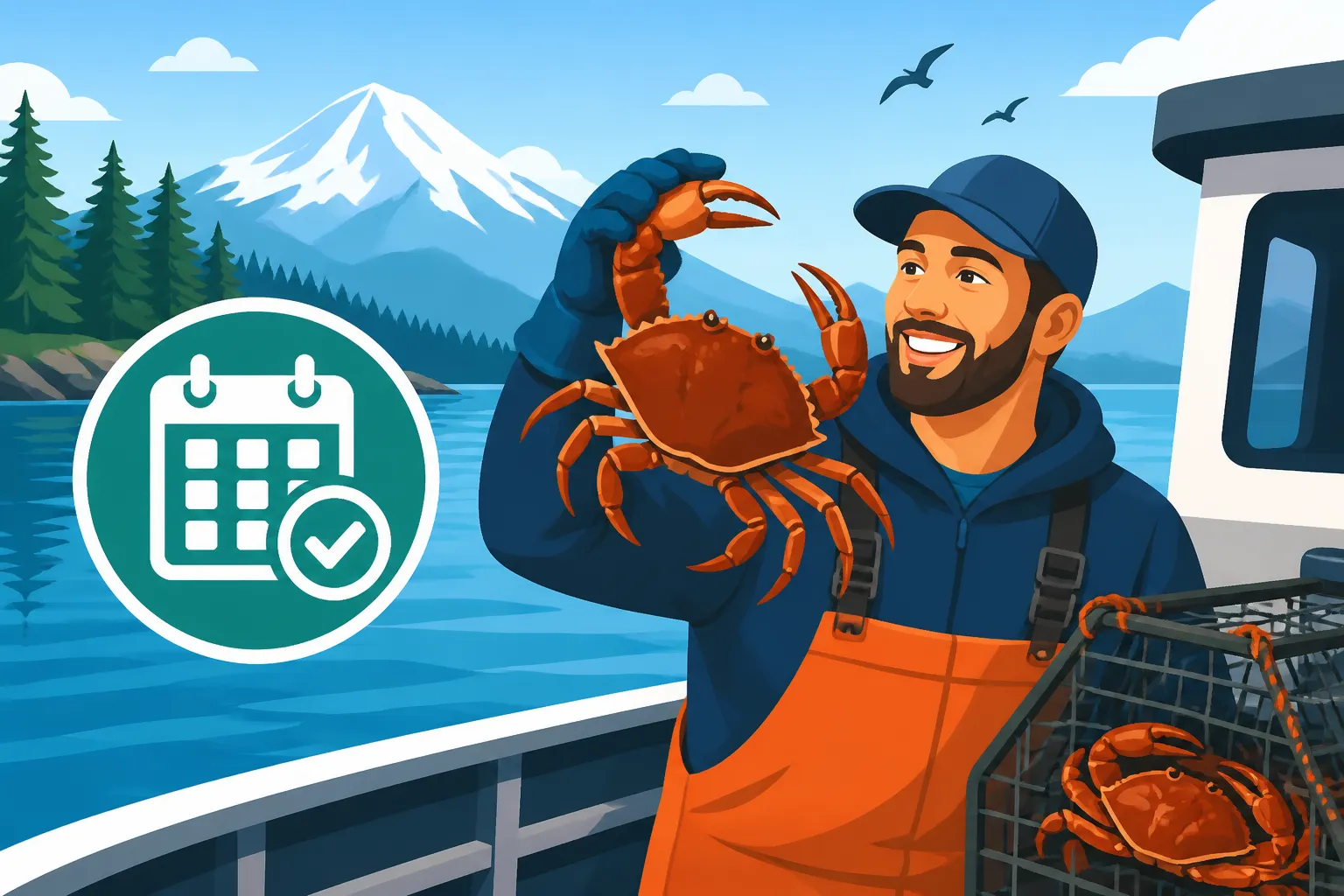
Can You Book a Crabbing Trip in Puget Sound?
It’s a common dream for many visitors and even locals to imagine a dedicated crabbing adventure on the sparkling waters of Puget Sound, pulling up pots bursting with delicious Dungeness. But the reality of finding a charter specifically focused only on crabbing can sometimes feel a bit like searching for a shy octopus—elusive and tricky. This guide is here to shed light on what's truly available for those eager to experience the thrill of crabbing in Washington's iconic marine waters and how to best secure your spot on the water.
Is Booking a Dedicated Crabbing Trip in Puget Sound Even Possible?
When you dream of a "crabbing trip" in Puget Sound, you might picture a boat laden with crab pots, heading out specifically to chase Dungeness. While that vision isn't entirely impossible, the landscape of charter offerings often looks a little different than a dedicated fishing excursion. It's important to understand why this is the case so you can set realistic expectations and know what to look for.
Why Dedicated Crabbing Charters Aren't as Common as Fishing Charters
Let's be honest, most charter operations are geared towards fishing, especially for popular species like salmon or halibut. The economics and logistics simply tend to favor these trips. Fishing charters often involve more active participation from clients, a higher perceived "thrill" factor with rod-in-hand action, and often a higher price point that reflects the specialized gear, fuel, and guide's expertise in locating schools of fish. Crabbing, on the other hand, is a more passive activity. You drop pots, wait, and then retrieve them. While incredibly rewarding when those pots come up full, it's not the same kind of dynamic, constant engagement that a salmon charter offers.
From a business perspective, running a boat solely for crabbing presents challenges. The crabbing seasons in Puget Sound are typically shorter and more restrictive than many fishing seasons, and the daily limits, while generous, might not always justify a full-day, dedicated charter price if the goal is purely to fill a cooler with crab. Many operators prefer to maximize their boat's utility by focusing on fishing, where the demand is more consistent and the client experience is often seen as more "active" and therefore, easier to market as a standalone trip. This doesn't mean guides don't love crabbing; it just means their primary business model often revolves around fishing.
The Hybrid Approach: Fishing Charters with Crabbing Add-Ons
This is where the magic often happens for those looking to get their crab fix! Many excellent Puget Sound fishing charters, especially those targeting salmon or bottom fish, will offer crabbing as an add-on during the peak Dungeness crab seasons. This is a fantastic compromise that allows you to experience the best of both worlds.
Here’s how it typically works: You'll book a fishing charter, perhaps for a morning of trolling for Chinook Salmon: Washington's King of Fish or jigging for bottomfish. Before or after your fishing session, the guide will have a string of crab pots already soaking, or you'll drop them on your way out to the fishing grounds. You get to participate in the exciting retrieval process, learn about sorting and measuring crab, and still enjoy a full fishing experience. It's a smart way for guides to diversify their offerings and for clients to get a taste of everything Puget Sound has to offer. When searching for these opportunities, you'll often see them advertised as "combo trips" or "fishing and crabbing packages." Sites like FishingBooker often list these types of combined experiences, making it easier to filter for what you're looking for.
What to Look for When Booking a Puget Sound Crabbing Experience
Since dedicated crabbing trips can be rare, knowing how to navigate the booking process for a combo trip or finding a guide willing to focus on crabbing (even as part of a larger day) is key. It's all about asking the right questions and doing your homework.
Researching Reputable Operators and Their Offerings
Start by looking for guides who explicitly mention crabbing as part of their services, even if it's an add-on. Many will highlight this on their websites or social media. Read reviews carefully; past clients will often rave about a guide who delivered a great crabbing experience alongside their fishing trip. Local marinas and tackle shops are also goldmines for recommendations, as they know which guides are reliable and cater to specific interests.
When you find potential operators, pay attention to their specialties. Some guides are known for specific fishing types, but might also be passionate about crabbing. Don't be afraid to reach out directly and explain exactly what you're hoping for. Even if it's not explicitly advertised, a guide might be willing to customize a trip during the right season if they have the gear and availability. Platforms like FishingBooker can be incredibly helpful here, as they often provide detailed descriptions of what each charter offers, allowing you to compare amenities and specialties, and even send direct inquiries to captains about custom trips. Look for guides who have a good track record not just with catching fish, but with customer service and safety.
Essential Questions to Ask Before You Book
Once you have a few potential guides in mind, arm yourself with questions. This ensures there are no surprises and that your expectations align with what the guide can deliver.
- "What is included in the crabbing portion of the trip?" Will the guide provide all the pots, bait, and necessary gear, or do you need to bring anything? (Most reputable guides will supply everything for crabbing.)
- "What are the target species for crabbing?" In Puget Sound, Dungeness crab is usually the primary target, but it's good to confirm.
- "How long will we dedicate to crabbing versus fishing?" For combo trips, clarify the balance. Will it be a quick pot pull, or a more substantial effort?
- "When is the best time for crabbing in Puget Sound?" Crabbing seasons can be specific. Ask for their recommended timing. They should be knowledgeable about Crabbing and Shellfishing in Washington's Puget Sound and specific season dates.
- "What are the current How Bag and Possession Limits Work in Washington for crab?" A good guide will know these intimately.
- "Do I need a special endorsement or license for crabbing?" While generally covered by a standard fishing license, confirm any specifics, especially if you're a nonresident. You'll definitely need a Washington fishing license that covers shellfish, and often a When a Catch Record Card Is Required in Washington for Dungeness crab.
- "Will the guide clean and prepare the crab?" Many guides will dispatch the crab and clean them for you on the boat, making it much easier to take home and cook.
- "What happens if the crabbing season is closed or conditions are poor?" Discuss backup plans or refund policies.
Understanding the Crabbing Experience in Puget Sound
Stepping aboard a boat in Puget Sound with the anticipation of pulling up crab pots is an experience unlike any other. Knowing what to expect, from the equipment to the regulations, will help you fully immerse yourself in the adventure.
The Gear, the Baits, and the Process
When you book a crabbing trip, your guide will typically provide all the necessary gear. This includes:
- Crab Pots or Rings: These are the traps used to catch crab. Pots are more common for longer soaks and larger catches, while rings can be used for shorter, more active crabbing. You can learn more about the options in Crab Pots vs Rings in Washington's Puget Sound.
- Buoys and Line: Attached to the pot, these mark its location and allow for retrieval.
- Bait: This is arguably the most crucial element! Common baits include fish carcasses (like salmon heads or rockfish frames), chicken parts (especially legs and thighs), or even specialized crab bait pellets. The key is something smelly and attractive to Dungeness. Your guide will likely have their secret weapon for Best Bait for Washington Dungeness Crab.
- Measuring Device: A gauge to ensure crabs meet the legal size requirements.
- Gloves and Hand Protection: Crab shells, especially Dungeness, can be sharp.
- Cooler: To store your keepers on ice.
The process usually involves dropping baited pots in strategic locations known for crab activity, often near weed beds, rocky bottoms, or channel edges. The pots are left to "soak" for a period, which could be anywhere from an hour to several hours, or even overnight, depending on the trip and regulations. Then comes the exciting part: hauling them up! As the pot breaks the surface, everyone eagerly peers in to see what treasures lie within. The guide will then show you how to identify legal crab, including How to Measure a Legal Dungeness Crab, and how to safely release illegal ones.
Rules and Regulations You Need to Know
Washington State has very specific and crucial rules to protect its valuable crab populations. Your guide will be an expert on these, but it's good to be aware yourself.
| Regulation Category | Key Points for Puget Sound Dungeness Crab (General) | Why It Matters |
|---|---|---|
| License | Shellfish/Saltwater Fishing License required for all ages (or combo). | Essential for legal participation and conservation. |
| Catch Record Card | Required for Dungeness crab, must be recorded immediately. | Tracks harvest data for resource management. |
| Size Limit | Minimum carapace width (measured point to point) must be met. | Ensures crabs have a chance to reproduce. |
| Sex | Only male Dungeness crab may be kept. | Protects the breeding population of females. |
| Species ID | Must correctly identify Dungeness from other crab species. | Prevents accidental harvest of protected or less abundant species. |
| Daily Limit | Specific number of legal crab per angler per day. | Manages overall harvest to sustain populations. |
| Gear | Specific rules on number of pots/rings, buoy markings, escape rings. | Promotes fair chase, reduces bycatch, allows small crabs to escape. |
| Season | Specific opening and closing dates by Marine Area. | Protects crabs during molting and reproductive periods. |
Remember, your guide is responsible for ensuring the trip operates within these rules, but it’s always good for you to be informed. You can find comprehensive details in articles like Dungeness Crab Identification and Legal Size and Washington Fishing Regulations Every Angler Should Know. These regulations are in place to ensure a sustainable and healthy crab population for everyone to enjoy for years to come.
Making the Most of Your Puget Sound Crabbing Adventure
To really maximize your crabbing experience, a little foresight and understanding of Puget Sound's dynamics will go a long way.
Timing Your Trip for Success
The old adage "timing is everything" certainly applies to crabbing.
- Crabbing Seasons: Puget Sound Dungeness crab seasons are typically open during summer and early fall, but specific dates and marine areas can vary annually. Your guide will know the exact dates. Booking your trip during these peak open seasons is paramount. Don't try to go crabbing outside of these regulated windows!
- Tides and Currents: While not as critical as for some types of salmon fishing, understanding the tides can still influence crabbing success. Crabs move with the currents and feed more actively at certain times. Guides often prefer setting and checking pots during slack tide or when currents are moderate, as strong currents can move pots or make retrieval difficult.
- Weather Conditions: Puget Sound can get choppy, especially when the wind picks up. While crabbing isn't as sensitive to weather as, say, Halibut Fishing Techniques for the Washington Coast, a calm day will always make for a more comfortable and enjoyable experience on the water, especially when handling pots. When booking, consider the general weather patterns for the time of year you plan to go. A quick check on a site like FishingBooker might even allow you to see a captain's cancellation policy for bad weather, which is always a good thing to know.
Enjoying Your Freshly Caught Dungeness
The best part about a successful crabbing trip is, without a doubt, the feast that follows. There’s nothing quite like the sweet, succulent meat of a Dungeness crab caught fresh from Puget Sound.
Most guides will help you dispatch and clean your crab right on the boat. This involves removing the top shell and internal organs, leaving you with the delicious legs and body sections. This preparation makes them much easier to transport and cook. Once home, the most common way to prepare them is to boil or steam them. A simple dip in melted butter or a squeeze of lemon is often all you need to elevate the natural flavors. Sharing a fresh crab dinner with friends and family after a day on the water is truly one of Washington's iconic experiences. Remember to handle your crab carefully until they are ready to be dispatched – a crab with all its legs intact will make for a much better meal!
Booking a crabbing trip in Puget Sound, whether as a dedicated excursion (if you can find one!) or as a fantastic add-on to a fishing charter, offers an unforgettable taste of the Pacific Northwest. With the right research, a clear understanding of what to expect, and a knowledgeable guide, you're well on your way to a memorable day on the water and a delicious meal.
Disclaimer
This article is for general informational purposes only and does not constitute professional advice. Laws, prices and regulations vary by location and change over time. Consult a qualified professional for guidance on your specific situation.