How to Know a Washington Guide Is Licensed
You're dreaming of that epic salmon or steelhead trip on one of Washington's incredible rivers or Puget Sound, but a nagging thought keeps creeping in: how do you know the person you're trusting with your hard-earned money and precious time is actually legitimate? It's a completely valid concern. The thought of booking a guide, showing up ready for an amazing day, only to find out they're not properly licensed, or worse, operate unsafely, can cast a serious shadow over your excitement. This guide is here to empower you with the knowledge to confidently choose a properly credentialed Washington fishing guide, ensuring your adventure is both legal and memorable.
Why Licensing is Your First Line of Defense When Choosing a Guide
Booking a fishing trip with a professional guide is an investment – an investment in an experience, in local expertise, and hopefully, in catching some amazing fish. But more importantly, it's an investment in your safety and peace of mind. Without proper licensing, you're not just risking a bad day on the water; you could be putting yourself in a precarious legal or even dangerous situation. This isn't about being overly cautious; it's about being prepared and making smart choices in a state renowned for its diverse and often complex fishing opportunities.
When a guide operates without the necessary state and federal licenses, they're essentially operating an illegal business. This can lead to severe fines and penalties for them, and in some cases, can even put clients in a difficult spot if an enforcement officer stops the boat. You don't want your incredible day on the Columbia River or a calm morning in Puget Sound to be interrupted by legal headaches because your guide skirted the rules. Legitimate guides take their profession seriously, and part of that commitment involves adhering to all the regulations designed to protect both the environment and their clients. It's a cornerstone of responsible guiding in Washington.
Beyond the legalities, a guide's licensing speaks volumes about their commitment to safety and professional standards. Think about it: a guide who goes through the rigorous process of obtaining a Coast Guard captain's license and maintains their Washington Department of Fish and Wildlife (WDFW) guide license isn't just checking boxes; they're demonstrating a dedication to operating within established guidelines for safe vessel operation, passenger care, and ethical fishing practices. This commitment often extends to carrying proper insurance, maintaining their equipment, and staying current on first aid and CPR certifications – all things you absolutely want in someone responsible for your well-being on the water. It’s peace of mind that allows you to fully enjoy your fishing adventure.
Deciphering the Credentials: What Licenses and Certifications Washington Guides Need
Navigating the world of fishing guide licenses in Washington can feel a bit like untangling a particularly stubborn fishing knot, especially because there are both state and federal requirements, depending on where and how a guide operates. It's not just one piece of paper; it's a suite of credentials that demonstrate a guide's legitimacy and readiness to lead you on a safe and successful trip. Knowing what to look for will help you distinguish a true professional from someone just trying to make a quick buck. This is where your investigative skills come into play, allowing you to ask the right questions and verify the answers.
Washington State Guiding Licenses
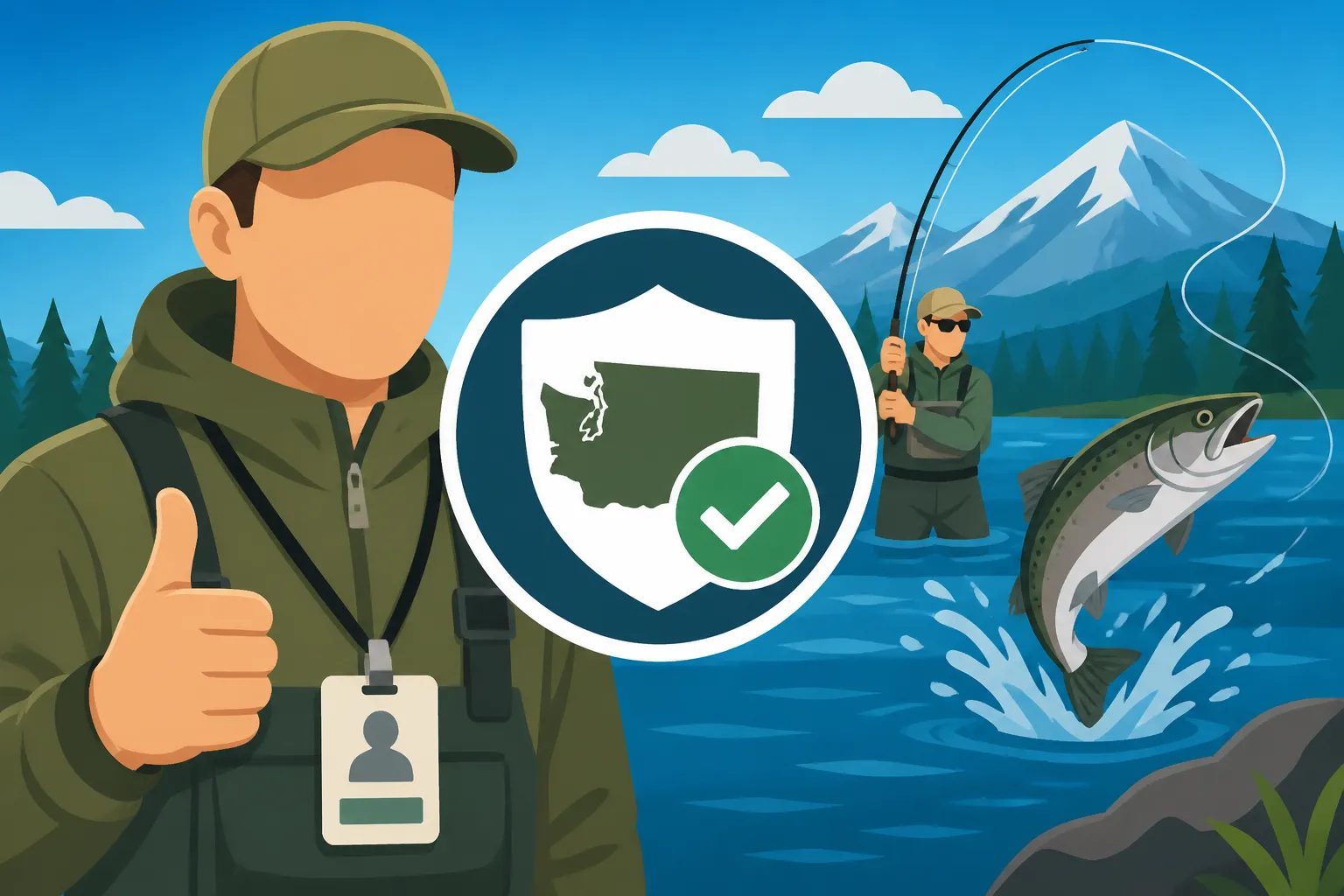
First and foremost, any individual guiding anglers in Washington state waters must possess a valid Washington Department of Fish and Wildlife (WDFW) guide license. This is a state-level requirement and is separate from the personal fishing license you, as an angler, will need. The WDFW guide license signifies that the individual has registered their guiding business with the state and agreed to abide by Washington's fishing regulations. It's their official permission slip from the state to offer commercial fishing services. This license is critical for anyone operating on freshwater rivers and lakes, or within the marine areas of Puget Sound, whether they are running a drift boat, a jet sled, or even just walking clients to bank fishing spots. This license is distinct from your own Washington Fishing License Guide for Nonresidents or Resident vs Nonresident Fishing Licenses in Washington, which every angler still needs.
The WDFW guide license requires guides to meet certain criteria, which can include background checks and a demonstrated understanding of fishing rules. While it's a state requirement, it often works in conjunction with federal licenses for those operating on navigable waters. If a guide is primarily operating on smaller, non-navigable streams or lakes where a larger vessel isn't typically used, the WDFW guide license might be their primary guiding credential. However, it's rare that this is the only license a professional guide will hold, especially given the popularity of larger rivers like the Columbia or the vastness of Puget Sound.
Federal Requirements for Commercial Operators
For guides operating on federally regulated navigable waters, which includes most of Puget Sound, coastal waters, and major rivers like the Columbia, Snake, and lower stretches of many other large rivers, a U.S. Coast Guard (USCG) Merchant Mariner Credential – often referred to as a "Captain's License" – is absolutely essential. This federal license is focused on maritime safety and the operation of commercial vessels carrying passengers for hire. The most common license for fishing guides is an Operator of Uninspected Passenger Vessels (OUPV), also known as a "6-pack" license because it allows the holder to carry up to six passengers.
Obtaining a USCG Captain's License is a rigorous process. It involves extensive classroom training, passing a comprehensive exam covering navigation, seamanship, rules of the road, and safety procedures, accumulating significant documented sea time, and undergoing physical examinations and drug testing. This isn't something you get by simply filling out a form. A guide who holds this credential has proven their competence in safely operating a vessel and managing passengers in a maritime environment. It speaks directly to their skill and dedication to safety on the water, whether you're trolling for salmon in Marine Area 9 for Salmon Fishing, Explained or targeting halibut offshore.
Other Important Certifications
Beyond the core WDFW and USCG licenses, truly professional guides often hold several other important certifications. First aid and CPR certification are crucial. Imagine an emergency situation far from shore or a remote riverbank; you want a guide who knows how to respond effectively. Many guides also carry additional endorsements on their captain's license, such as an Auxiliary Sail endorsement if they operate sailboats, or a Towing Endorsement, which can be invaluable in unexpected situations.
Another critical piece of the puzzle is liability insurance. While not strictly a license, a reputable guide will carry commercial liability insurance to protect both themselves and their clients in the event of an accident. It's a sign of a responsible business owner. Similarly, their vessel should be properly registered and equipped with all required safety gear, including life jackets for everyone on board, fire extinguishers, and emergency communication devices. These details might seem minor, but they collectively paint a picture of a guide who prioritizes your safety and has taken every reasonable precaution.
Practical Steps to Verify Your Guide's Credentials
Once you understand what licenses and certifications a Washington fishing guide should possess, the next logical step is learning how to verify them. It's one thing to know the requirements, and another to actually confirm that your prospective guide meets them. Thankfully, there are several straightforward ways to do this, leveraging public databases, direct communication, and even reputable booking platforms. Taking these steps offers invaluable peace of mind before you ever step foot in their boat.
Checking Online Databases
One of the most effective ways to verify a guide's credentials is through official online databases. For Washington State's WDFW guide license, the department typically has a public search tool or a contact method for verifying licenses. You might need the guide's full name or their guide license number. Similarly, for a U.S. Coast Guard Merchant Mariner Credential, there are public records systems where you can look up a captain's credentials, often through the USCG's MMD (Merchant Mariner Document) search. This requires the guide's full name and possibly their credential number. If a guide is hesitant to provide this information, it should raise a red flag. Reputable guides are proud of their credentials and understand why clients would want to verify them.
Remember that these databases provide factual verification of the license itself. They won't tell you about the guide's personality or fishing prowess, but they confirm the foundational legitimacy of their operation. This due diligence ensures that your guide is operating legally and has met the minimum safety and professional standards set by the state and federal governments. Taking five minutes to check these sources can save you a lot of potential headaches down the line.
Direct Communication: Asking the Right Questions
Don't be shy about asking your prospective guide directly about their licenses and certifications. A professional guide will expect these questions and be ready with clear, concise answers. Here are some key questions you should ask:
- "Do you have a current Washington State WDFW Guide License, and what's your license number?"
- "Do you hold a U.S. Coast Guard Captain's License? What level is it, and what's your credential number?" (Especially important for trips on Puget Sound, the Columbia, or coastal waters.)
- "Are you insured for commercial guiding operations, and could you provide proof of insurance?"
- "Are you certified in First Aid and CPR?"
- "Is your boat registered and equipped with all required safety gear?"
A good guide will happily provide this information. If they hesitate, try to deflect, or get defensive, consider it a significant warning sign. You want a guide who is transparent and confident in their qualifications. This direct line of questioning not only verifies their legitimacy but also gives you a sense of their professionalism and communication style, which are important factors for a successful trip.
Leveraging Reputable Booking Platforms
Another excellent resource for finding and verifying guides is through established booking platforms like FishingBooker. Many of these platforms have their own internal verification processes for guides listing their services. They often require guides to upload copies of their WDFW and USCG licenses, proof of insurance, and other certifications before they can even be listed. This adds an extra layer of scrutiny that can simplify your search. When you book through a platform like FishingBooker, you often benefit from this pre-vetting, though it's still a good practice to confirm with the guide directly.
Platforms also allow you to read reviews from previous clients, which can give you insights into a guide's professionalism, fishing expertise, and adherence to safety. While reviews aren't a substitute for checking licenses, they provide valuable social proof and help you find a guide who not only is legally qualified but also delivers an exceptional experience. For instance, if you're looking for a Family-Friendly Fishing Charters in Washington, reviews can often highlight guides known for their patience and ability to work with children.
| License/Certification | Issued By | Required For | How to Verify | What It Shows |
|---|---|---|---|---|
| WDFW Guide License | Washington State WDFW | All commercial fishing guides in Washington state waters (fresh or salt) | WDFW website/contact, ask guide for number | State-level legality, adherence to WA fishing regs, registered business |
| USCG Captain's License | U.S. Coast Guard | Guides operating on navigable waters (most major rivers, Puget Sound, ocean) | USCG MMD search, ask guide for credential number | Federal legality, maritime safety, vessel operation competence |
| Commercial Liability Insurance | Private Insurance Companies | Highly recommended for all guides, often required by booking platforms | Ask guide for Certificate of Insurance (COI) | Financial protection for clients in case of accidents |
| First Aid/CPR Certification | American Red Cross, etc. | Not always legally required, but standard for professional guides | Ask guide about their current certification, verify dates | Preparedness for medical emergencies |
| Vessel Registration | Washington State DOL | All motorized vessels operating on WA waters | Look for current decals on boat, ask for registration number | Legal operation of the vessel |
Beyond the License: What Else to Look for in a Top-Tier Guide
While licensing is absolutely fundamental and non-negotiable, a great Washington fishing guide offers so much more than just a piece of paper. The experience you have on the water is shaped by a multitude of factors, and truly exceptional guides often distinguish themselves through their extensive knowledge, unwavering commitment to client satisfaction, and overall professionalism. Once you've confirmed their legal qualifications, it's time to delve deeper into what makes a guide truly stand out.
Experience and Reputation
A guide’s experience is invaluable. Someone who has spent years on the specific waters you plan to fish will have a nuanced understanding of local conditions, fish behavior, and seasonal patterns that simply can't be taught in a classroom. They know when the Best Time to Fish for Chinook in Washington's Puget Sound is, or how specific tides impact salmon movement in certain marine areas. Ask them about their tenure as a guide, their specialty species, and the specific areas they frequent. A long-standing positive reputation, built on consistent success and happy clients, is a strong indicator of a guide's quality.
Online reviews and testimonials are goldmines for gauging a guide's reputation. Look beyond just the star rating; read what people say about their communication, patience, fish-finding abilities, and overall demeanor. Did they make the trip enjoyable even if the fishing was slow? Were they good with kids, making it a memorable Family-Friendly Fishing Charters in Washington? Platforms like FishingBooker are fantastic for this, as they aggregate reviews from real customers. Don't just look for perfect scores; sometimes a guide's honest response to a less-than-stellar review can tell you a lot about their integrity and commitment to improvement.
Insurance and Safety Protocols
We touched on insurance already, but it bears repeating: commercial liability insurance is crucial. It protects you and the guide in the unlikely event of an accident. Don't hesitate to ask for proof of insurance. Beyond the paperwork, a truly professional guide will also have robust safety protocols in place. This includes a well-maintained vessel with all required Coast Guard safety equipment, clear pre-trip safety briefings, and a sensible approach to weather conditions. They won't push the limits of safety for the sake of a fish. For example, if you're booking a Westport Halibut Charter Cost, you'll want to know they prioritize safety when heading offshore.
A guide should also be transparent about what to expect regarding safety, especially on more challenging waters or during certain weather. They should explain things like how to handle a fish safely, what to do in case of a rough patch of water, or how to operate emergency equipment if needed. This proactive approach to safety instills confidence and ensures that your focus can remain on enjoying the fishing.
Professionalism and Communication
The best guides are not only skilled anglers but also excellent communicators and consummate professionals. From your initial inquiry to the end of your trip, their communication should be clear, timely, and respectful. They should explain the game plan for the day, manage expectations realistically, and be patient and encouraging, especially if you're a beginner. Nobody wants a grumpy guide who makes you feel inadequate! A guide who makes the effort to teach you new techniques or explain why they're fishing a certain way truly enhances the experience. This ties into questions like Should You Tip a Washington Fishing Guide?, because a truly professional and communicative guide often earns a well-deserved gratuity.
Consider how they handle the less glamorous aspects of the trip: is their gear well-maintained? Is their boat clean and organized? Do they show up on time? These small details collectively reflect a guide's overall professionalism. An organized and well-prepared guide signals that they respect your time and are dedicated to providing the best possible service, from the moment you meet until you're heading home with your catch, ready to talk about How to Ship Fish Home From Washington or simply enjoy your fresh fillets.
Disclaimer
This article is for general informational purposes only and does not constitute professional advice. Laws, prices and regulations vary by location and change over time. Consult a qualified professional for guidance on your specific situation.